This half term, our enquiry focus is “How does it change?.” The children will explore how living things, people, animals, and the natural world change over time. Through stories, discussions, and hands-on experiences, they will observe how seeds grow into plants, how families care for one another, and how animals develop and grow. They will also explore special celebrations such as Mother’s Day, Eid, and Easter, and notice the seasonal changes that happen in spring.
The children will ask questions, make observations, and share their ideas about how and why things change. These experiences will help them develop their Understanding of the World, while also building important skills such as language, curiosity, teamwork, and problem-solving. 🌱
Week 1: How do living things grow and change?
This week, we explored how plants grow and change. We read The Tiny Seed by Eric Carle and enjoyed looking at the life cycle of a seed, talking about the different stages as a tiny seed grows into a flower.
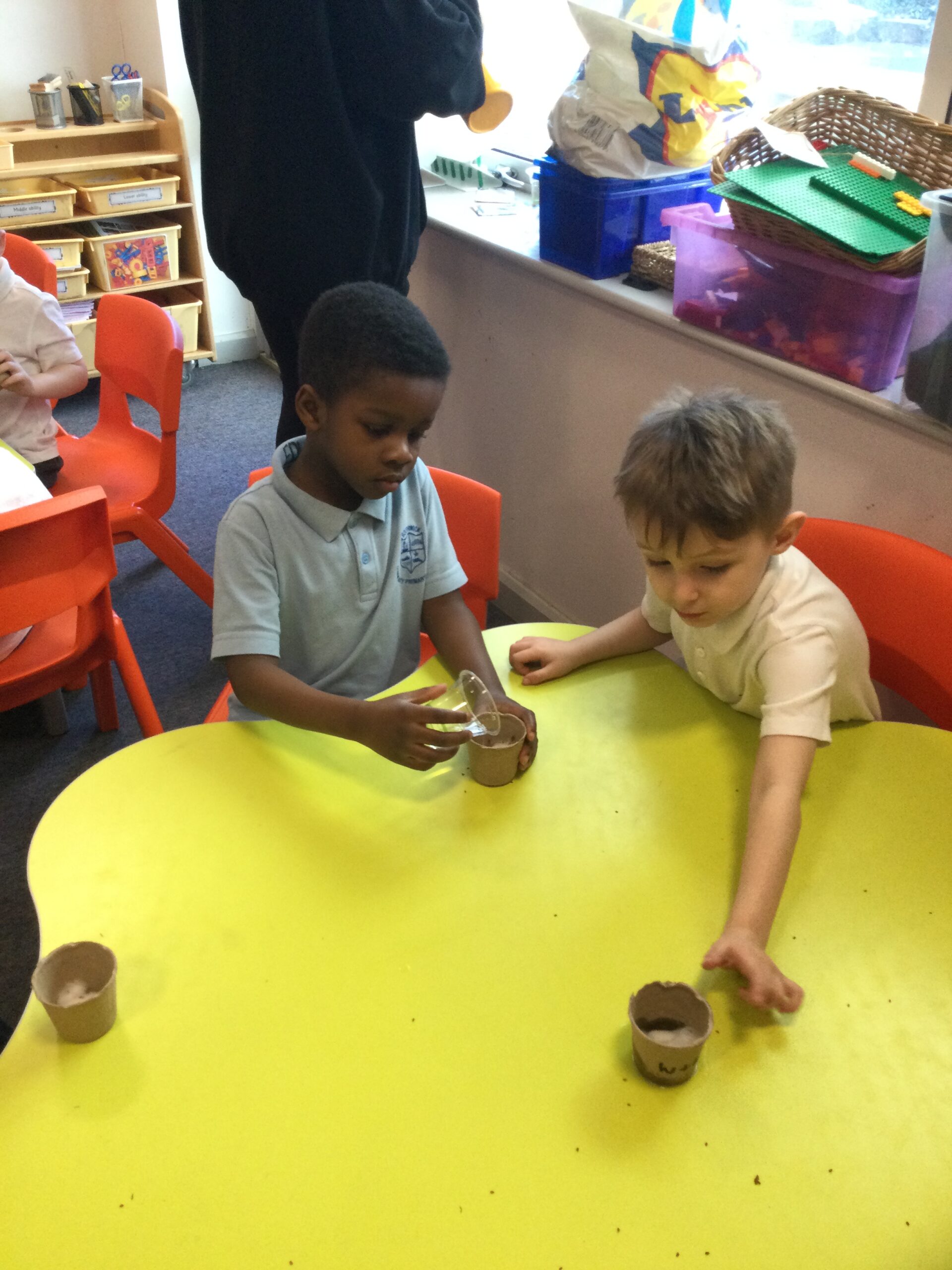
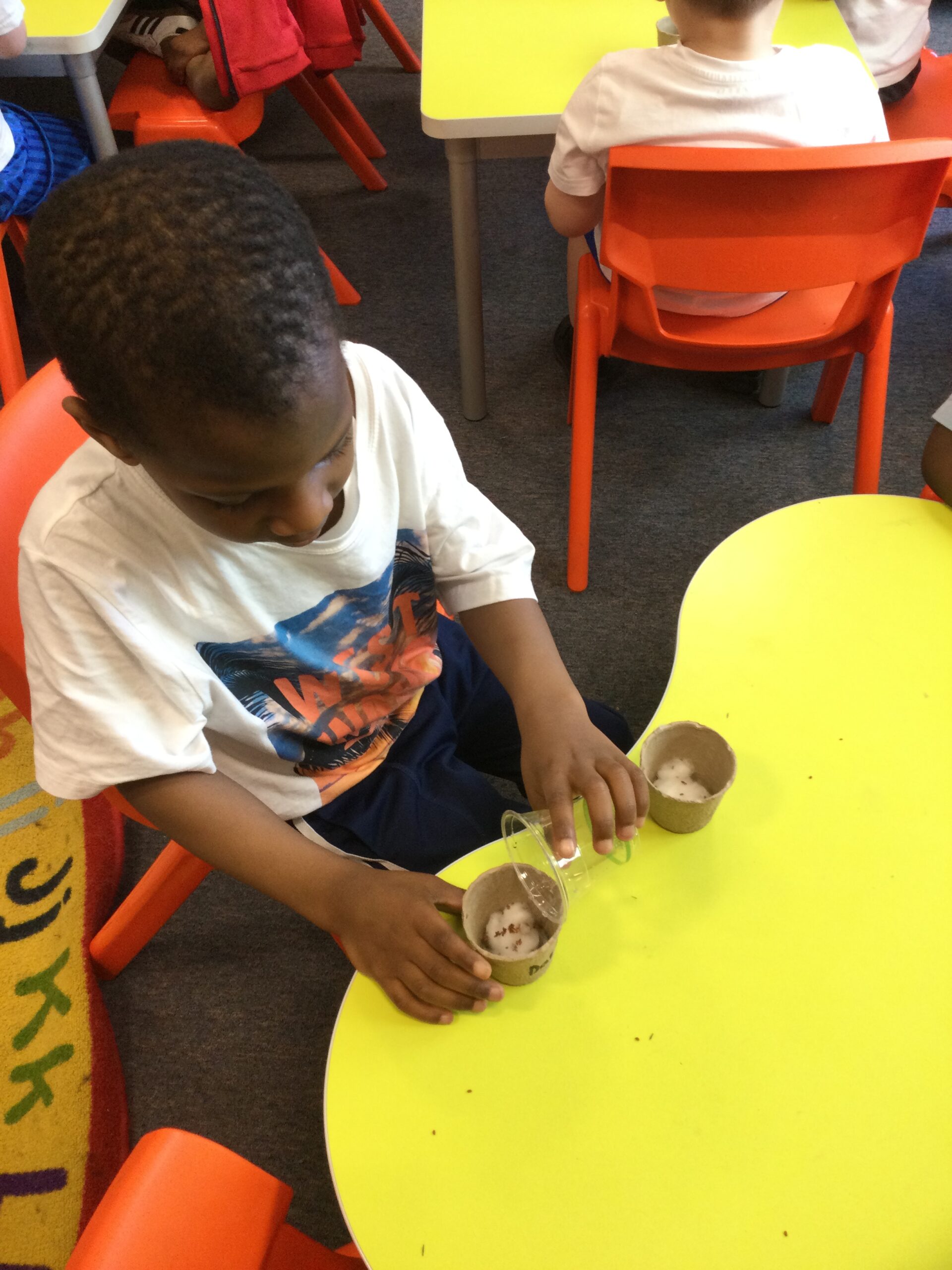
We carried out a seed experiment using cress seeds. We planted them in three cups: one with water and light, one with no water, and one kept in the dark. The children made predictions about which seeds would grow best, and we will continue to observe the changes over time.
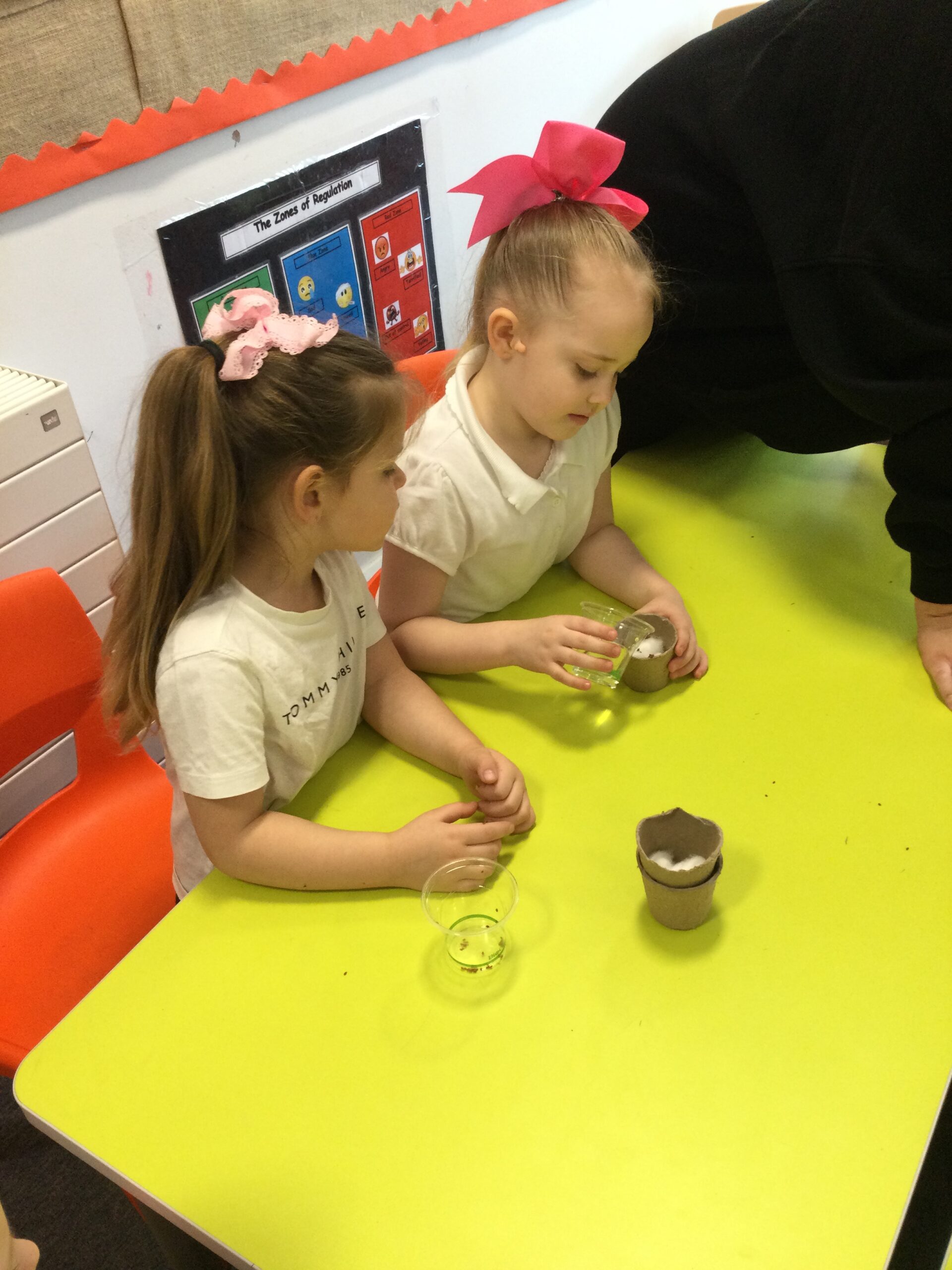
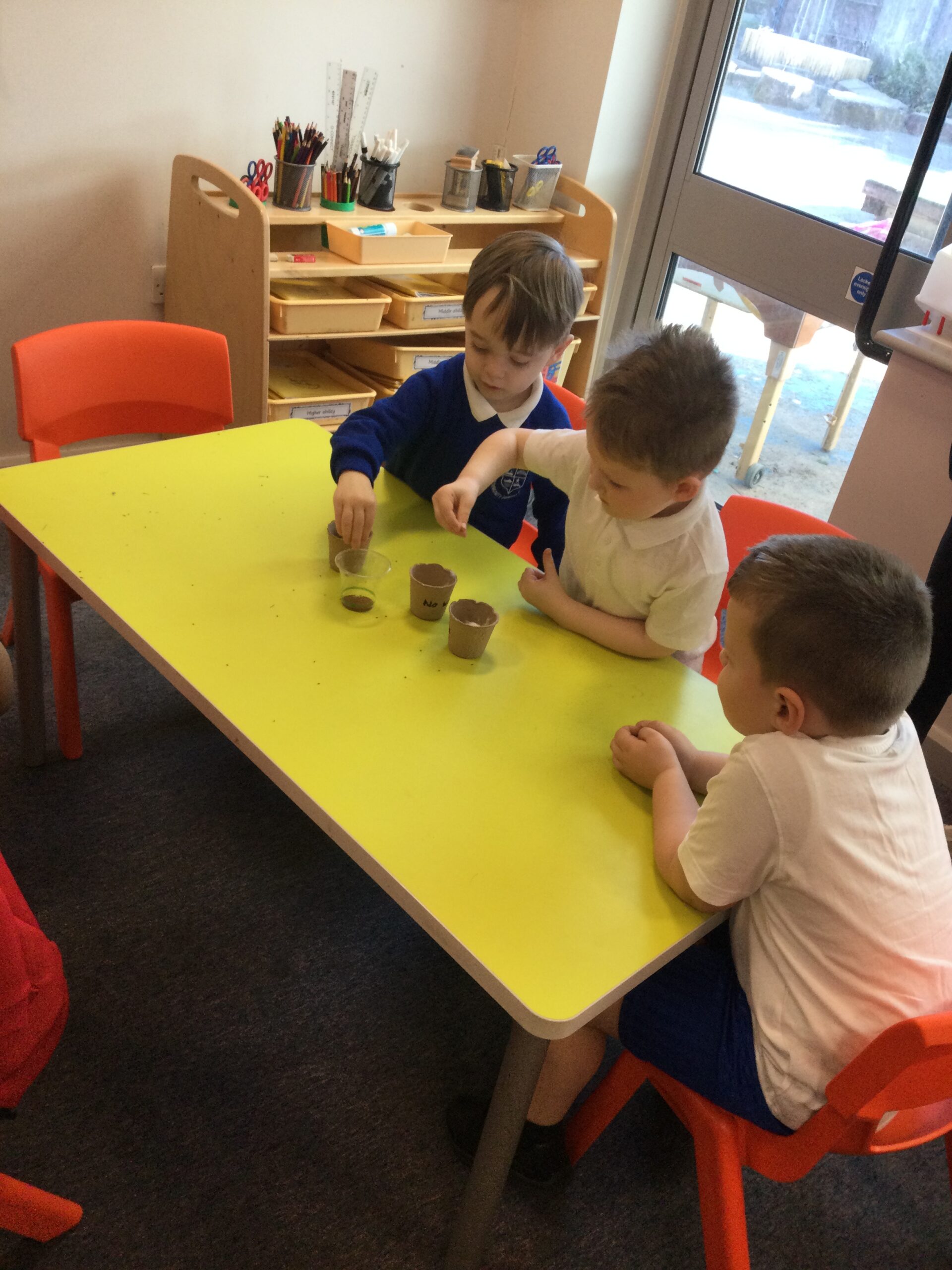
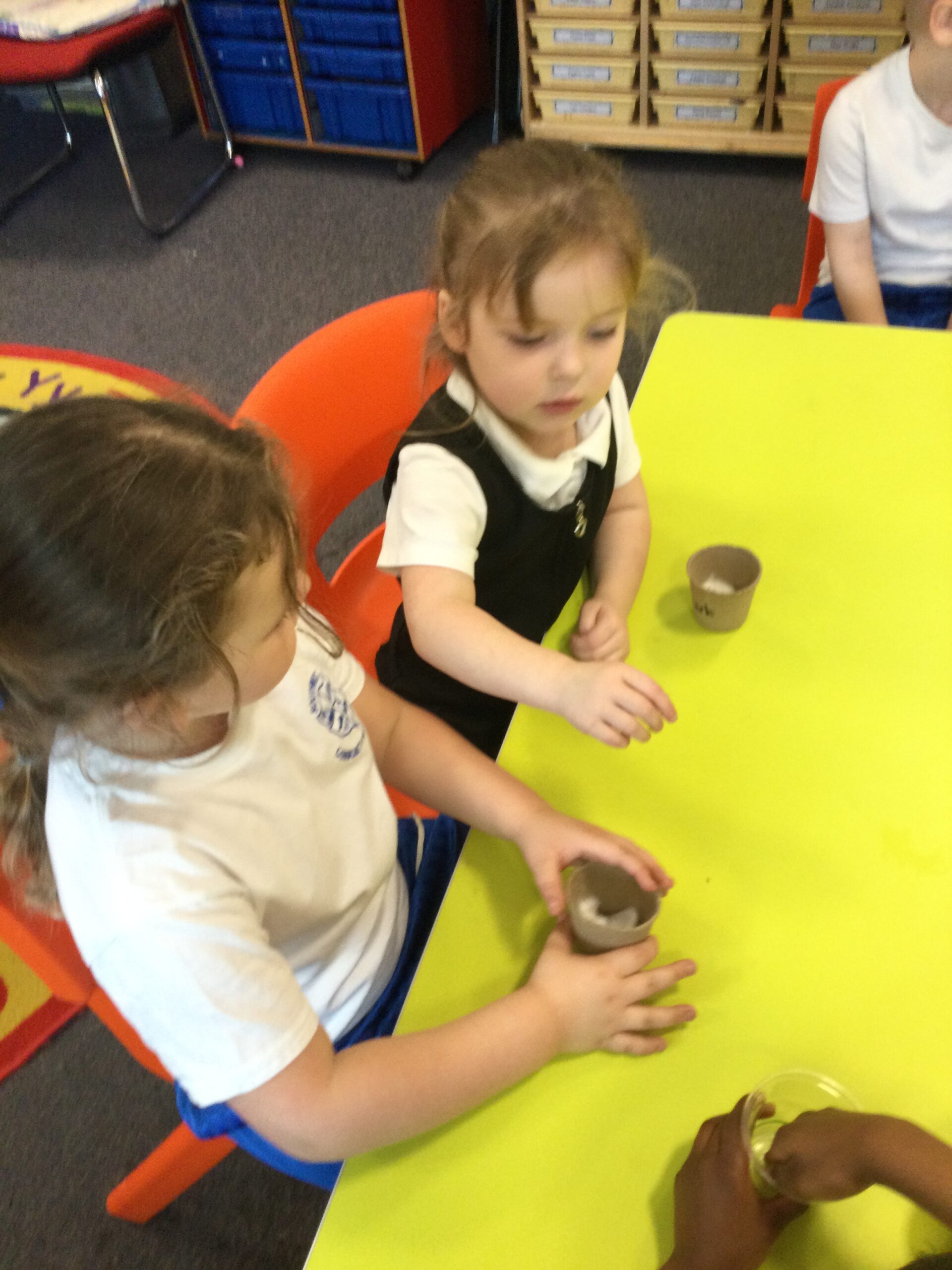
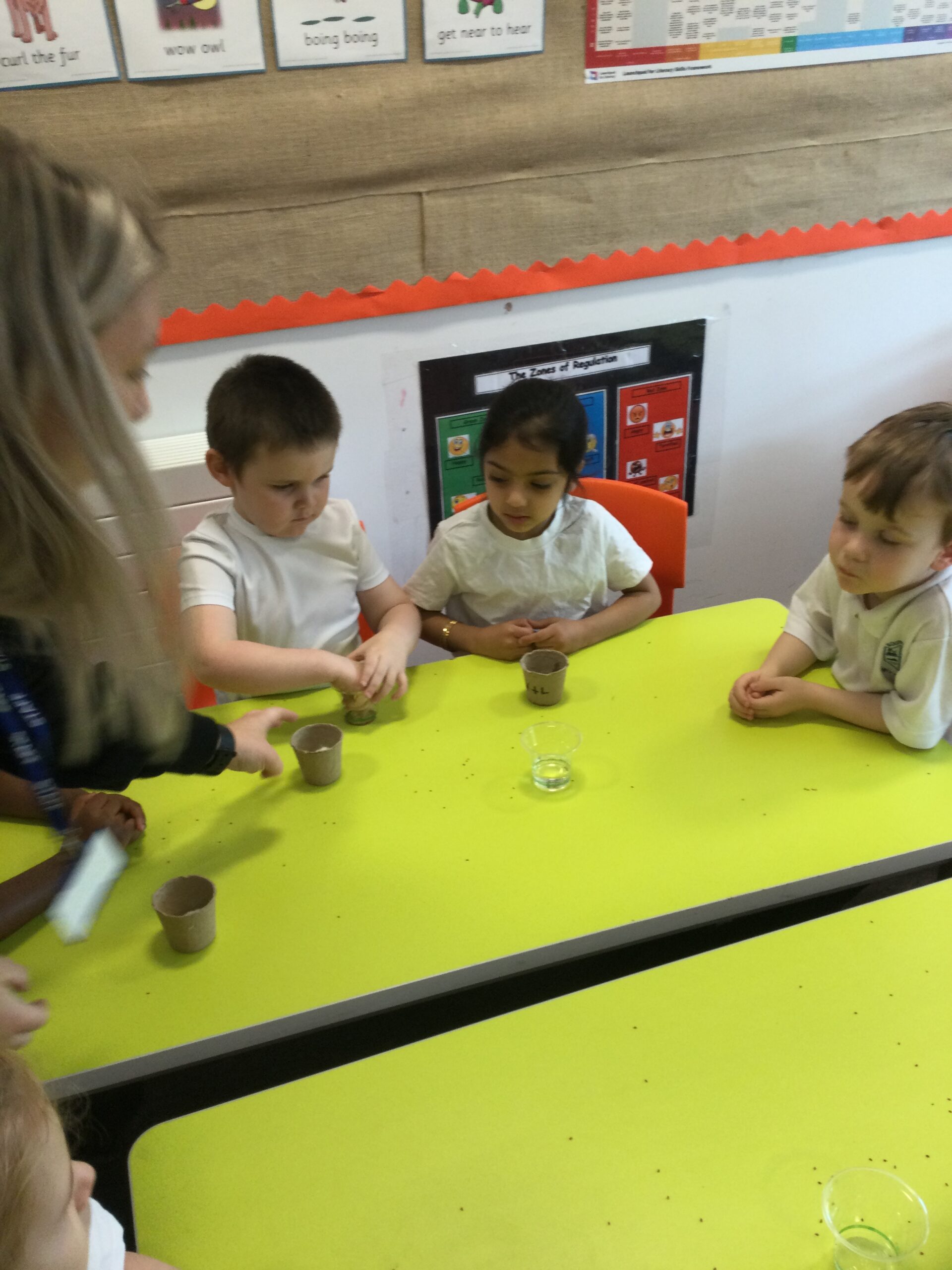
In RE this week, we explored the idea of new life and how this links to Easter. We talked about how eggs represent new beginnings and the start of new life. We went on an outdoor investigation to look for signs of new life in our surroundings. We were so excited to spot buds on plants and flowers beginning to grow, helping us understand how new life appears in nature during spring! 🌱🌼
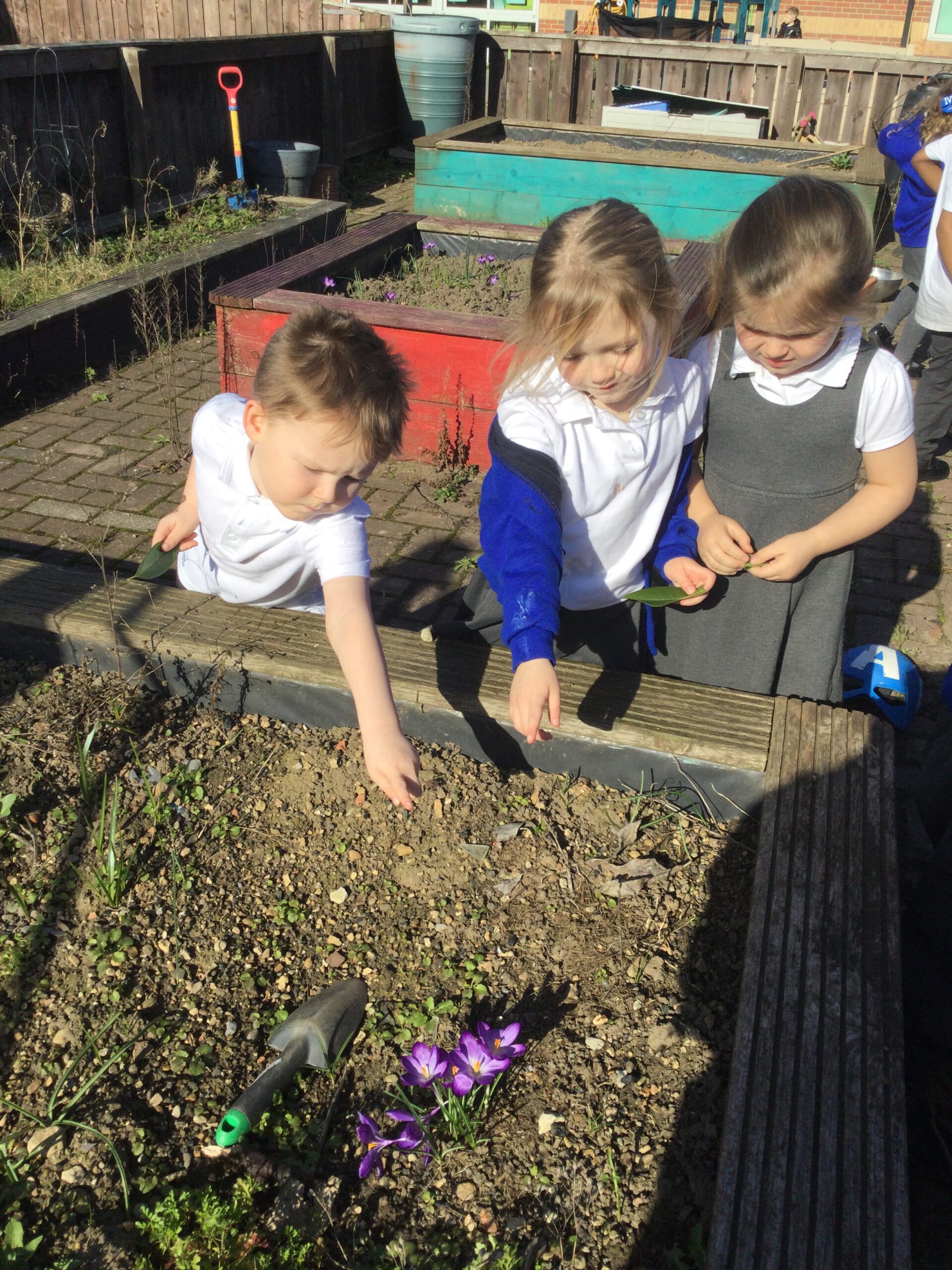
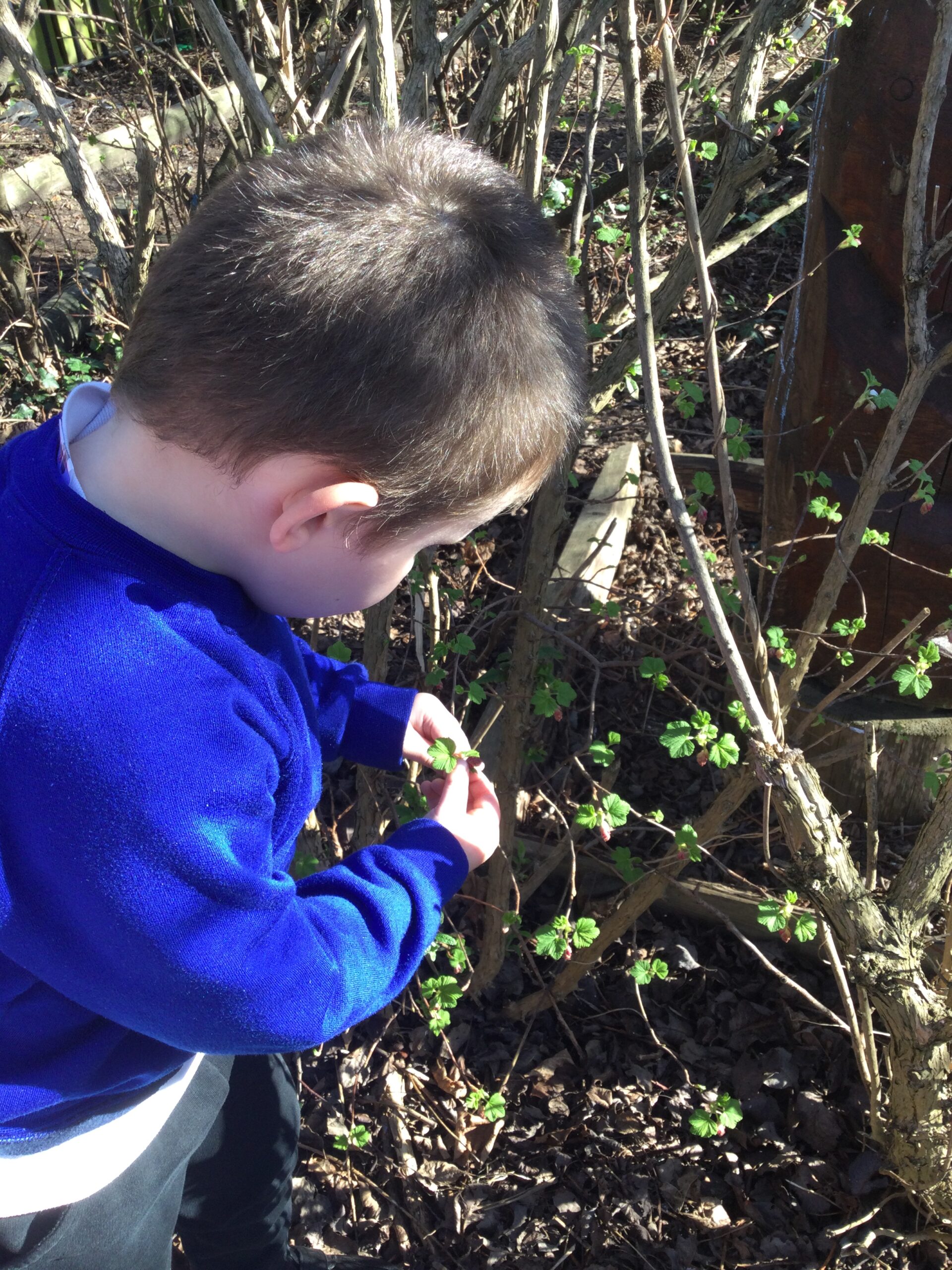
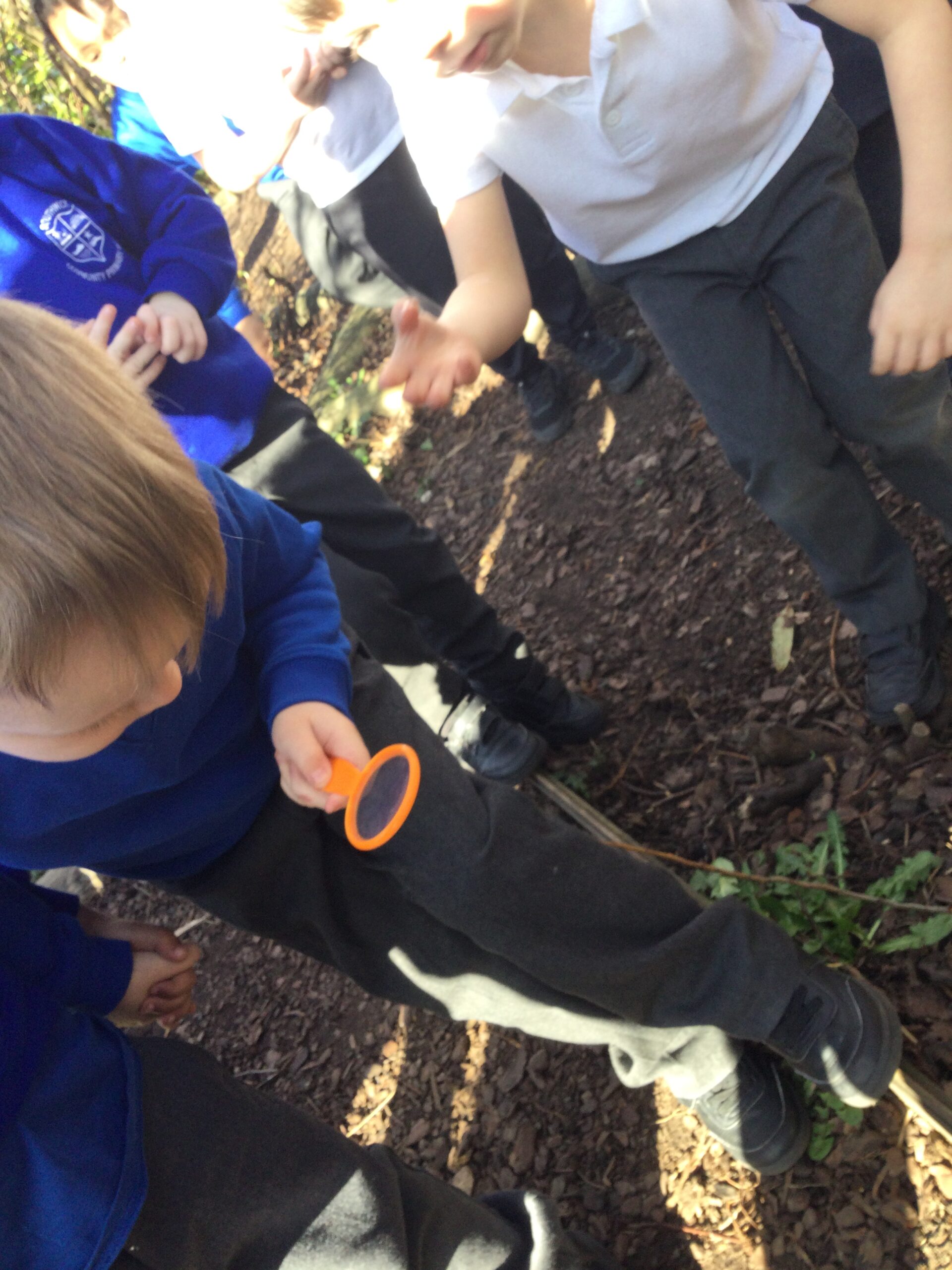
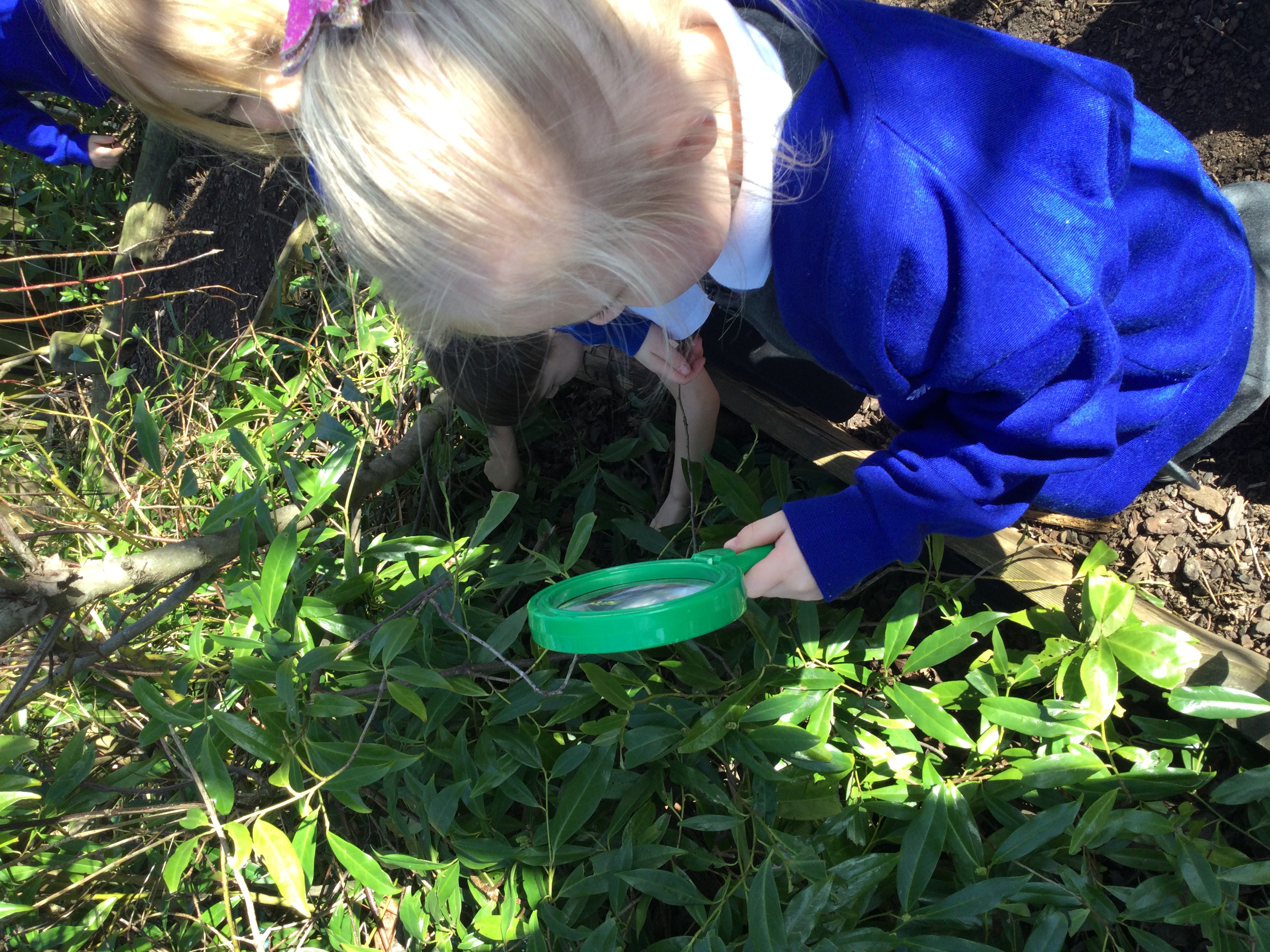
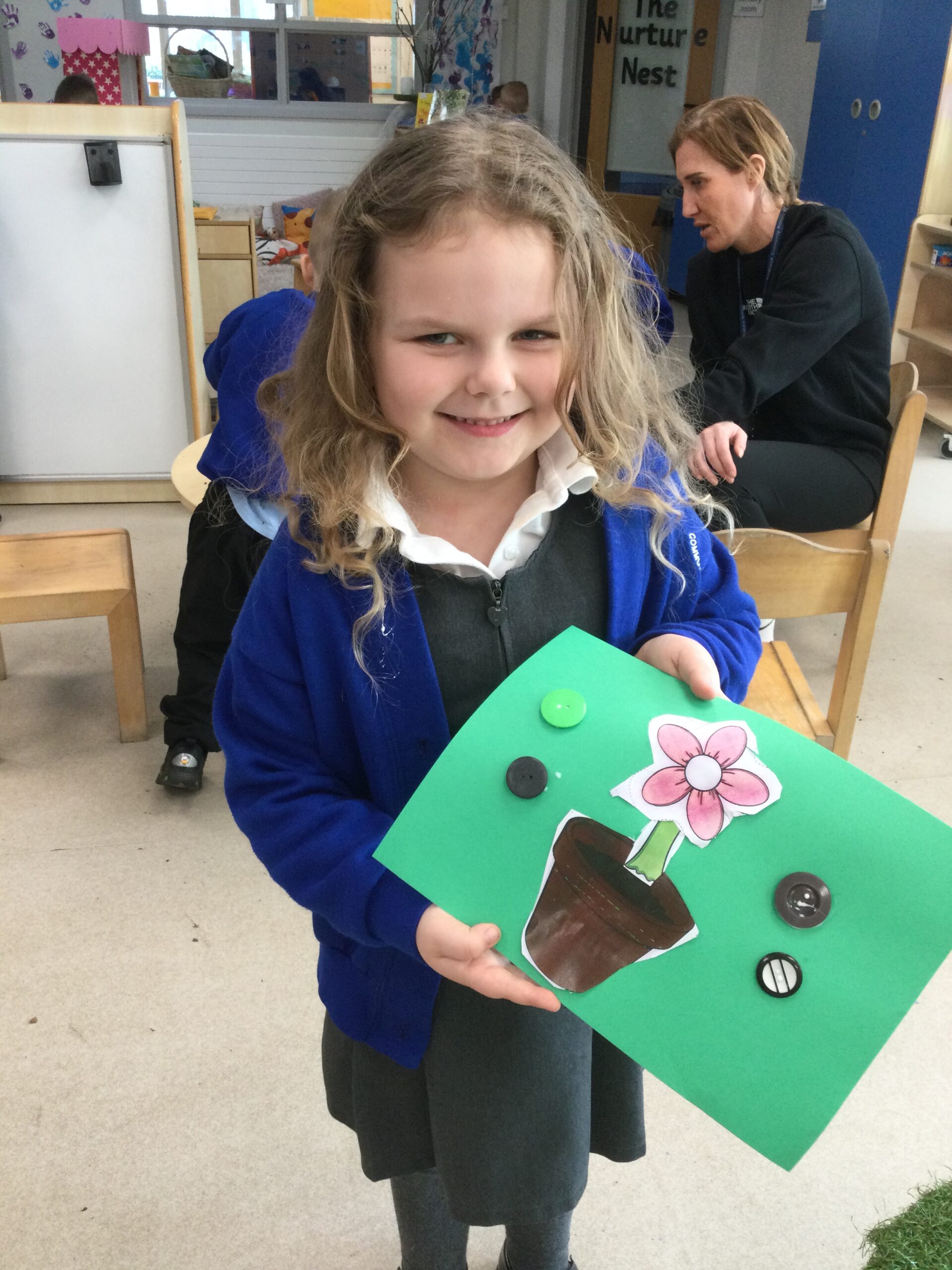
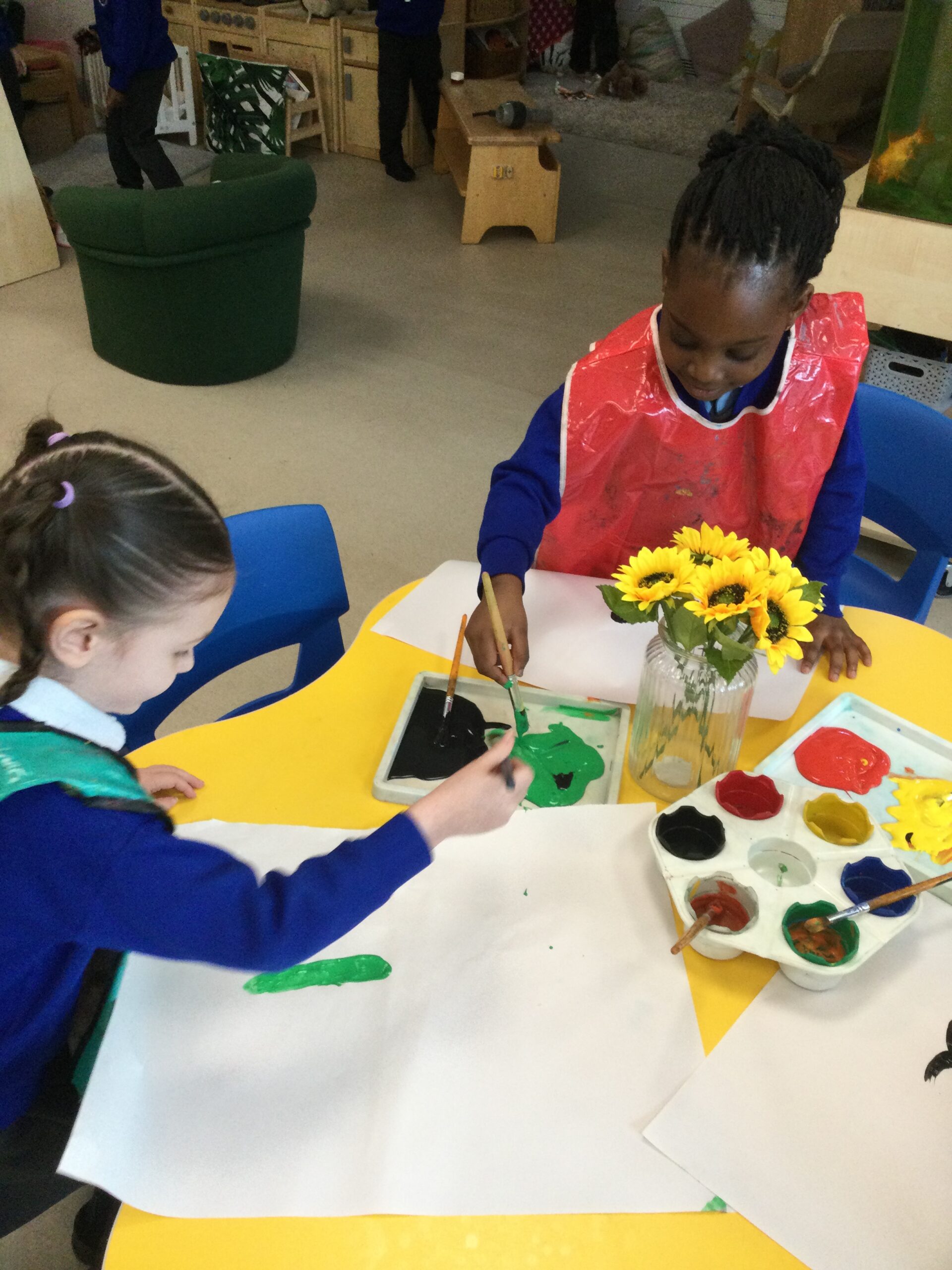
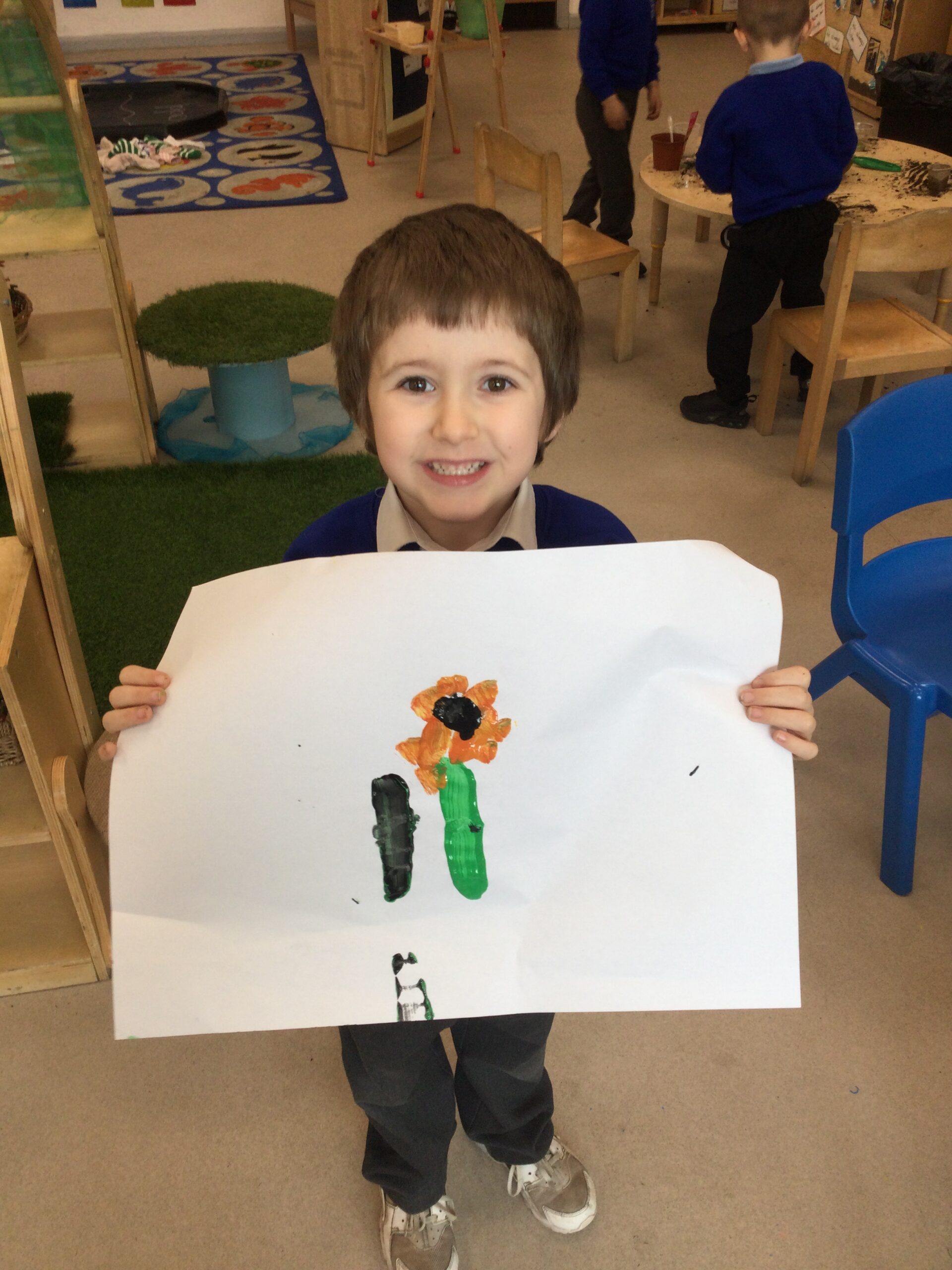
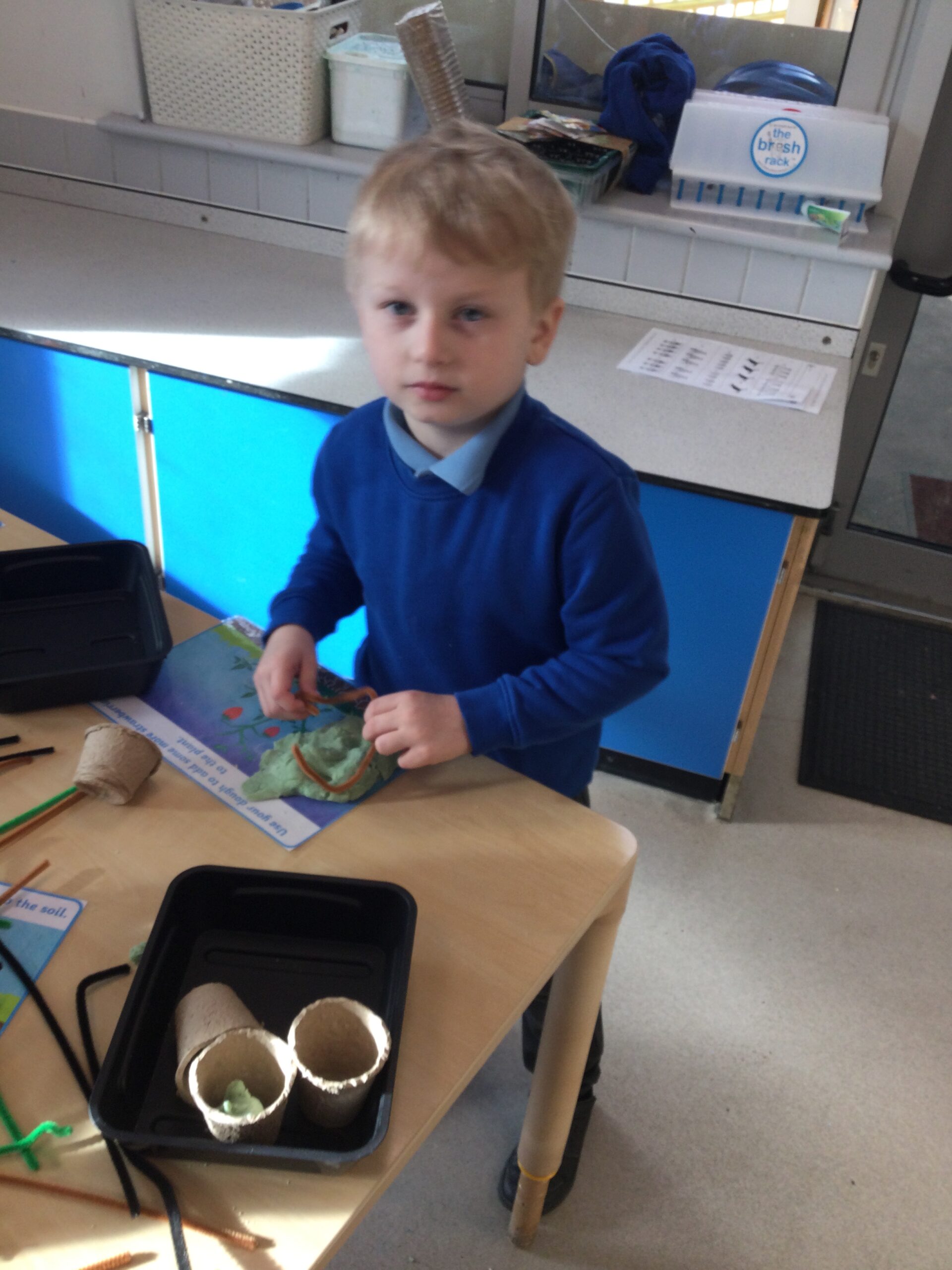
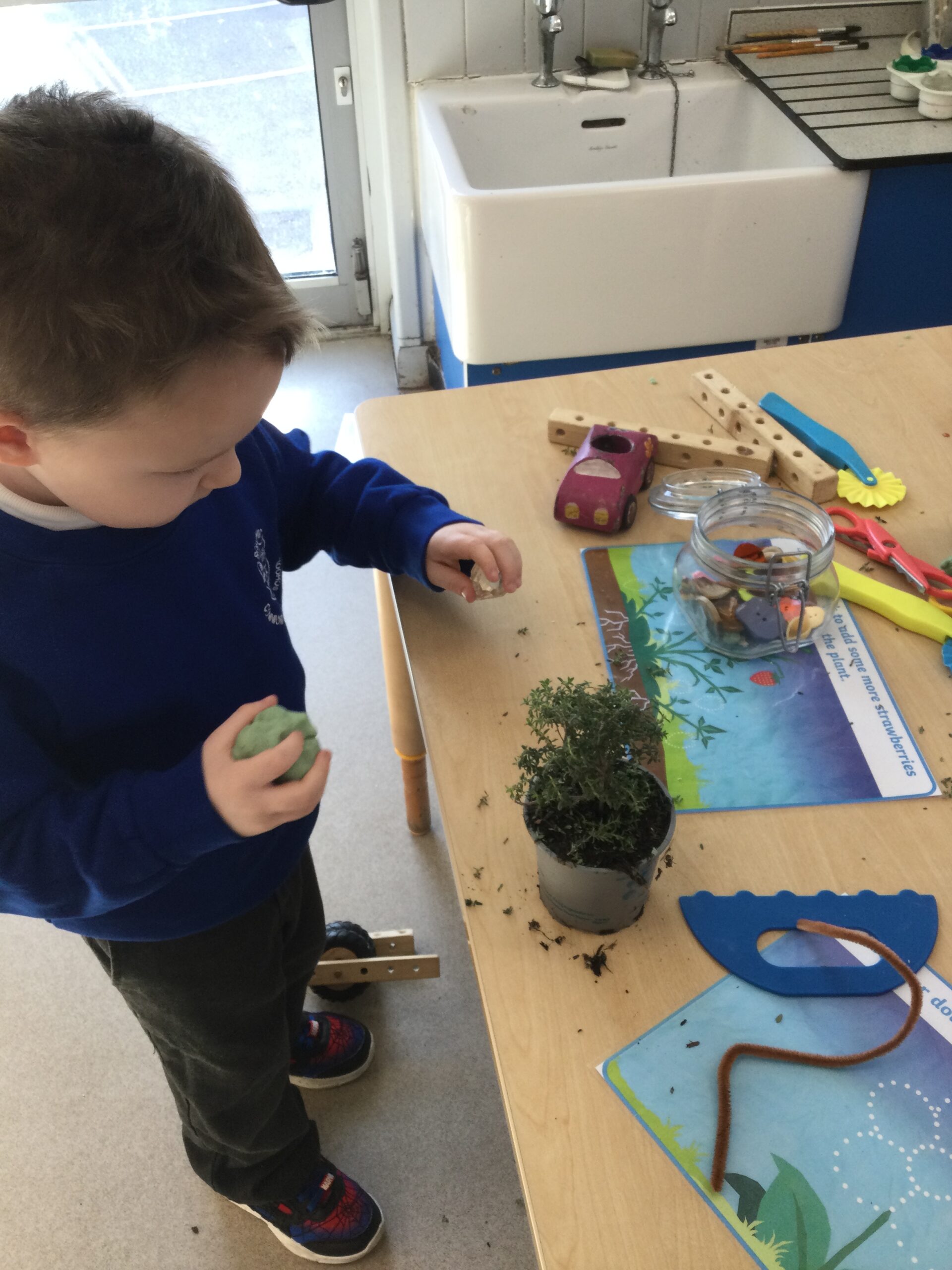
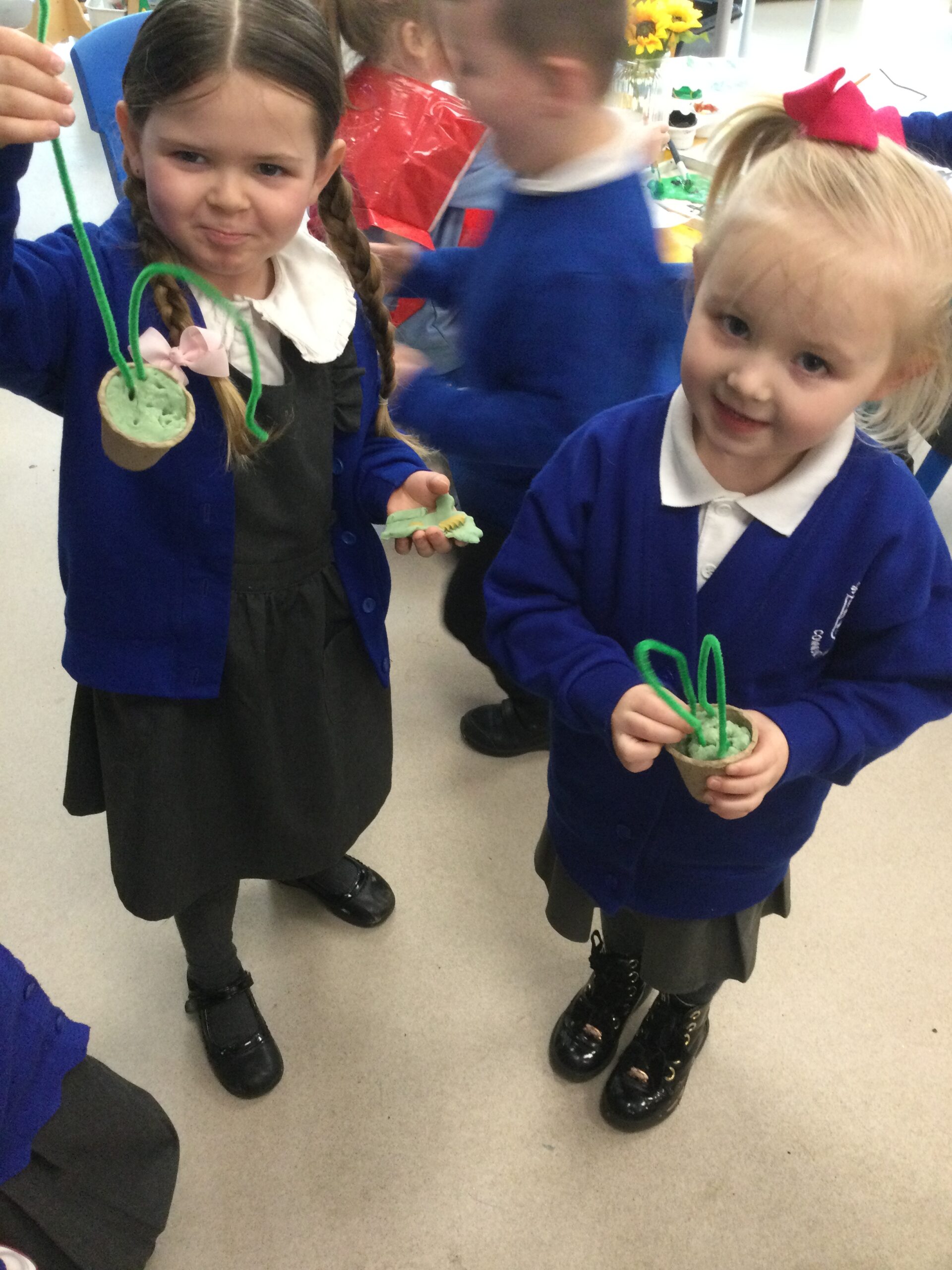
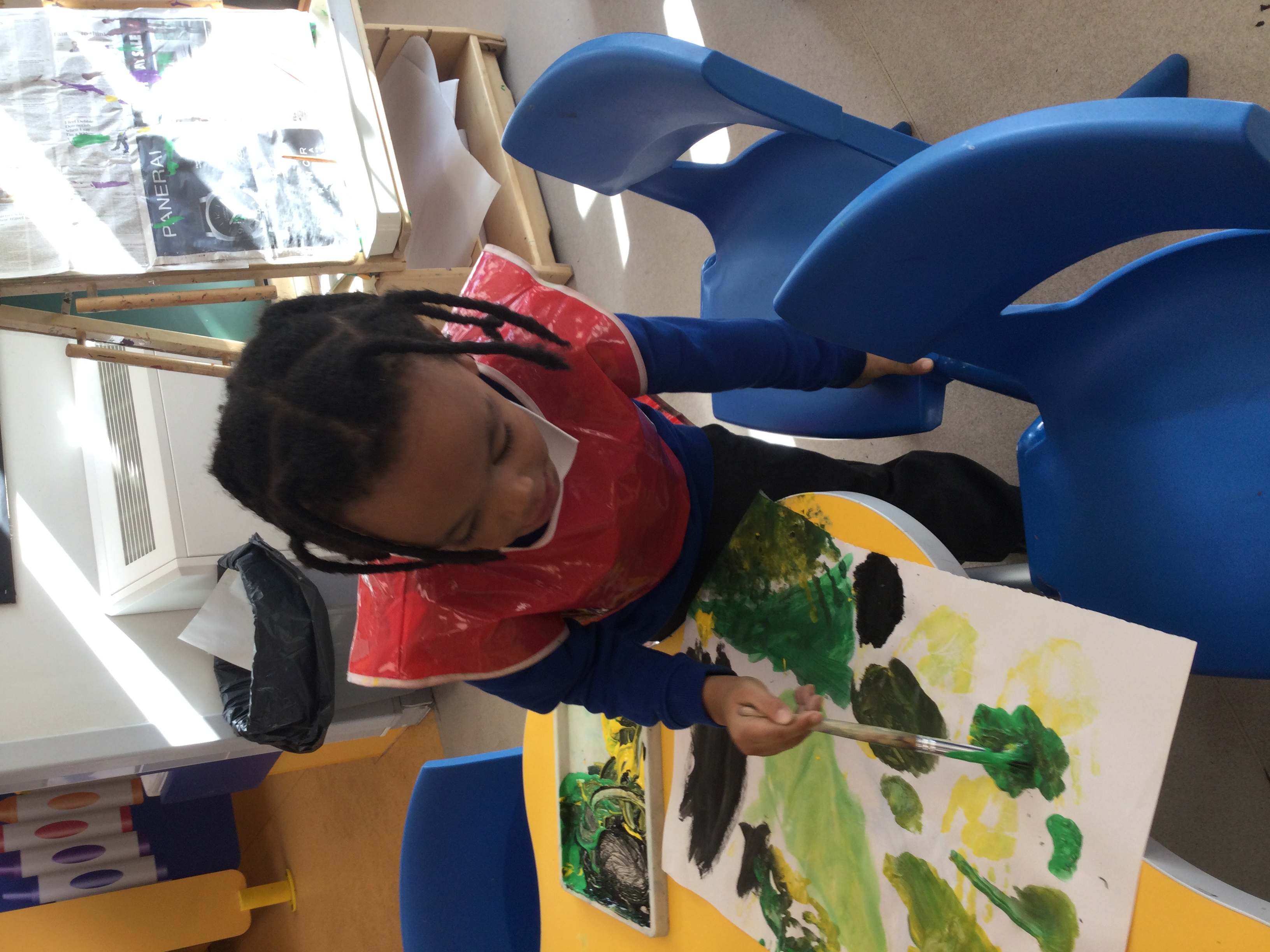
In continuous provision, the children explored plants and seeds through a range of creative and investigative activities. They used playdough to create the different parts of a flower, helping them think about petals, stems, and leaves. In the creative area, the children made flower-inspired artwork , exploring colour and pattern. They also investigated a variety of different seeds, carefully observing their similarities and differences in size, shape, and texture, which encouraged curiosity and discussion.
Week 2: How do we grow and change?
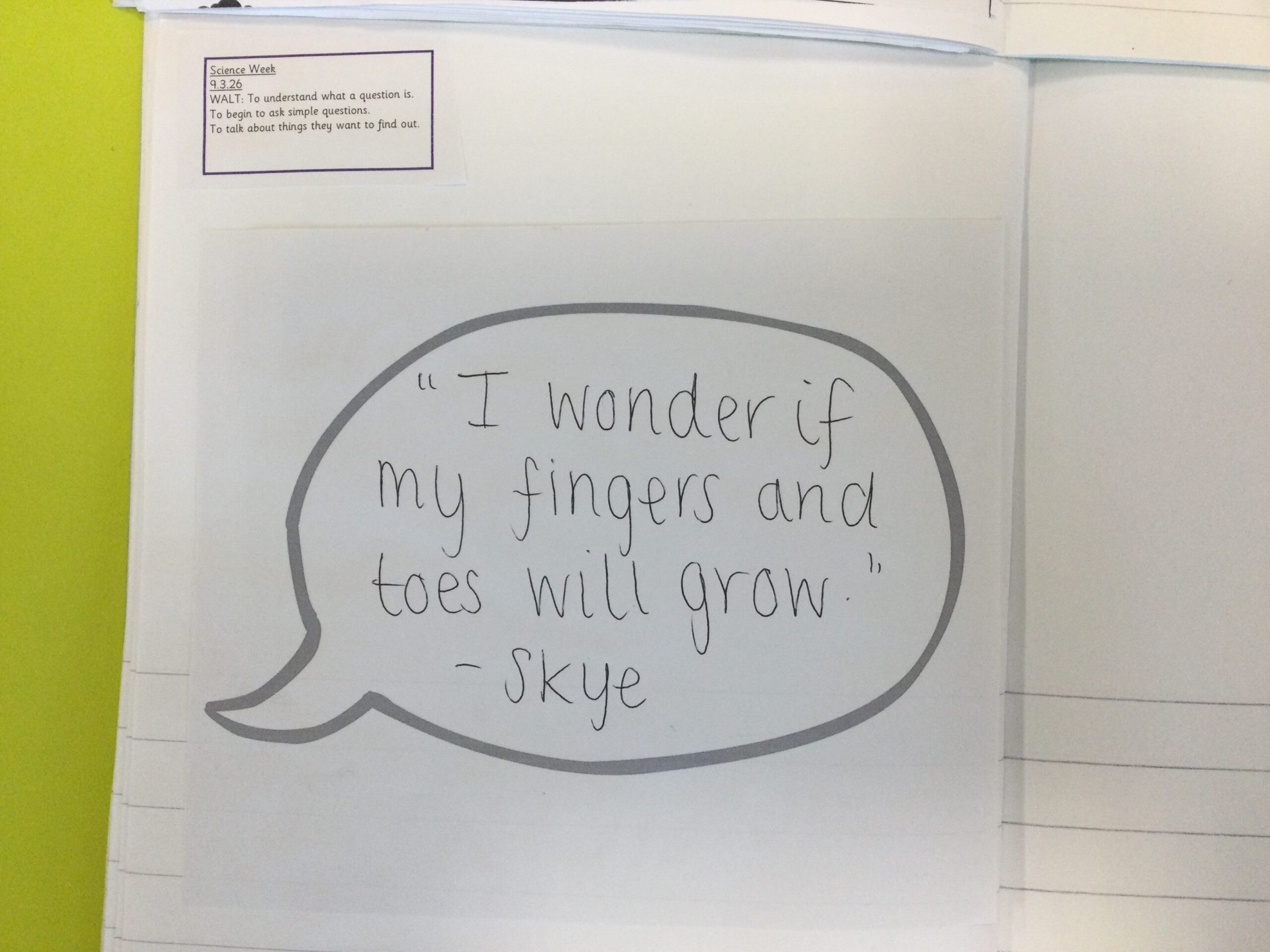
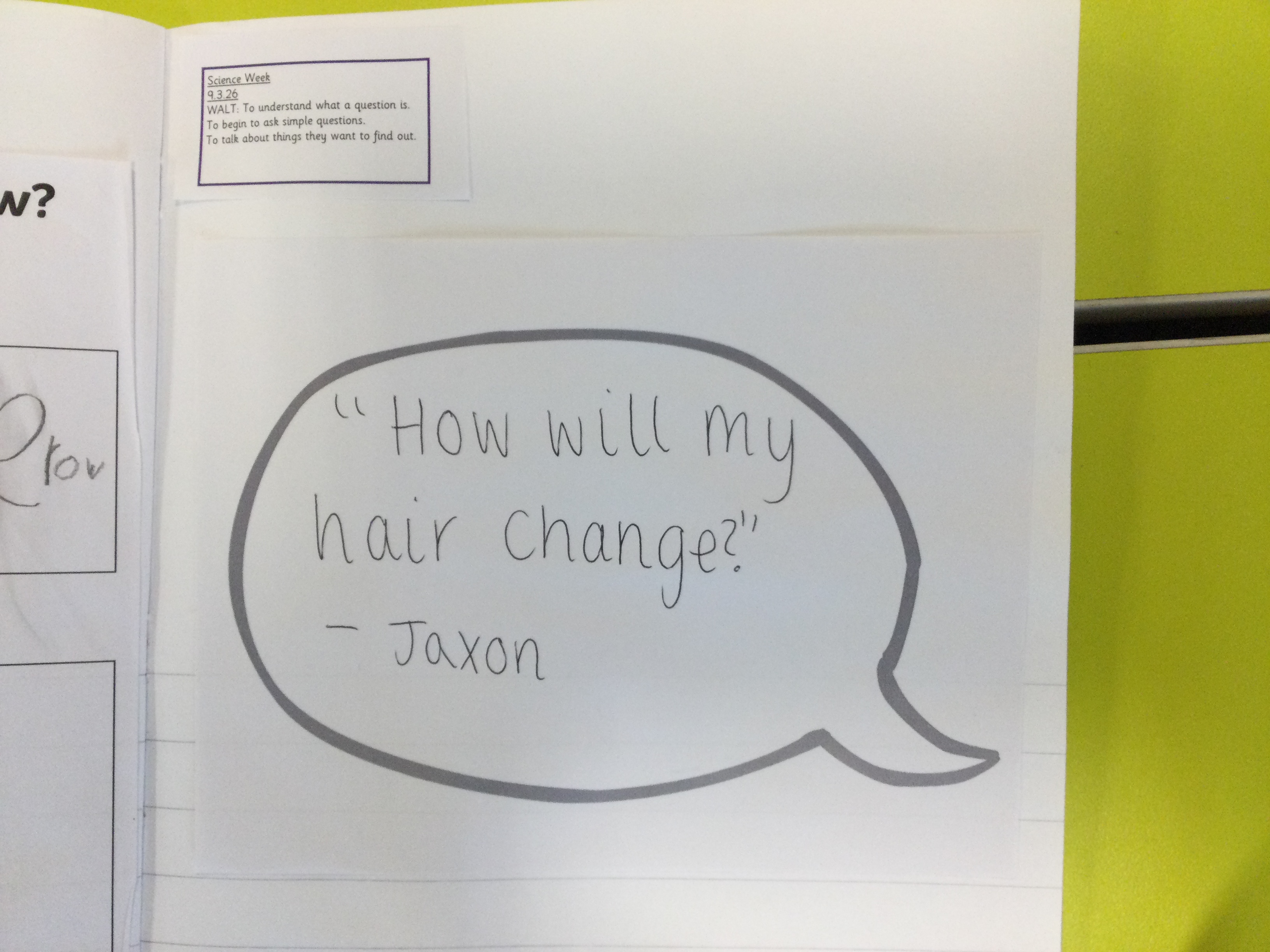
As part of British Science Week, we have been exploring the theme “Curiosity: What’s Your Question?” by thinking about our own big question: How do humans change and grow? We started by asking lots of our own questions about how our bodies, minds, and abilities develop as we get older. By discussing ideas, sharing our thoughts, and investigating together, we have been learning to think like real scientists. Throughout the week we have become curiosity scientists, using our questions to guide our learning and help us understand more about how people grow and change over time. 🔬✨
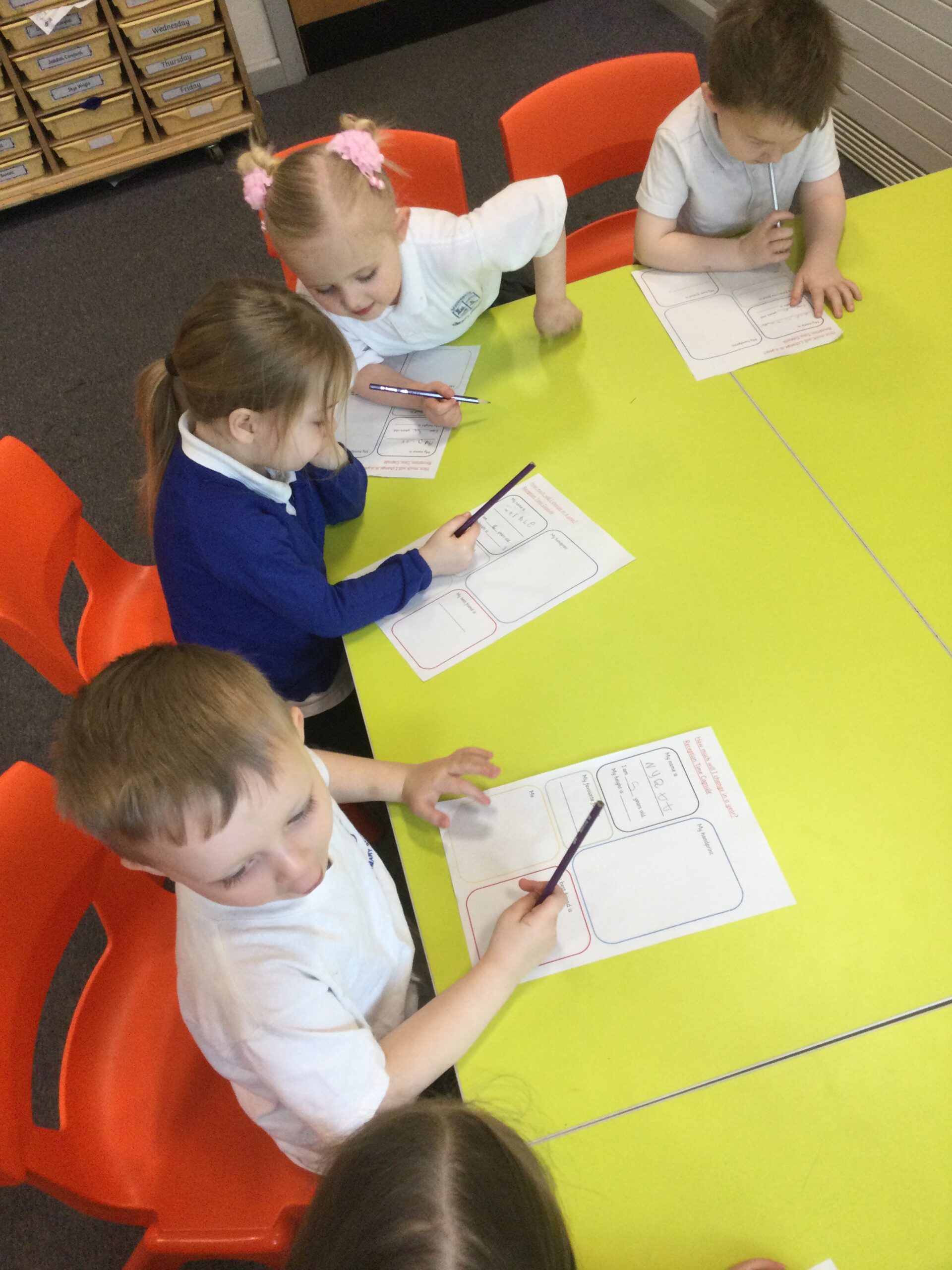
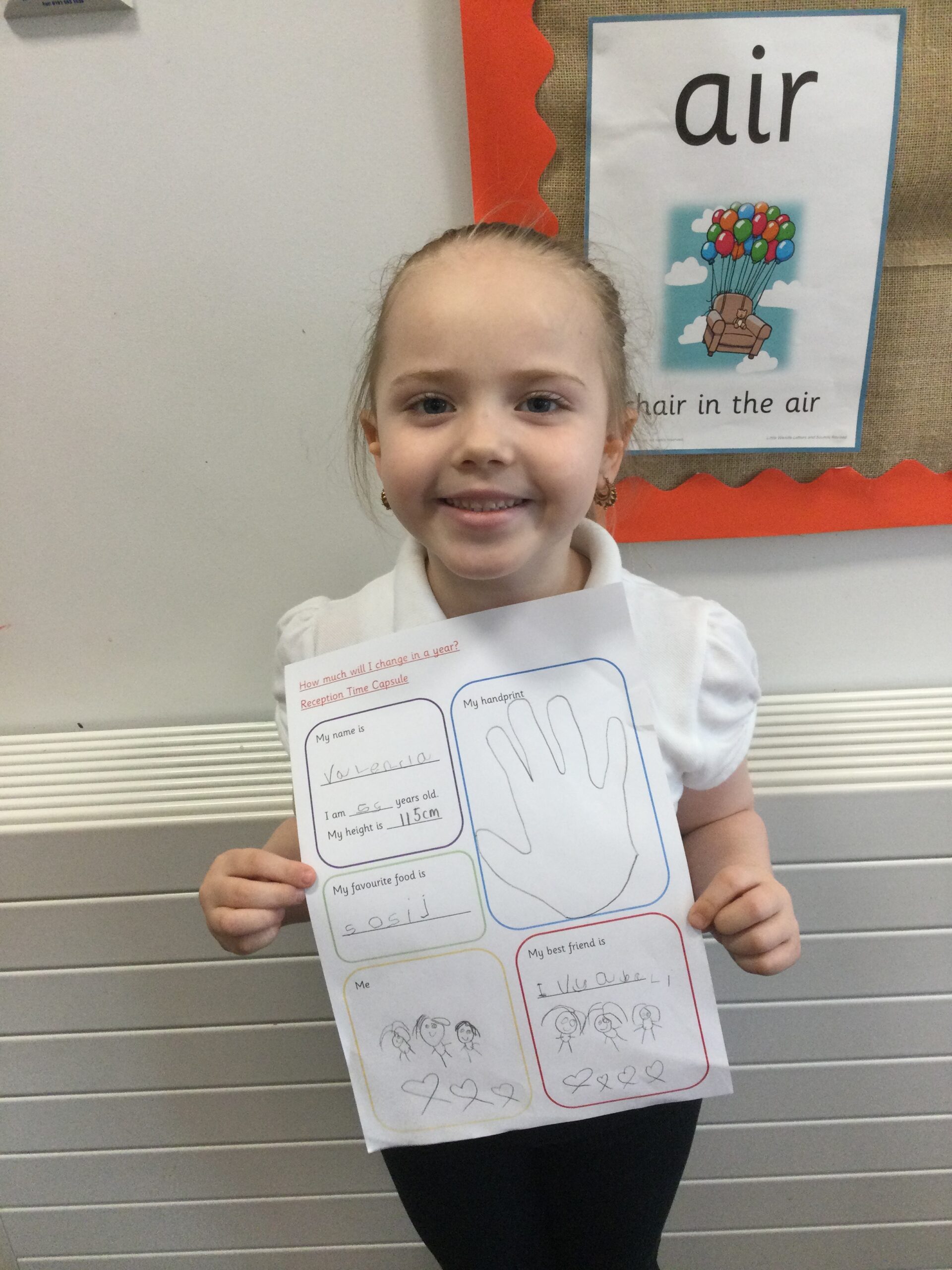
As part of our learning about how people grow and change, we created our own time capsules. We wrote about ourselves, including our favourite food, who our best friend is, and other things that make us unique currently. We also drew pictures of ourselves so we can remember what we looked like this year. After finishing our pages, we carefully put them into a jar to keep them safe. Next year, when we are in Year 1, we will open the jar with the Year 1 teacher and look back at what we wrote and drew to see how much we have grown and changed. 🫙
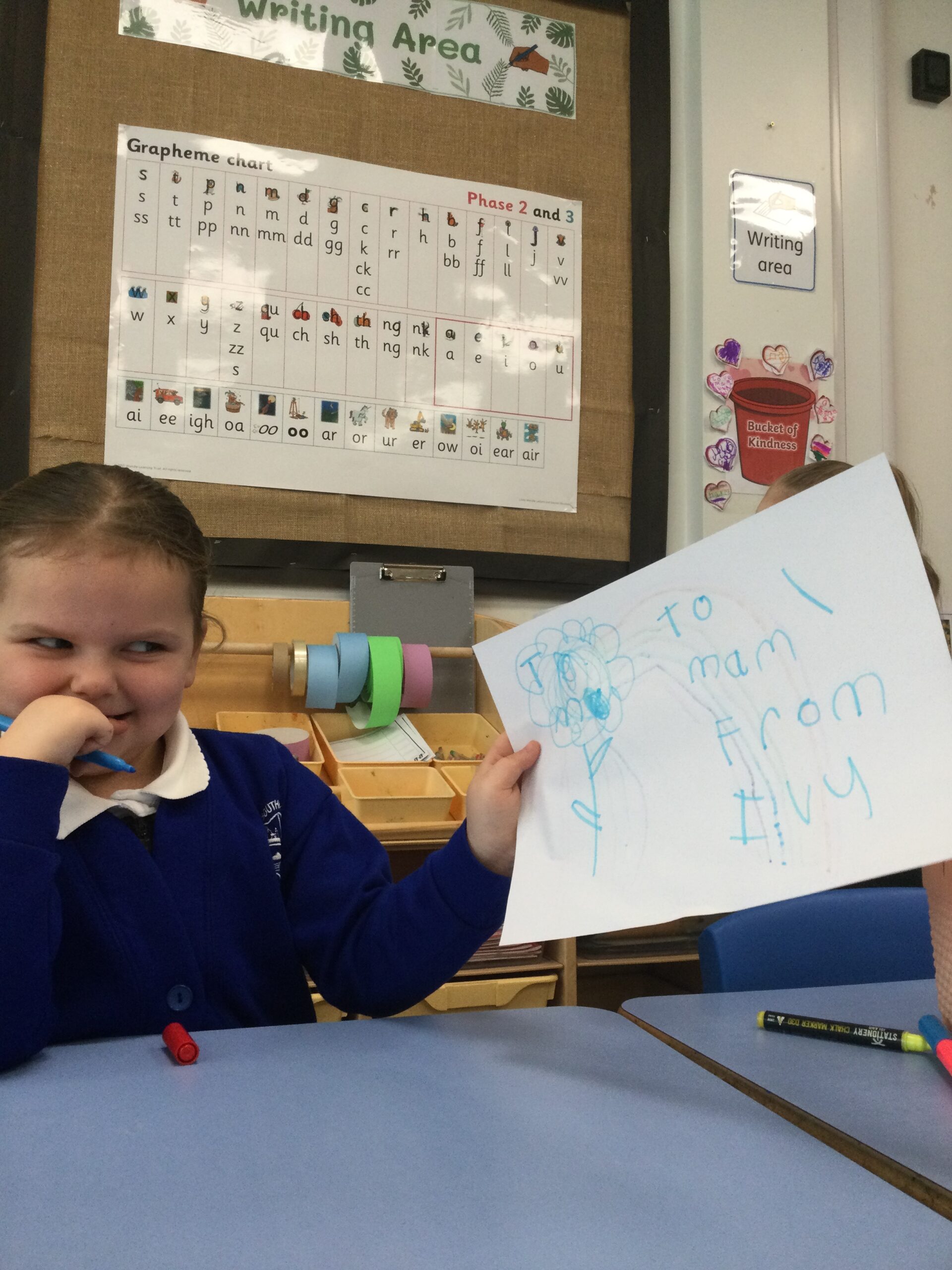
We also spent time talking about the importance of appreciating our families and the people who care for us. Linked to Mother’s Day, we discussed the special mother figures in our lives and how they help and support us every day. To show our appreciation, we made thoughtful cards for our own mother figures, thinking carefully about how we could say thank you and show them how much they mean to us. 💐💗
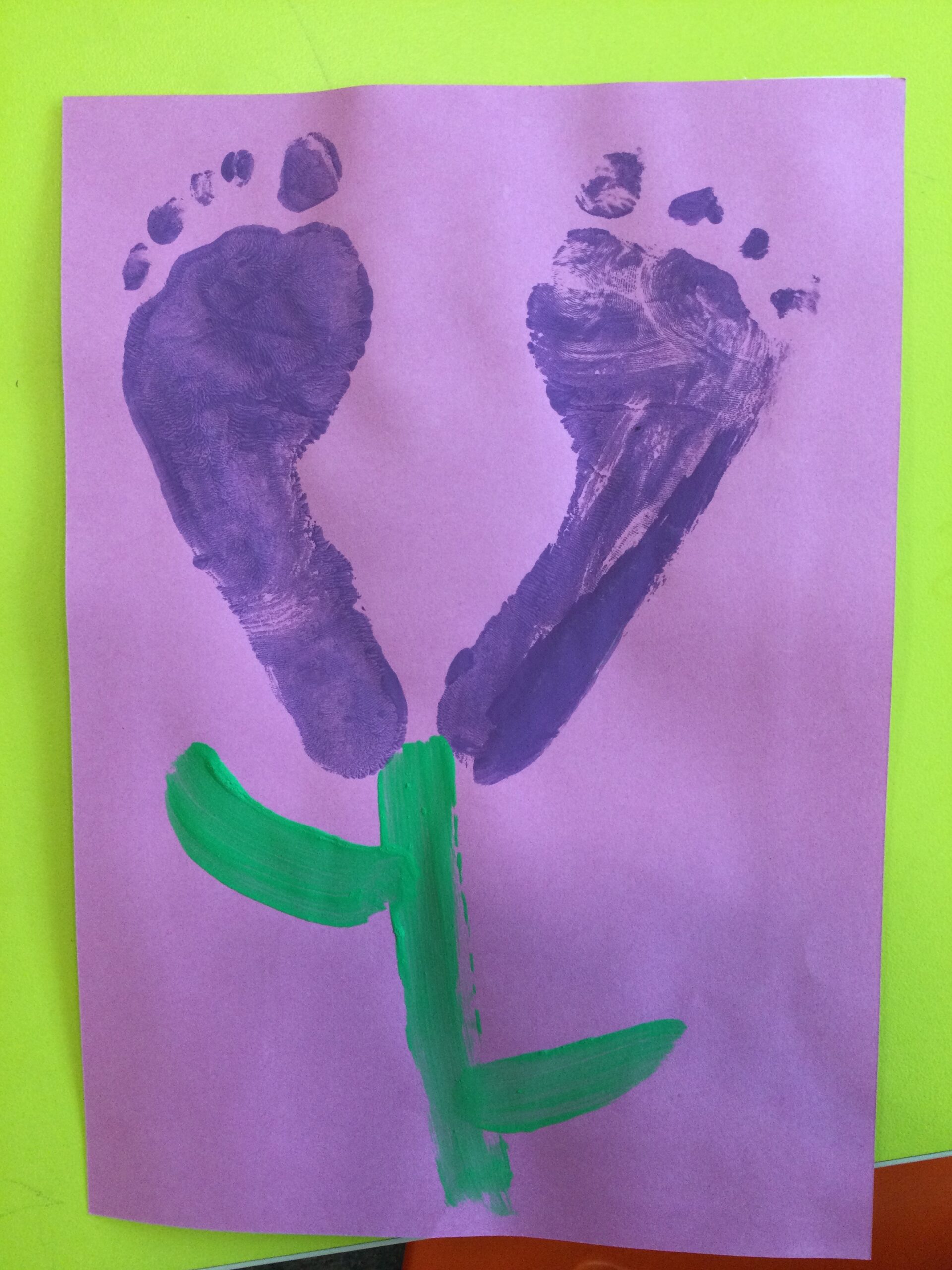
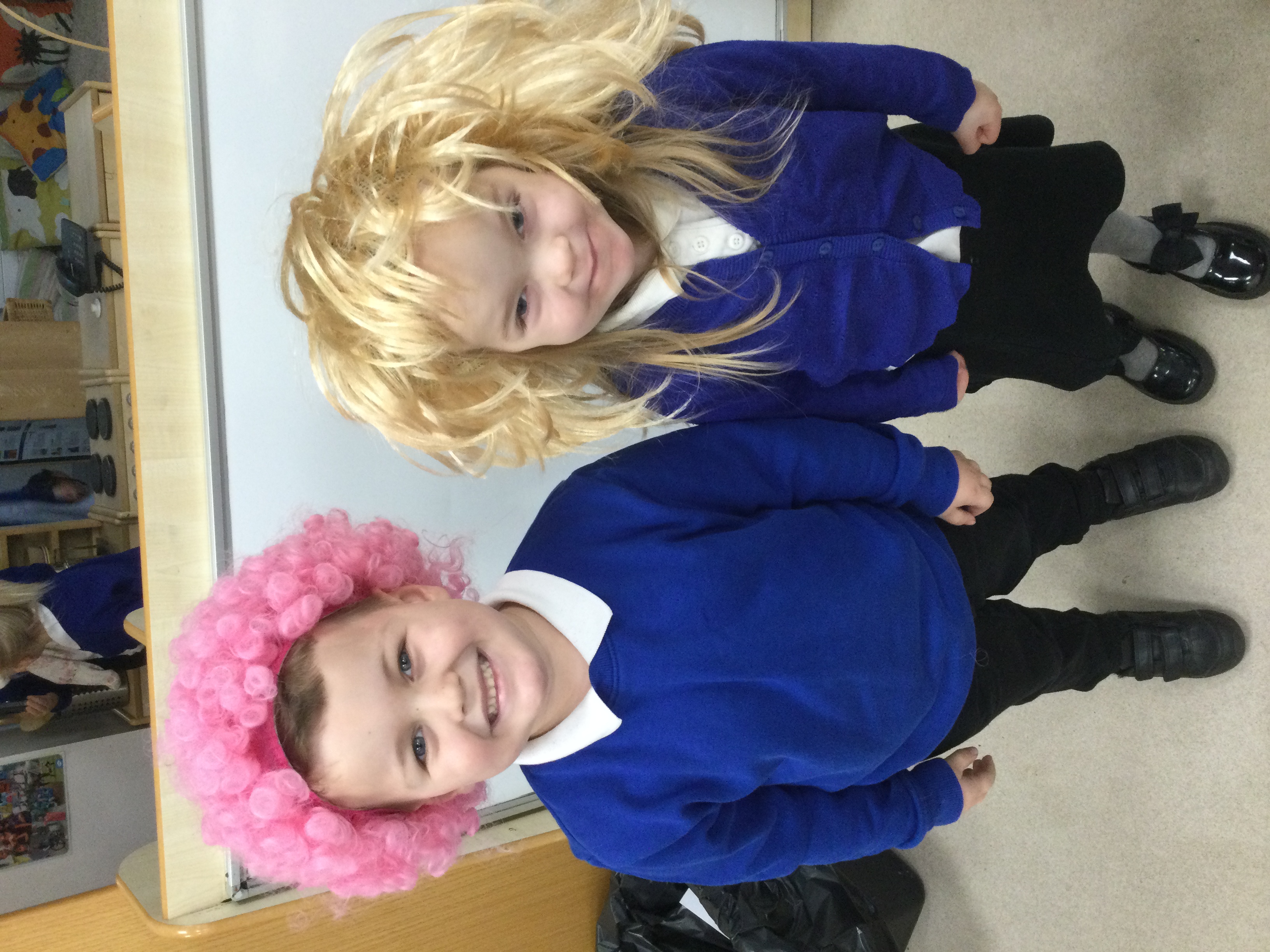
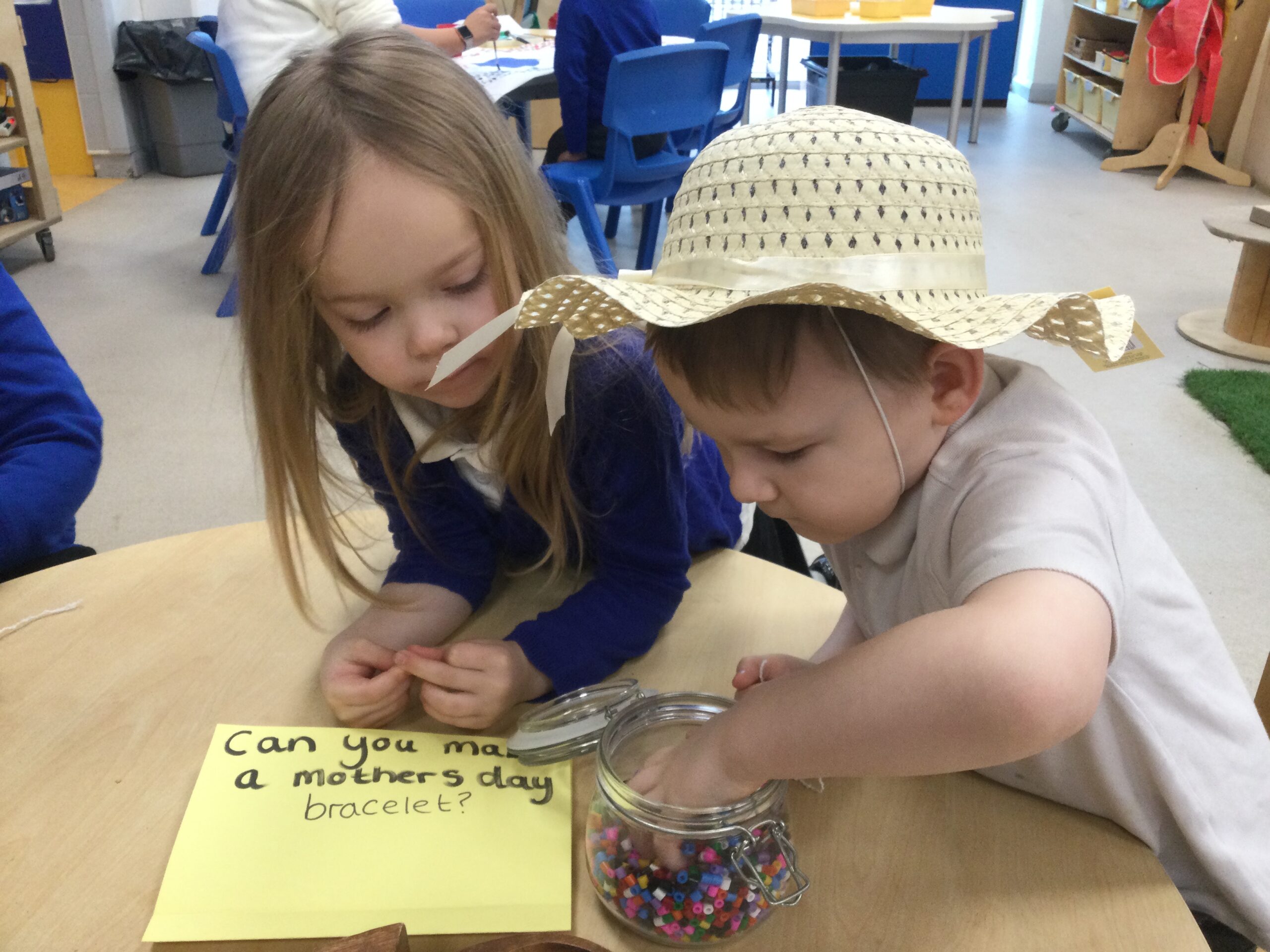
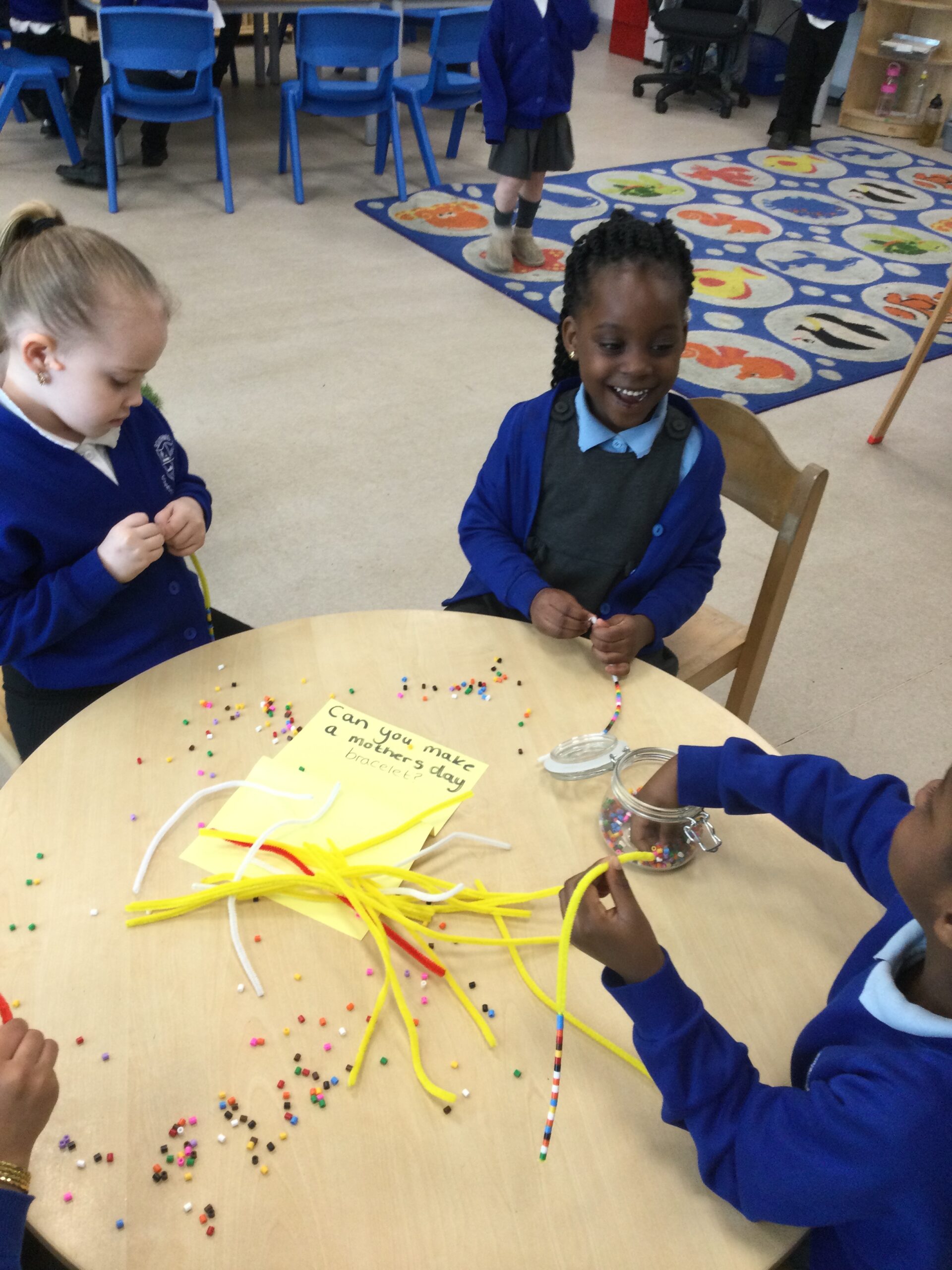
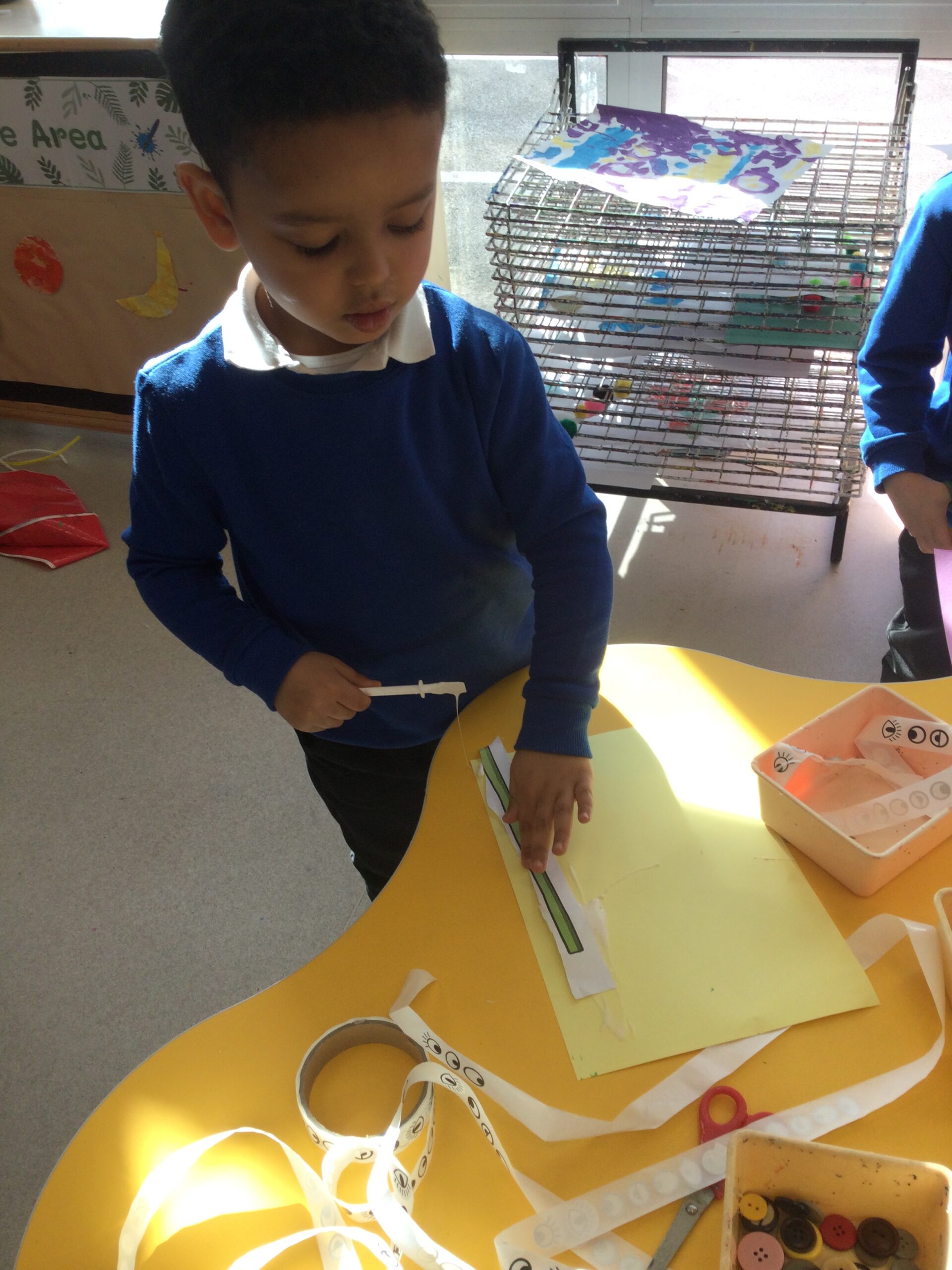
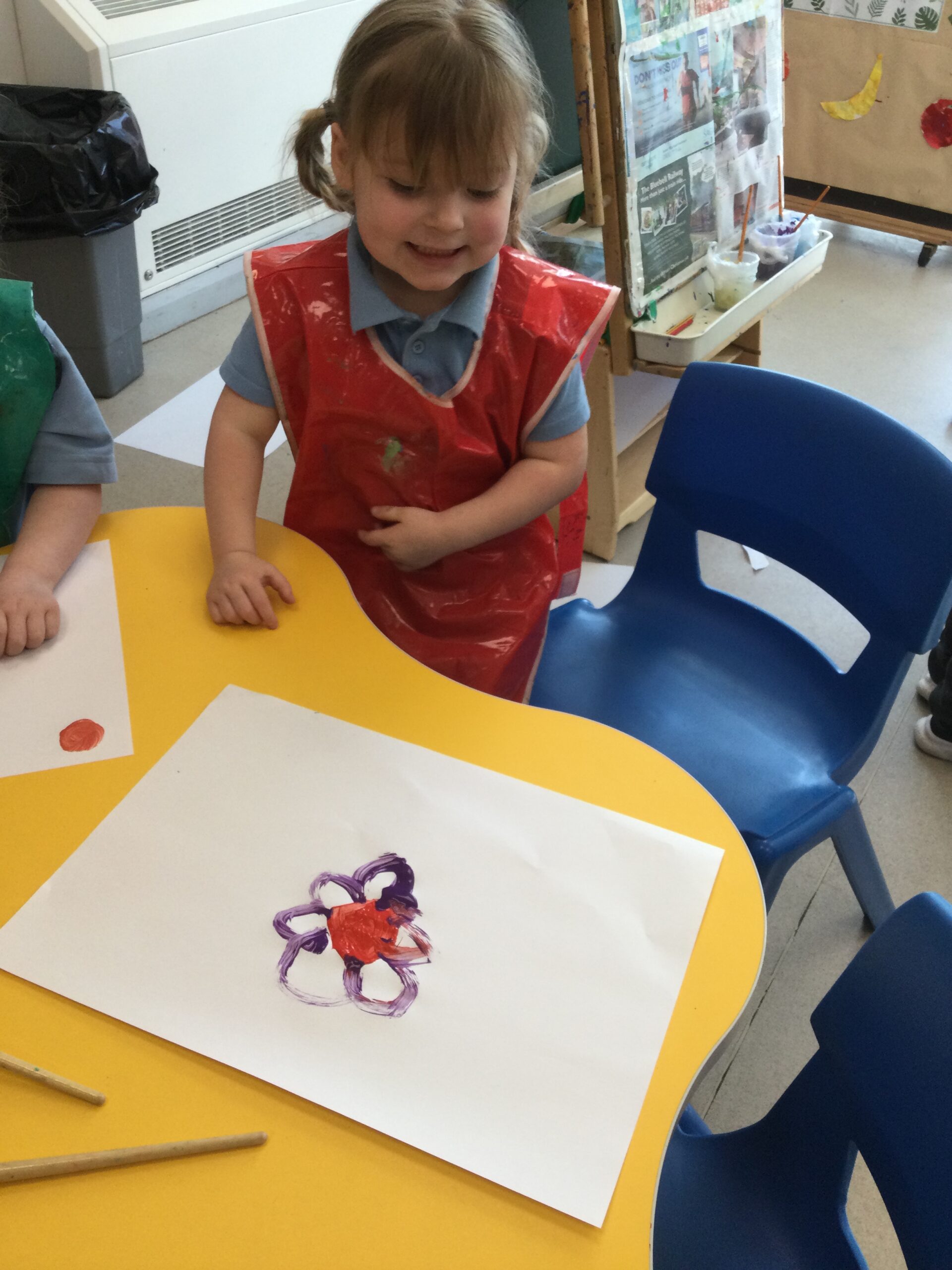
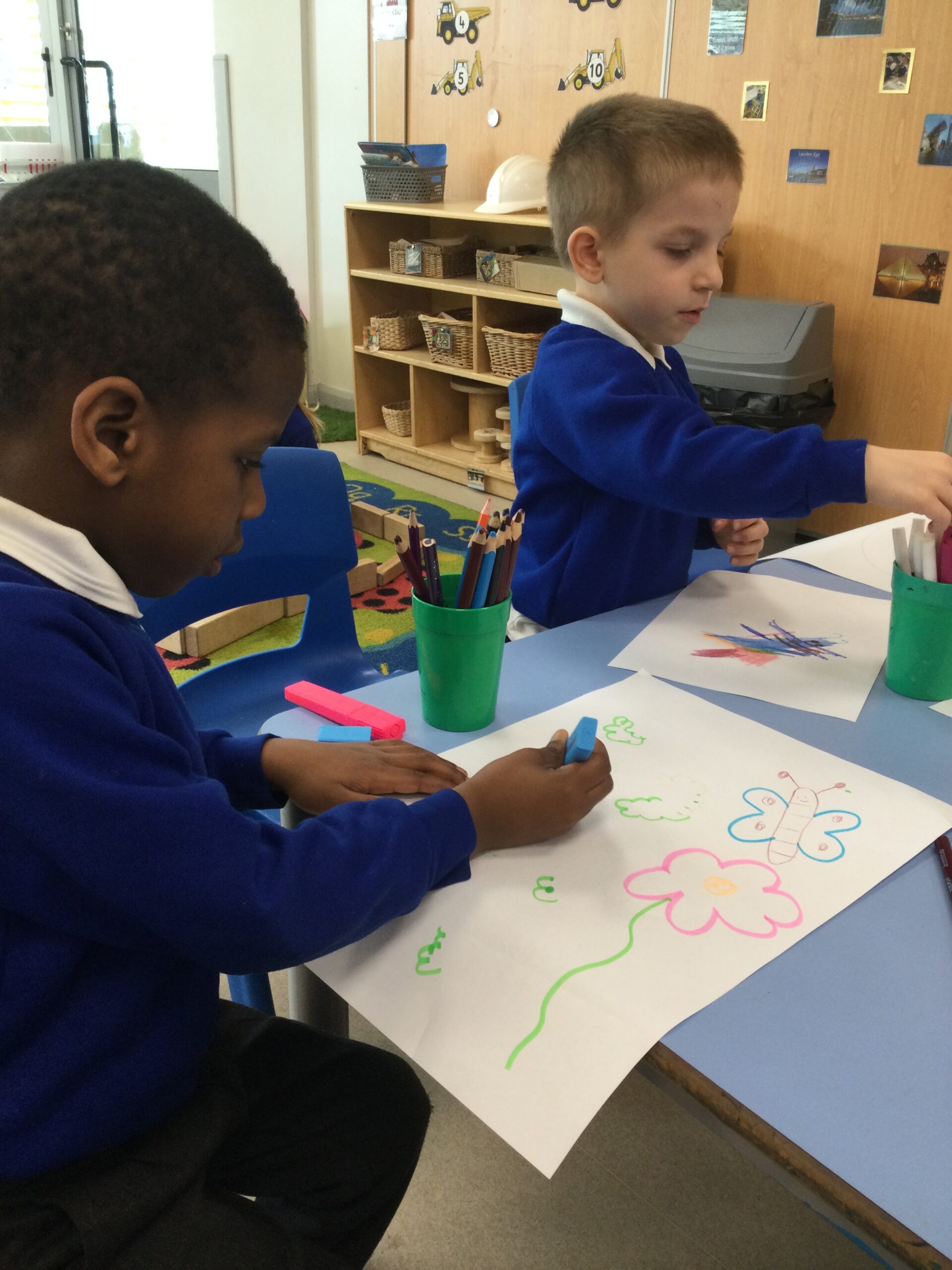
This week, we enjoyed some creative activities linked to our learning about growing and changing. We made special Mother’s Day bracelets and flower pictures for our mother figures as a thoughtful gift to show our appreciation. We also had lots of fun dressing up as older versions of ourselves using wigs, glasses and different clothes, imagining what we might look like when we grow up!
Week 3: How do animals grow and change?
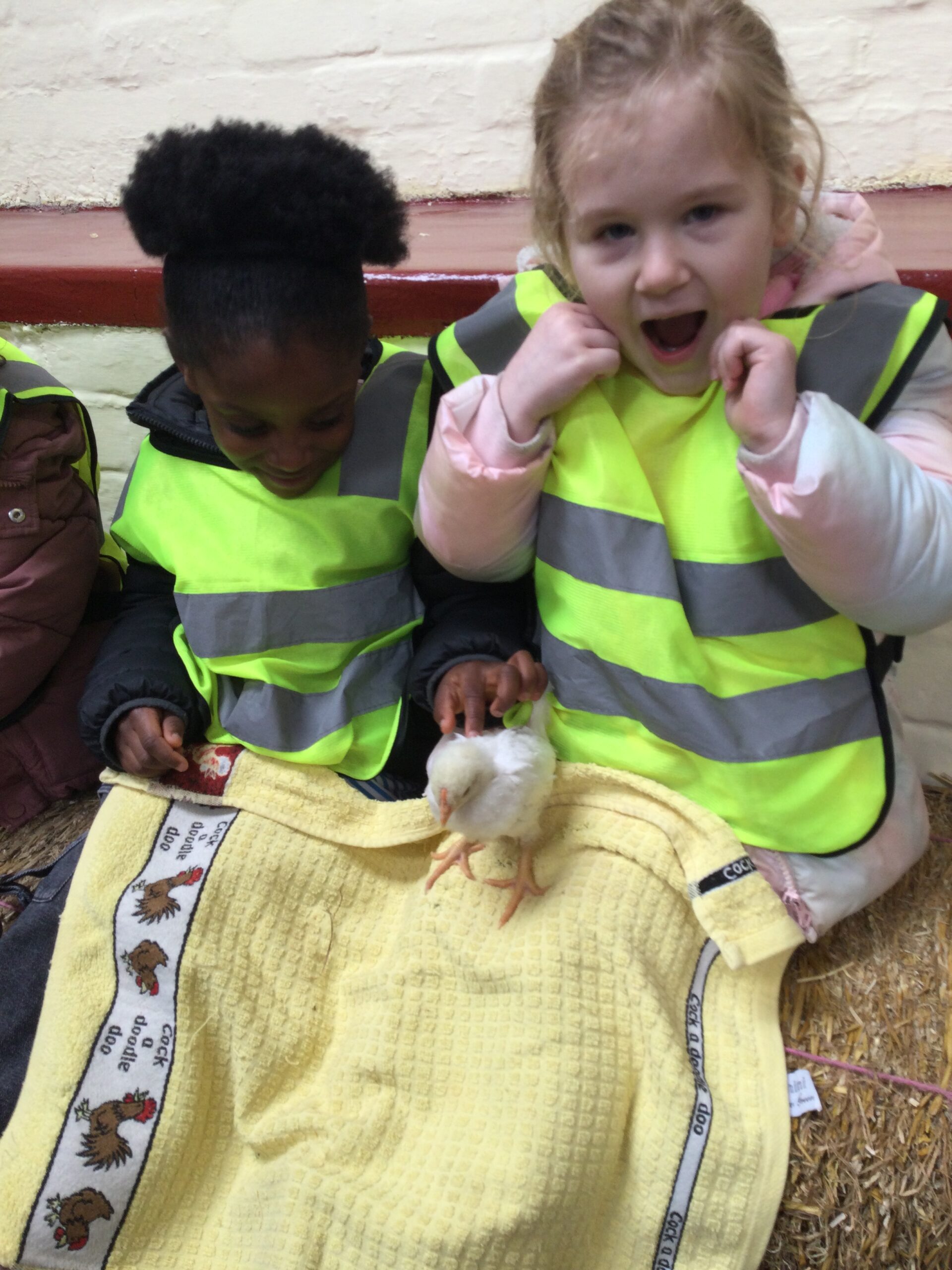
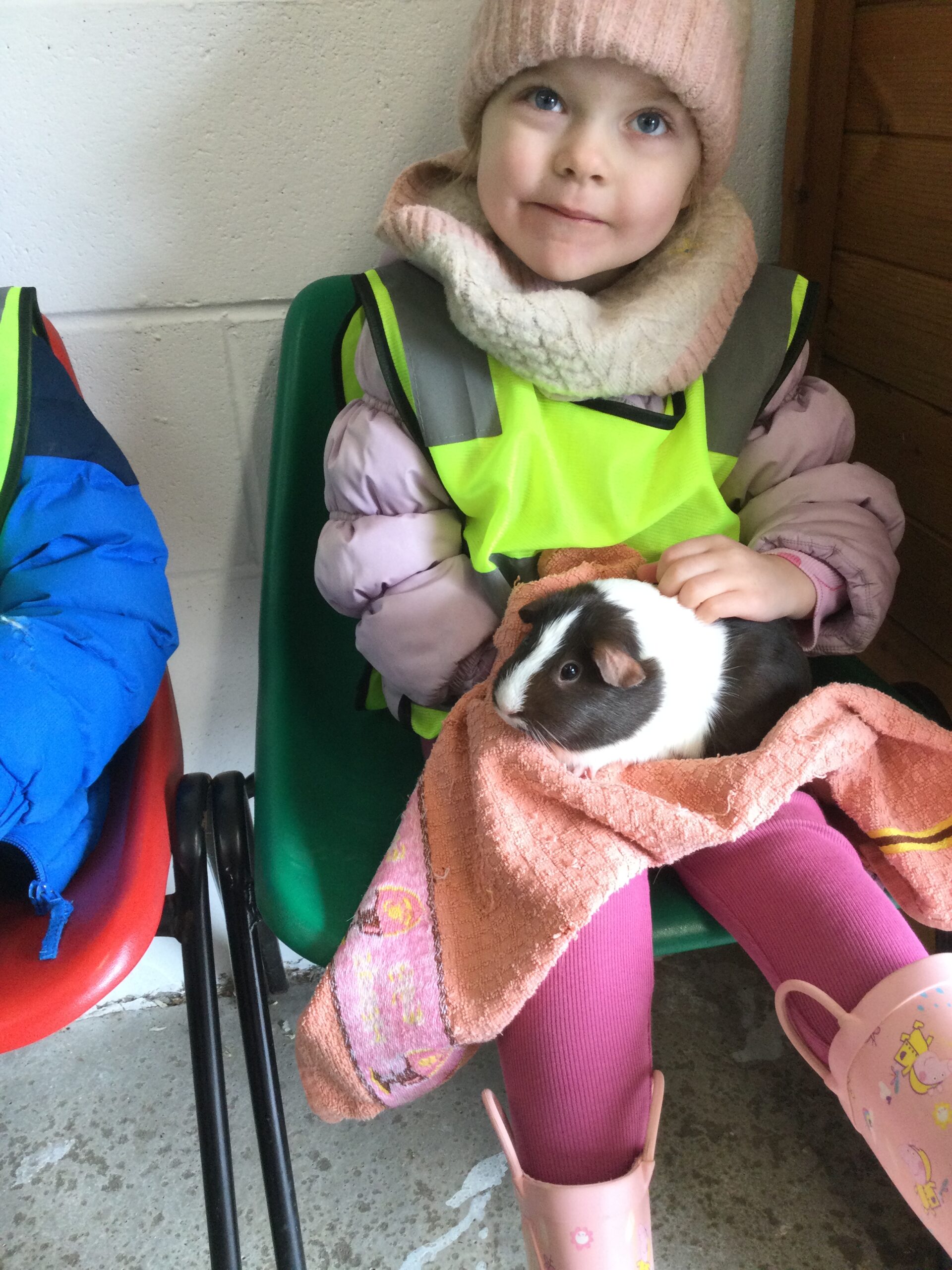
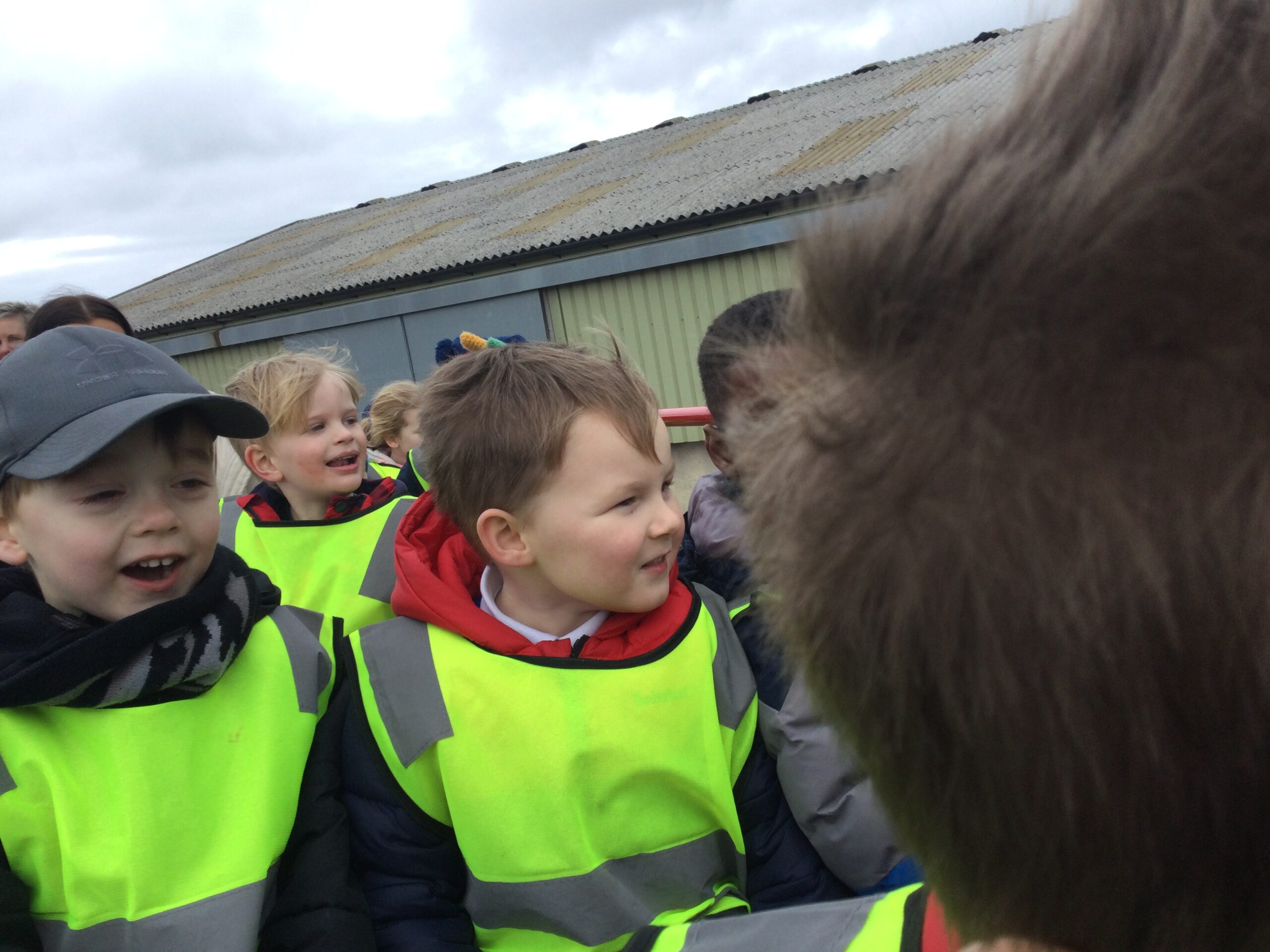
At the beginning of the week, we took a trip to Hall Hill Farm, which was a wonderful opportunity for the children to see a variety of animals up close. The children were especially excited to spend time holding some of the smaller animals. They had the chance to hold chicks, guinea pigs, and rabbits, learning how to be calm and careful with them. It was lovely to see their confidence grow as they stroked the animals and talked about how they felt.
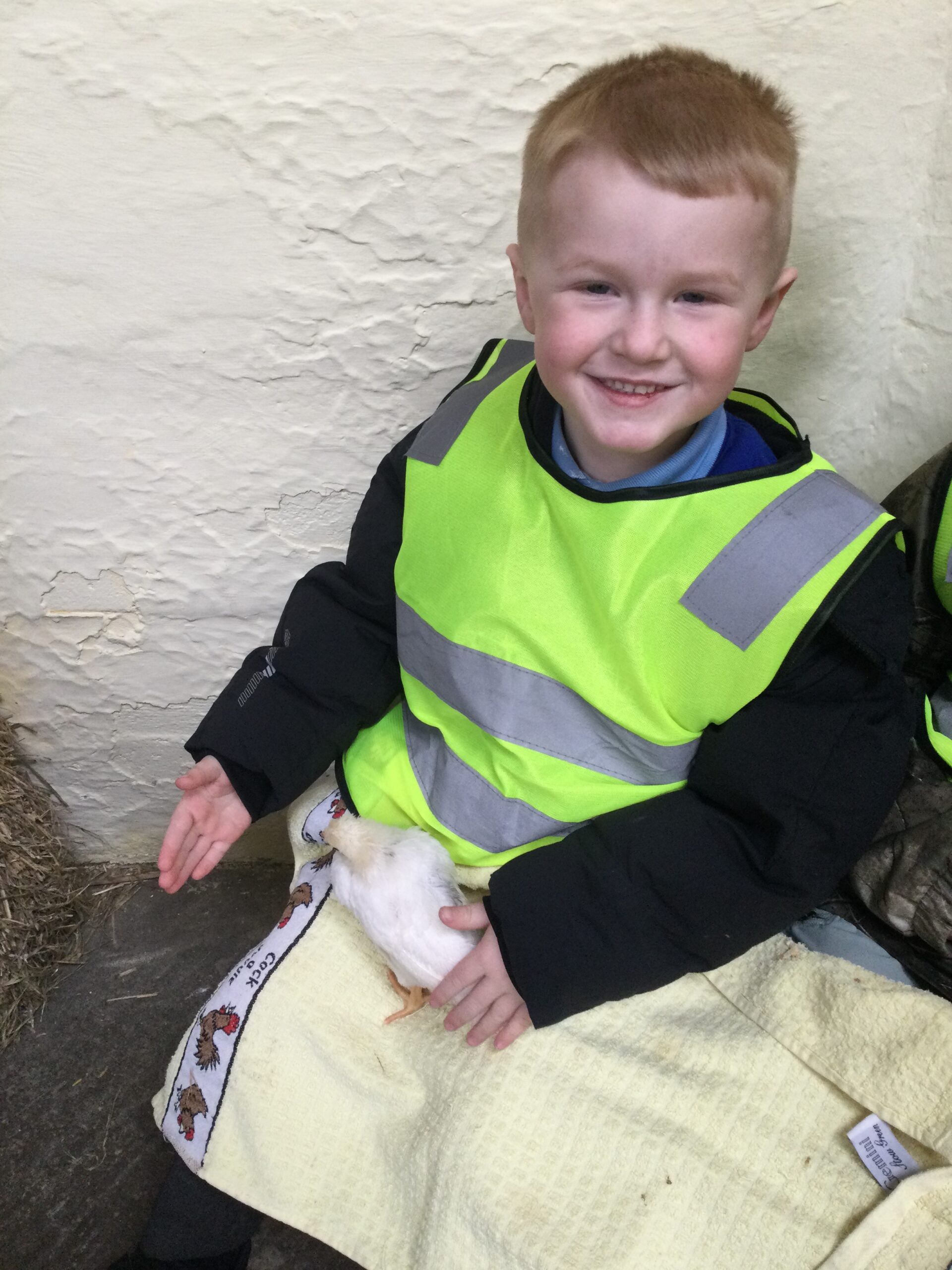
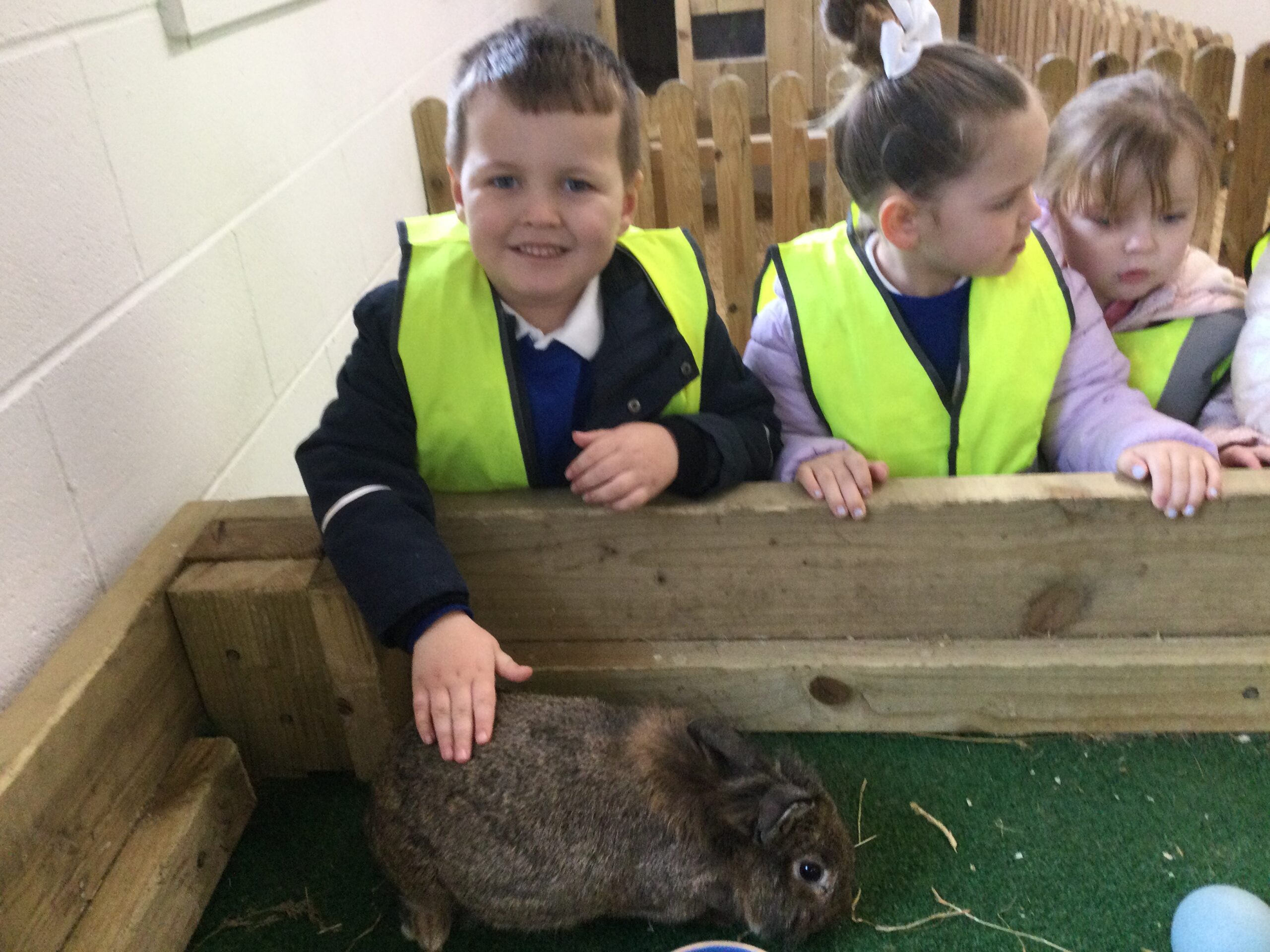
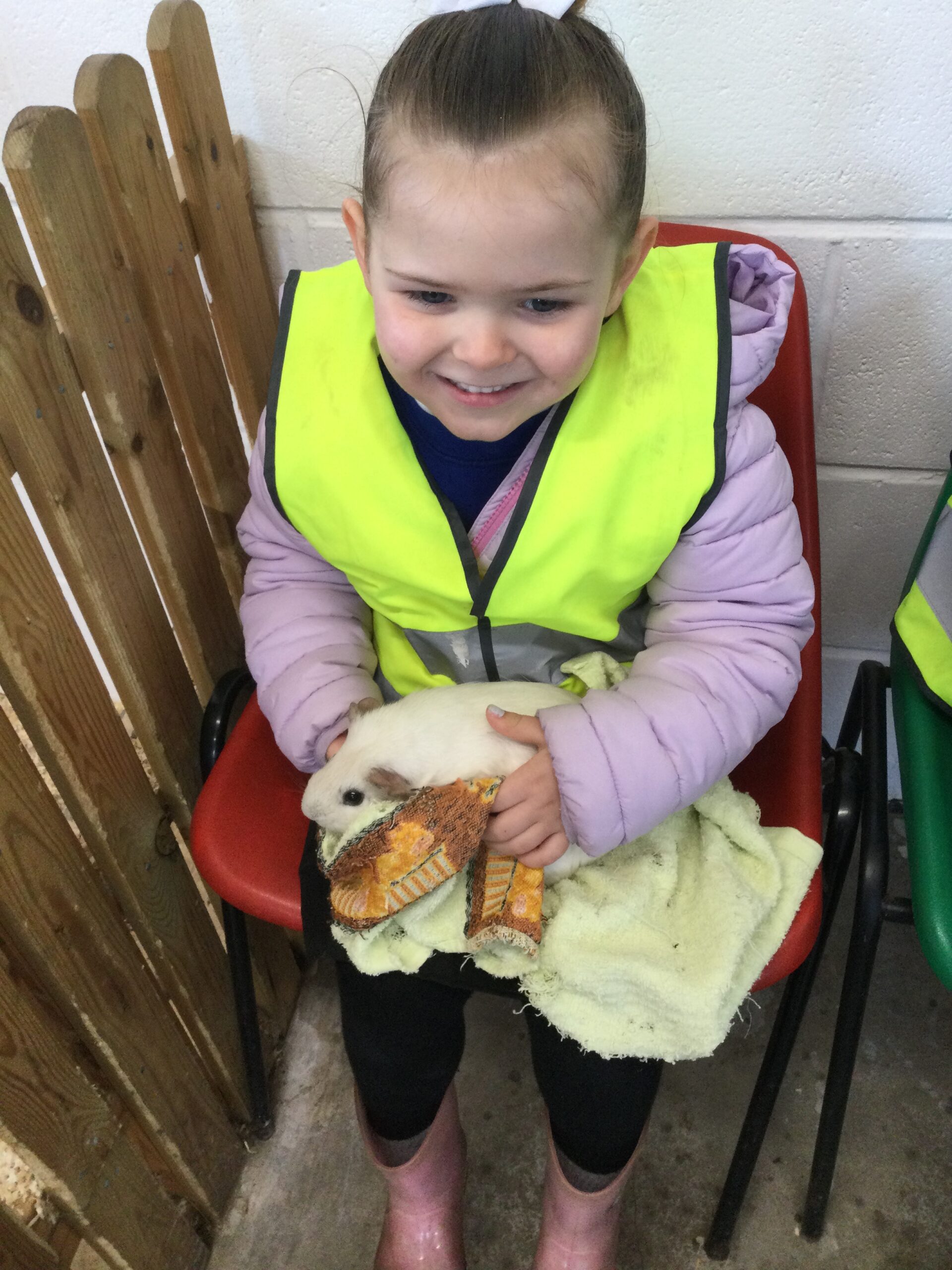
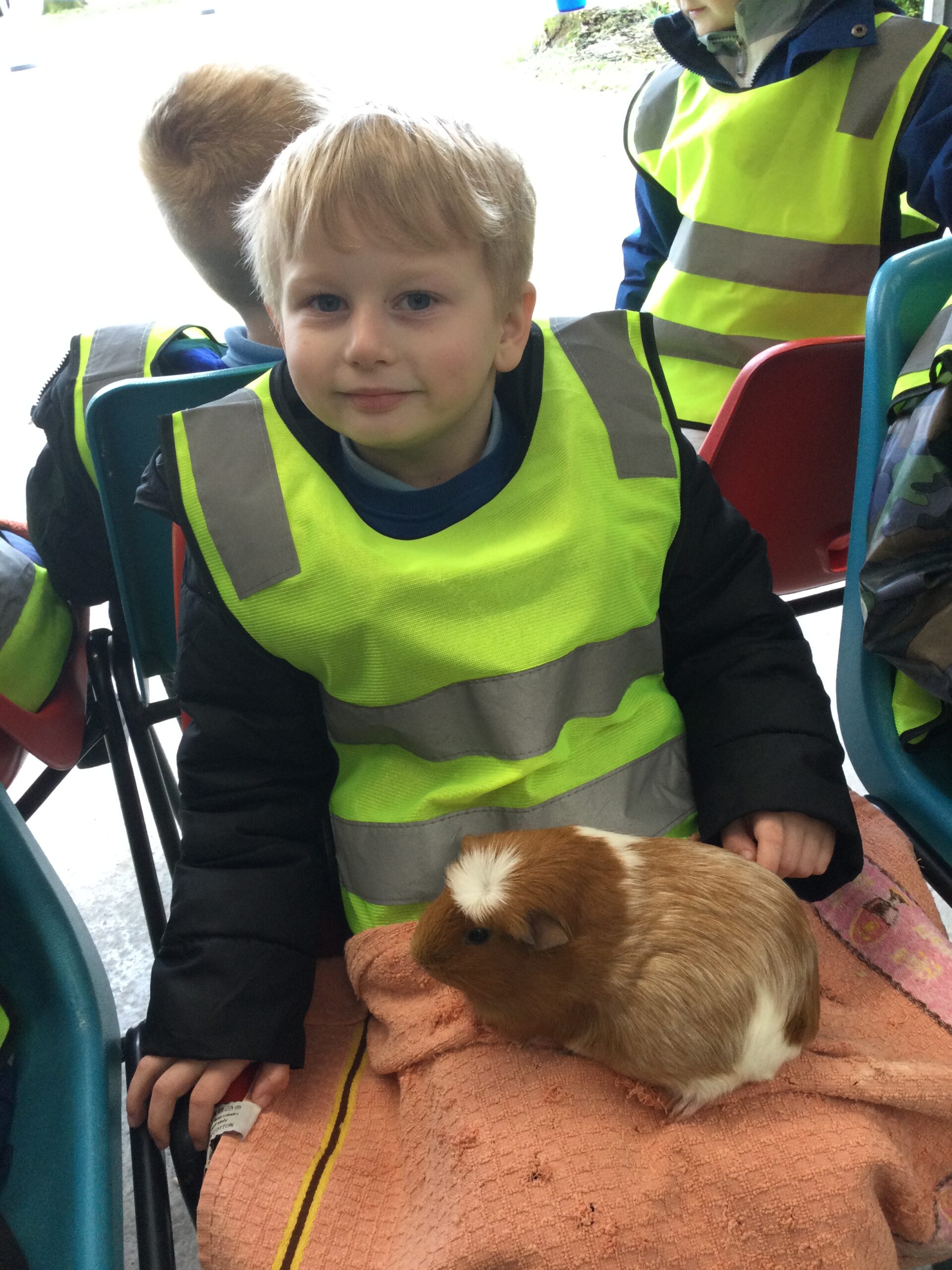
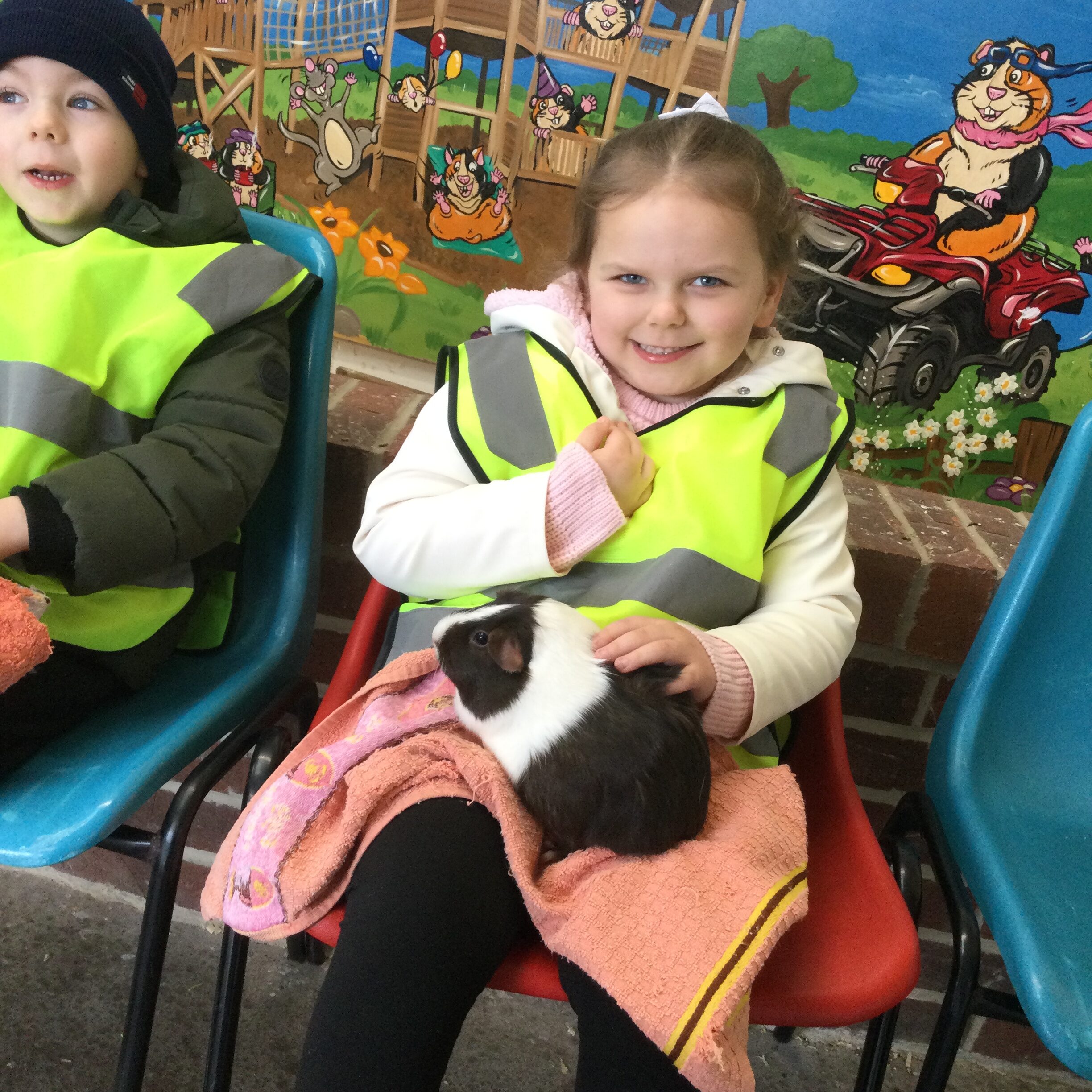
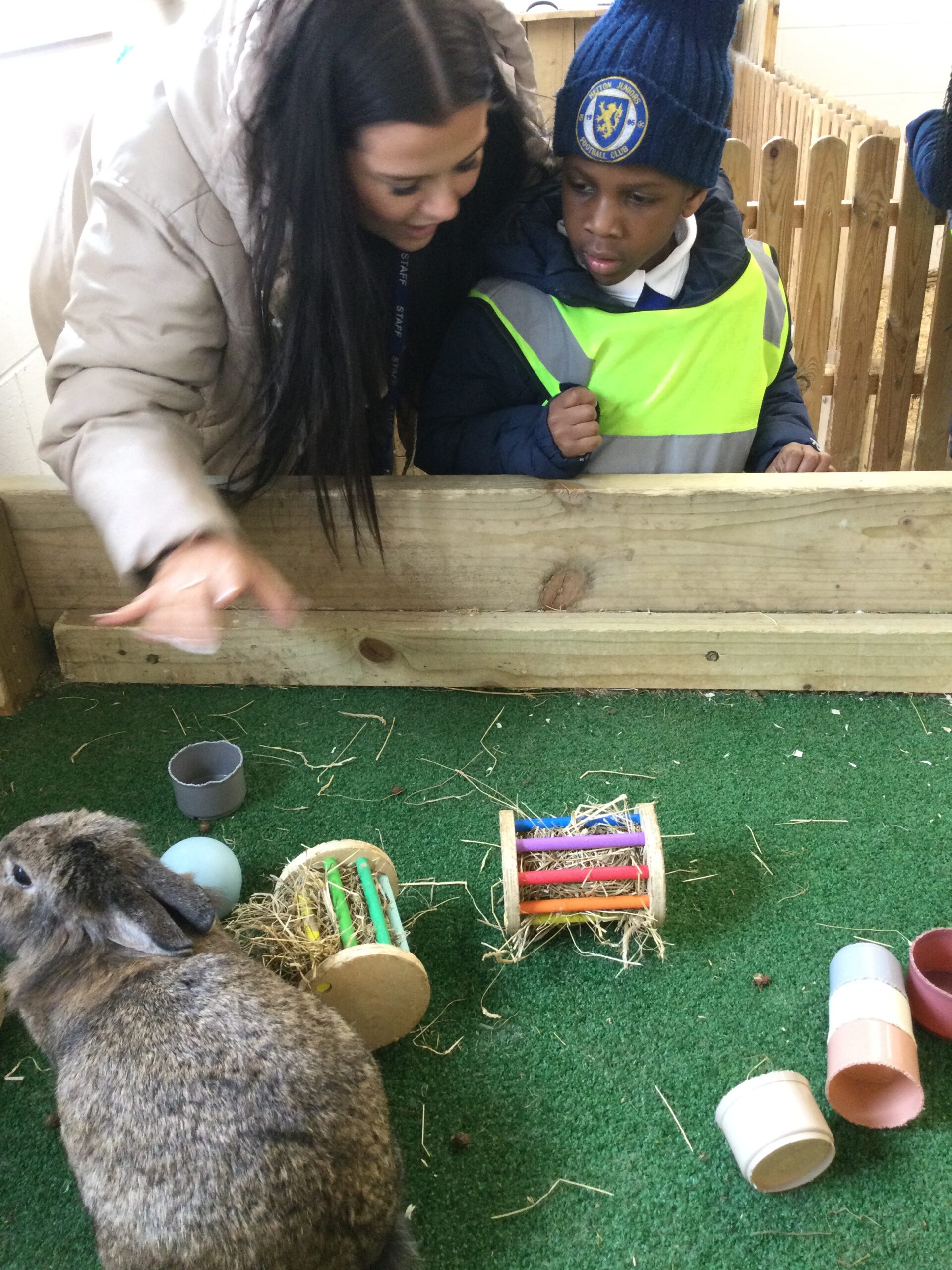
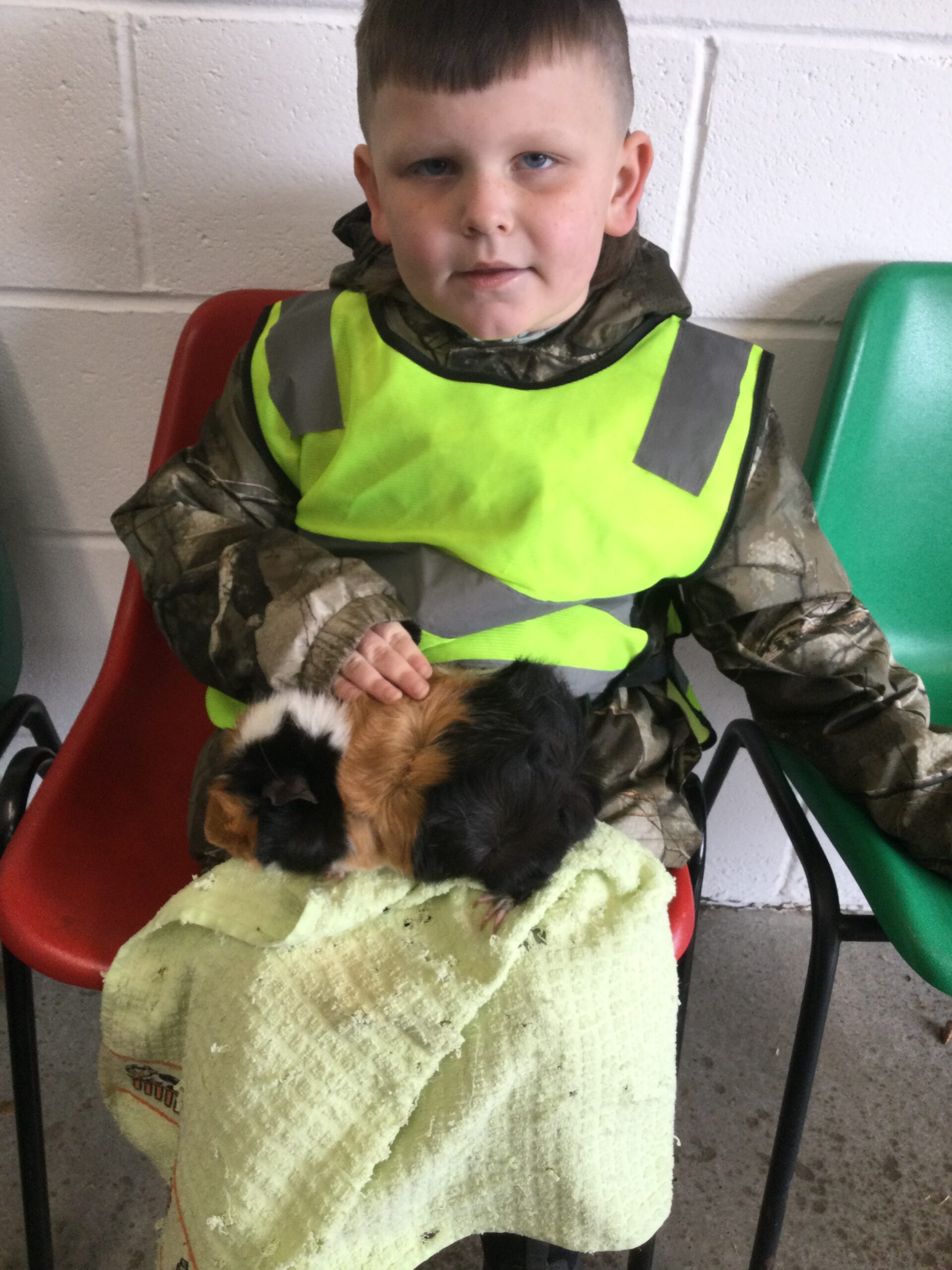
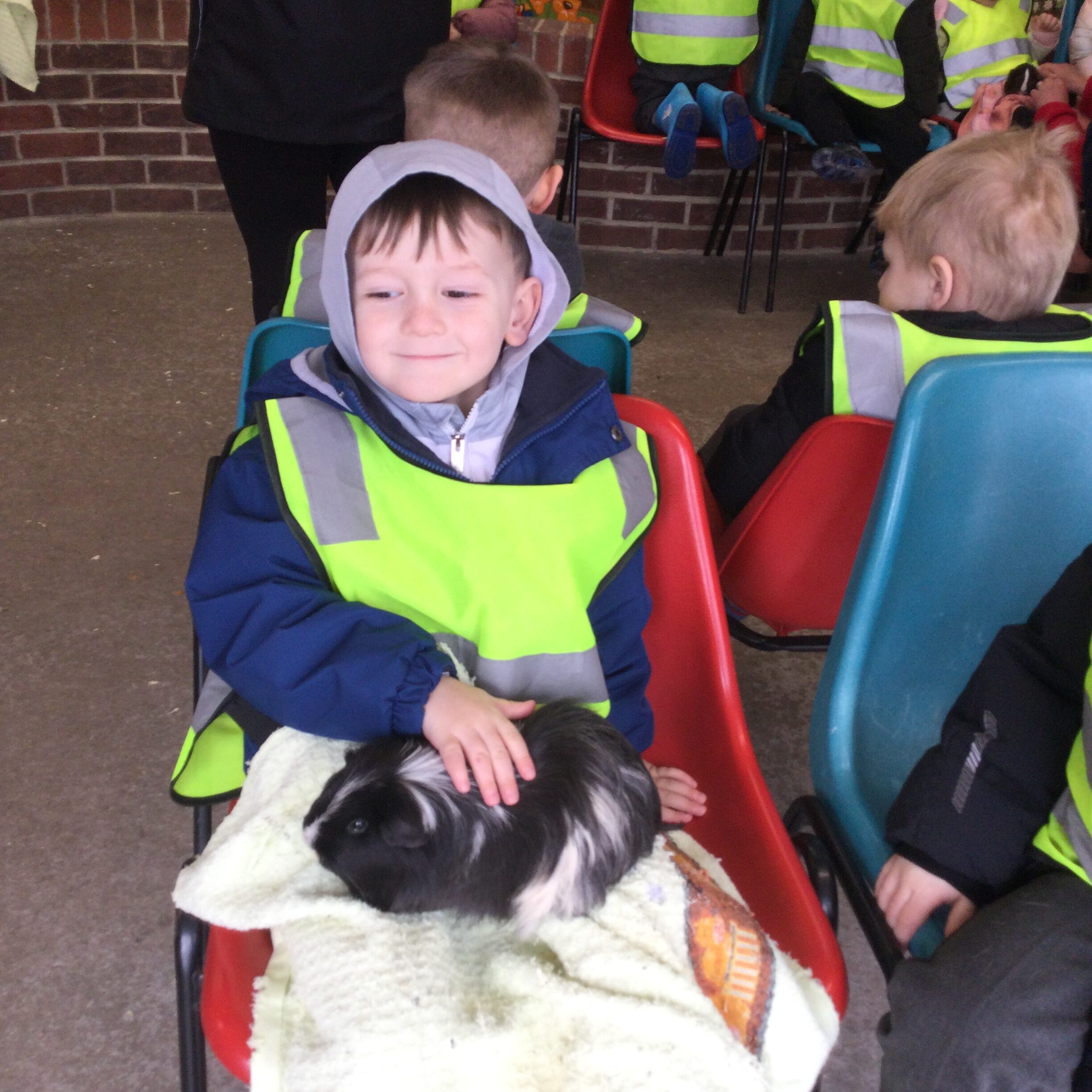
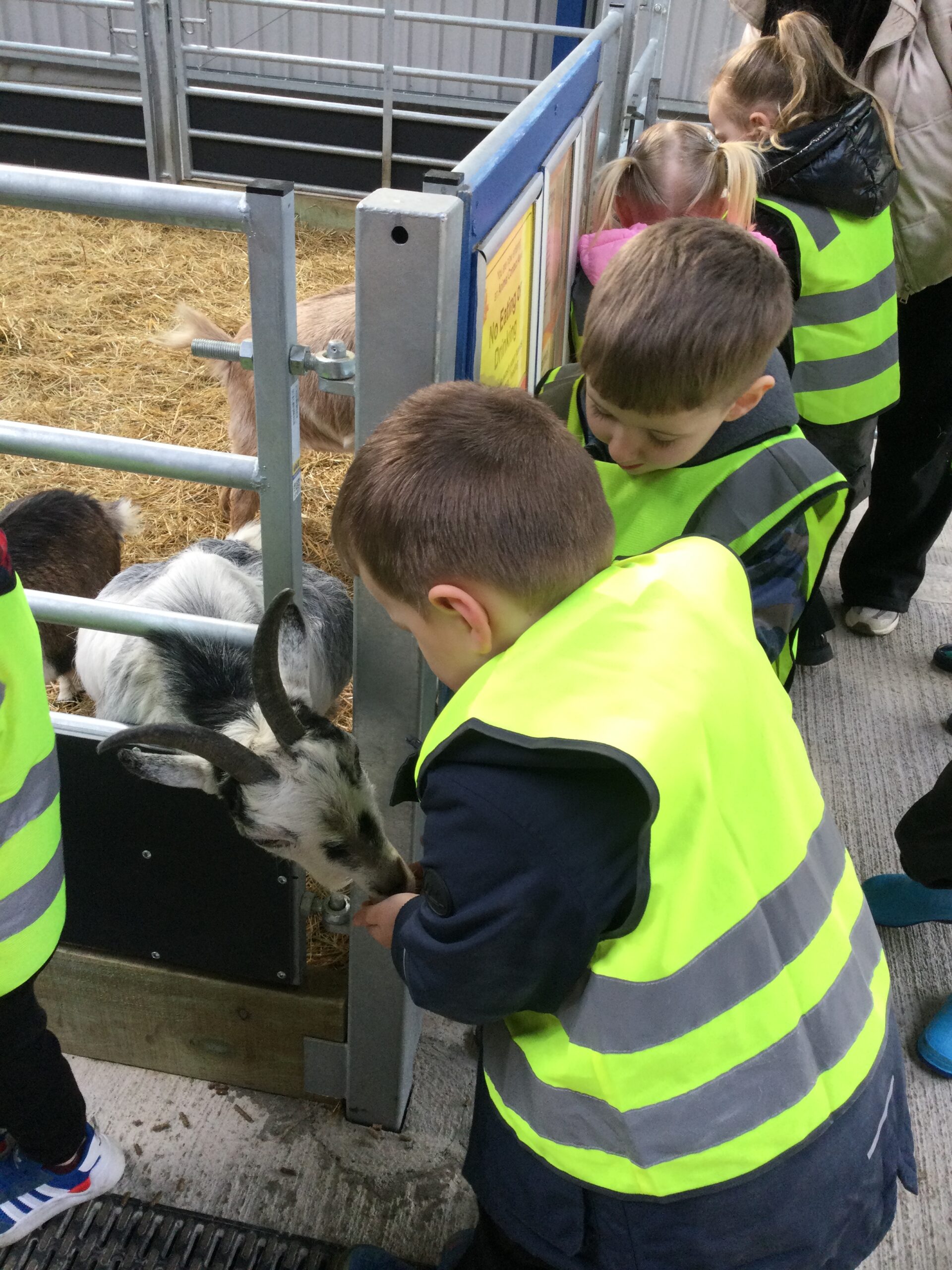
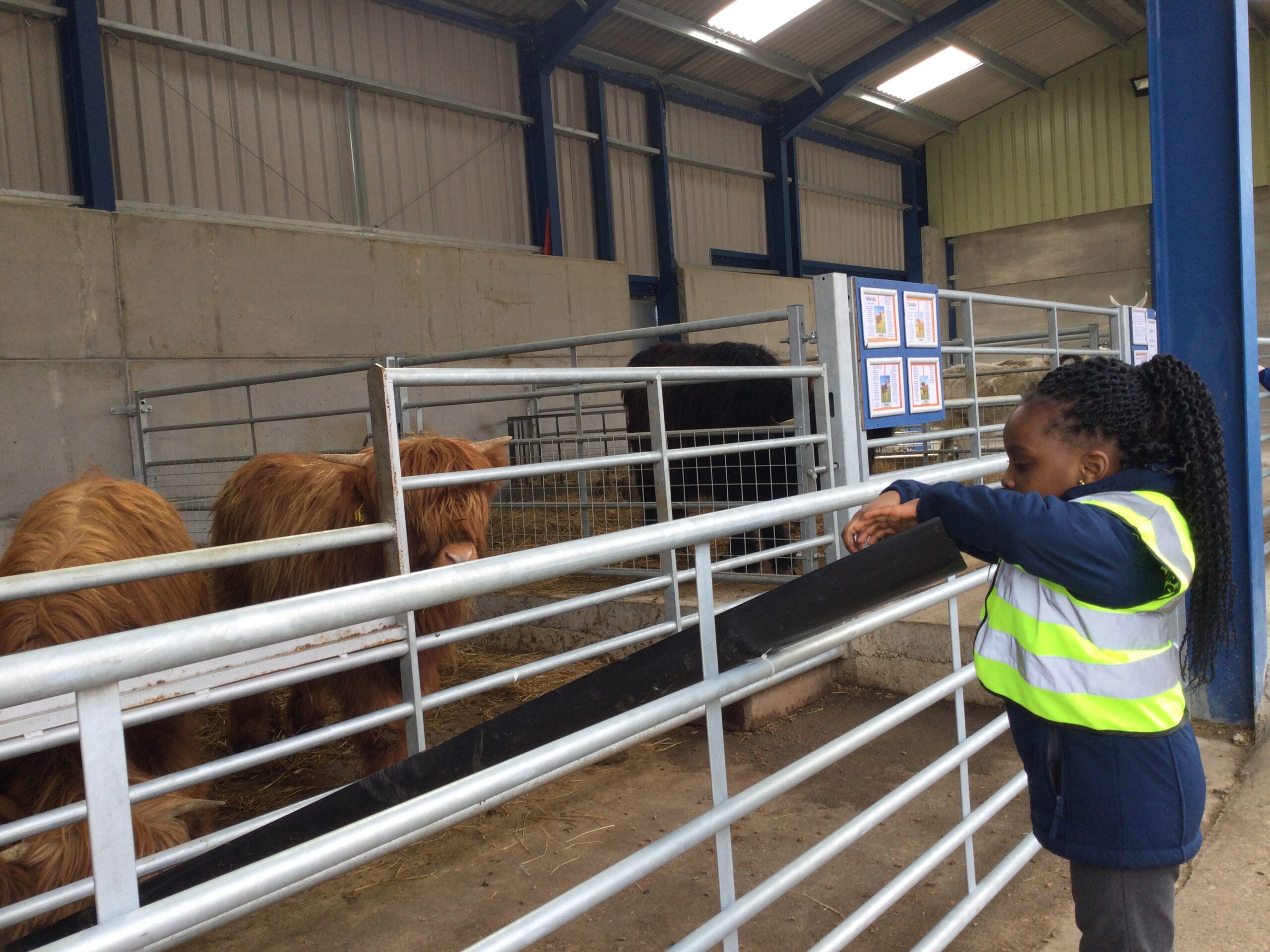
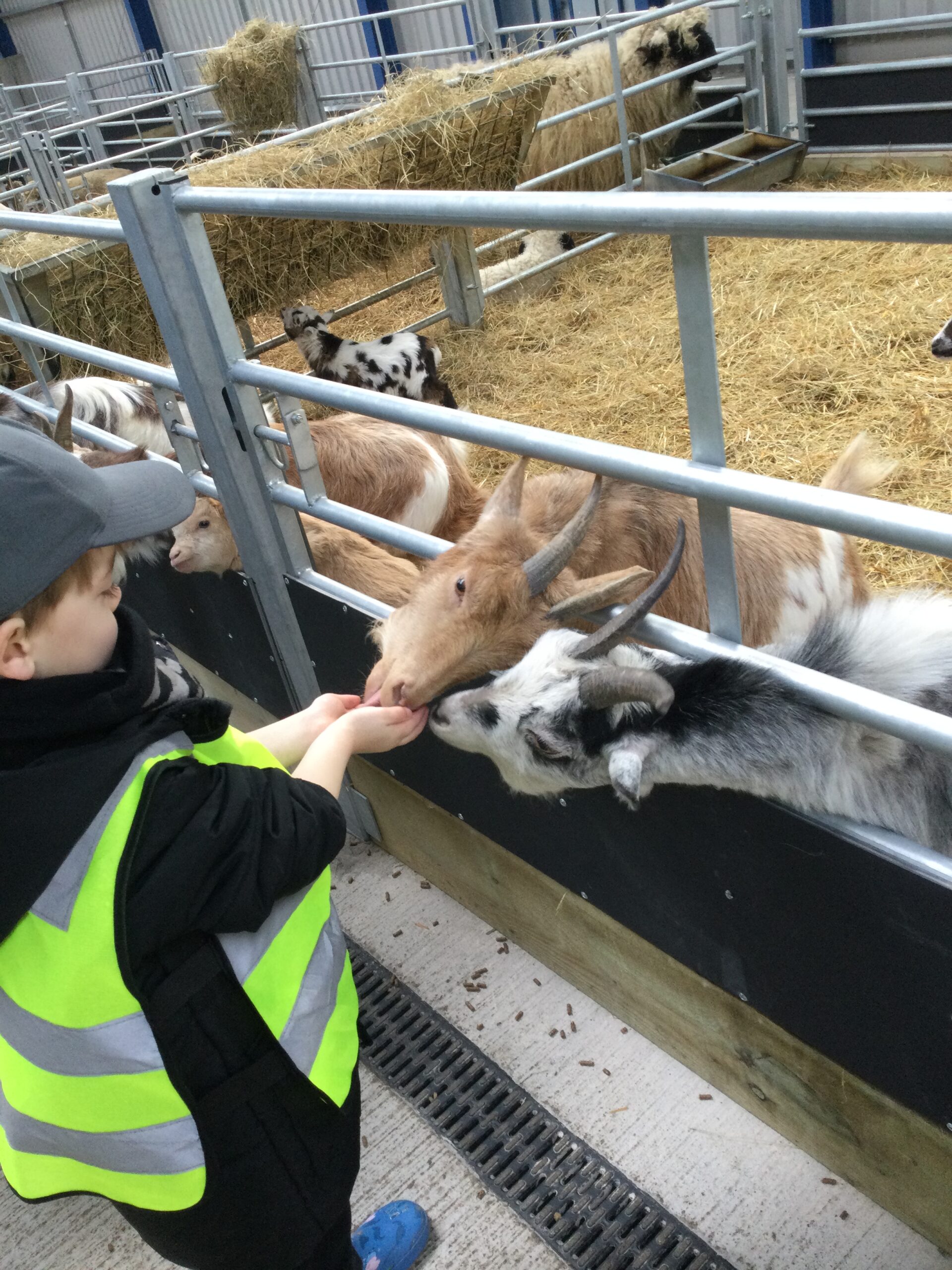
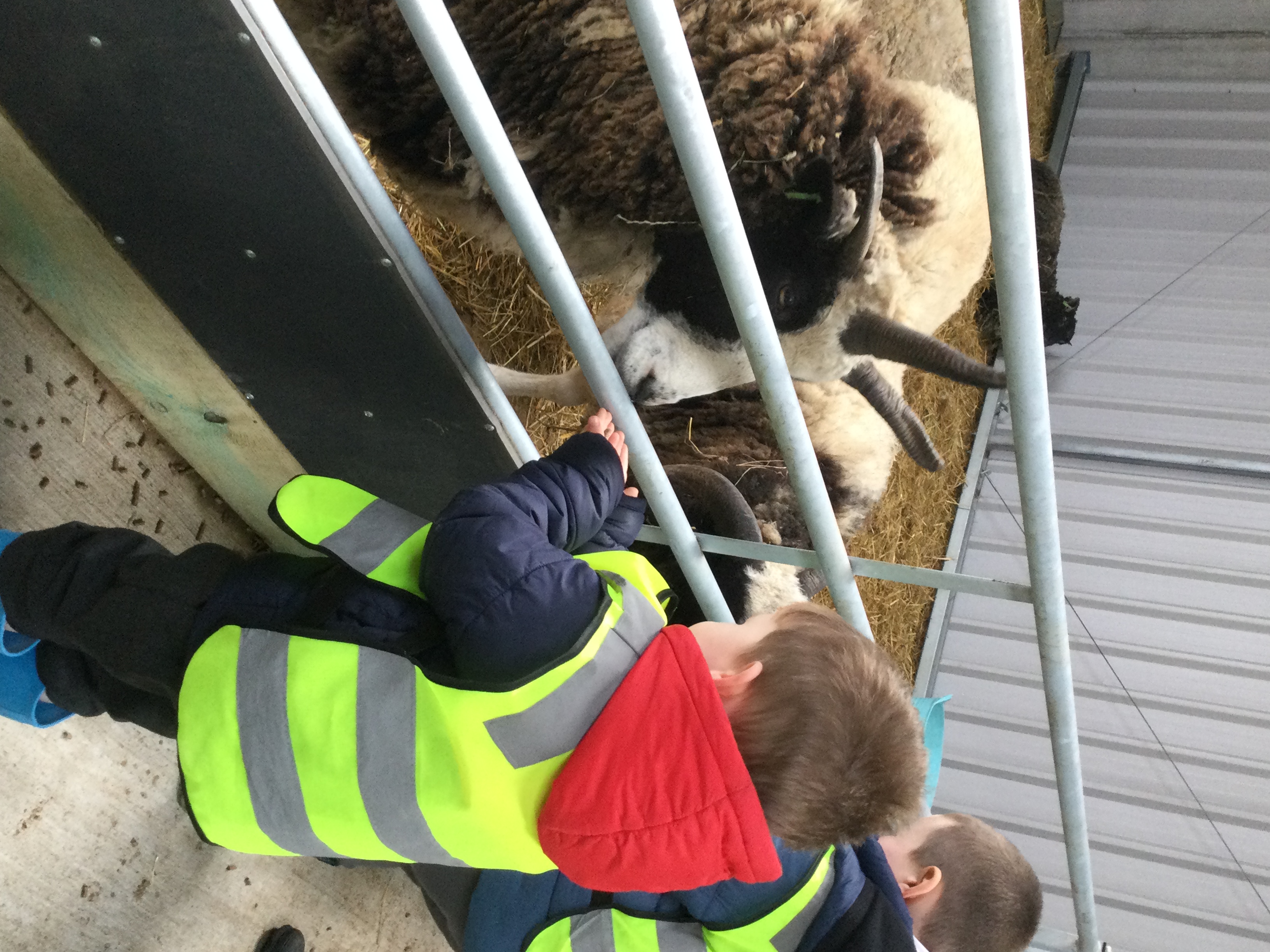
The children also enjoyed meeting some of the larger animals around the farm. They helped to feed the Highland cows and were fascinated by their long horns and shaggy fur. We stopped to say hello to the alpacas, who curiously came over to see us, and the children had lots of fun feeding the goats and sheep, who were very hungry!
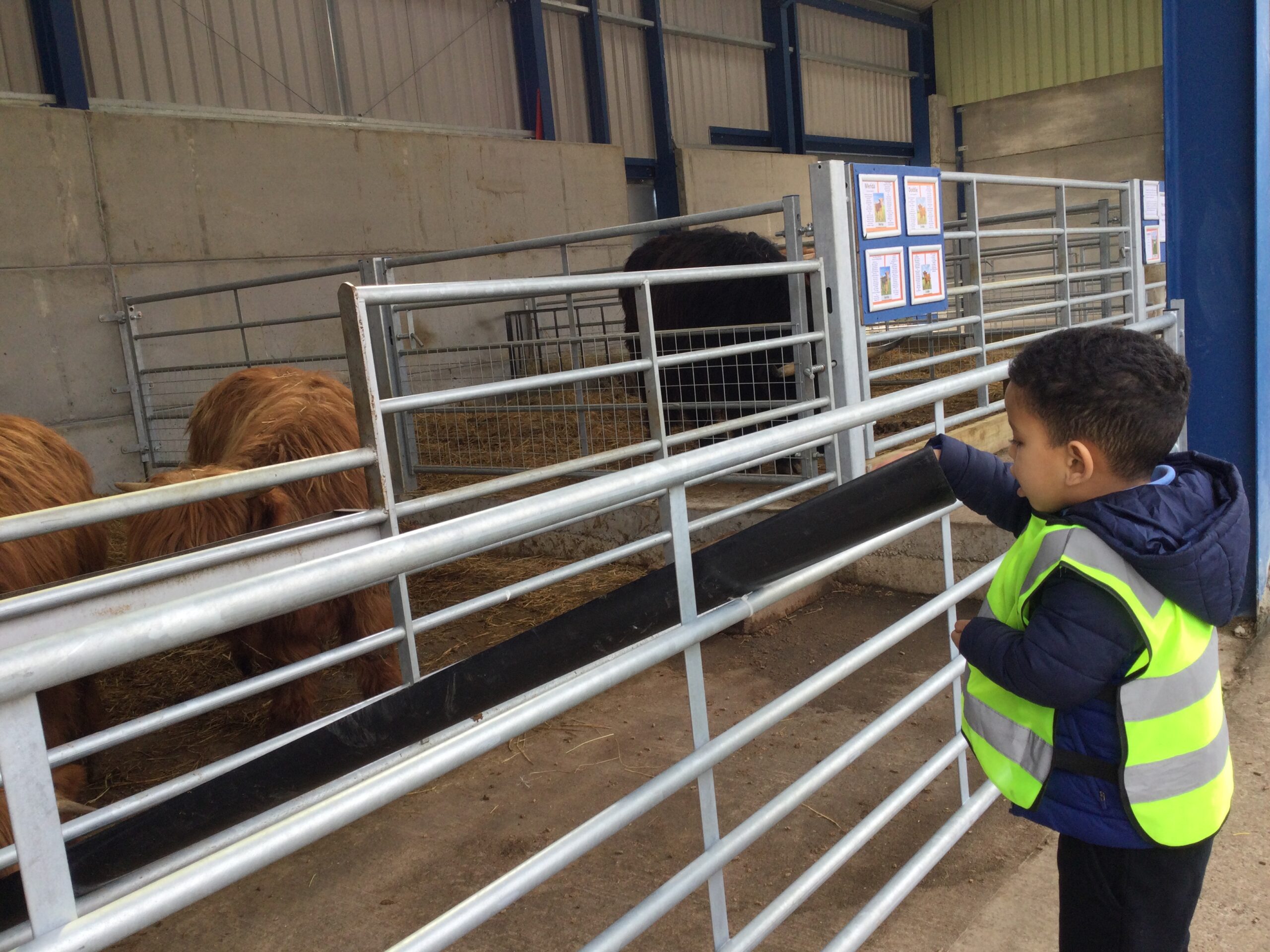
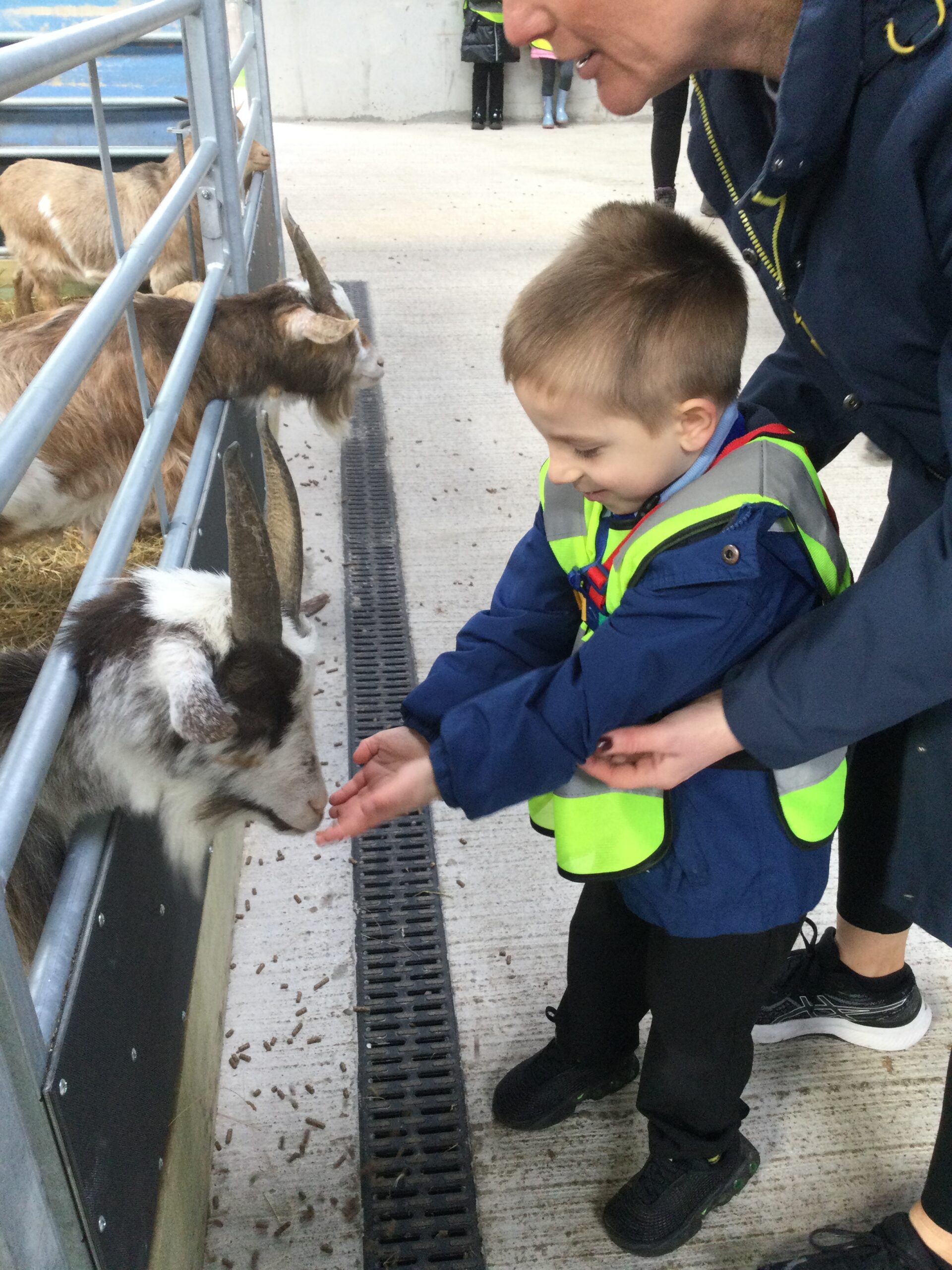
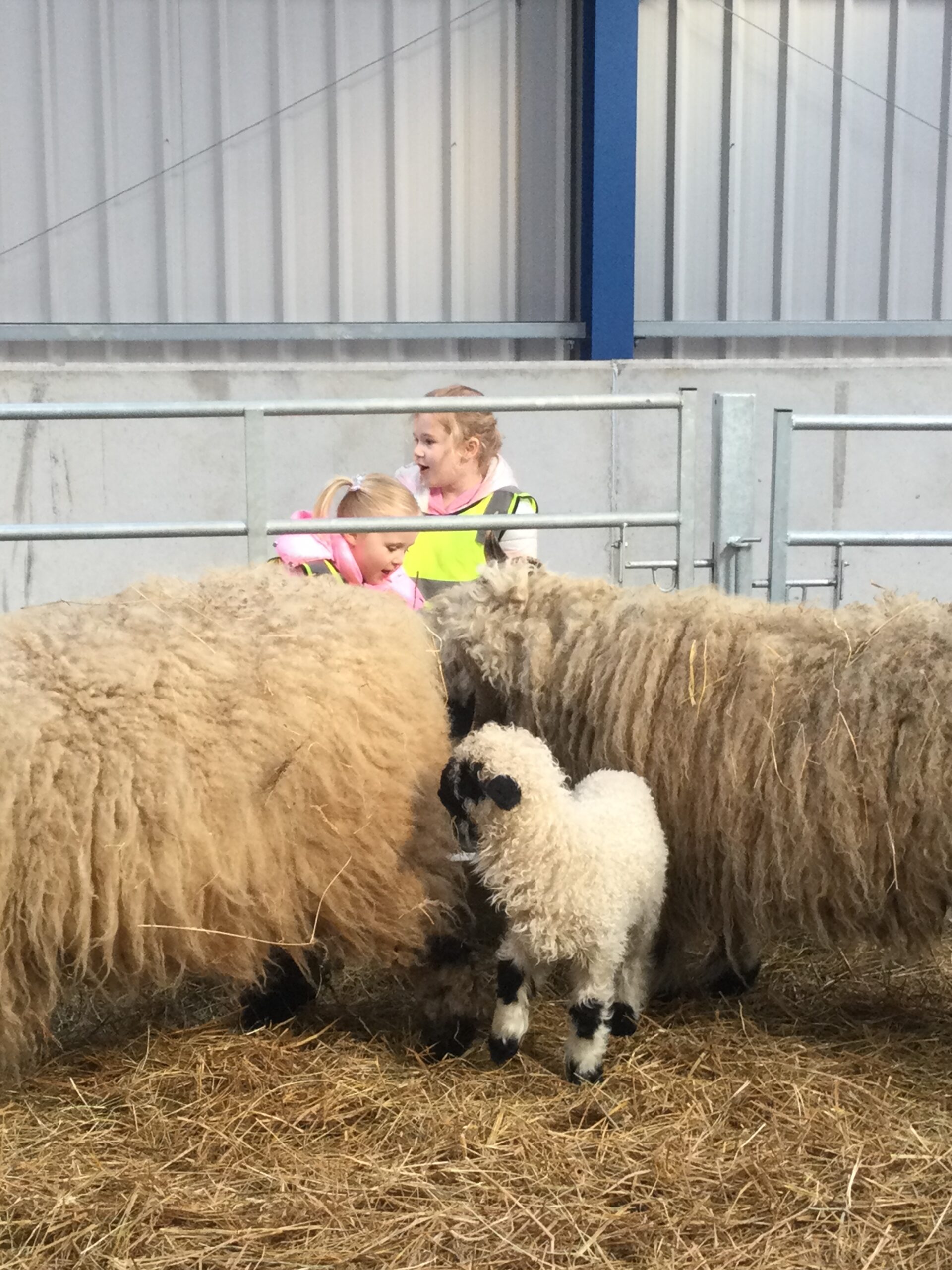
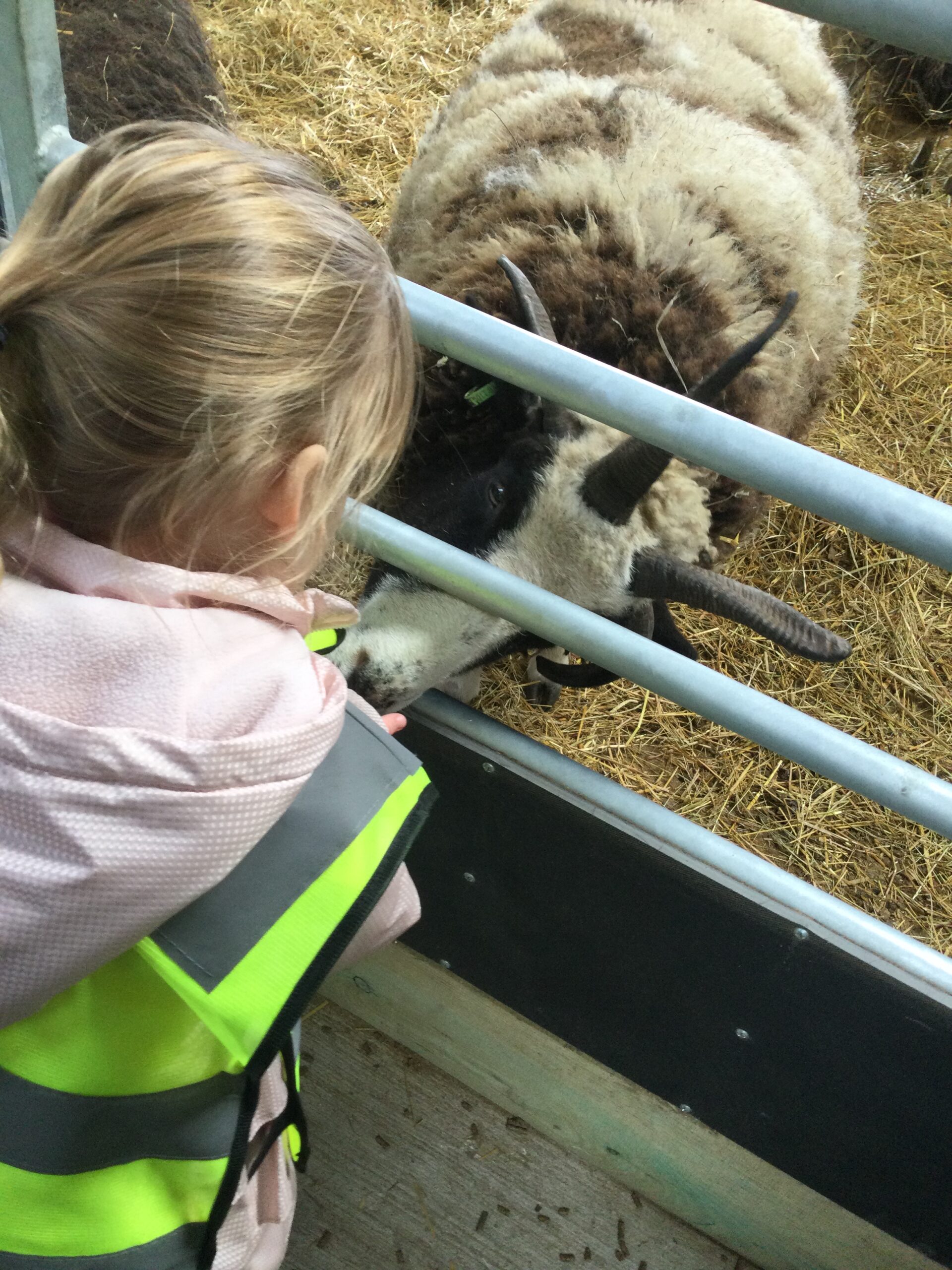
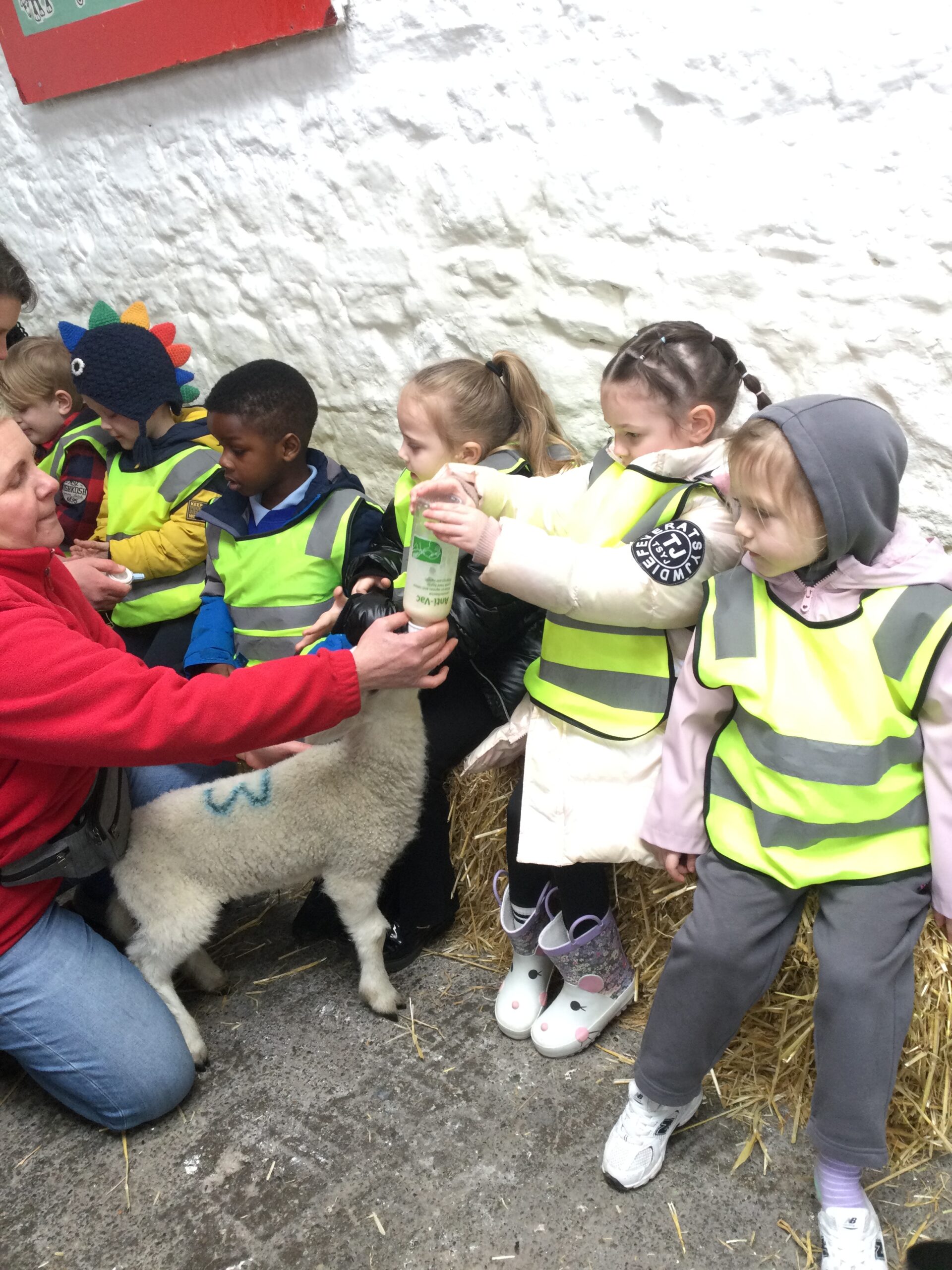
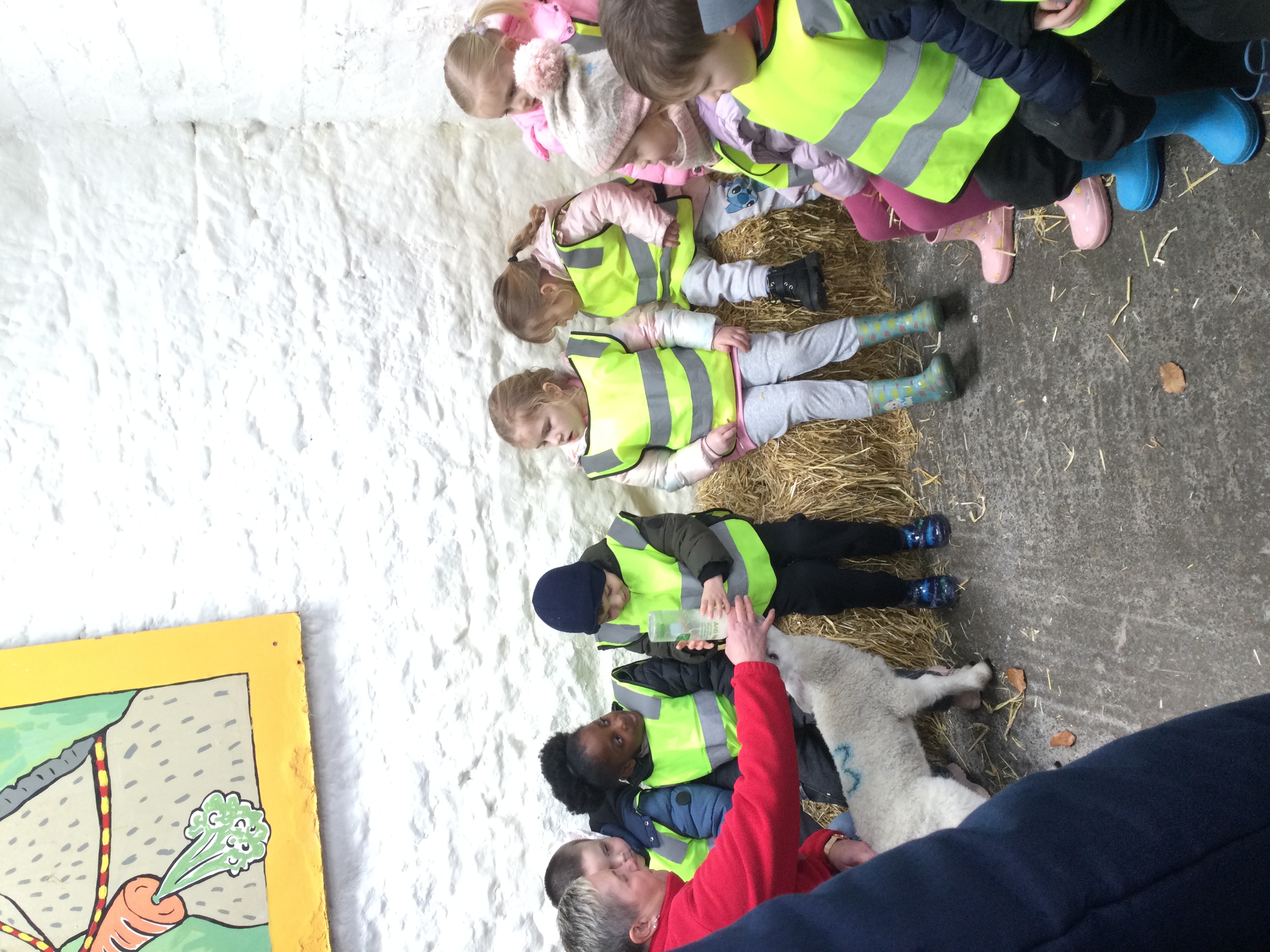
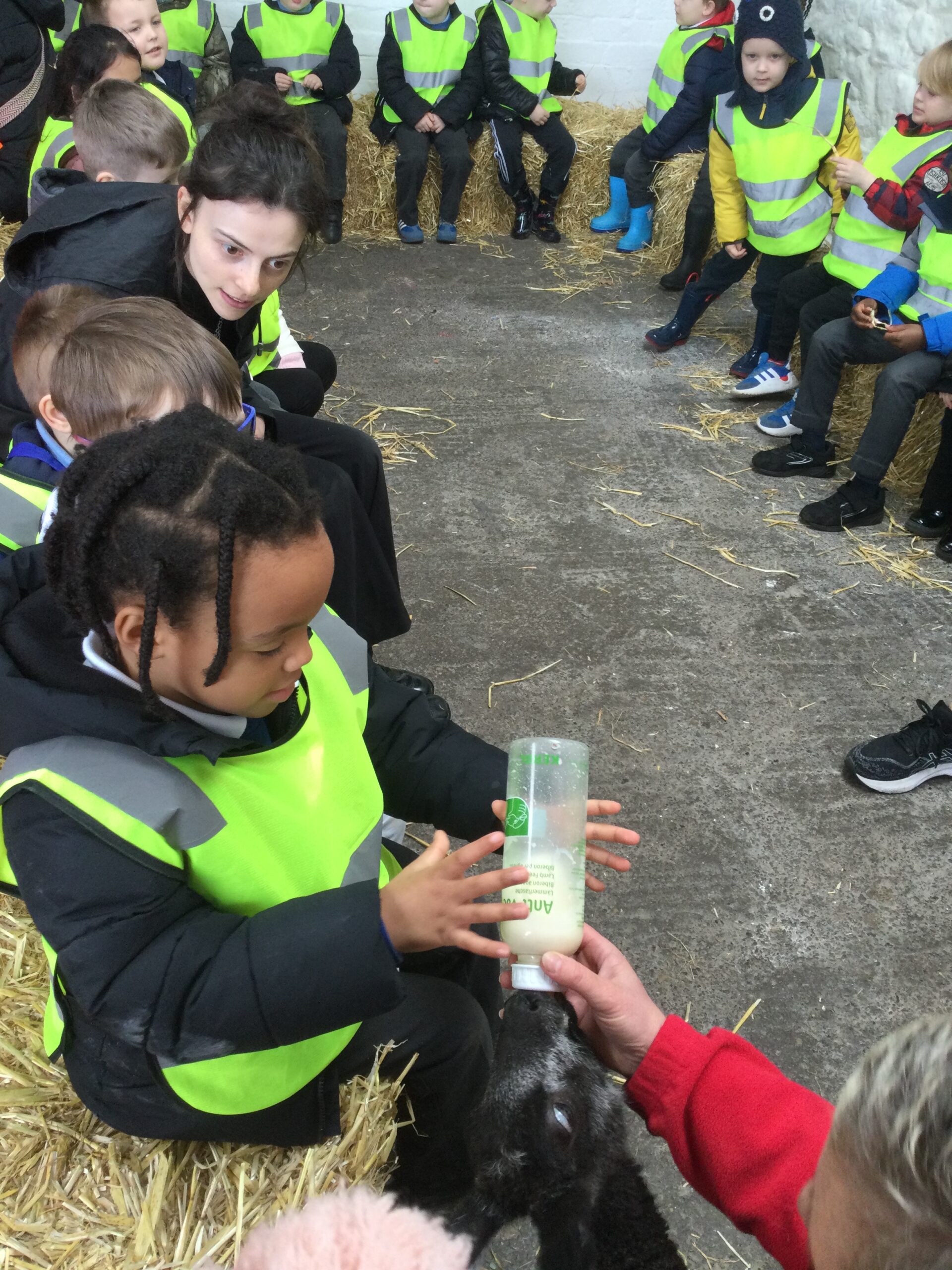
One of the most special moments of the day was feeding the lambs. The children were able to give the lambs milk from a bottle, which was a very exciting experience. They watched closely as the lambs eagerly drank their milk and learned about how people help to care for young animals.
There was also plenty of time for fun and play. The children had a fantastic time exploring the adventure play park, climbing, sliding, and running around with their friends. It was a great way for them to burn off some energy while enjoying the fresh air.
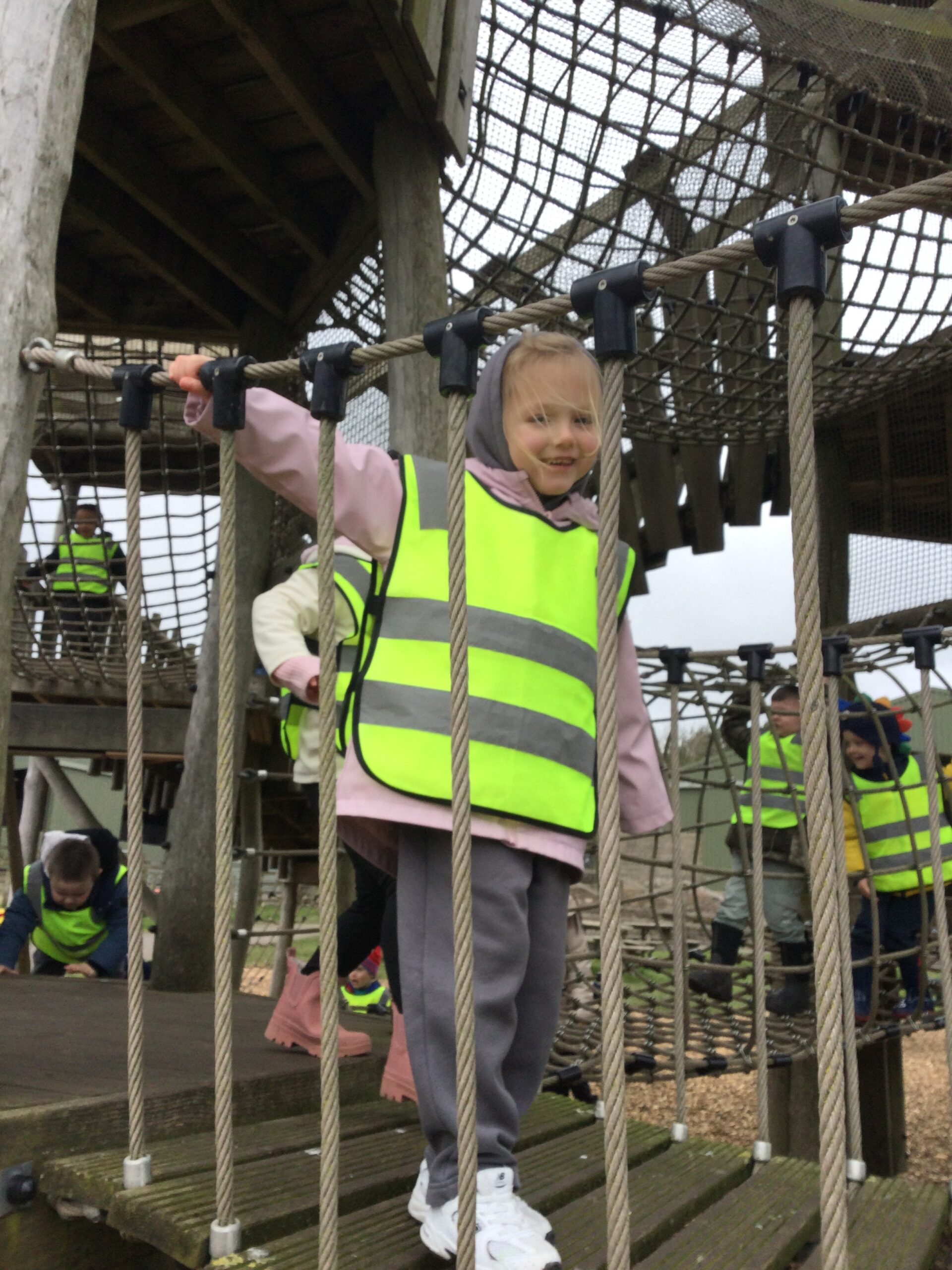
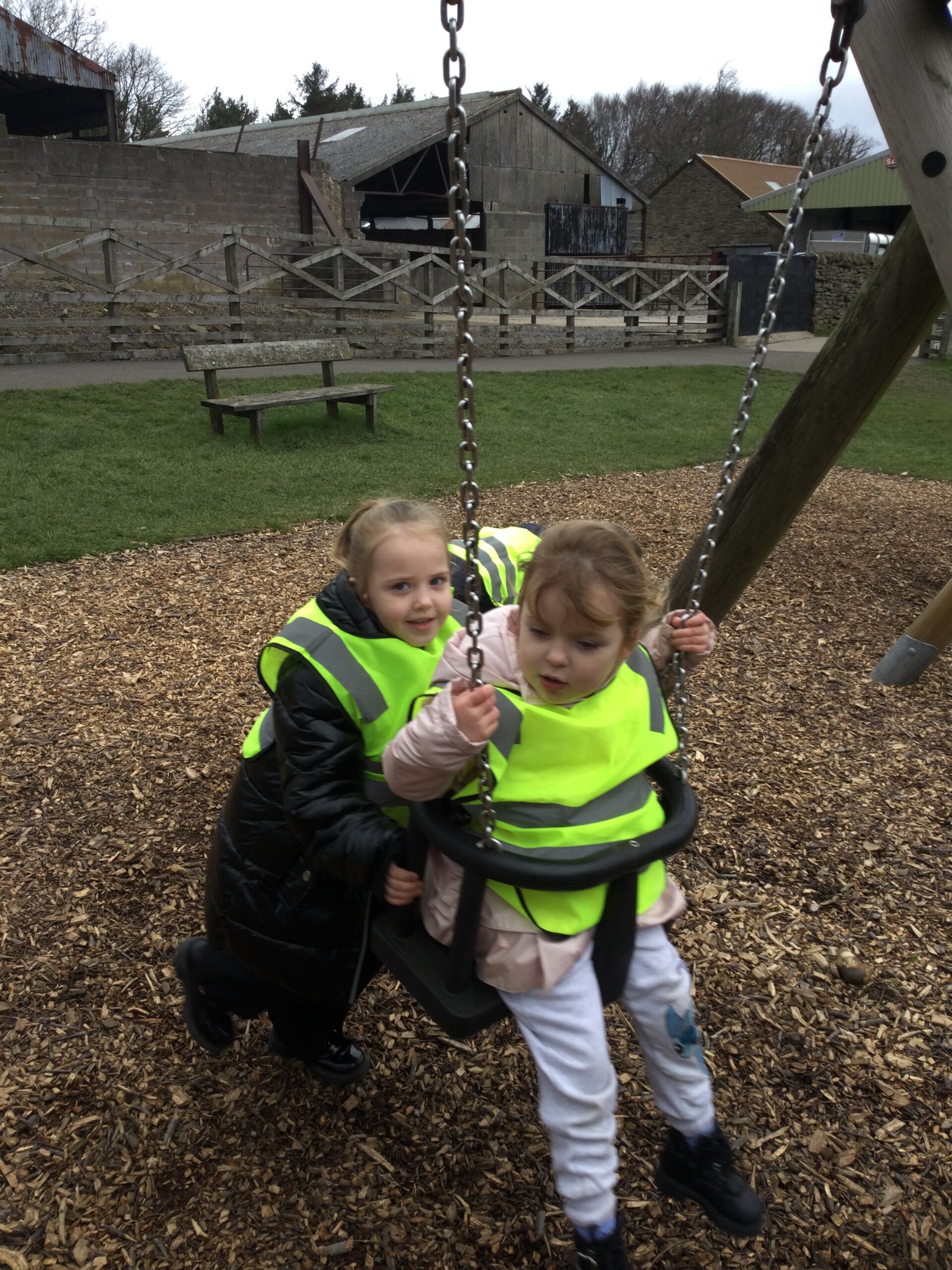
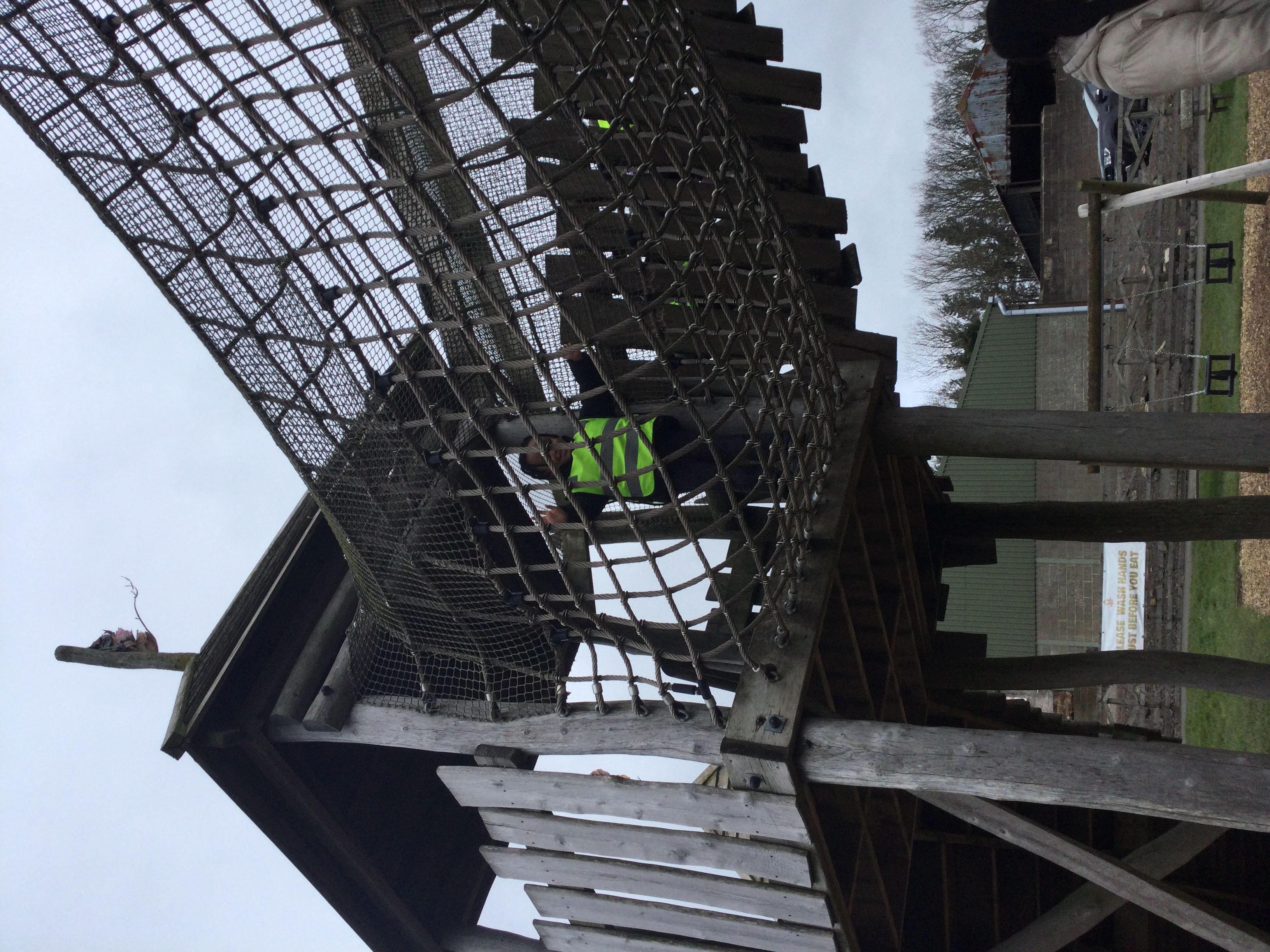
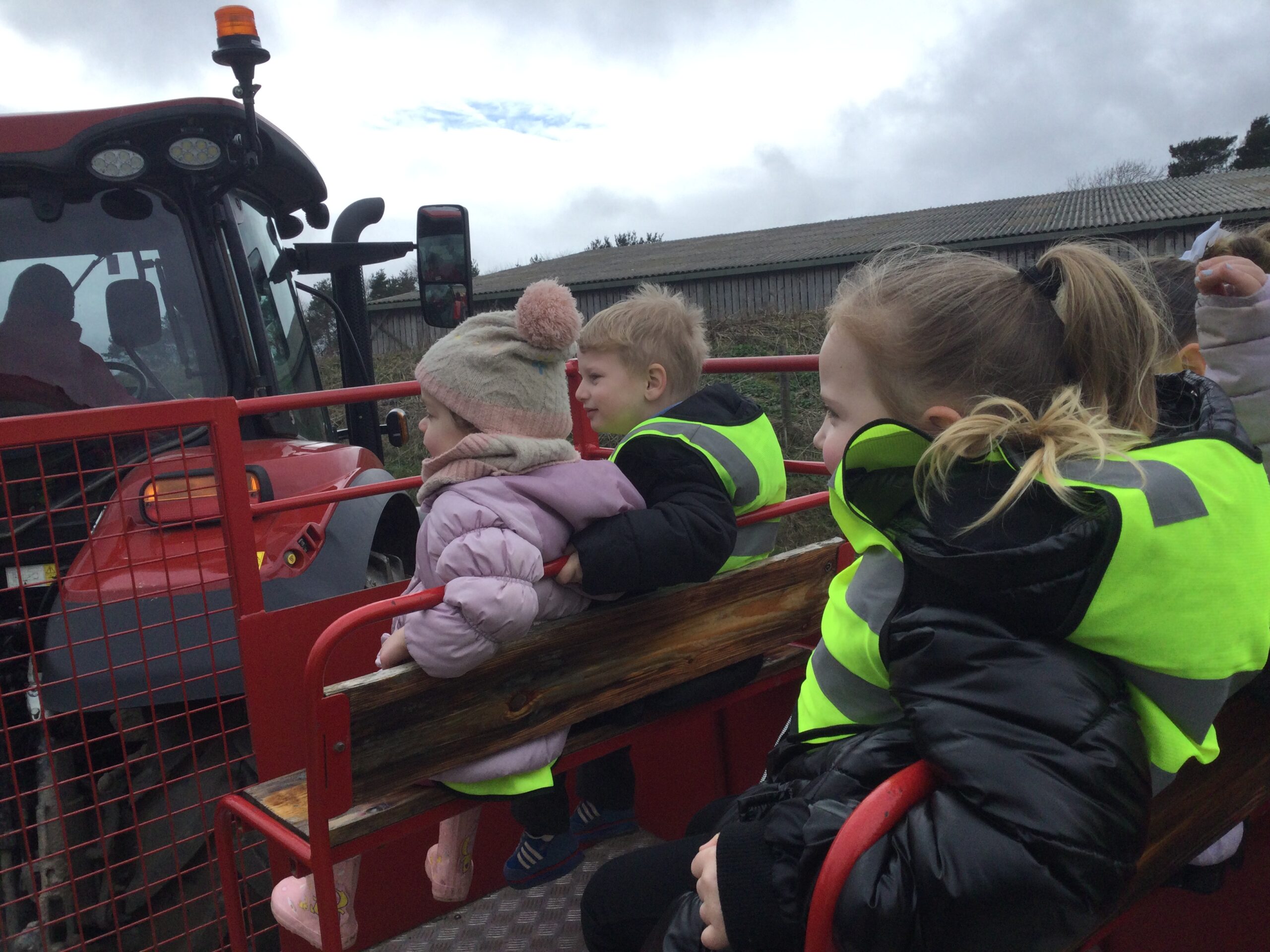
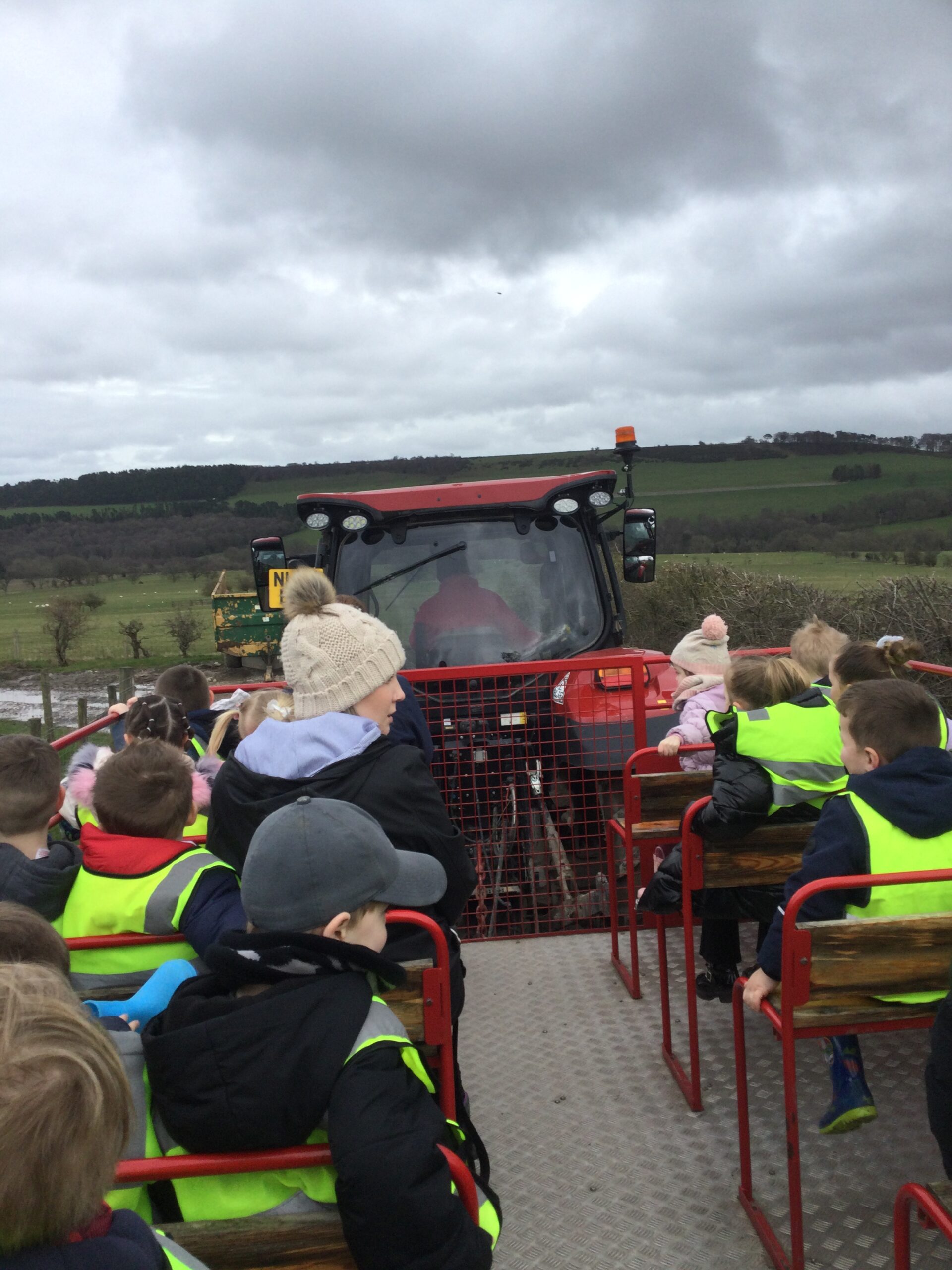
To finish off a wonderful day, we all climbed aboard the tractor for a relaxing ride around the farm. The children loved sitting on the trailer and looking out at the fields and animals as we drove along. It was the perfect end to a memorable trip! 🚜
This week in our continuous provision, the children have engaged in a range of engaging farm-themed activities that supported their learning across different areas of the curriculum.
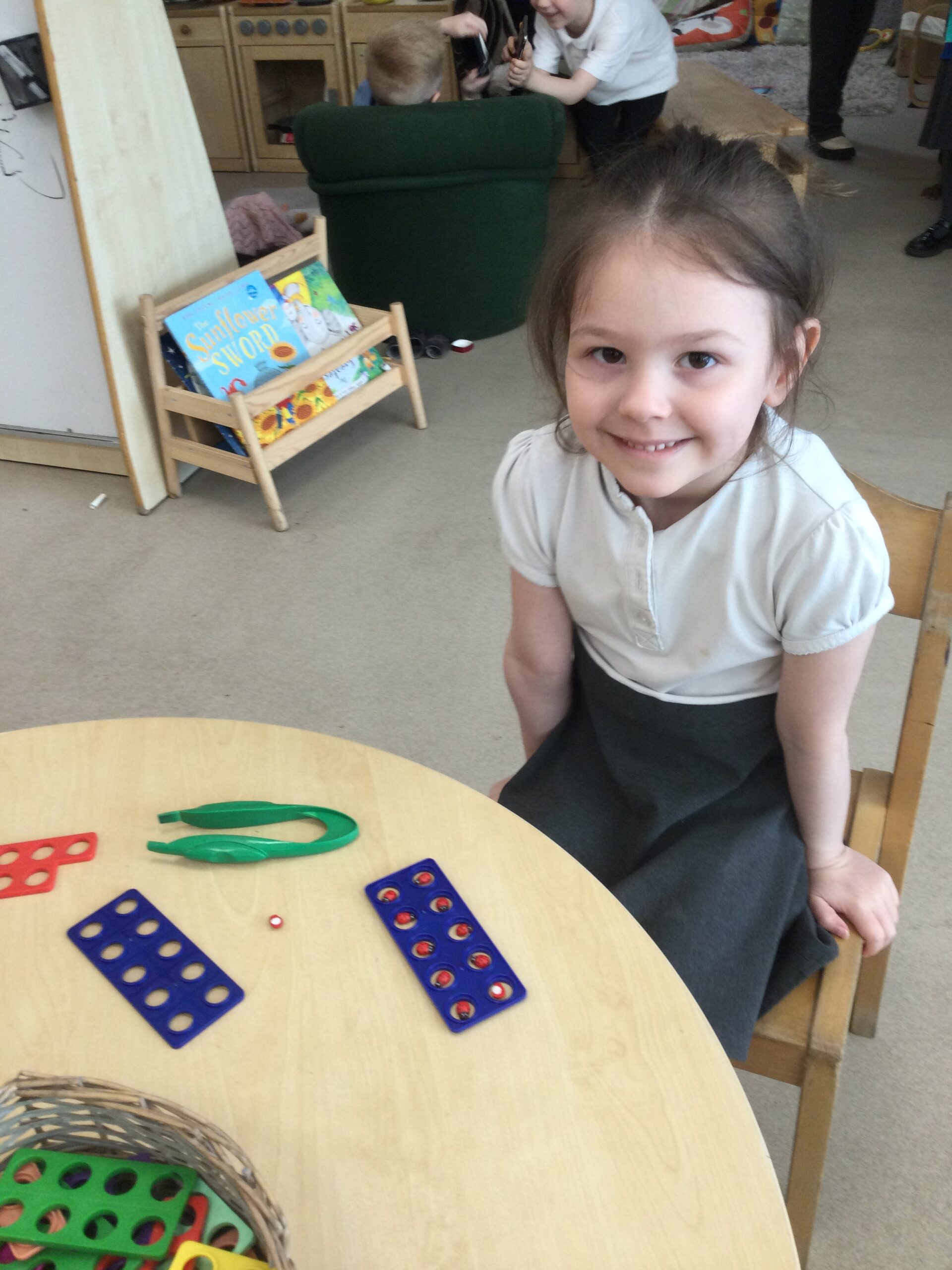
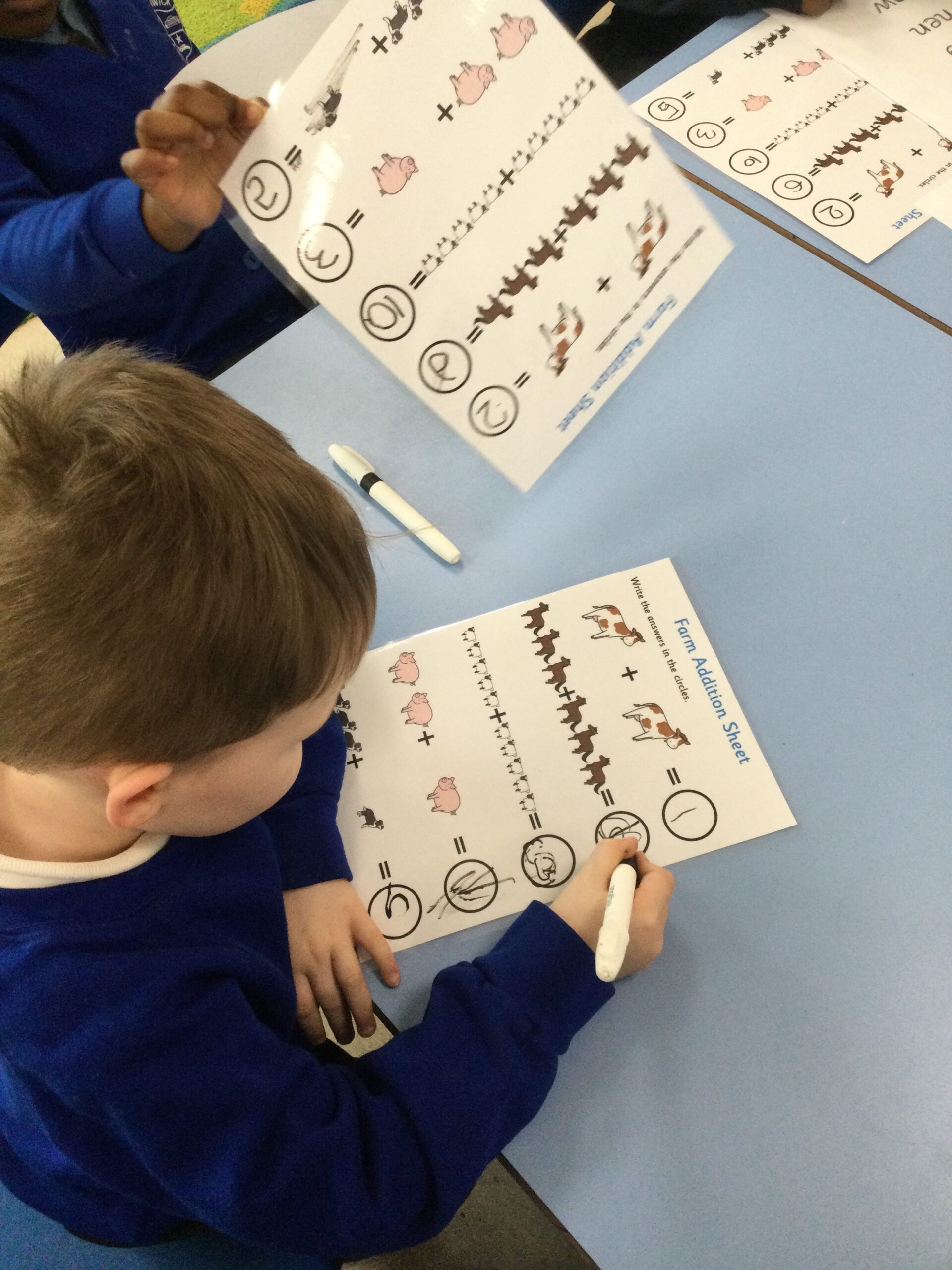
In our maths area, the children developed their counting and number recognition skills by carefully matching the correct number of ladybirds to Numicon shapes. They also explored early addition through practical farm-based activities, combining groups of animals and recording their answers while practising accurate number formation.
In our creative areas, the children used playdough to design and make their own farm animals, showing great imagination. They also created detailed farm scenes using a variety of small world props, thoughtfully arranging animals, fences and buildings and talking about what happens on a farm.
The children further strengthened their fine motor control by using animal pin boards, carefully placing the pins with control and precision. They also enjoyed completing animal matching jigsaws, developing their problem-solving skills and recognising similarities and differences between animals.
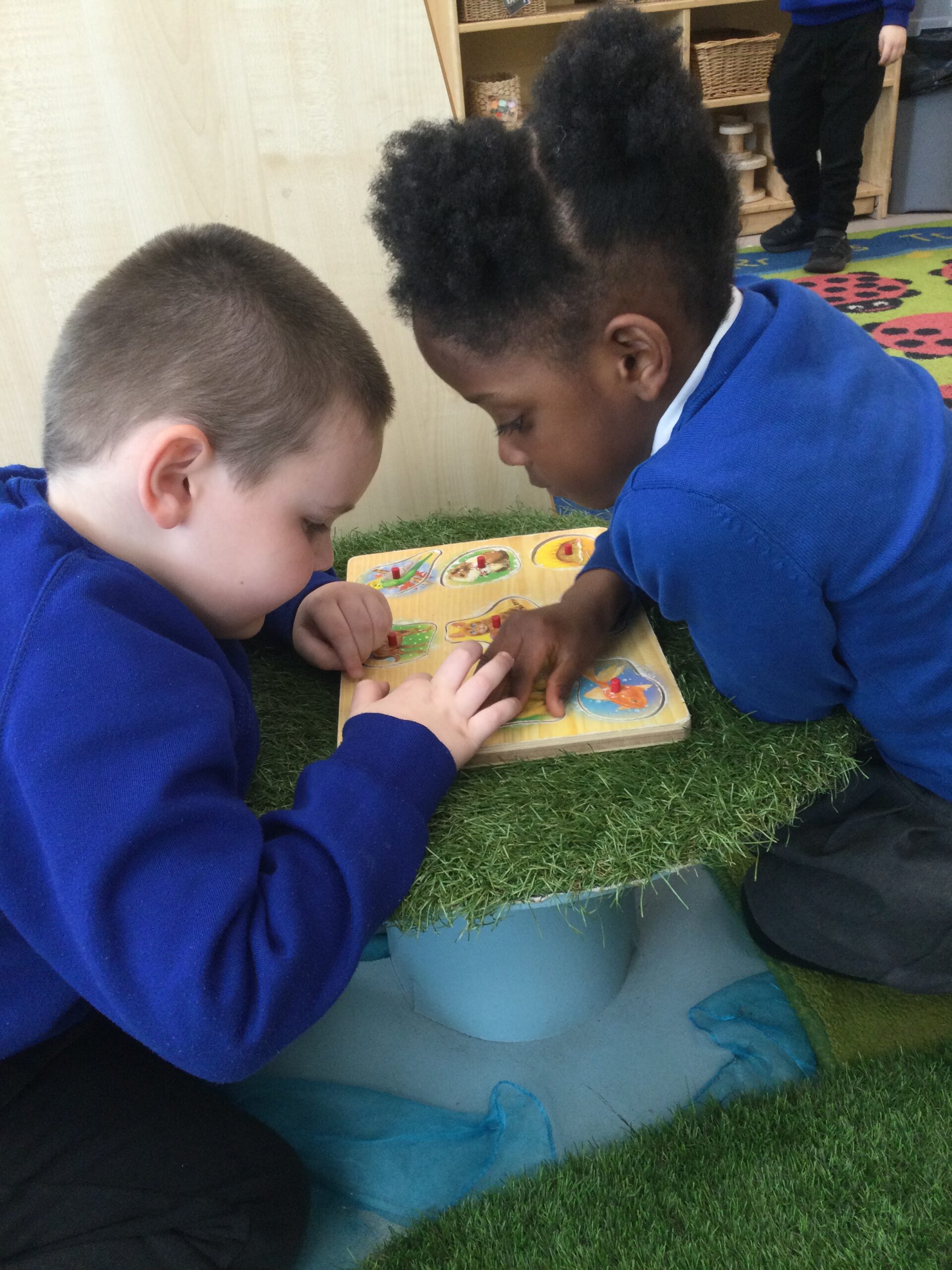
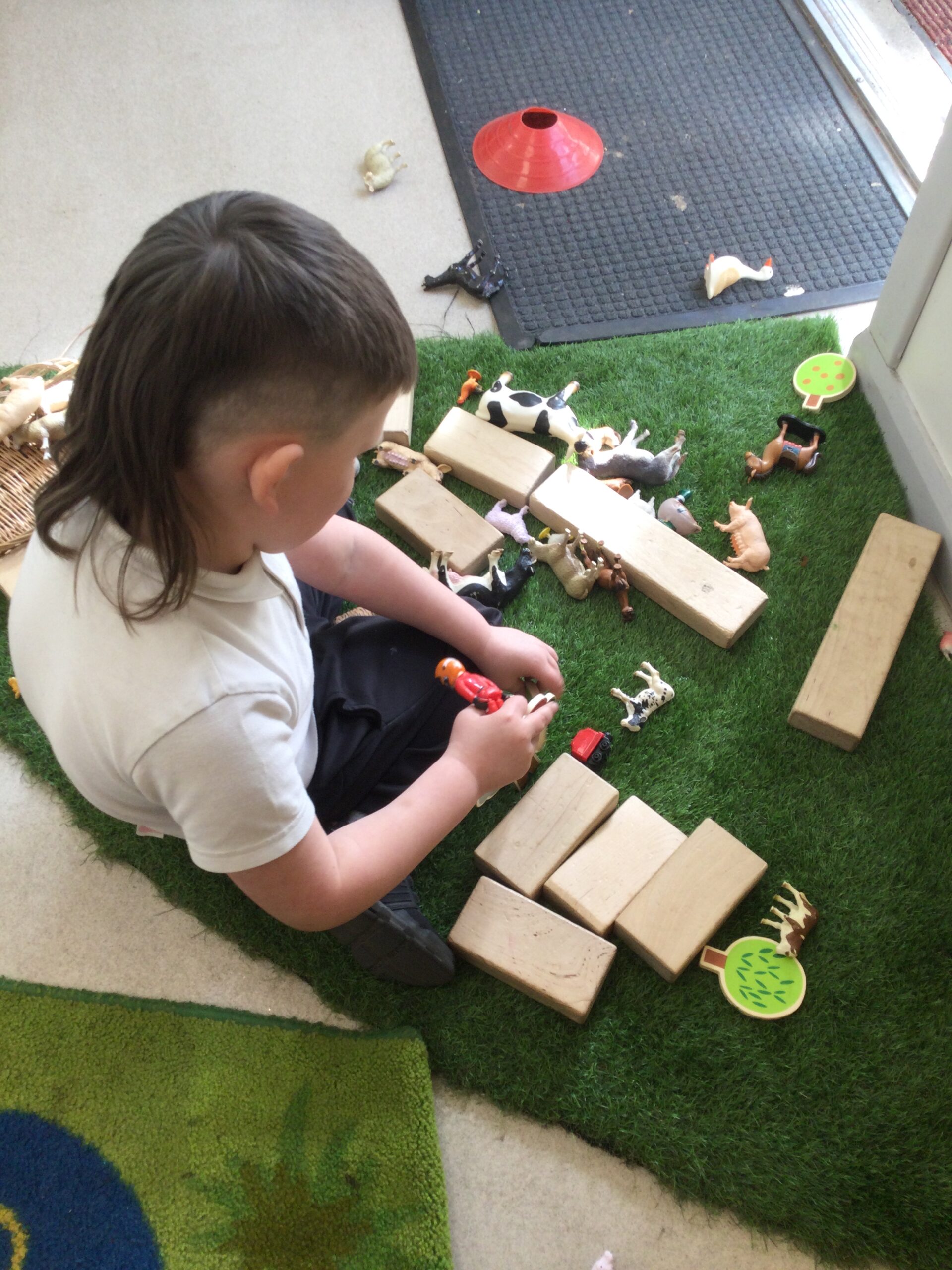
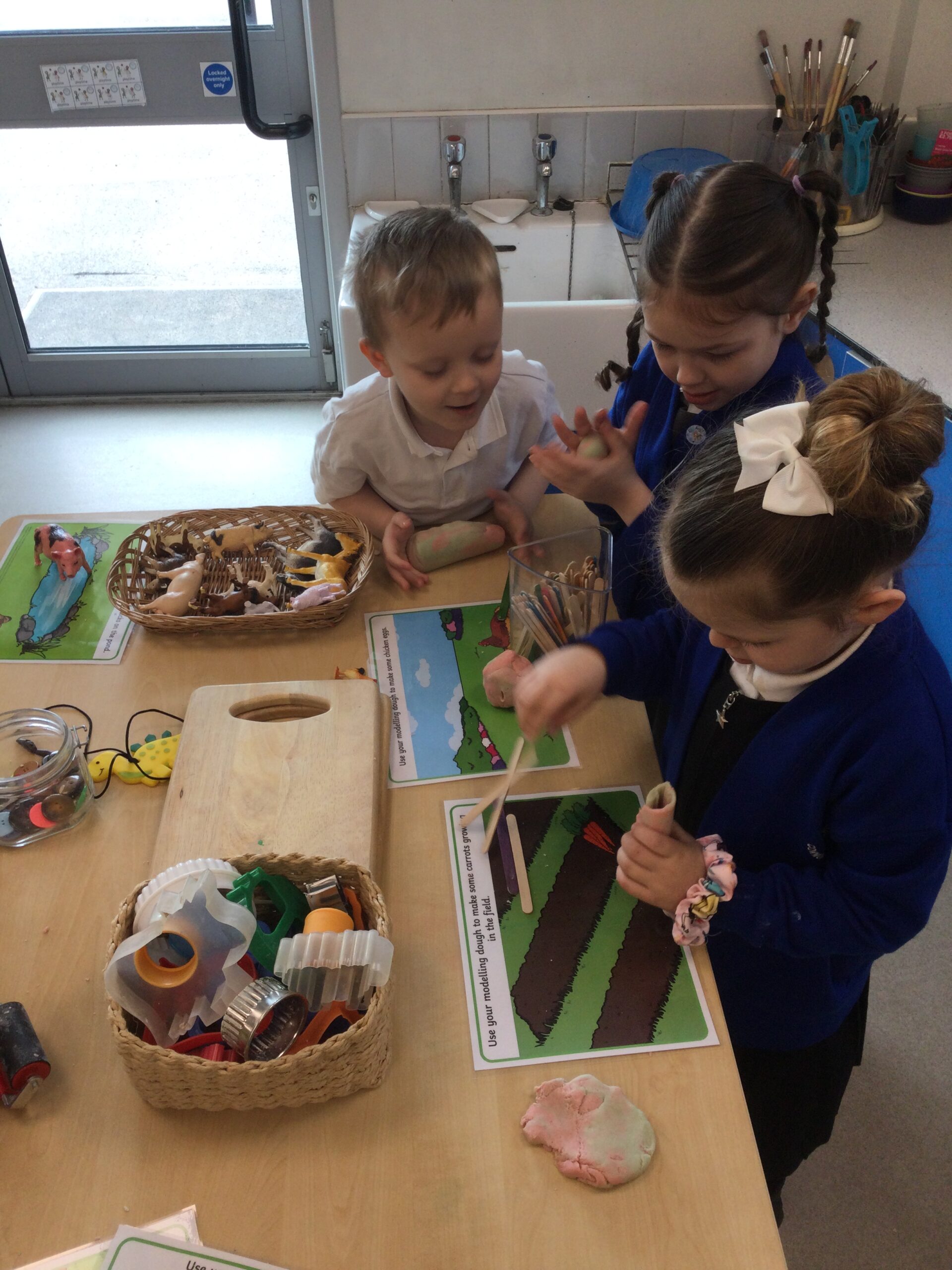
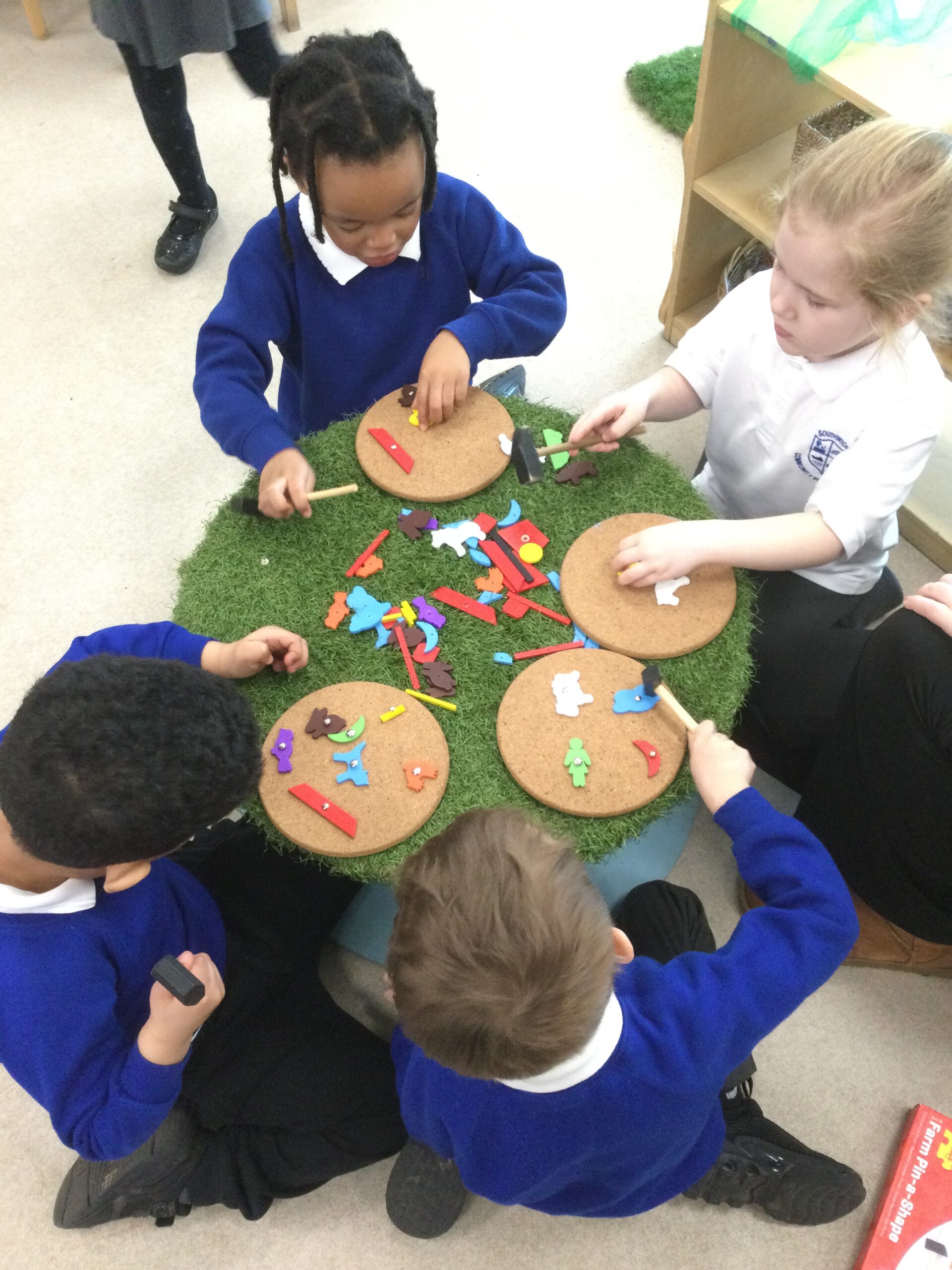
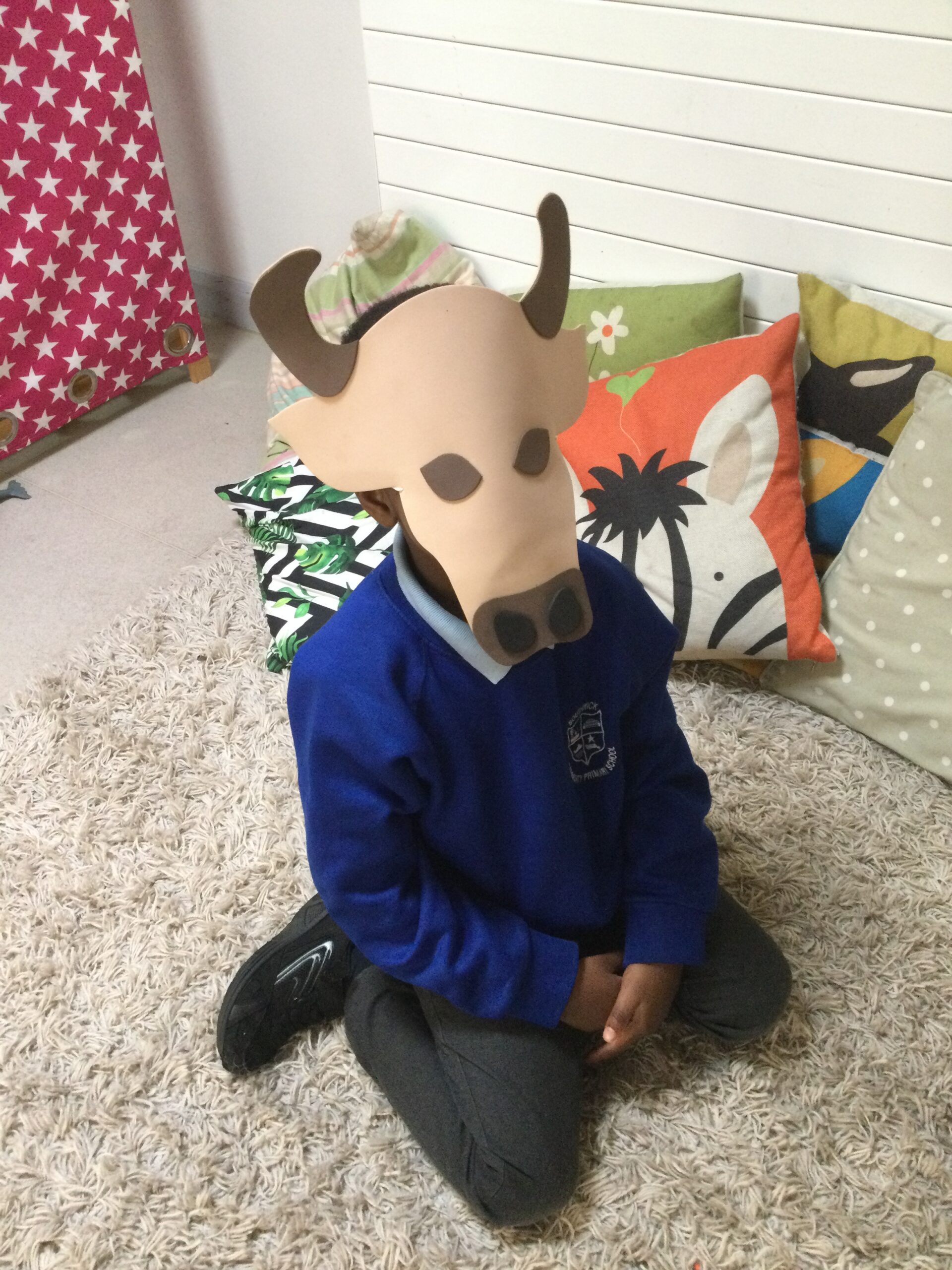
Our role play area was particularly popular, where the children wore animal masks and took on different roles, acting out life on a farm. This encouraged storytelling, collaboration and the use of new vocabulary as they spoke about animals and their environments.
Week 4: How do animals grow and change?
This week, we continued our enquiry into how animals grow and change over time, with a focus on animal life cycles. We explored the life cycle of different animals, including a chicken, and learned how they develop from eggs into fully grown animals. Children were introduced to new vocabulary such as hatch, chick, grow, change, and adult, and used these words to describe what they observed. Through stories, discussions, and hands-on activities, children began to understand that all animals change as they grow, and that these changes happen in a sequence over time.
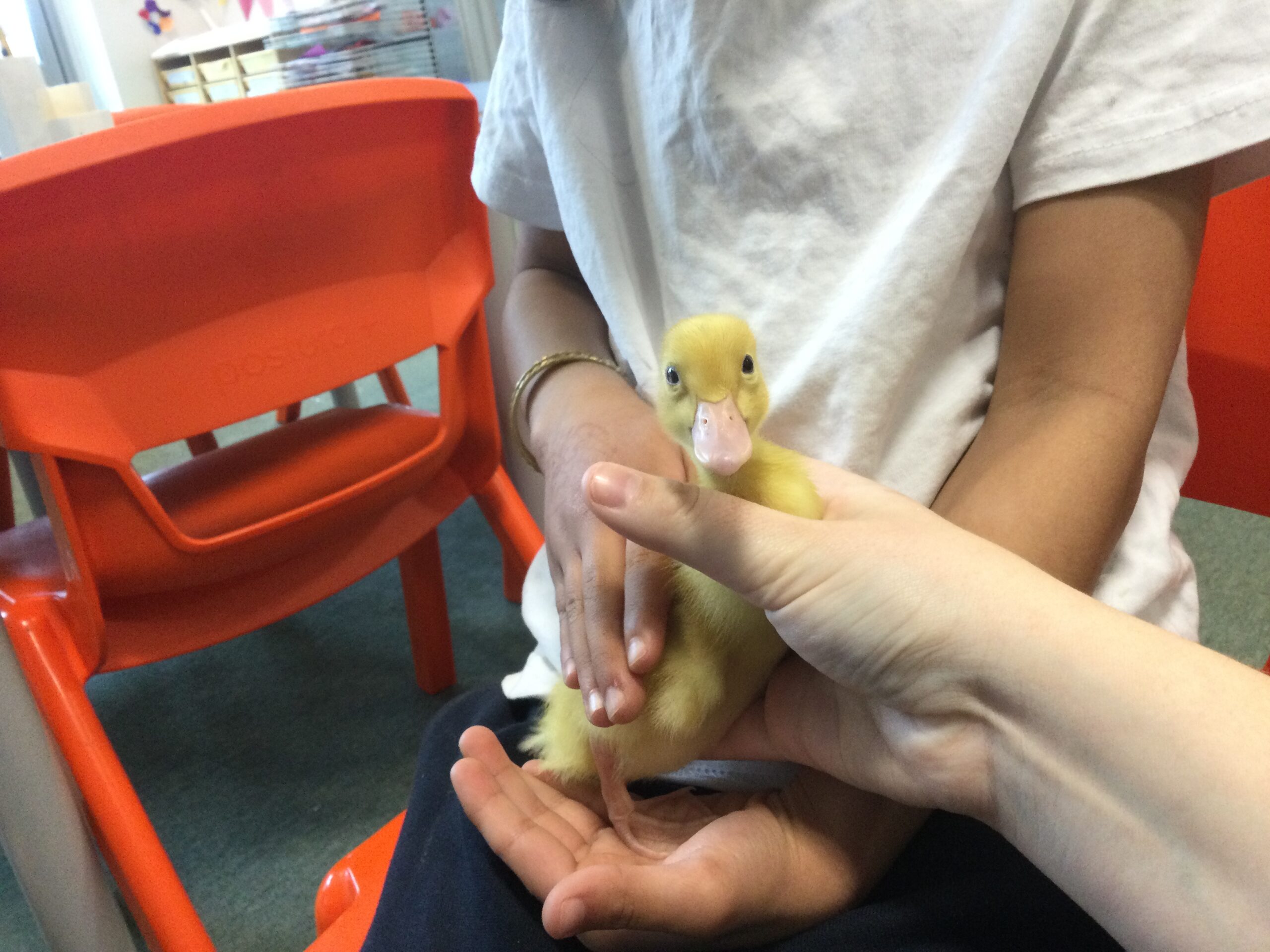
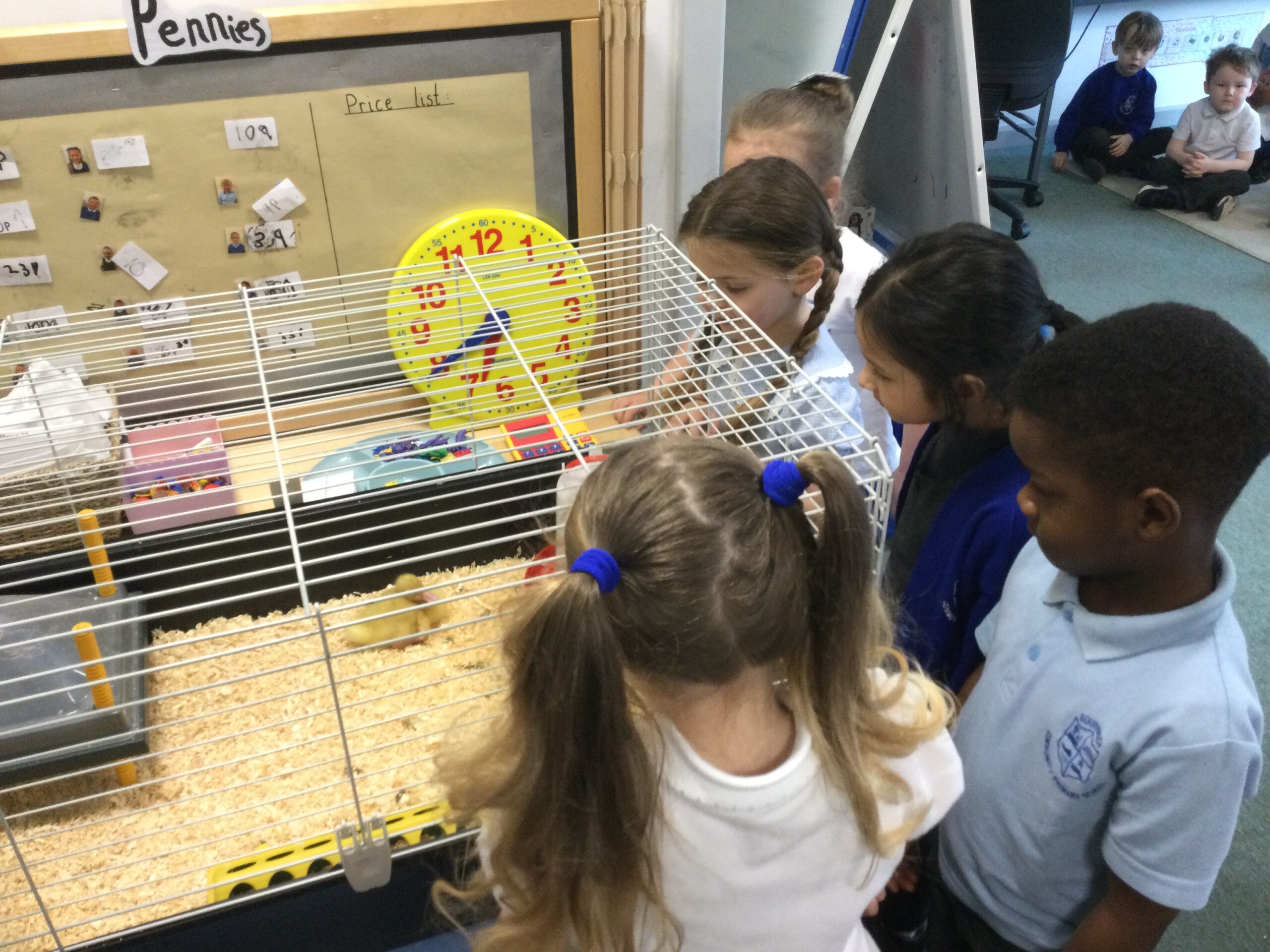
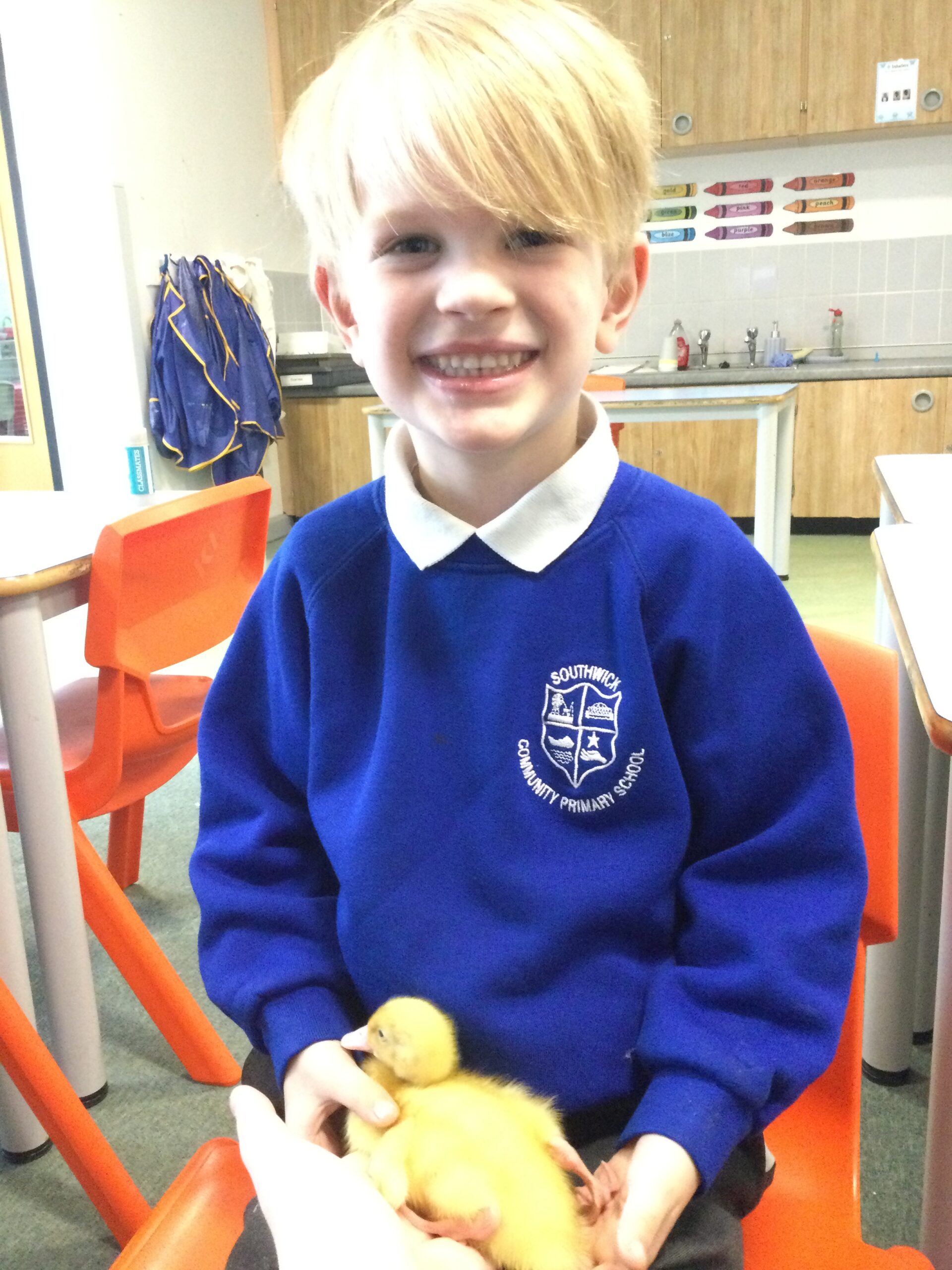
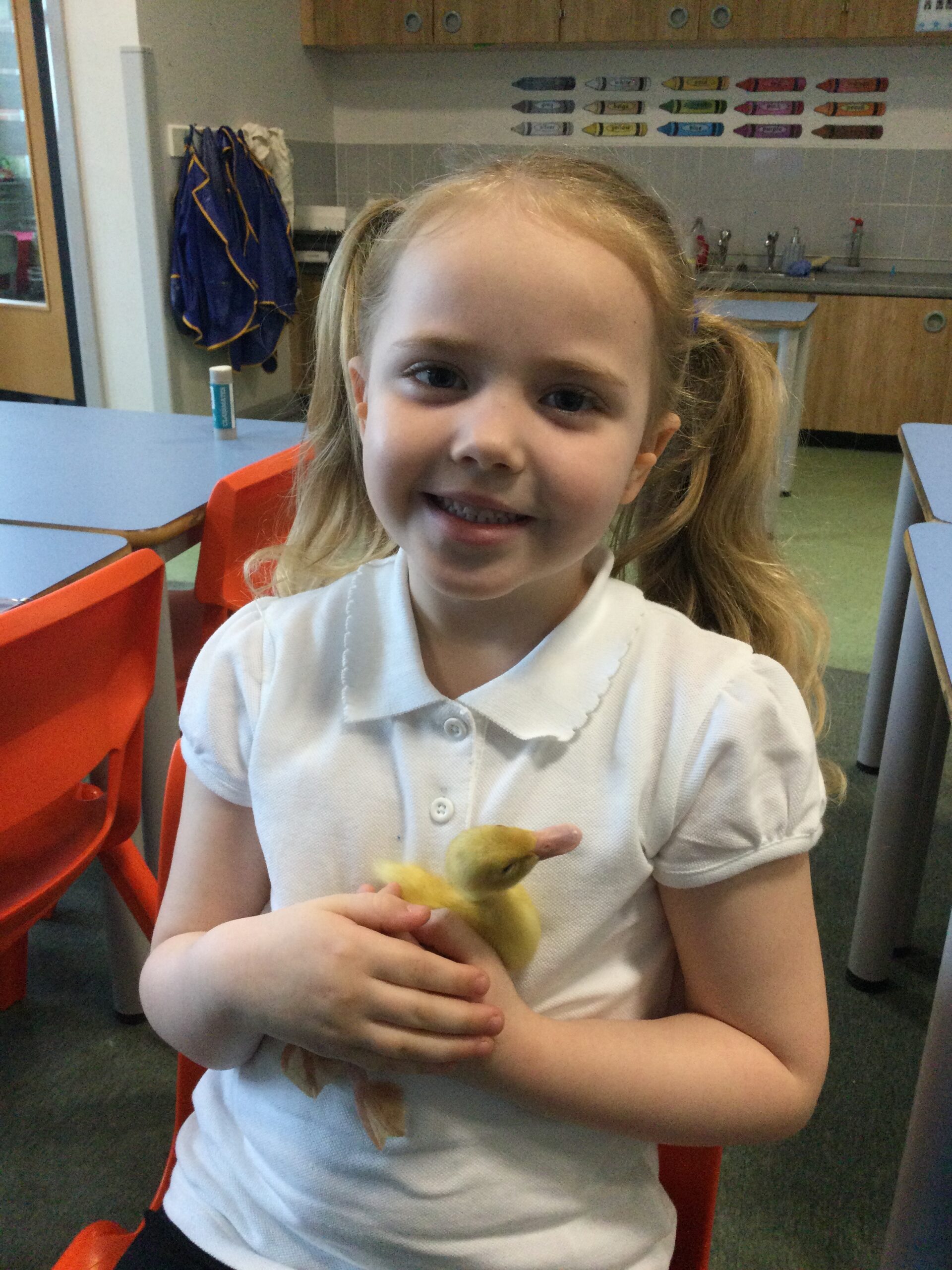
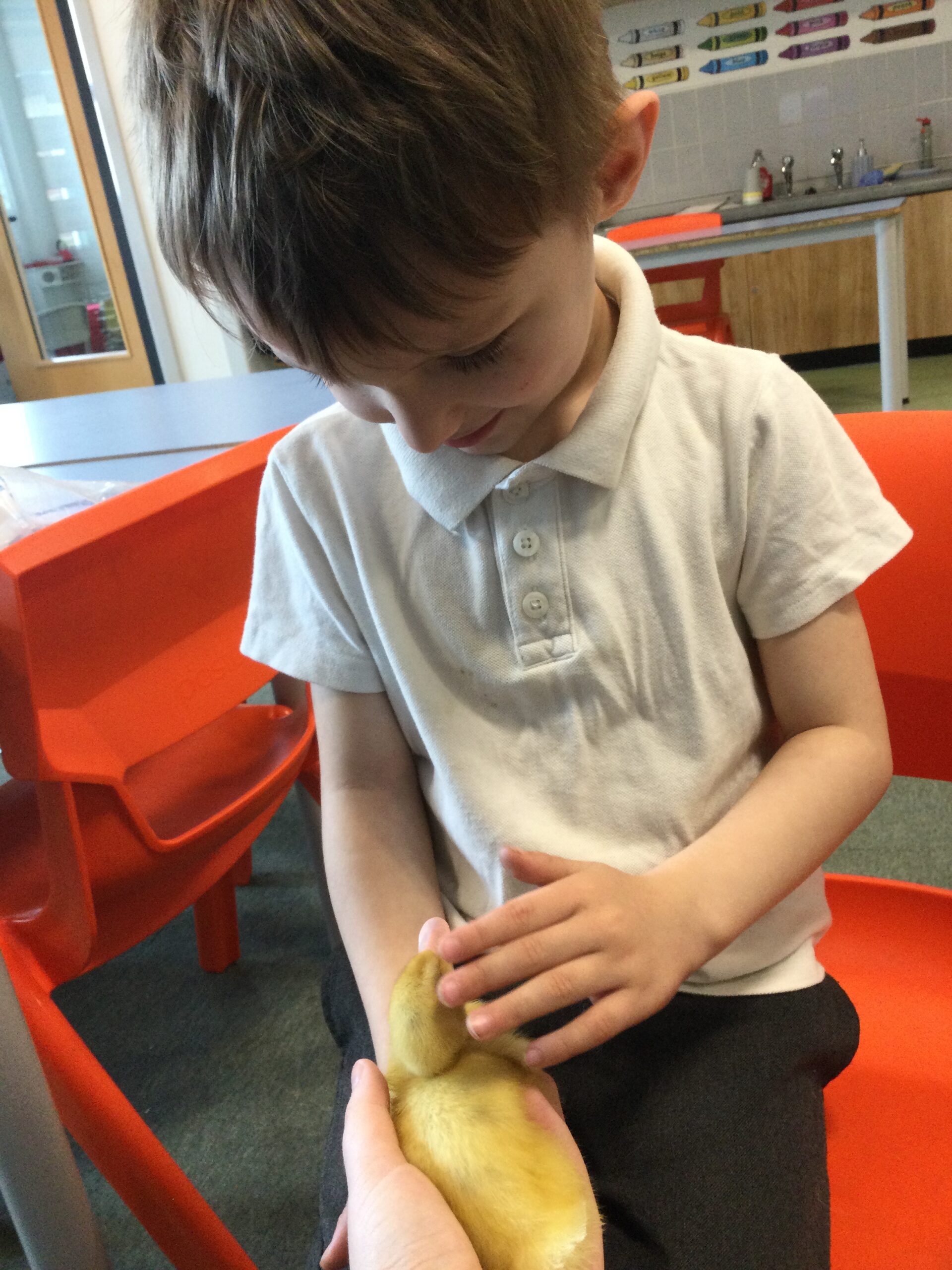
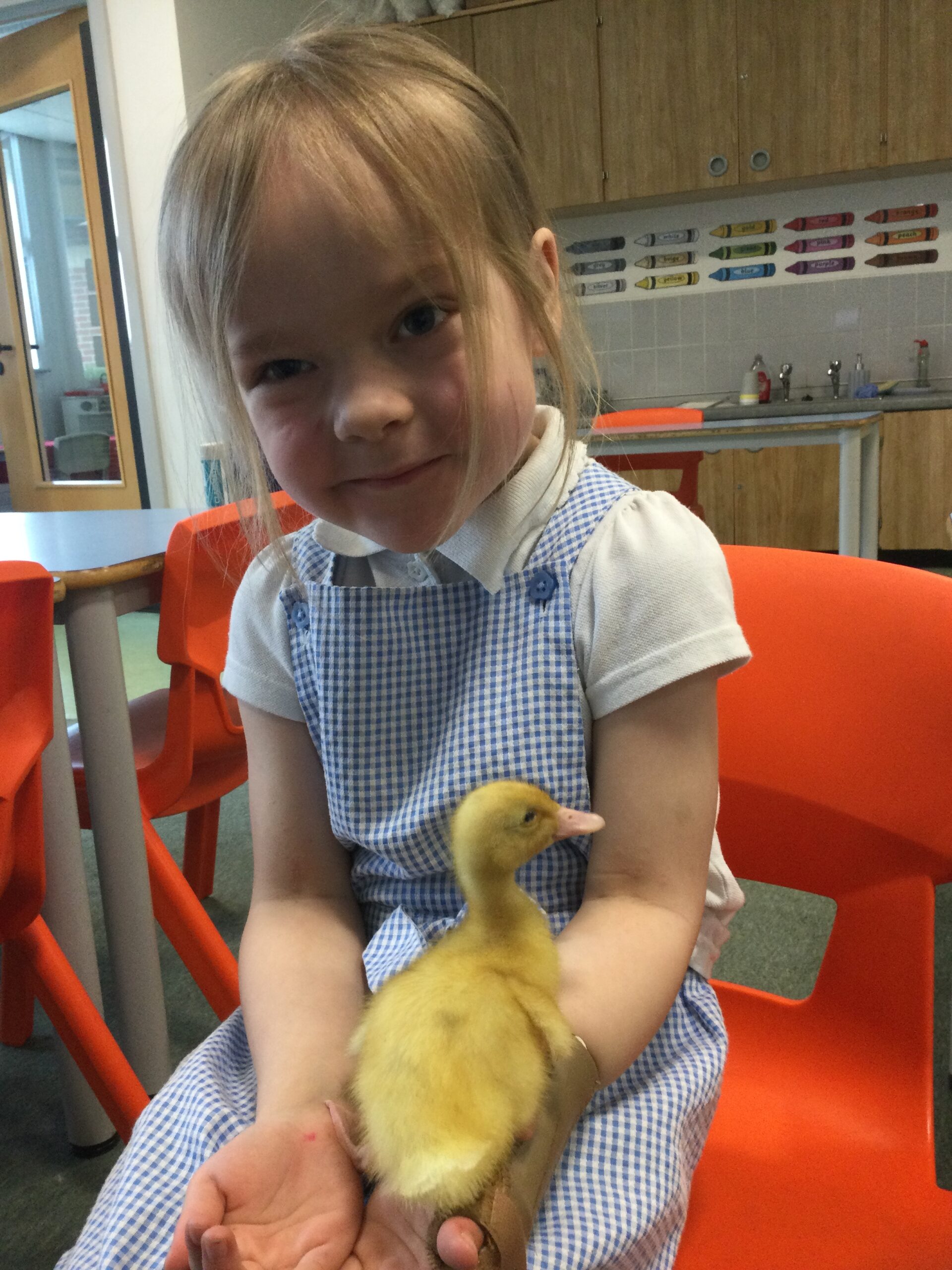
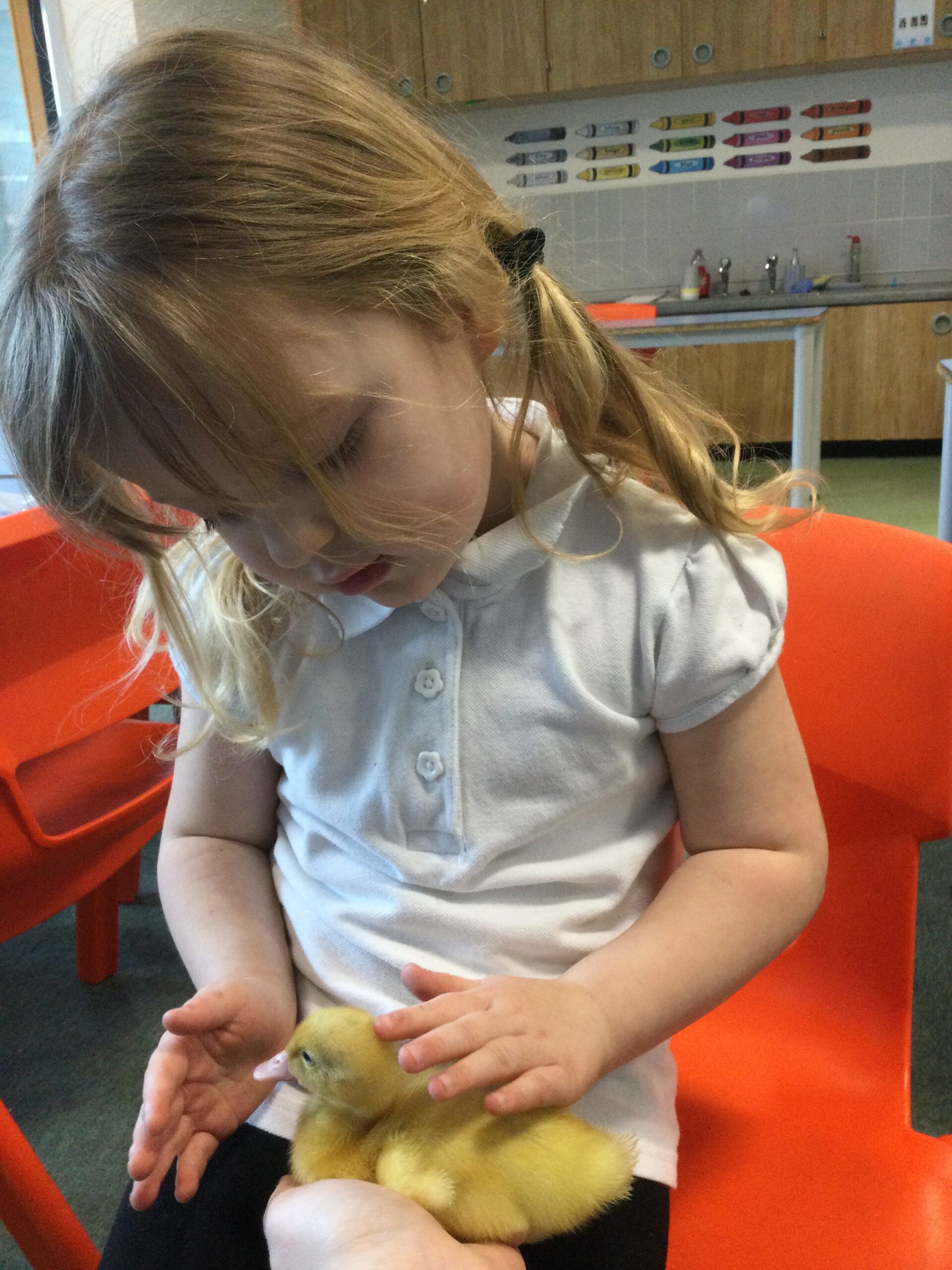
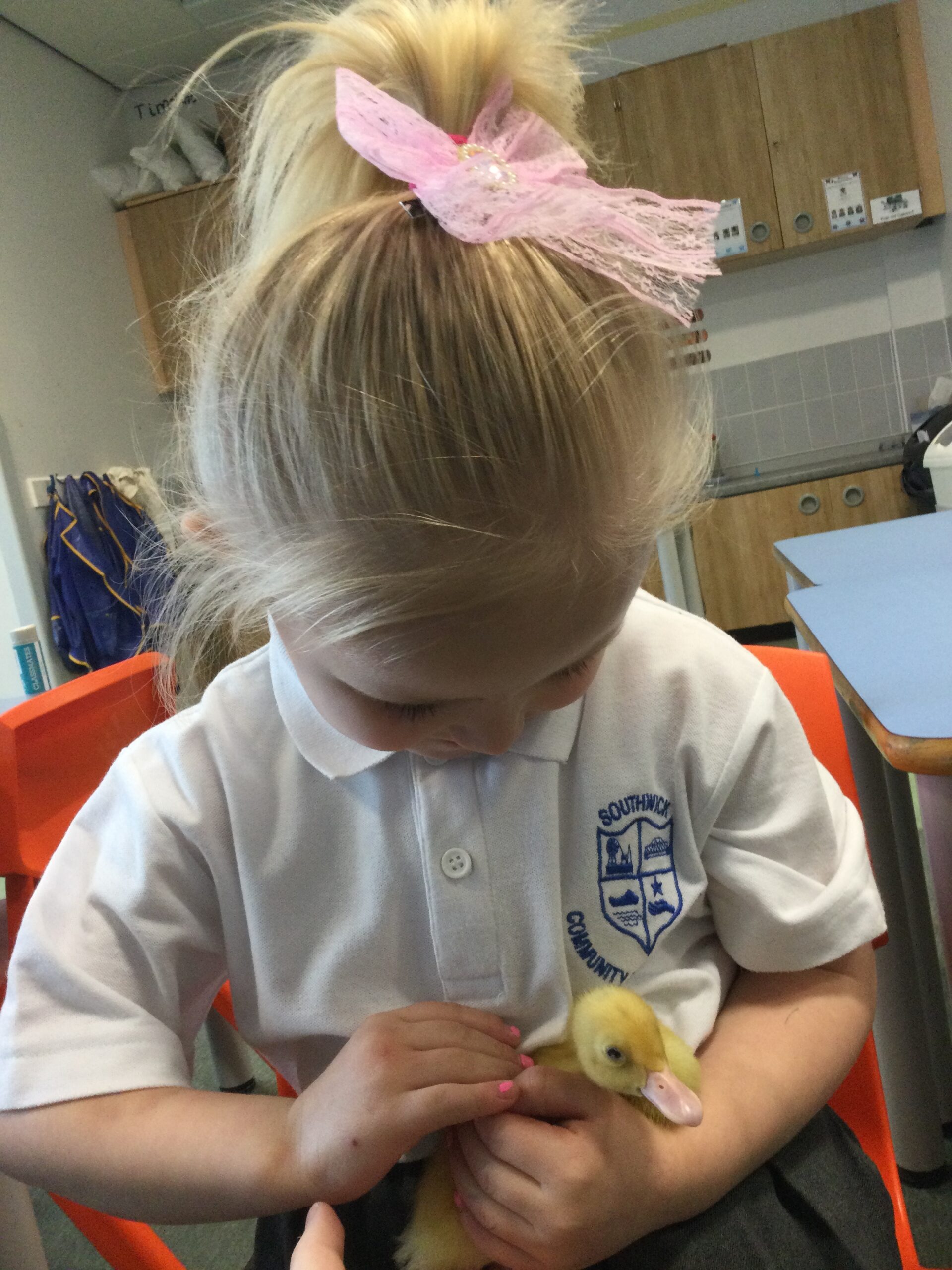
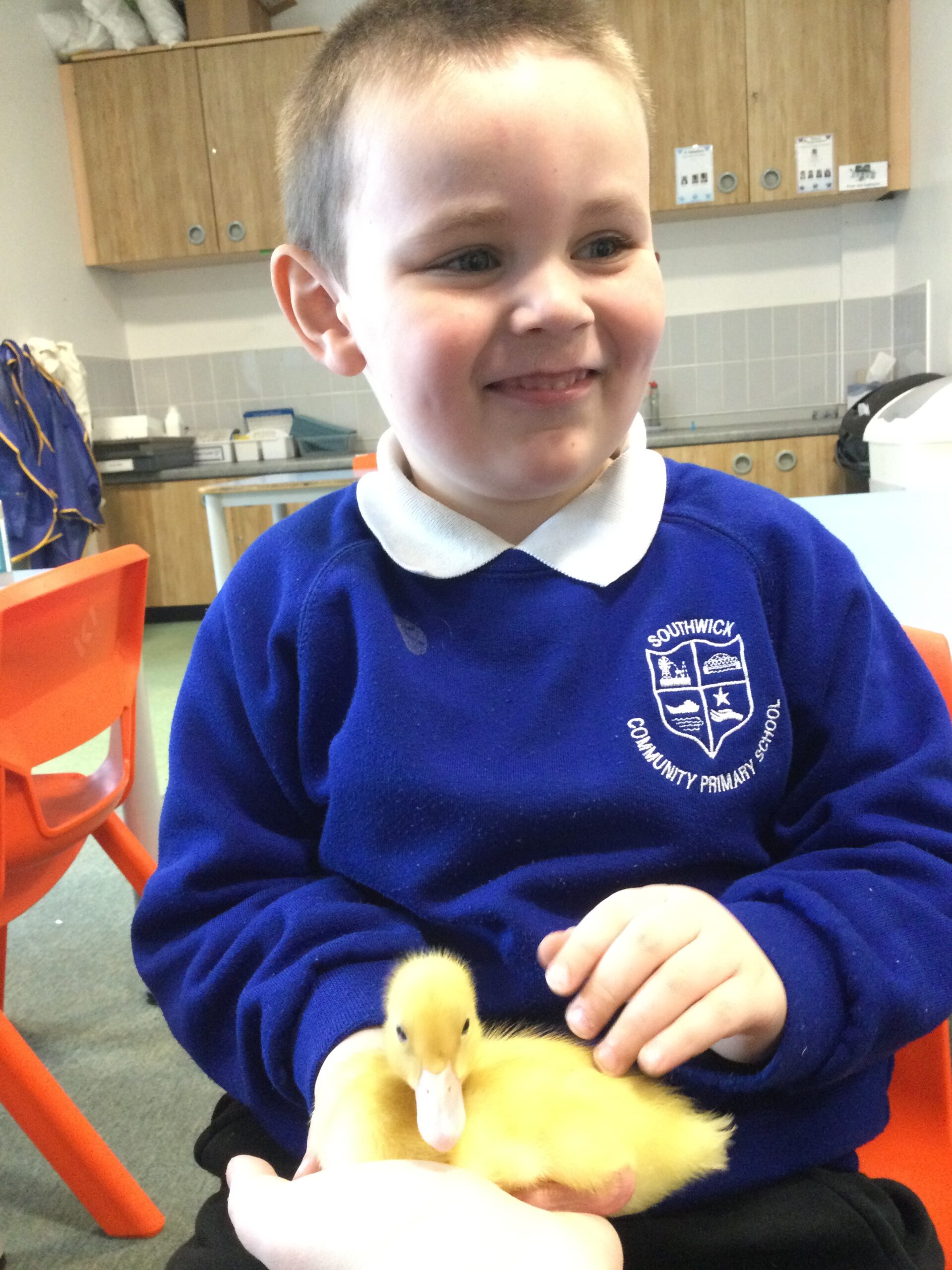
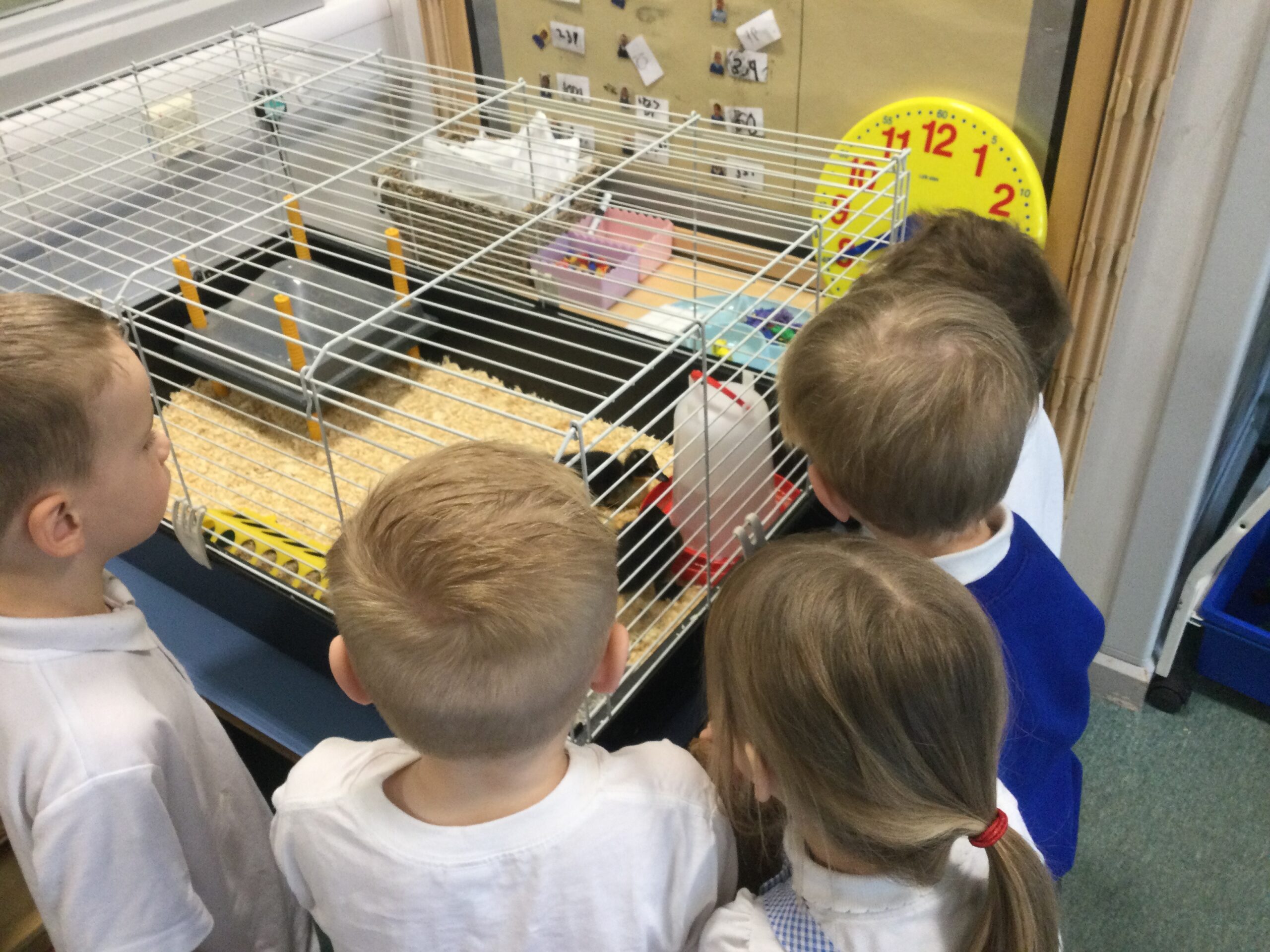
At the beginning of the week, we had the opportunity to hold and observe the ducks from our Year 1 classes, which was a very exciting hands-on experience. We explored what the ducks felt like, using descriptive language such as soft, fluffy, and warm. We discussed what stage of their life cycle the ducks were in, identifying them as young ducklings, and revisited how they had hatched from eggs and would continue to grow into adult ducks 🐣🦆
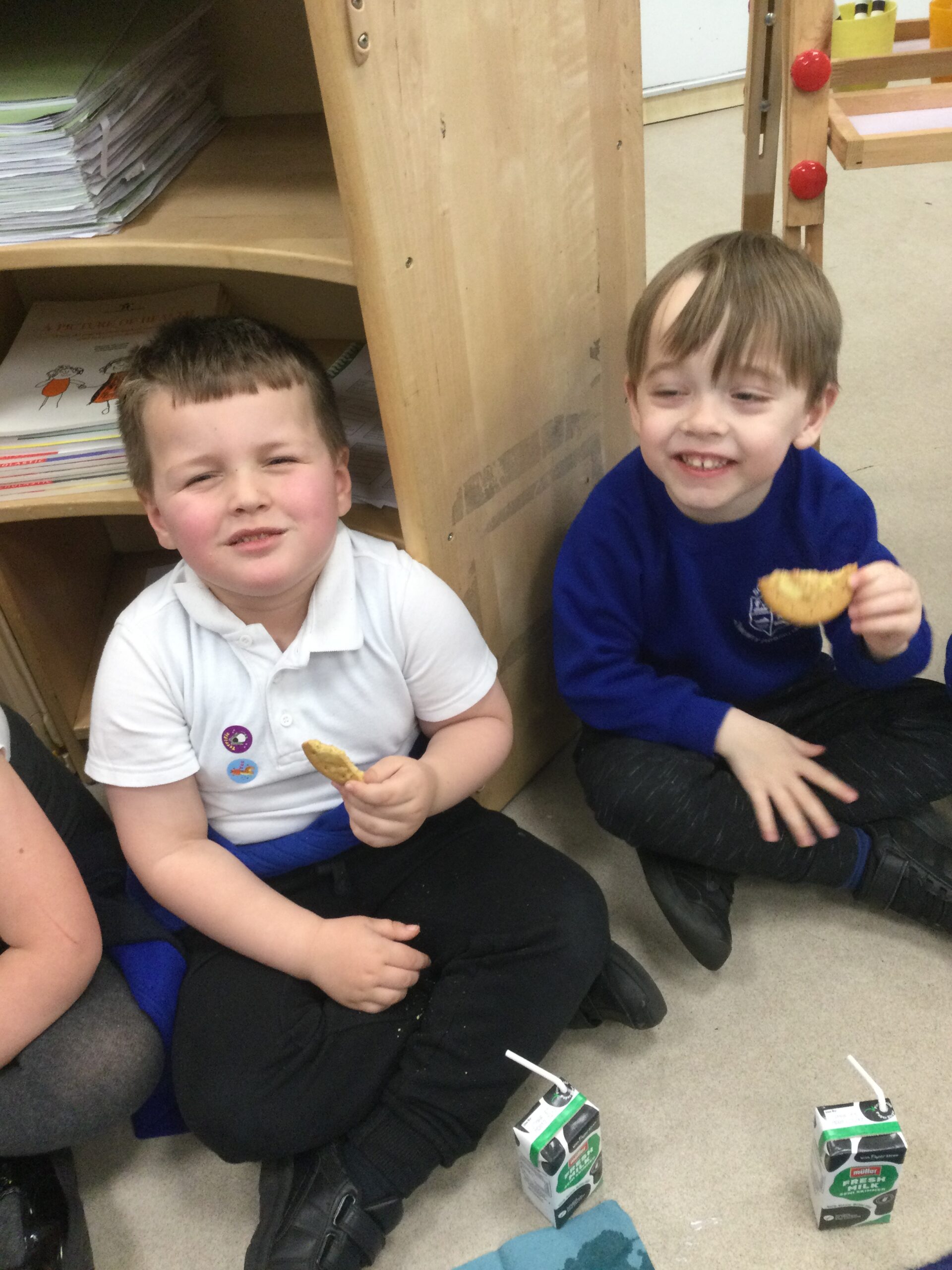
This week, we also enjoyed learning about Eid and how it is celebrated by some of our friends. We decorated cookies using gold icing and star sprinkles, linking to the special and festive nature of the celebration.
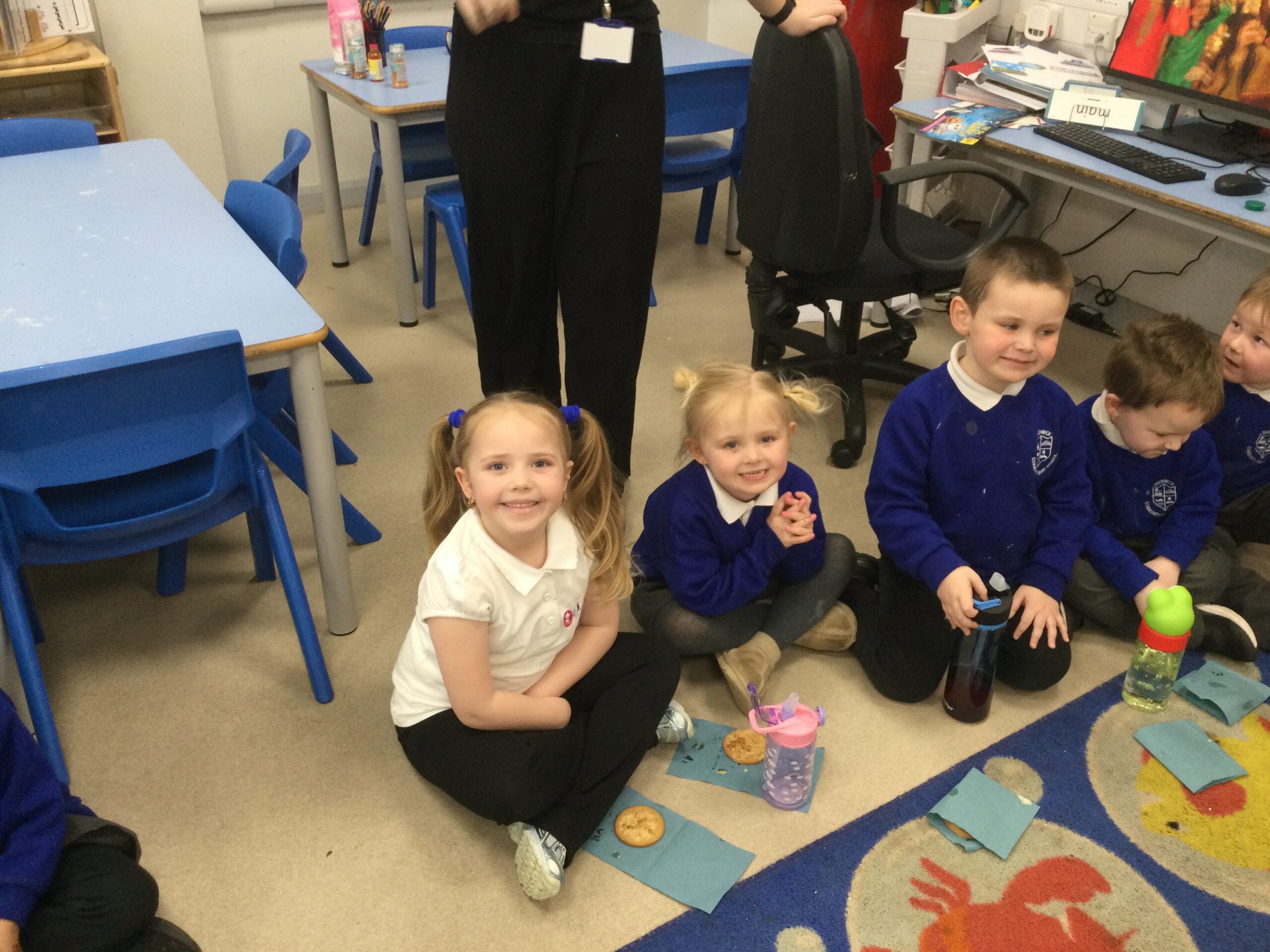
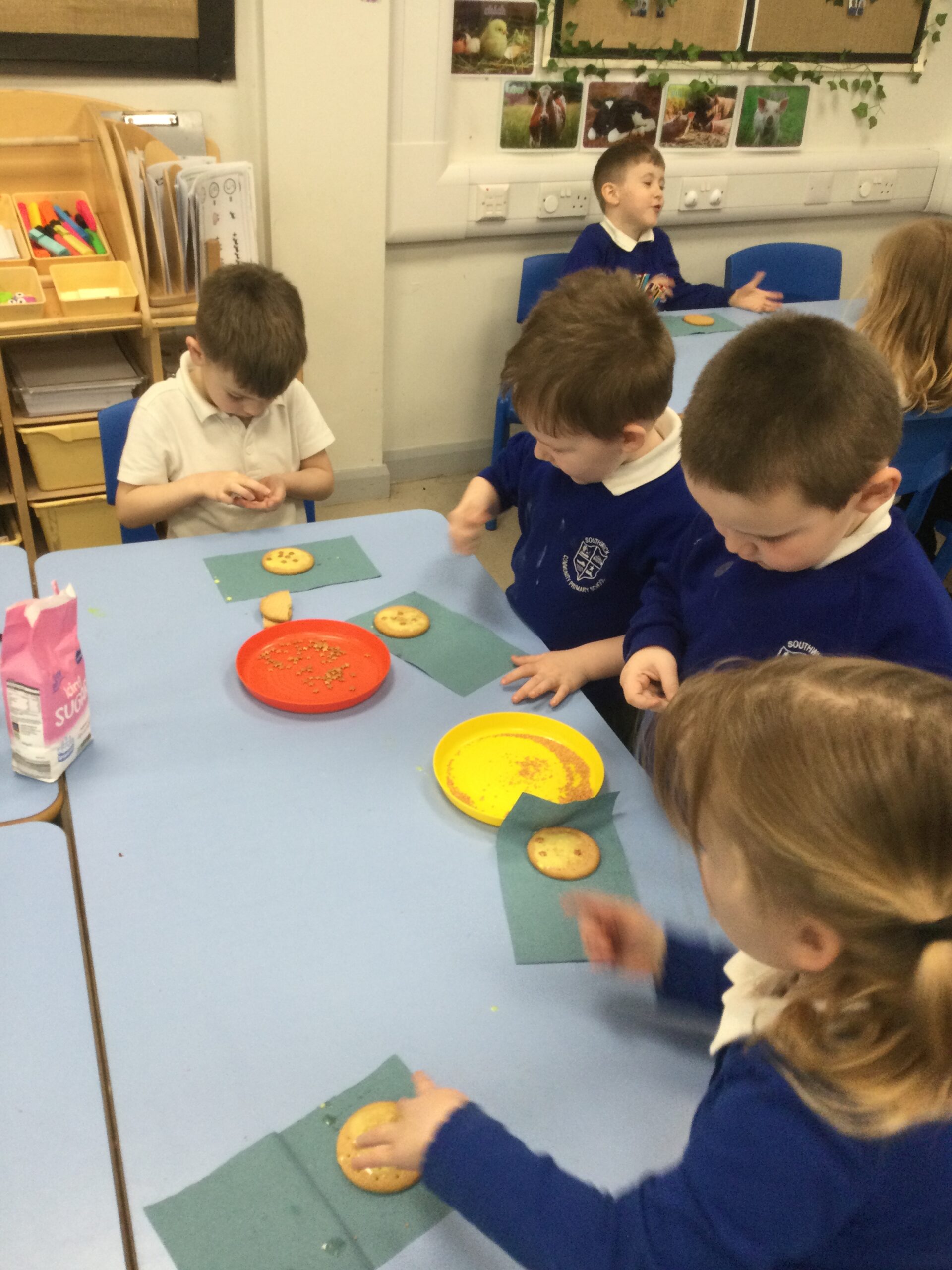
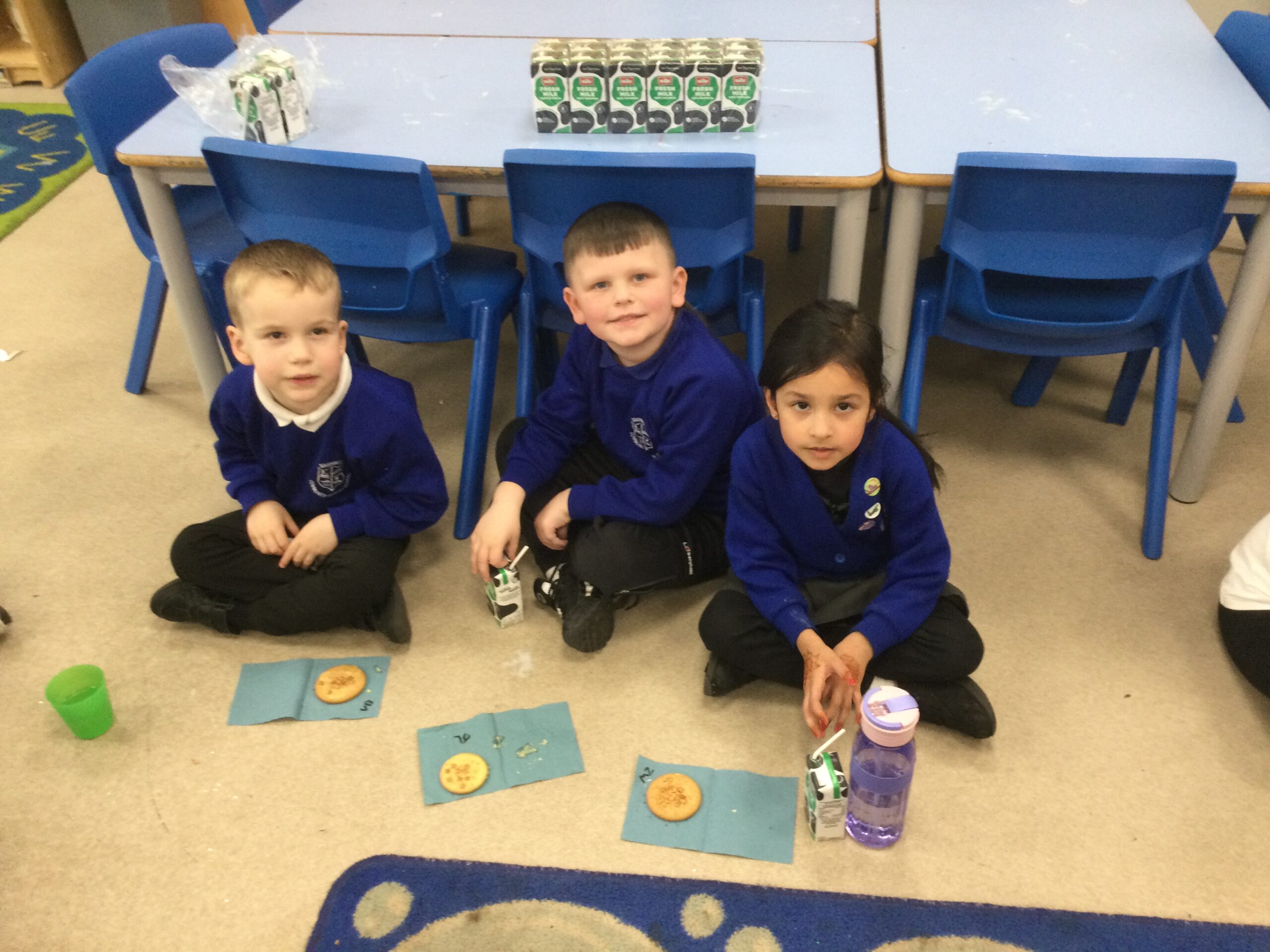
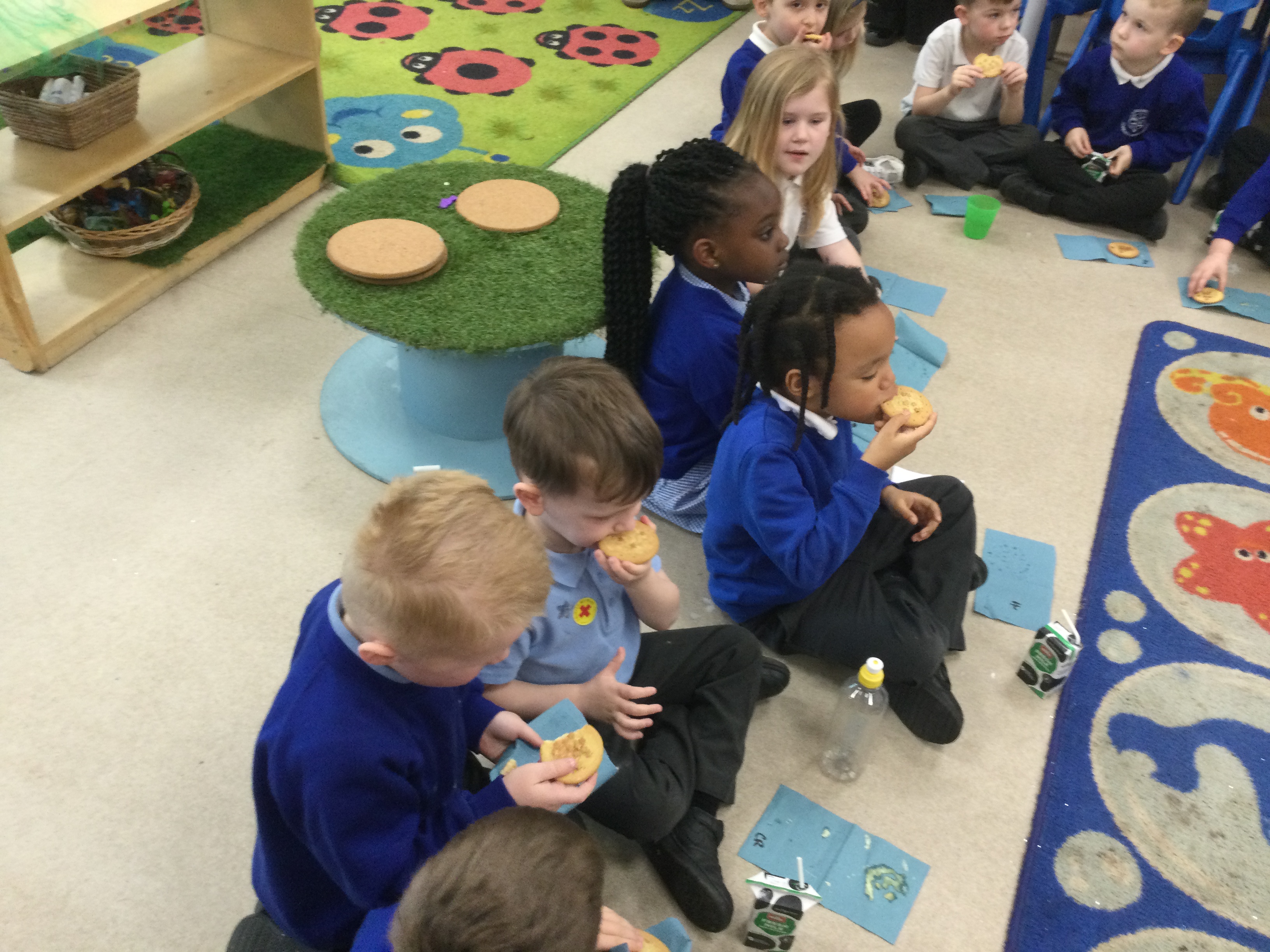
We also took part in Eid Mubarak dancing, moving joyfully to music and celebrating together.
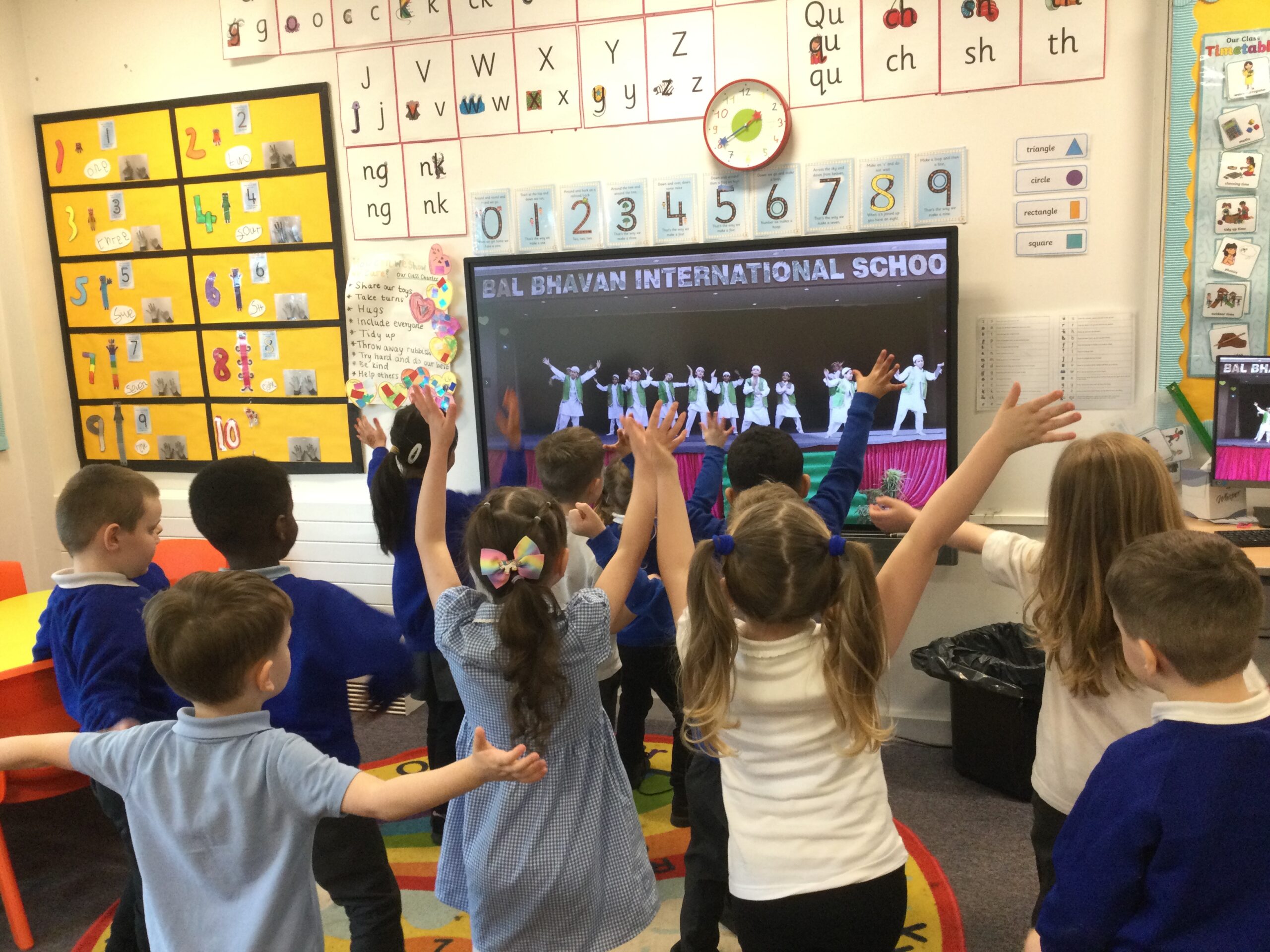
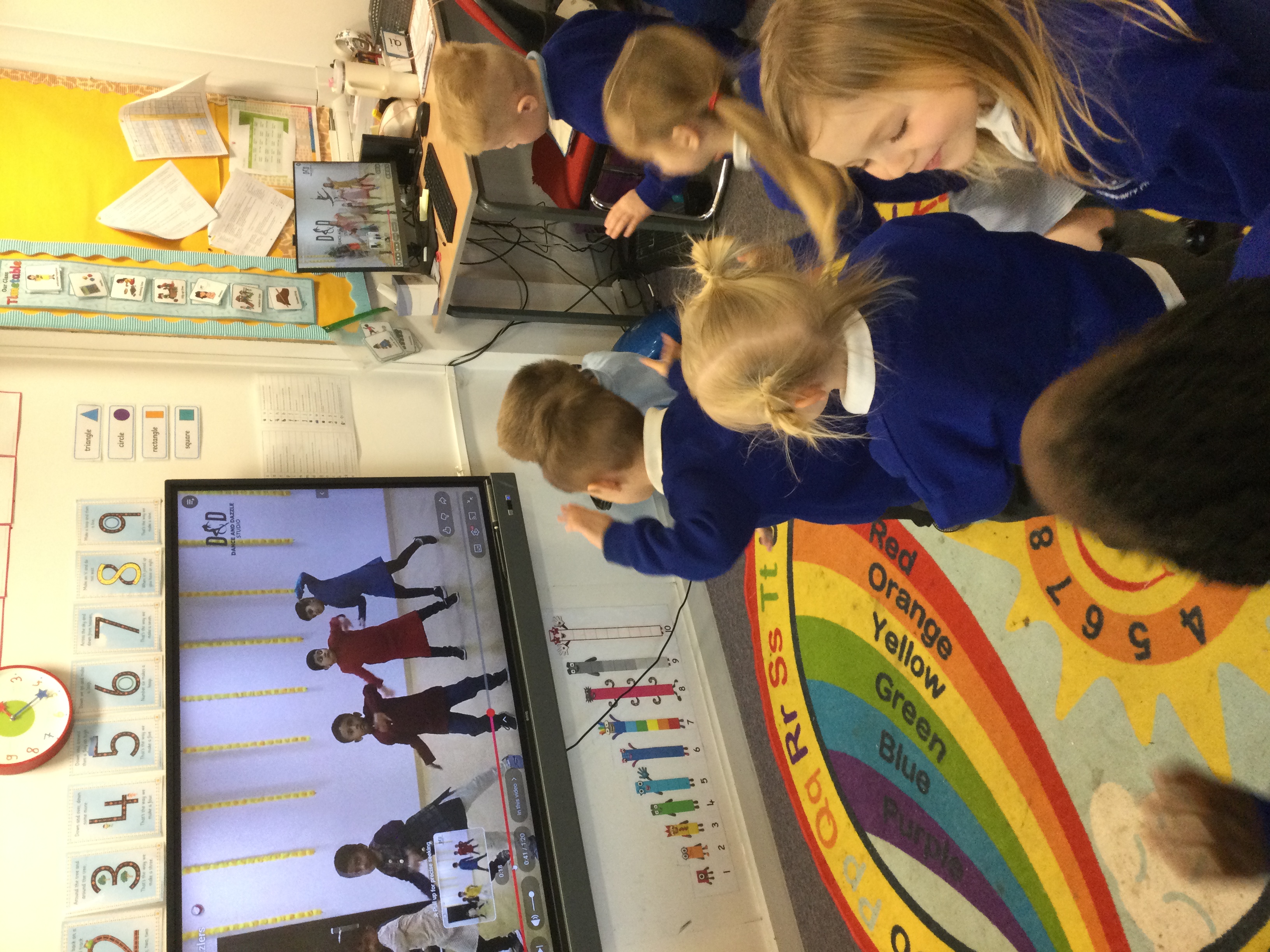
We also created thoughtful Eid cards to give to our friends who are Muslim and had celebrated Eid the previous week, helping to promote kindness, inclusion, and an understanding of different cultures and traditions.