Religious Education at Southwick Community Primary School
Learning About Faith, Belief and the World Around Us
At Southwick Community Primary School, Religious Education plays an important role in helping our pupils understand themselves, others and the diverse world in which they live.
Through high-quality Religious Education, children develop knowledge and understanding of Christianity and a range of other religions and worldviews. They learn about beliefs, traditions, values and ways of life while developing respect, curiosity and an appreciation of diversity.
RE provides opportunities for children to ask important questions about identity, belonging, belief and morality. It encourages thoughtful discussion, critical thinking and reflection, helping pupils to develop their own views while respecting those of others.
Our RE Curriculum
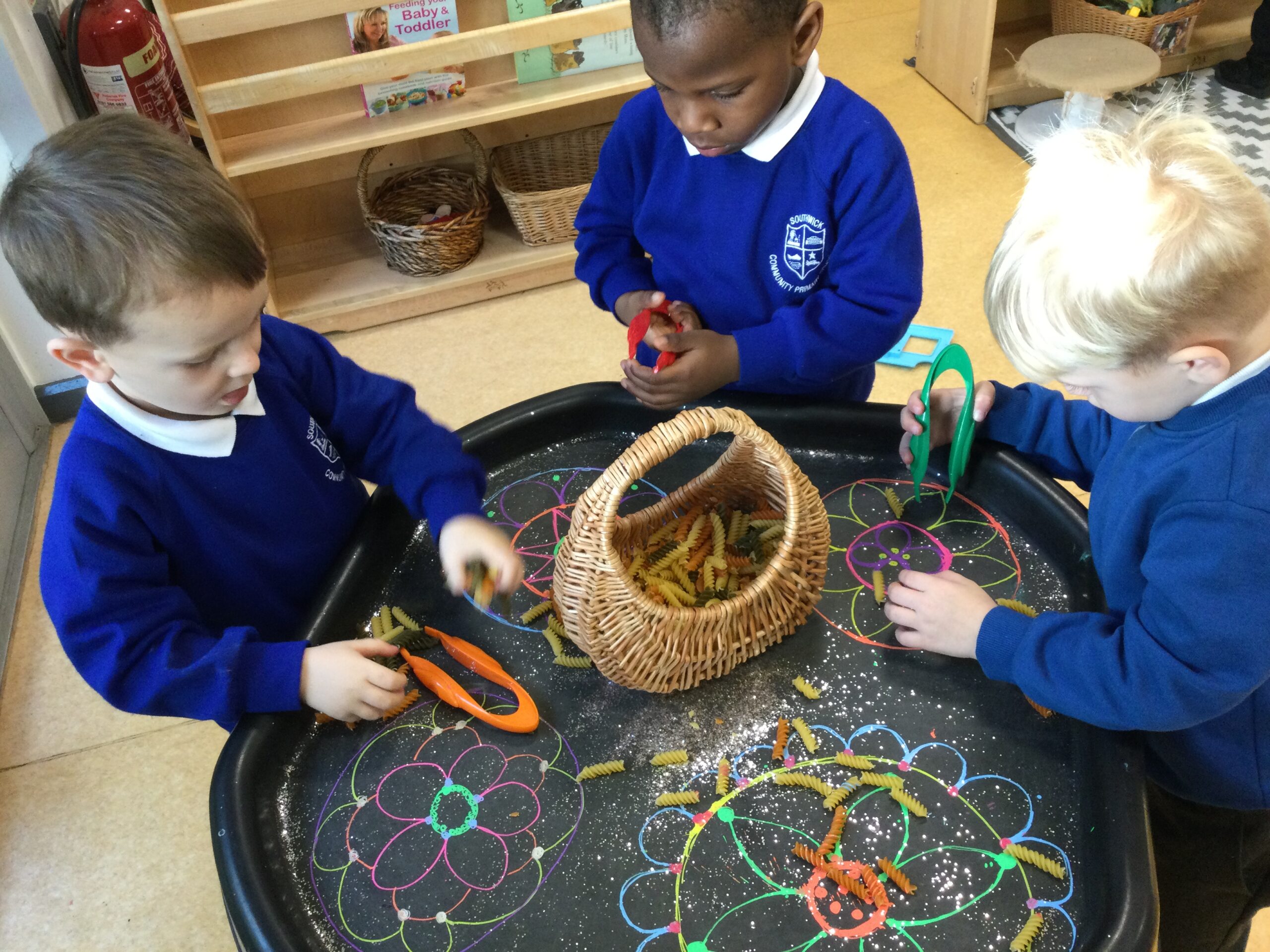
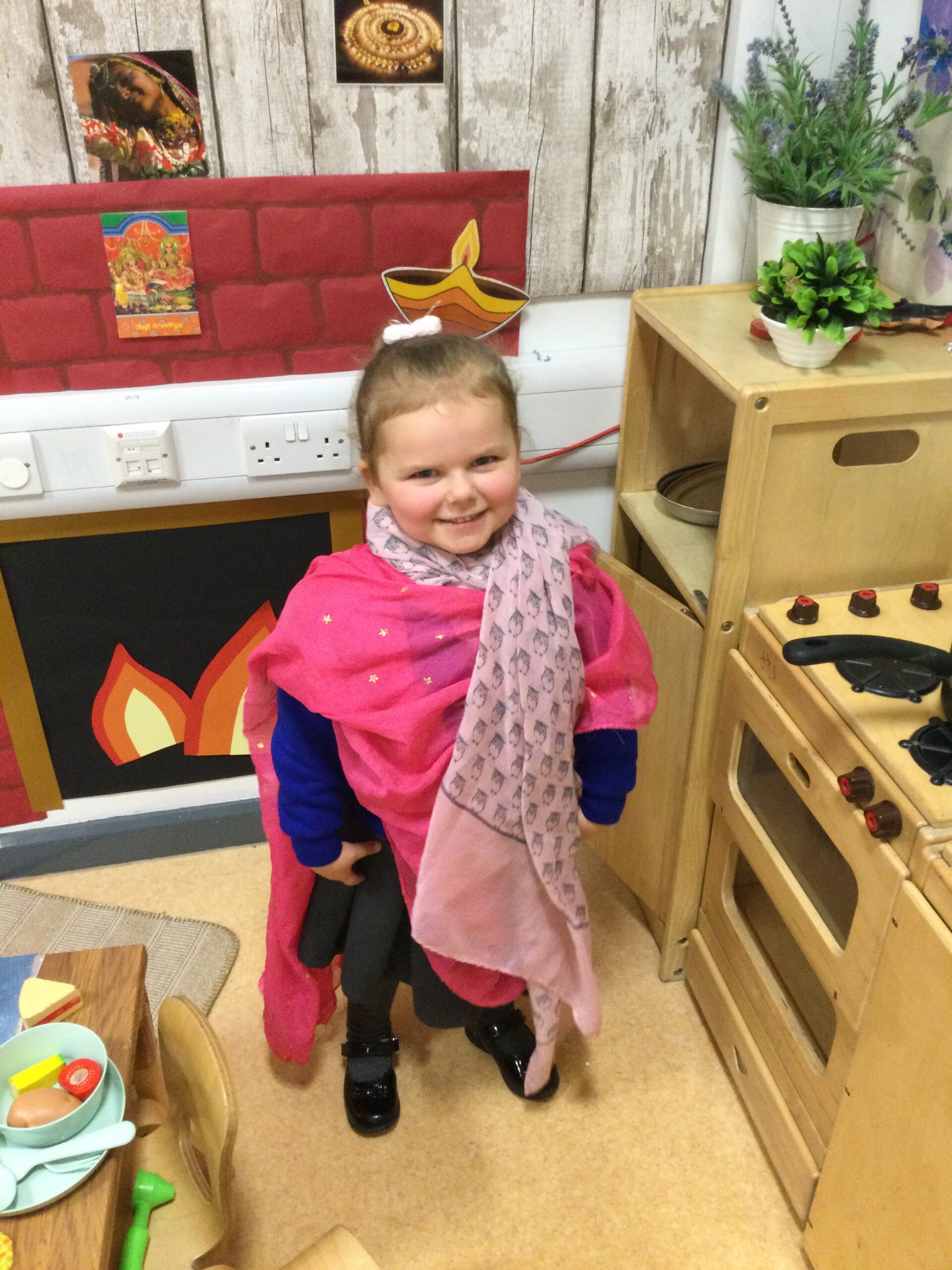
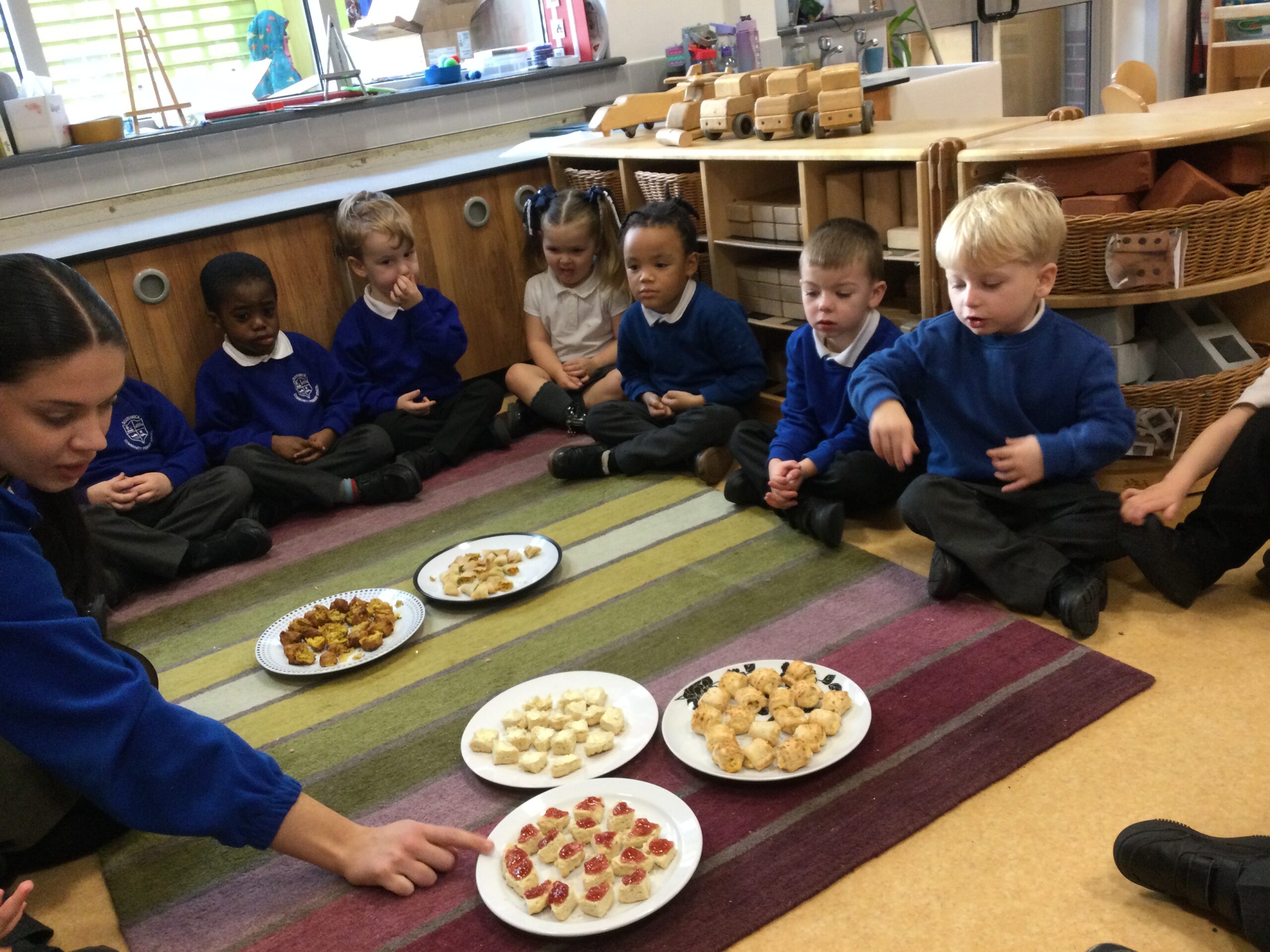
In the Early Years Foundation Stage, learning is informed by the Sunderland Agreed Syllabus and is delivered through Understanding the World. Children begin exploring special people, places, celebrations and stories through play, discussion and first-hand experiences.
From Year 1 to Year 6, Religious Education is taught through the Twinkl RE curriculum. Learning is carefully sequenced so that children revisit key concepts and themes throughout their time at Southwick, developing deeper understanding as they progress through the school.
Pupils learn about:
- Christianity
- Islam
- Hinduism
- Judaism
- Sikhism
- Buddhism
- Humanism and non-religious worldviews
Alongside developing substantive knowledge about religions and worldviews, pupils learn to ask questions, investigate different viewpoints, interpret sources and make informed connections between beliefs and everyday life.
Learning Beyond the Classroom
We believe that Religious Education should be meaningful and relevant. Wherever possible, pupils are given opportunities to engage with faith and belief in real-life contexts.
These experiences may include:
- Visits to places of worship.
- Visitors from different faith communities.
- Exploring religious artefacts and sacred texts.
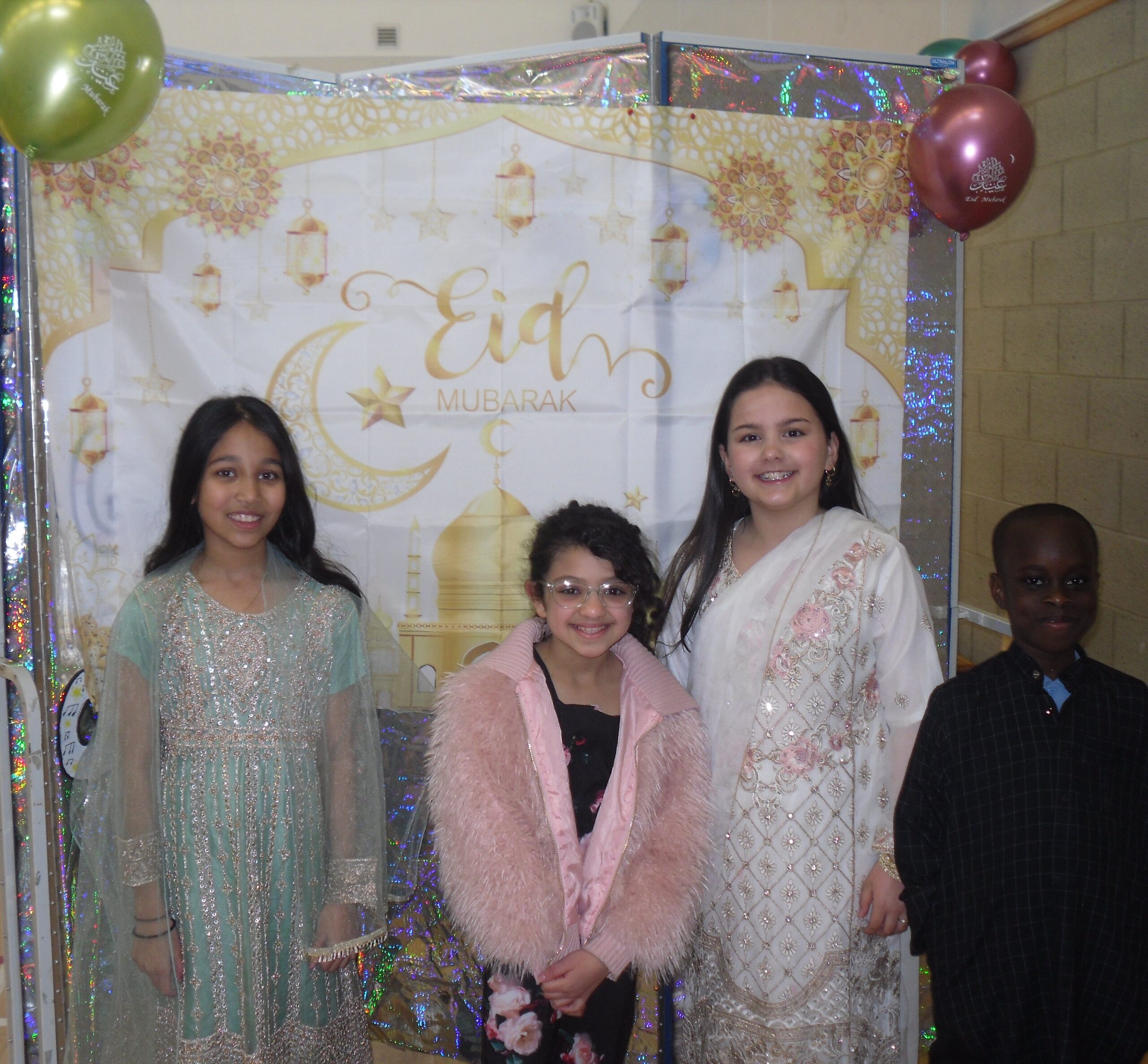
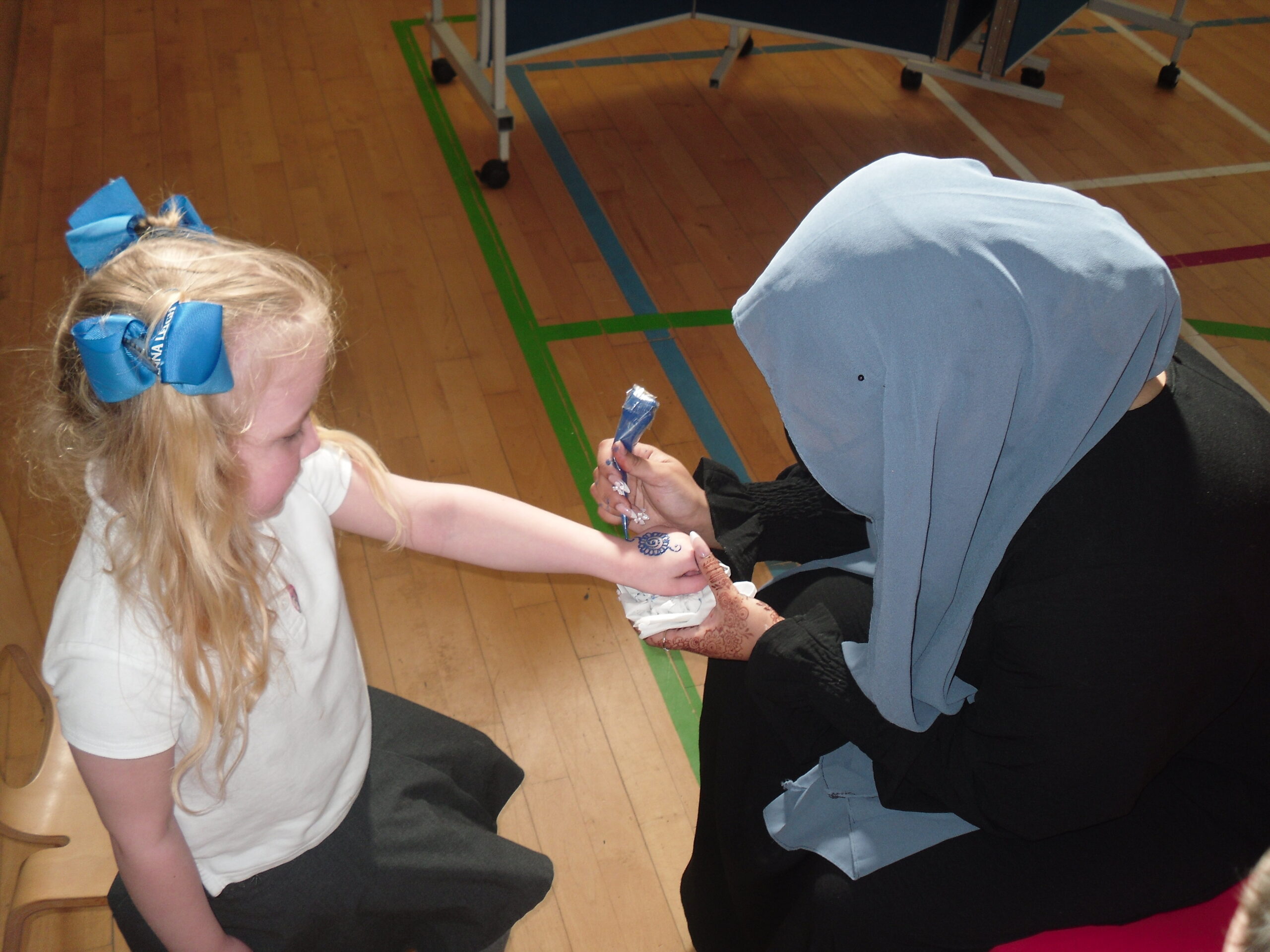
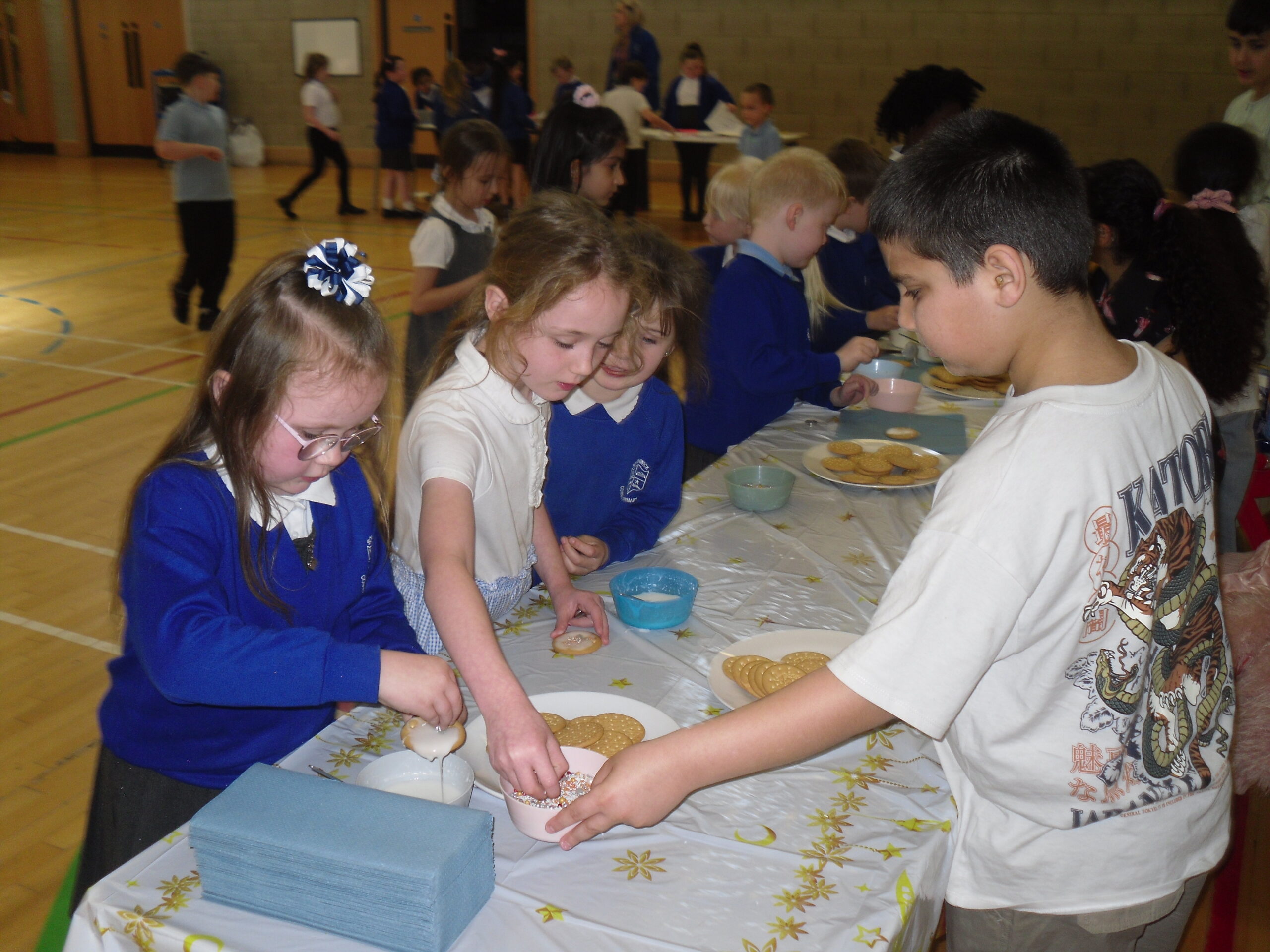
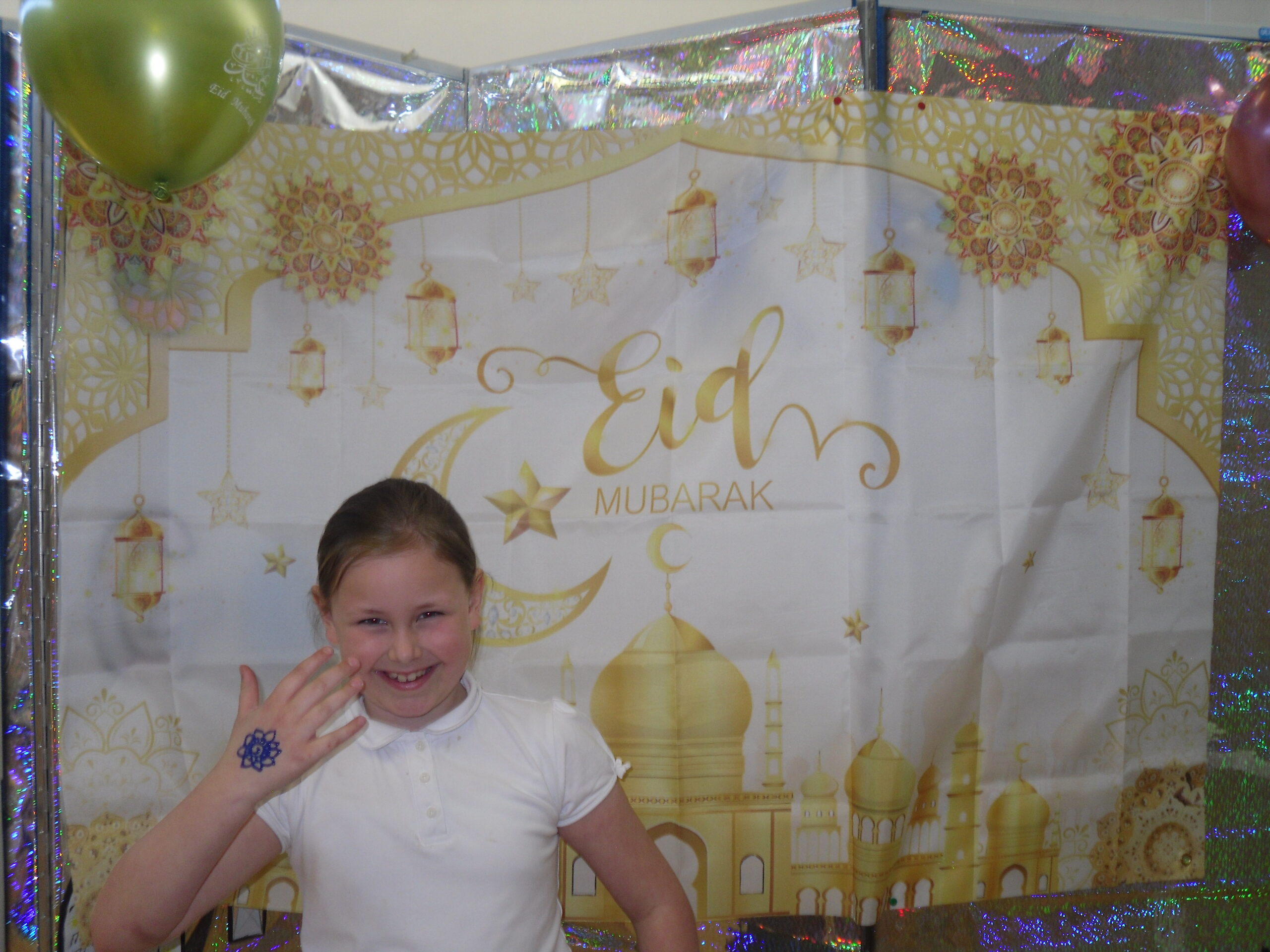
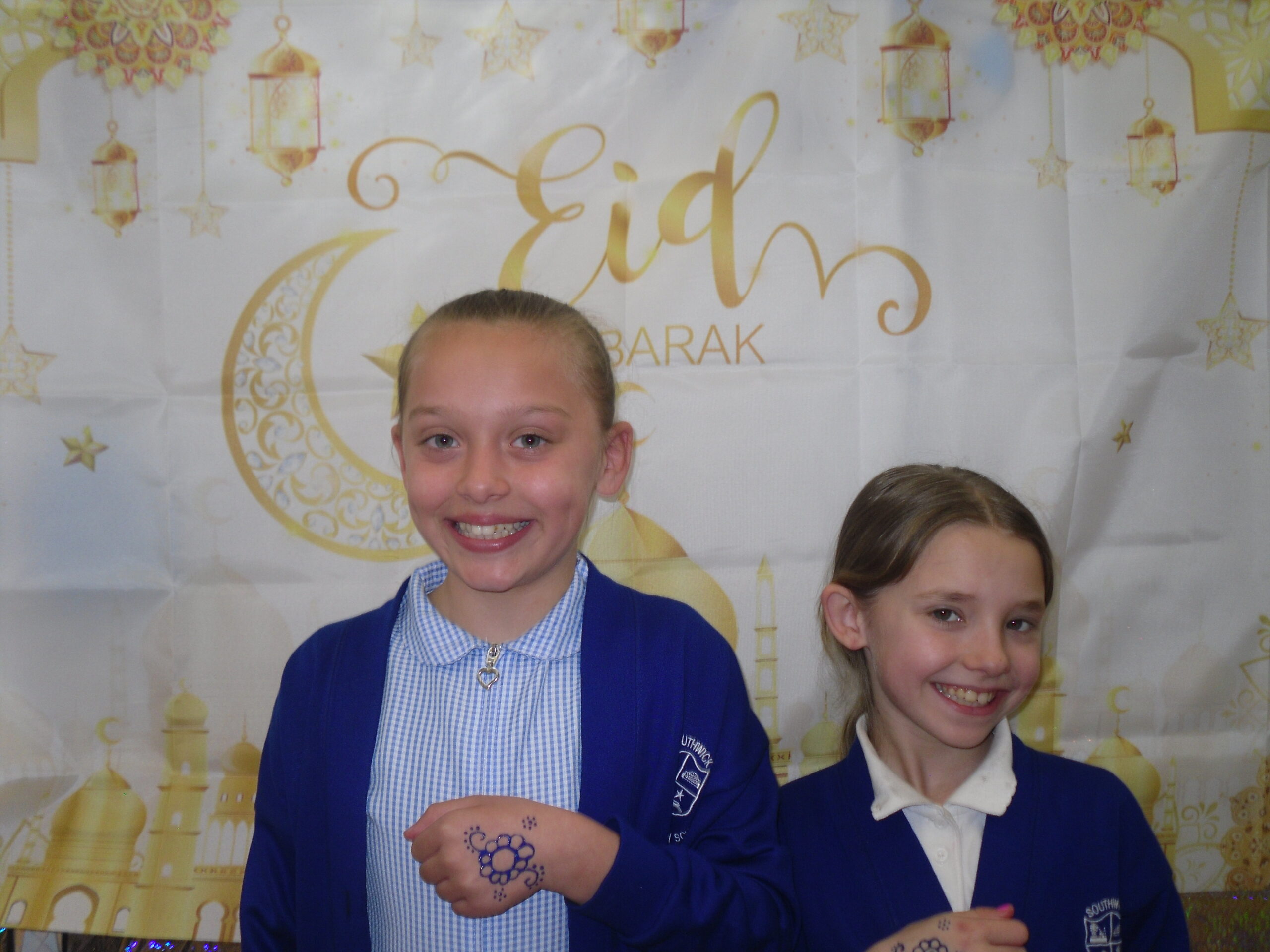
- Learning about festivals and celebrations.
- Participating in discussions about values, identity and community.
These opportunities help bring learning to life and support pupils in understanding how beliefs influence the lives of individuals and communities.
What RE Looks Like at Southwick
Our RE lessons are characterised by:
- Respectful discussion and debate.
- High-quality questioning.
- Exploration of different perspectives.
- Opportunities for reflection.
- Development of subject-specific vocabulary.
- Links to pupils’ own experiences and the wider world.
Children are encouraged to think deeply, ask questions and develop confidence in expressing their ideas while listening respectfully to the views of others.
The Impact of RE
Through Religious Education, our pupils develop:
- Knowledge of major religions and worldviews.
- Respect and tolerance for different beliefs.
- An understanding of diversity within modern Britain.
- Strong speaking and listening skills.
- The ability to think critically and reflect thoughtfully.
- An appreciation of their role within a diverse society.
By the time pupils leave Southwick, they are equipped with the knowledge, understanding and values needed to engage positively with the wider world and contribute as respectful, informed citizens.
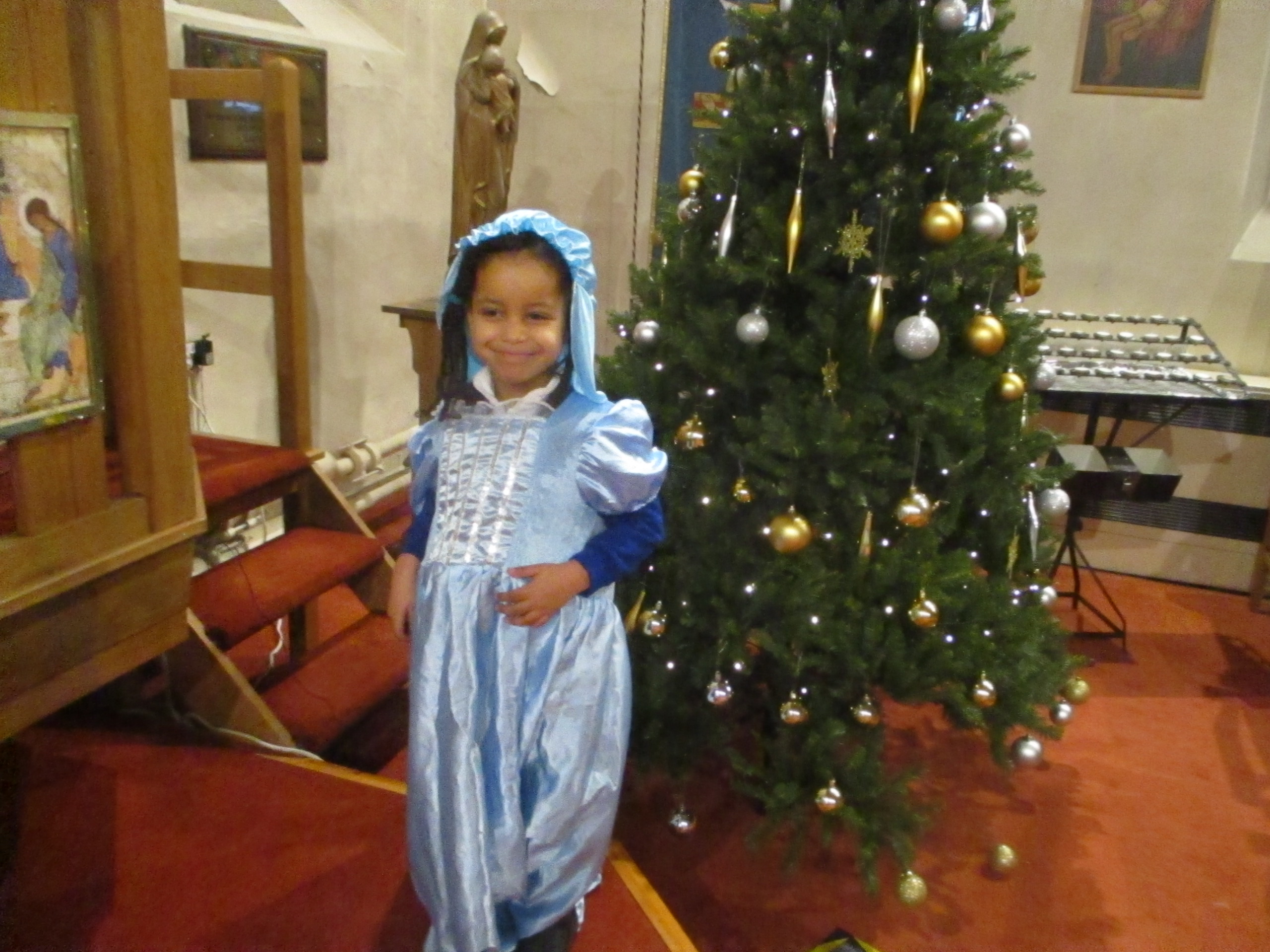
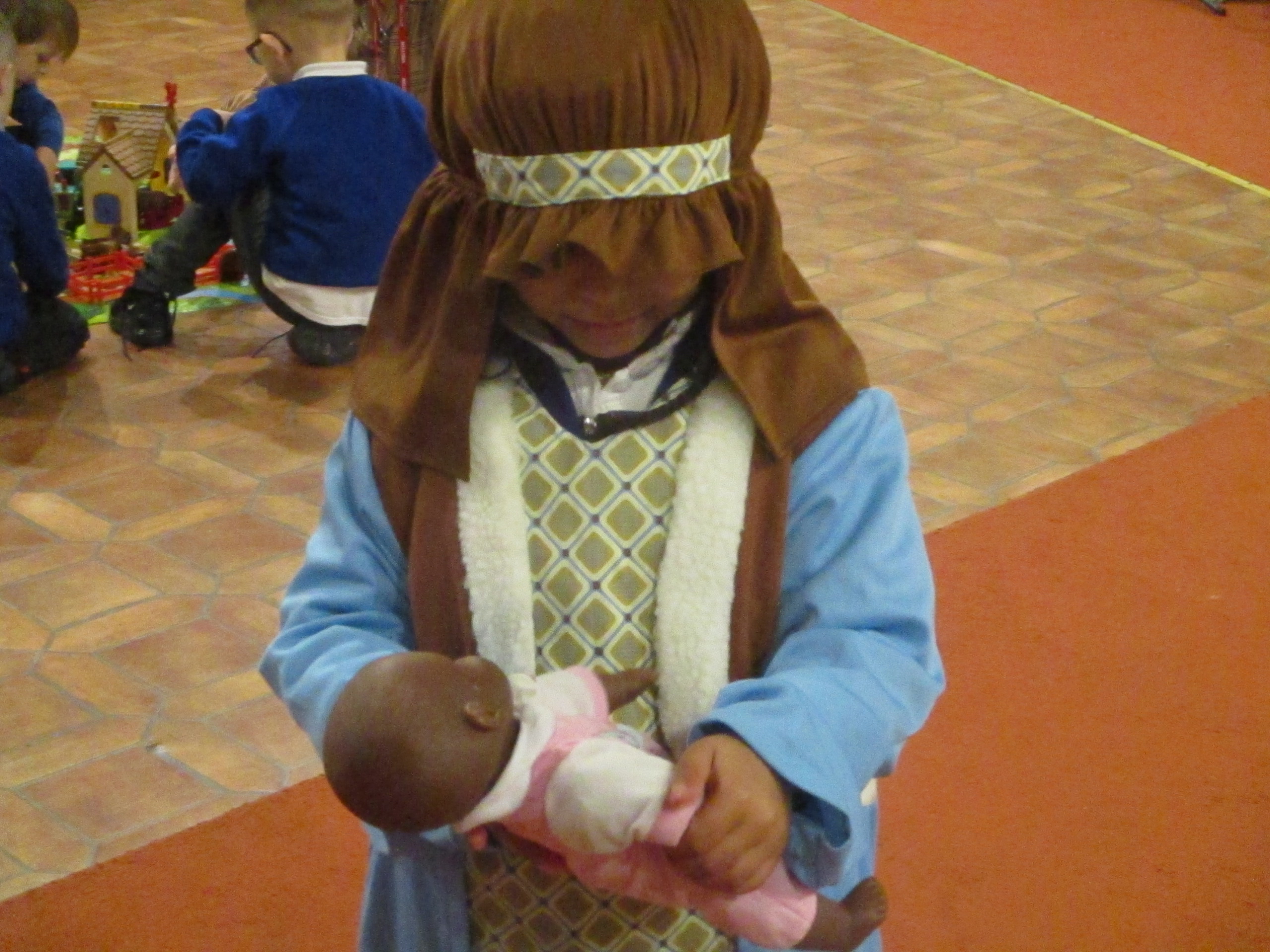
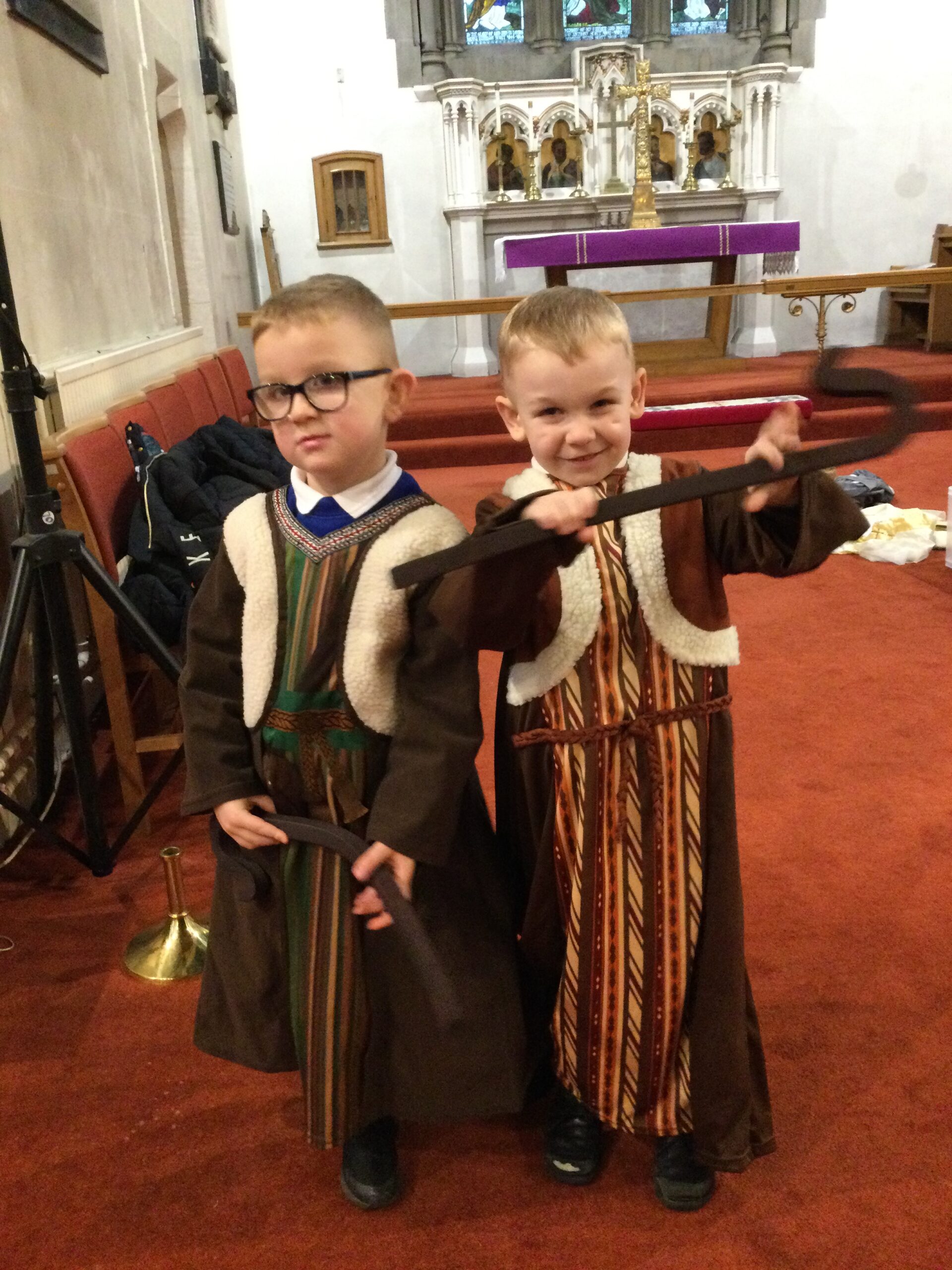
Religious Education in Action