Welcome back, and a very Happy New Year to all our families! We hope you had a lovely Christmas break and are feeling ready for the term ahead. We are excited to welcome the children back and share that this term will bring some exciting changes, trips, and new opportunities to inspire curiosity, confidence, and learning. We can’t wait to see the children settle in, reconnect with friends, and enjoy a fun and inspiring term. ✨
This half term, our enquiry focus is “Finding Out How Things Move.” The children will explore movement through hands-on activities, noticing how objects roll, slide, spin, push, and pull. They will ask questions, make predictions, and share ideas about how and why things move. These activities will help them develop their understanding of the world, while building important skills like language, teamwork, and problem-solving.
Week 1: How do we move?
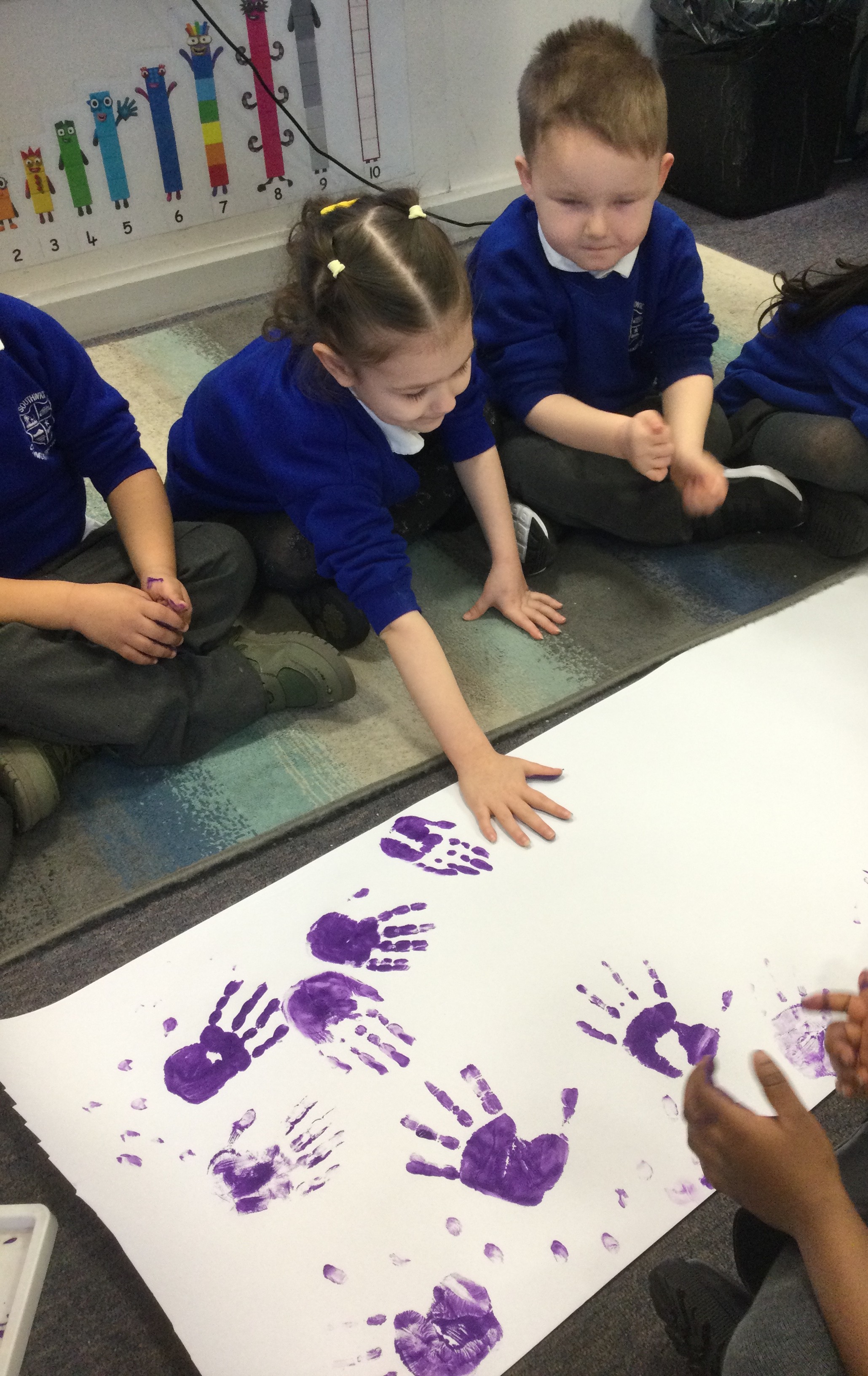
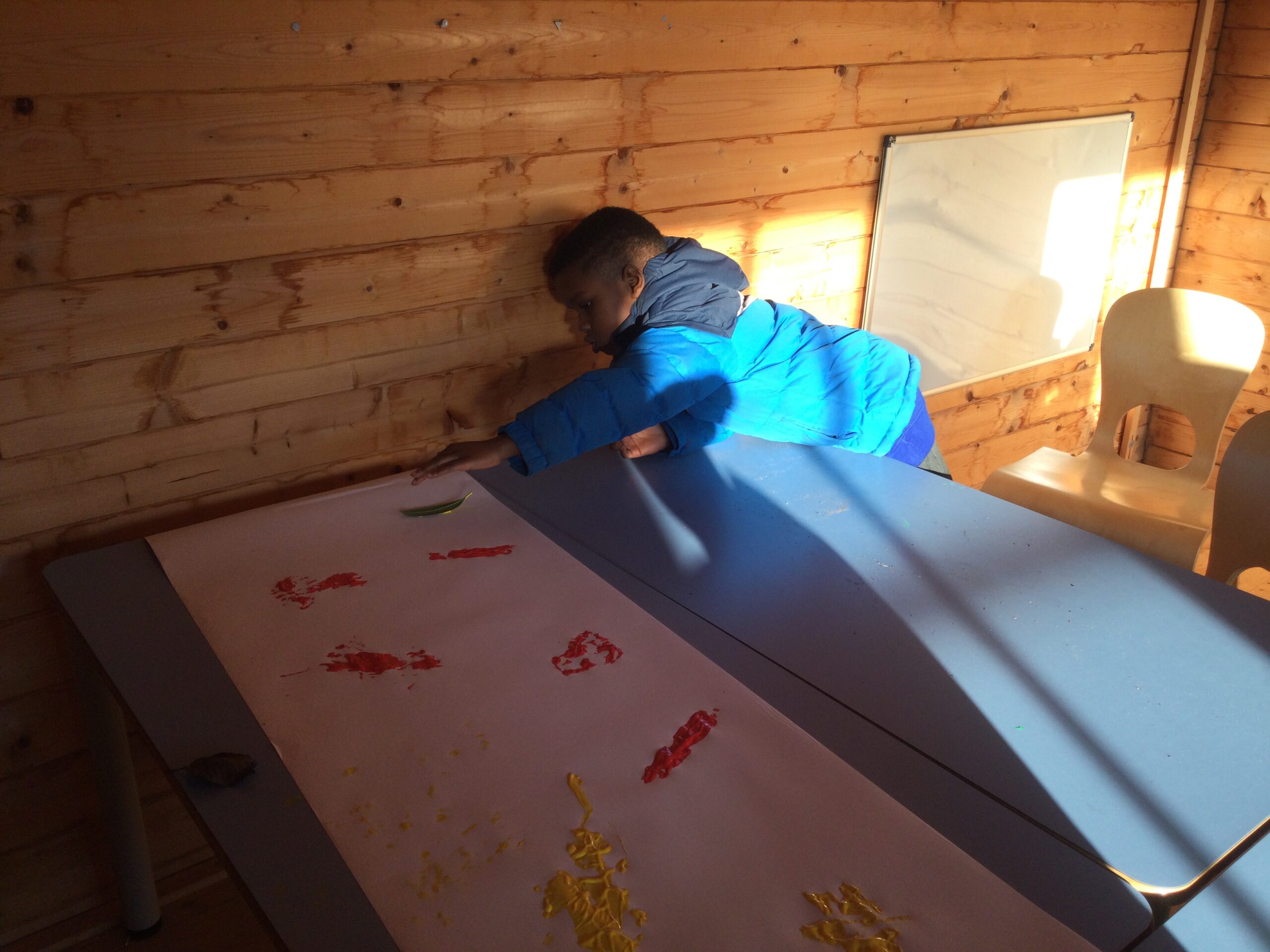
This week, we focused on exploring how we move. We began by reading Head to Toe by Eric Carle, which we absolutely loved, and we enjoyed copying the movements from the story using our own bodies. We then looked closely at our body parts and had lots of fun making several handprints and footprints.
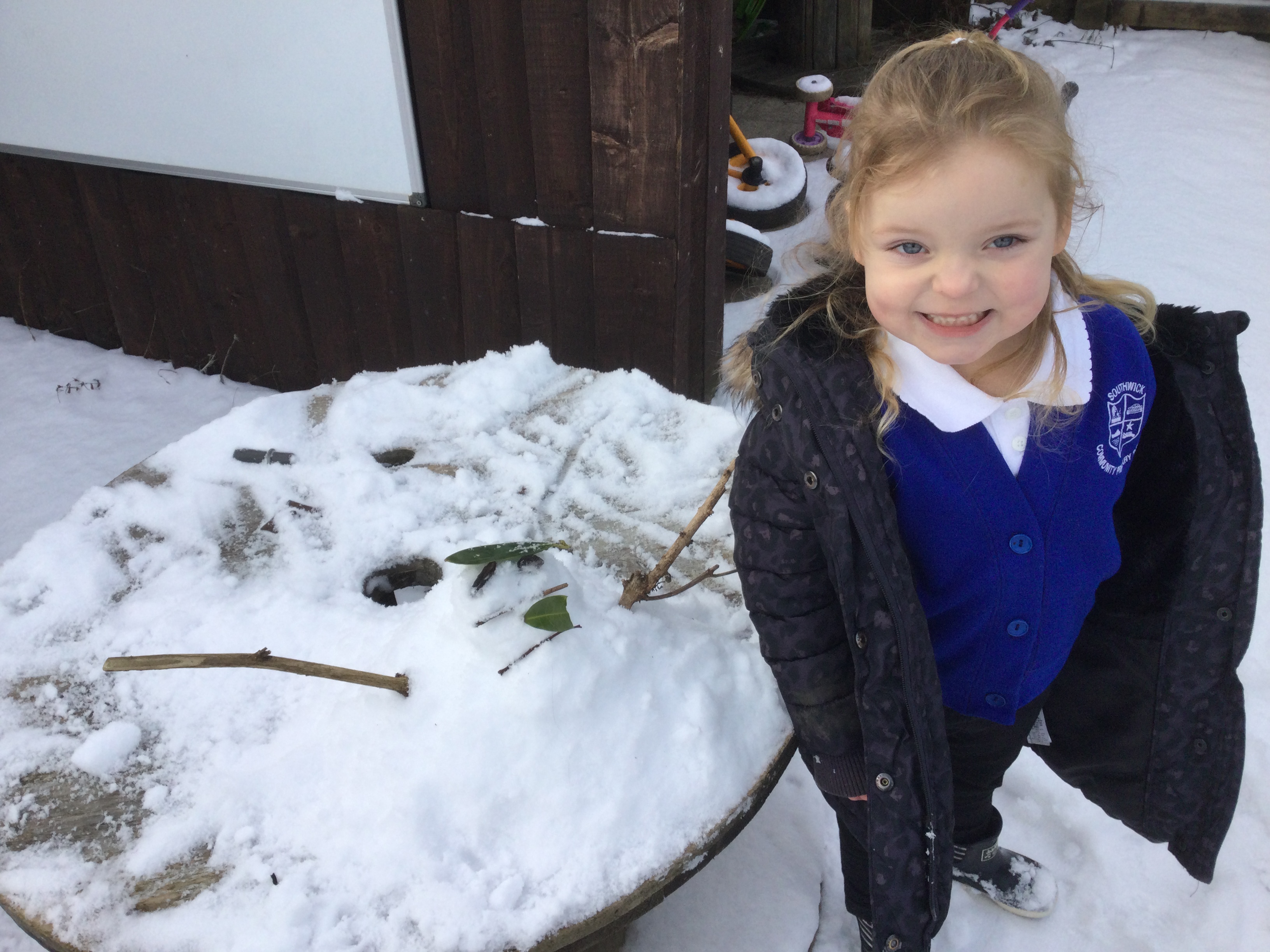
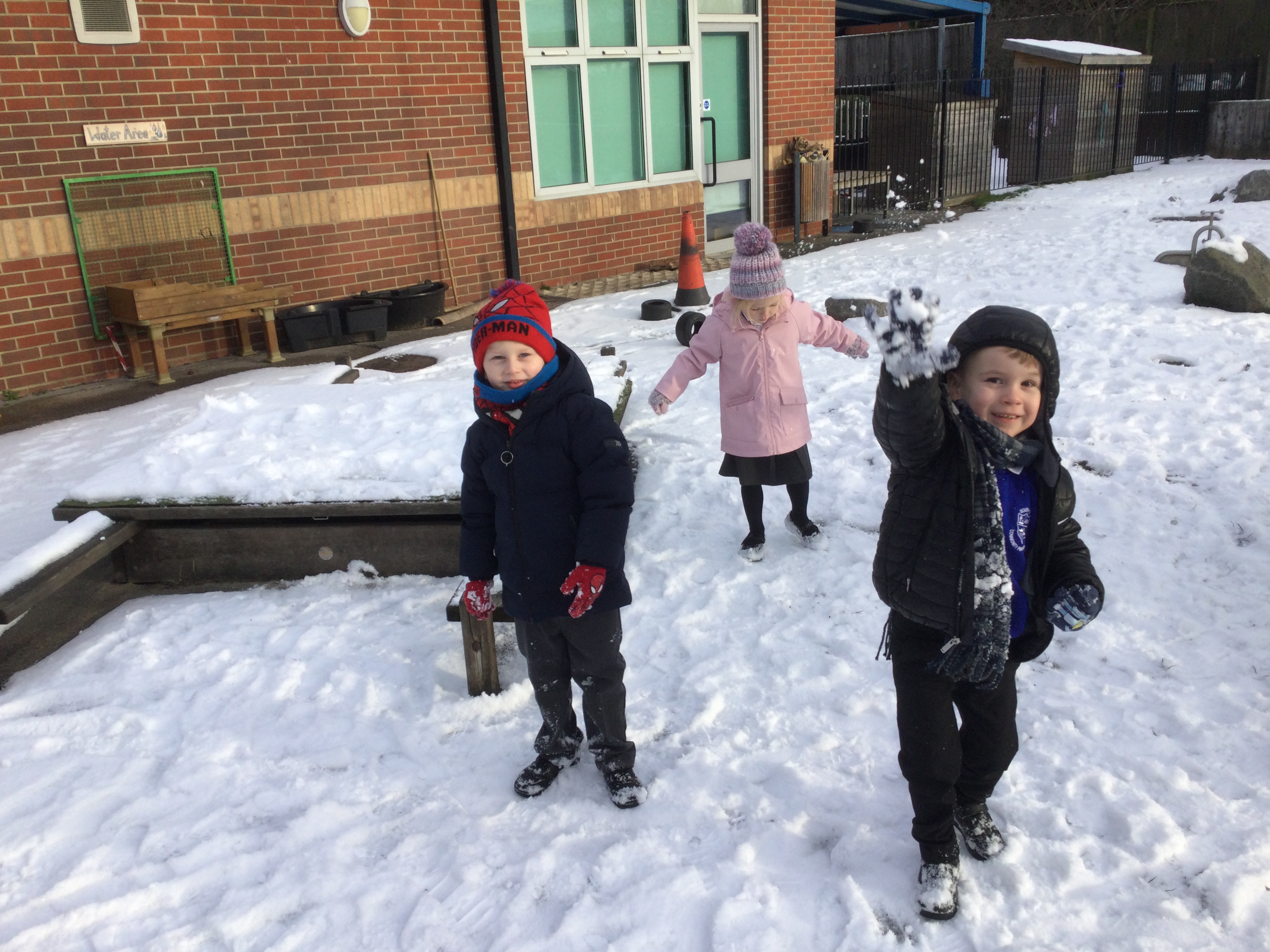
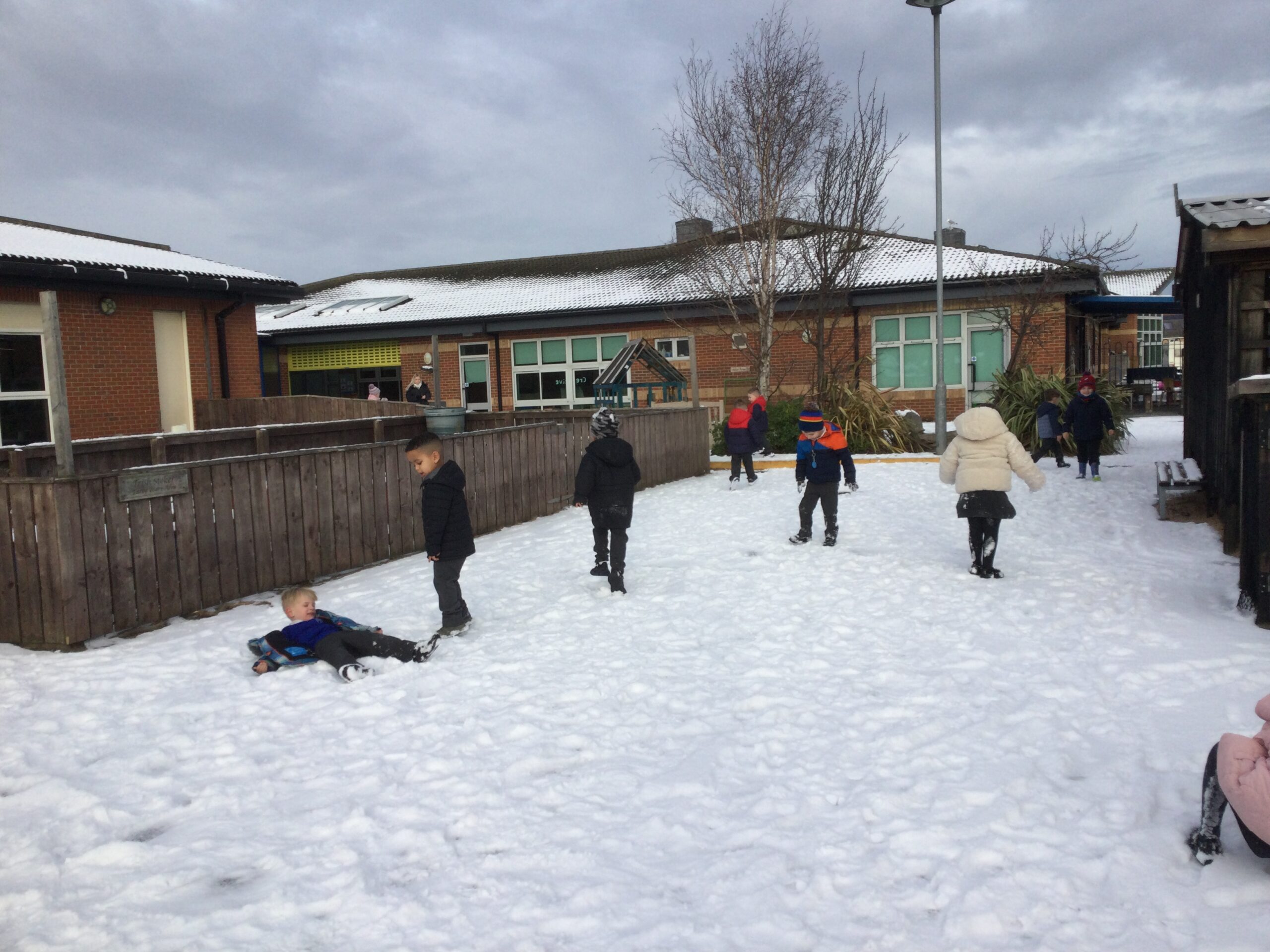
We also explored how our bodies need to move differently in the snow and on ice, thinking carefully about balance and safety.
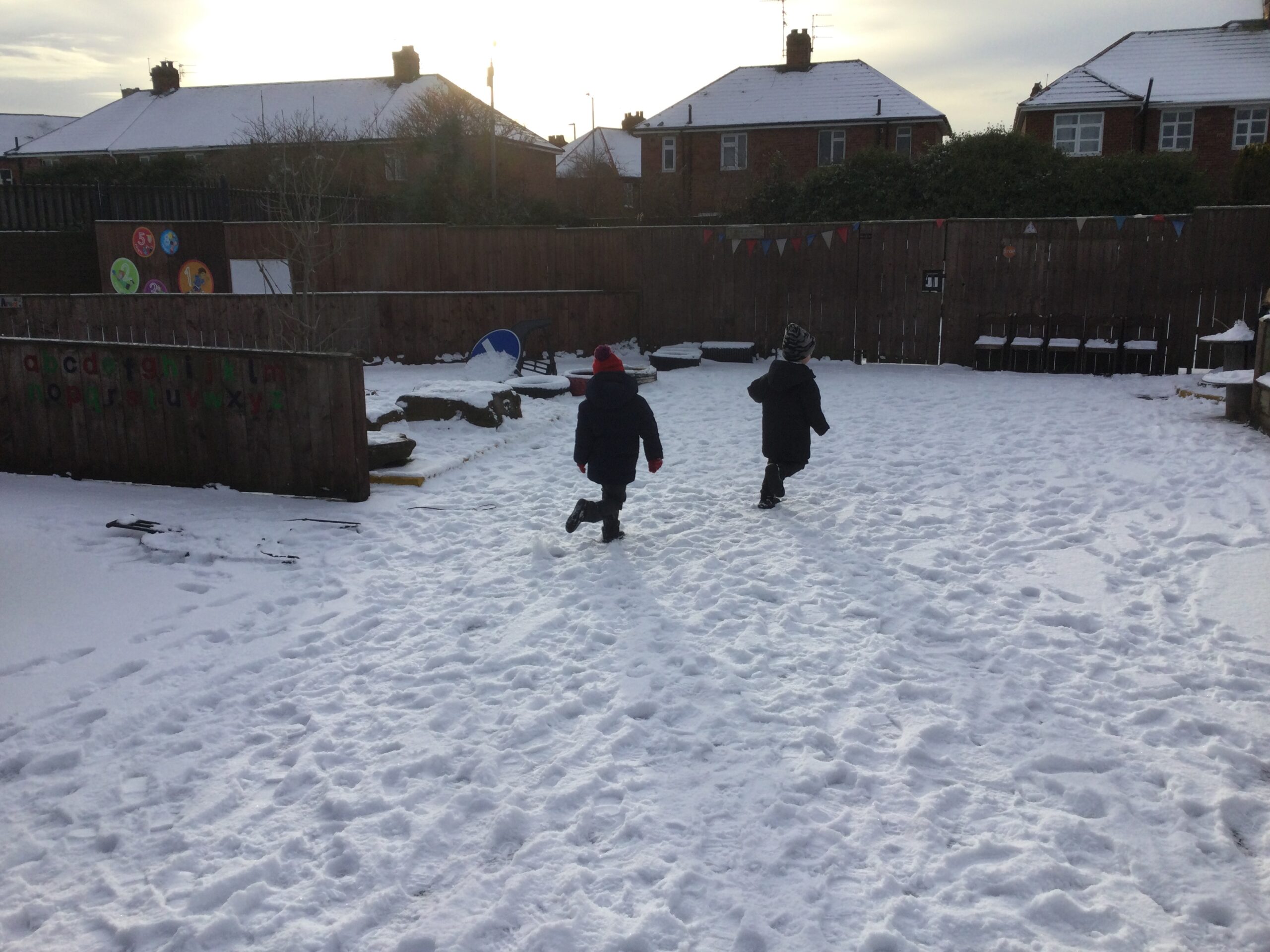
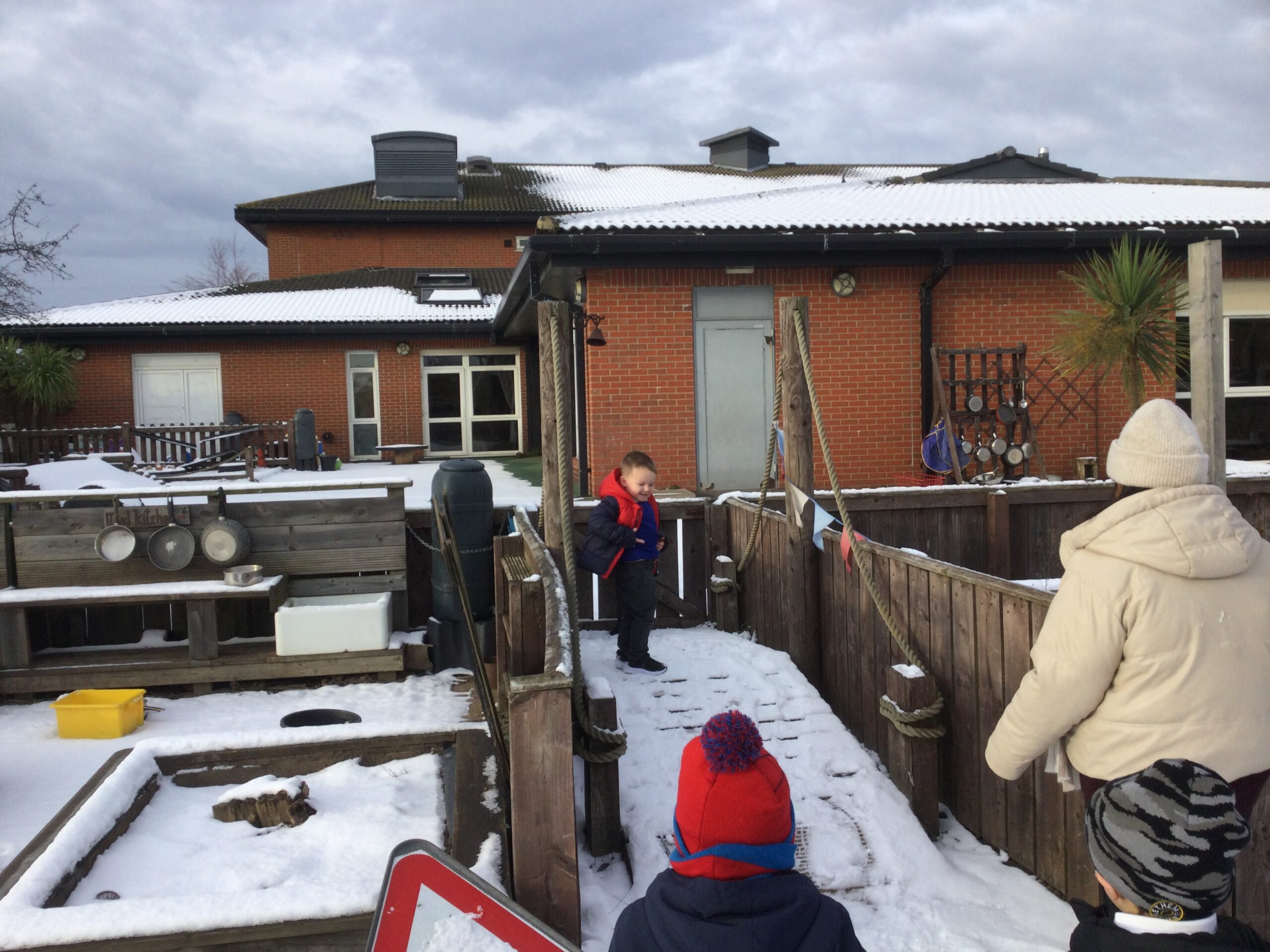
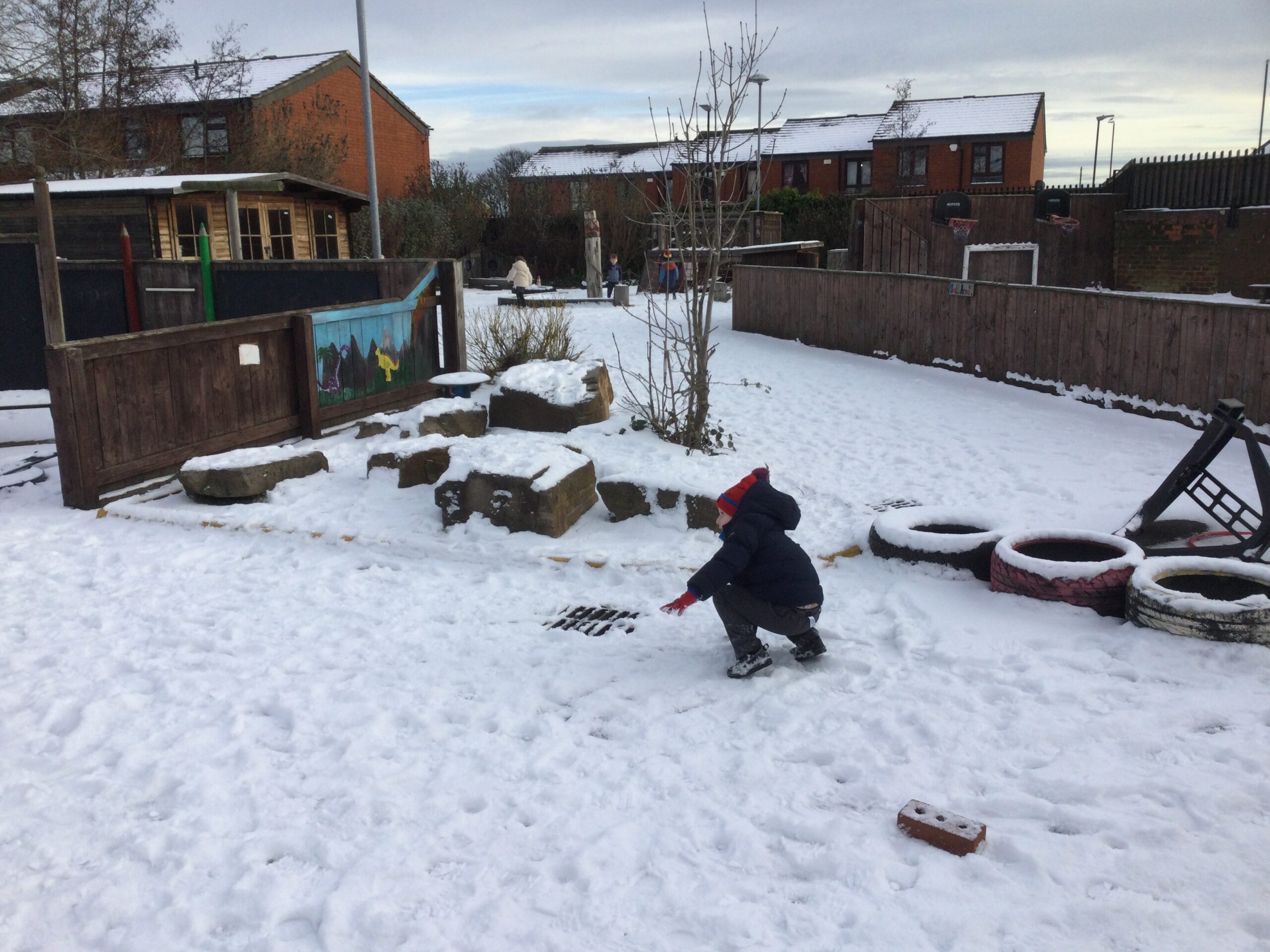
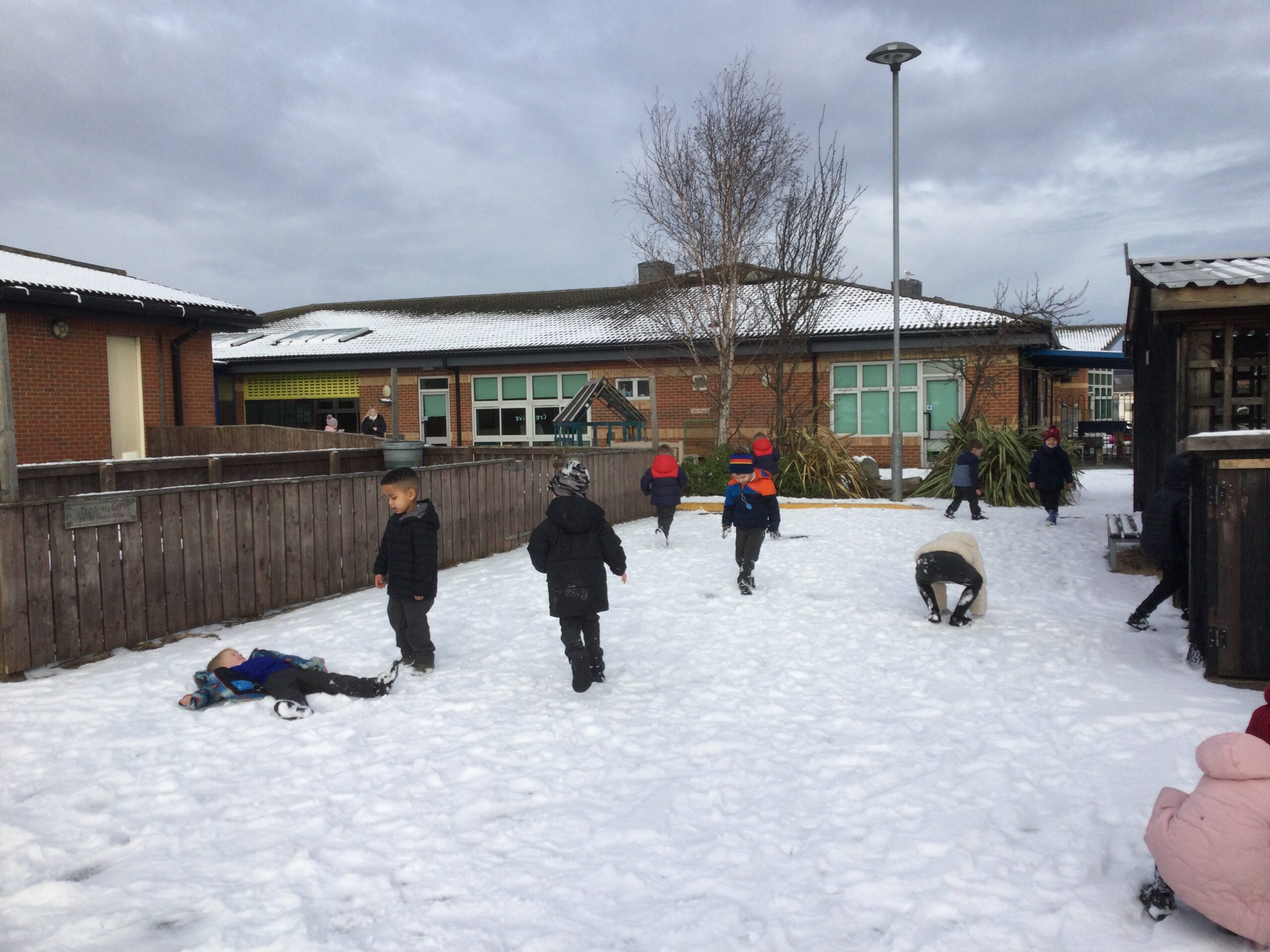
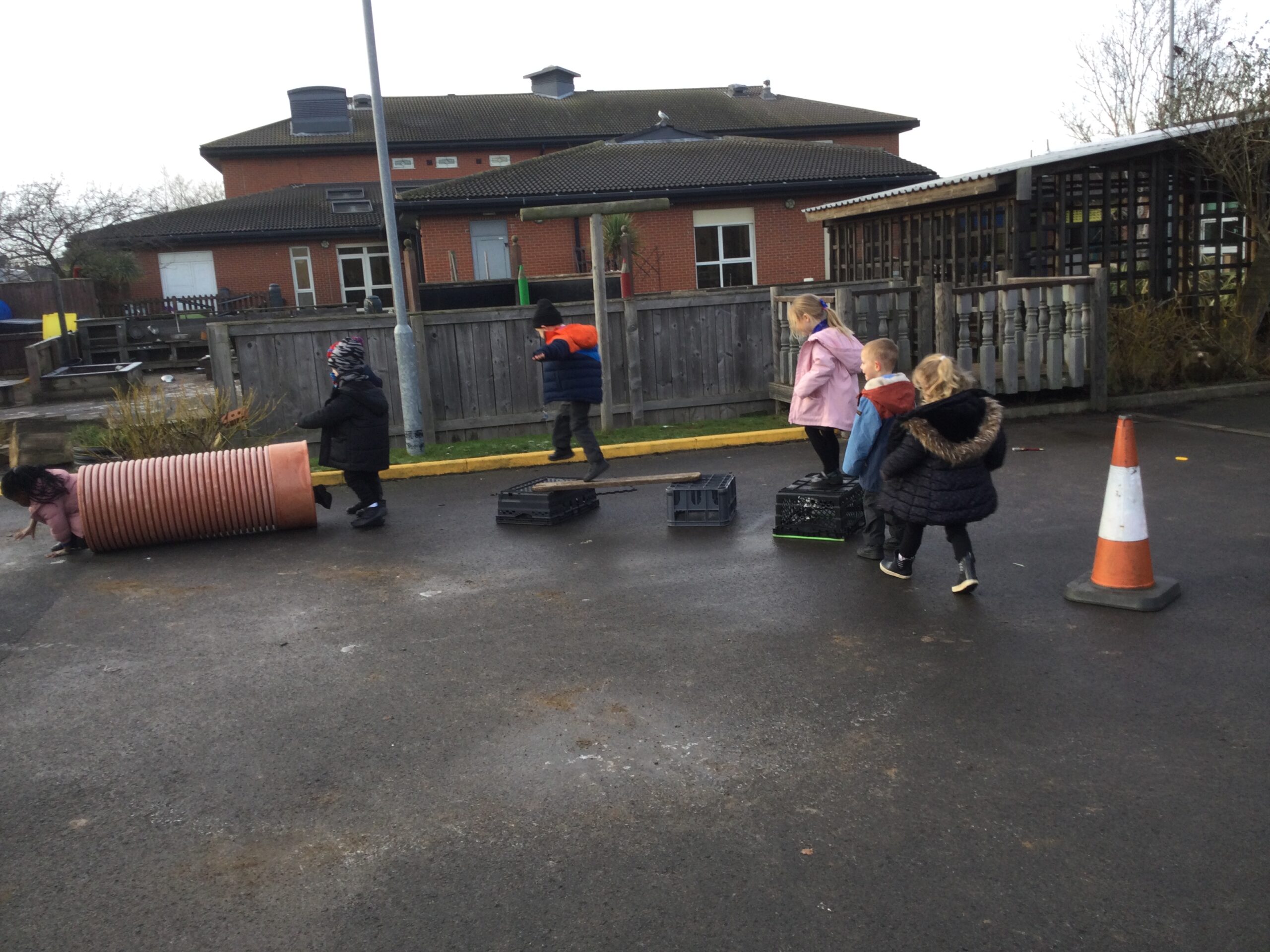
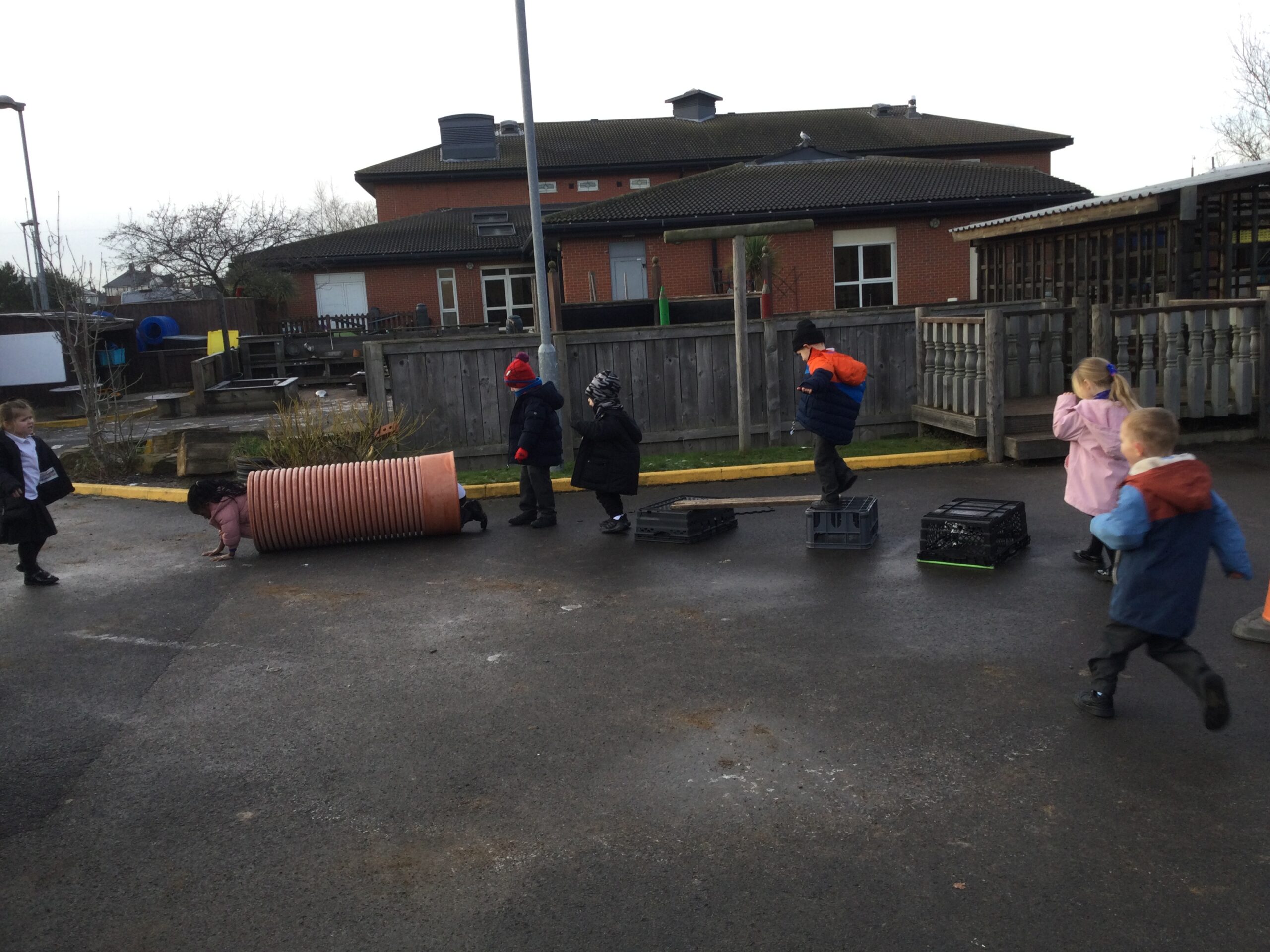
We made an obstacle course and timed how fast we could move around.
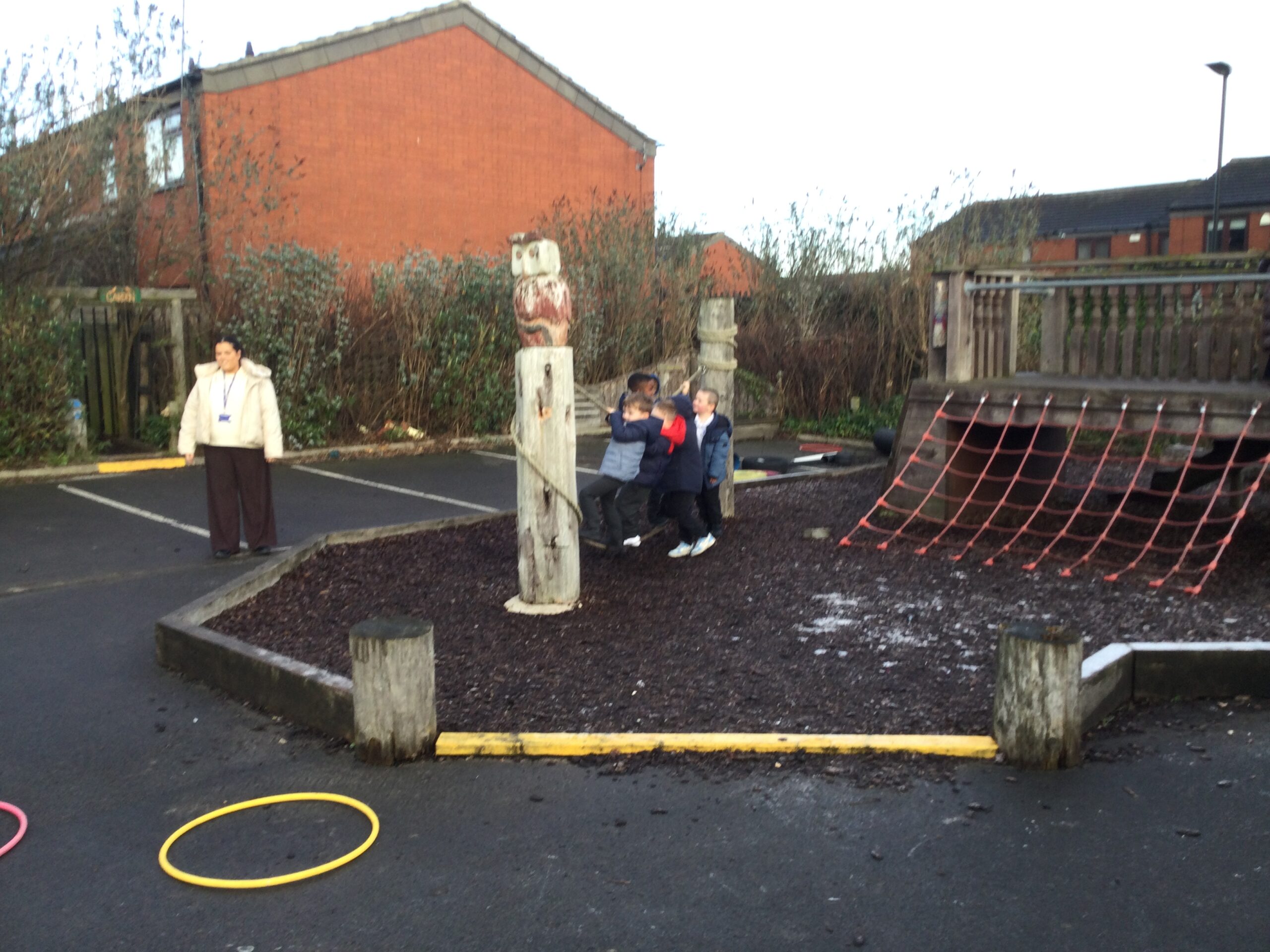
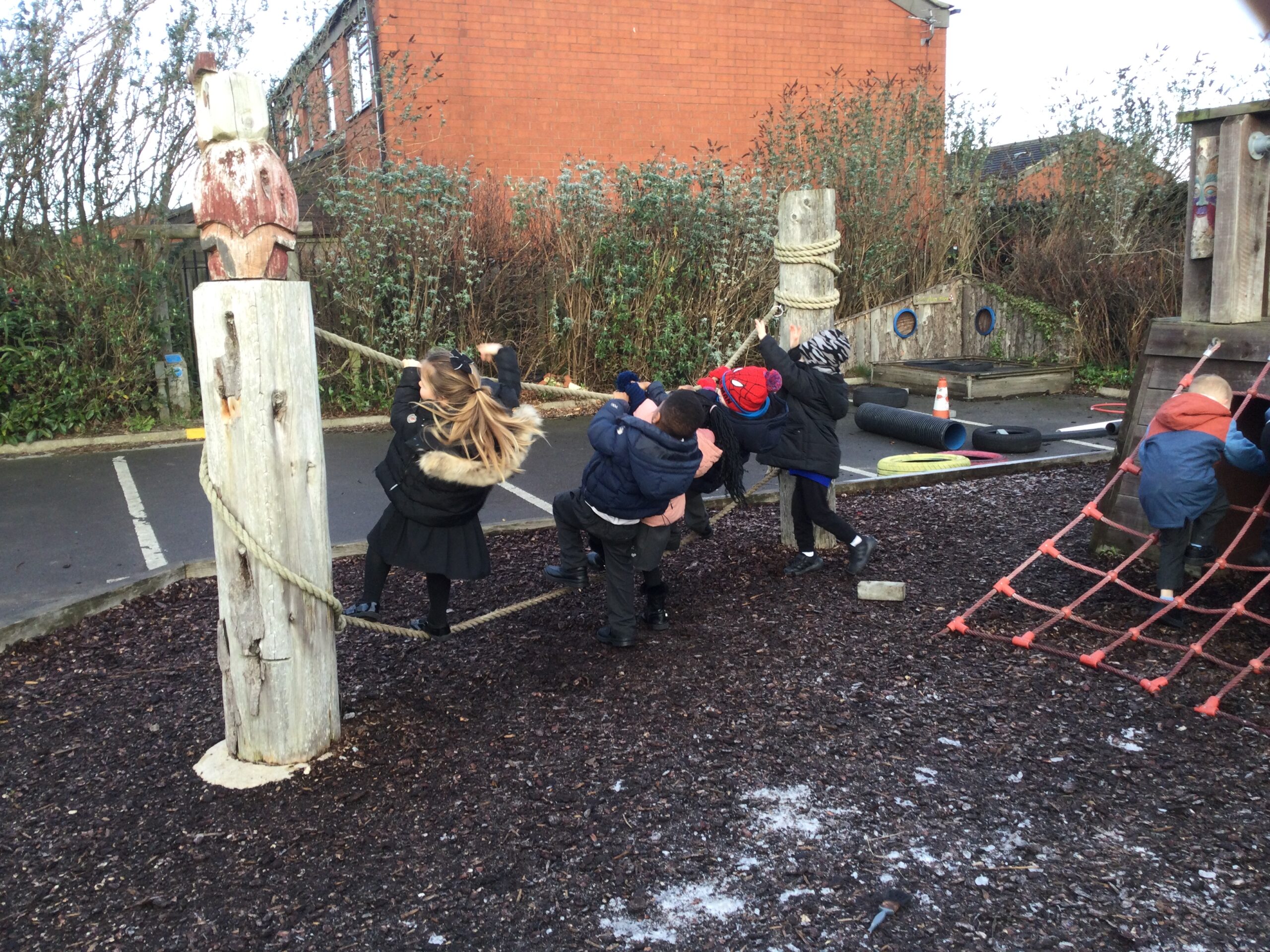
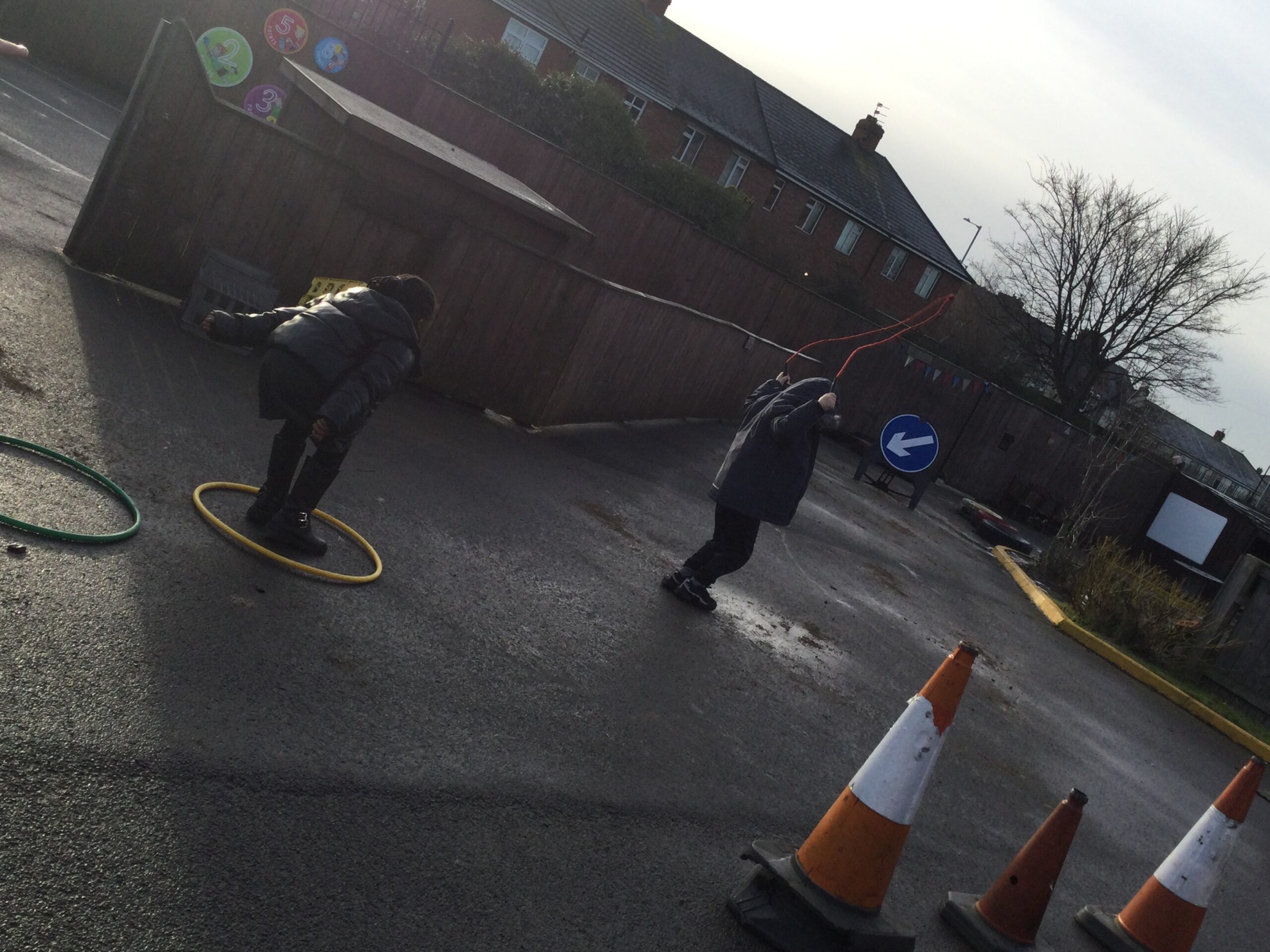
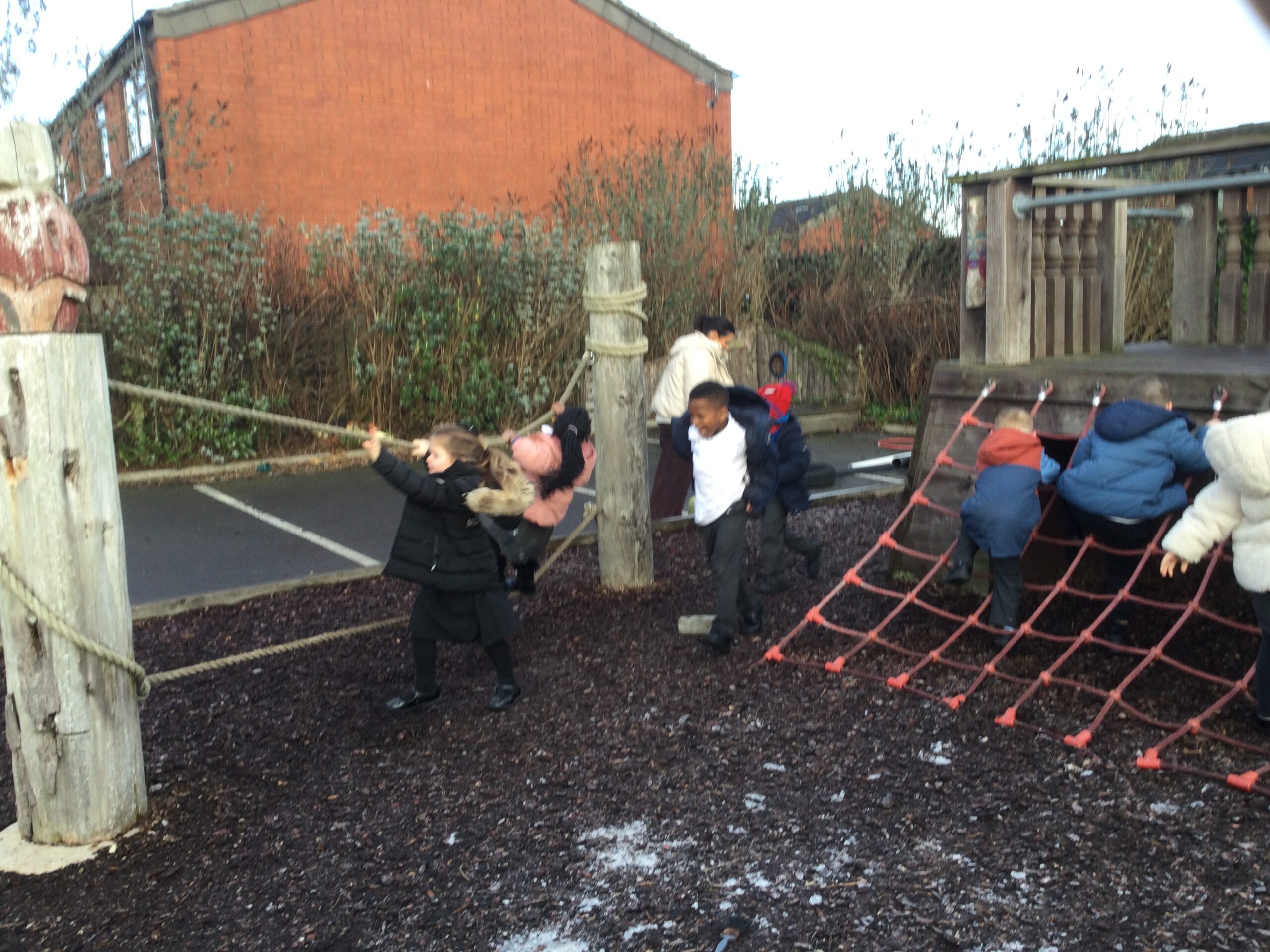
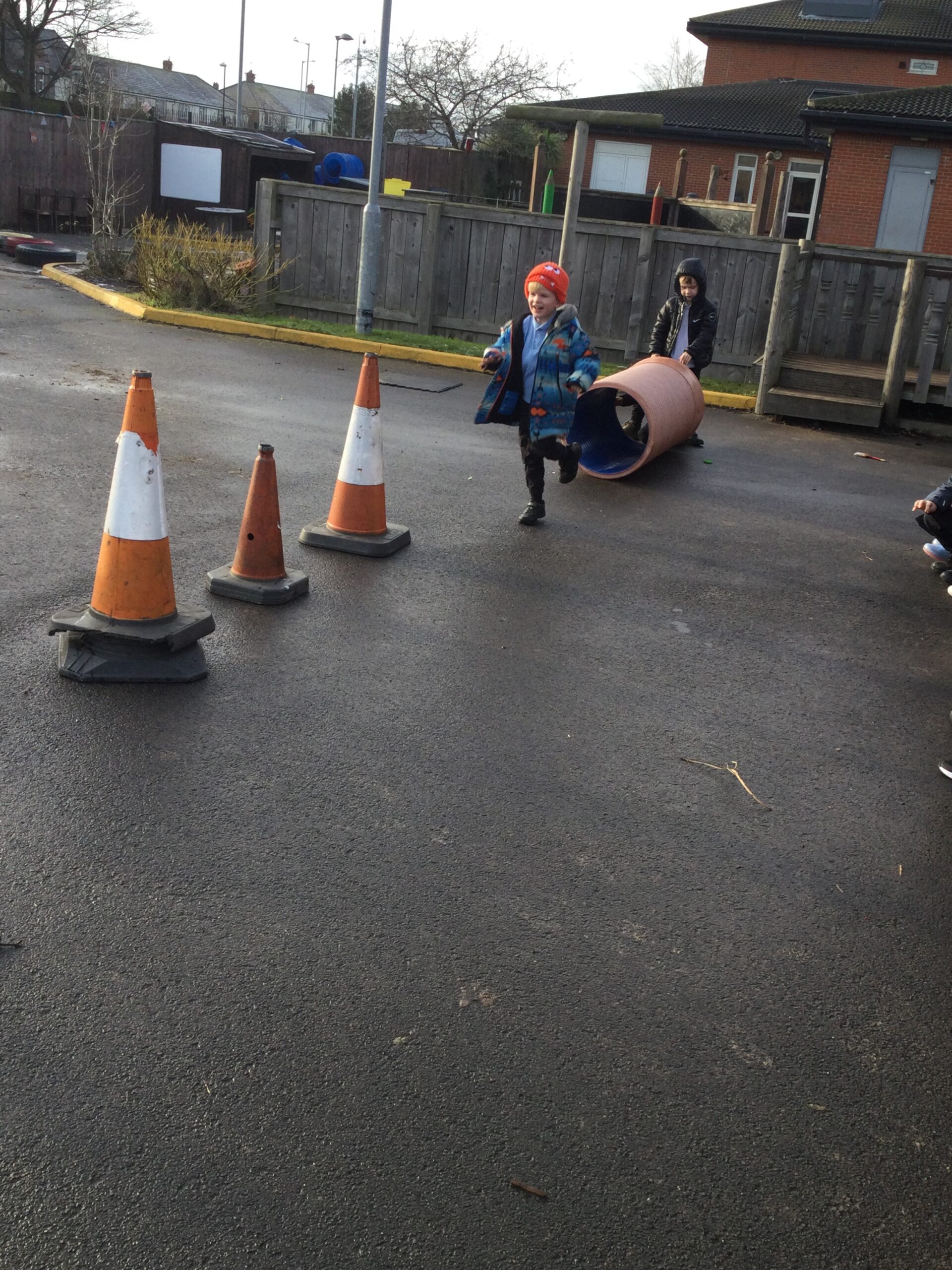
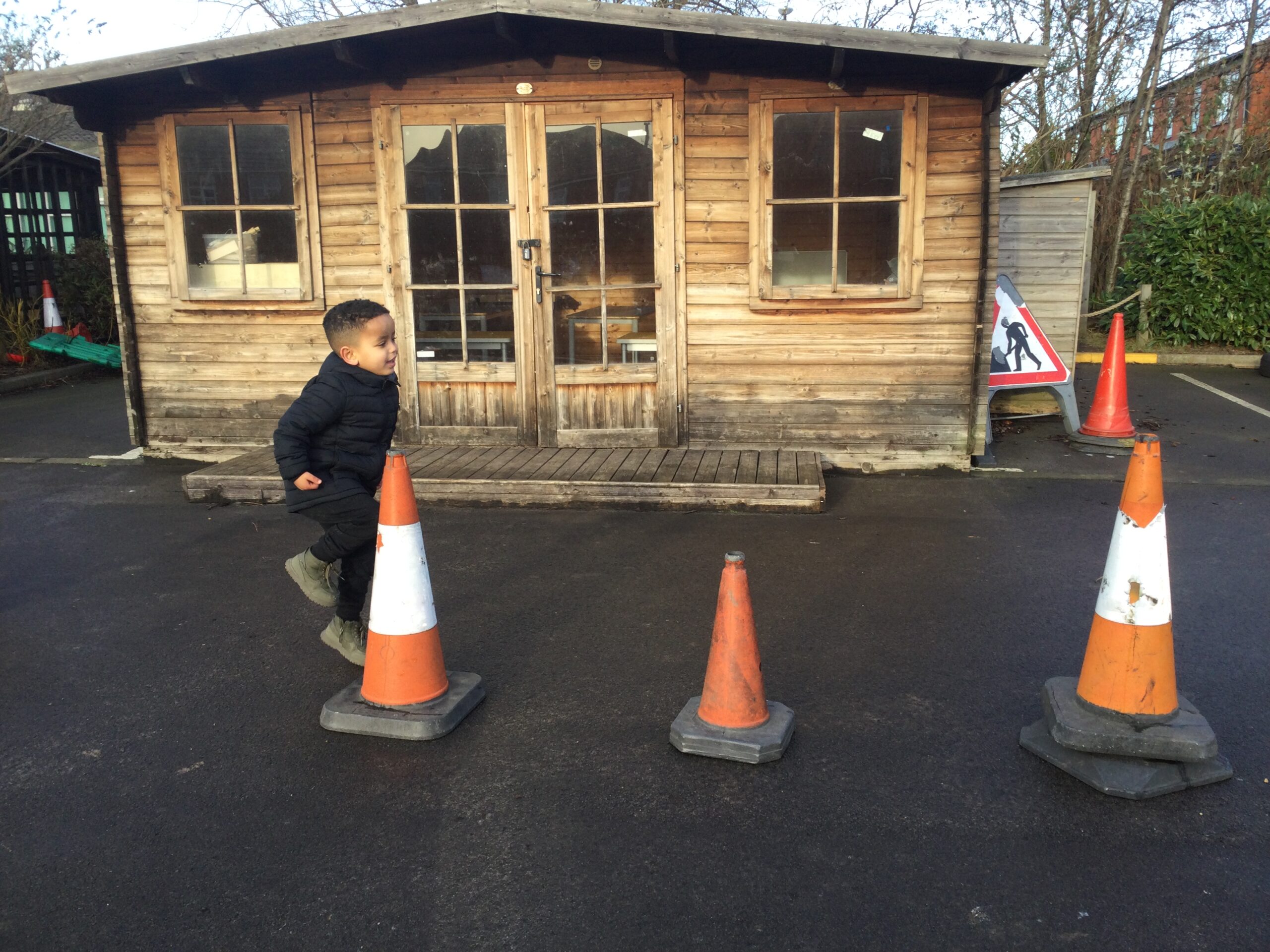
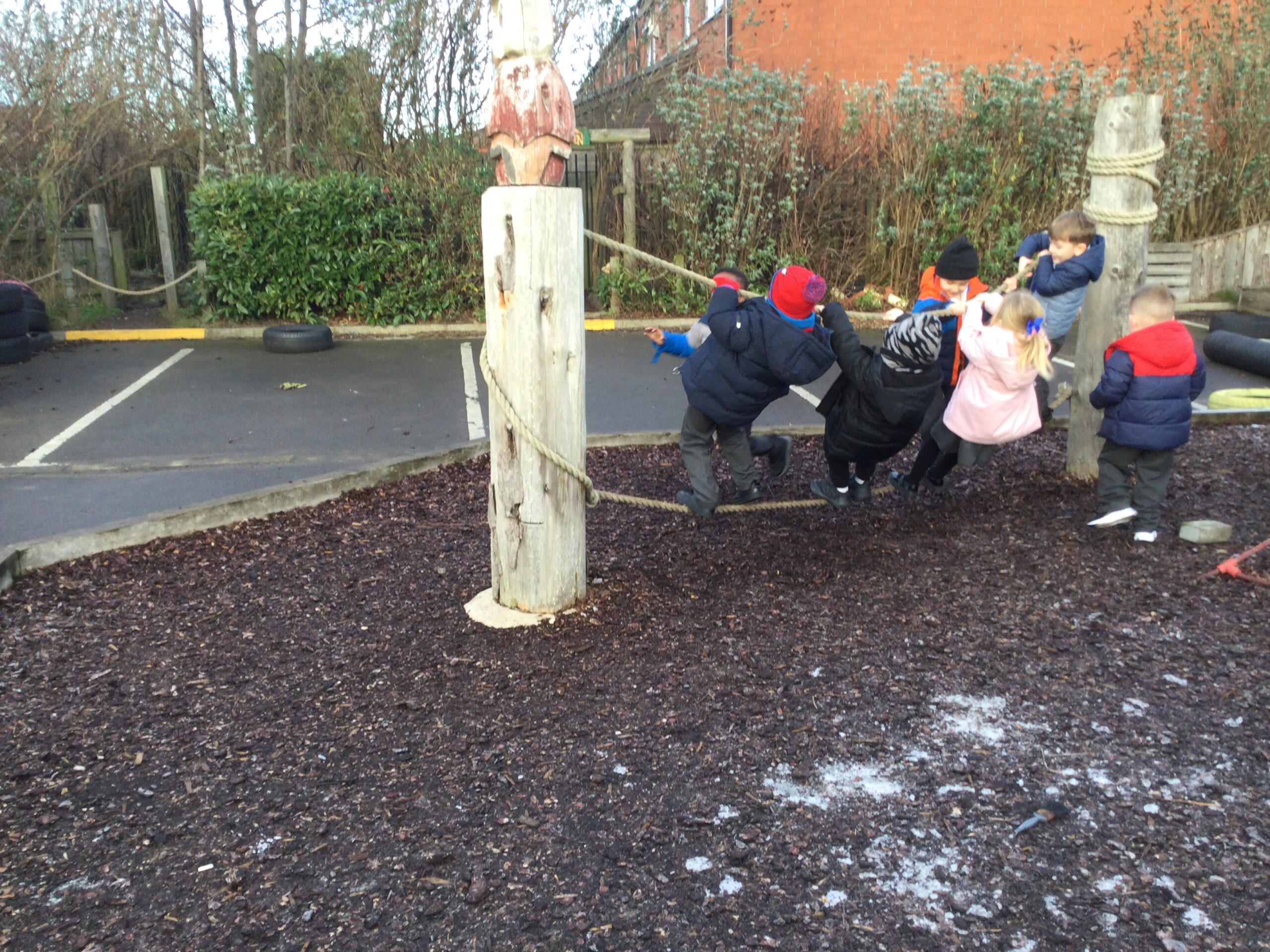
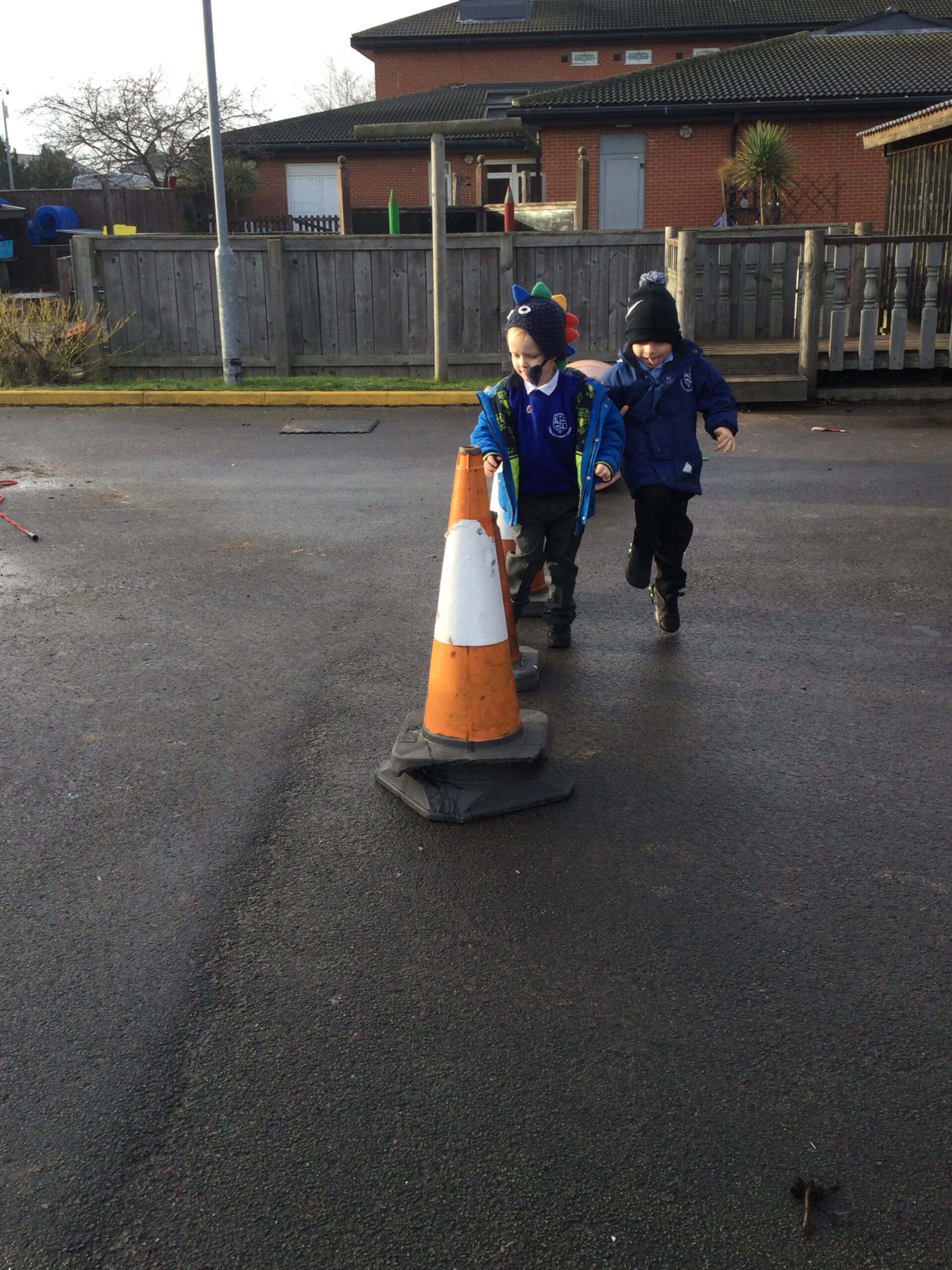
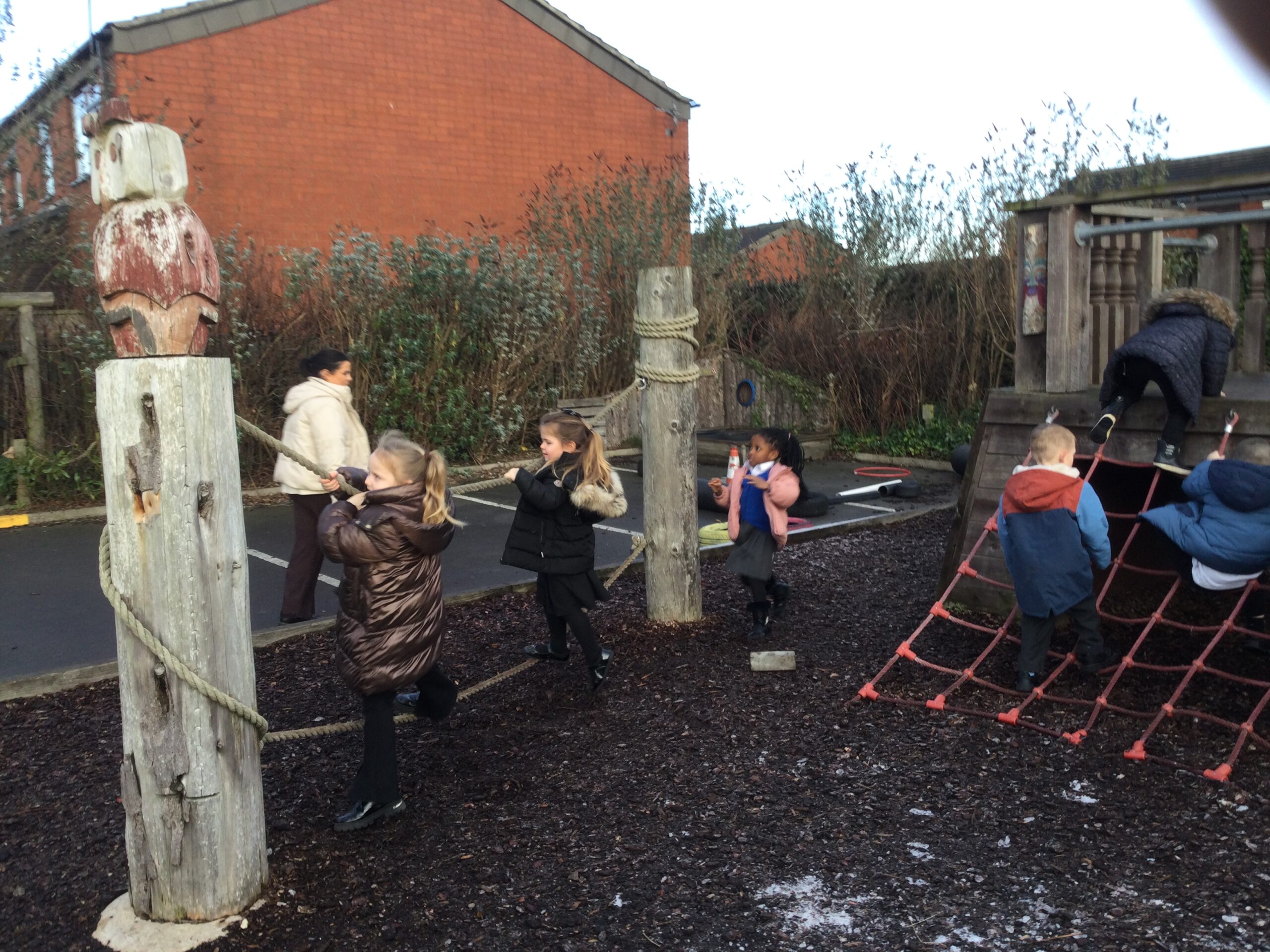
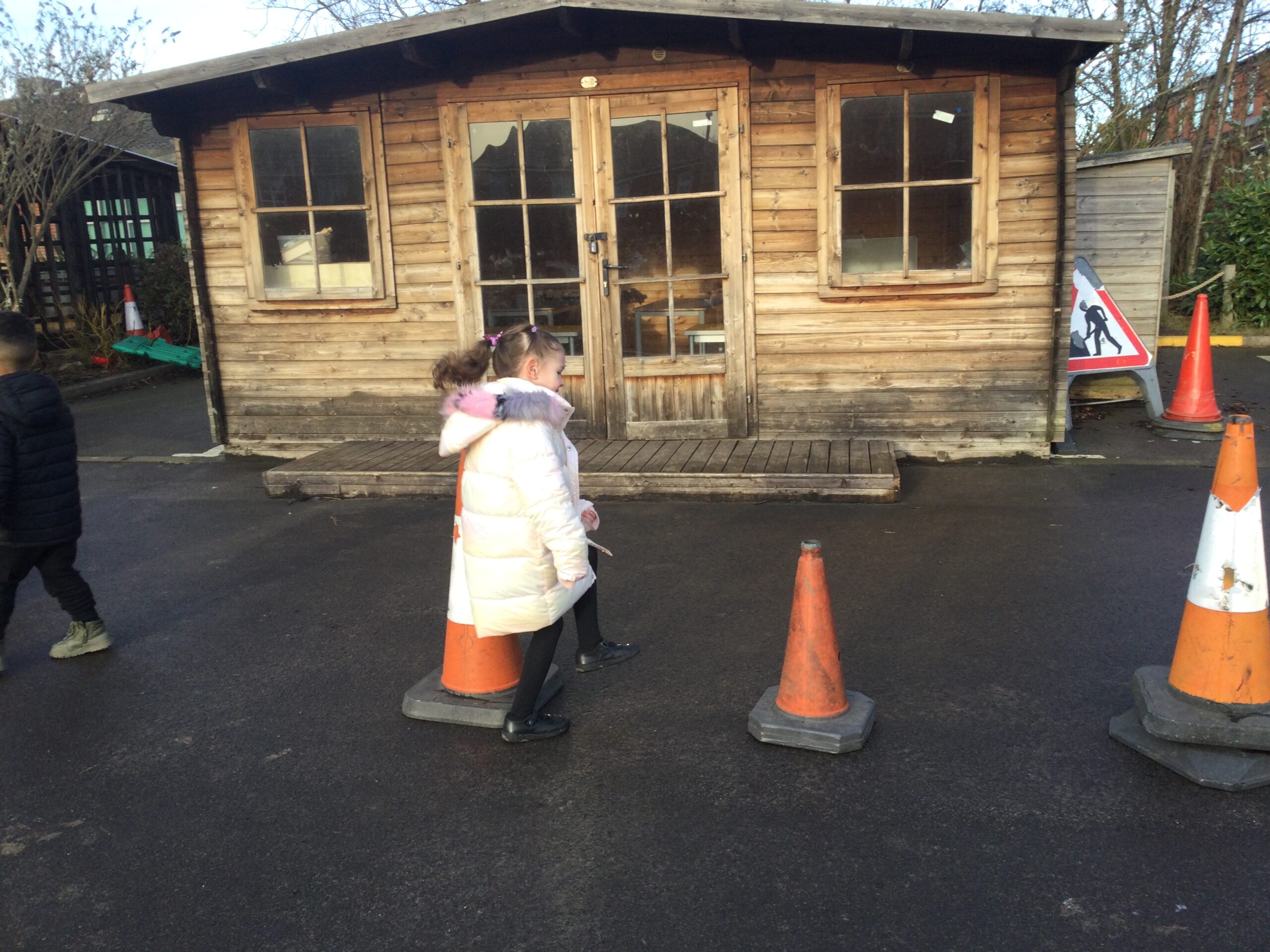
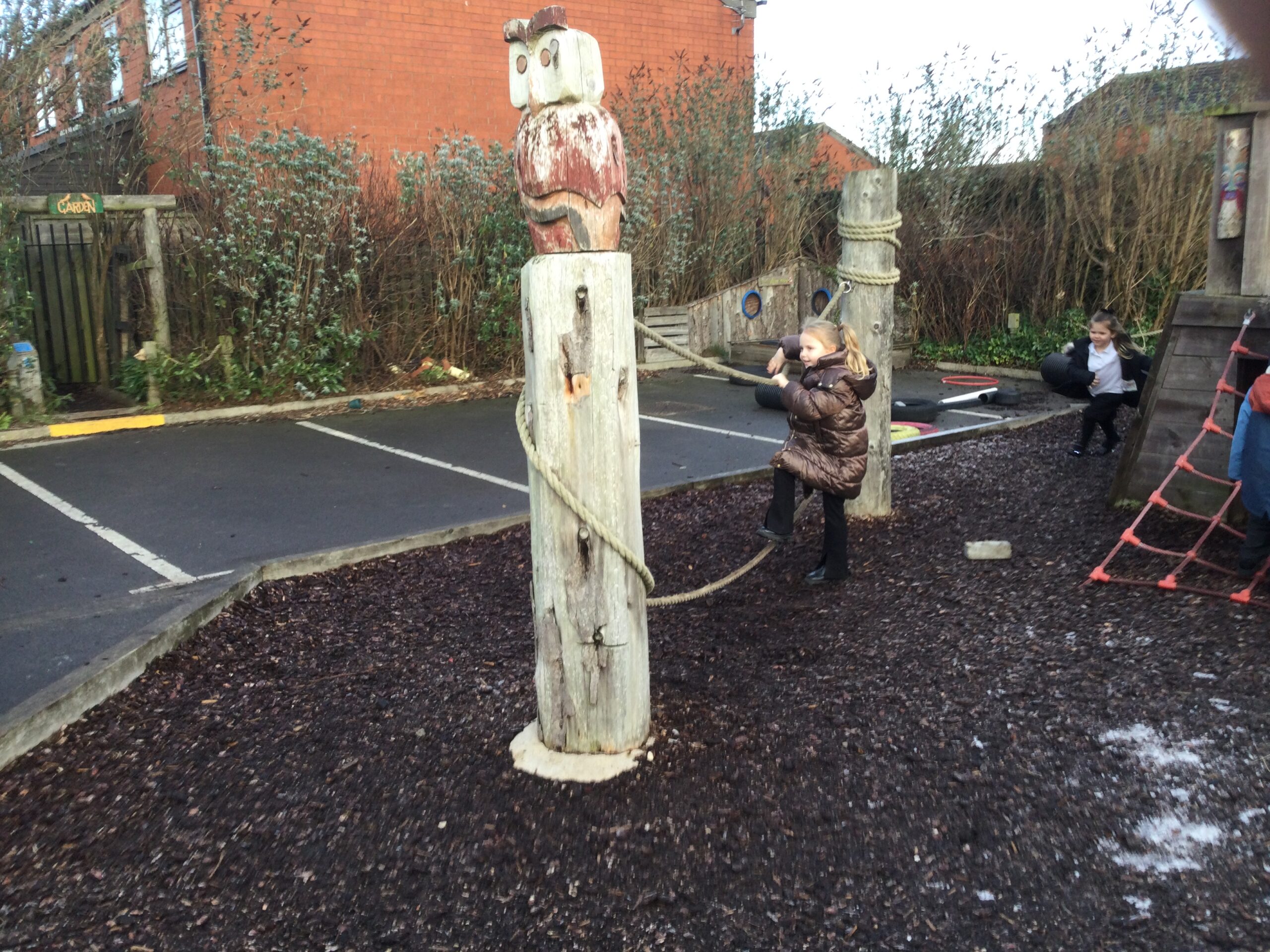
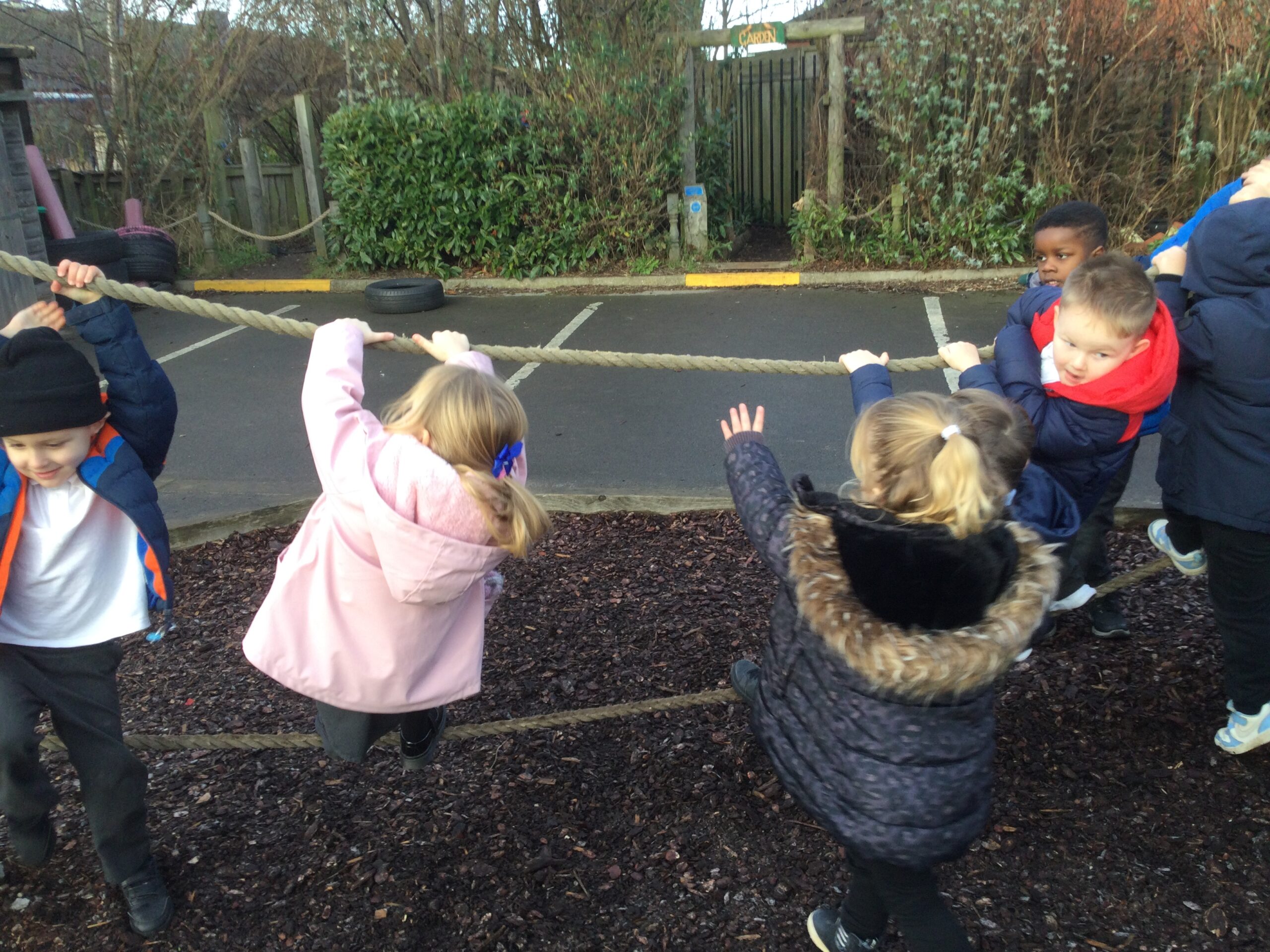
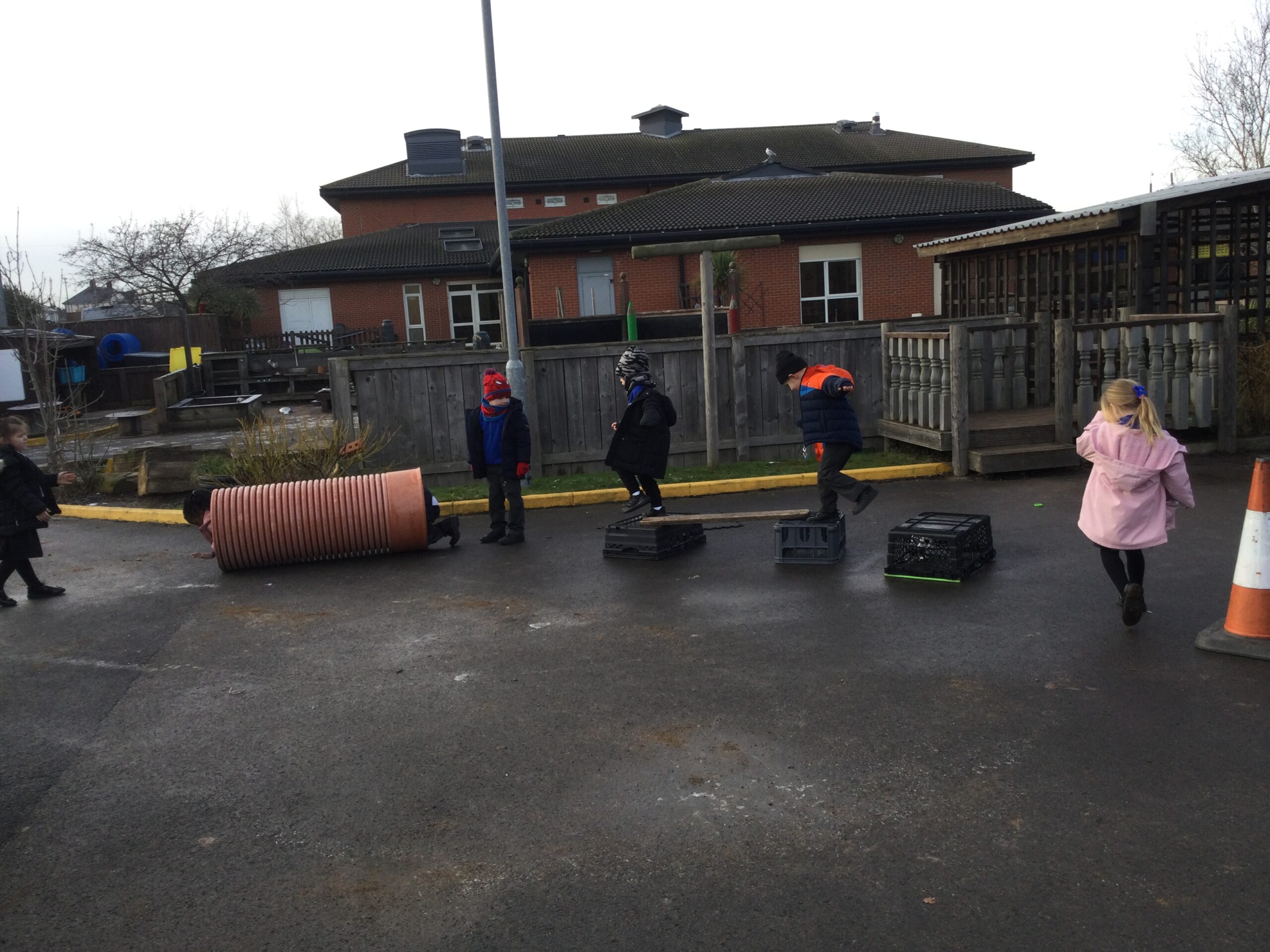
Later in the week, we compared how we move to how animals move, learning that some animals walk, some jump or swim, and others fly. It was an amazing first week full of movement, learning, and excitement!
Week 2: Is it fast or slow
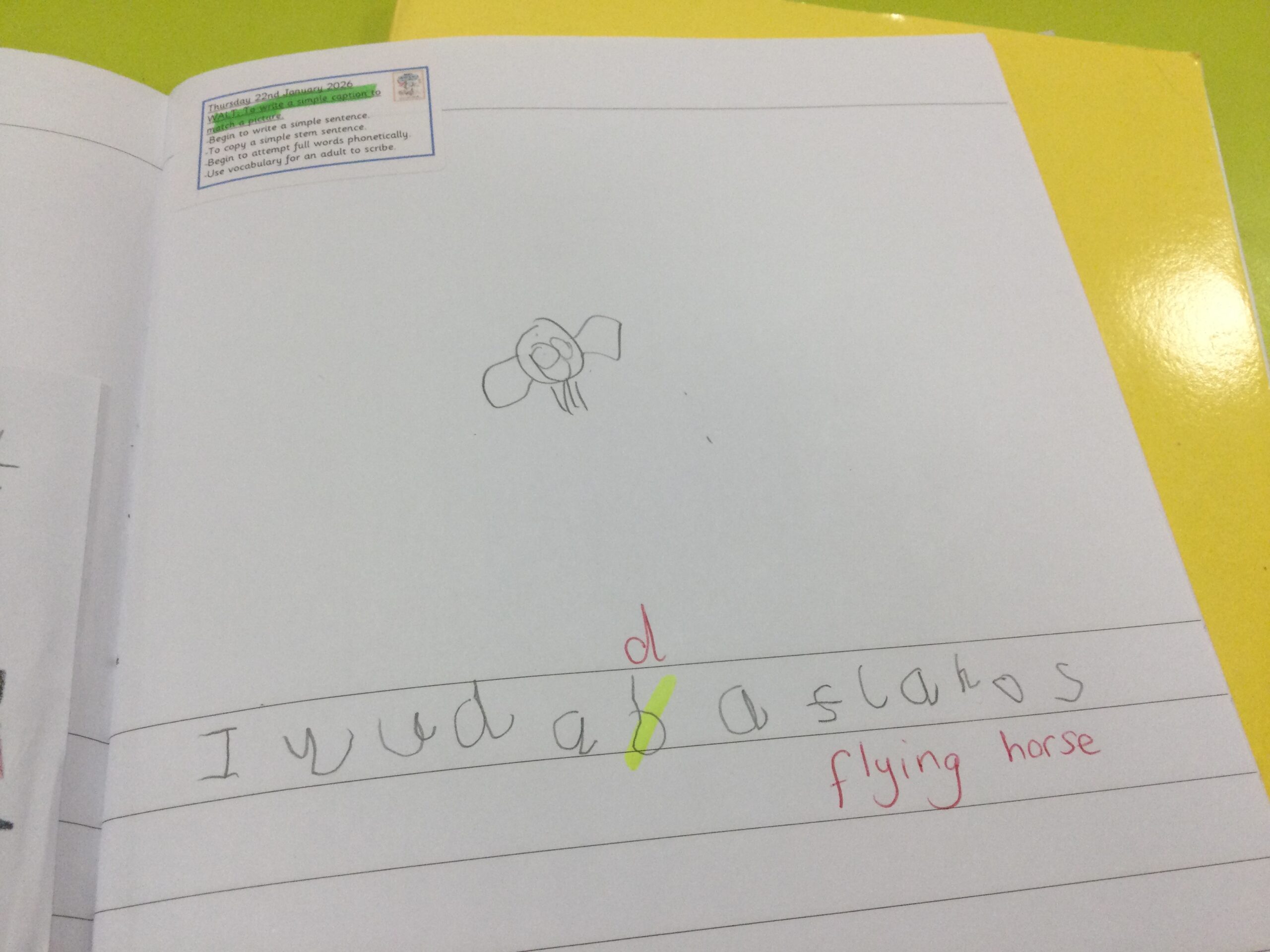
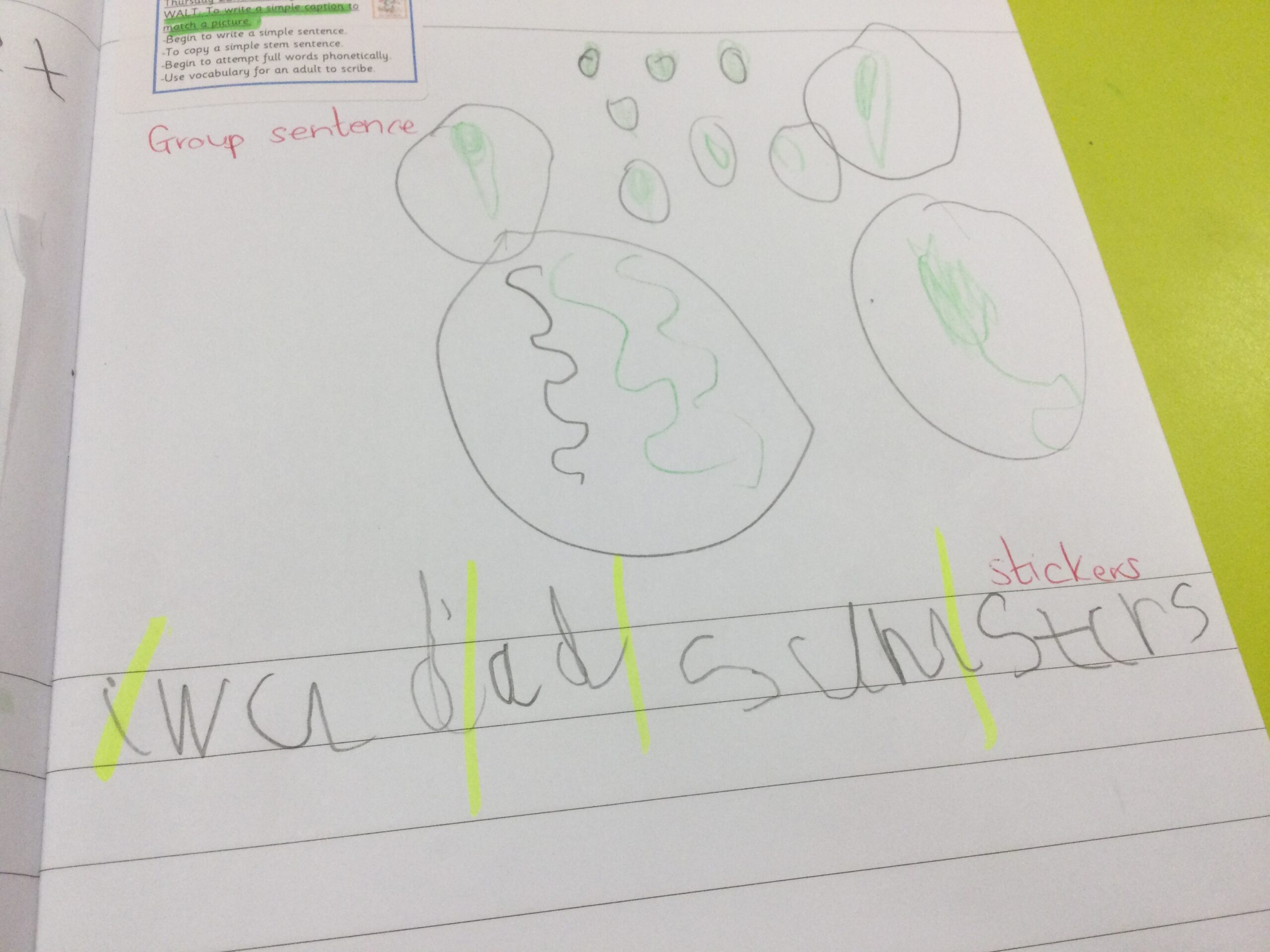
This week in Reception, we continued our enquiry, “How does it move?” with a focus on fast and slow. Through the story The Hare and the Tortoise, the children learned about different ways animals move. They compared animals and used new vocabulary such as fast, slow, quick and steady. This supported their communication and language skills as well as their understanding of the world as well as some amazing writing.
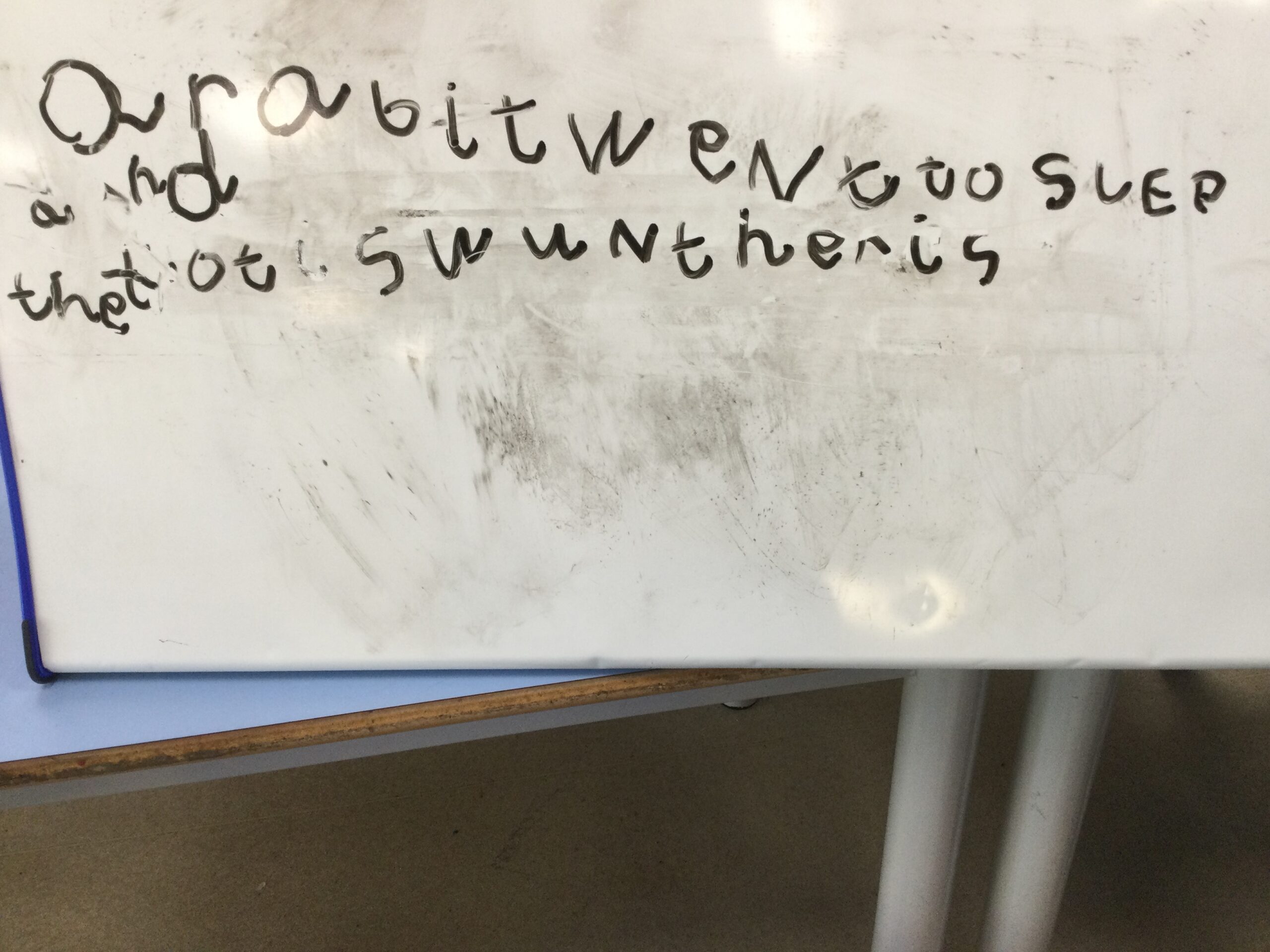
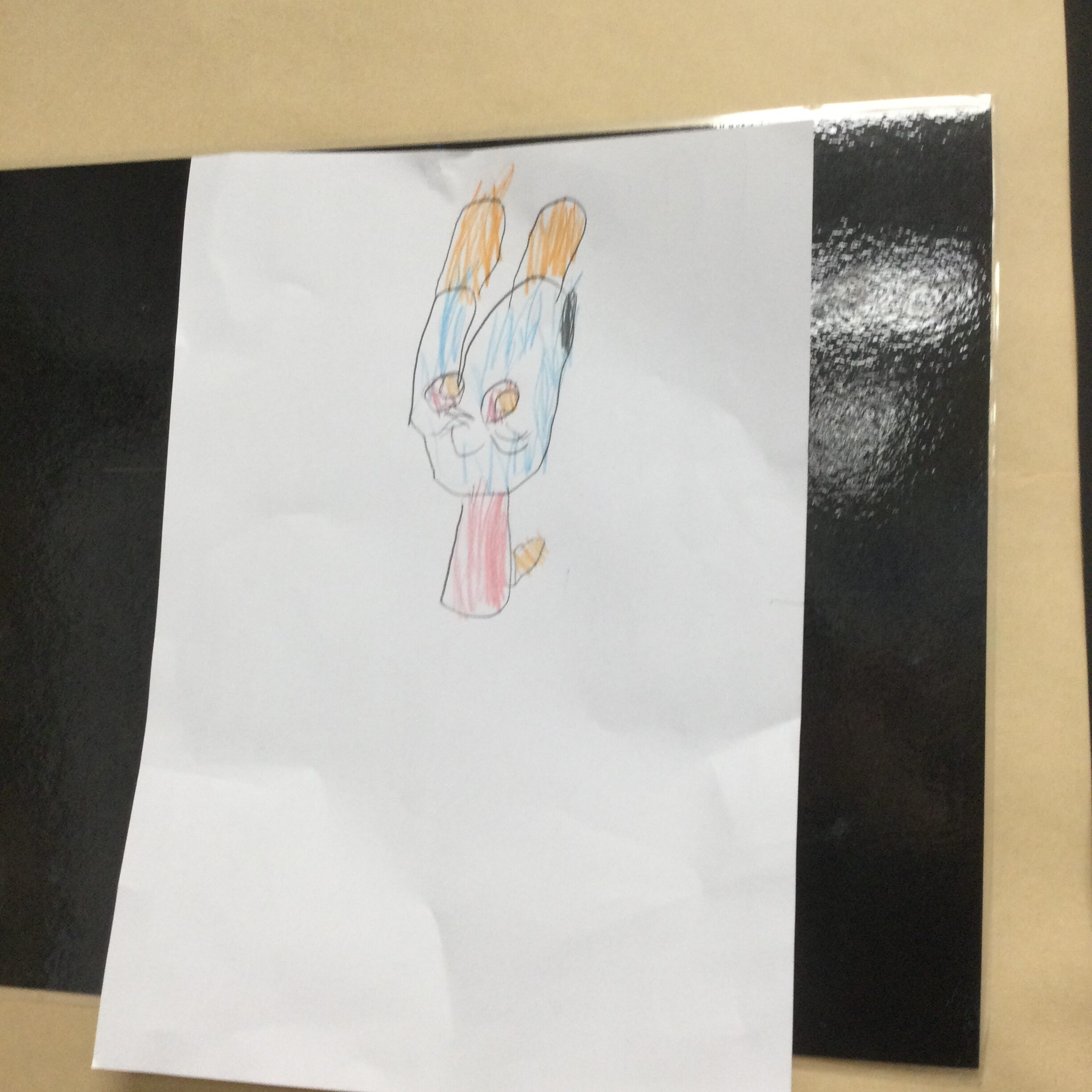
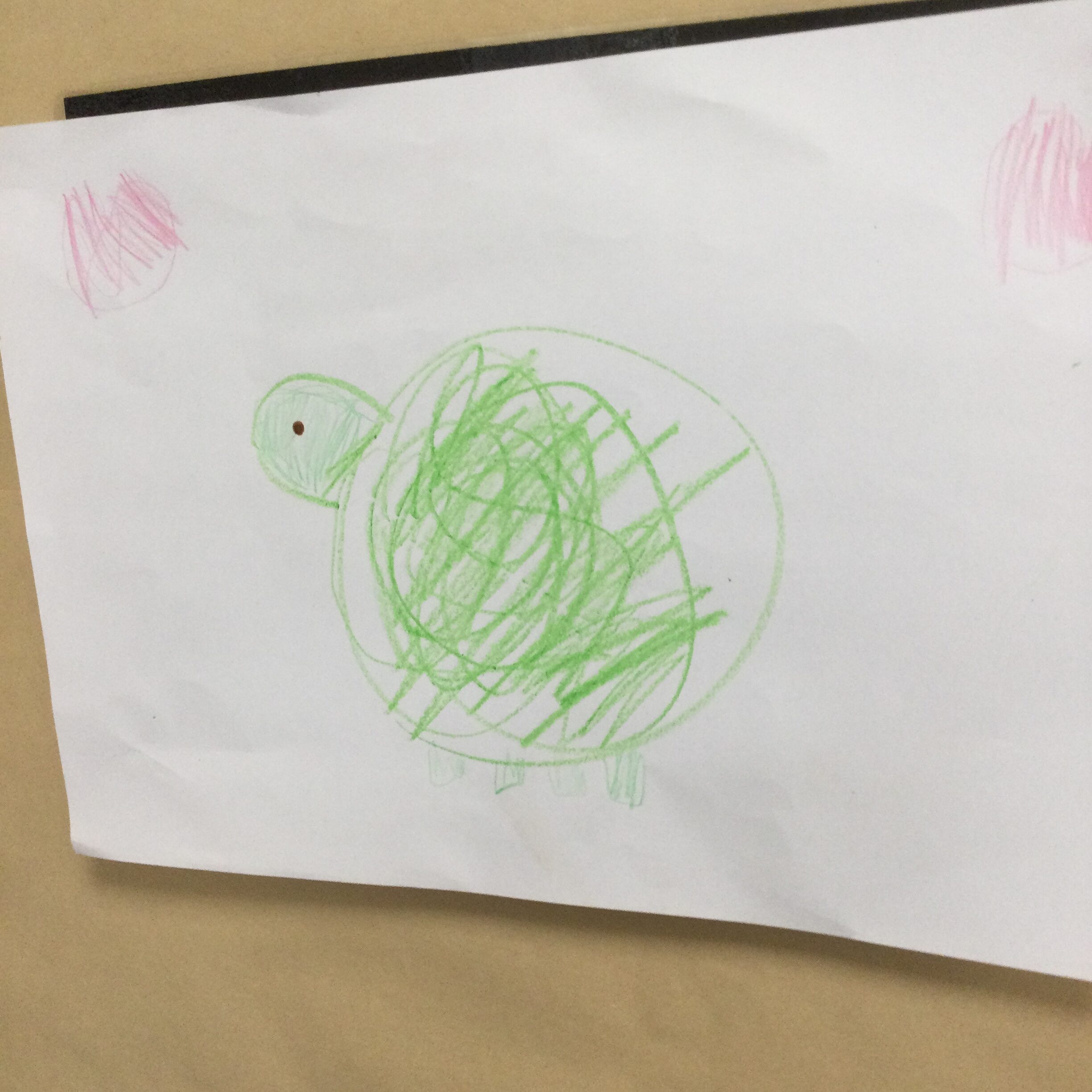
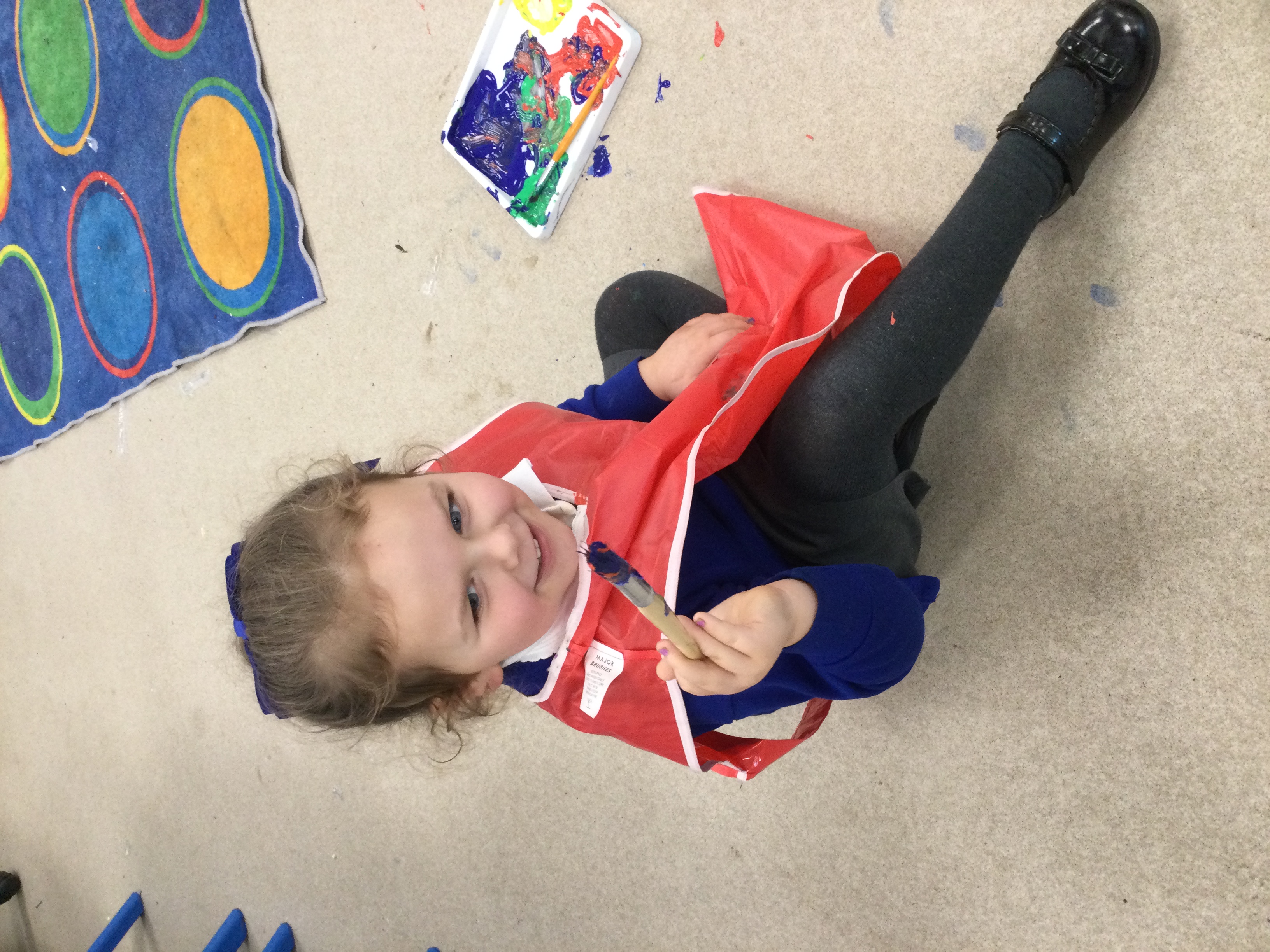
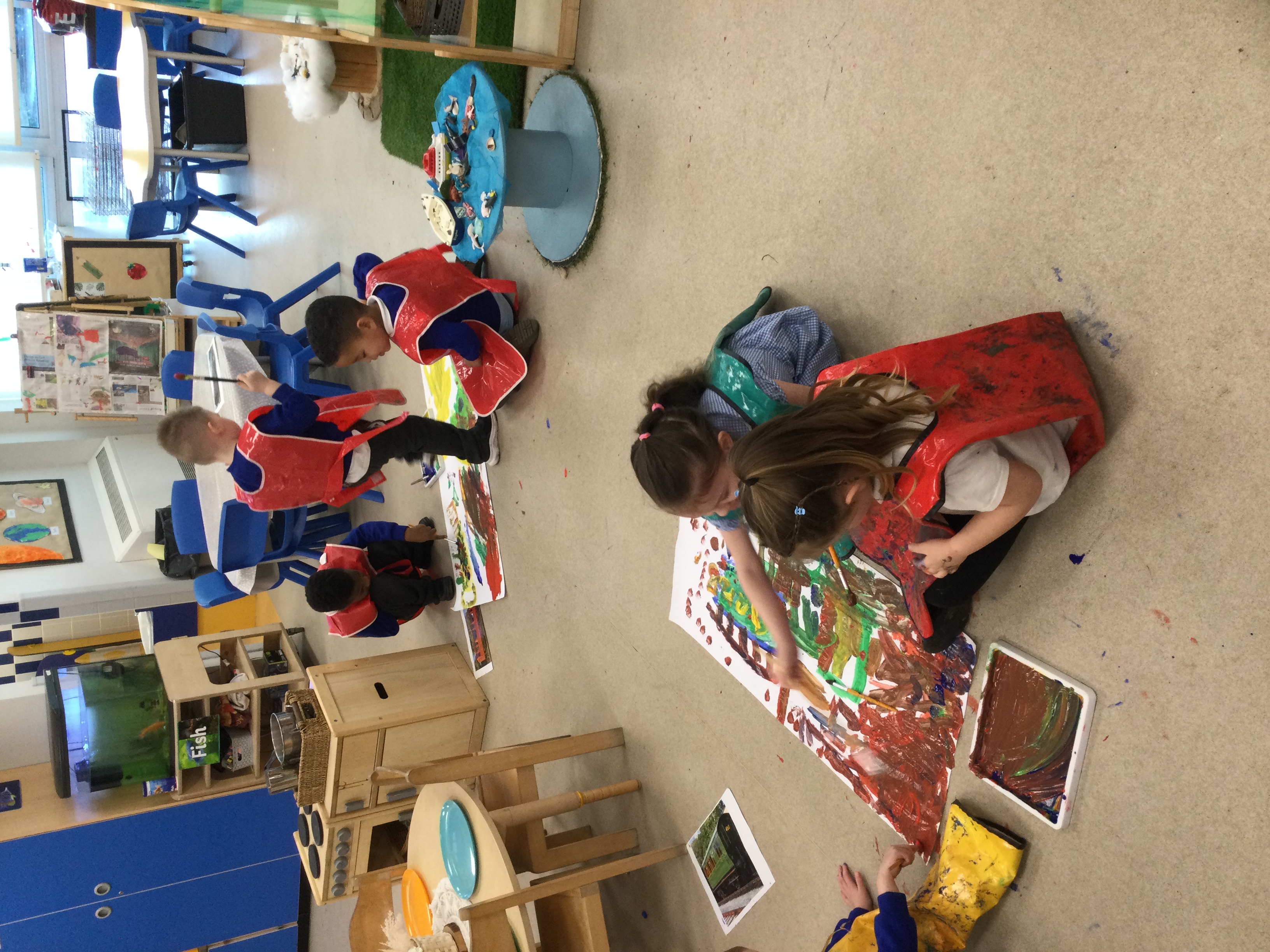
The children created some wonderful artwork of rabbits and turtles. This helped to develop their creativity, fine motor skills and confidence when using different art materials. It was lovely to see how carefully they worked and how much their art skills are improving.
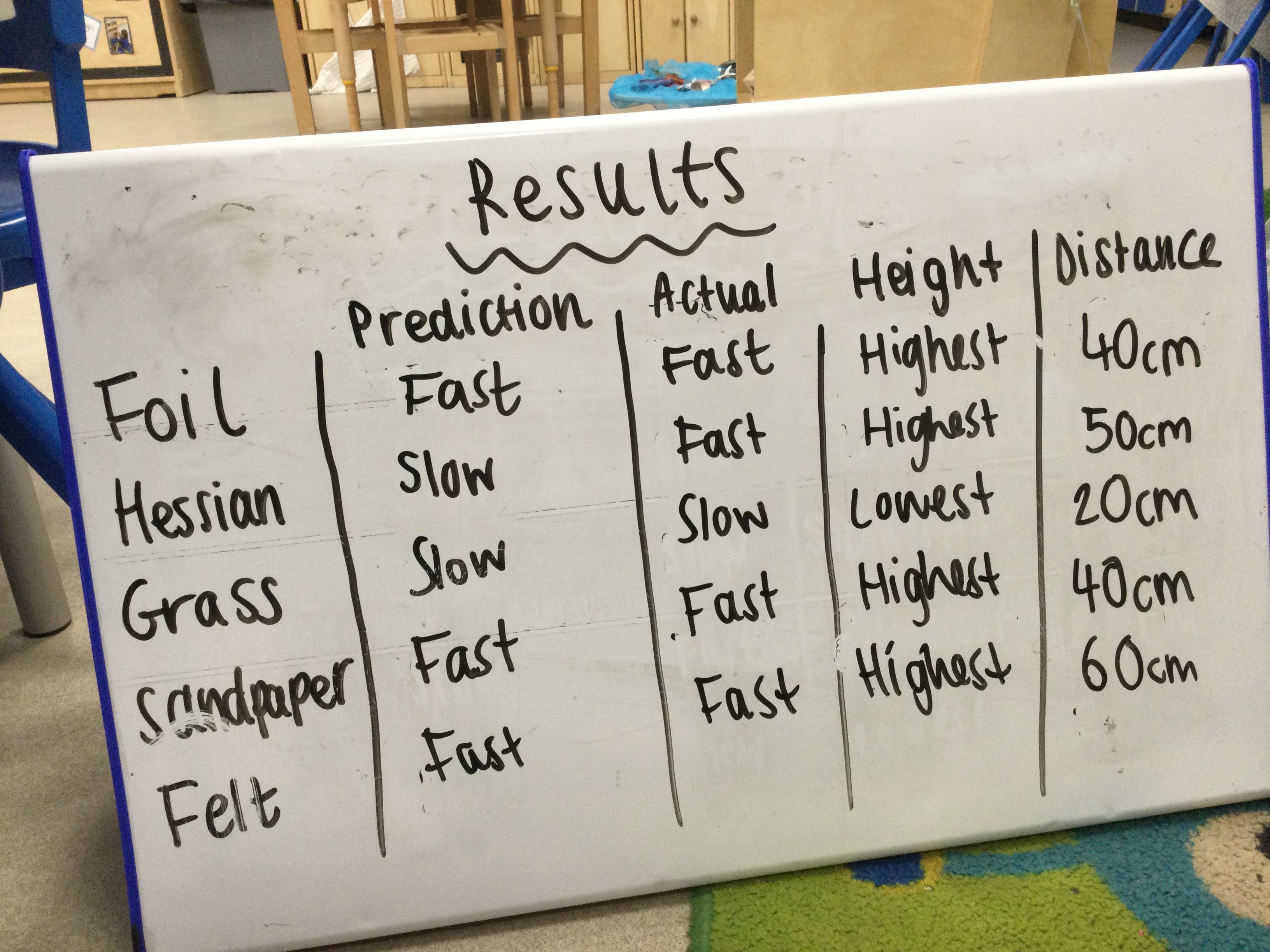
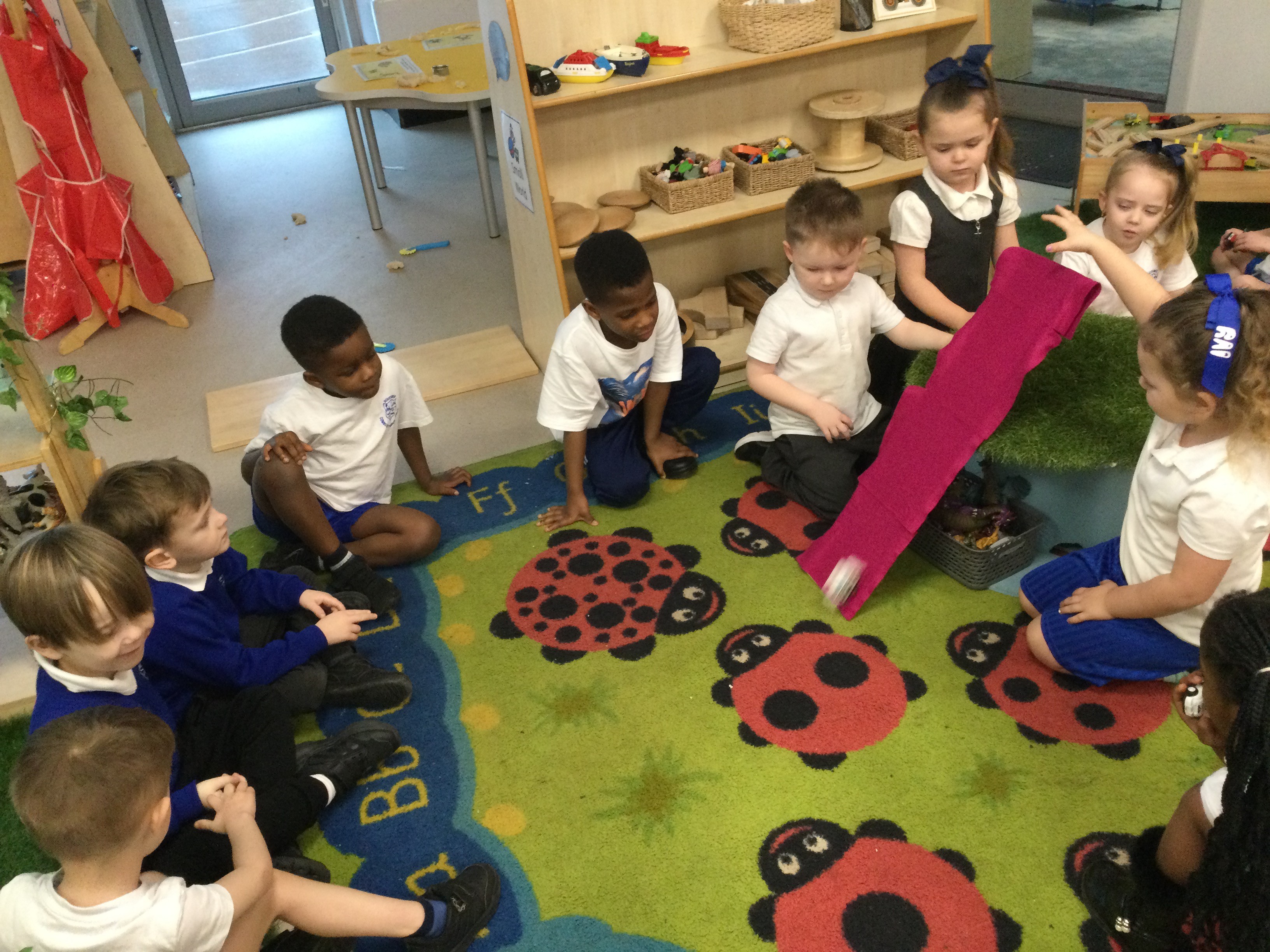
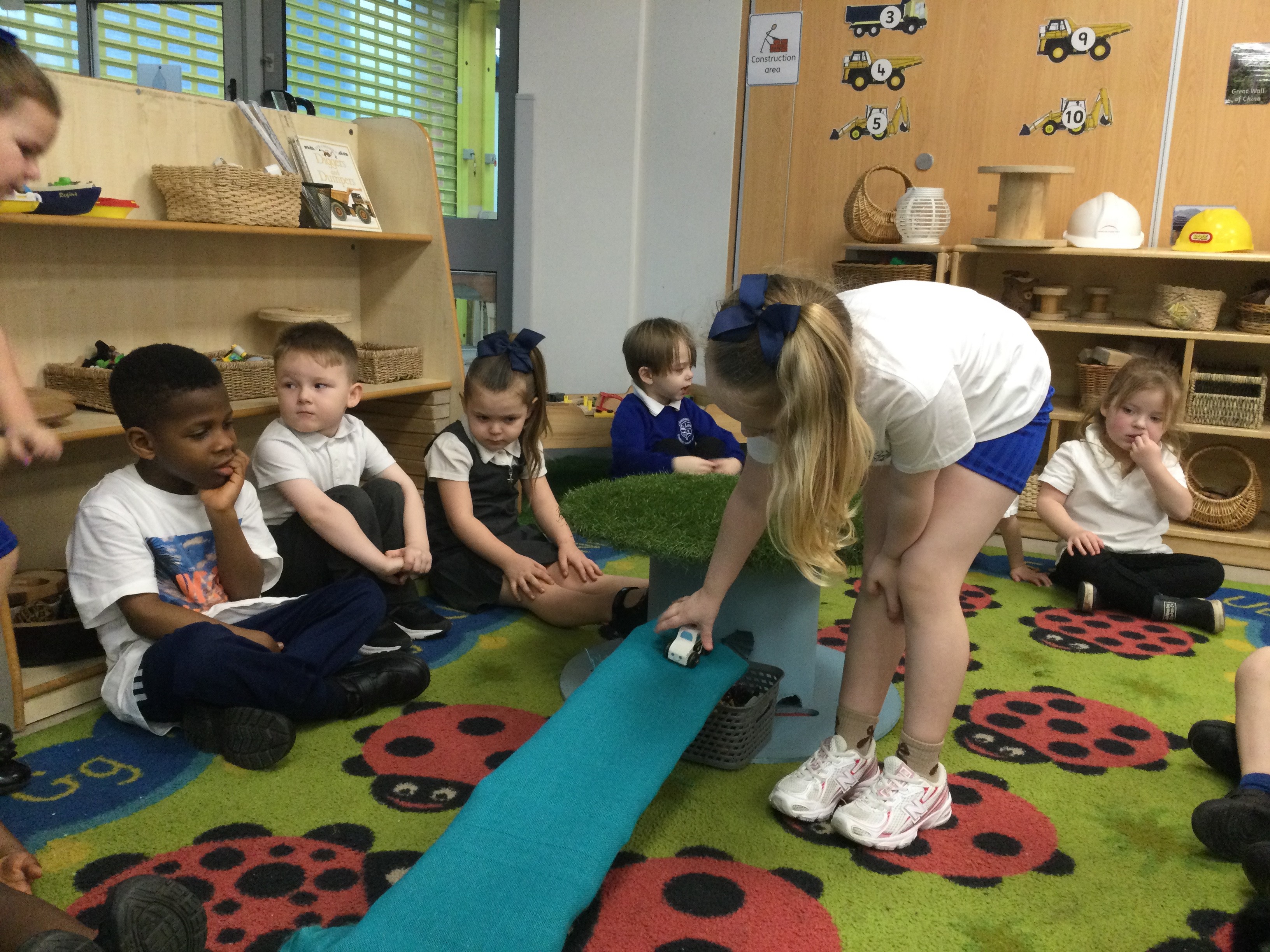
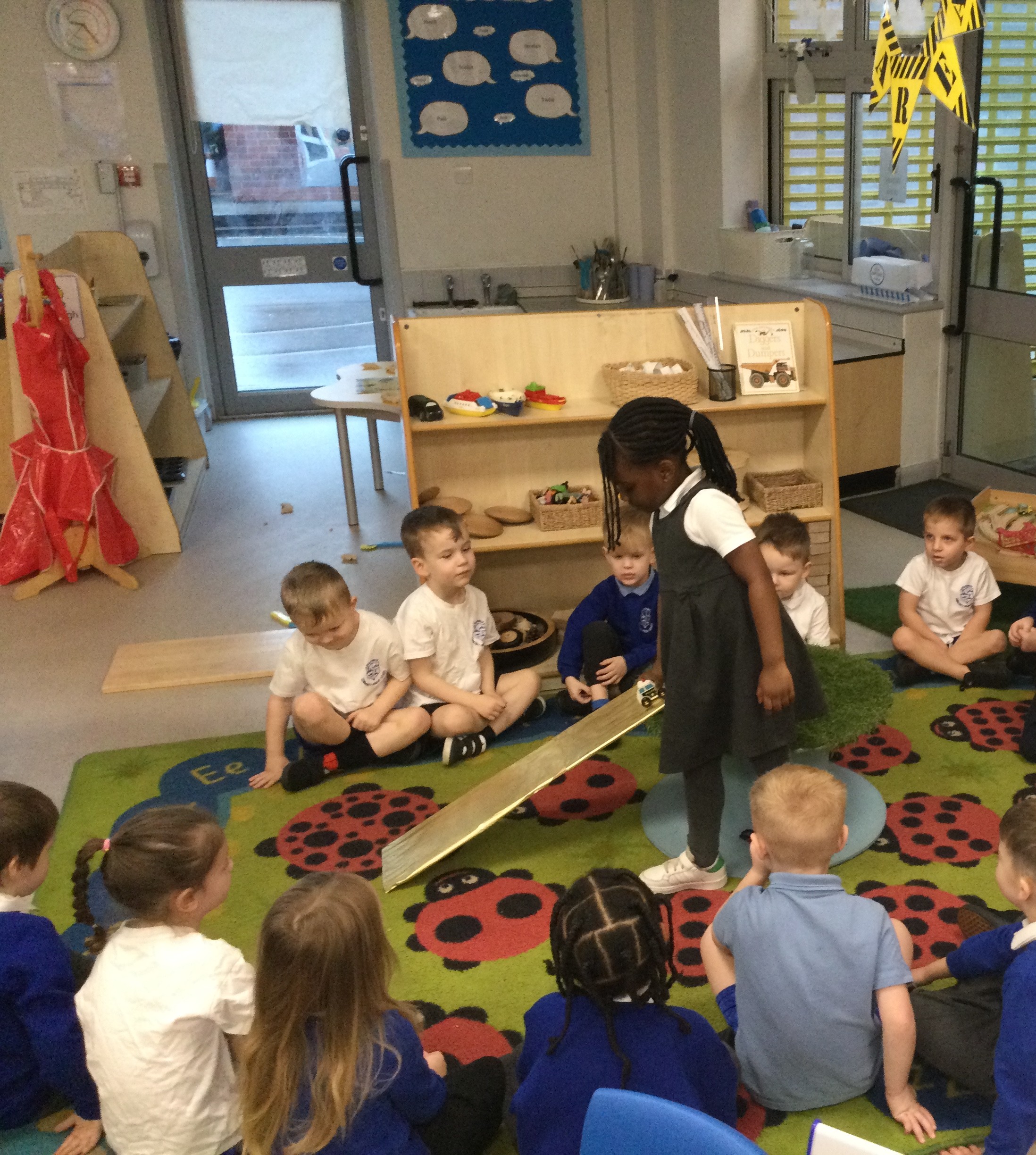
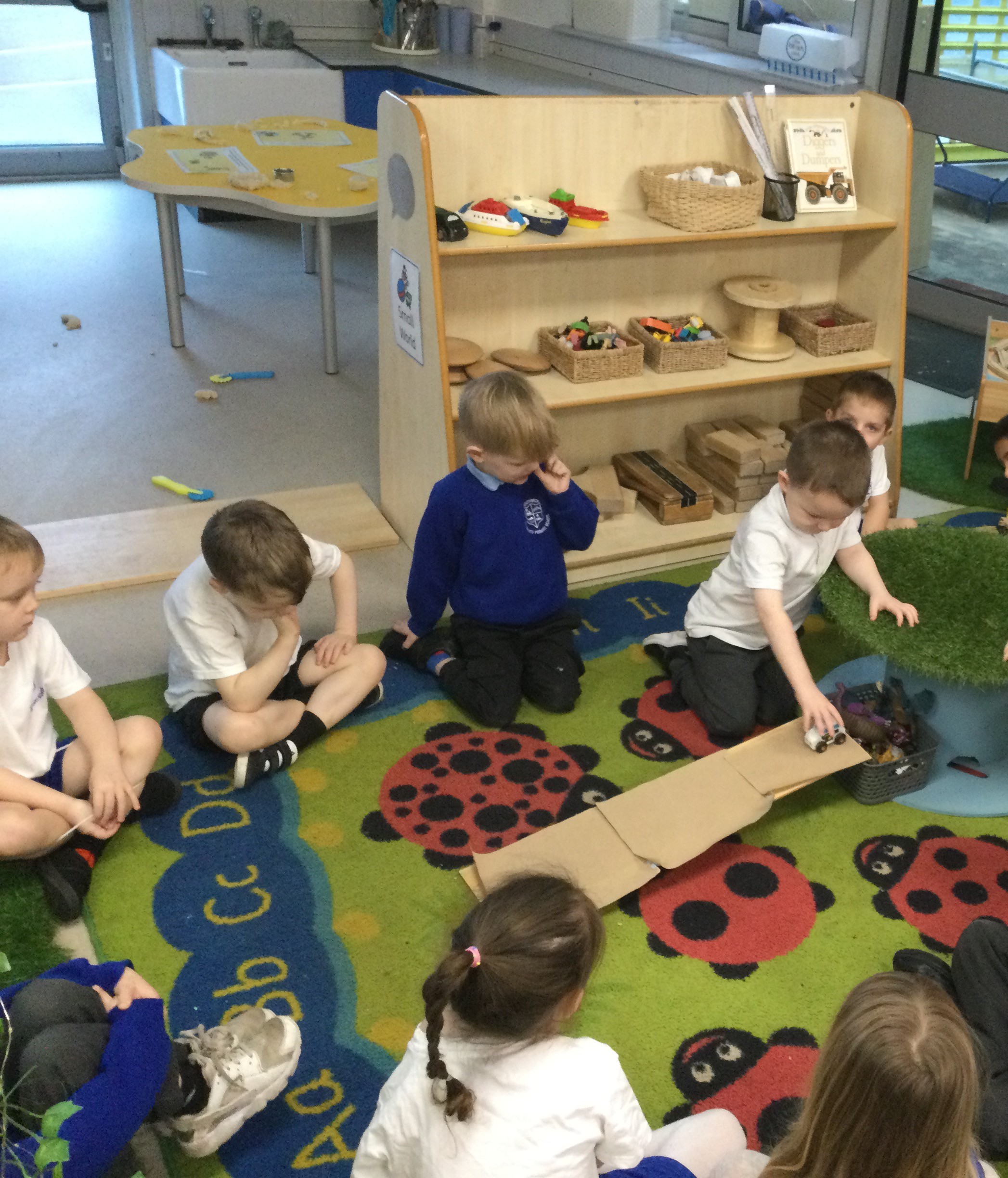
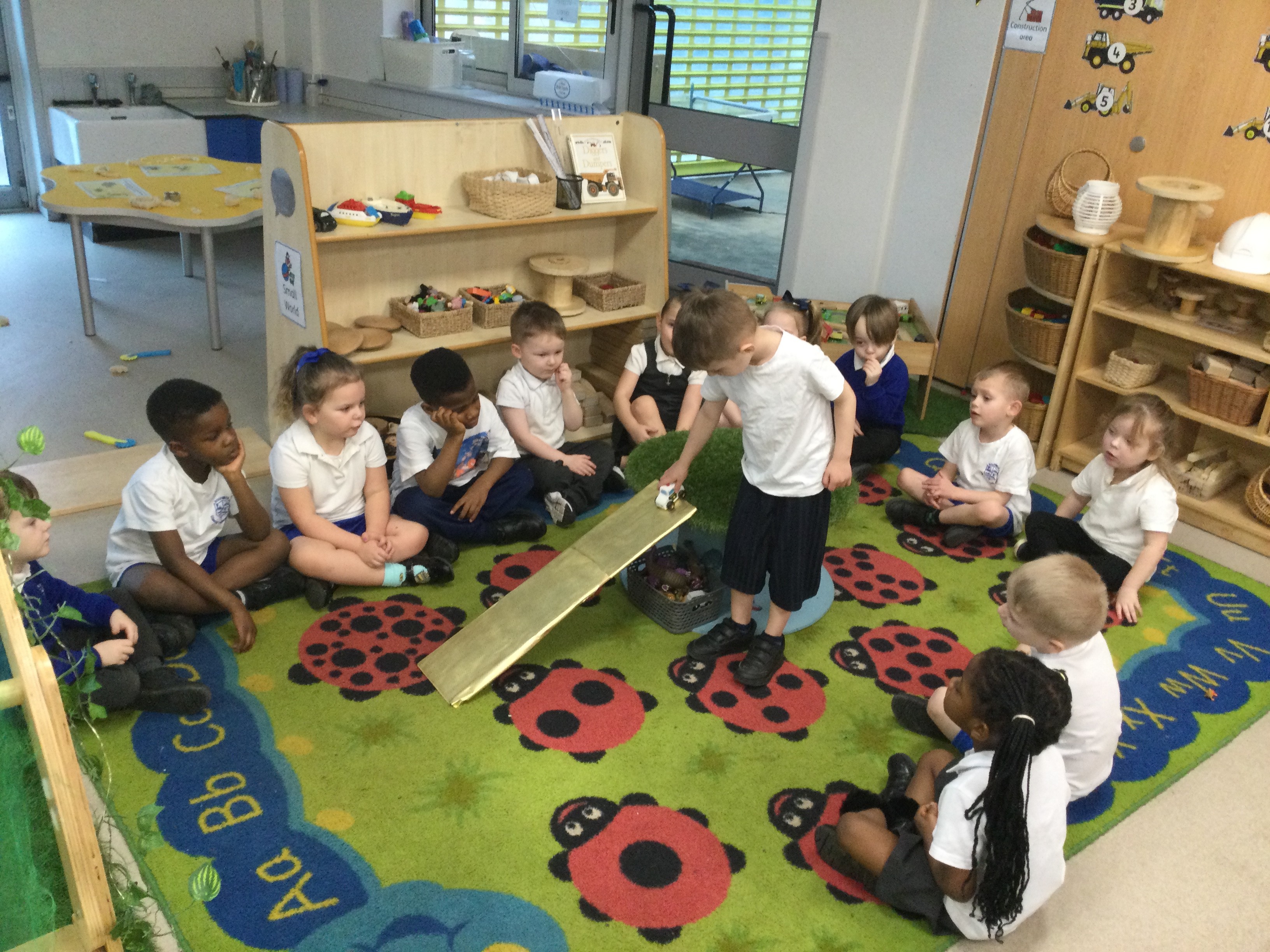
In science, the children took part in a hands-on enquiry by pushing cars down a ramp. They explored how speed can change and investigated what happens when cars travel on different surfaces. This activity supported their early scientific thinking, as the children made predictions, observed results and talked about what they noticed.
In RE, we have been learning that everyone is special and unique. We were very lucky to welcome two babies into Reception. The children learned about how babies are welcomed into the world, what they need to grow, and how families and friends show care and love. This supported the children’s personal, social and emotional development. The children showed kindness by making thank you cards for the babies.
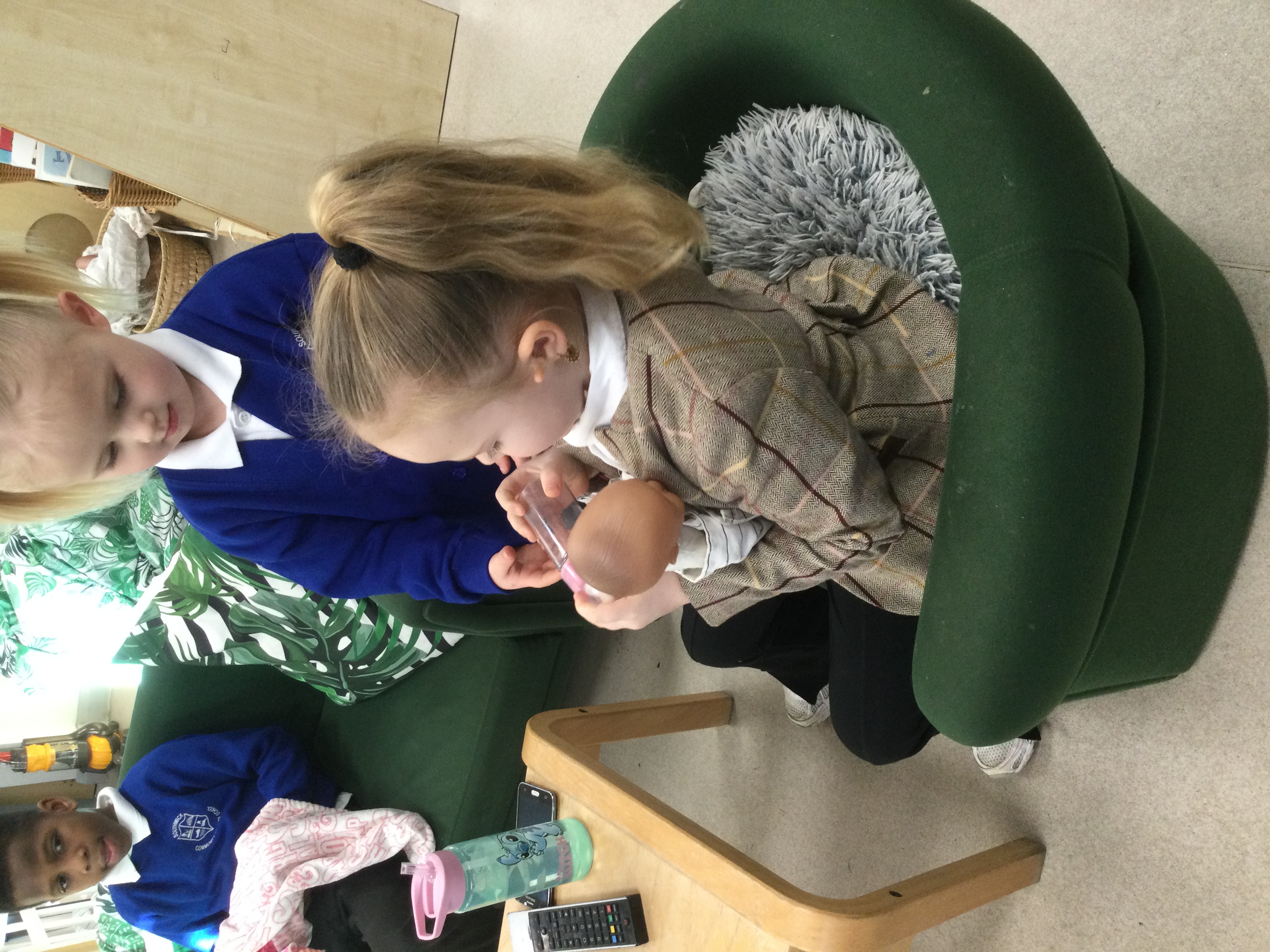
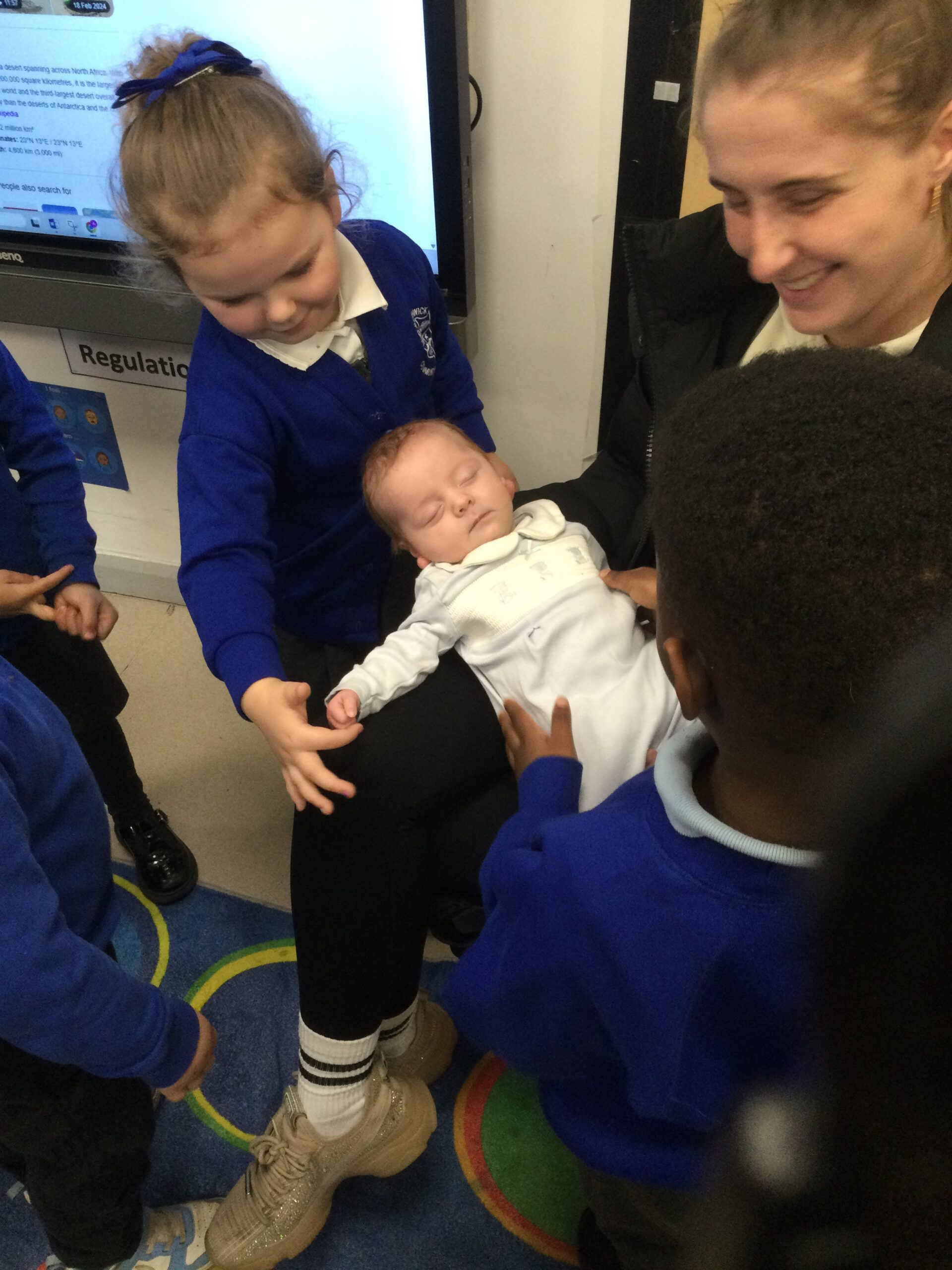
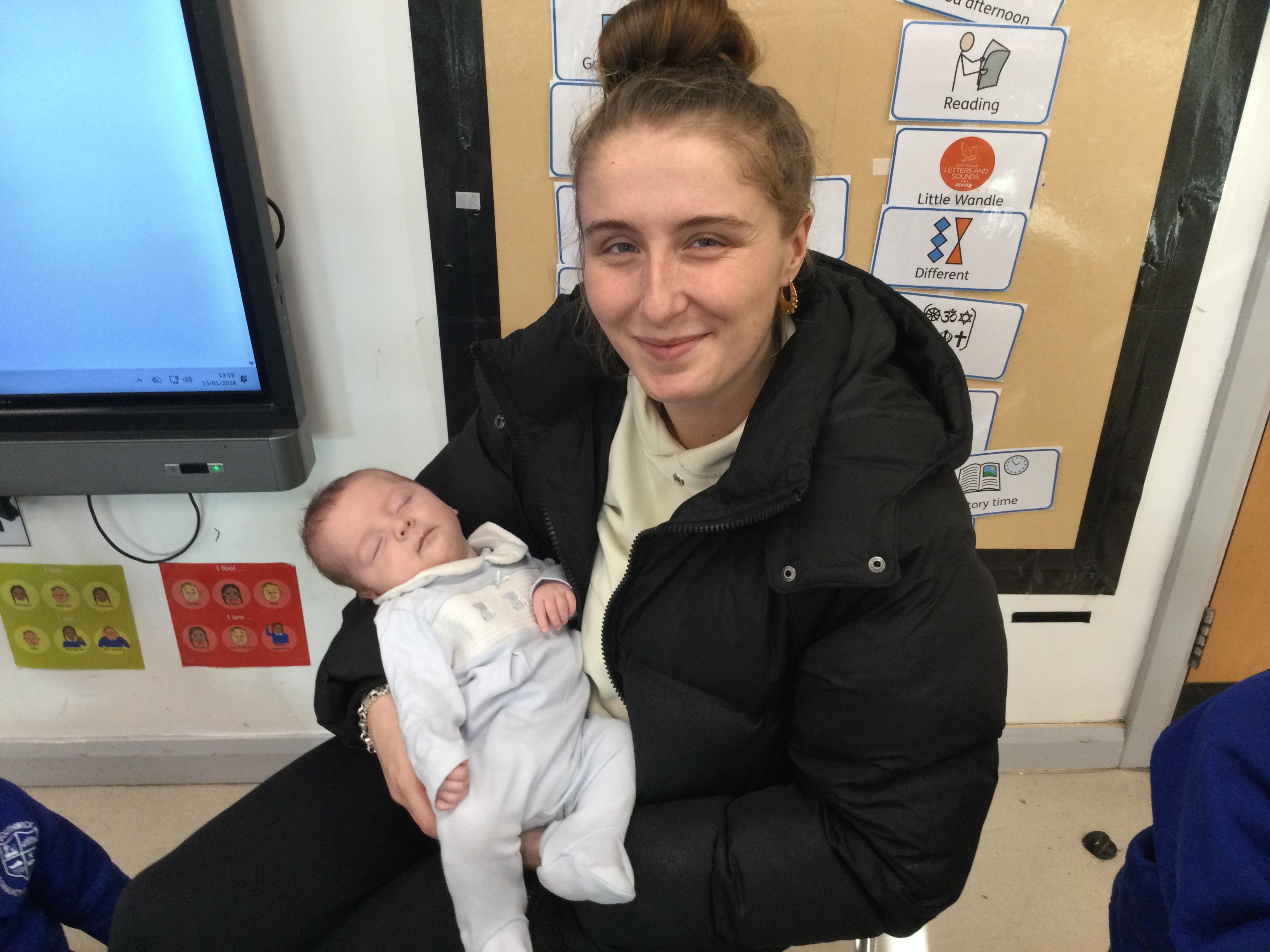
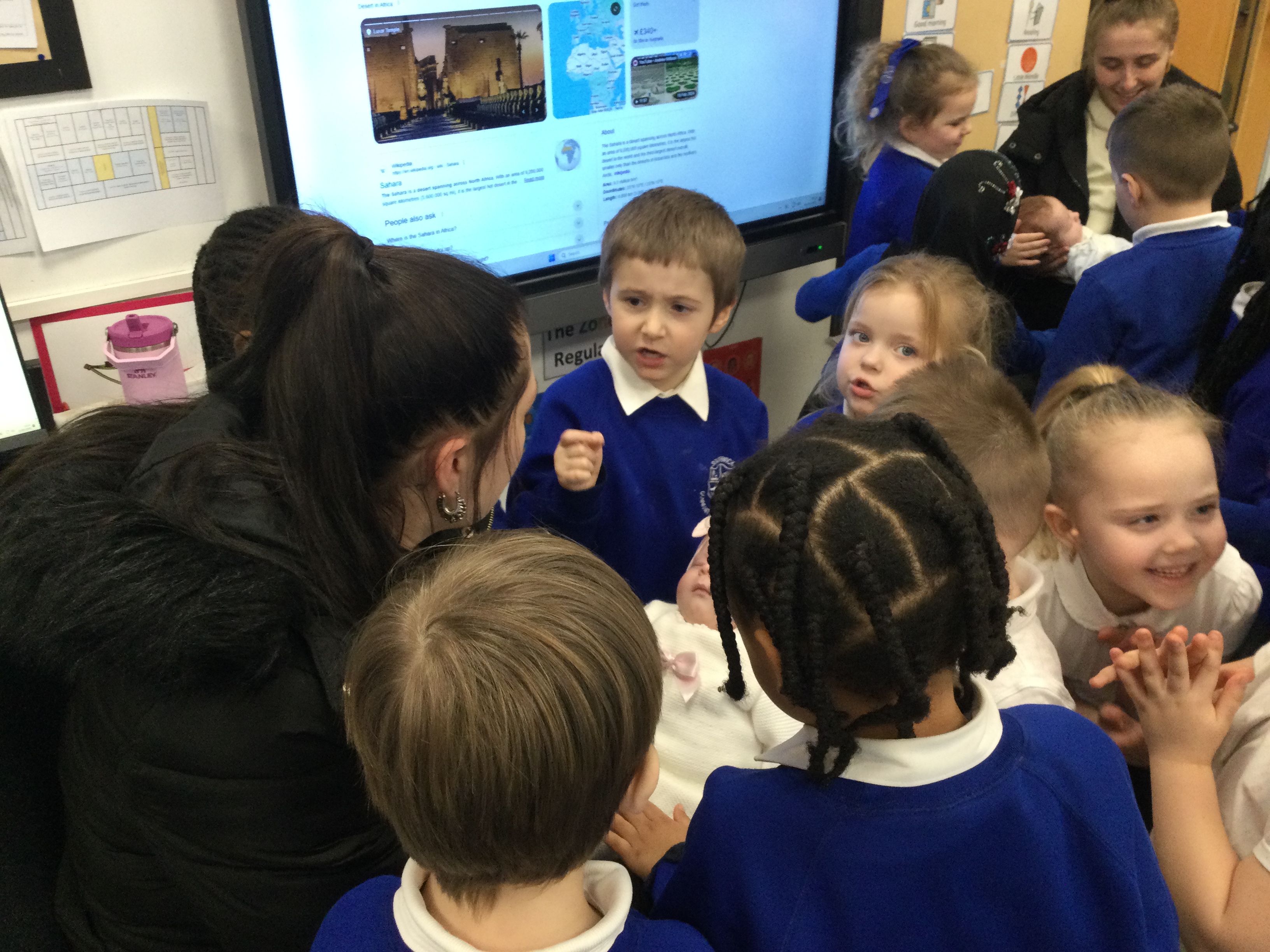
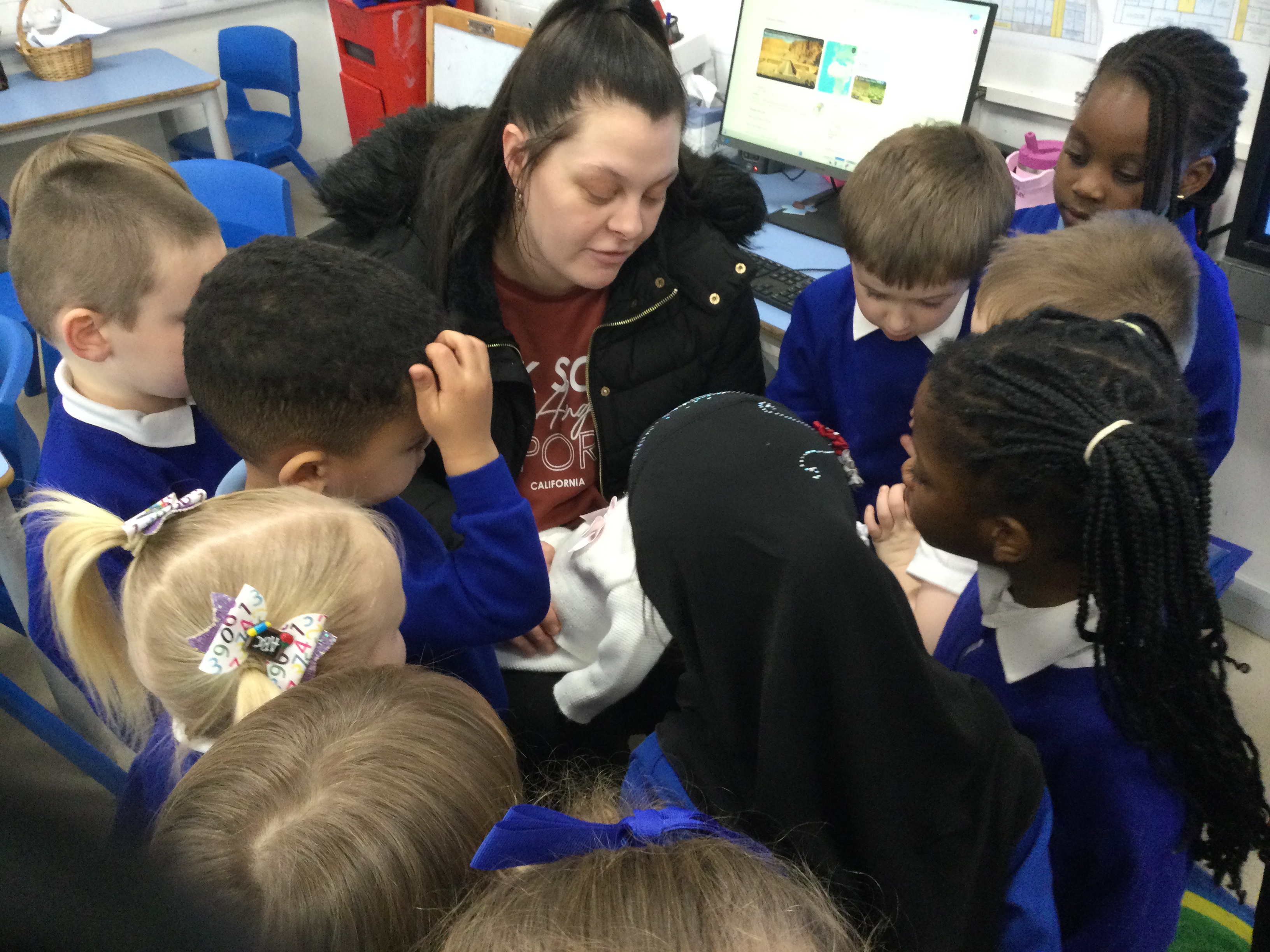
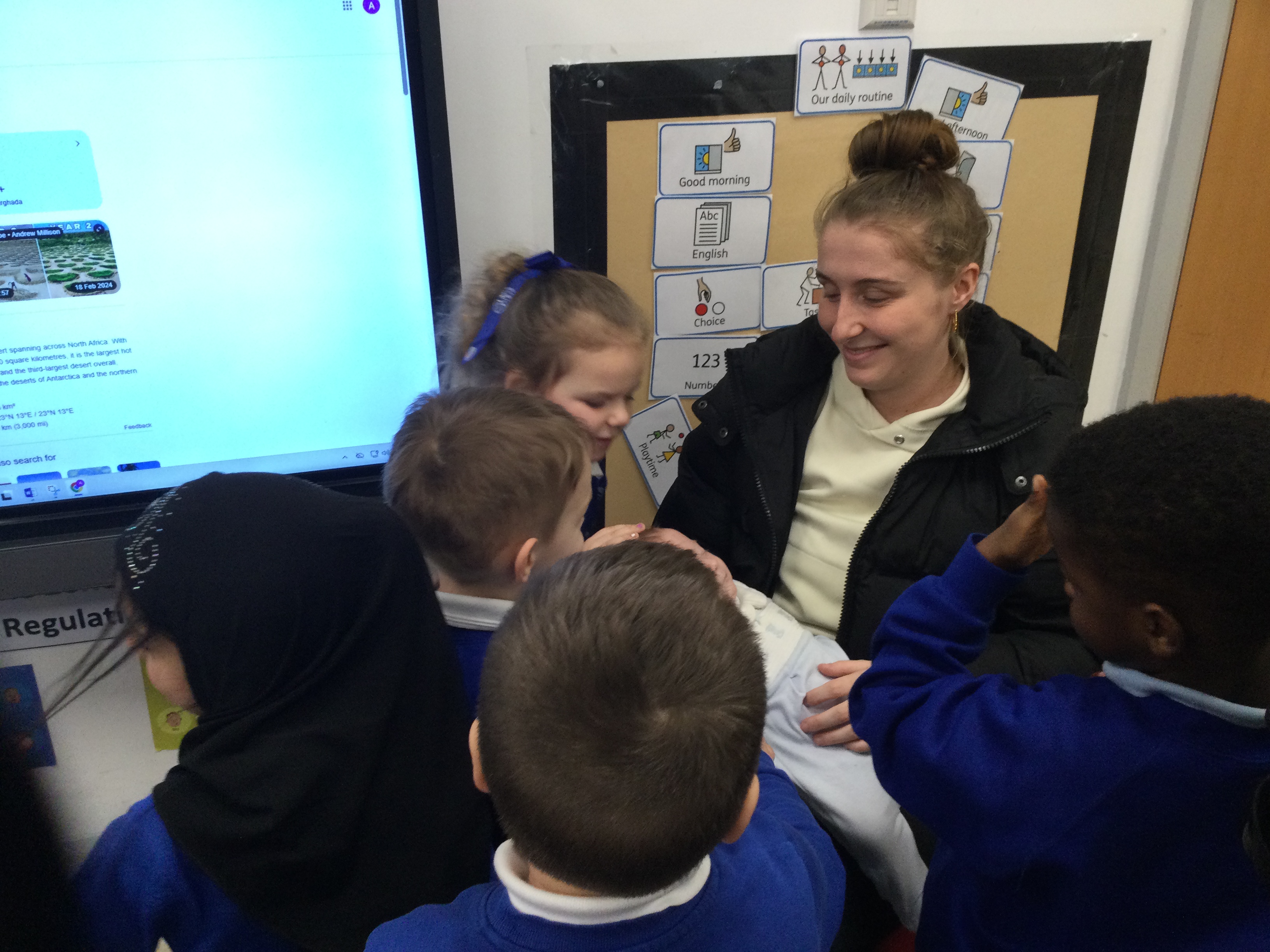
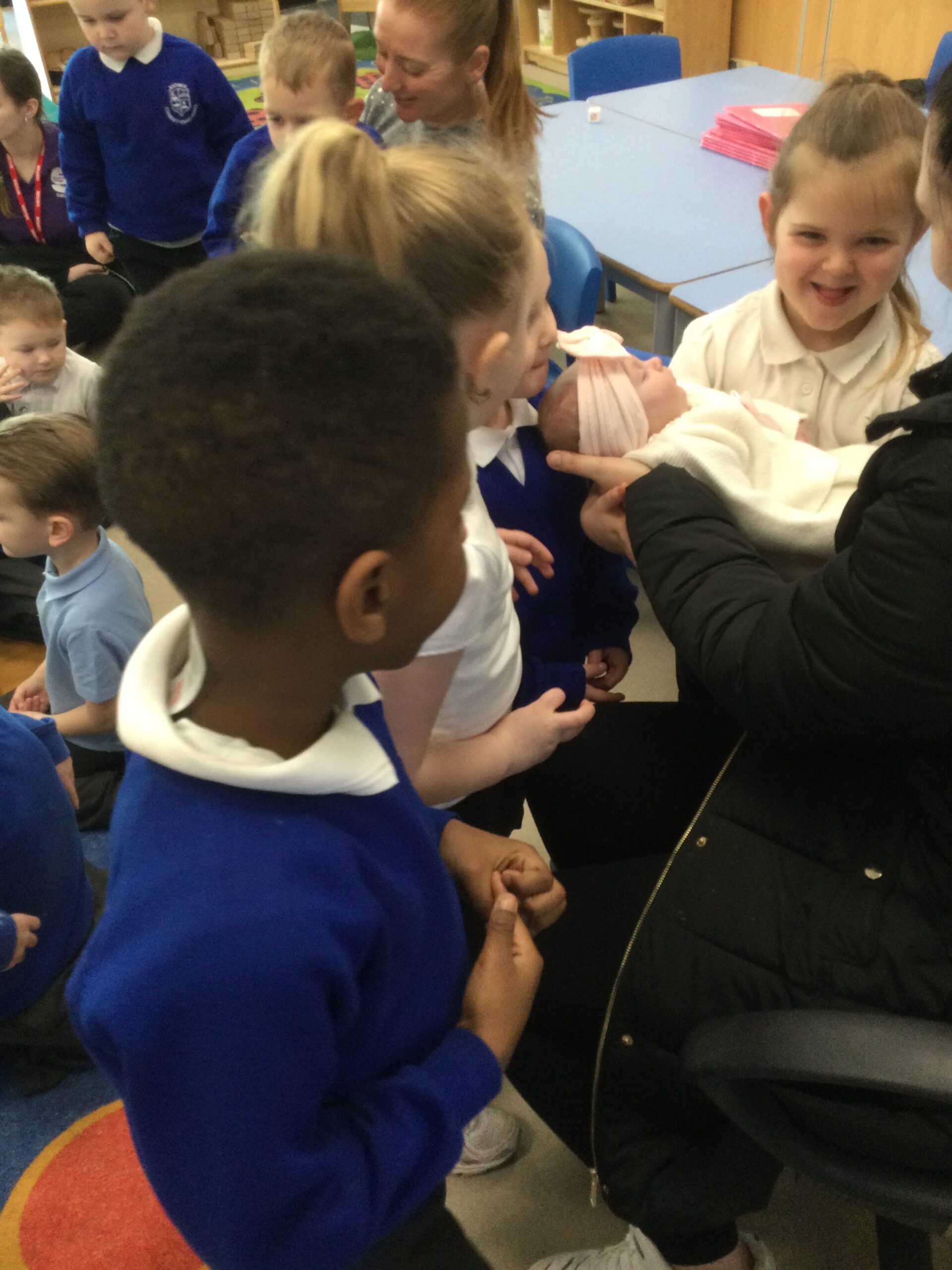
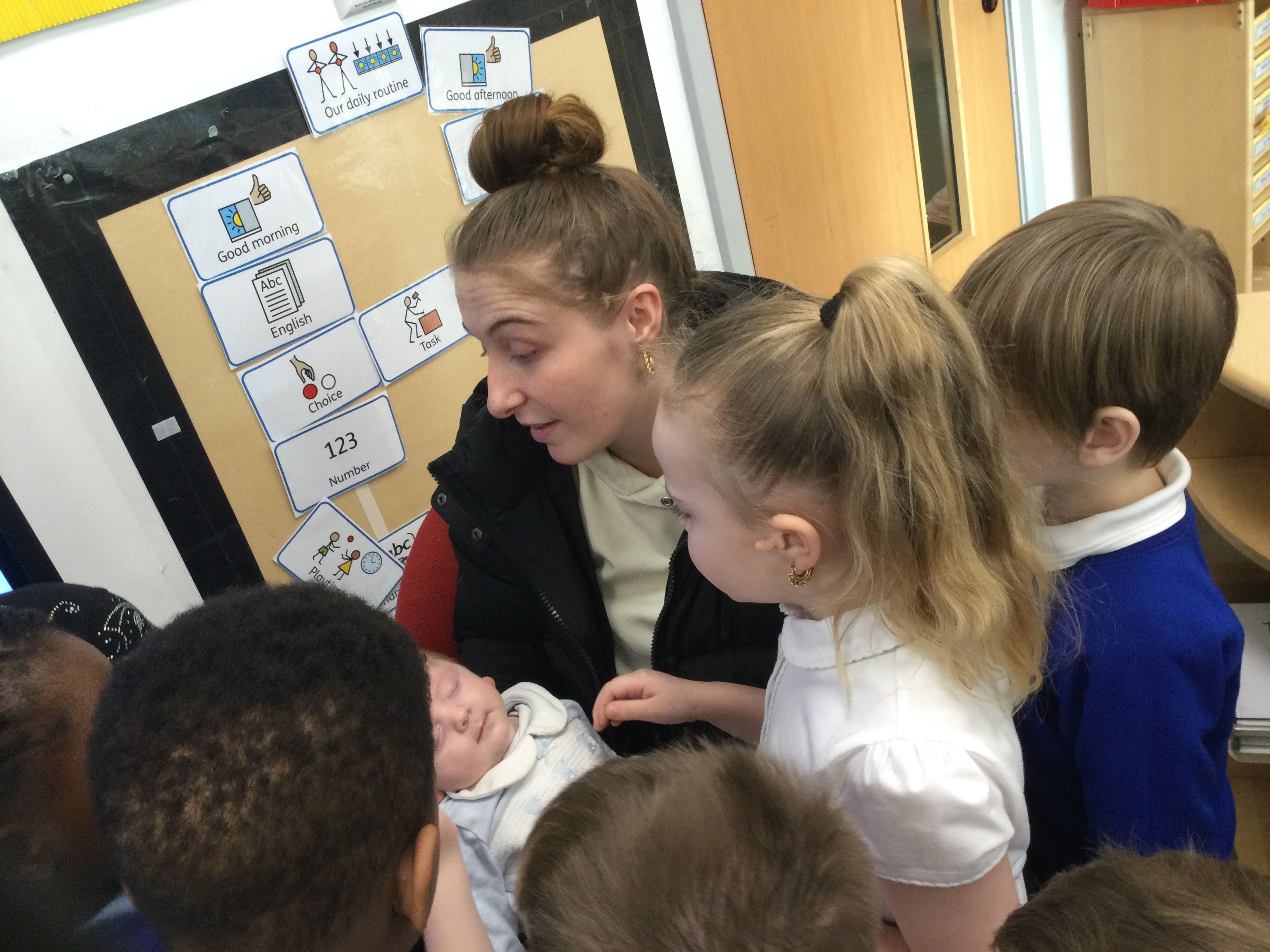
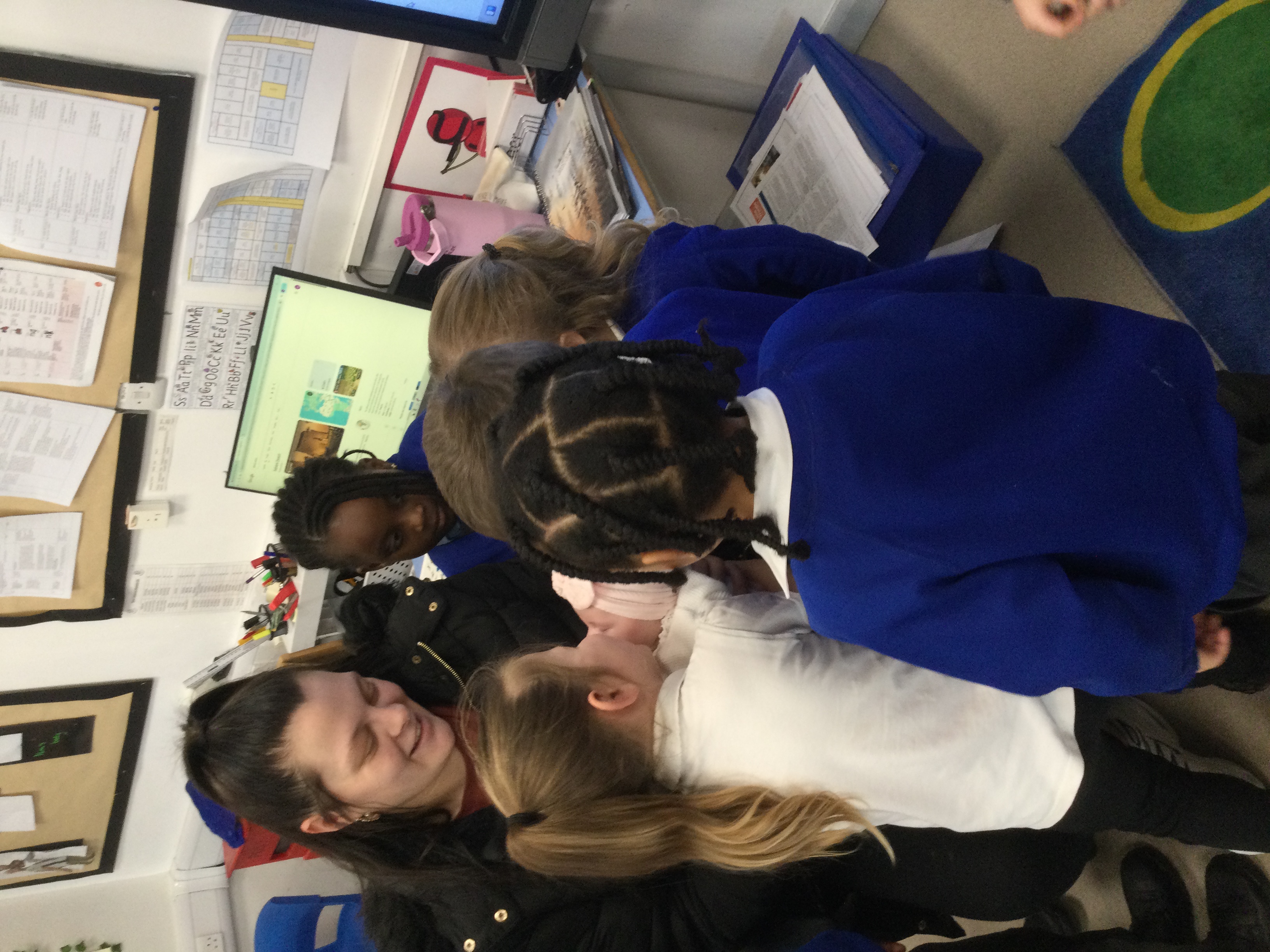
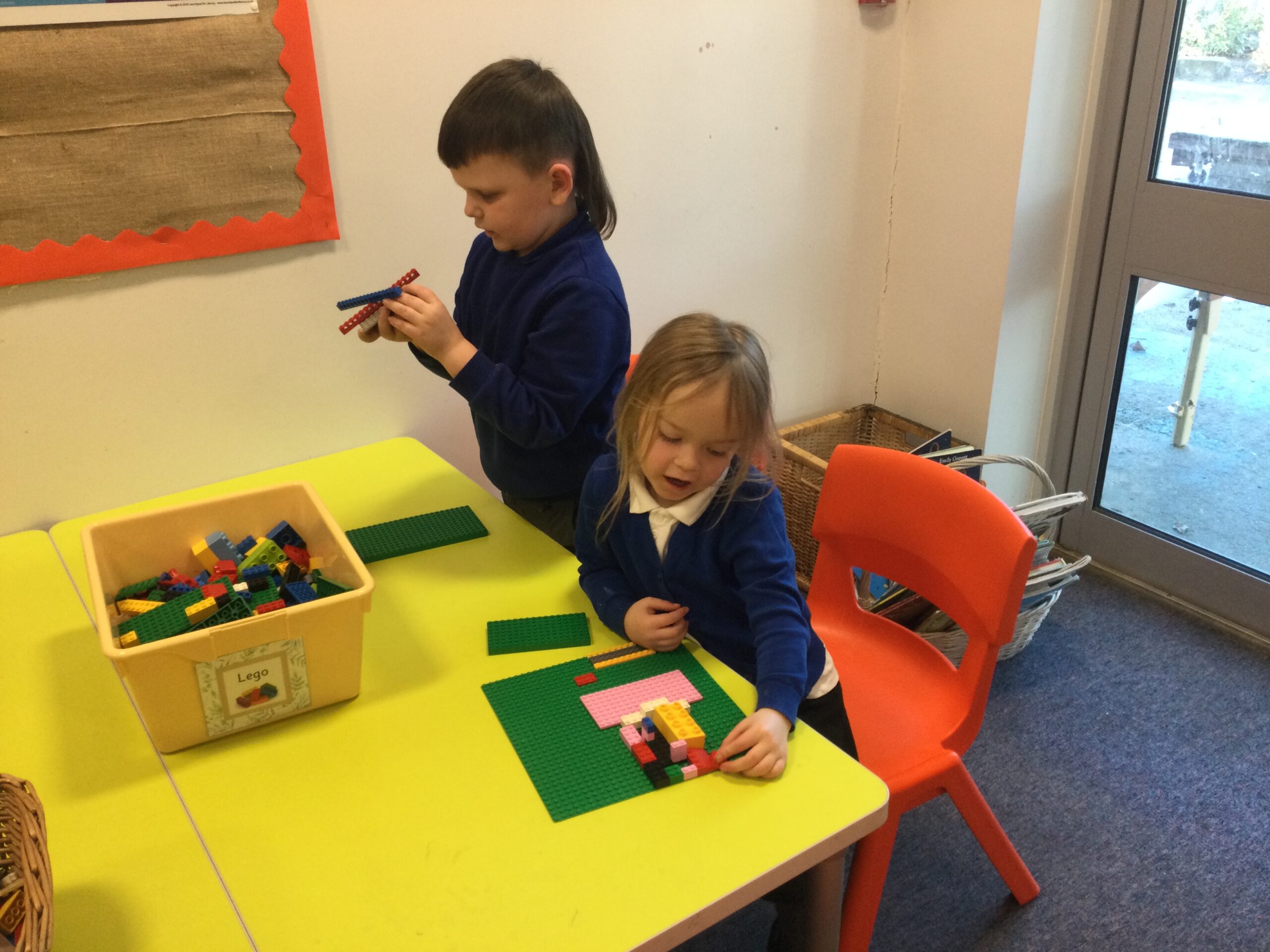
We ended the week with our first enrichment afternoon. We had so much fun!
Week 3: Vehicles with Wheels
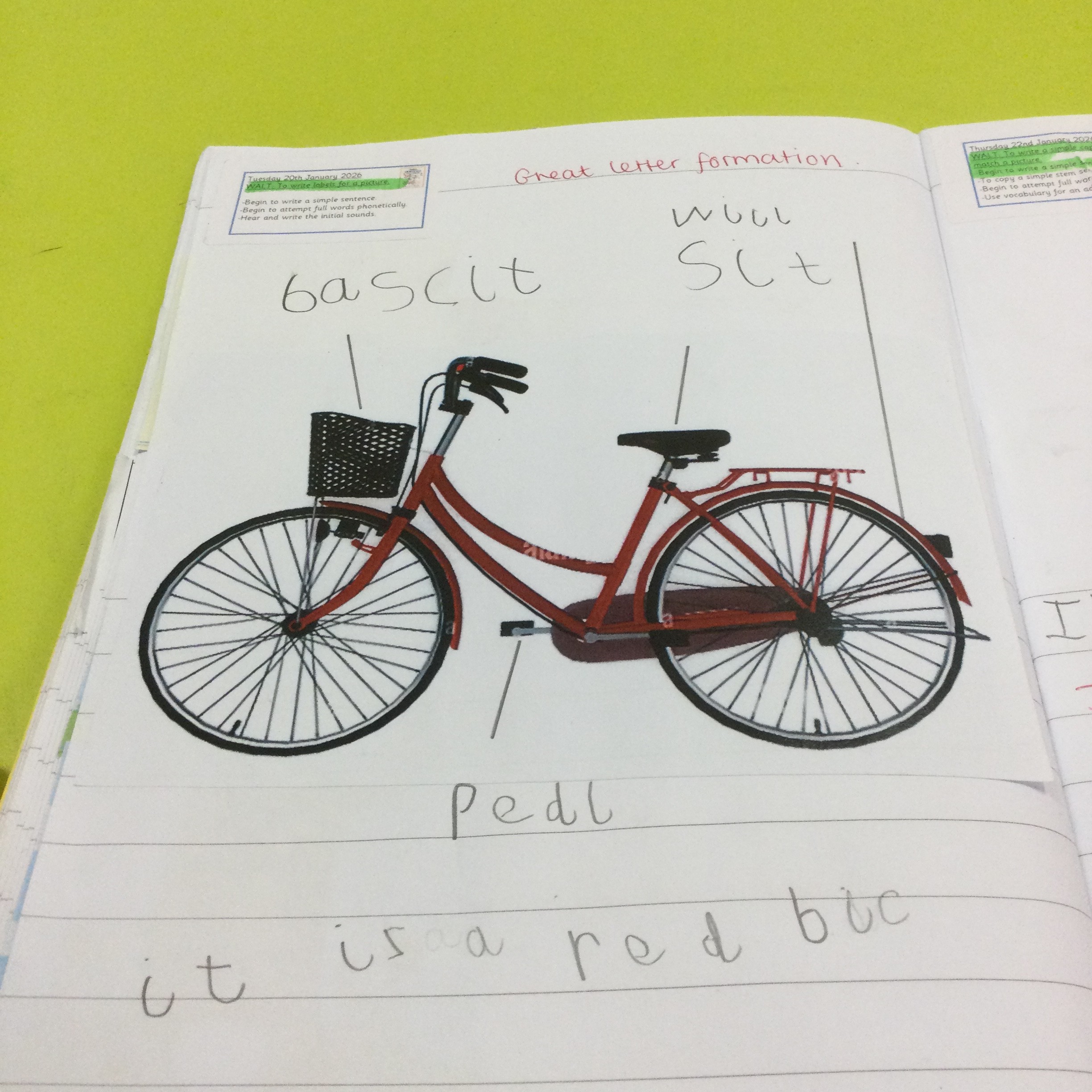
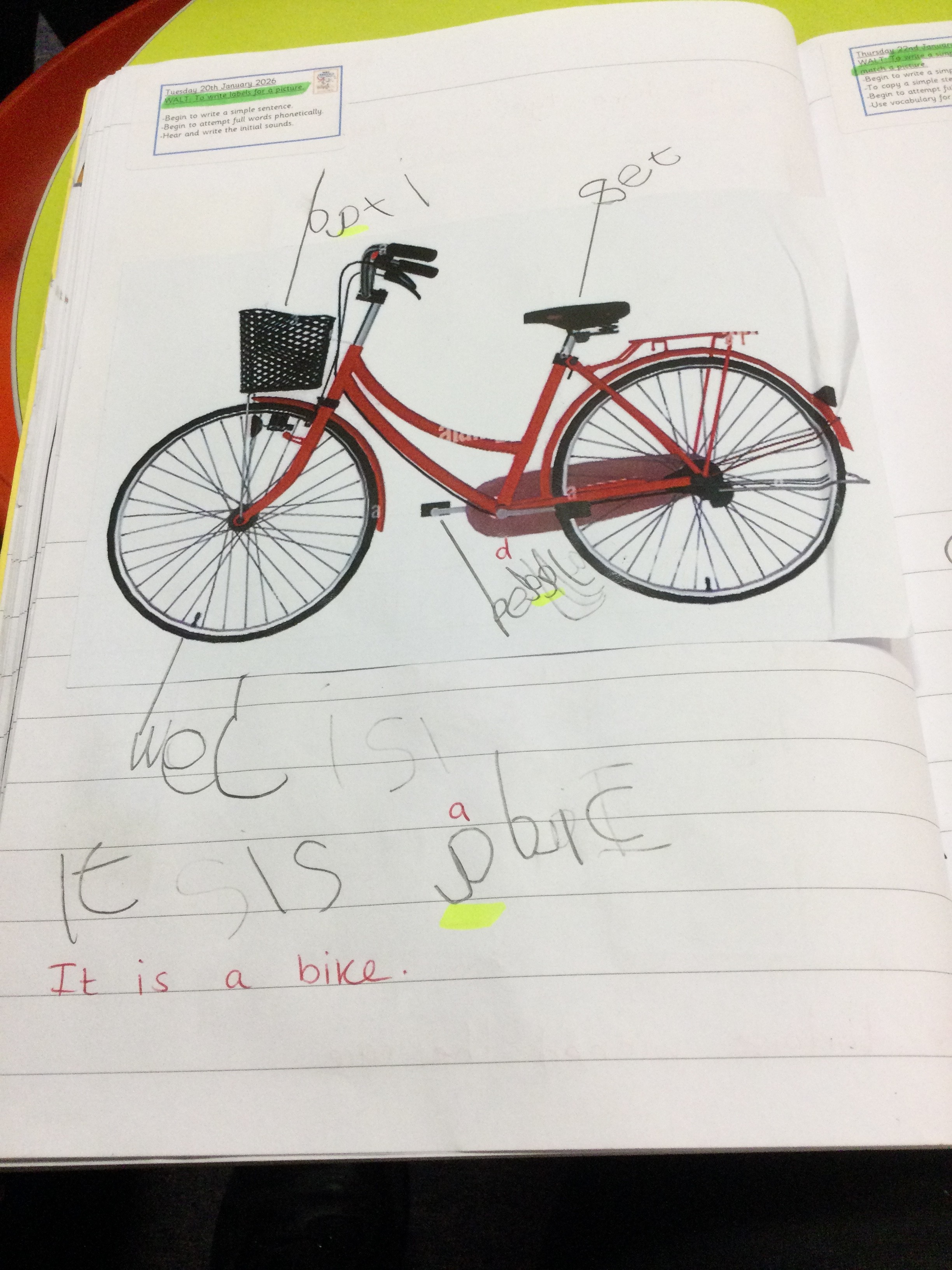
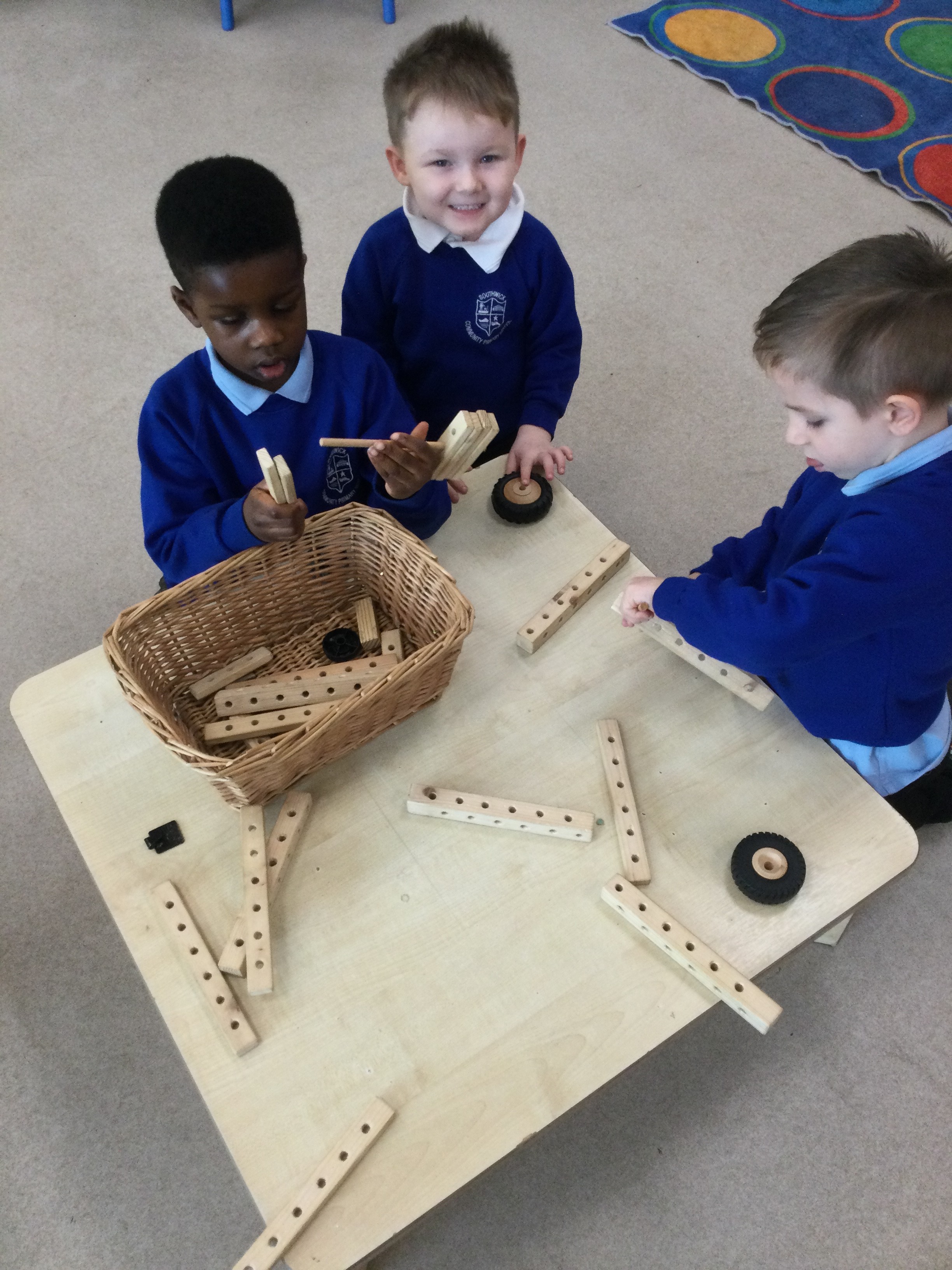
This week, our enquiry “How Does It Move?” focused on vehicles with wheels and how wheels help things to move. We read the story Mrs Armitage on Wheels and talked about the different parts of a bike. The children labelled the parts and shared ideas about new items they could add.
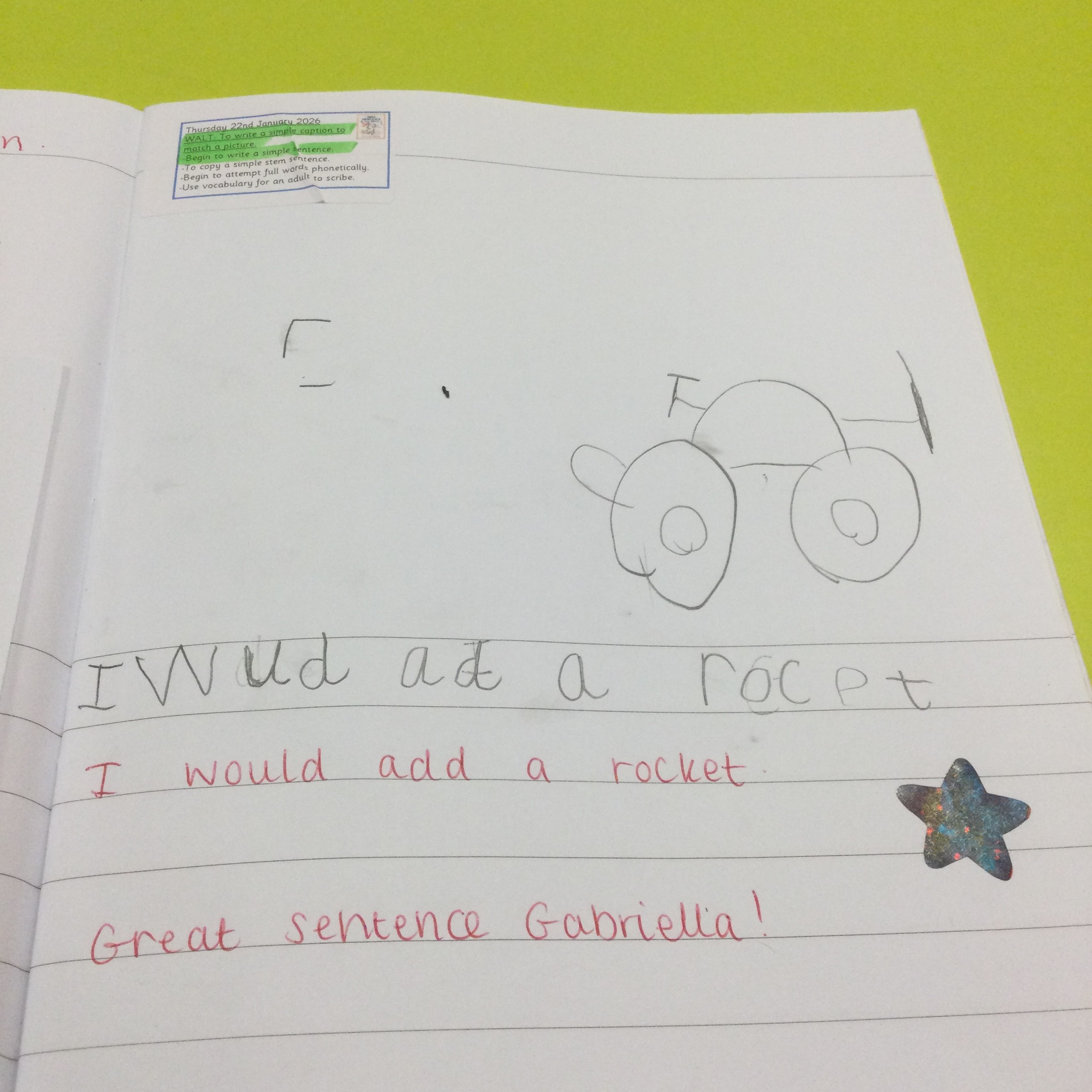
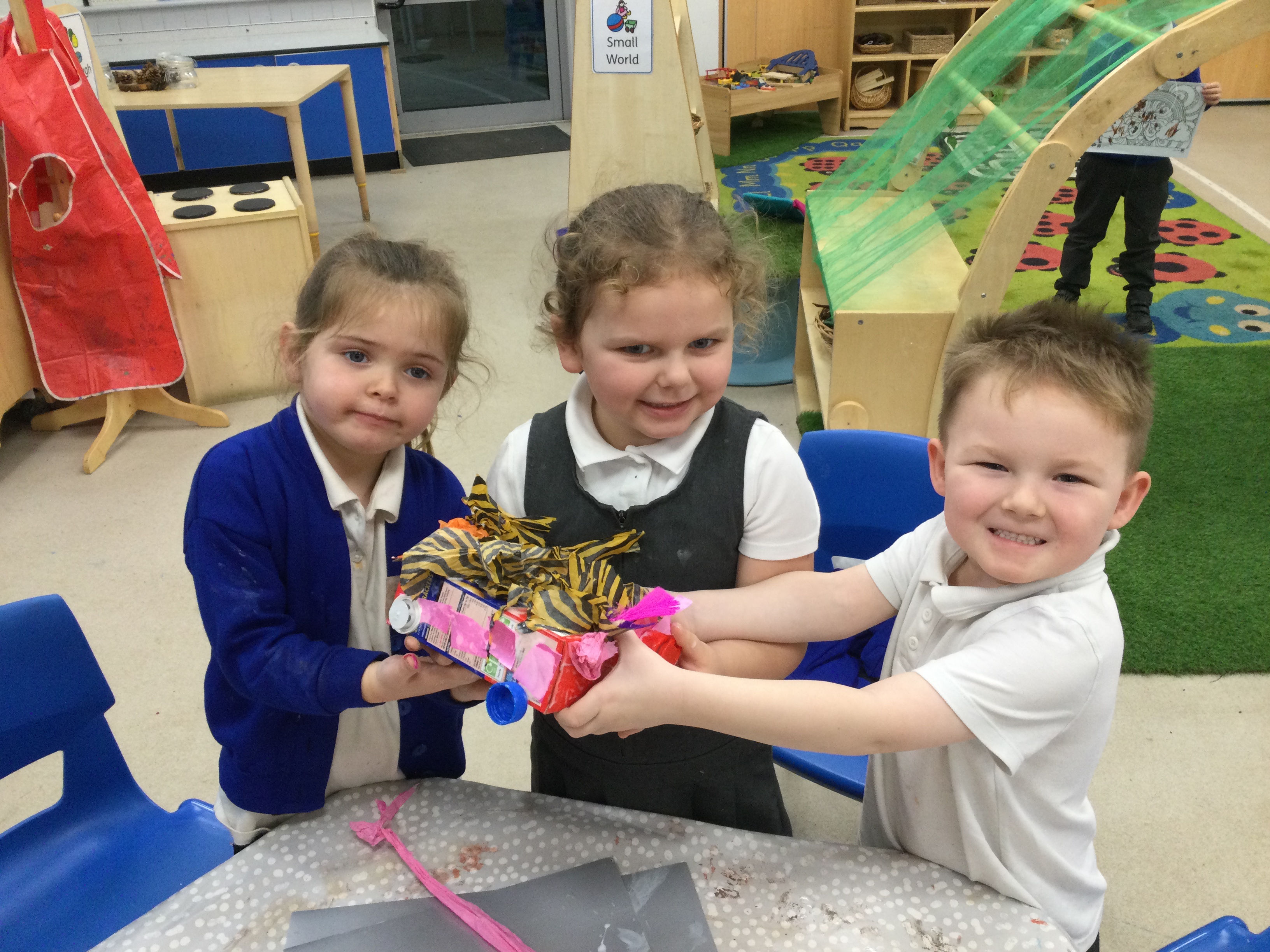
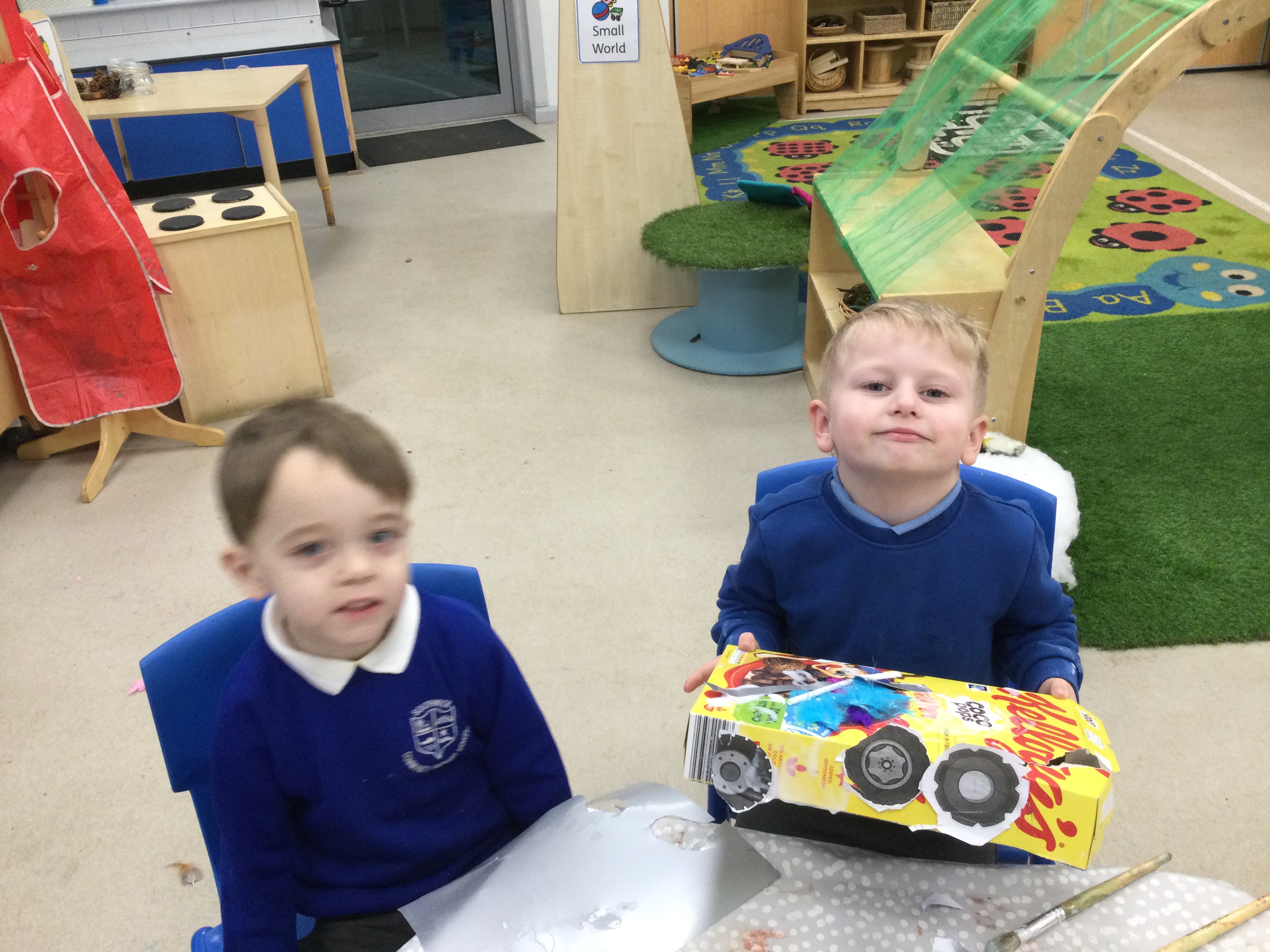
They then designed and created their own vehicles, using their imagination and creativity.
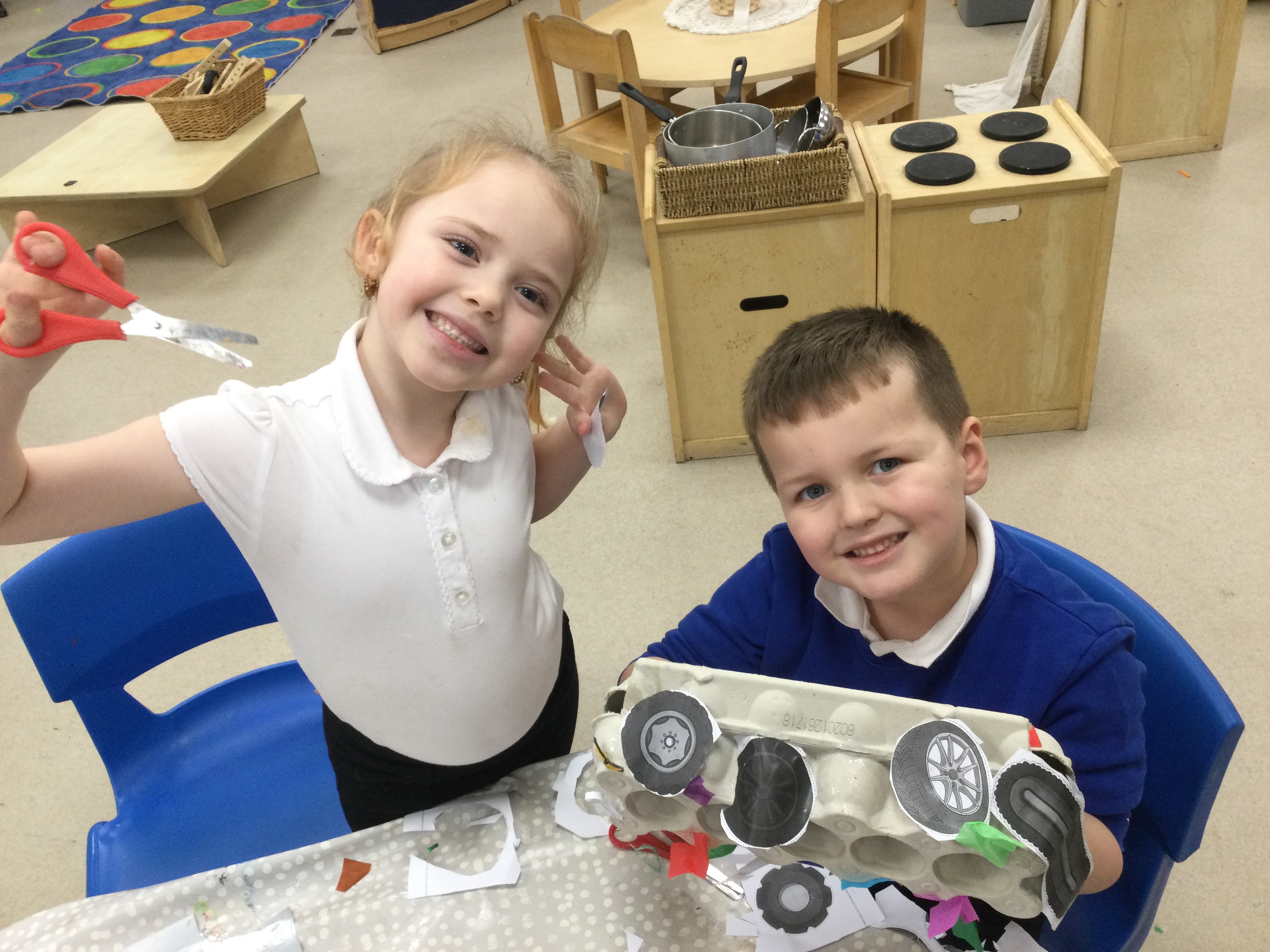
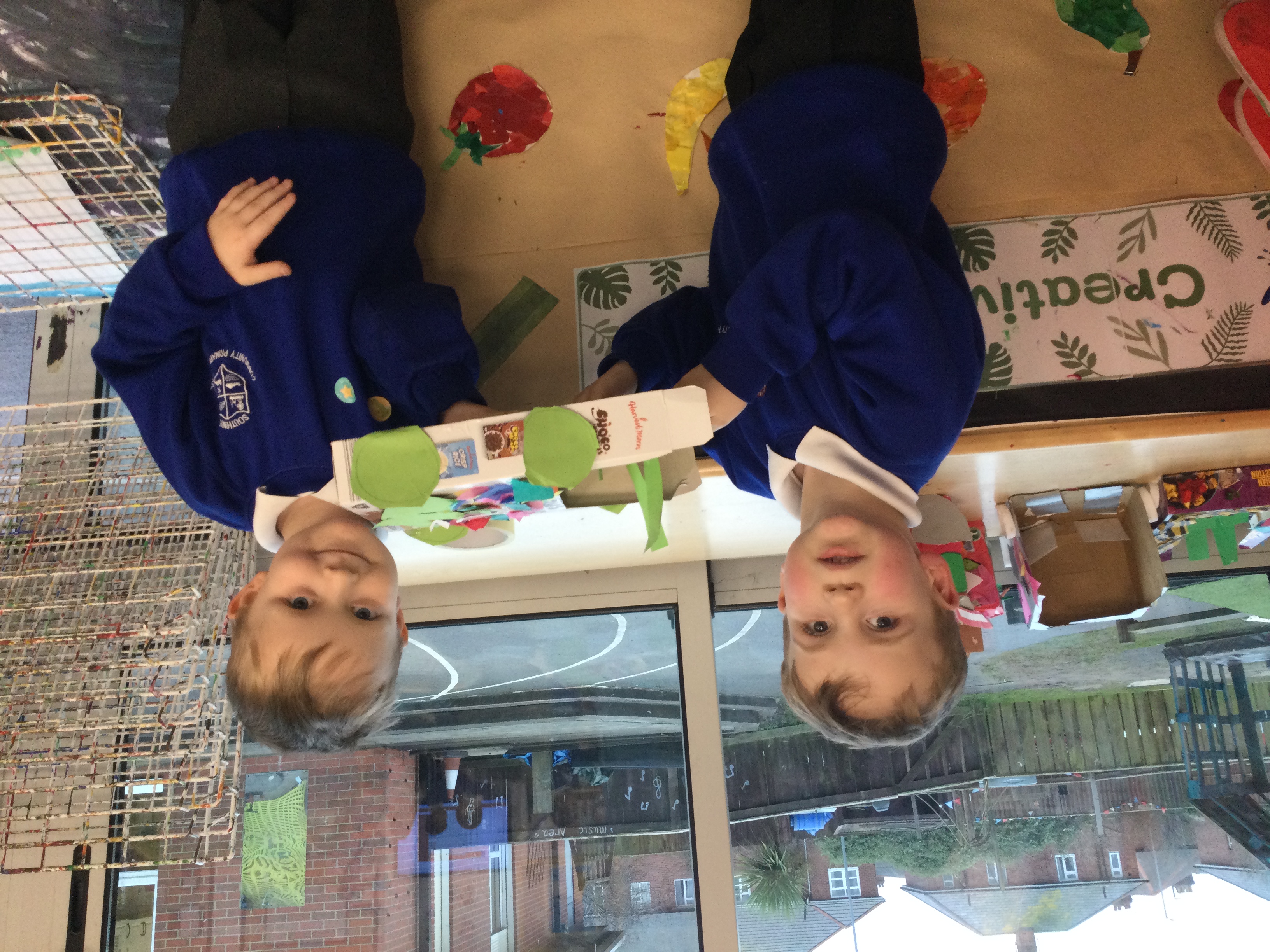
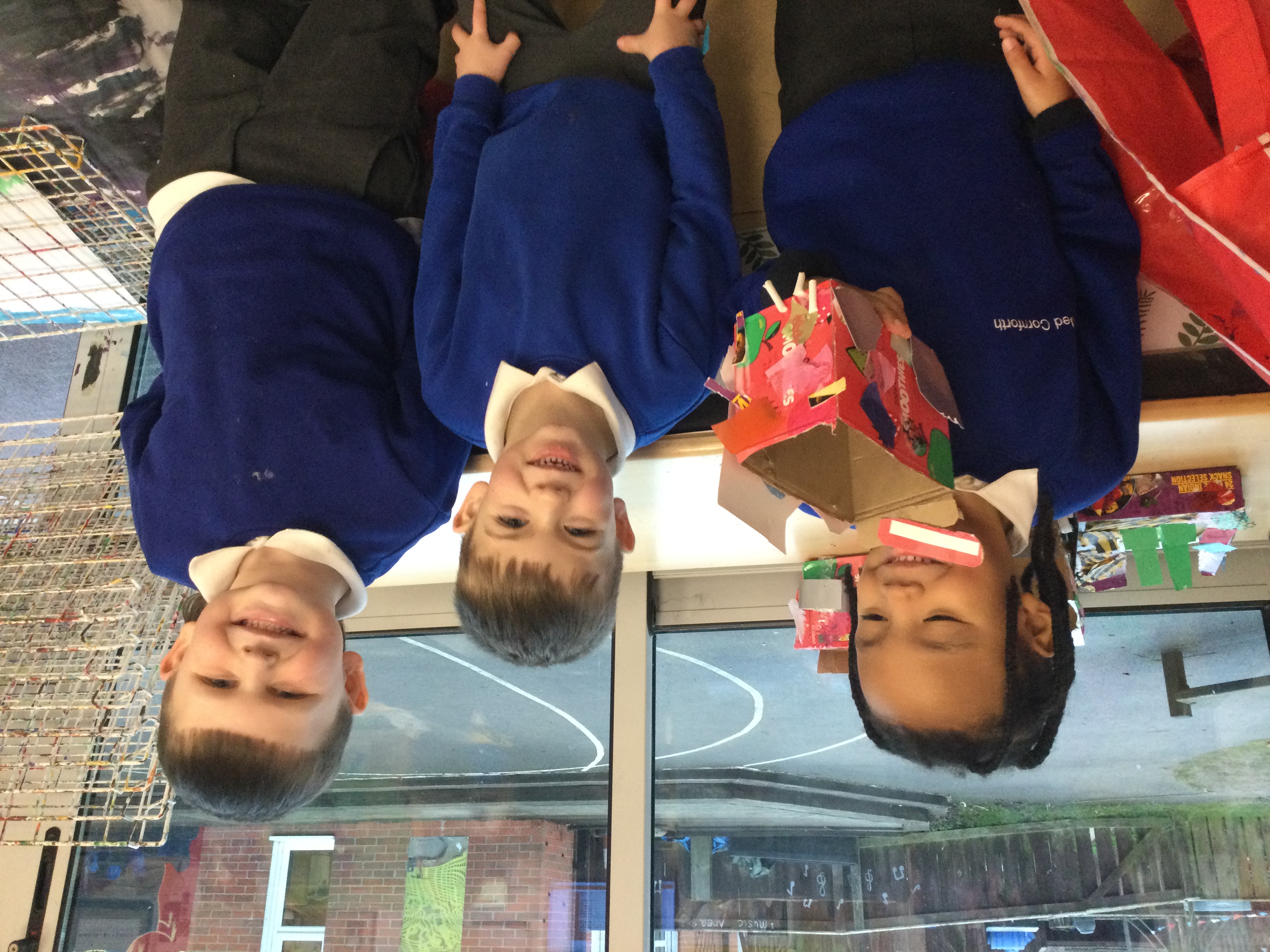
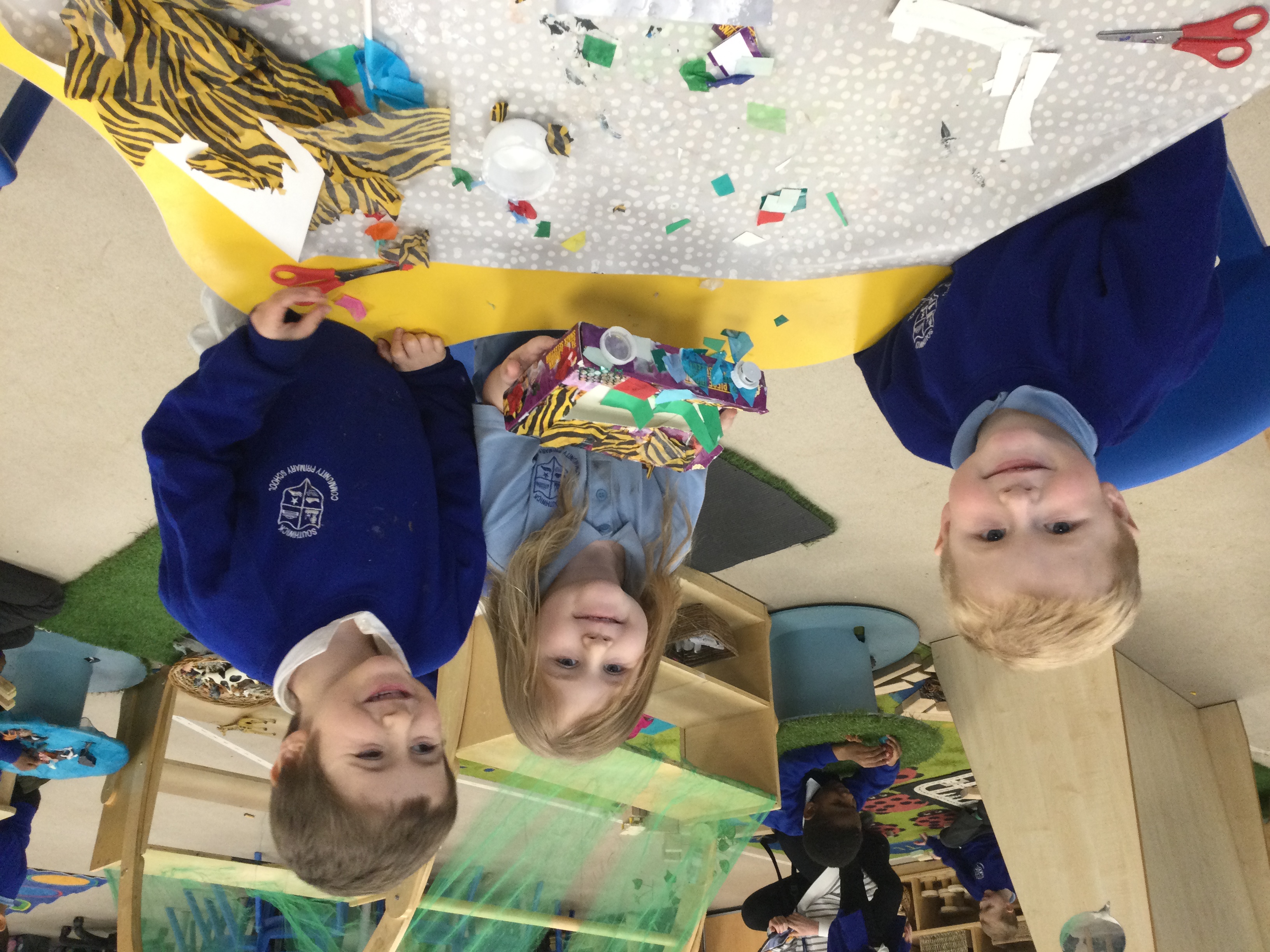
The children continued their learning in small world play, where they explored cars and talked about how they move in different ways.
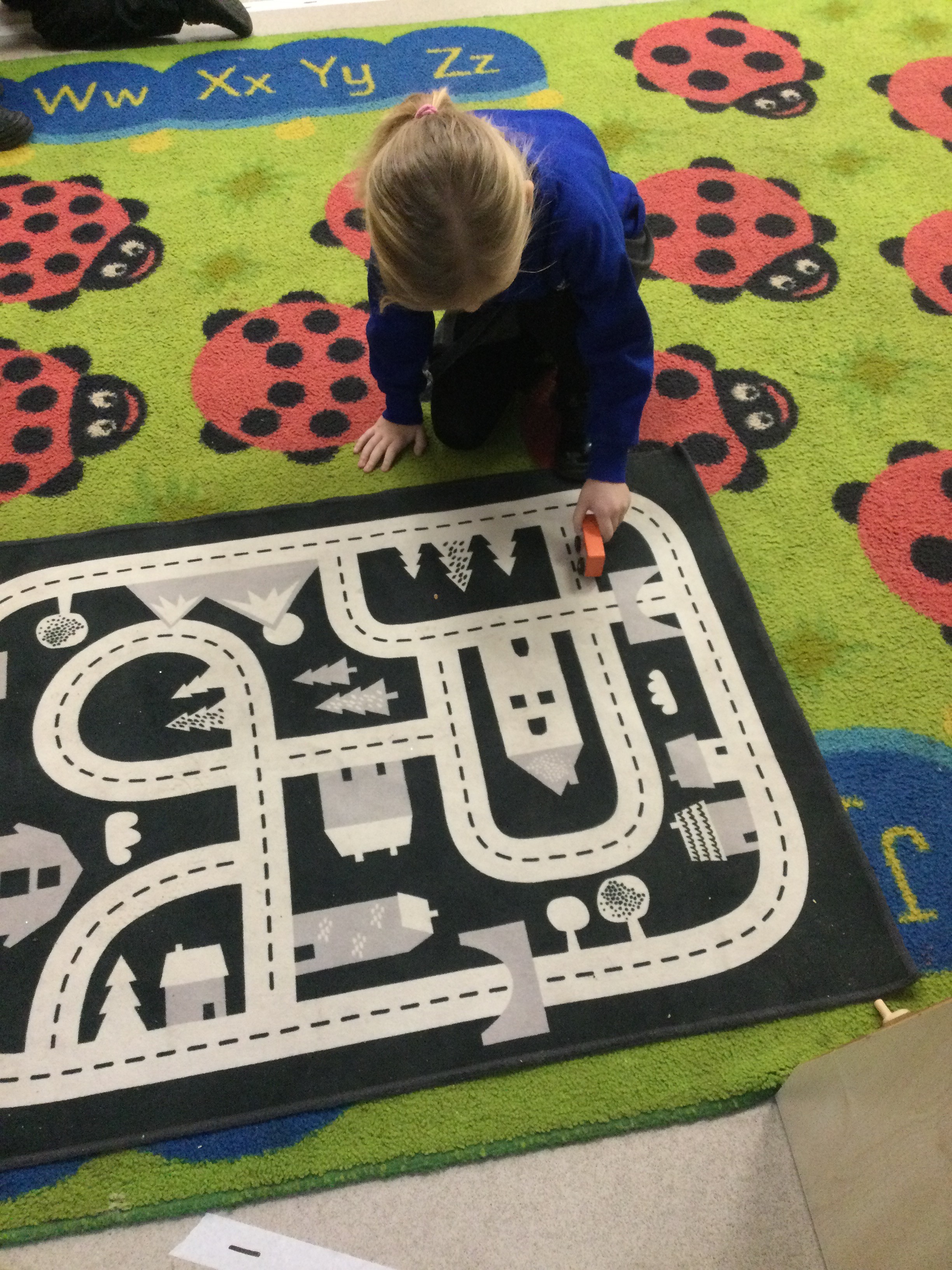
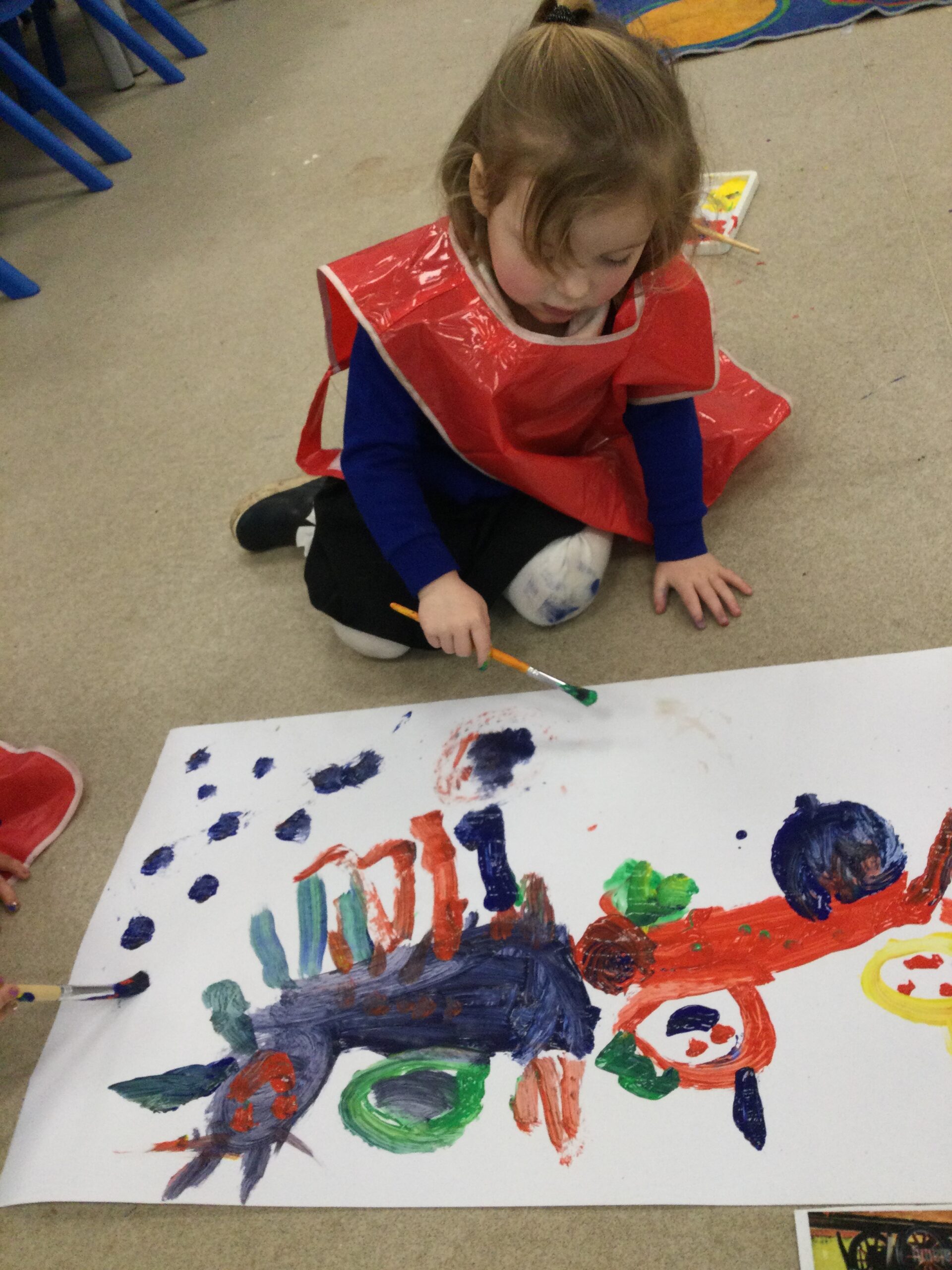
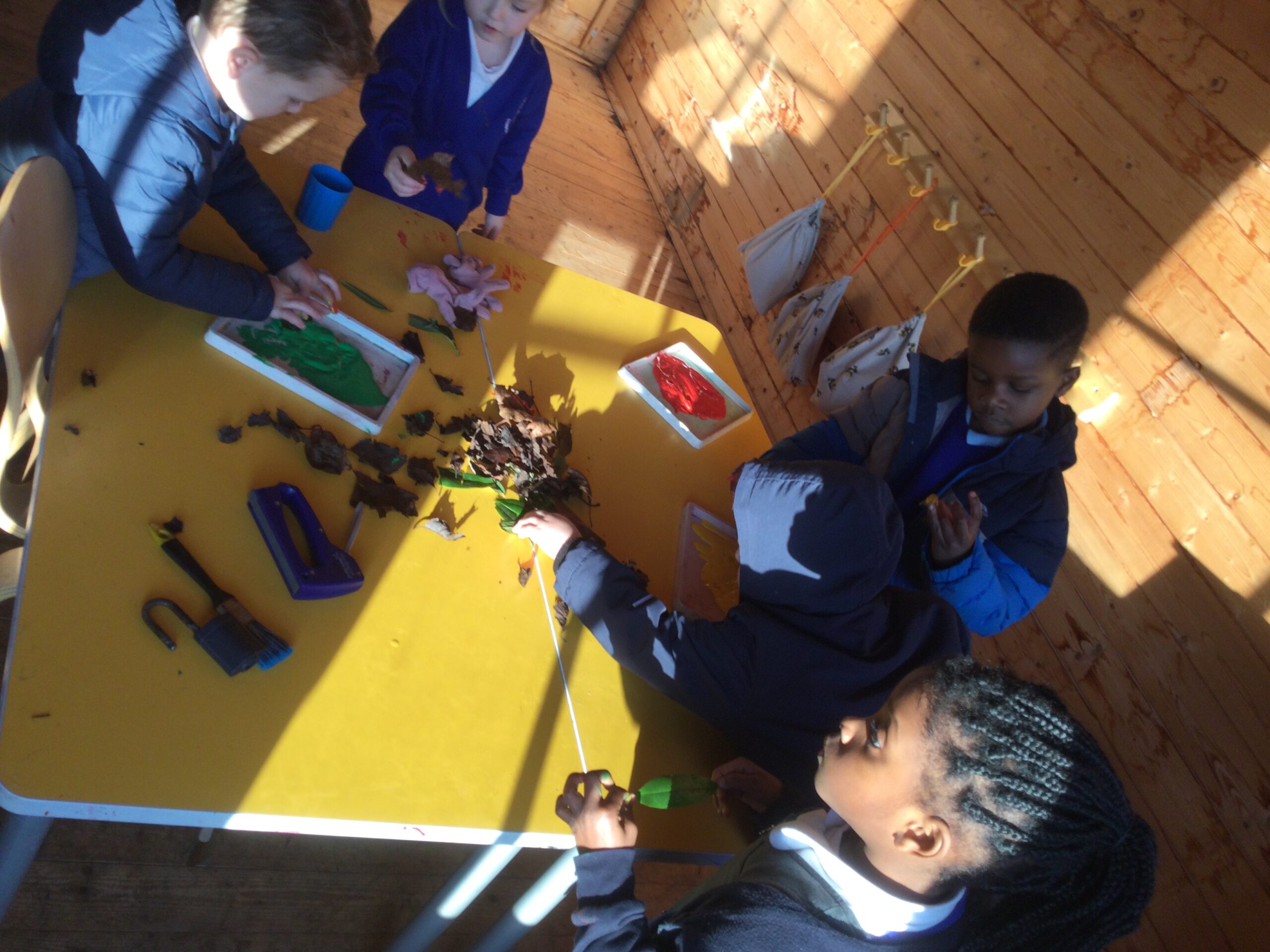
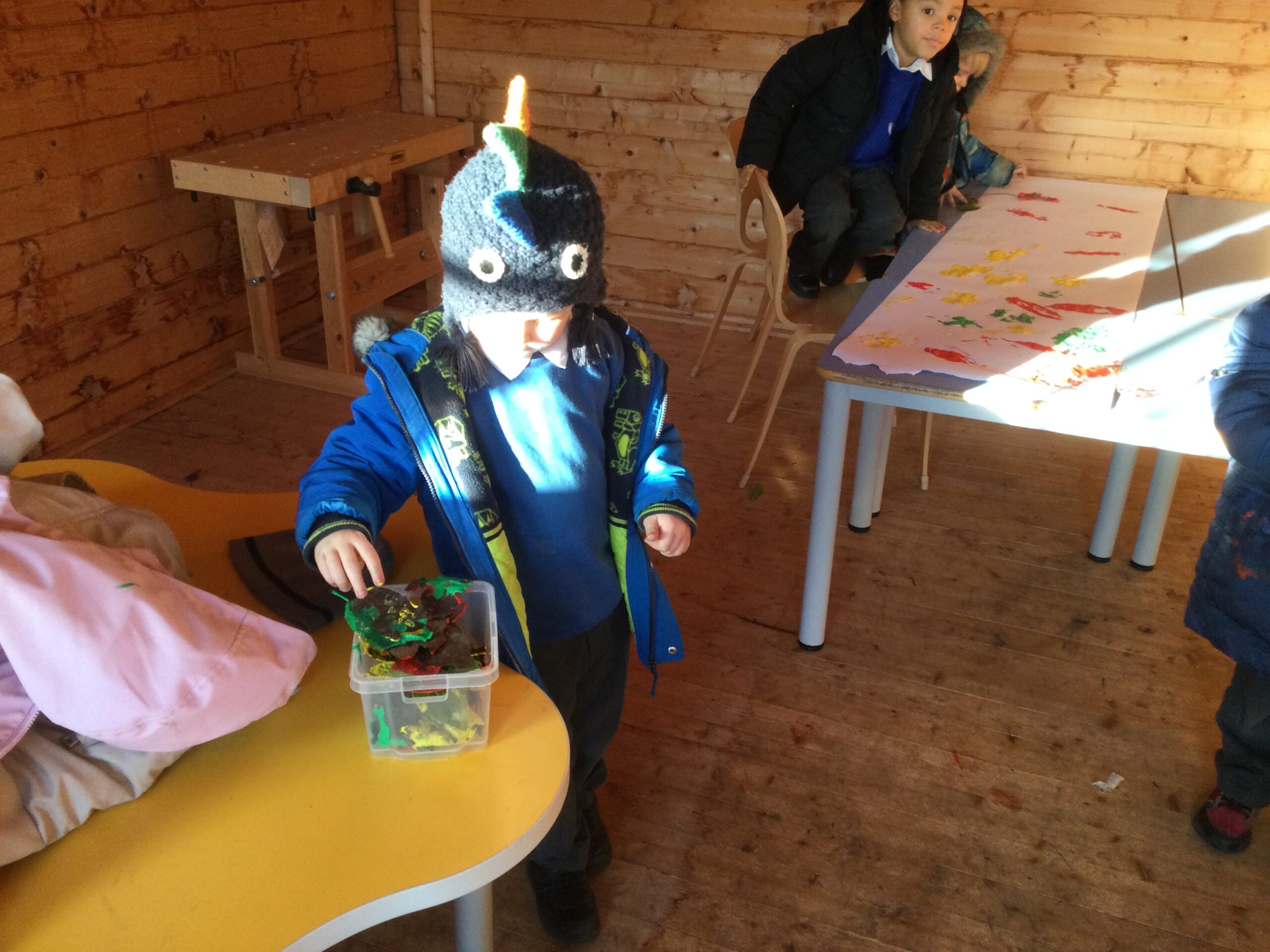
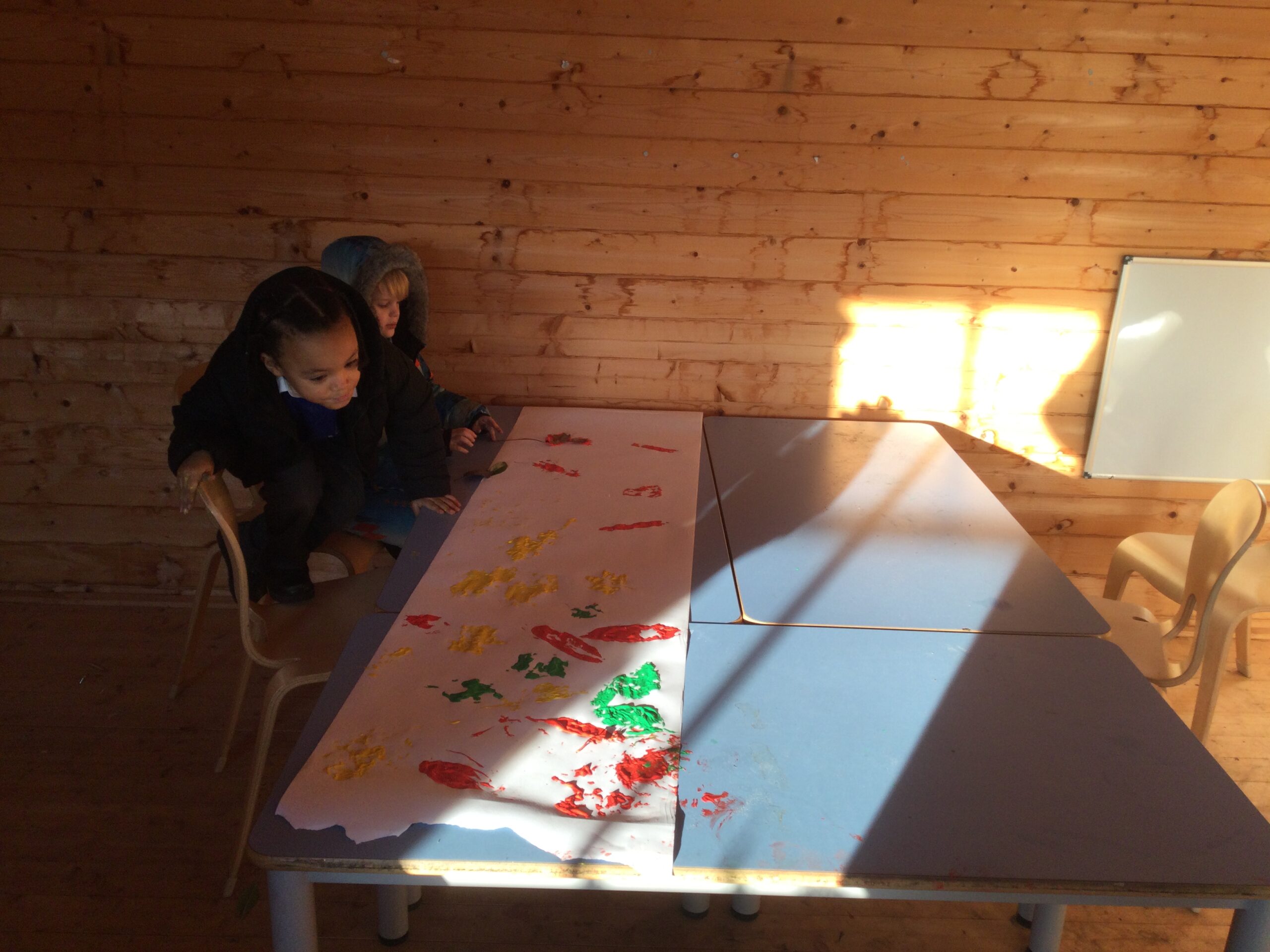
In creative activities, they used wheels to make marks on paper and noticed the patterns the wheels made as they rolled.
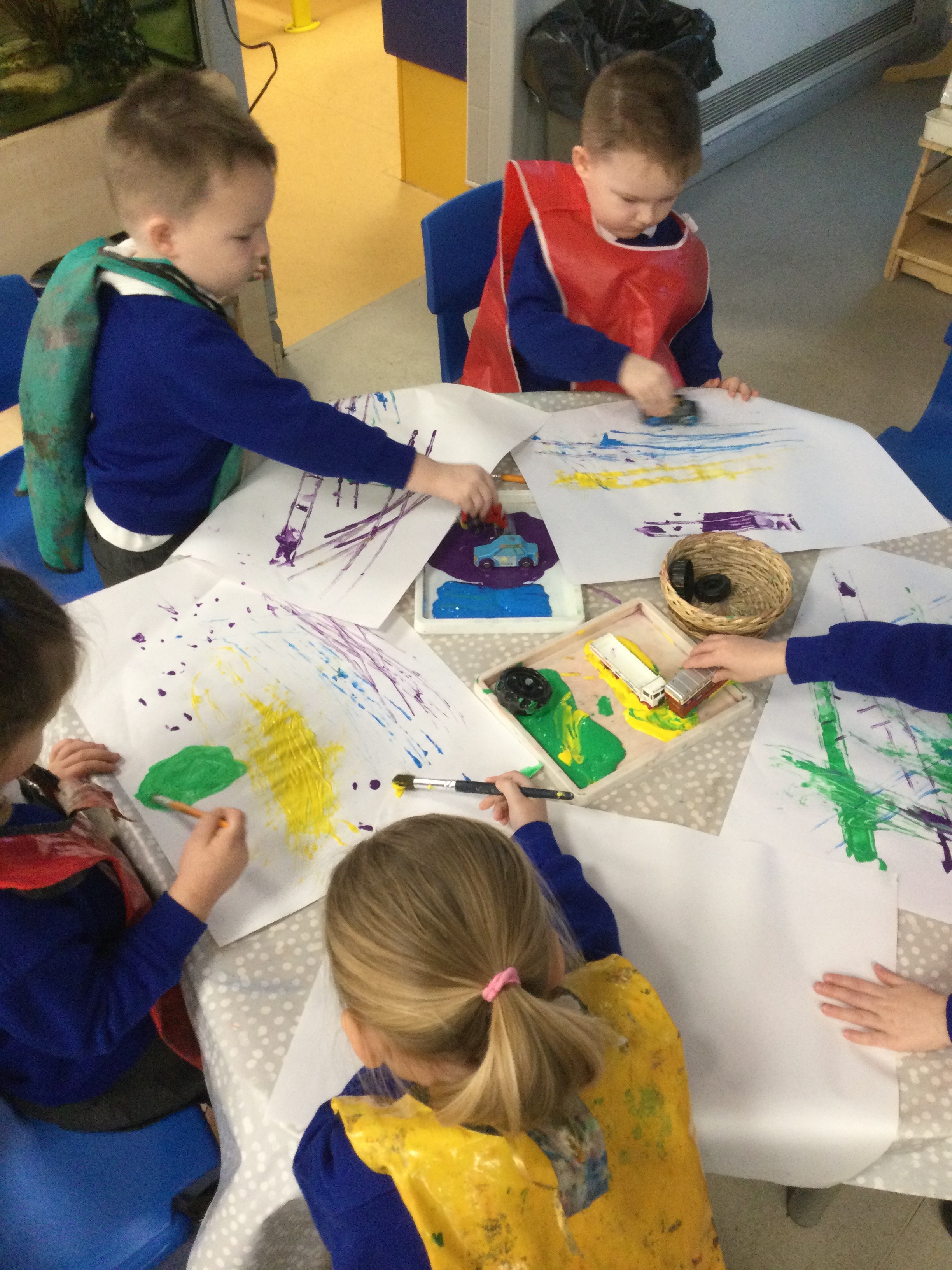
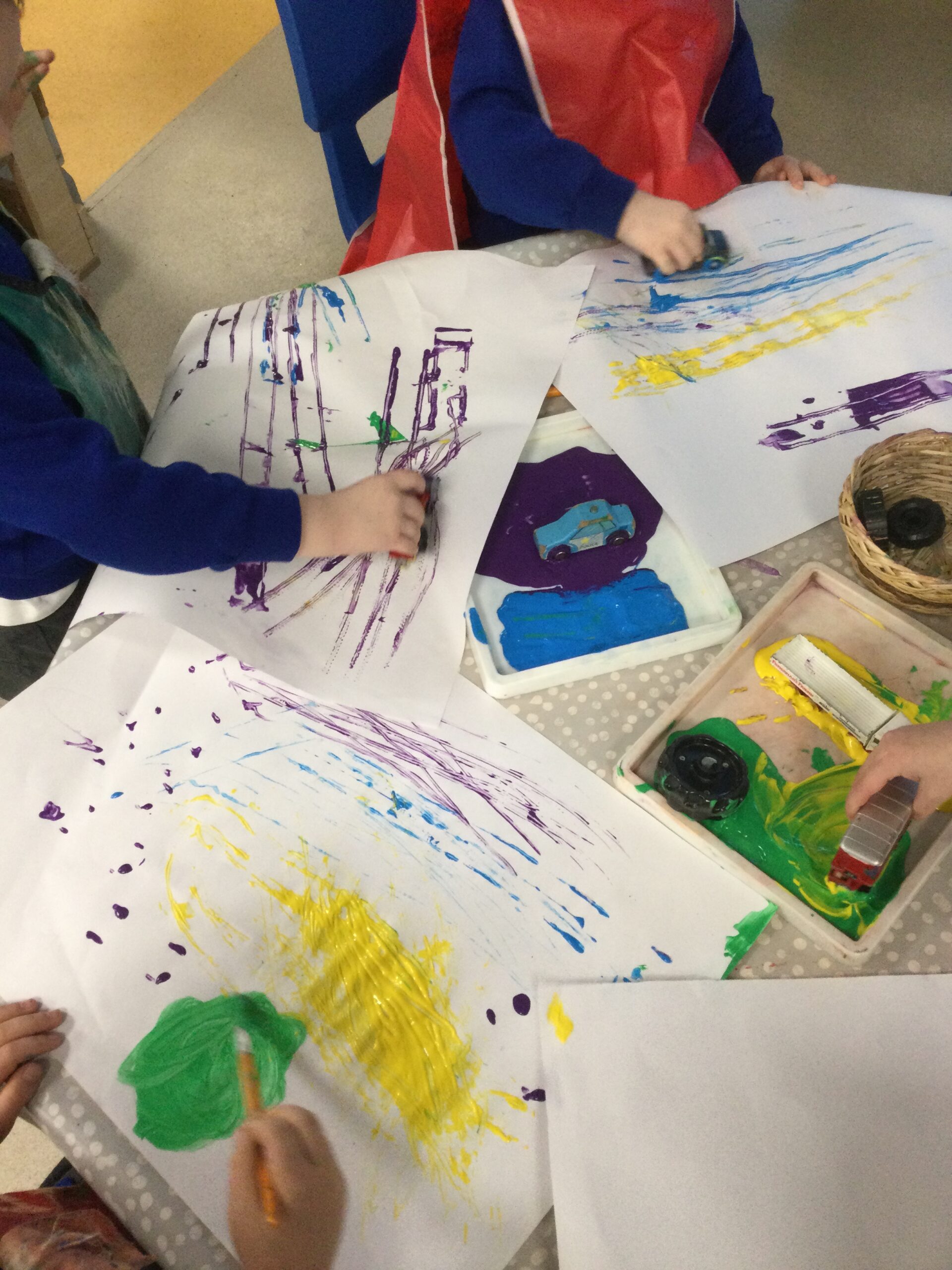
This learning supported the Early Learning Goals by helping children to develop their communication and language as they talked about their ideas, their physical development as they built and created, their understanding of the world by learning how vehicles work, and their expressive arts and design through designing and making their own vehicles. The children also showed the Characteristics of Effective Learning by playing and exploring, staying focused and motivated, and thinking carefully about how to improve their ideas.
It was a fantastic week full of learning, exploration, and fun! 🚗✨
Week 4: How do things move on the air?
This week in our enquiry “How do things move?” We have been exploring how things move through the air, with a special focus on aeroplanes. This learning was linked to our core text Pigs Might Fly!: The Further Adventures of the Three Little Pigs by Jonathan Emmett.
We began by retelling the story in our own words, using actions and pictures to help us remember key events. The children then designed and made their own planes, experimenting with how they flew and talking about what they noticed.
We also explored how air can move things. Using handkerchiefs, we watched how they floated and changed direction, and we investigated how our breath could move paper by blowing through a straw. We spent time looking at birds too, noticing how they move and glide through the air and comparing this to how planes fly.
As part of our learning, we talked about where planes might travel to. We explored how a journey to Africa would look very different from Southwick, helping the children begin to understand different places in the world.
Throughout the week, the children enjoyed lots of drawing, designing and play with planes, sharing ideas, testing their creations and developing their understanding of how things move in the air.
Week 5: How do things move on rails
This week in our enquiry, we focused on how trains move. We started the week with an exciting real-life train journey to Newcastle! We boarded the Metro at Seaburn, travelled into Newcastle, and then walked to the Discovery Museum. The trip gave us a hands-on experience of train travel and helped bring our learning to life.
At the Discovery Museum, we learned about Newcastle’s history of science, engineering and transport. We saw fascinating exhibits including old machines, cars, and boats, and explored an exhibition about soldiers through the ages. Our favourites were the old cars and boats, which really brought history to life.
For the rest of the week, our learning was inspired by the story The Train Ride by June Crebbin. The children used the book to spark their imagination during play, creating their own train journeys through role play, small world activities and construction. They enjoyed acting out the story, building trains and tracks, and using language from the book as they explored how trains travel and where they might go