Welcome back, and a very Happy New Year to all our families! We hope you had a lovely Christmas break and are feeling ready for the term ahead. We are excited to welcome the children back and share that this term will bring some exciting changes, trips, and new opportunities to inspire curiosity, confidence, and learning. We can’t wait to see the children settle in, reconnect with friends, and enjoy a fun and inspiring term. ✨
When we introduced our new enquiry, How Do Things Move?, we began by asking the children what they already knew about movement.
At first, the children thought mostly about themselves and the things they enjoy doing every day.
Some of their ideas included:
- “I can run really fast.”
- “Cars move.”
- “Birds fly.”
- “Bikes have wheels.”
- “My dog runs faster than me.”
- “Aeroplanes go in the sky.”
- “Trains go on tracks.”
- “Fish swim.”
As we listened to the children’s ideas, more questions began to emerge:
- How do our bodies move?
- Why can some things move faster than others?
- How do wheels help things move?
- How do things fly?
- Why do trains stay on the tracks?
These questions became the starting point for our enquiry. Rather than following a fixed plan, we followed the children’s interests as they explored movement through their bodies, animals, vehicles and real-life experiences.
Week 1: How do we move?
What did we wonder?
What did we wonder?
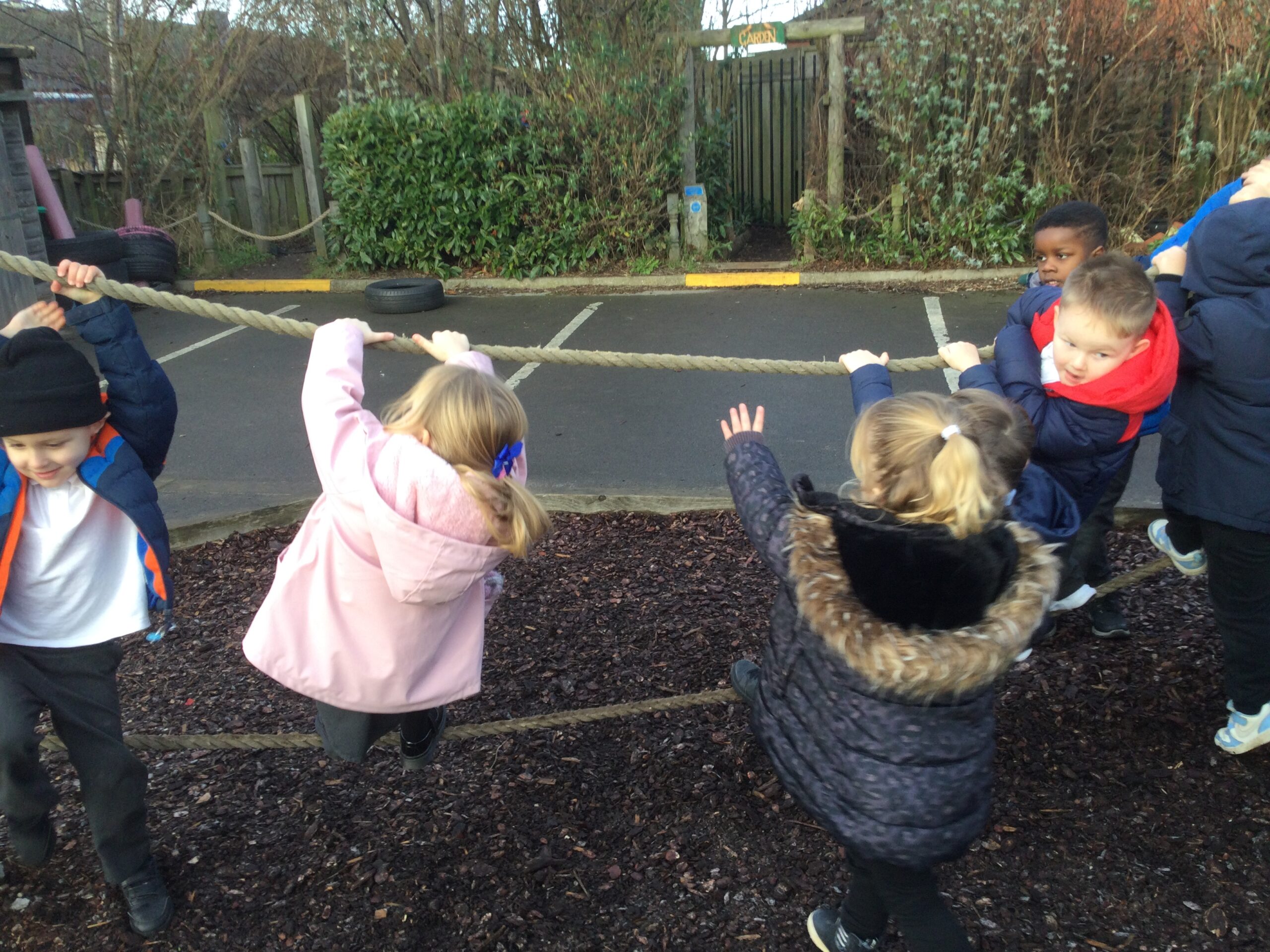
The children were immediately interested in their own bodies and all the different ways they could move.
They asked:
- How do we jump?
- Why can we run?
- What helps us balance?
- Can we move like animals?
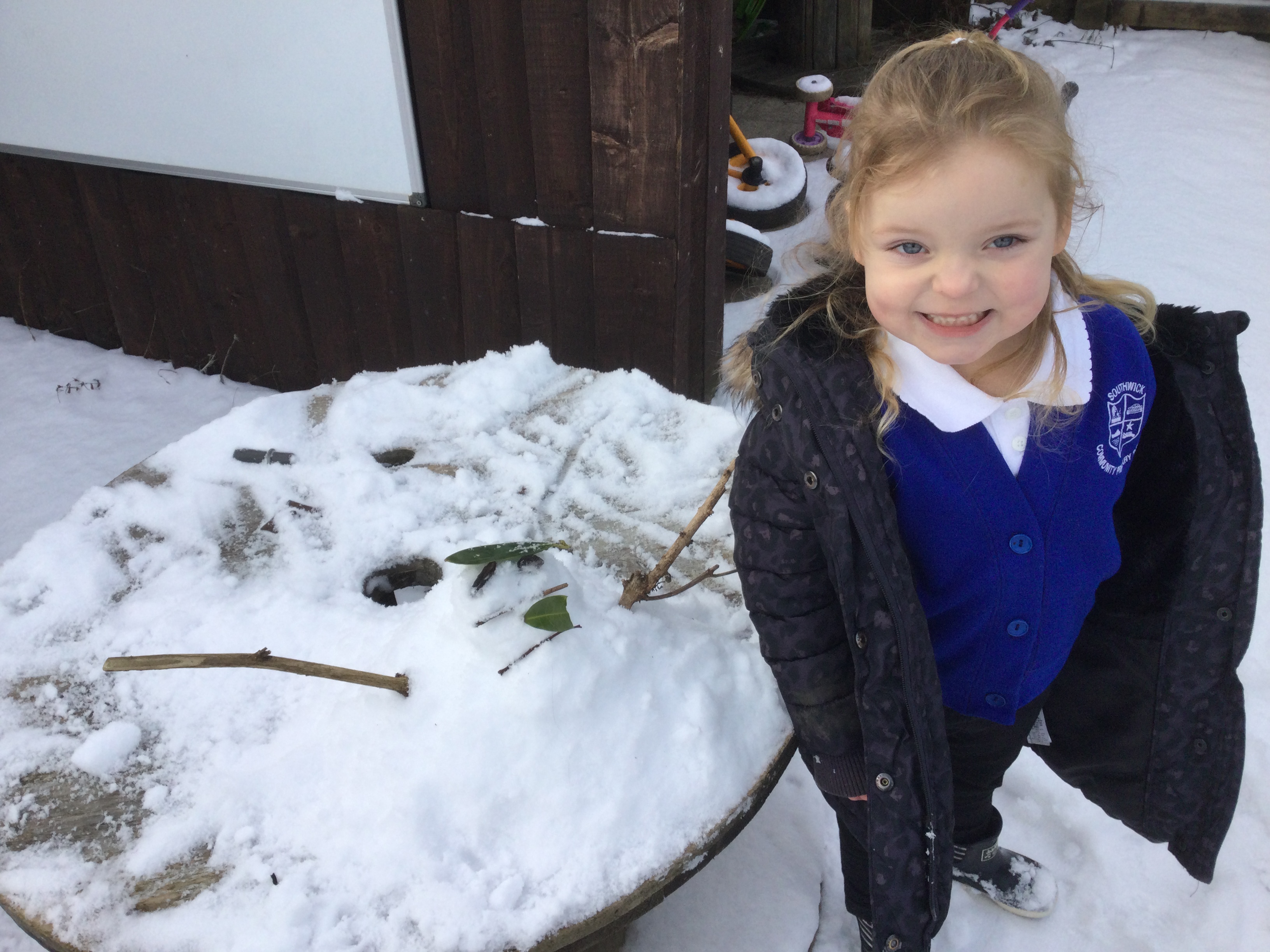
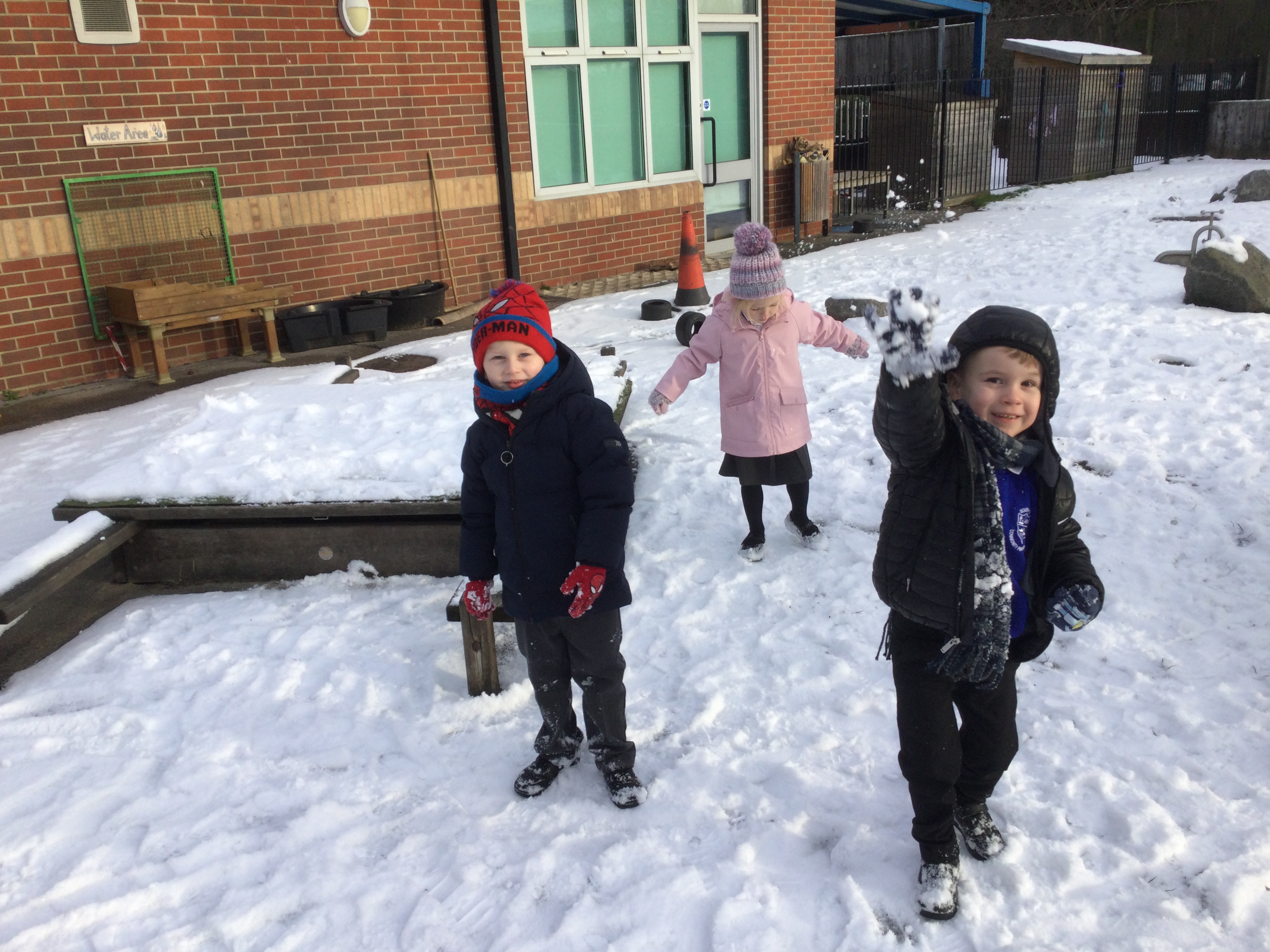
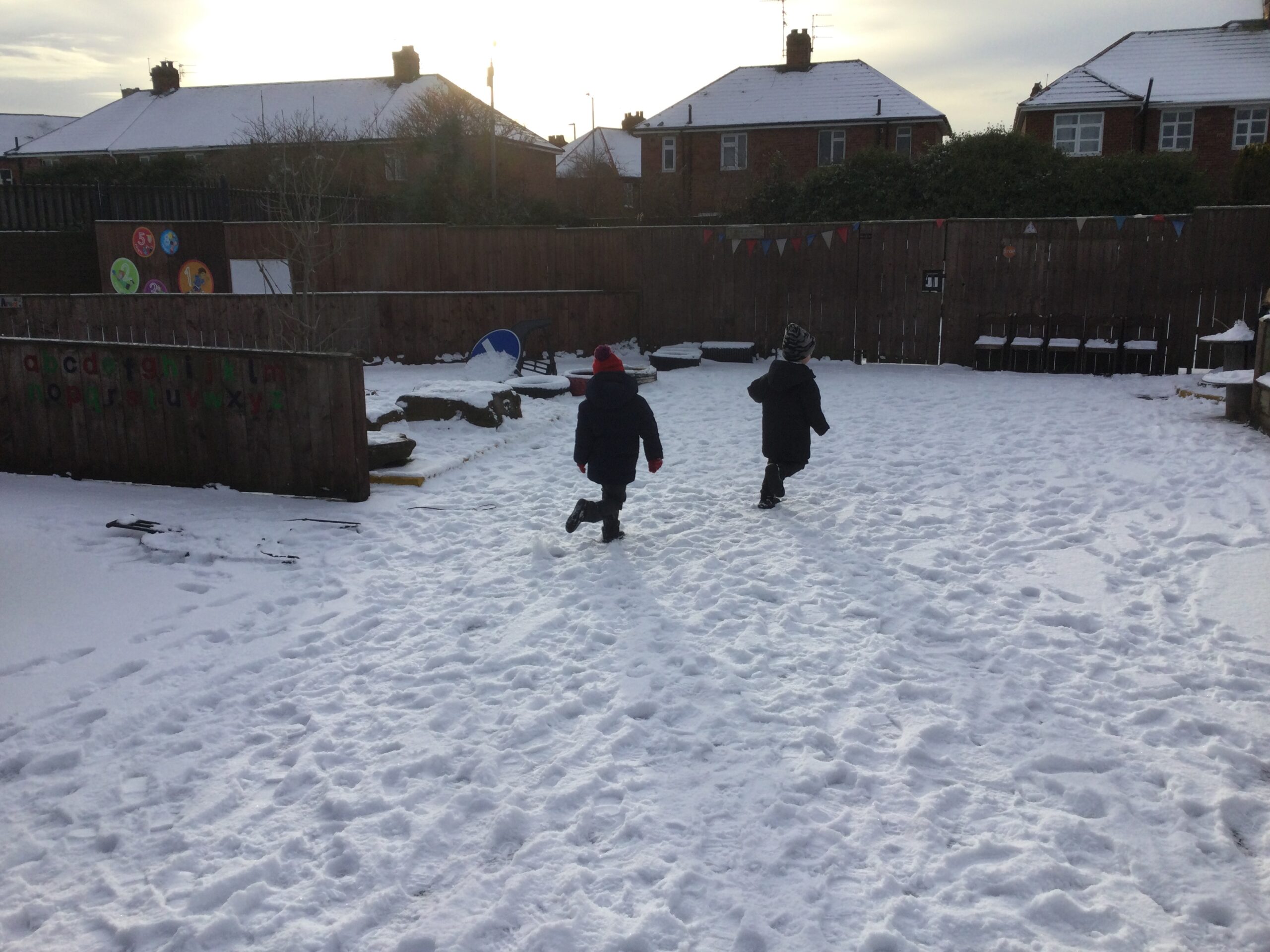
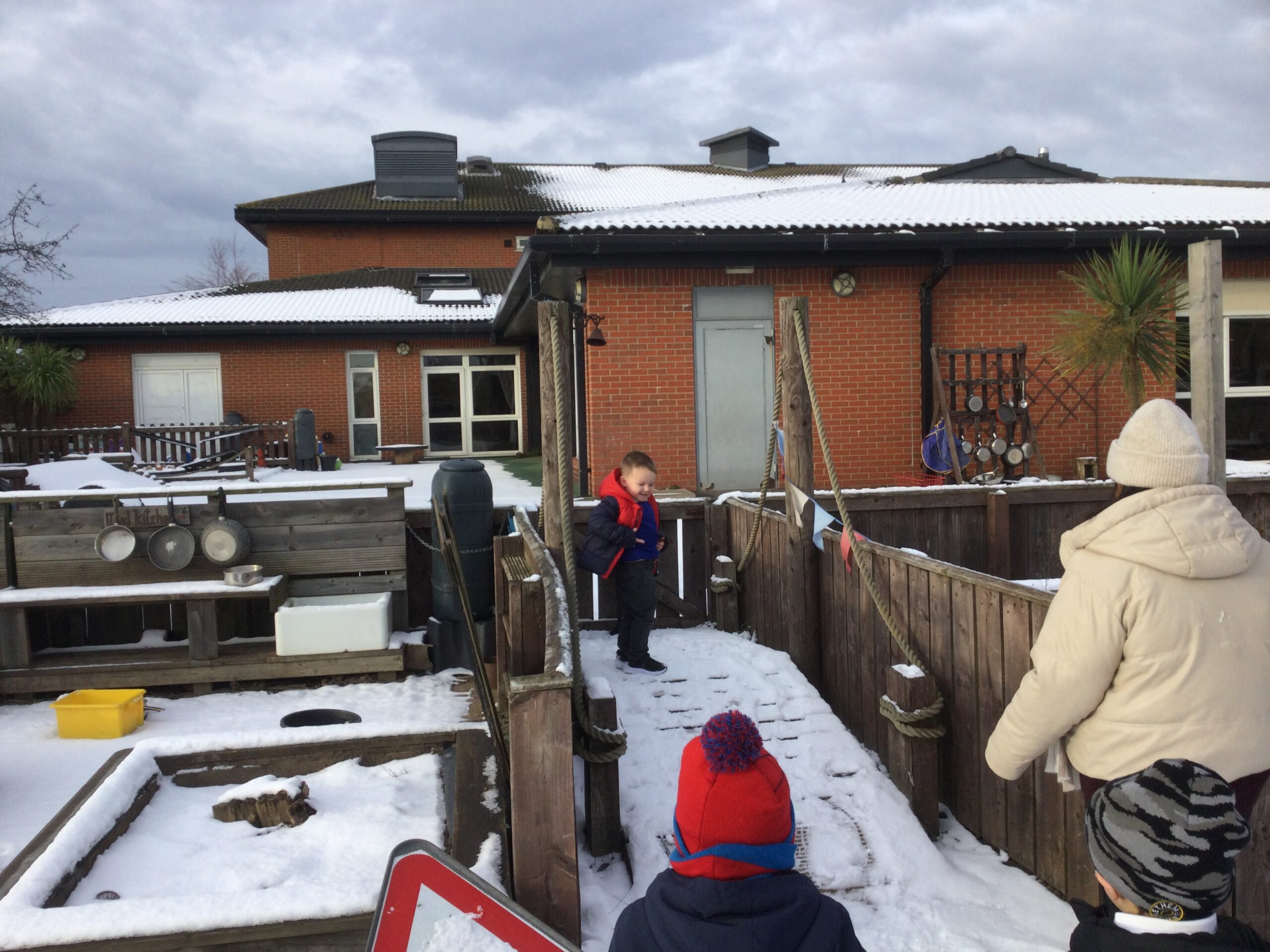
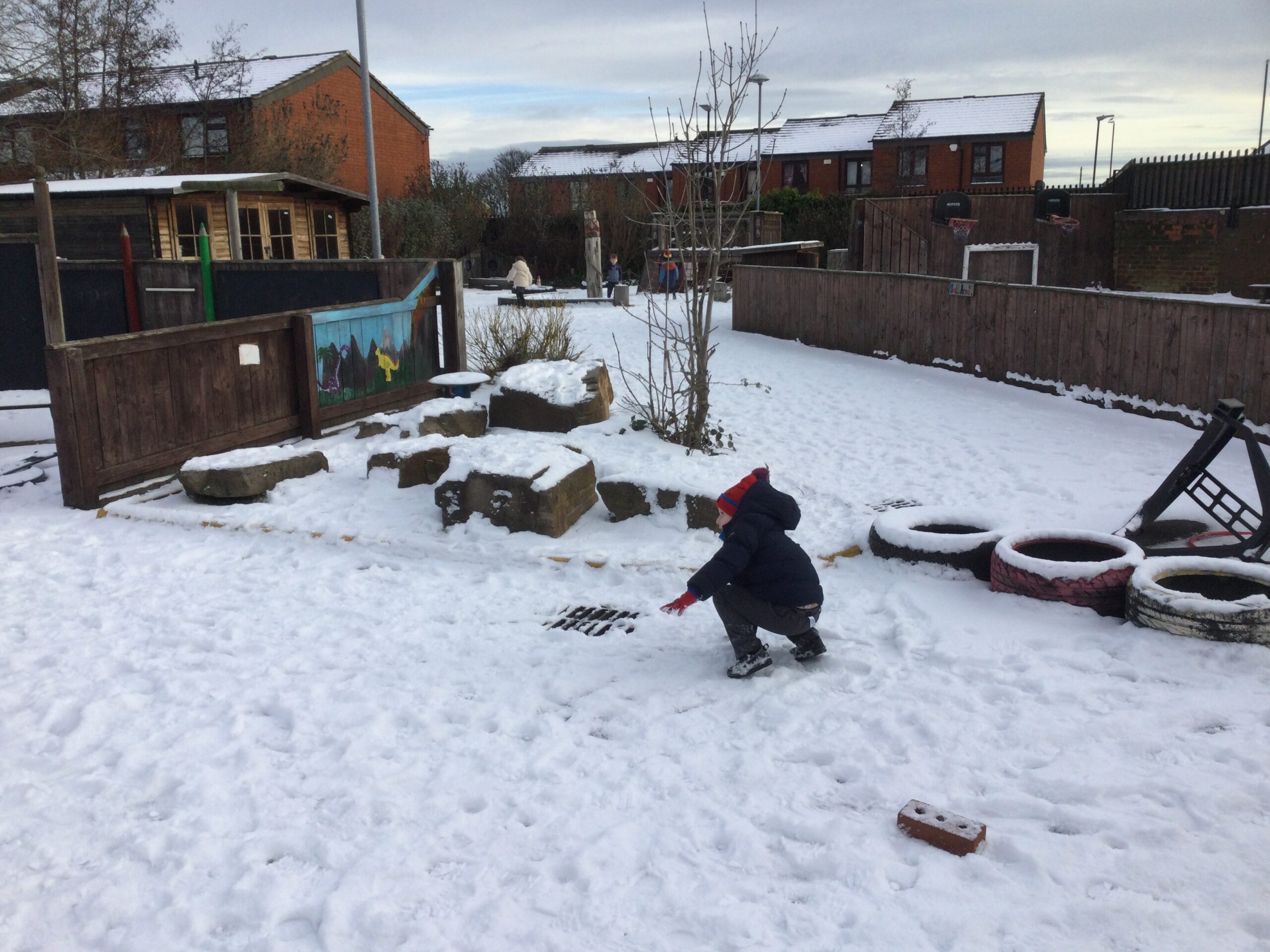
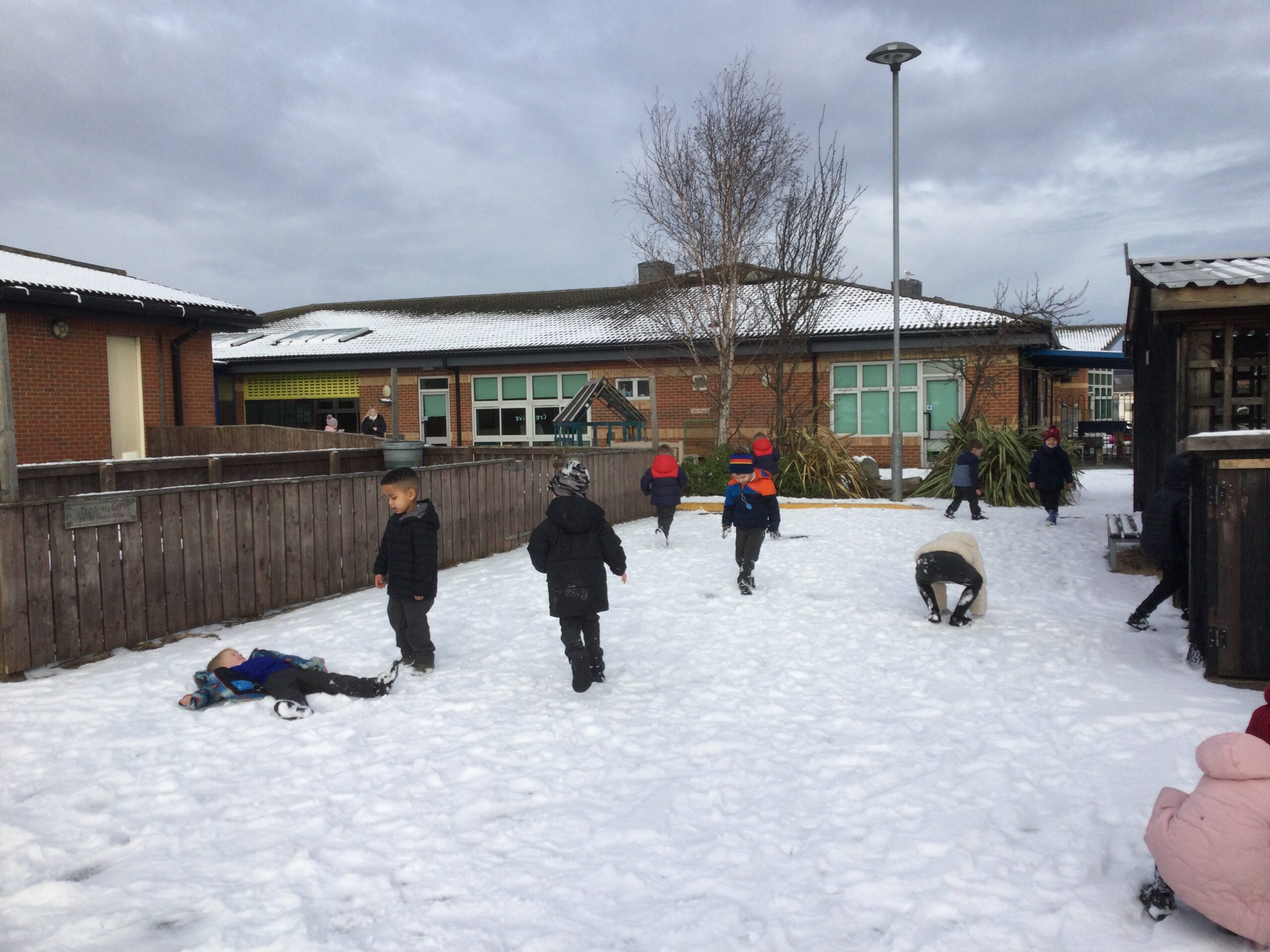
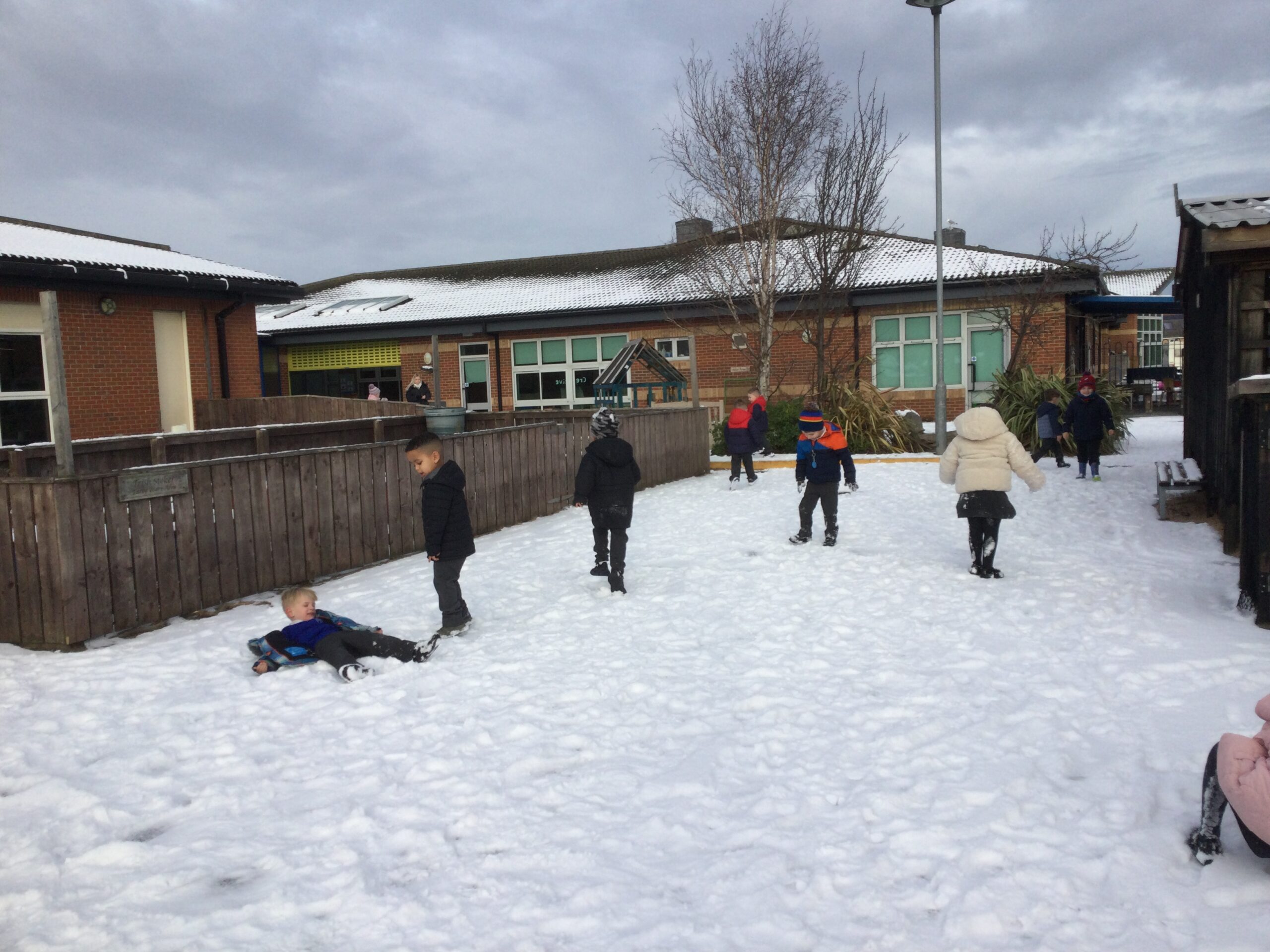
A snowfall during the week sparked even more curiosity. As the children explored outdoors, they began noticing that moving on snow and ice felt very different from moving on the playground.
This led to new questions:
- Why is it slippery?
- Why do we have to walk more carefully?
- Why can’t we run as fast on the ice?
- Why do we leave footprints in the snow?
Where did this take us?
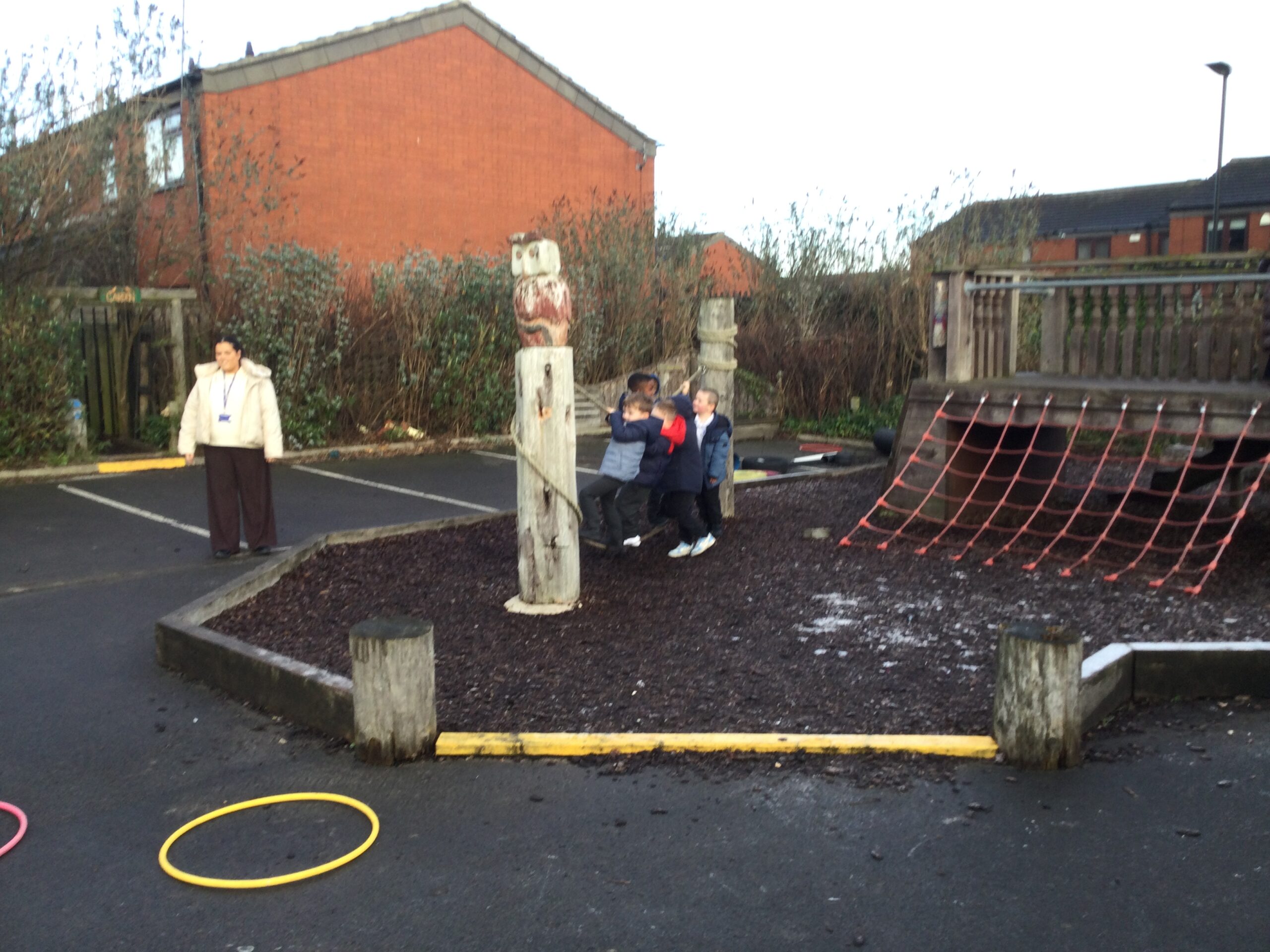
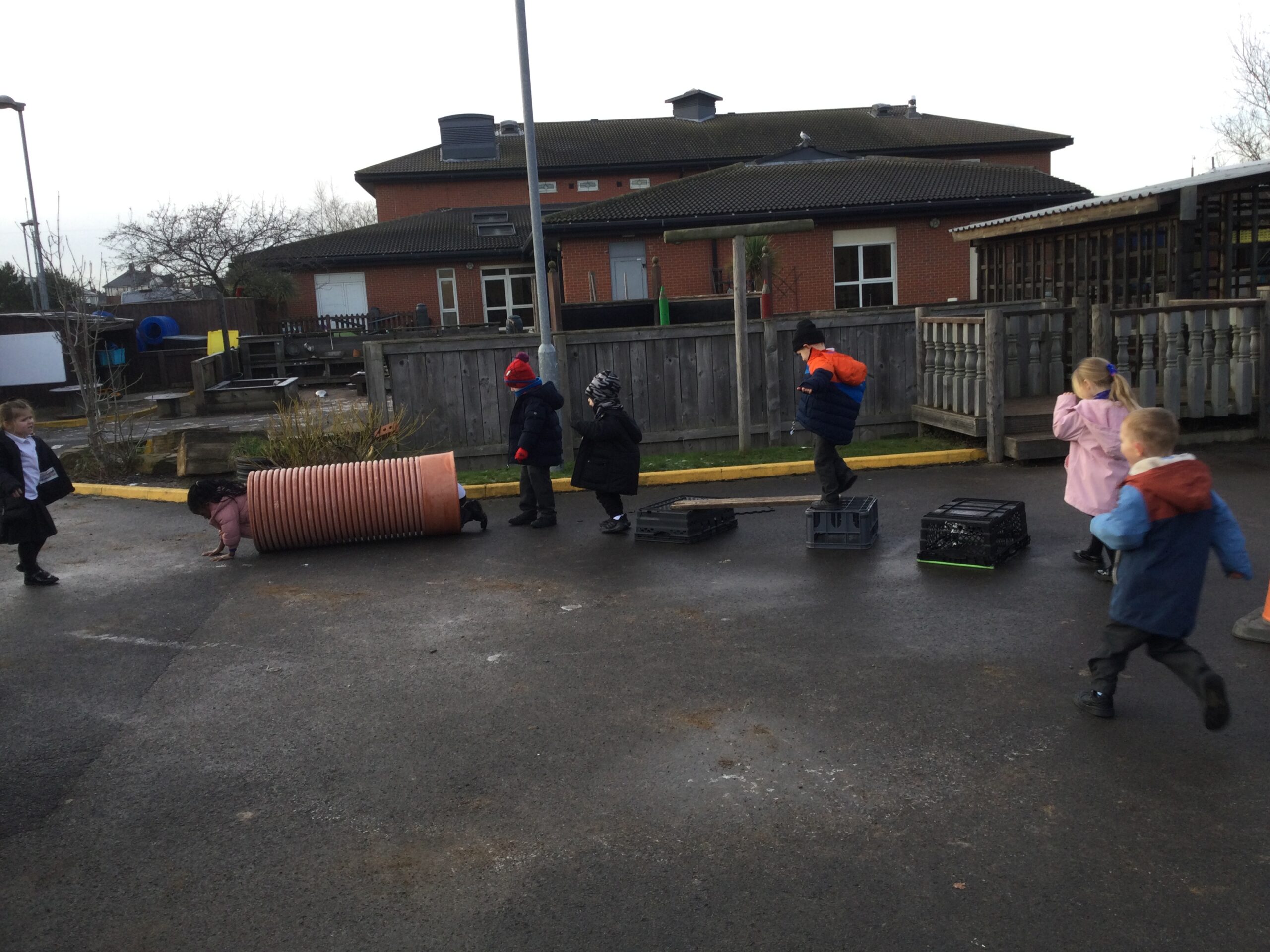
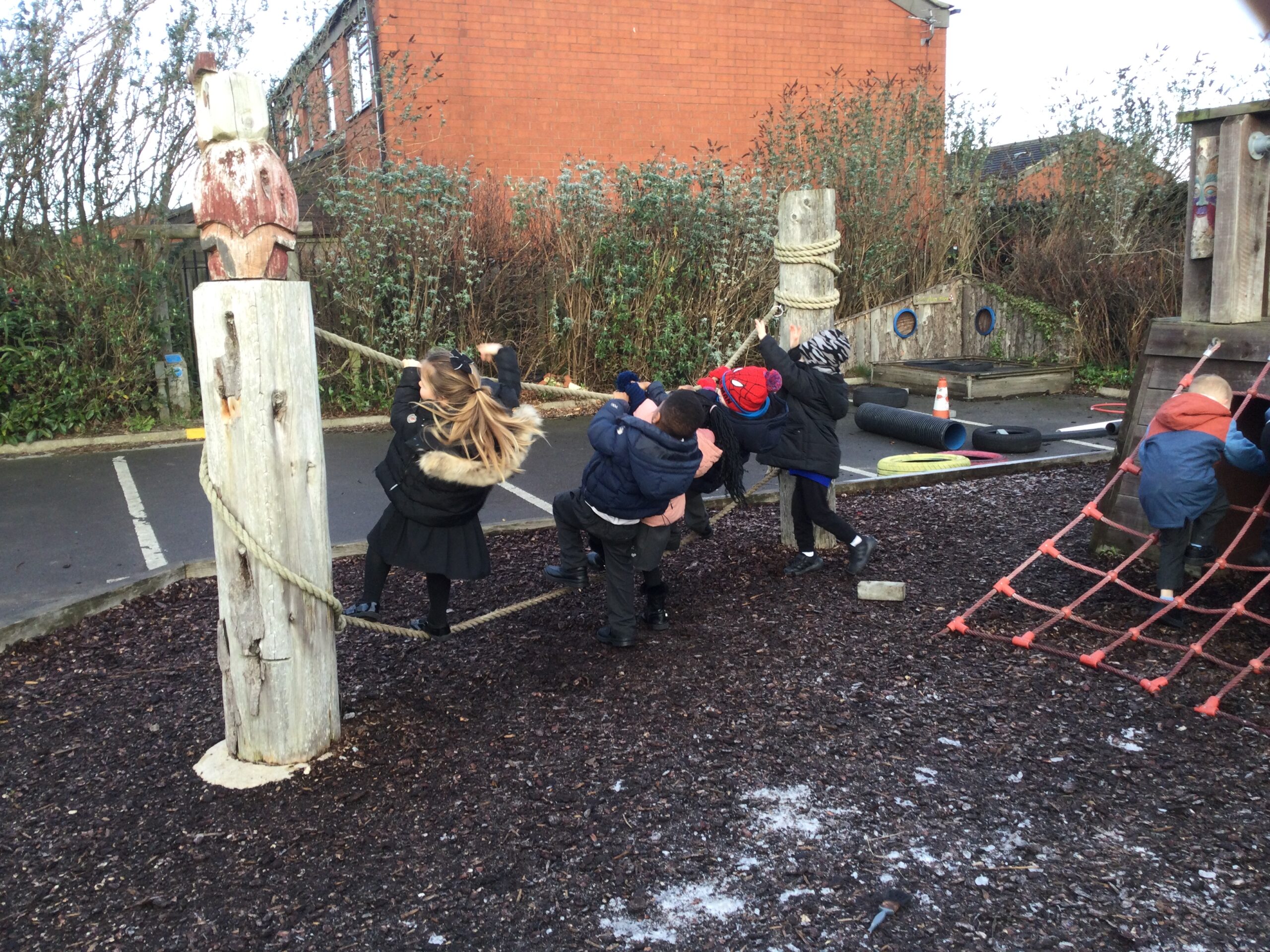
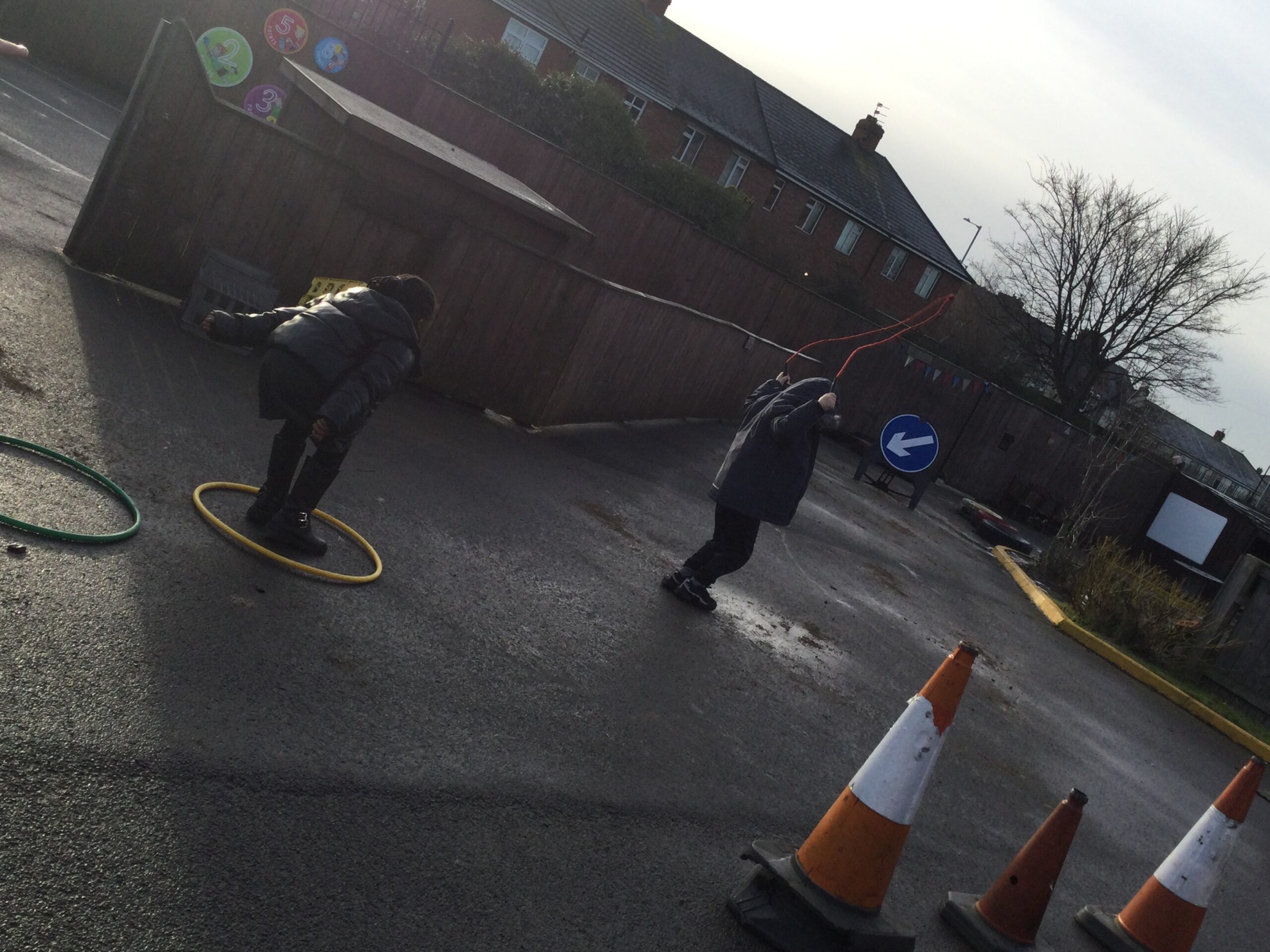
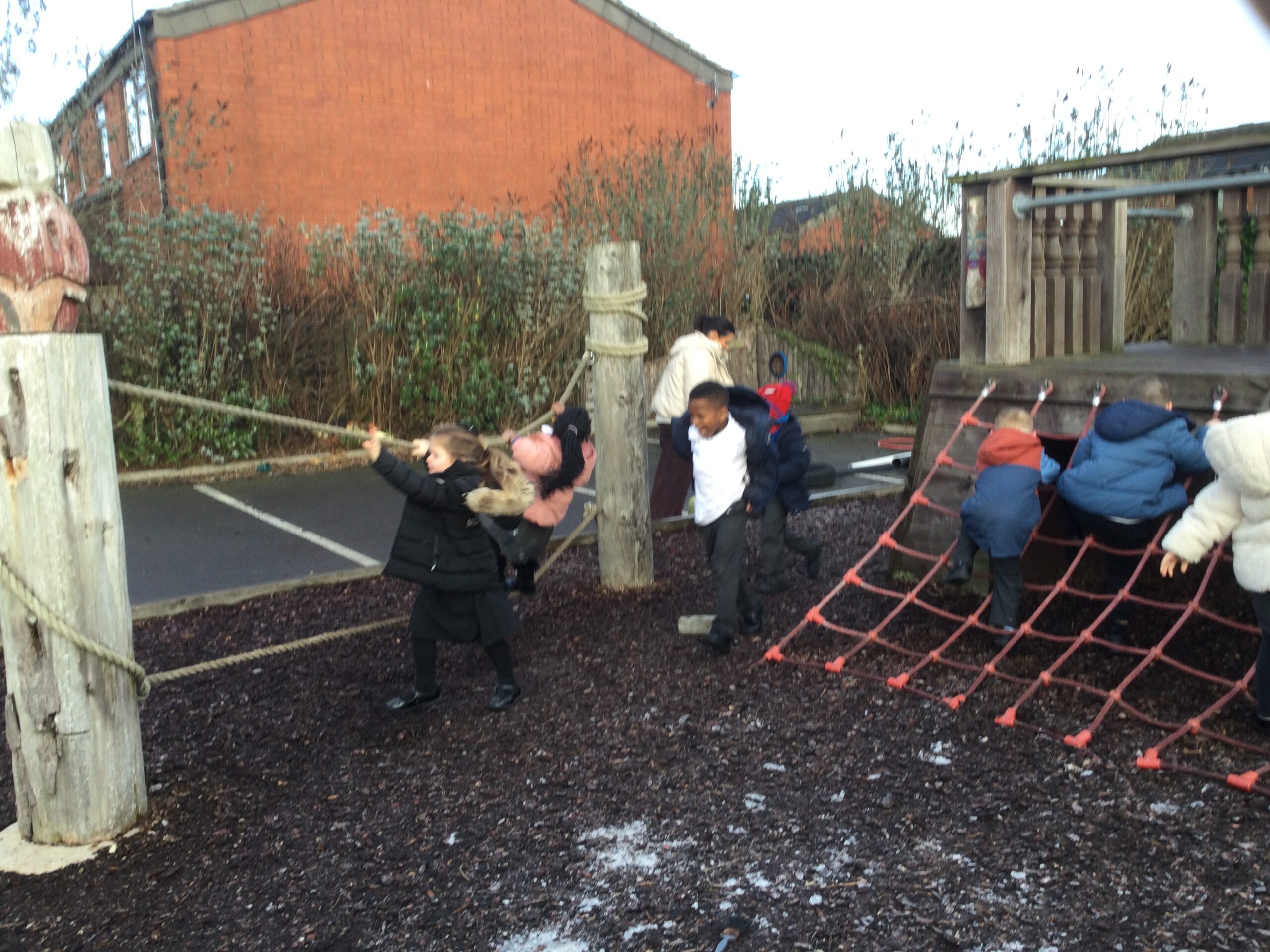
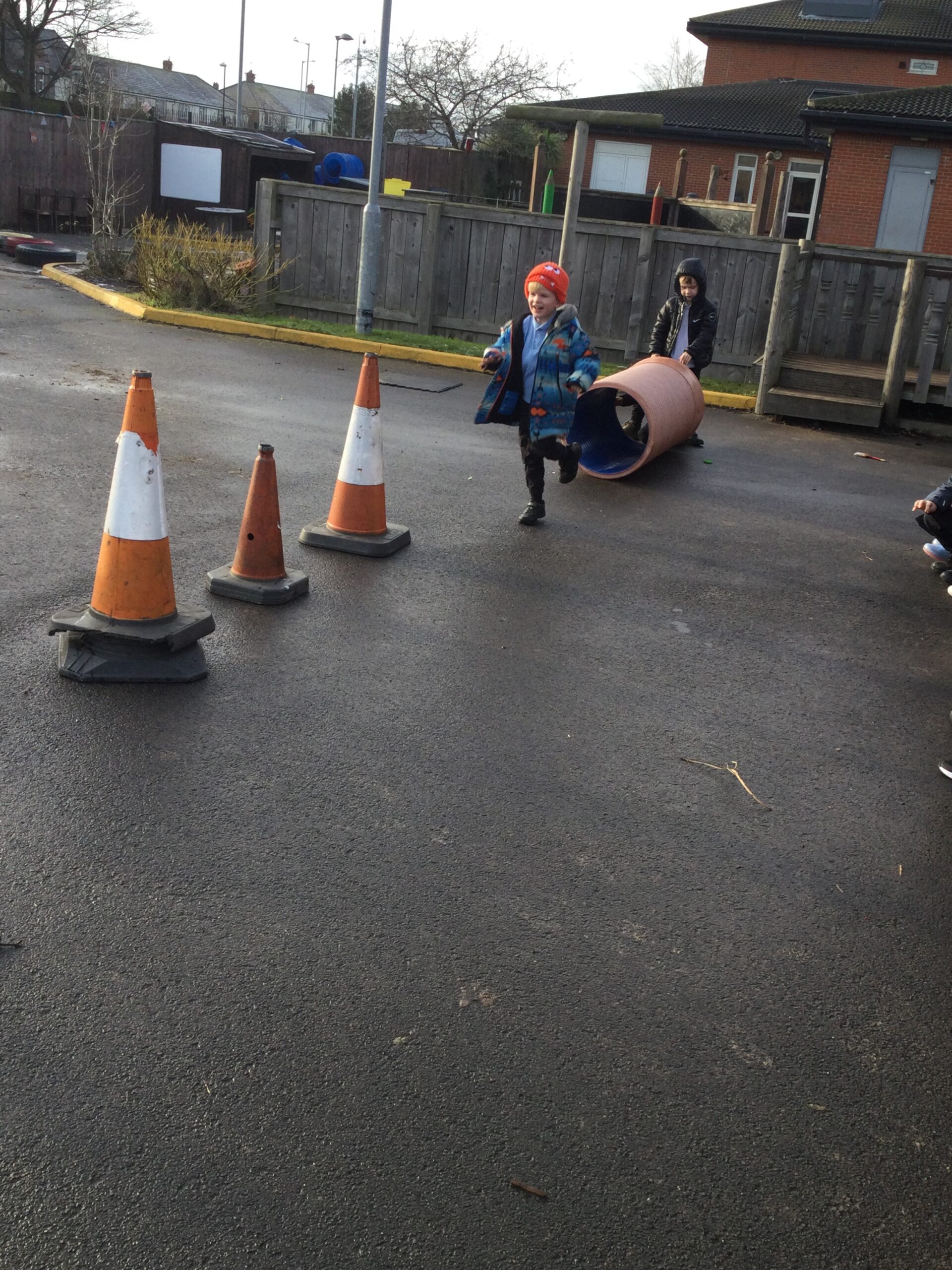
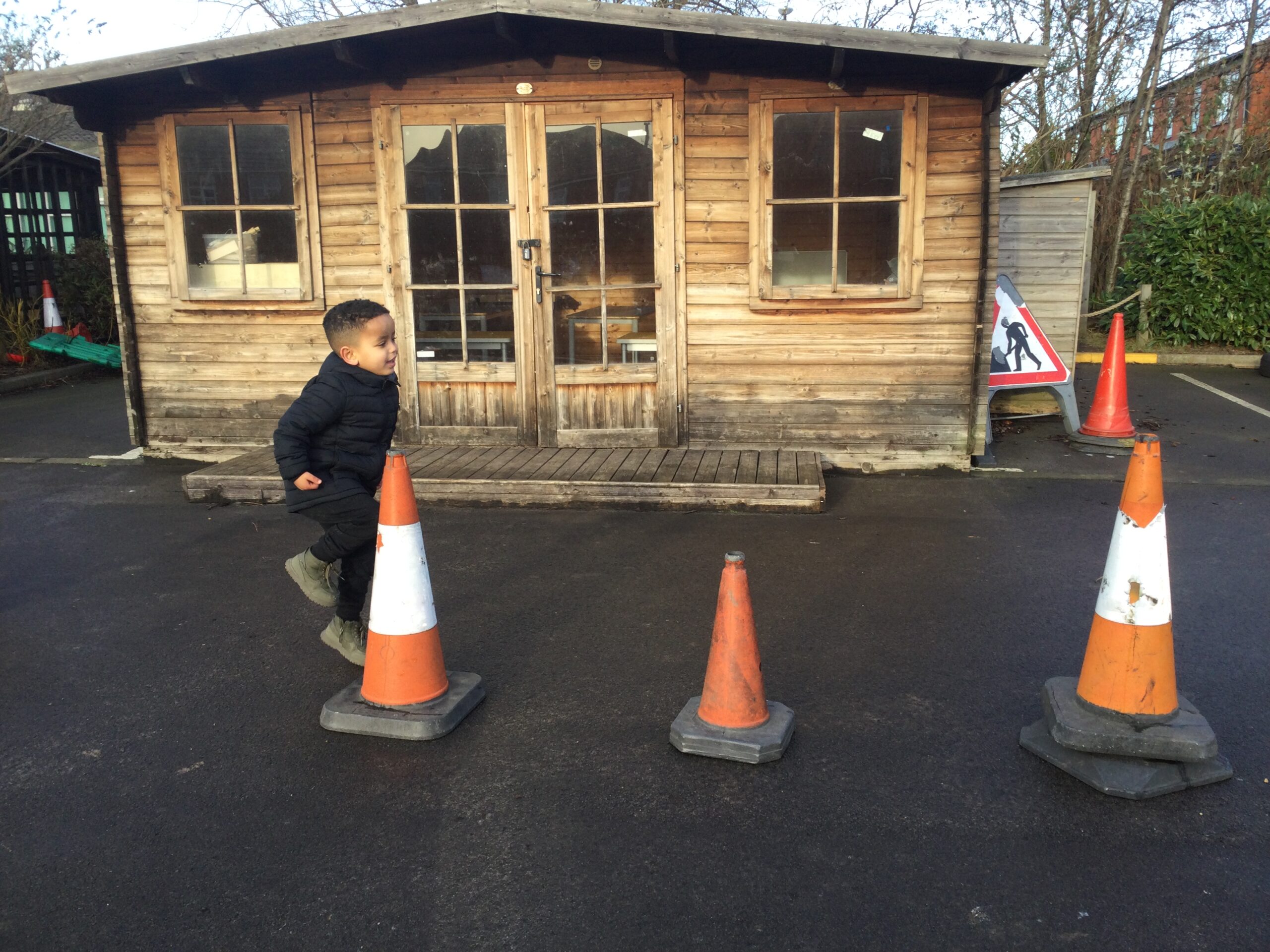
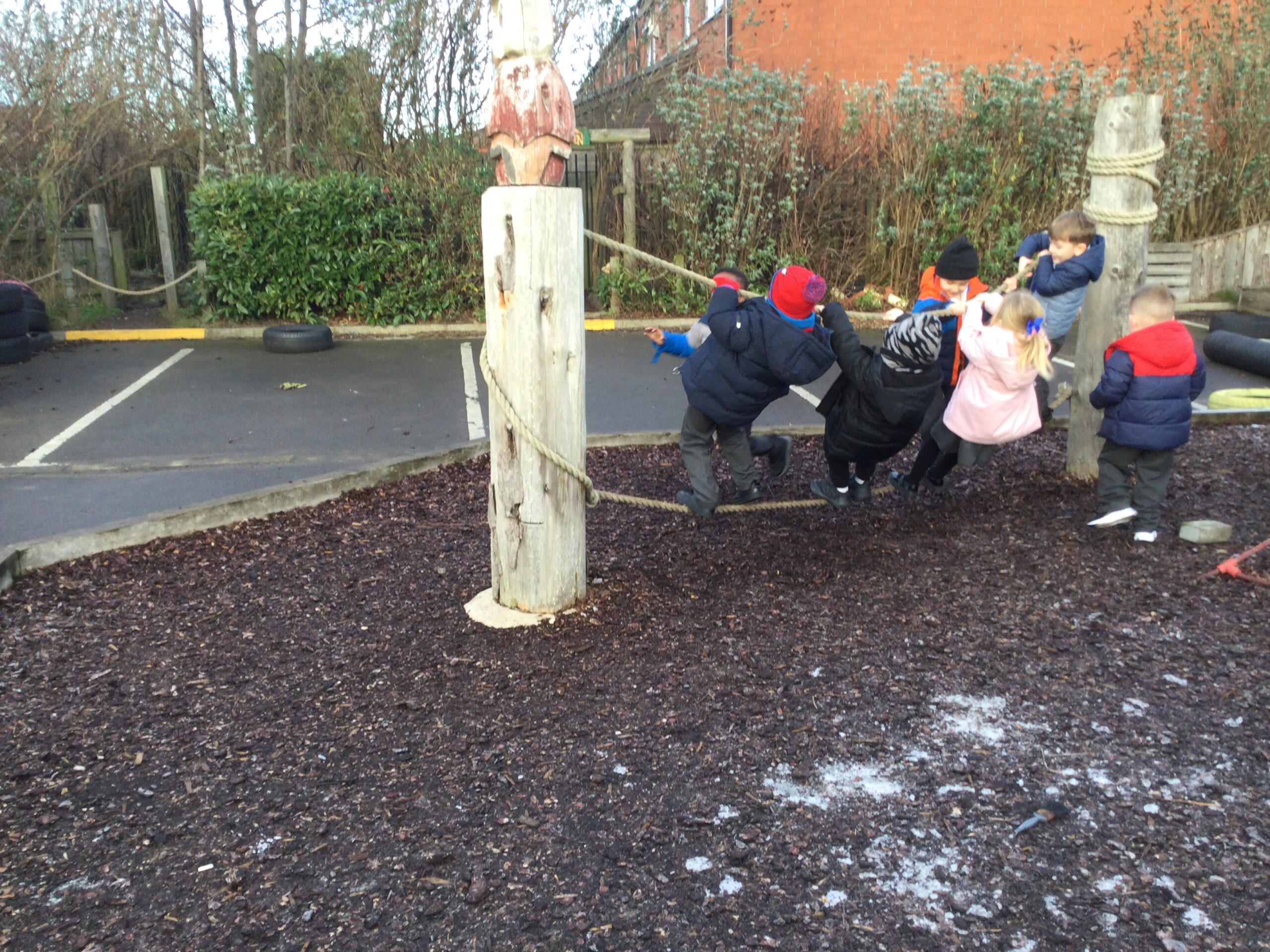
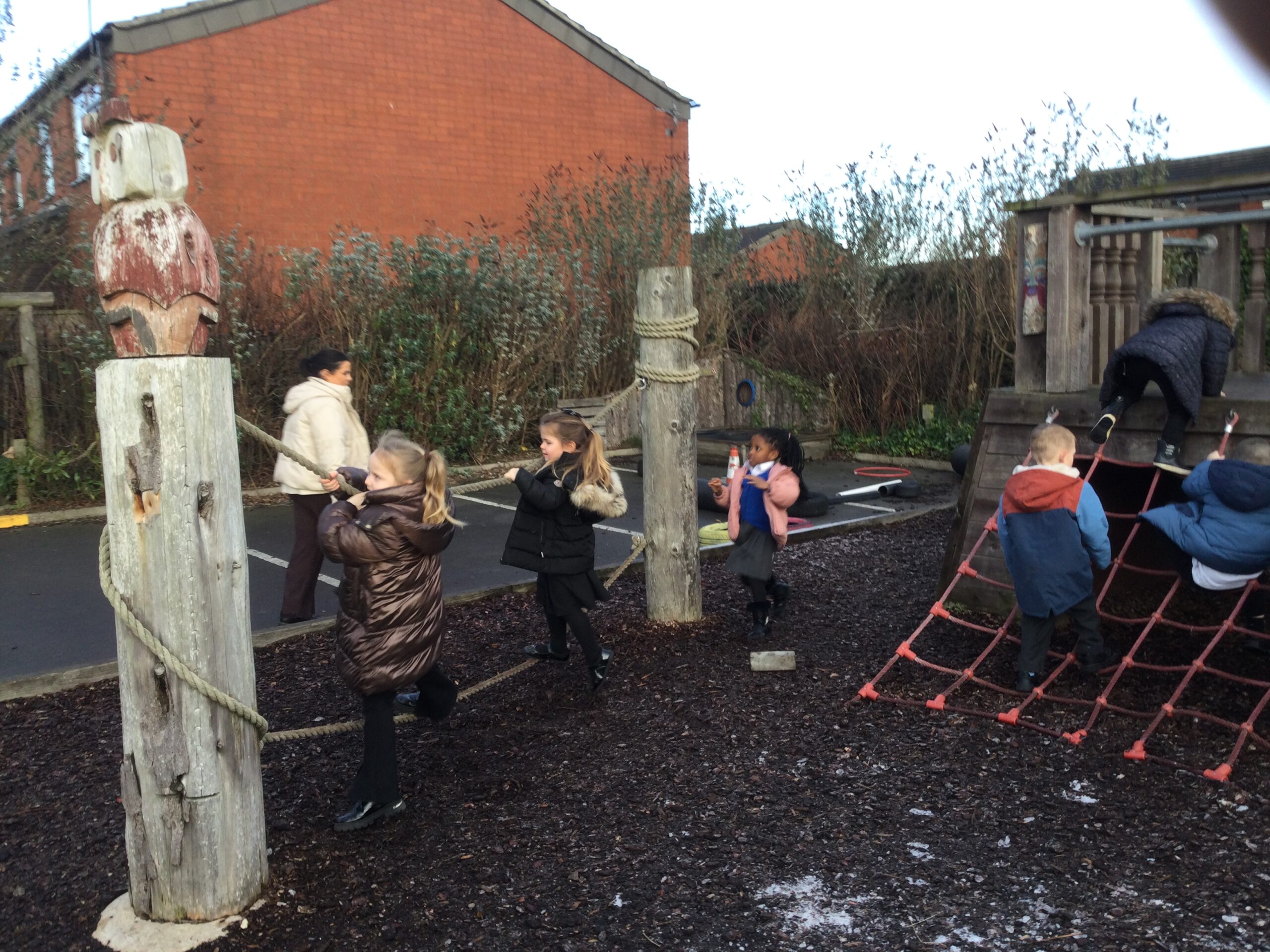
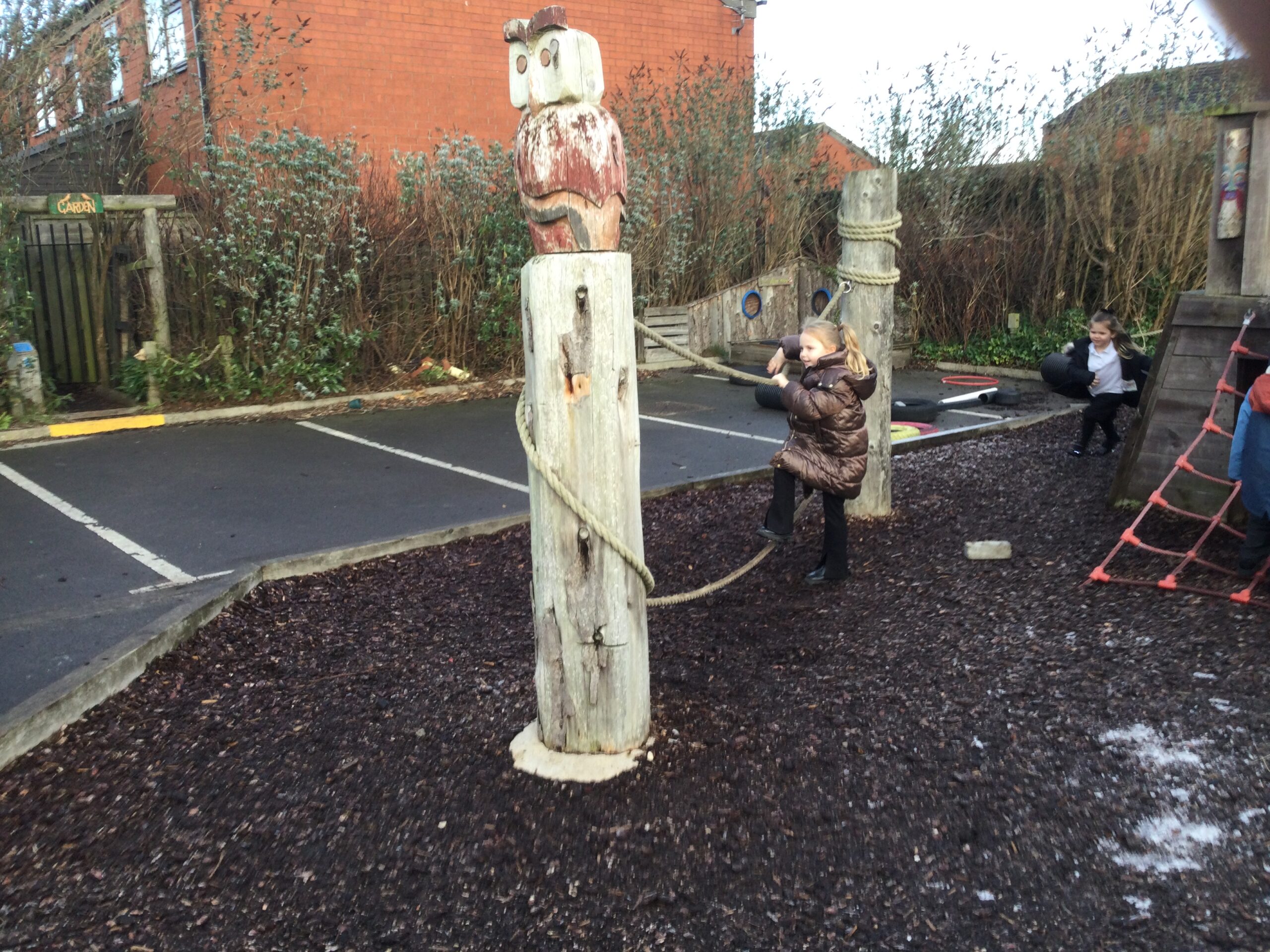
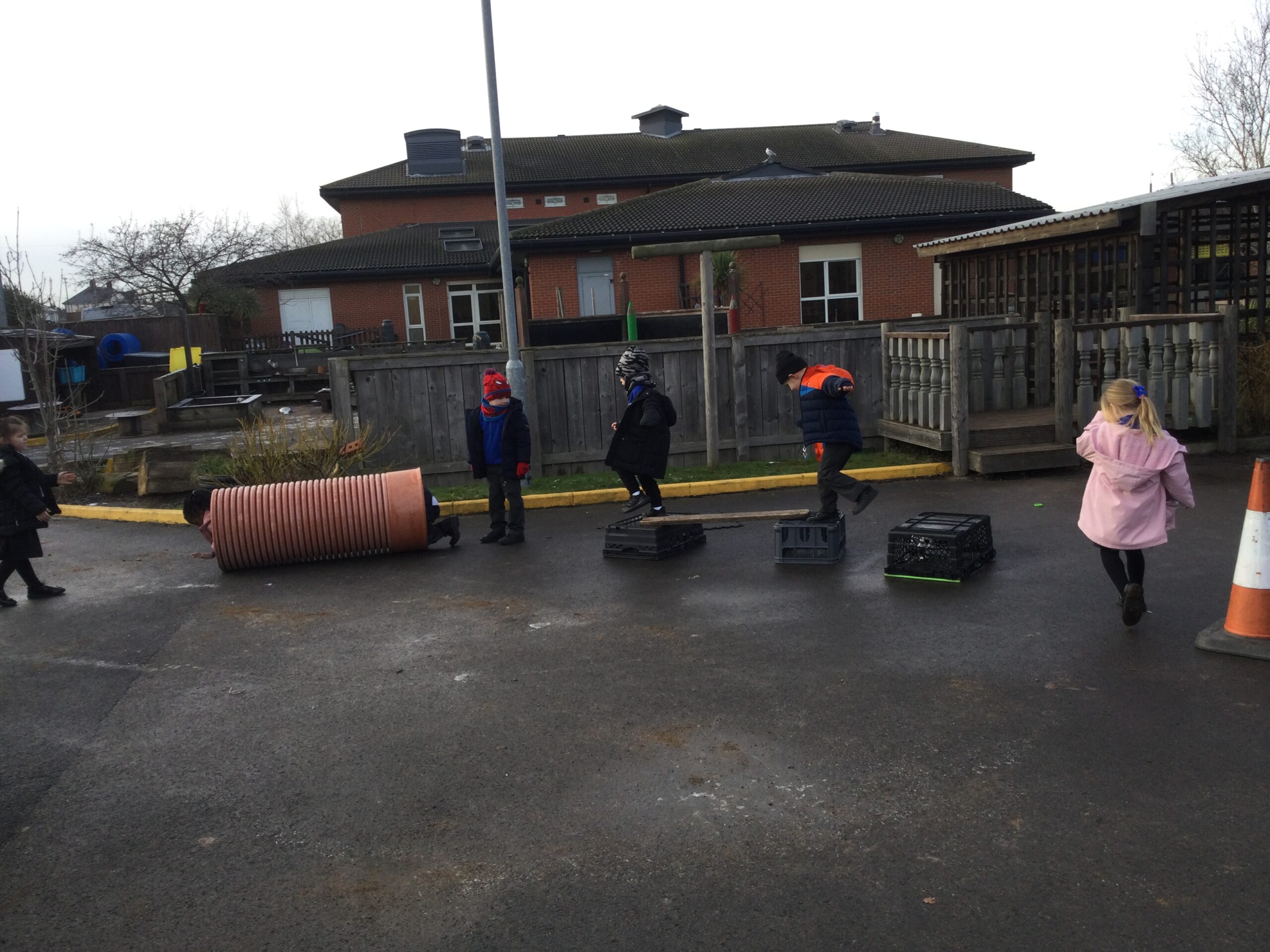
After reading Head to Toe, the children began experimenting with different movements and challenging themselves to move in new ways.
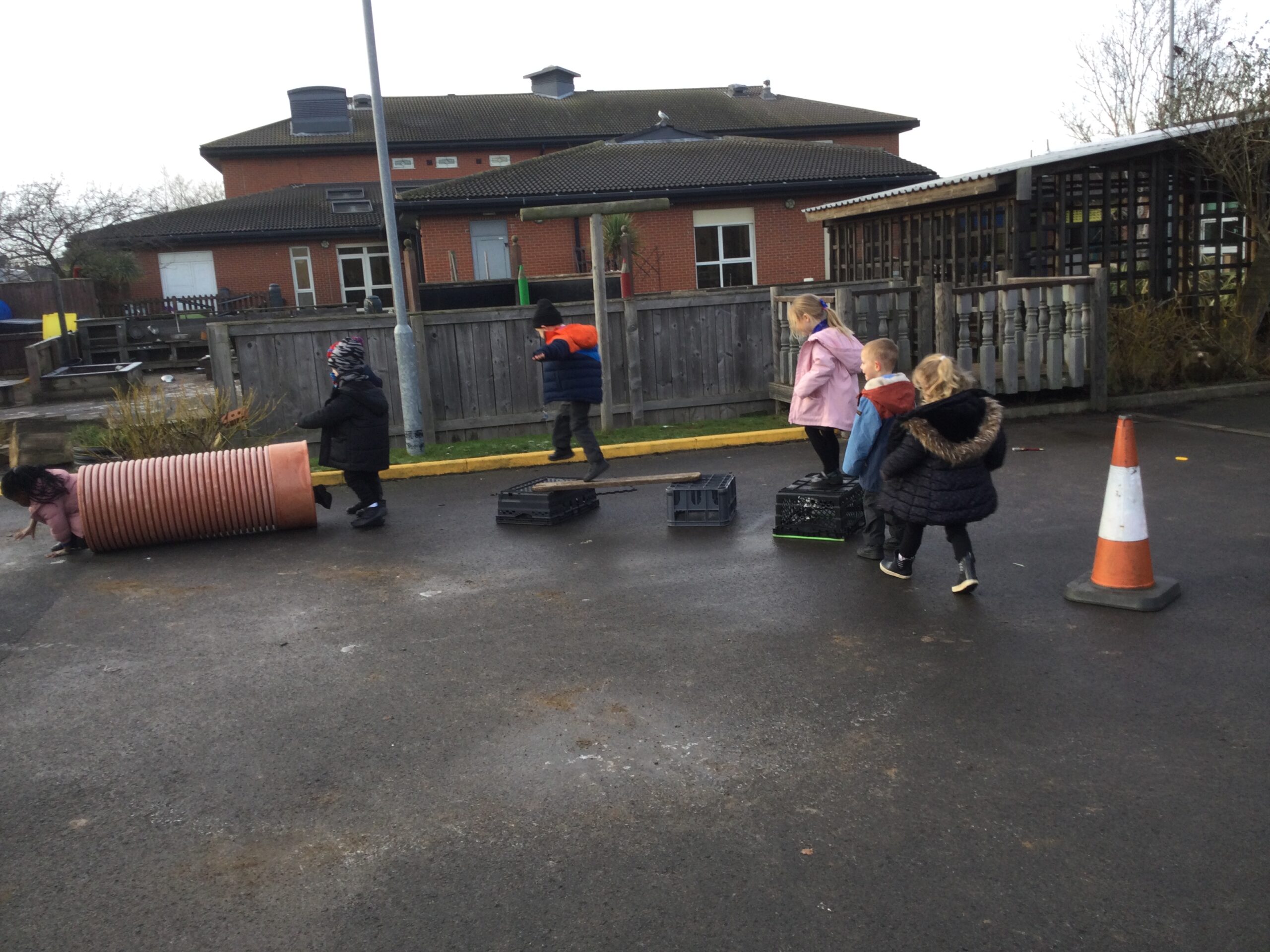
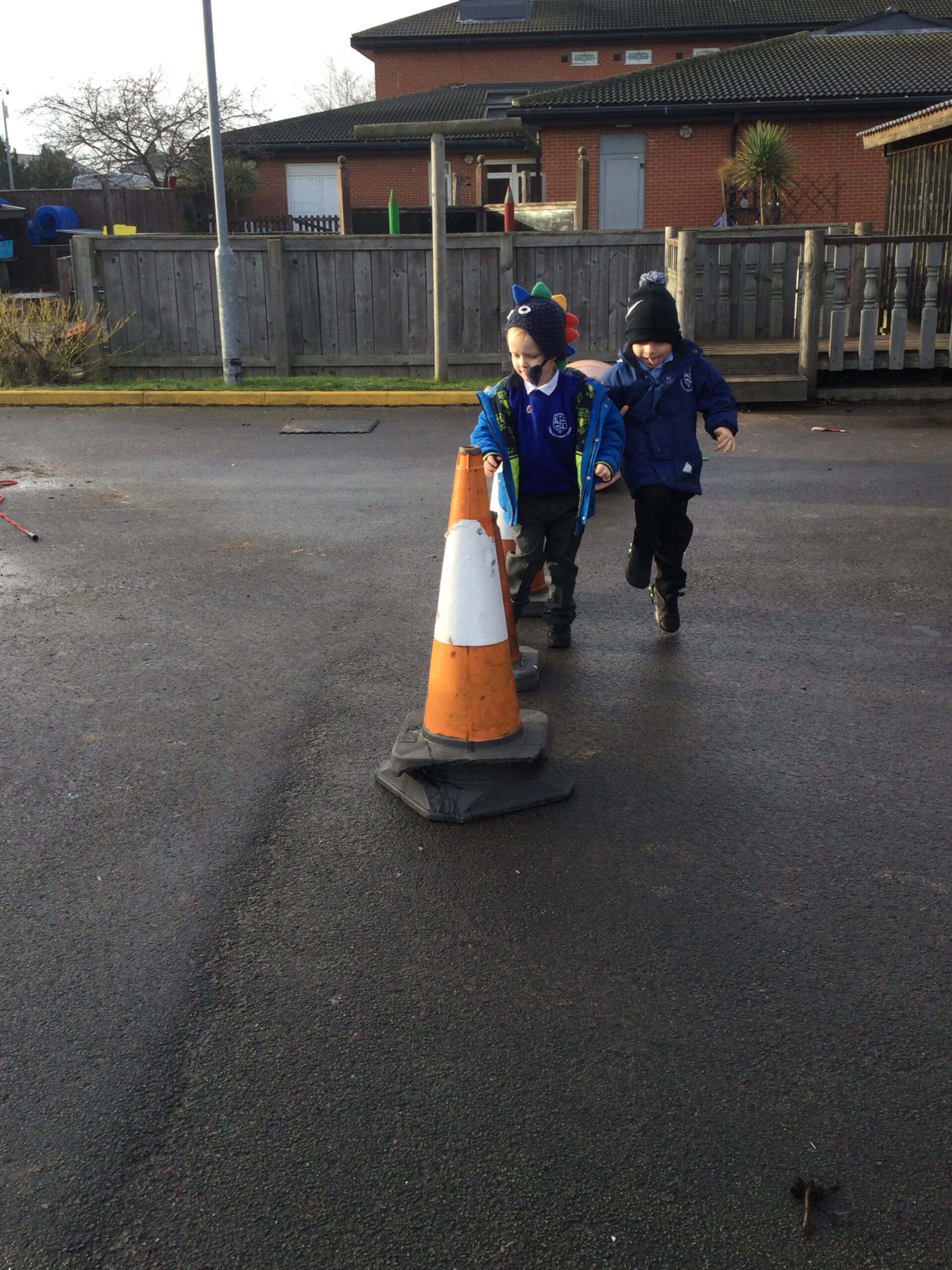
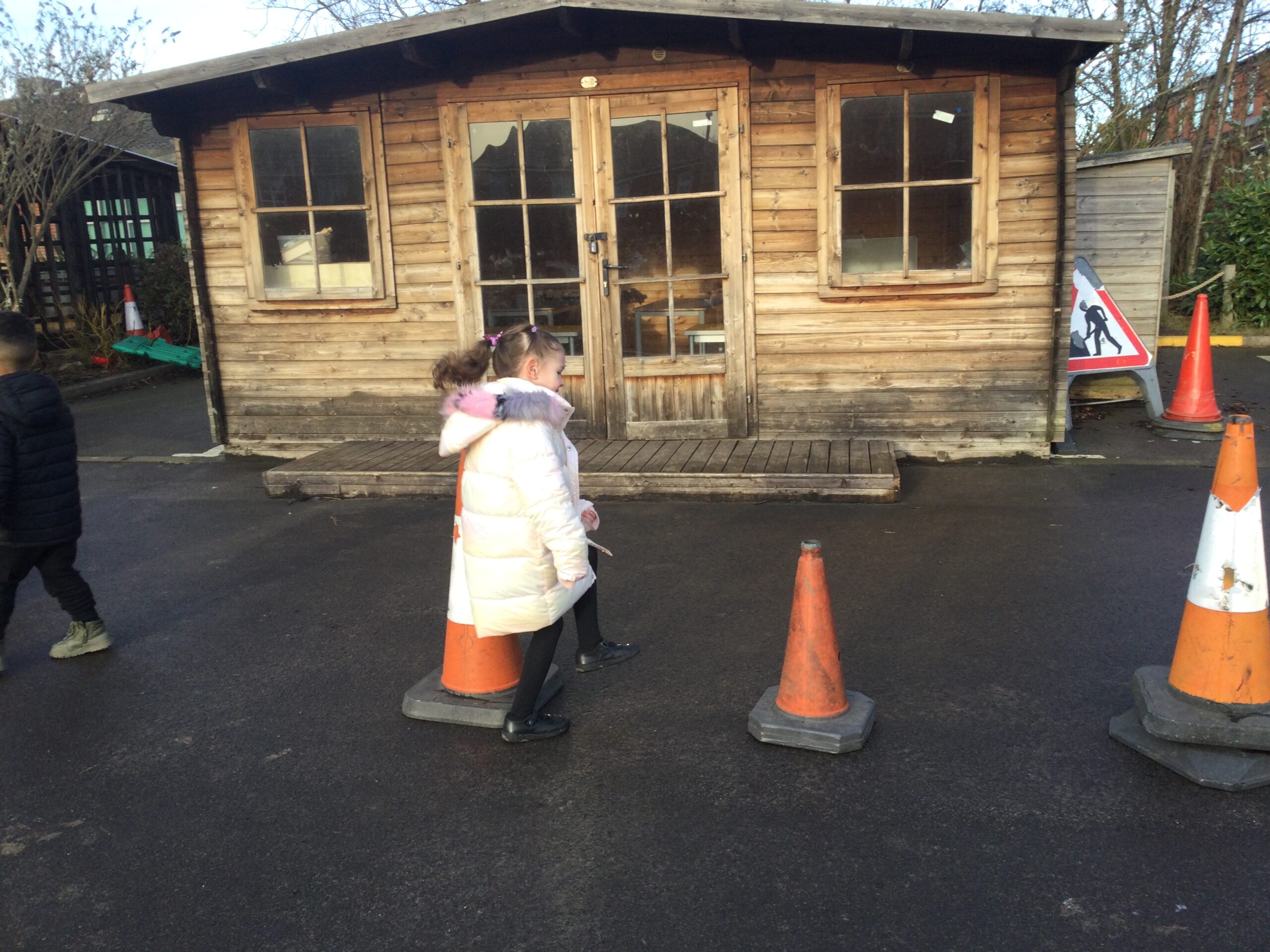
Their enthusiasm for physical challenges led to obstacle courses, where they created routes, tested them and adapted them to make them easier or harder.
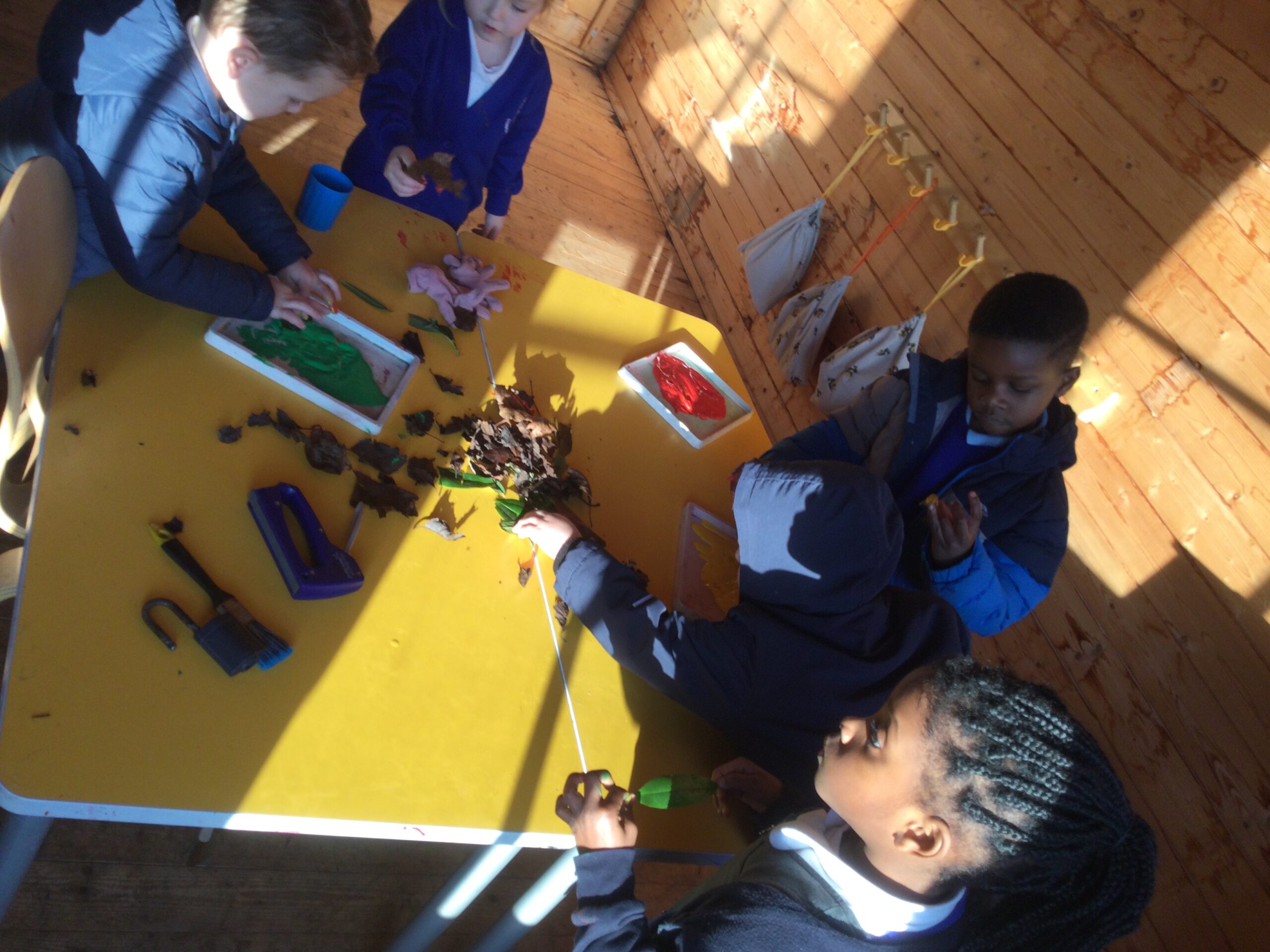
The snowfall provided an unexpected opportunity to explore movement in a real-life context. Outdoors, the children compared how their bodies moved on snow, ice and the usual playground surface. They carefully tested different ways of moving, noticing when they needed to slow down, balance more carefully and change the way they walked.
As they explored movement, they naturally began comparing themselves with animals, wondering whether they could move in the same way.
What did we learn?
The children discovered that different parts of our bodies help us move and that movement requires balance, coordination and control. They also noticed that animals move in different ways depending on their bodies.
Through their experiences in the snow and ice, the children learned that the surface we move on can affect how we move. They observed that snow and ice can be slippery, meaning we need to move more carefully and adapt our movements to stay balanced and safe. ❄️👣🏃♀️alance, coordination and control. They also noticed that animals move in different ways depending on their bodies.
Week 2: Is it fast or slow?
What did we wonder?
As the children explored movement, they began noticing that not everything moves at the same speed.
They asked:
- Why are some animals faster than others?
- Can a slow animal win a race?
- What makes things go faster?
- Why do some cars move quicker than others?
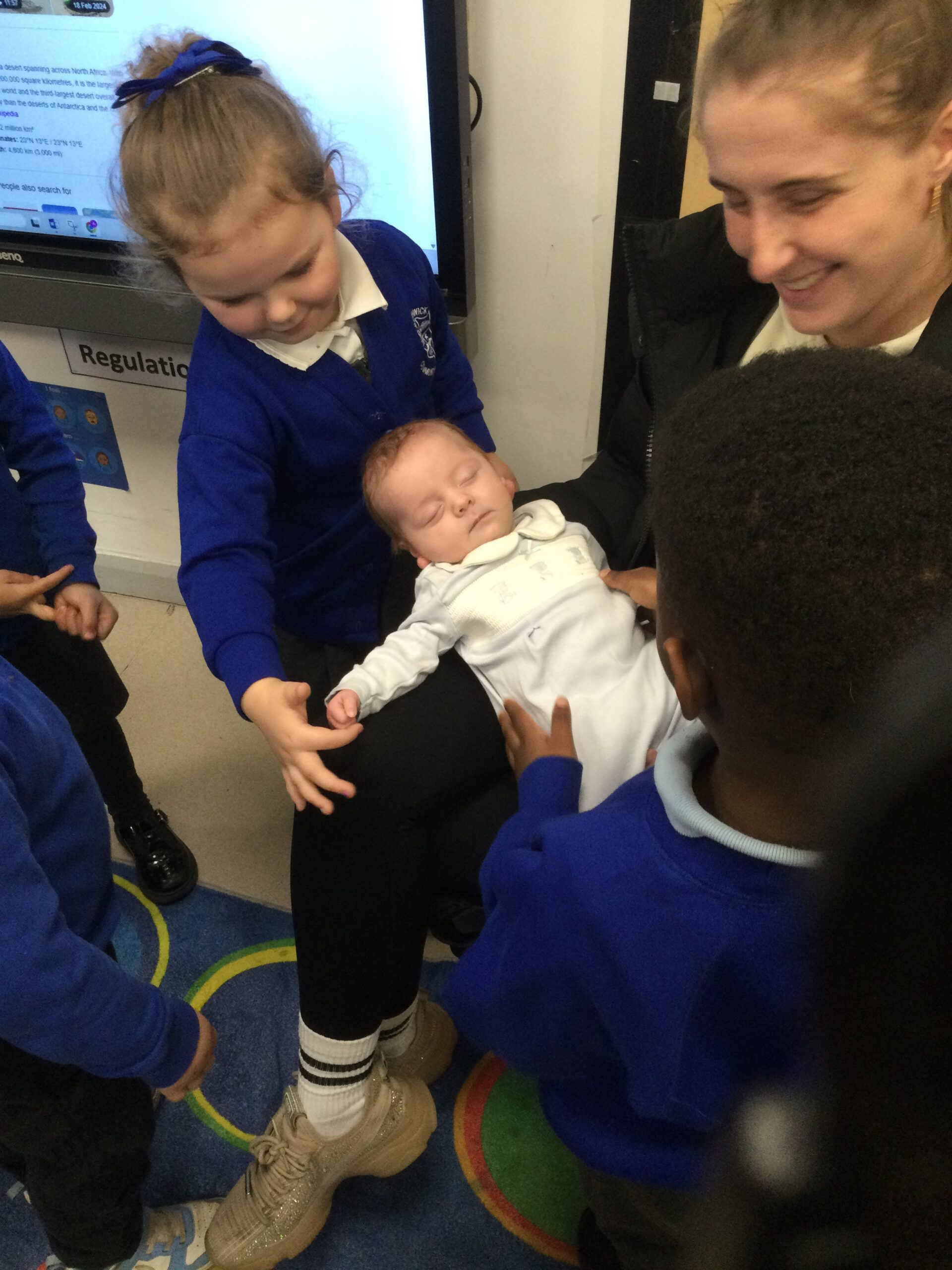
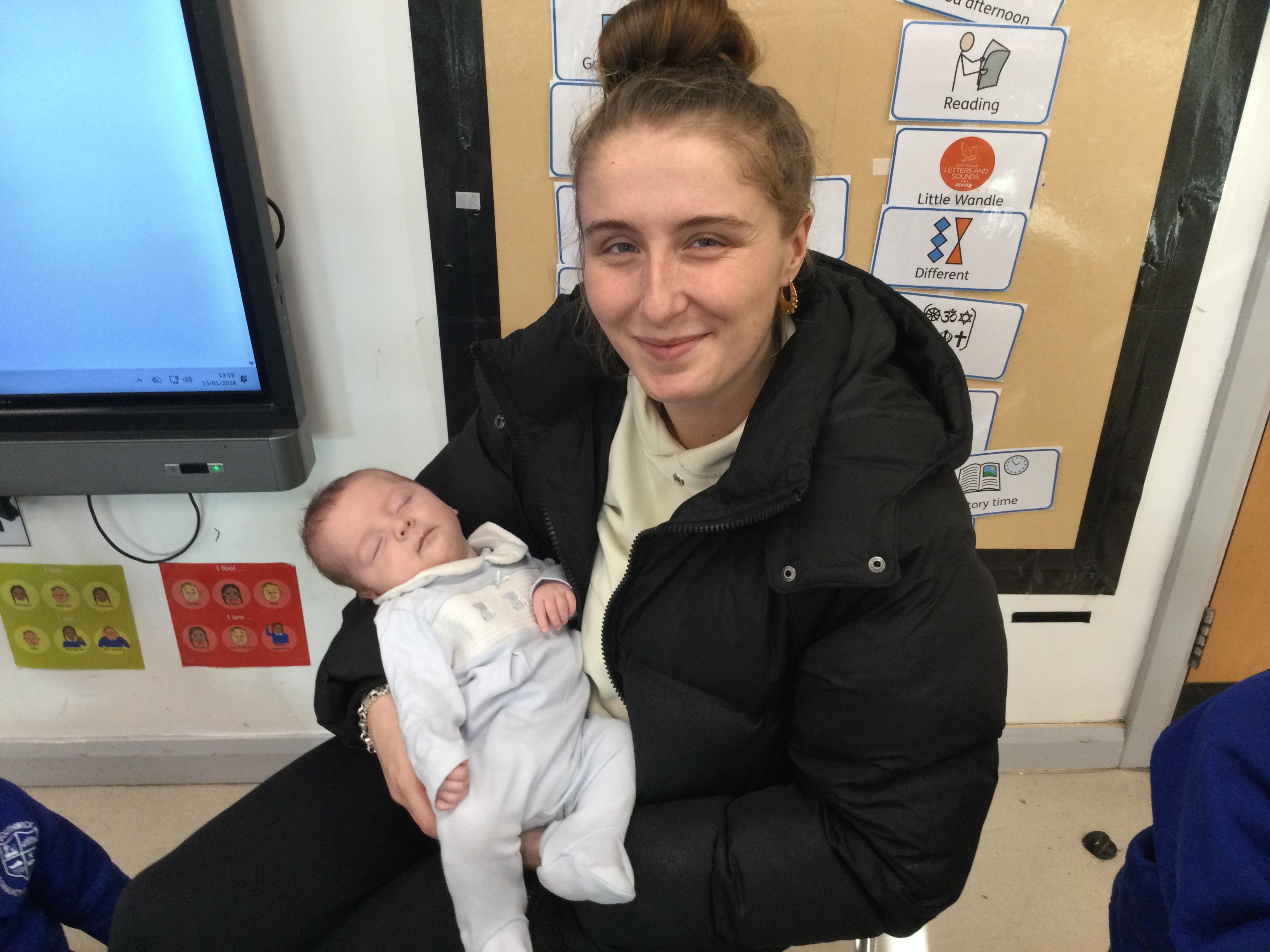
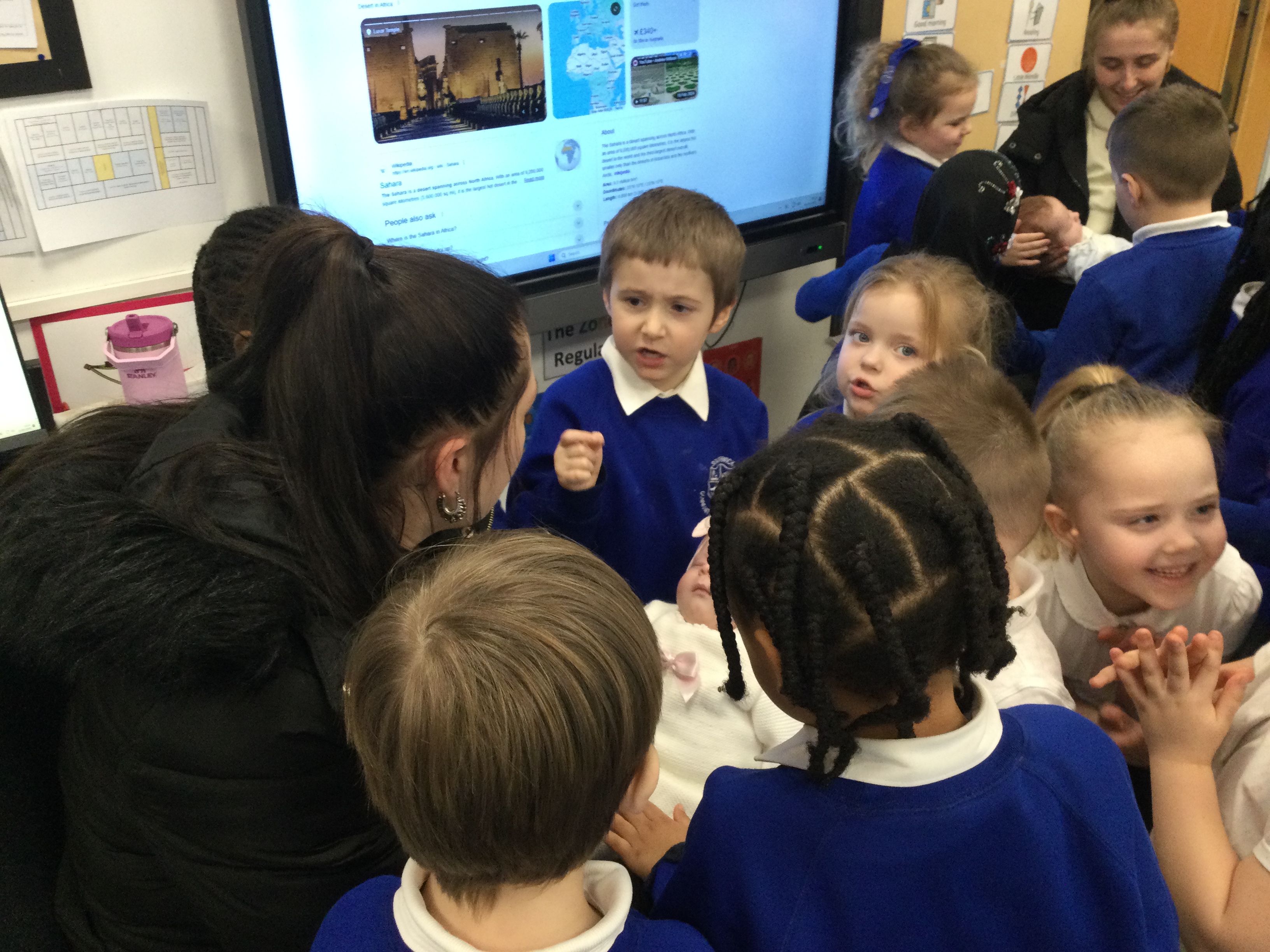
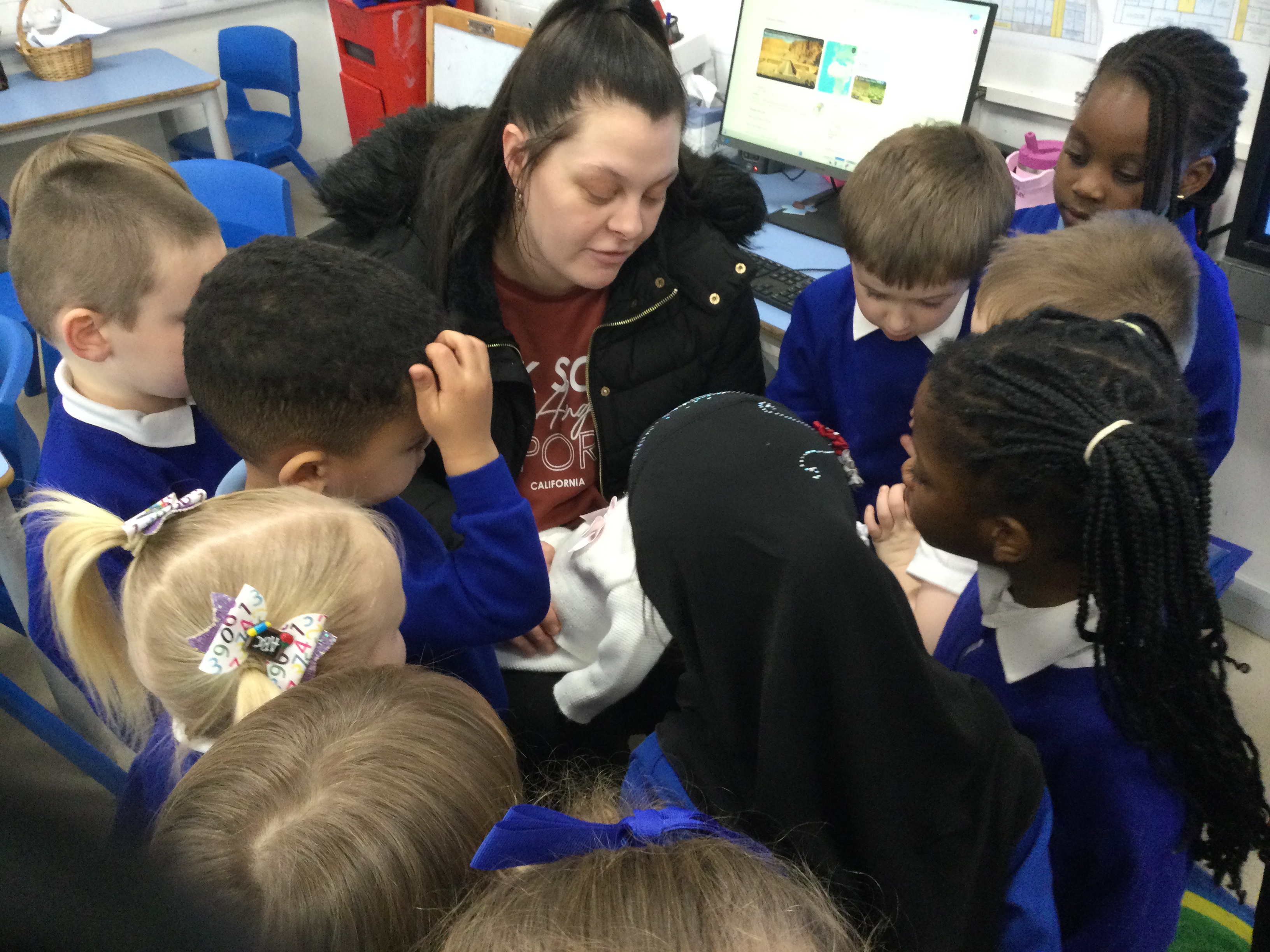
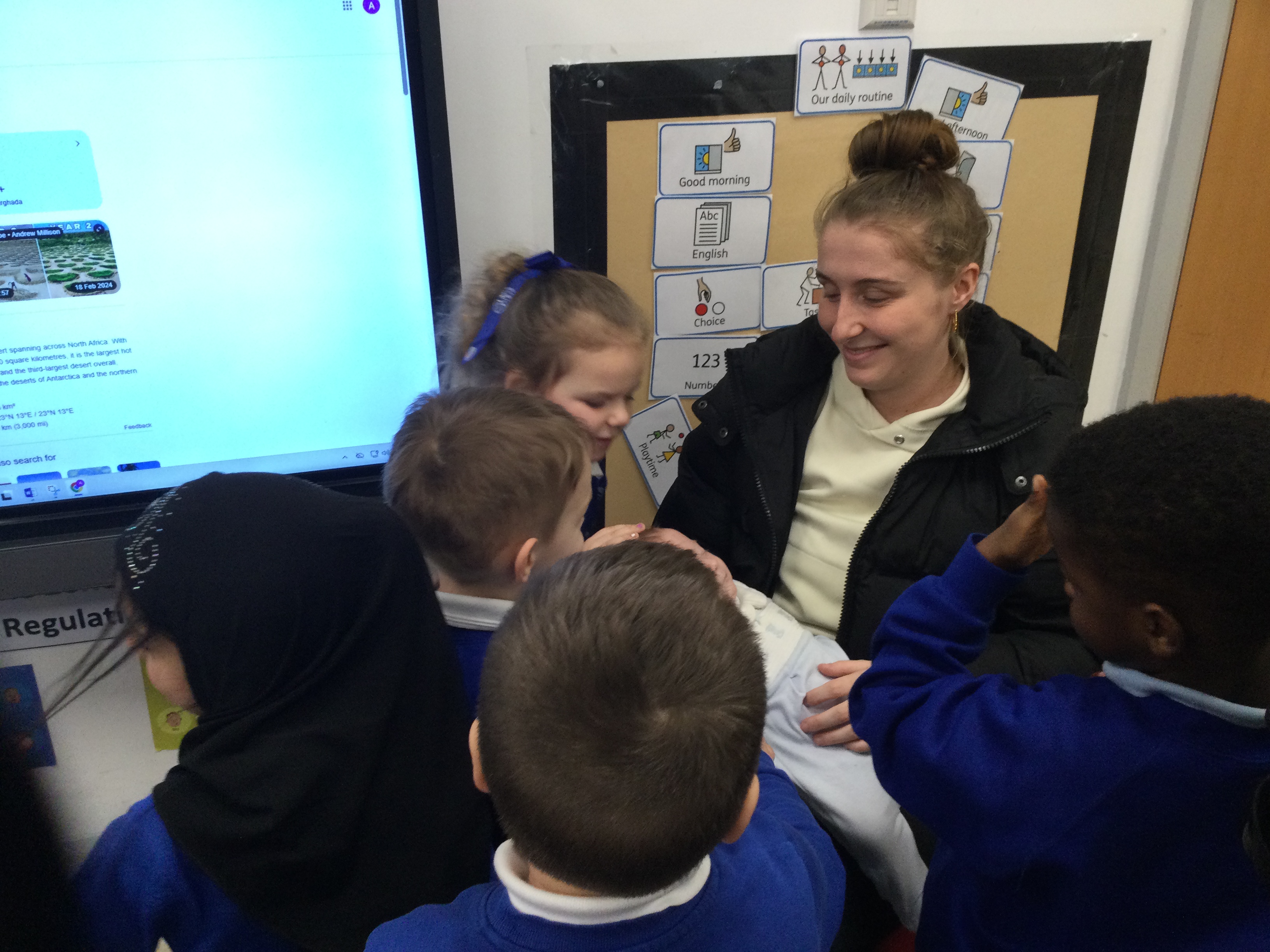
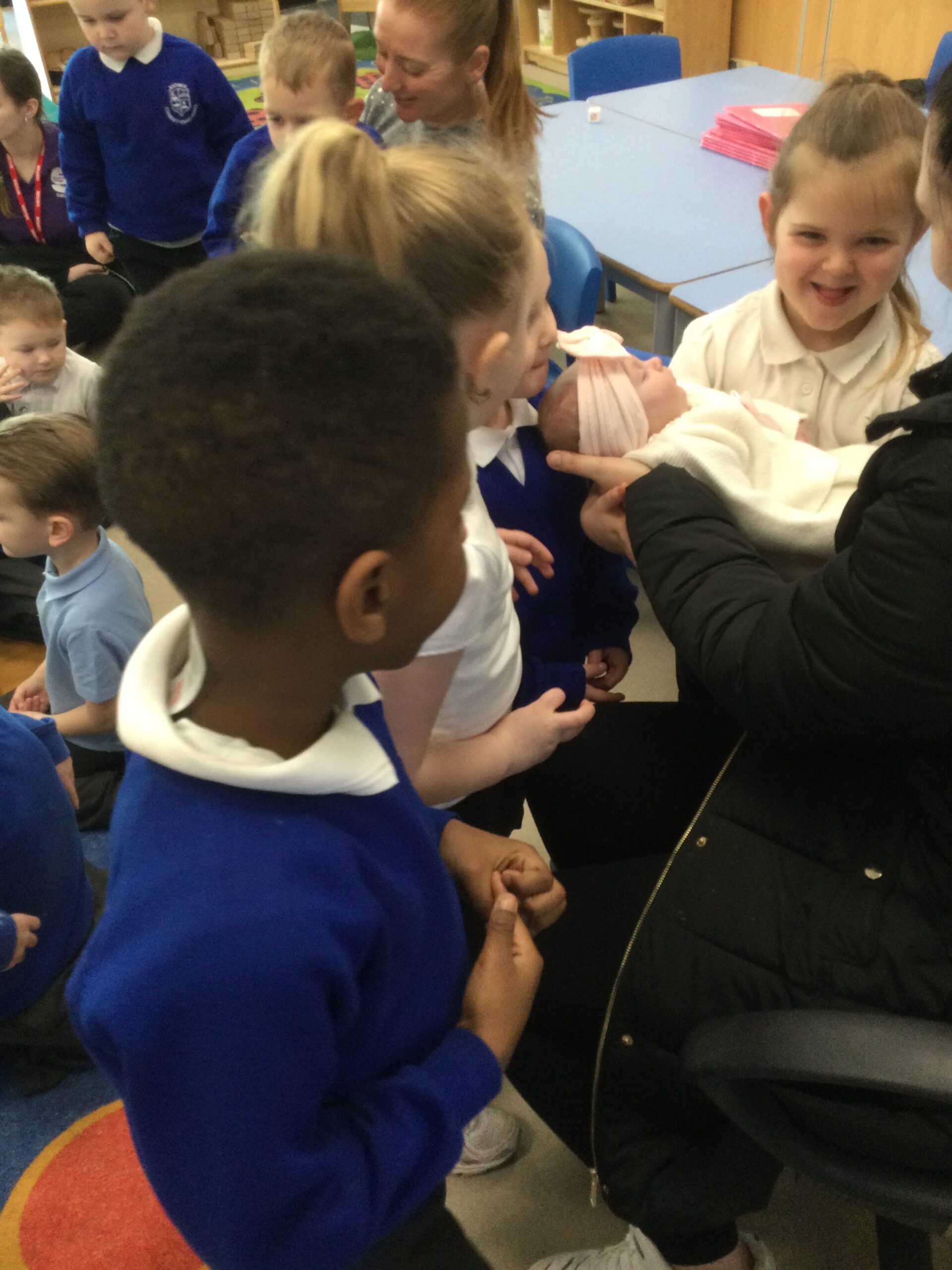
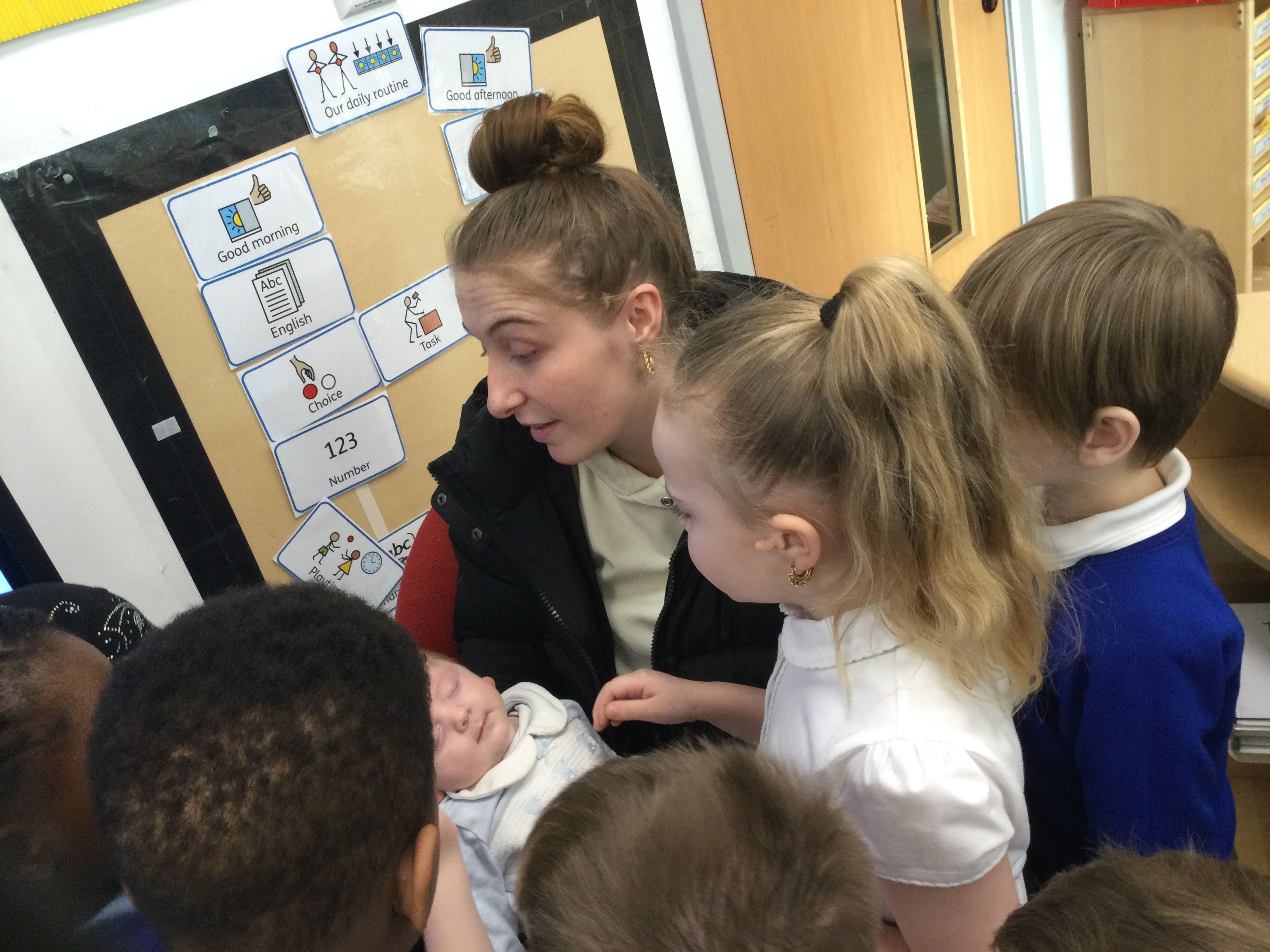
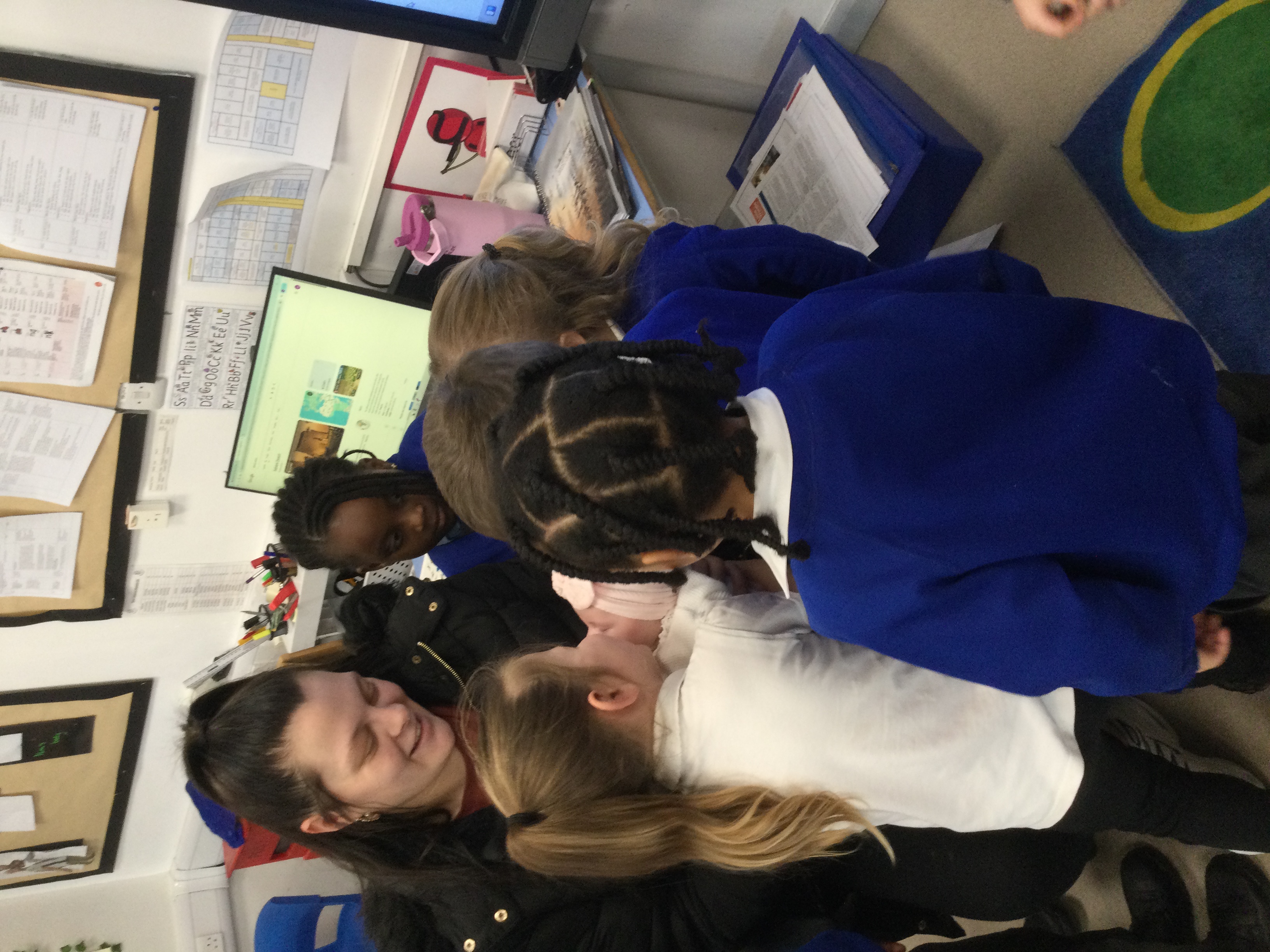
The arrival of babies into Reception sparked even more discussion. Children noticed that babies move very differently from older children and began asking:
- Why can’t babies walk?
- Why do babies crawl?
- When do babies learn to run?
- Were we all babies once?
Where did this take us?
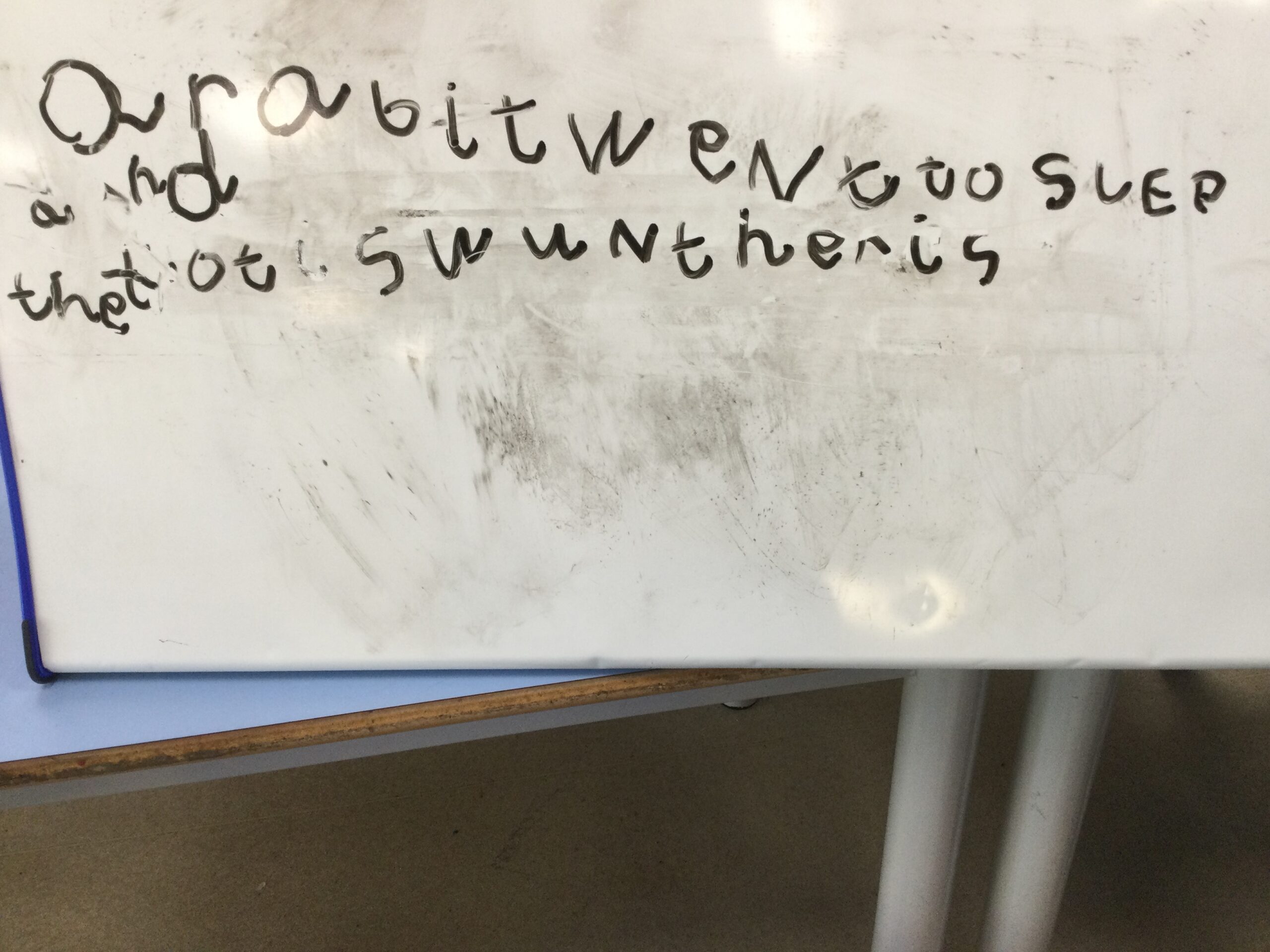
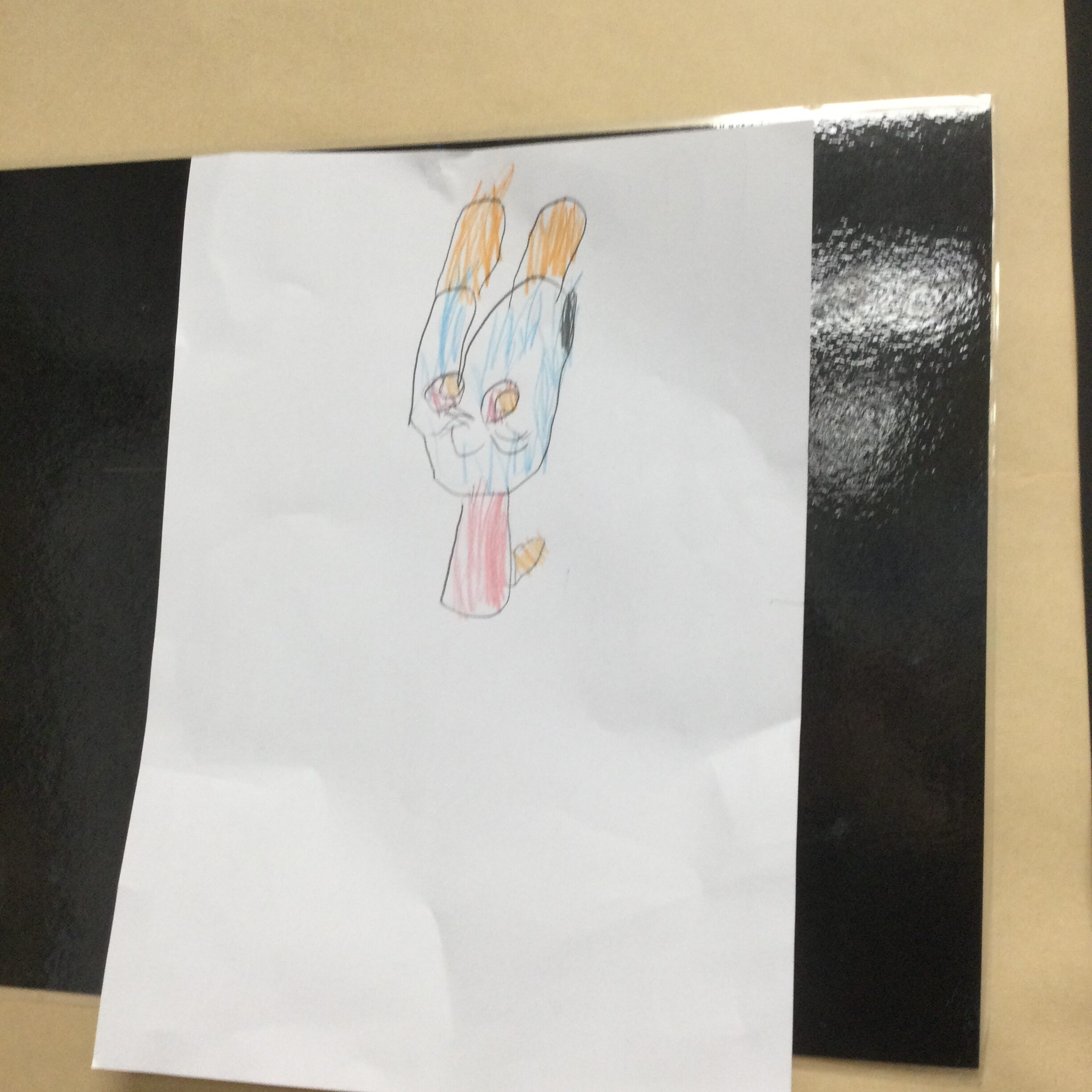
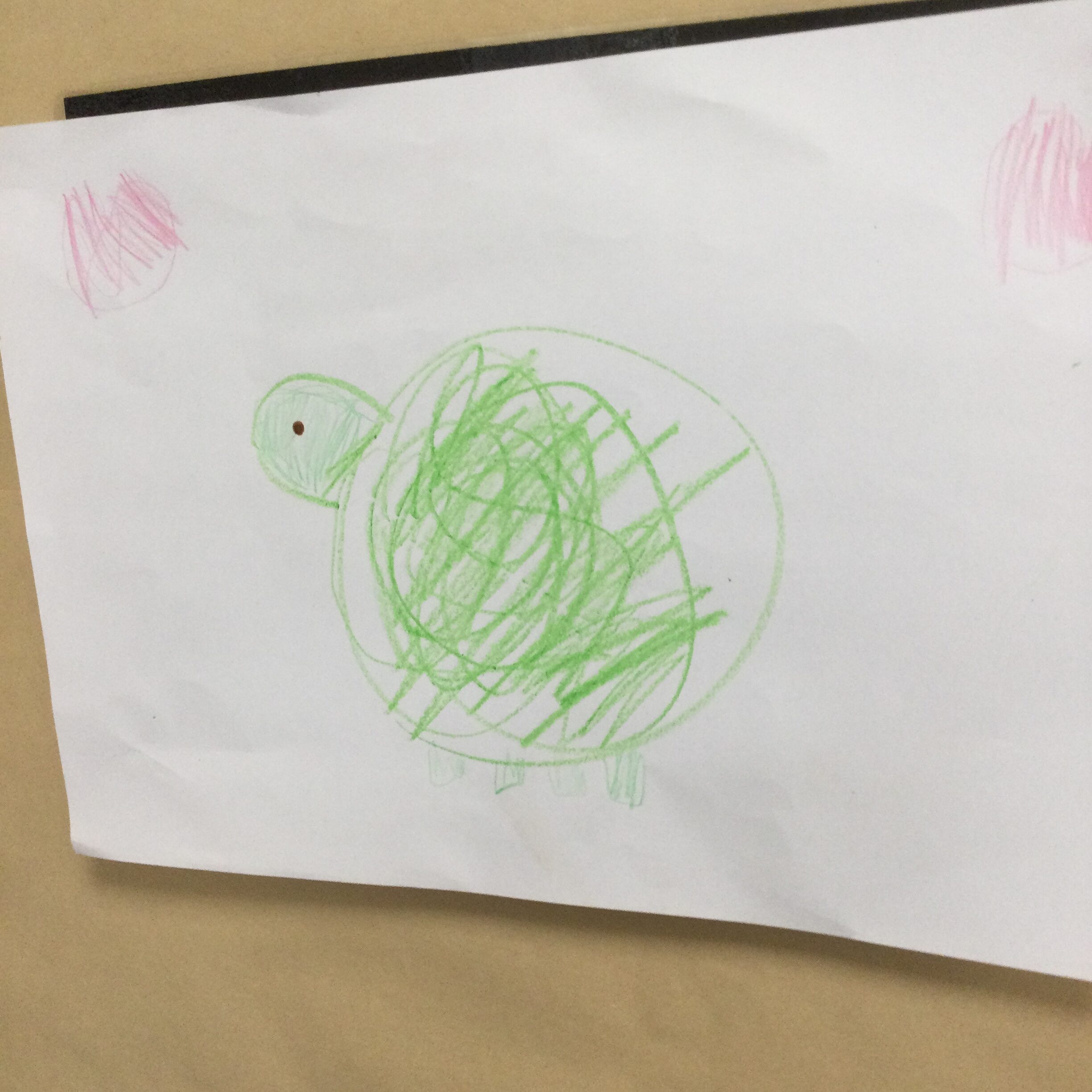
The story The Hare and the Tortoise encouraged children to think about fast and slow movement in different ways.
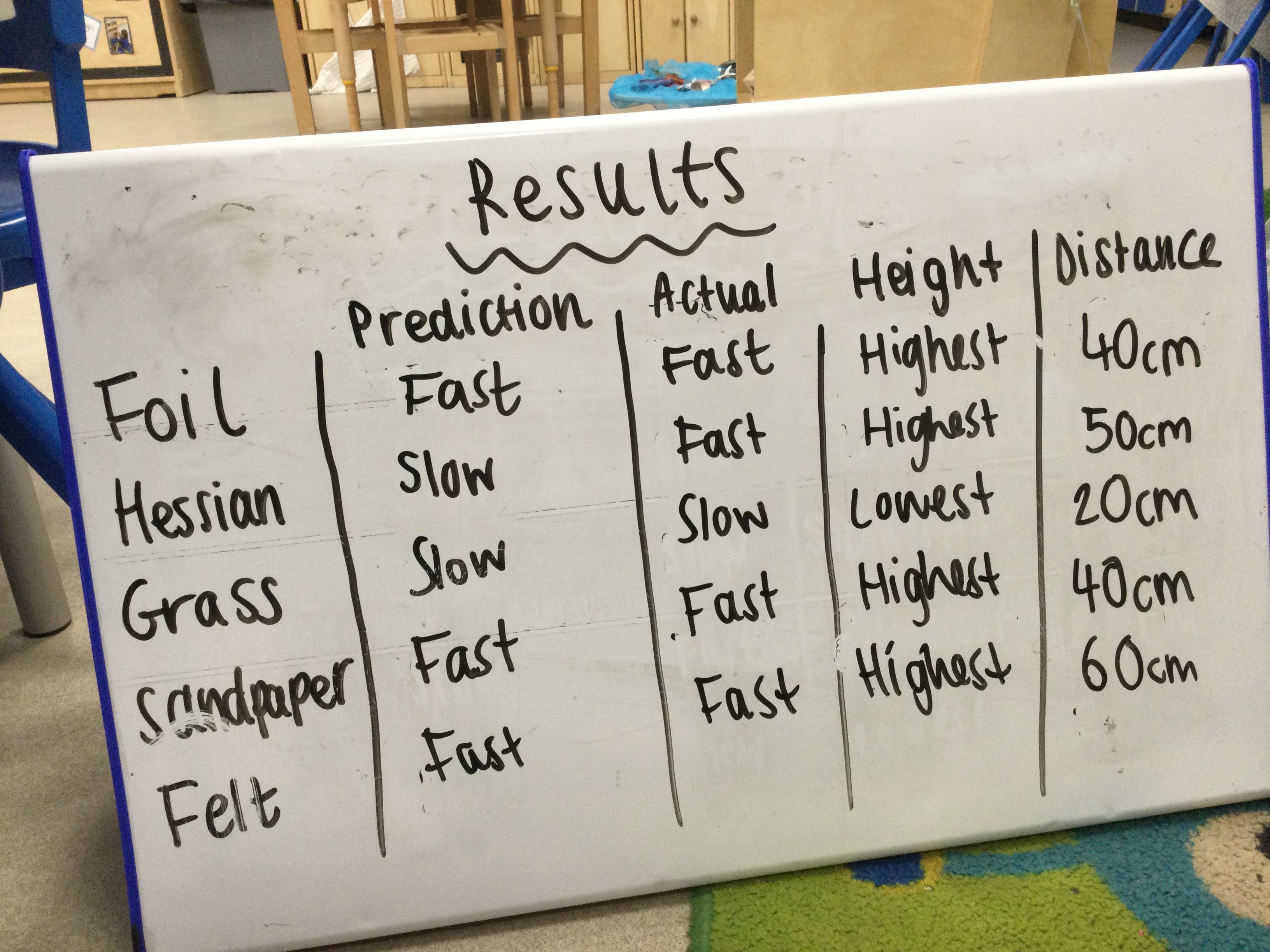
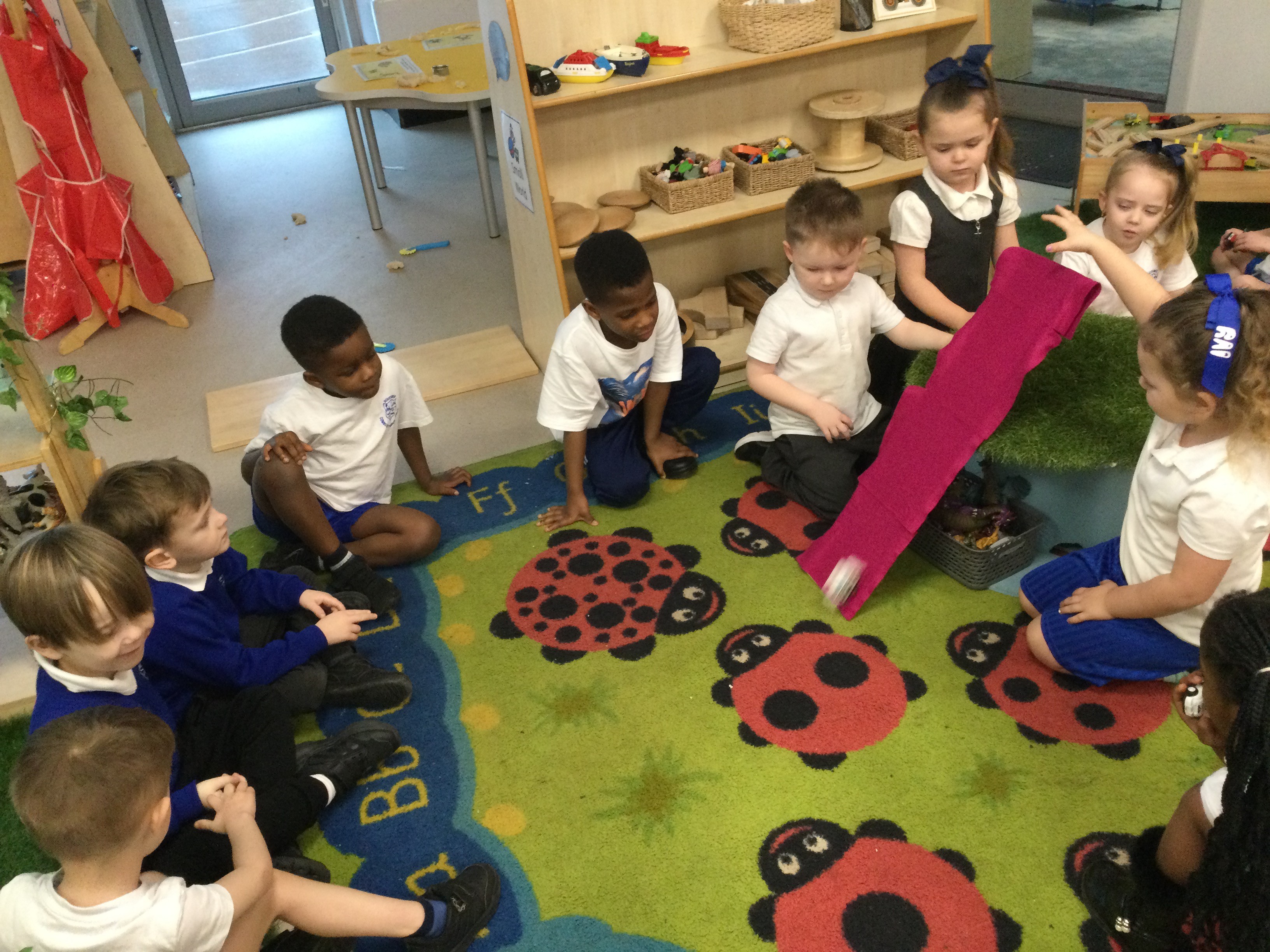
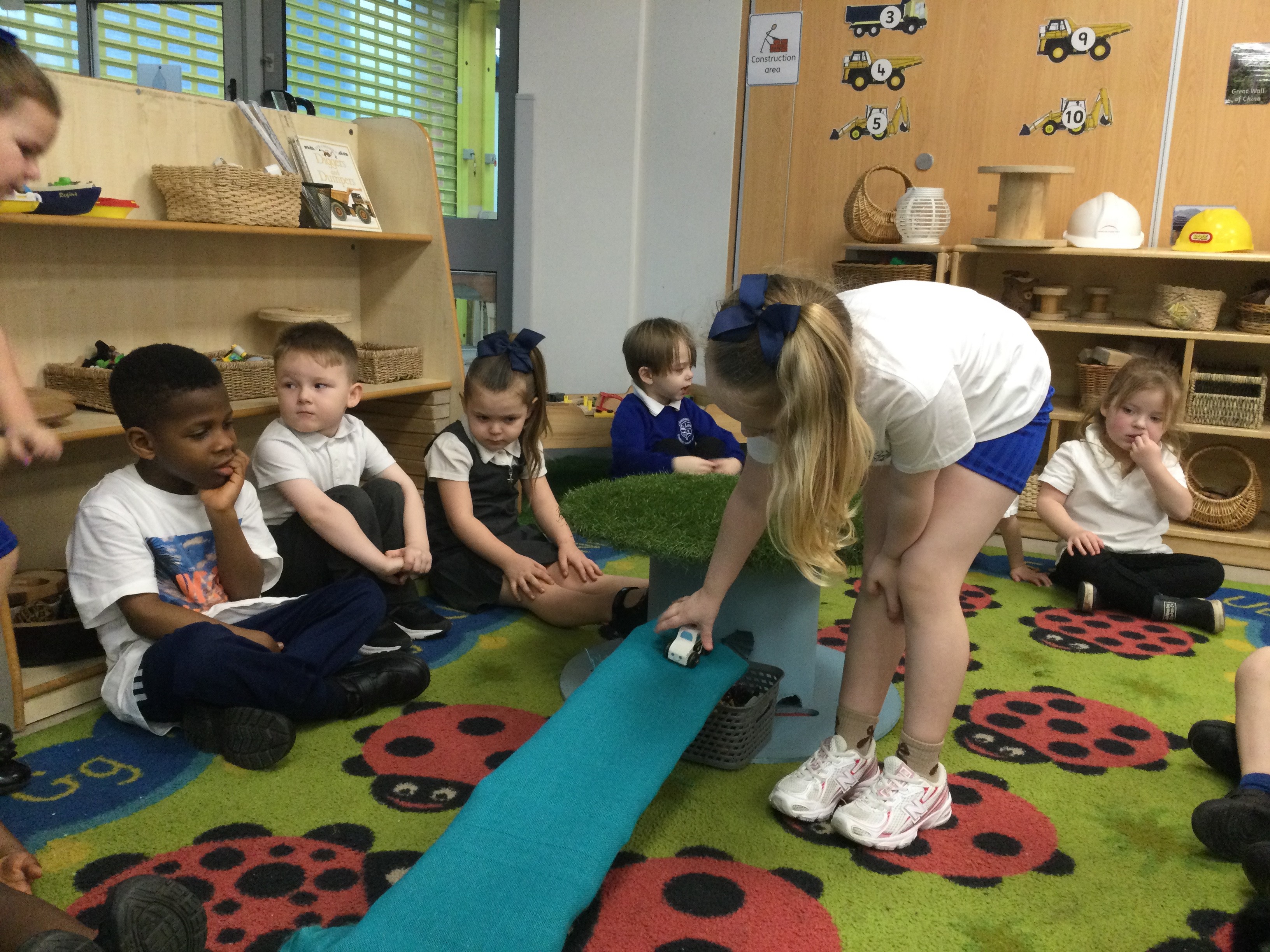
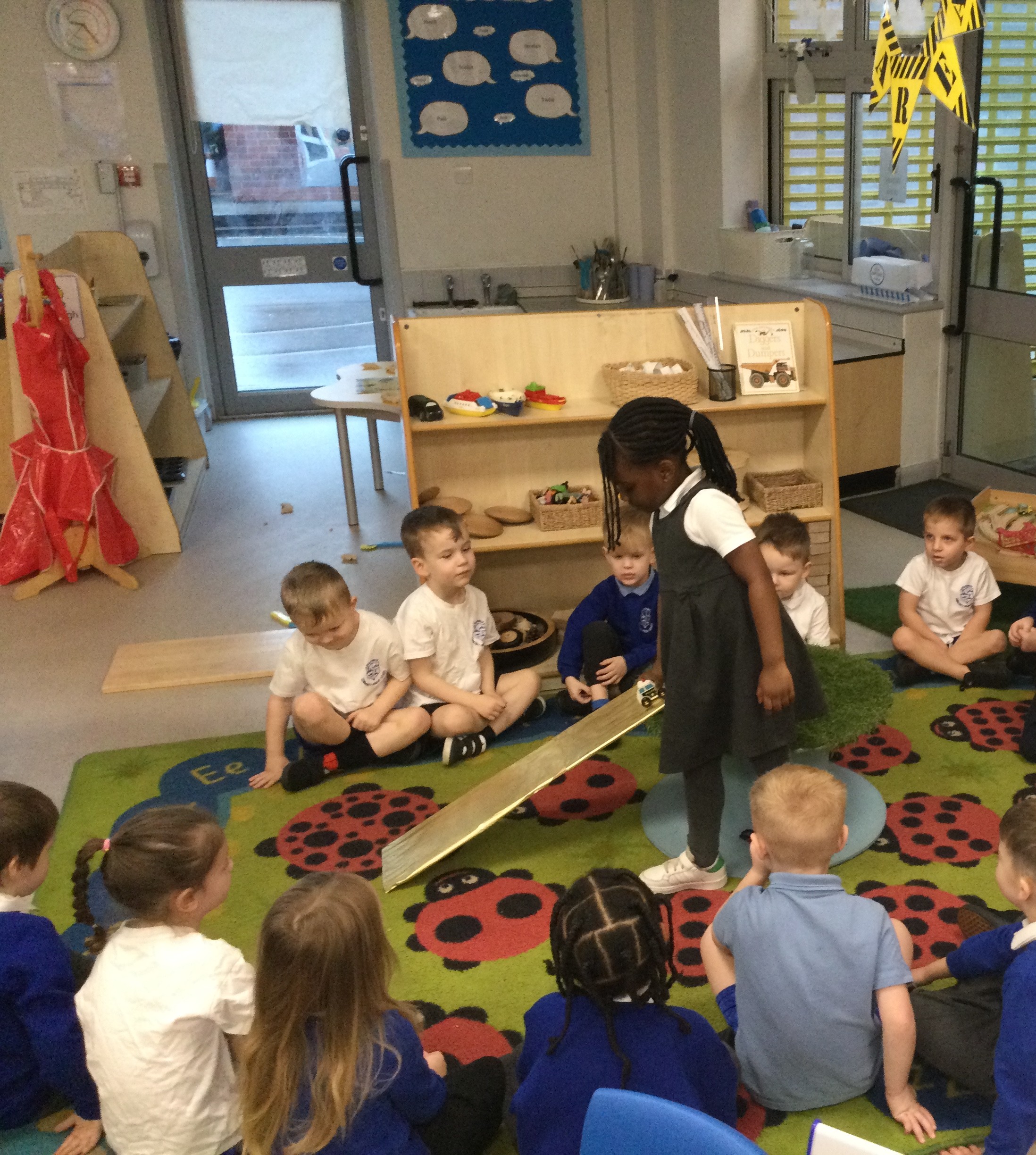
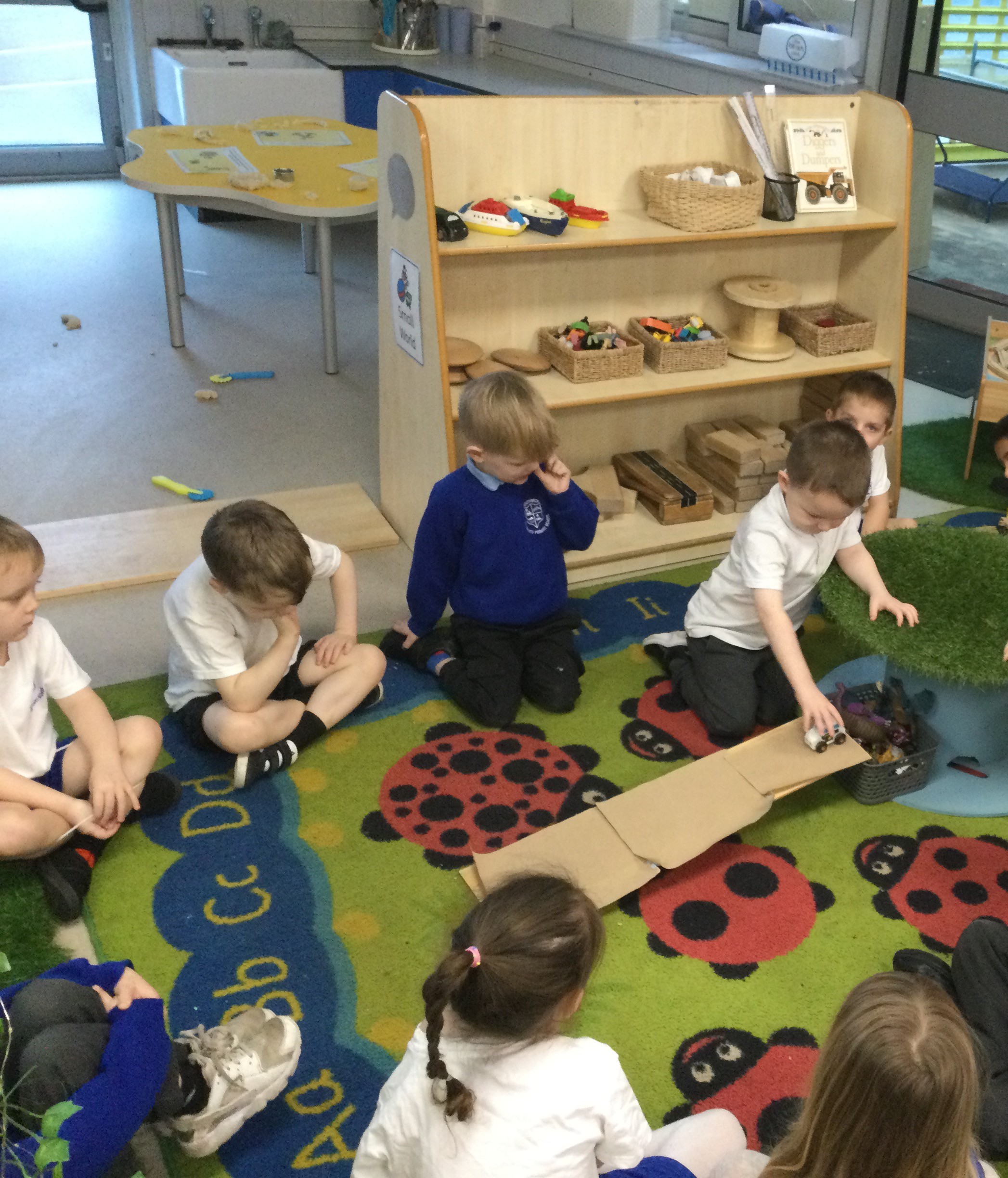
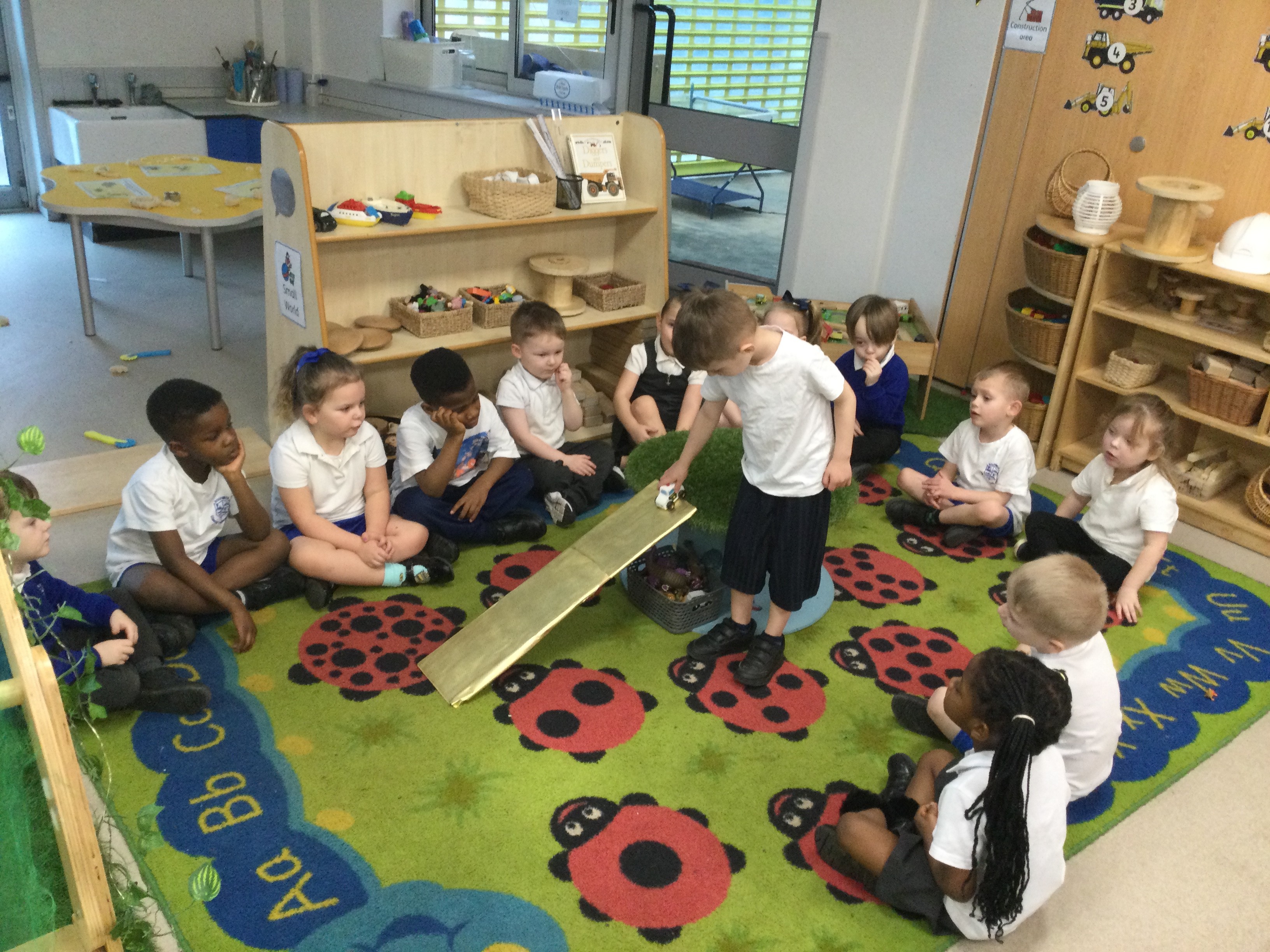
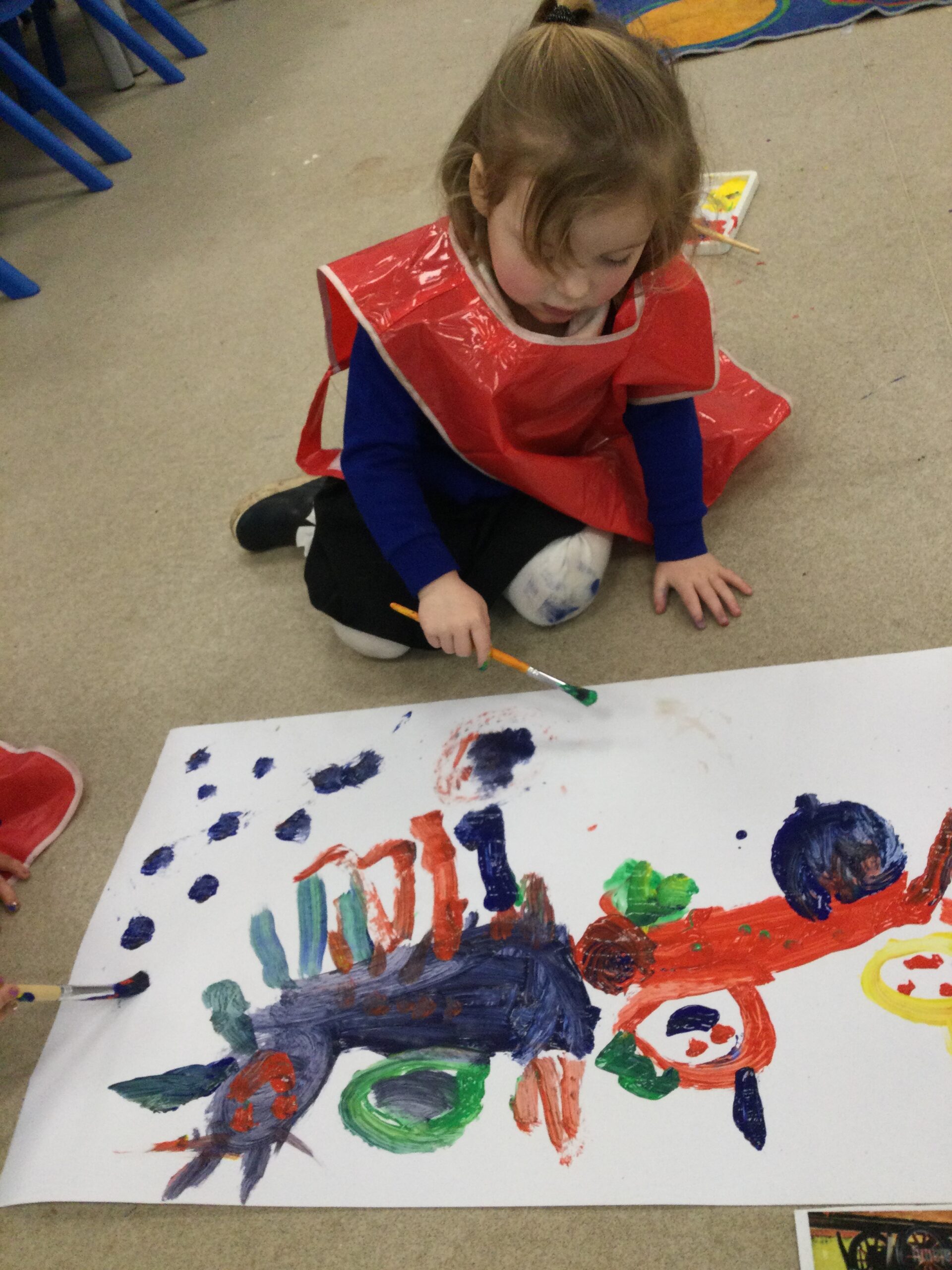
Their curiosity led to investigations using ramps, vehicles and different surfaces. The children made predictions, tested their ideas and discussed what they observed.
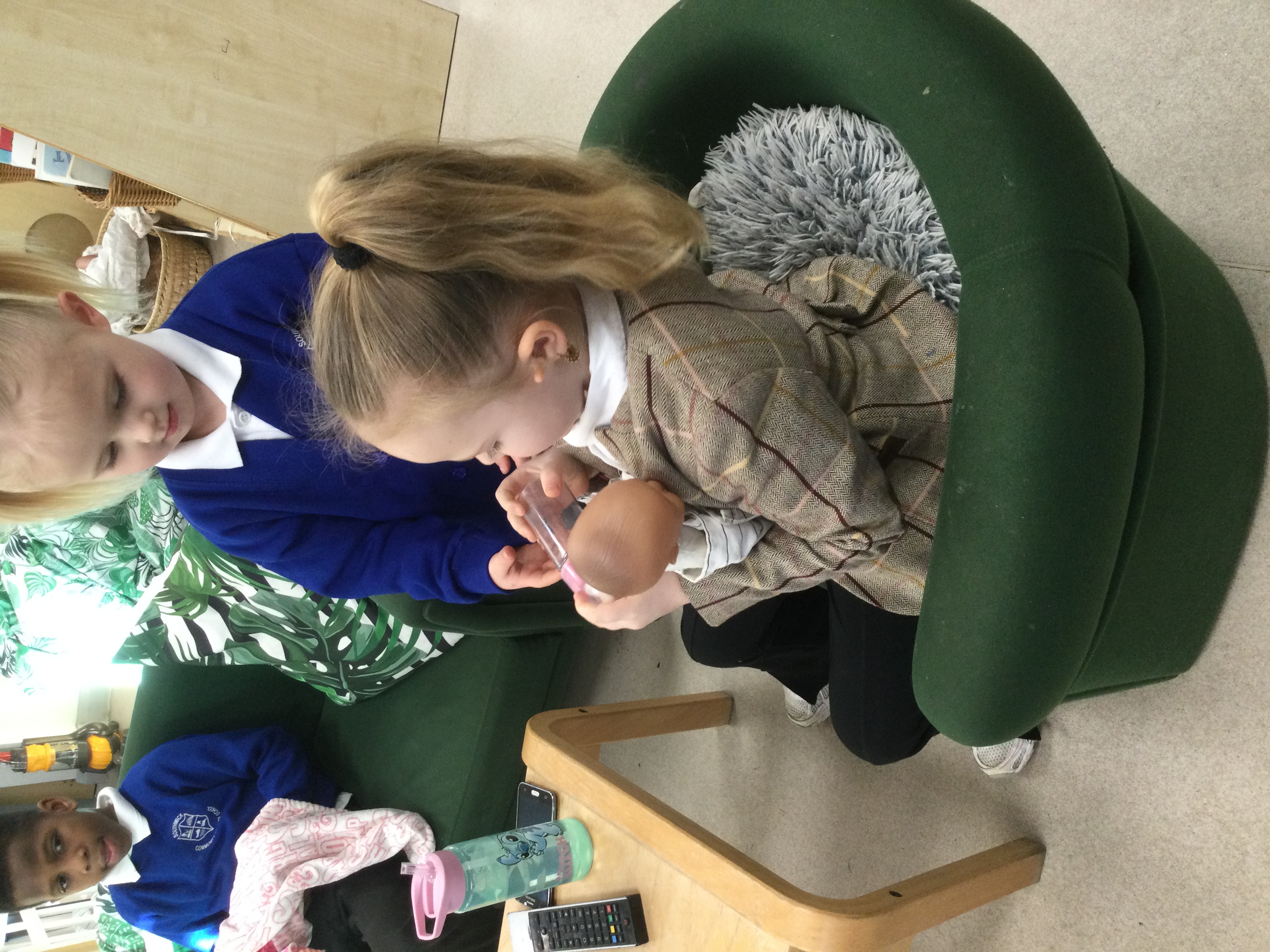
The babies in Reception provided a real-life opportunity to think about movement and growth. Children carefully observed how babies move, comparing this to what they can do now. They talked about how babies begin by lying, rolling and crawling before eventually learning to walk, run and jump.
This led to conversations about how people change as they grow and how practice helps us develop new skills.
What did we learn?
The children learned that movement can be fast, slow, quick or steady. They discovered that different surfaces affect how things move and that everyone grows and develops at their own pace.
They also learned that babies move differently from older children because they are still growing and developing. Through discussion, the children reflected on how their own bodies have changed and all the things they can do now that they could not do as babies. 👶🏃♀️✨
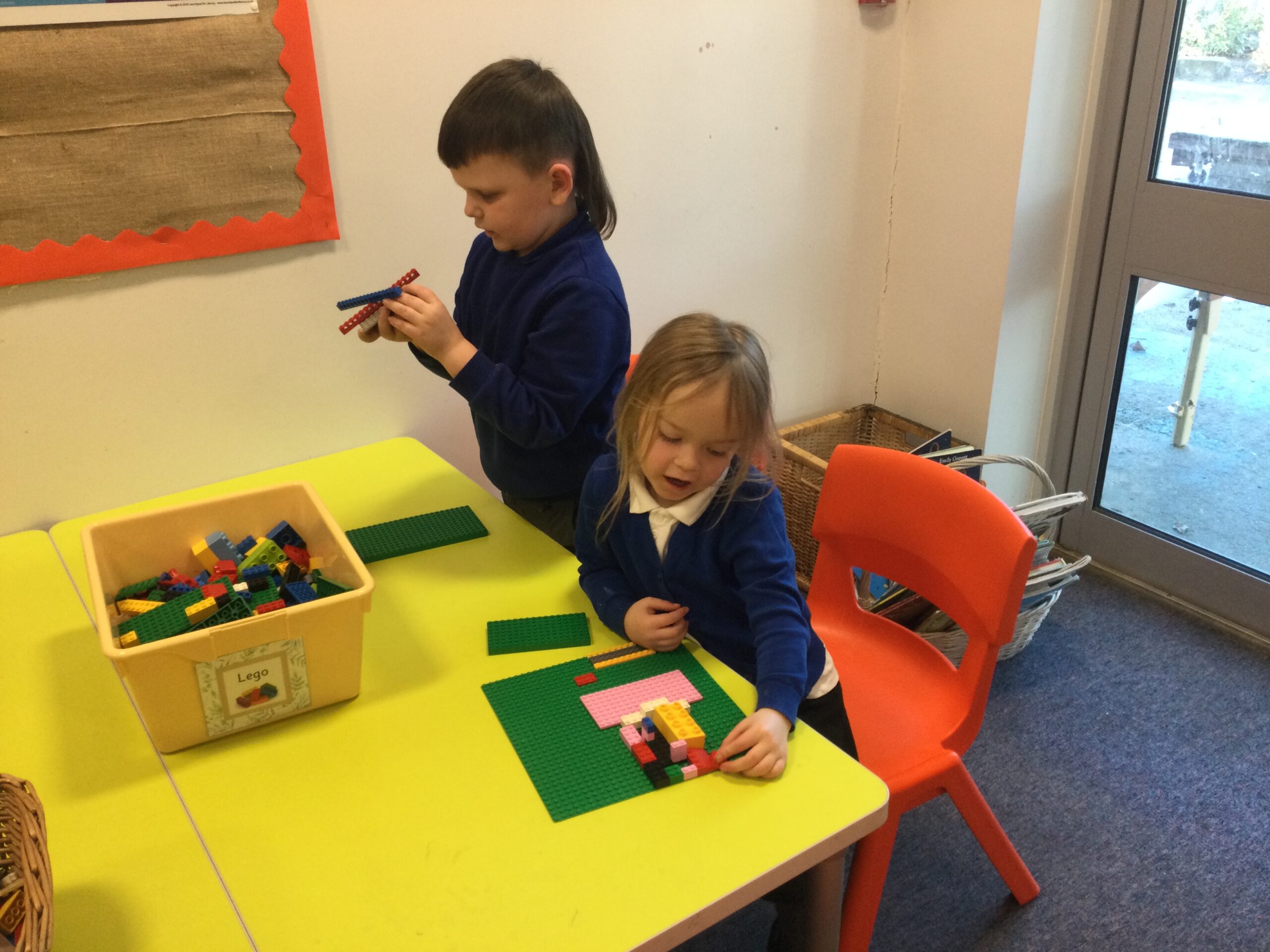
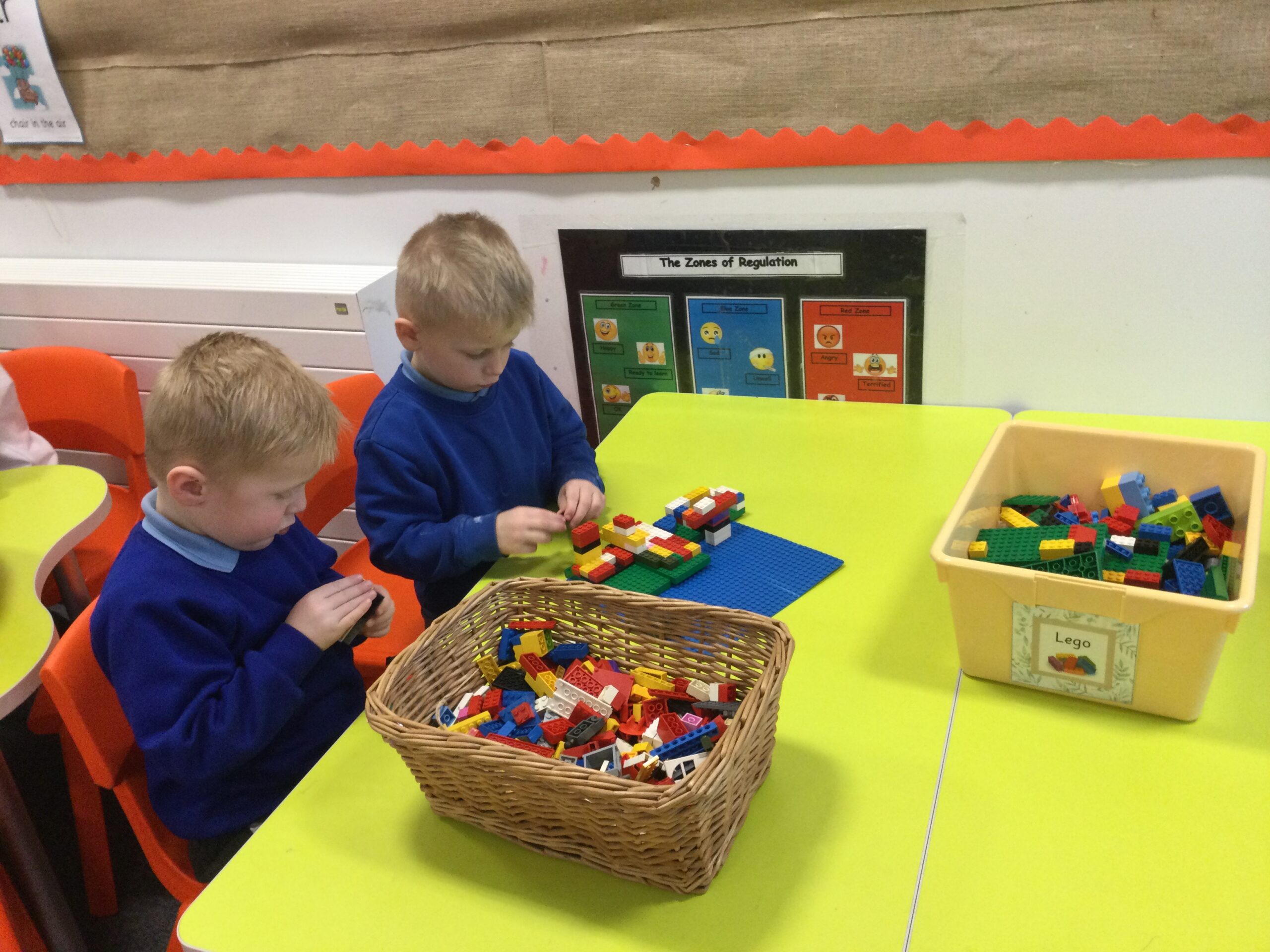
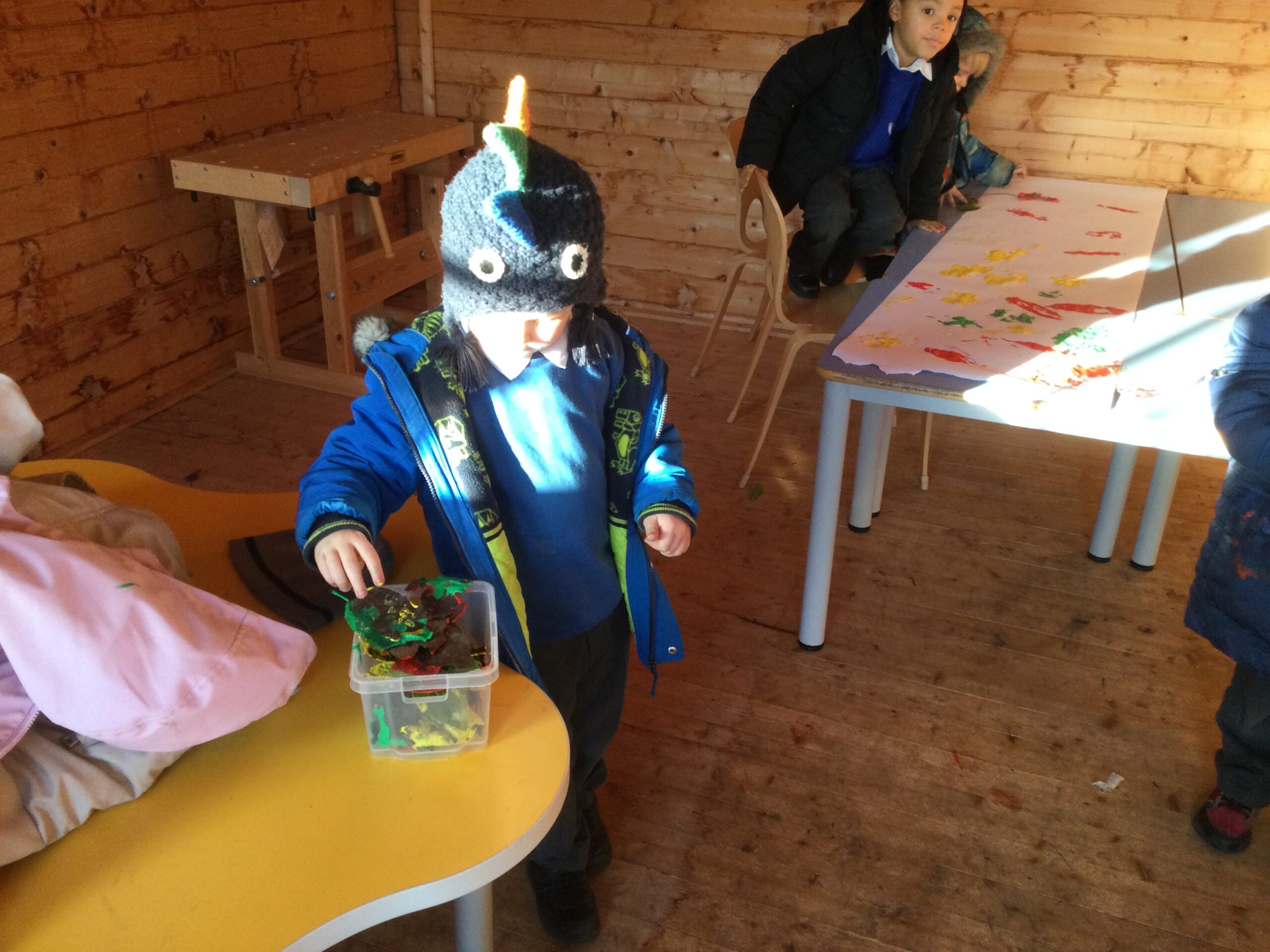
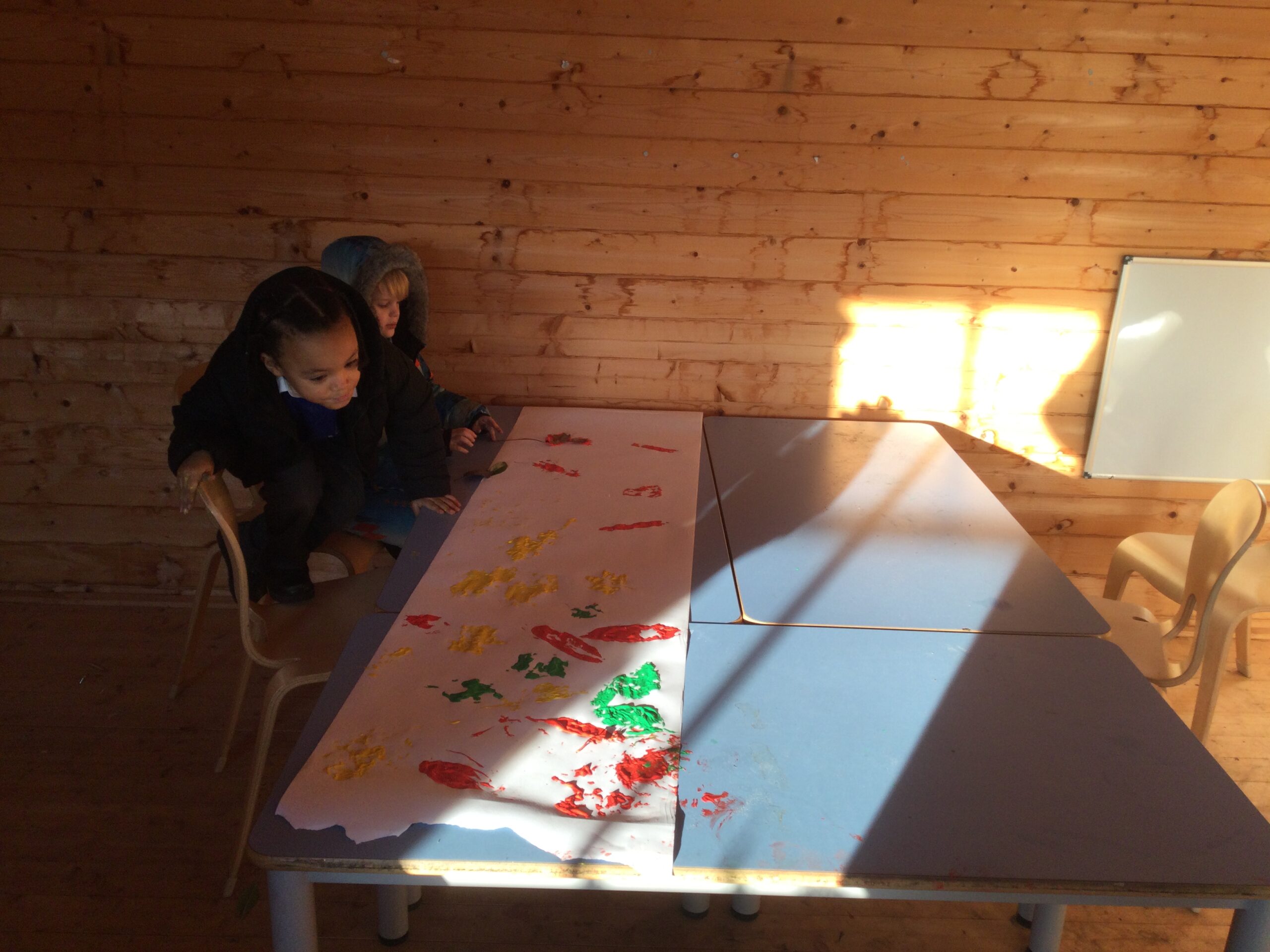
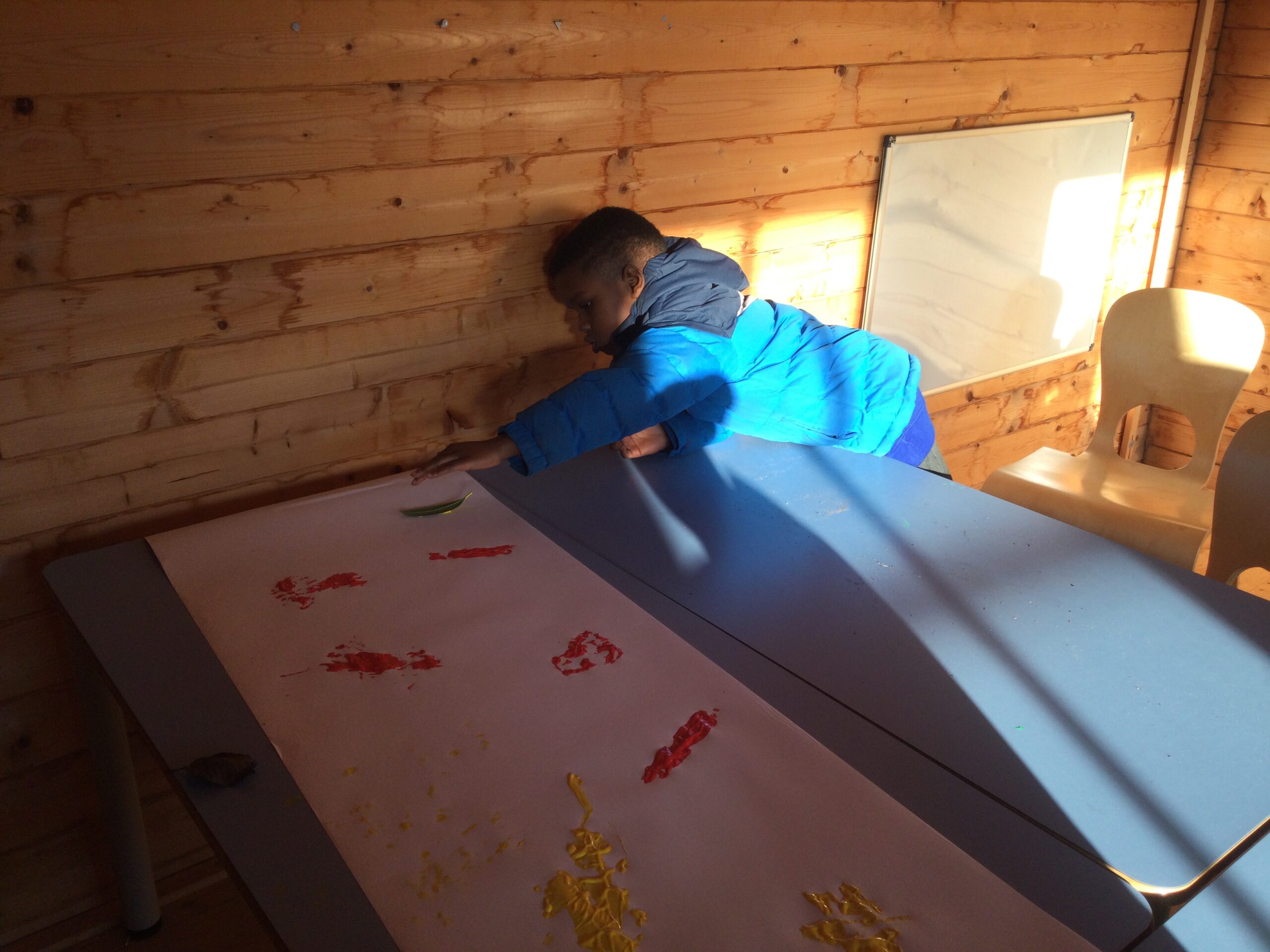
Week 3: How do wheels help things move?
What did we wonder?
The children’s fascination with cars, bikes and scooters began to dominate their play.
They asked:
- Why do vehicles have wheels?
- What would happen without wheels?
- Why do bikes stay up?
- Can we invent our own vehicle?
Where did this take us?
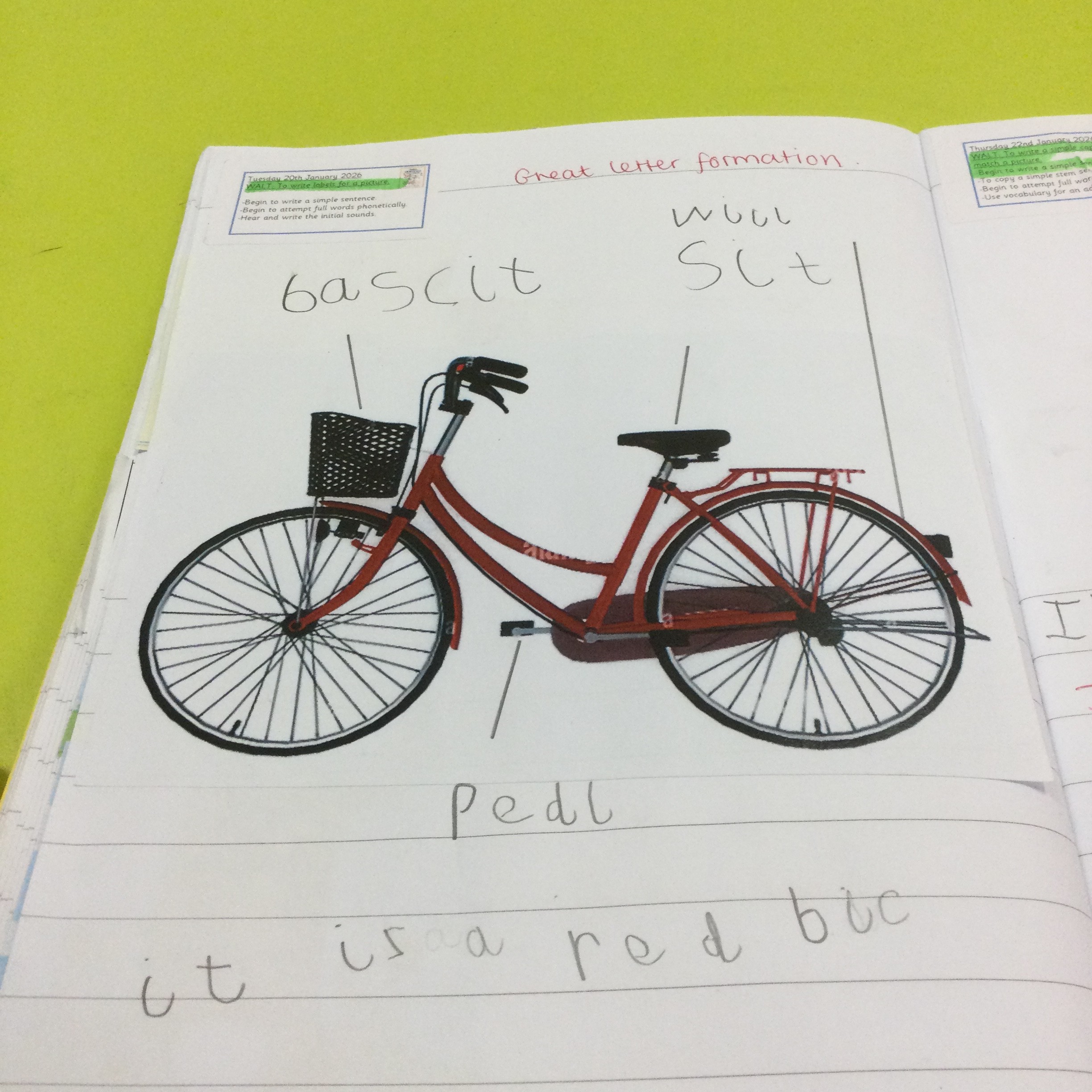
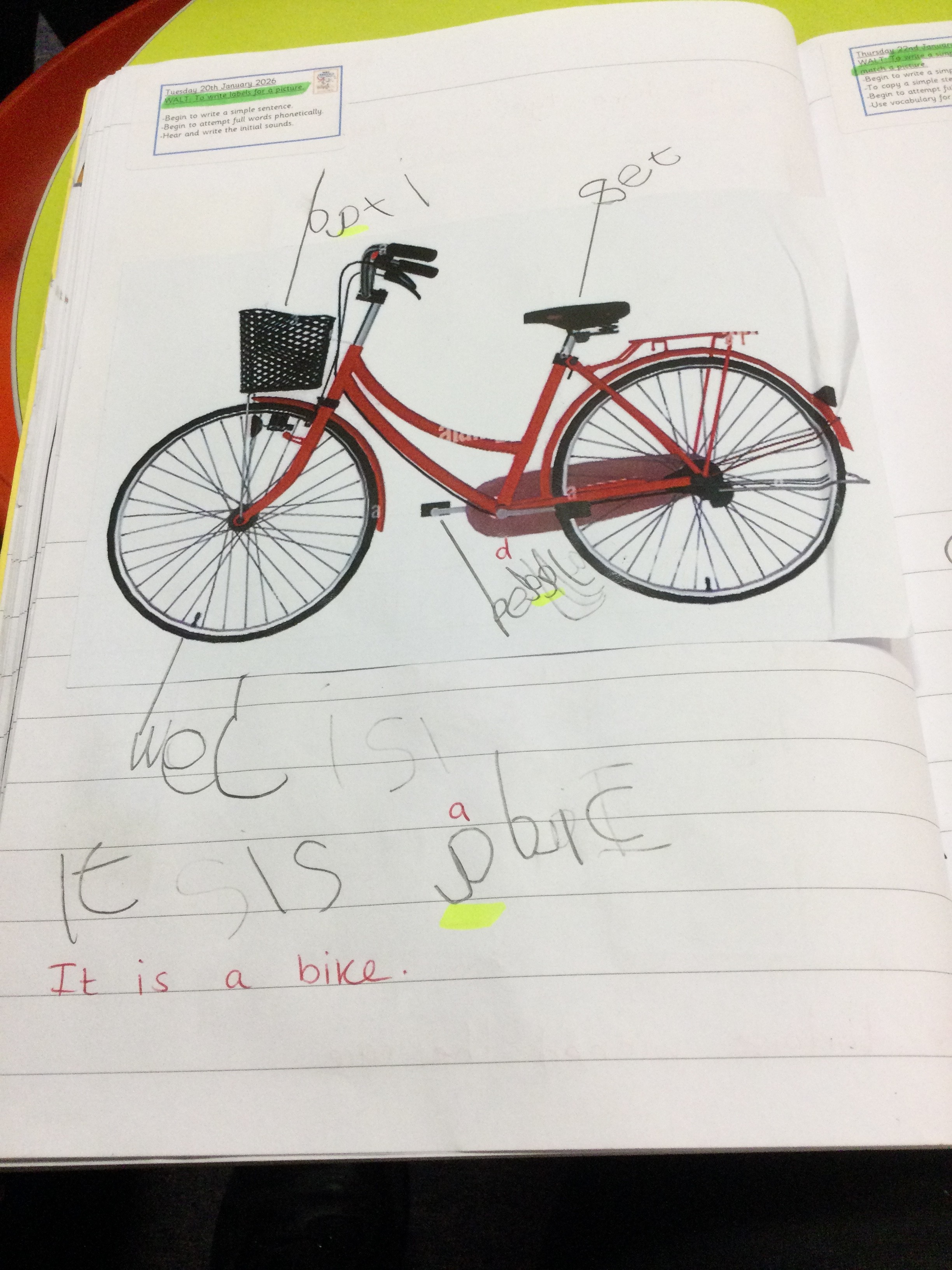
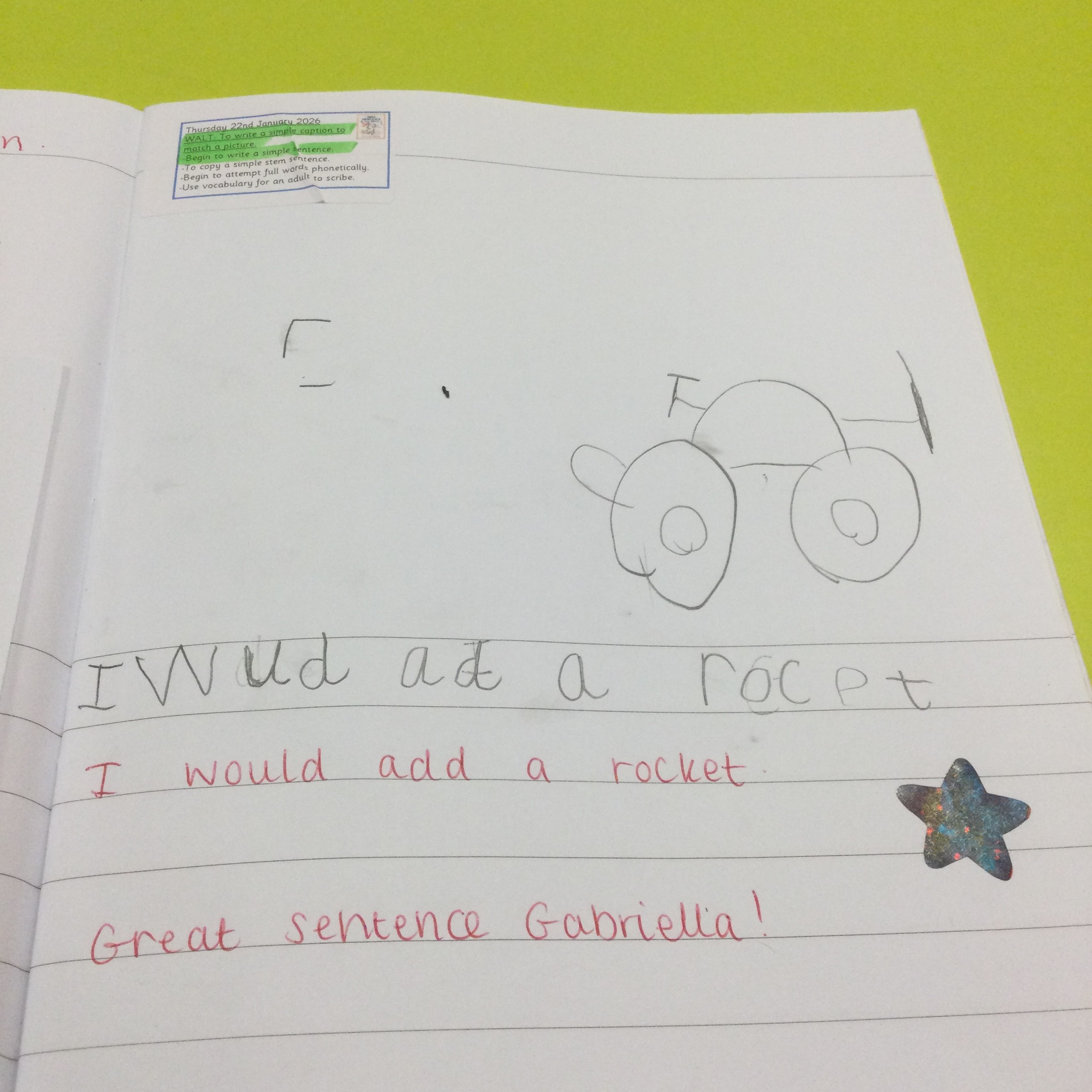
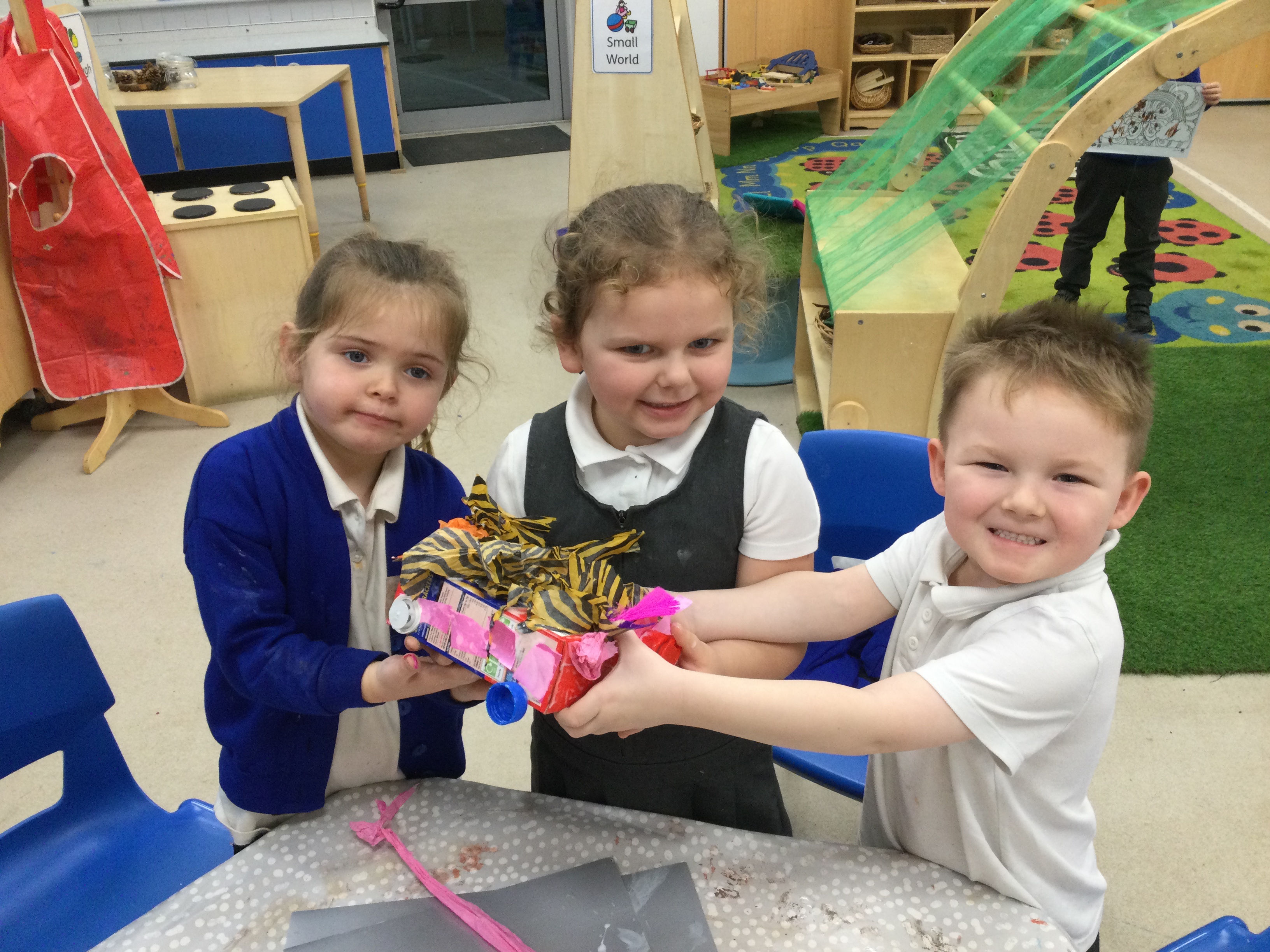
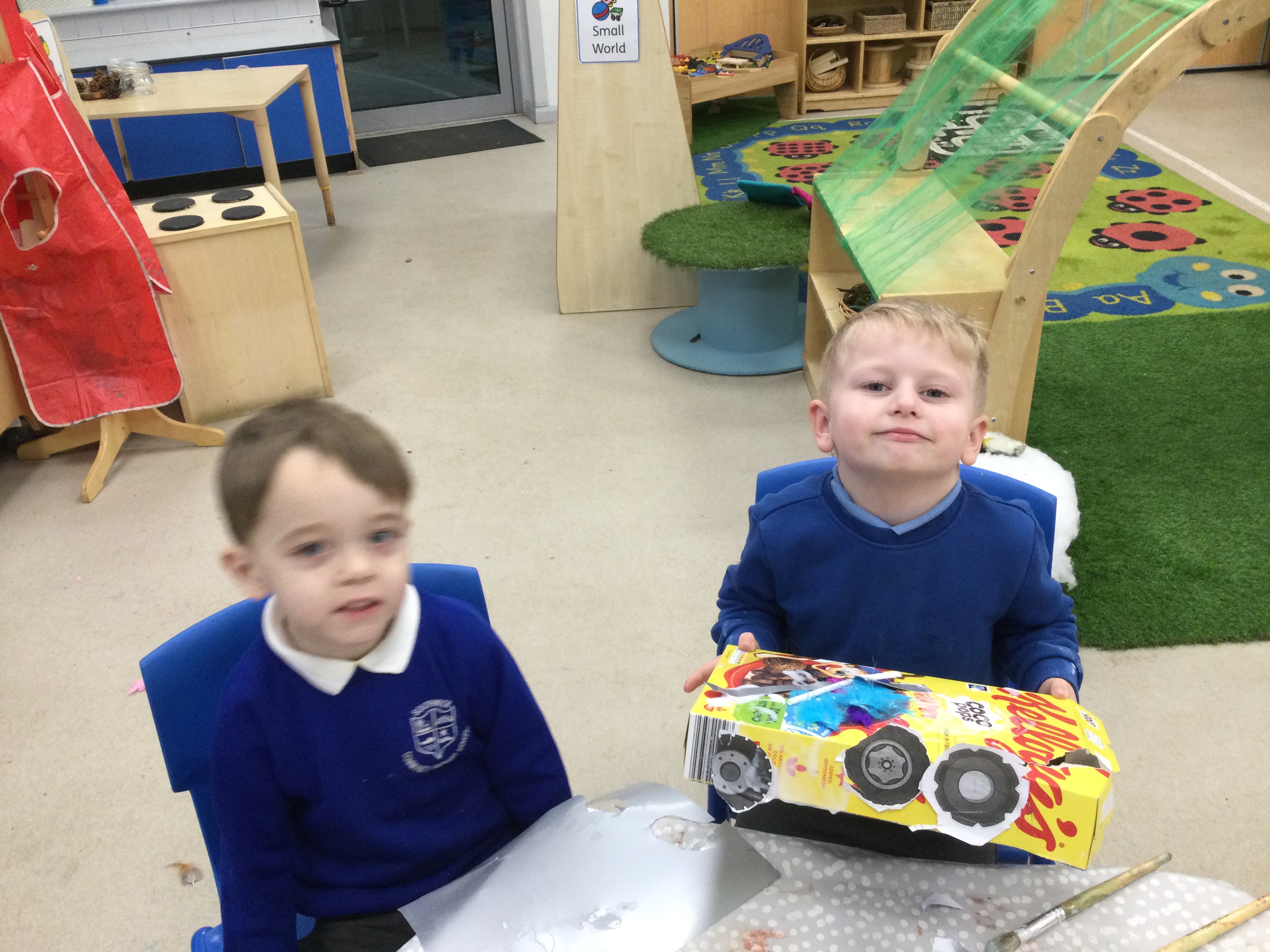
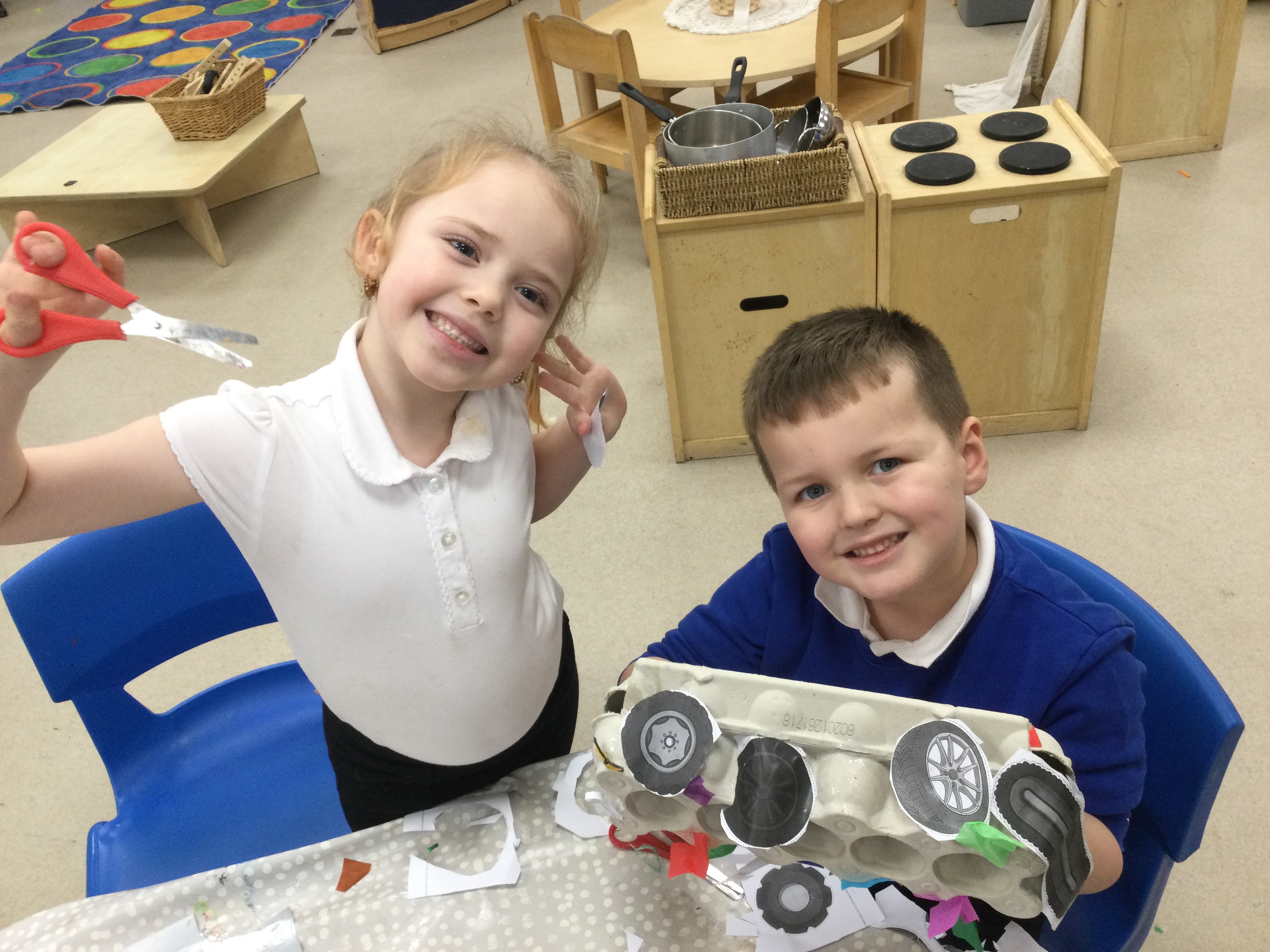
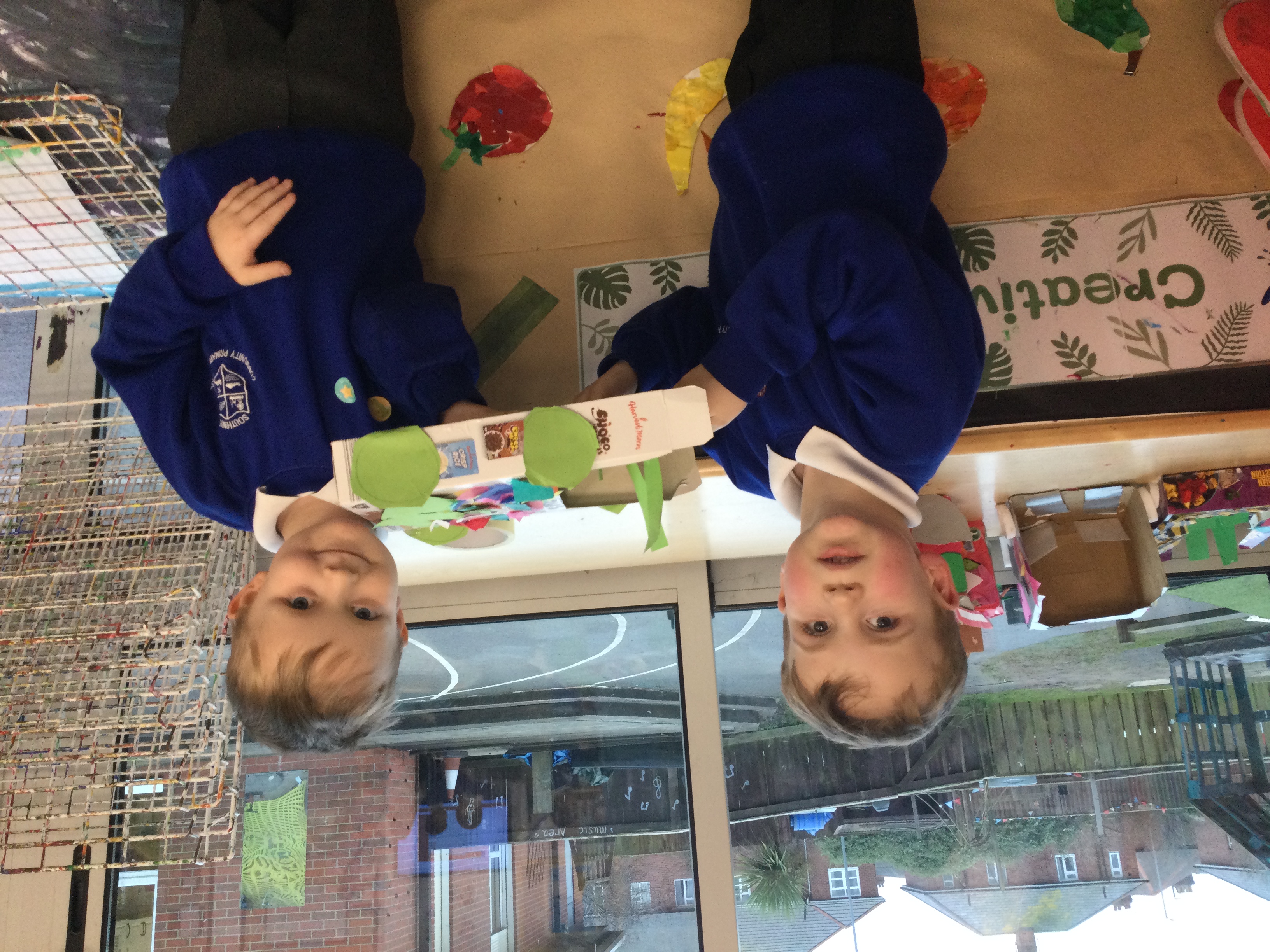
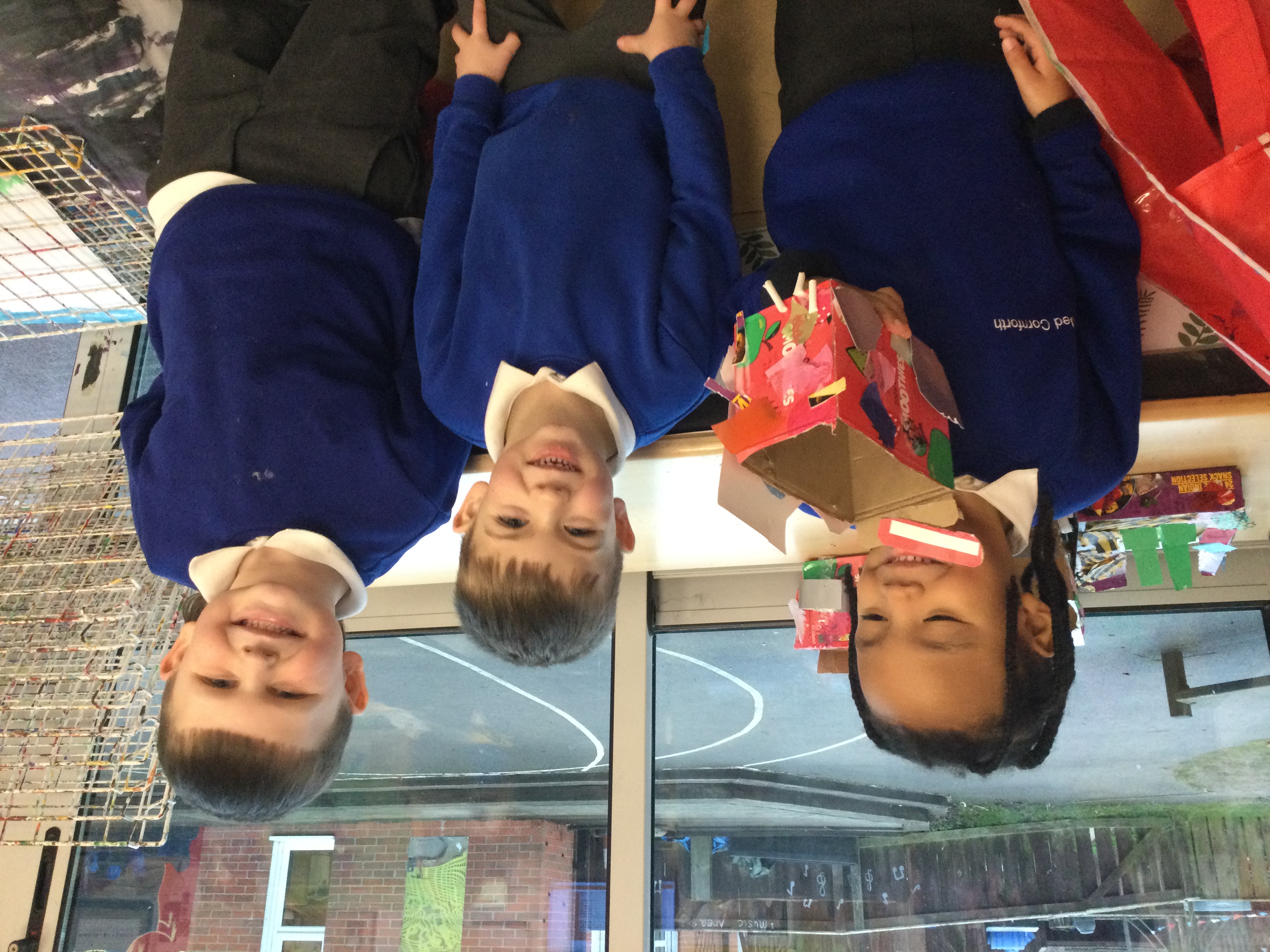
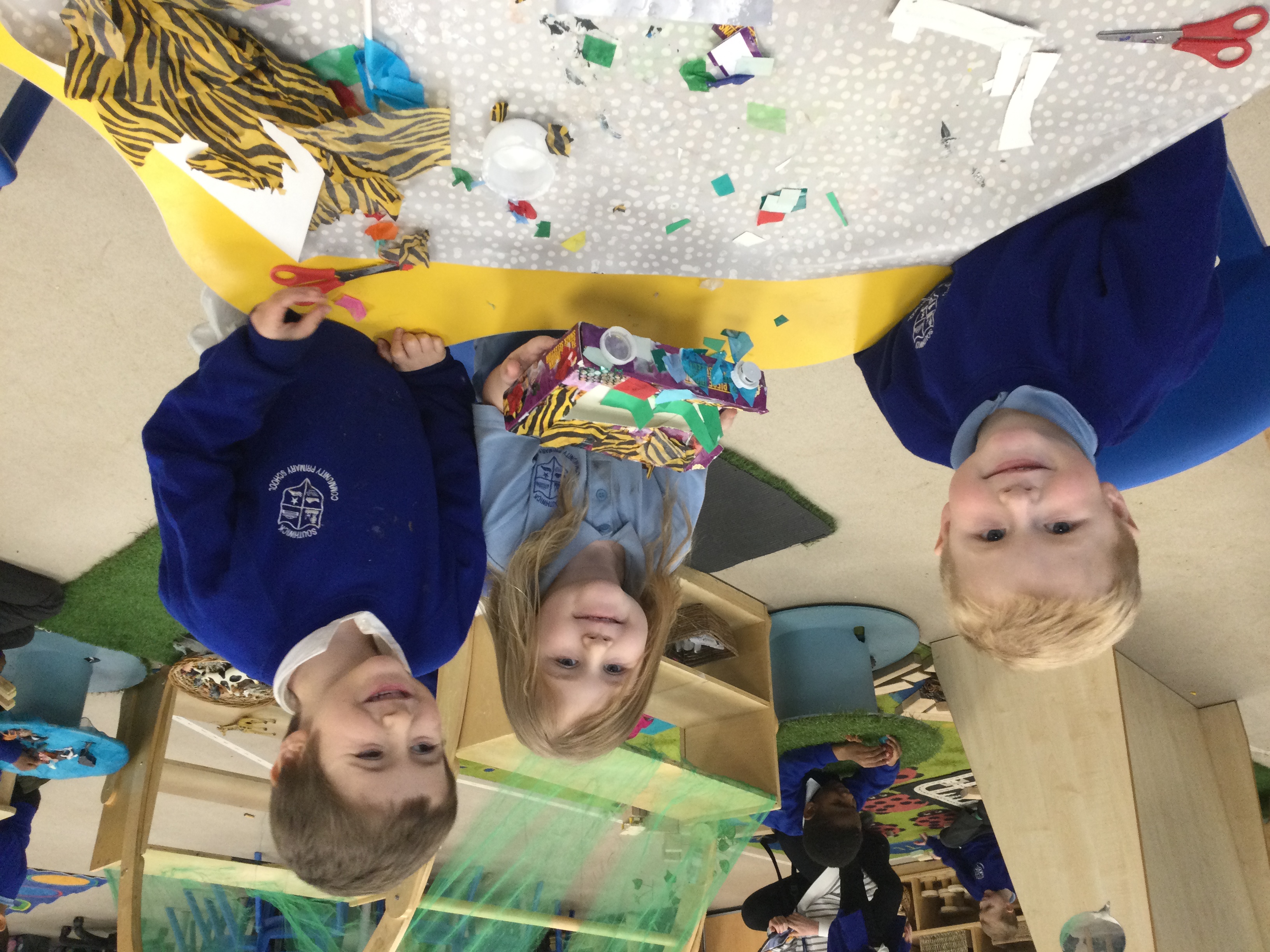
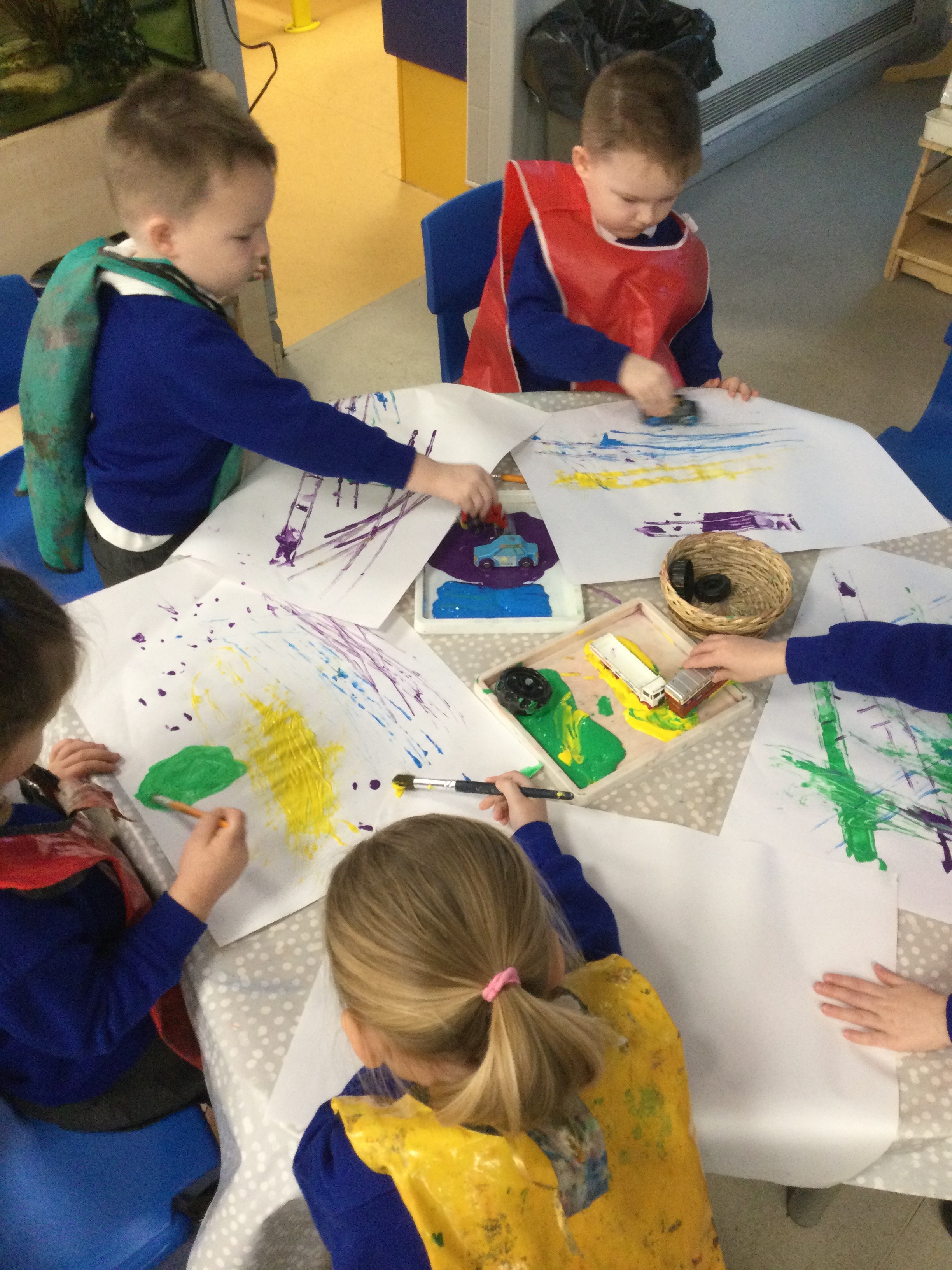
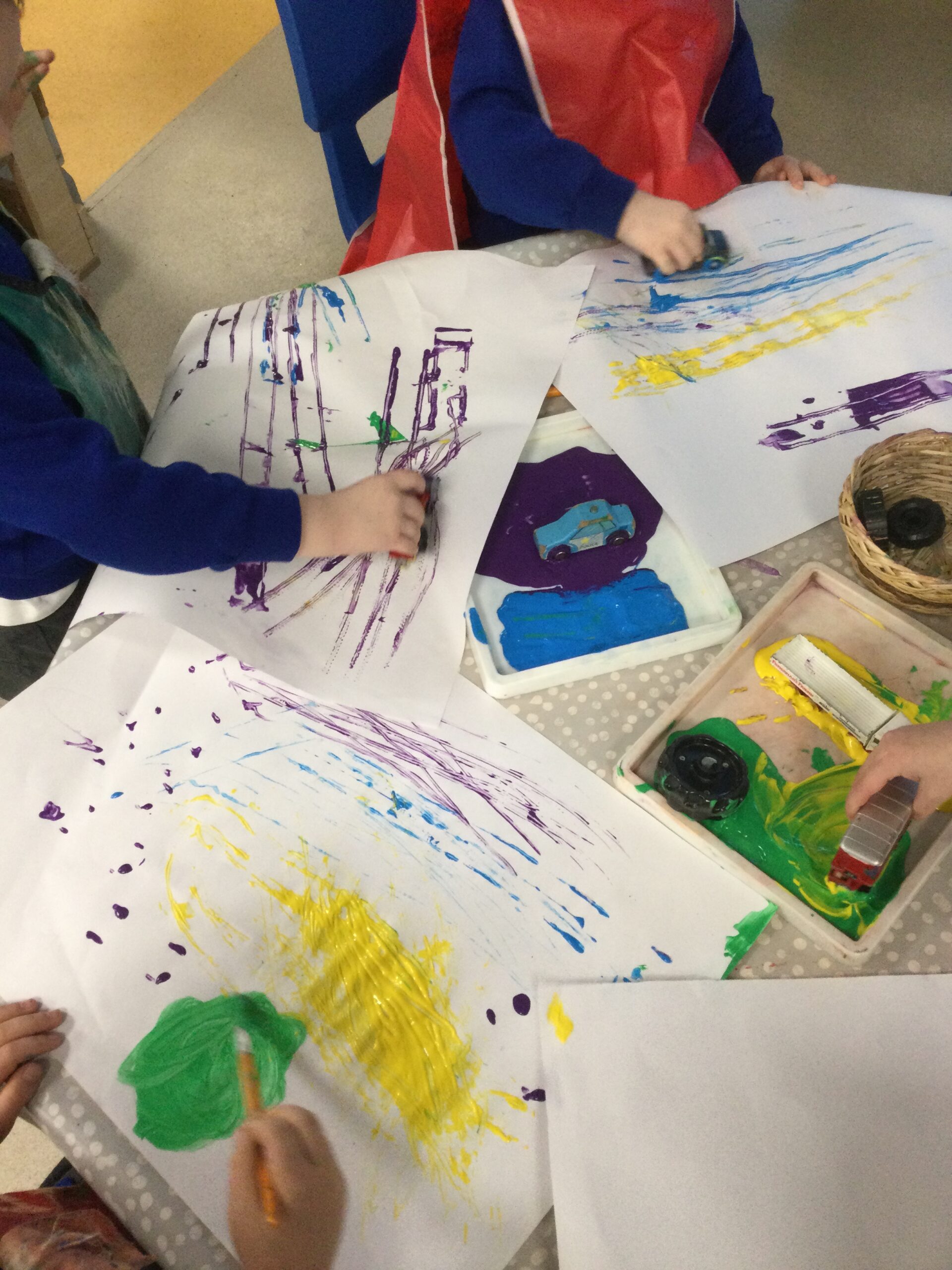
Inspired by Mrs Armitage on Wheels, the children became designers and inventors.
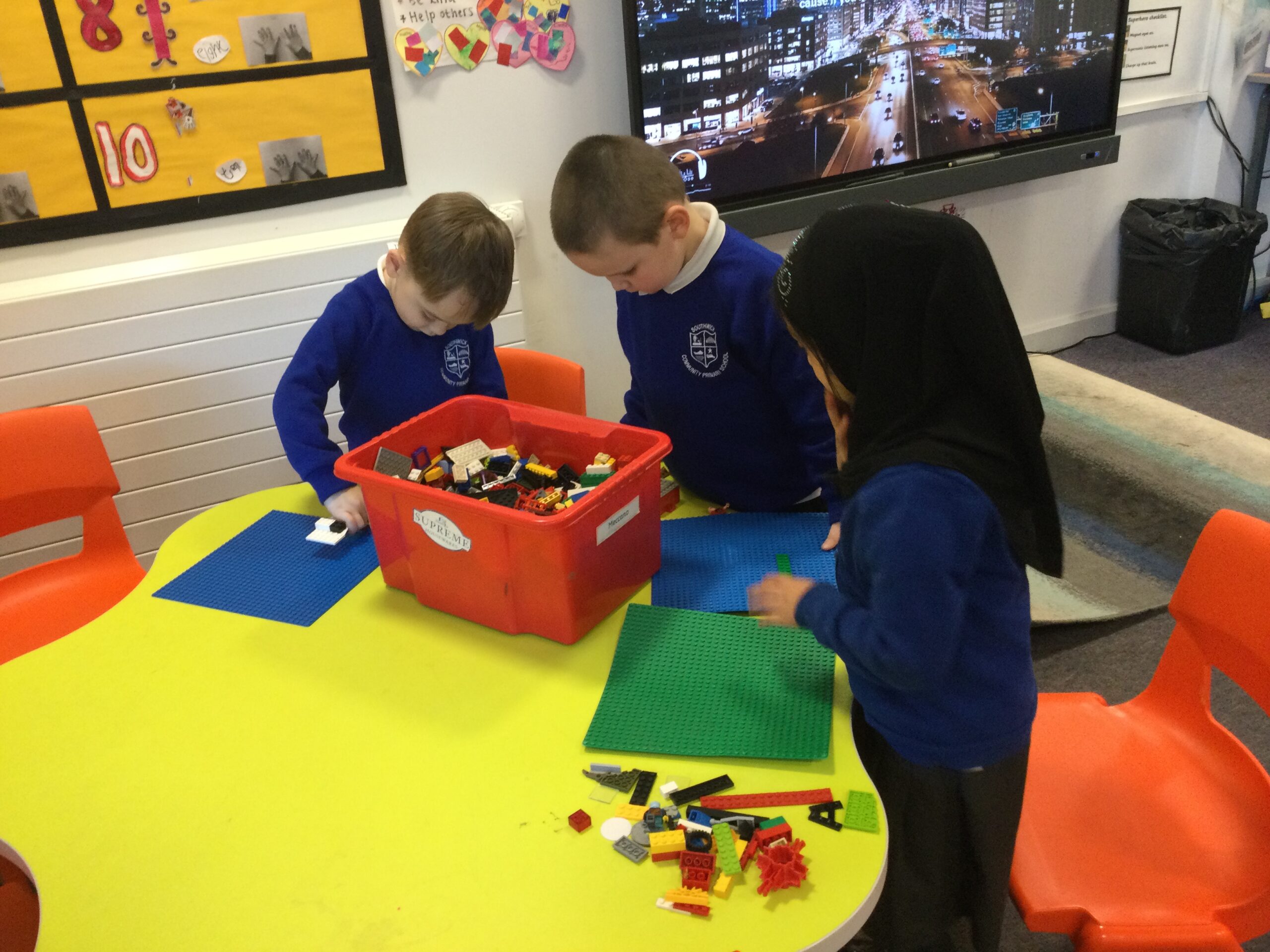
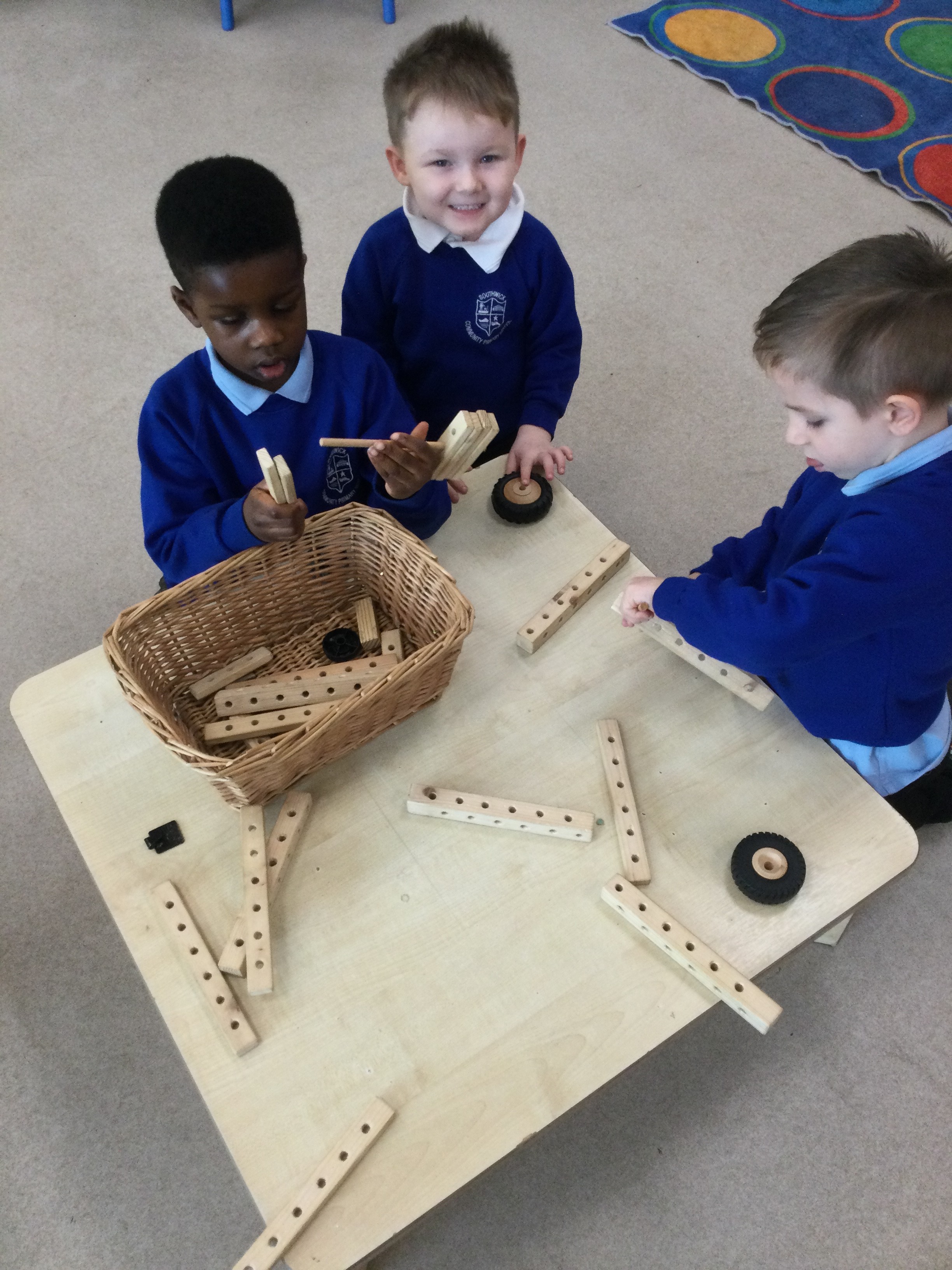
They carefully examined different vehicles, labelled their parts and suggested improvements. Their ideas led to designing and building their own vehicles using a range of materials.
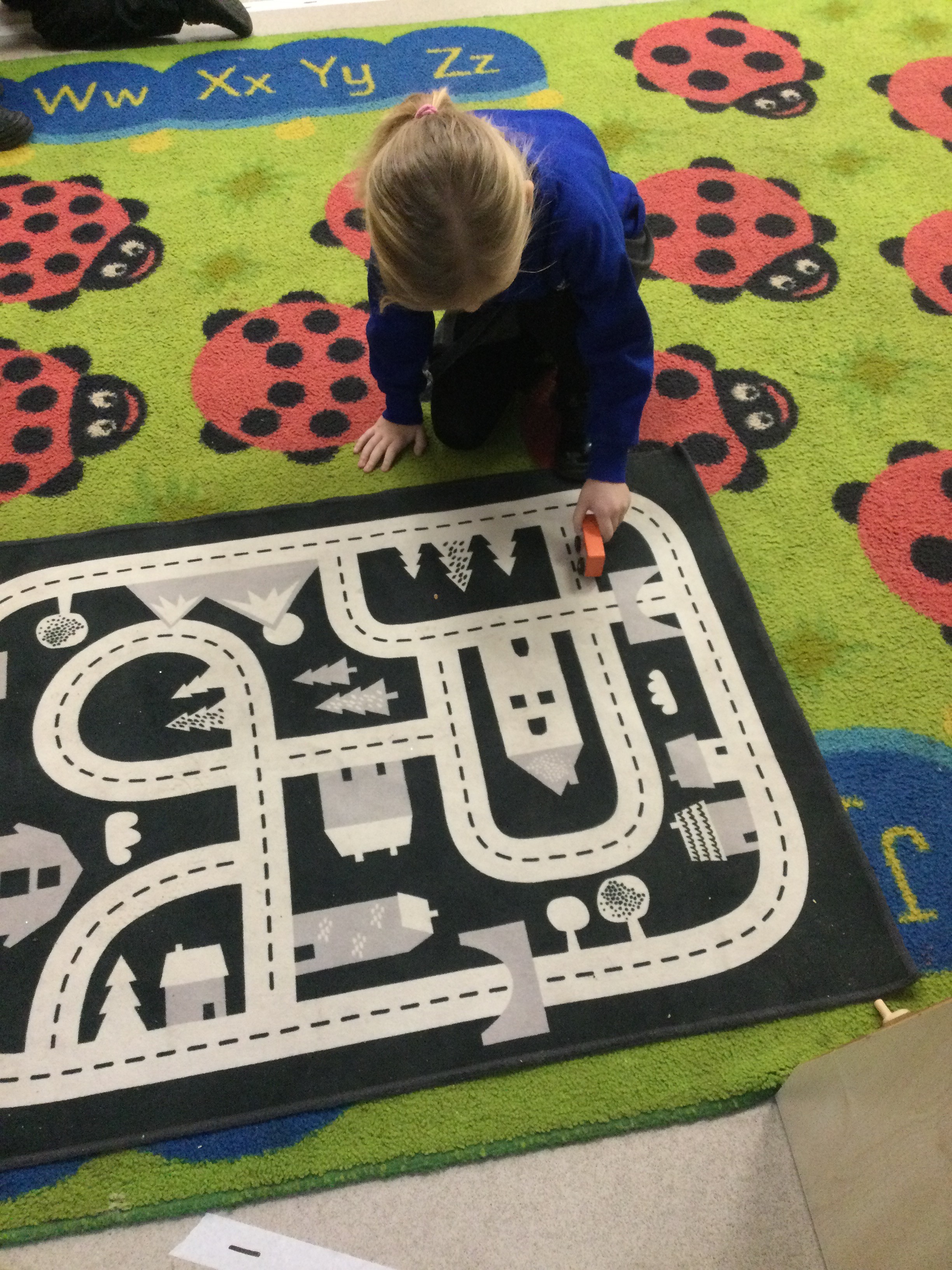
Throughout provision, children continued to create journeys and stories using vehicles in their play.
What did we learn?
The children discovered that wheels help objects move more easily and that different vehicles are designed for different purposes.
Week 4: How do things move in the air?
What did we wonder?
As discussions about travel continued, children became fascinated by flying.
They asked:
- How do aeroplanes stay in the sky?
- Why do birds not fall down?
- Can pigs fly?
- What makes things move through the air?
Where did this take us?
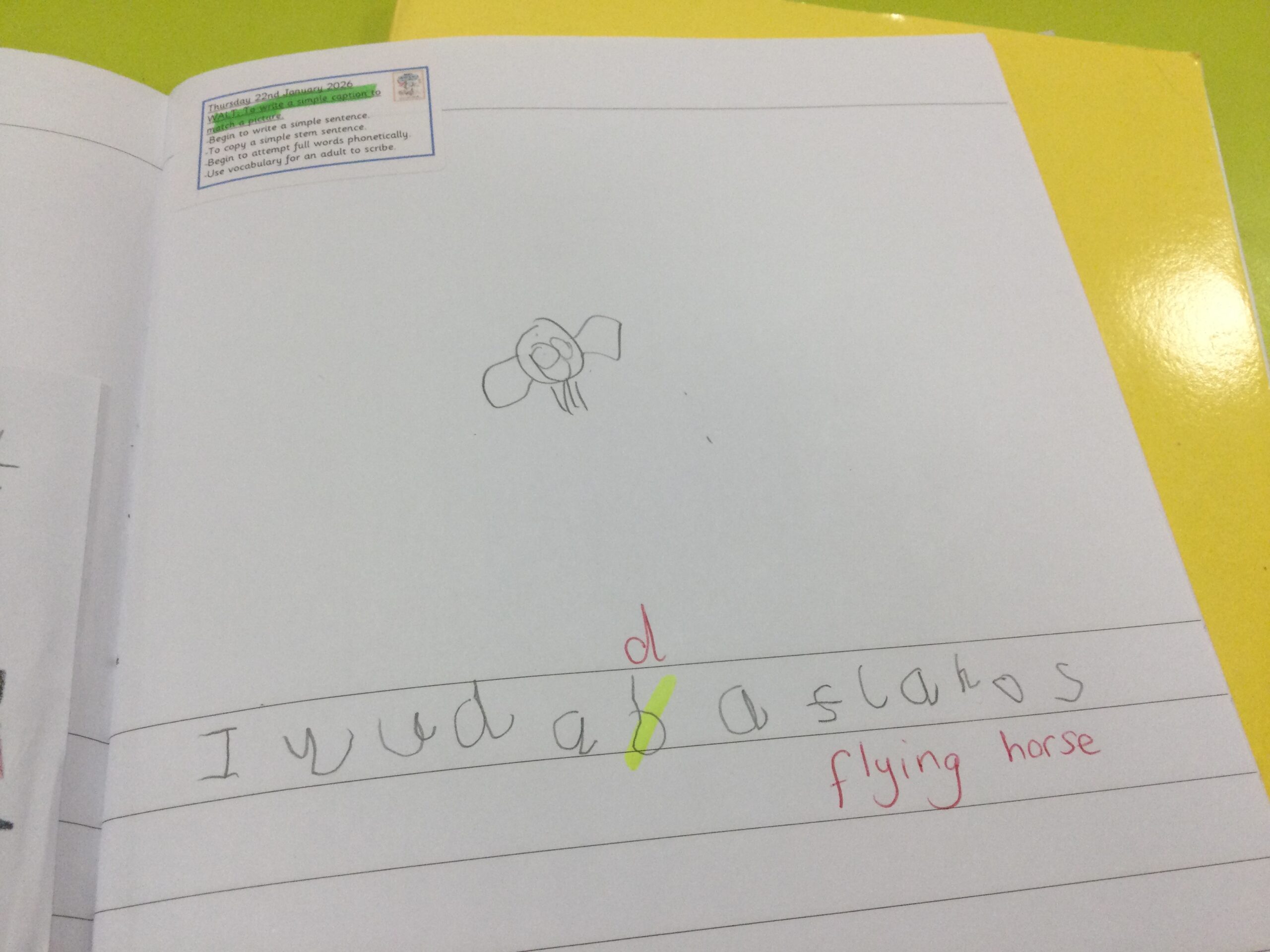
Inspired by Pigs Might Fly!, children designed and tested their own paper aeroplanes and explored how air can move different objects.
They experimented, observed and refined their ideas, behaving very much like young scientists.
Conversations about flying also led to discussions about travelling to different places and exploring the wider world.
What did we learn?
The children learned that air can move objects and that different shapes travel through the air in different ways. They also developed a growing awareness of journeys beyond their local environment.
Week 5: How do things move on rails
TWhat did we wonder?
As transport remained a popular interest, children became particularly fascinated by trains.
They asked:
- Why do trains stay on the tracks?
- Where do trains go?
- Who drives a train?
- What is it like to travel on one?
- How did trains move before electricity?
- Who invented trains?
Where did this take us?
The children’s questions led to a real train journey and a visit to the Discovery Museum.
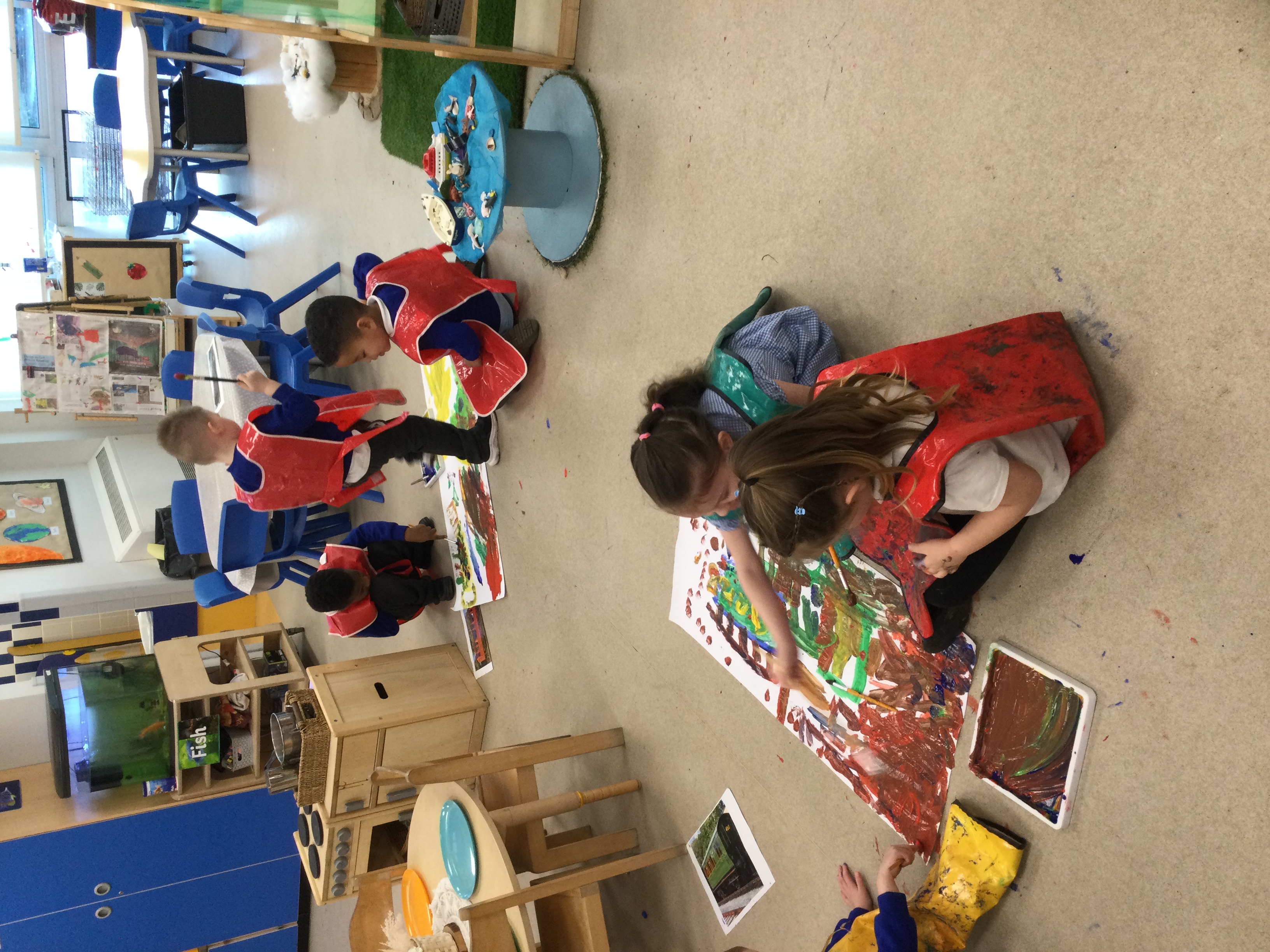
Experiencing travel first-hand allowed children to make meaningful connections between their classroom learning and the real world. Back at school, they continued to recreate journeys through construction, role play and storytelling inspired by The Train Ride.
As the children became increasingly interested in how trains worked, we discovered the story of George Stephenson, who has strong links to our local area. The children were fascinated to learn that he helped develop the steam locomotive and played an important role in changing how people travelled.
This led to further investigations into steam trains. Children explored how steam engines worked, learning that heat from a fire turned water into steam, which helped power the train’s movement. They compared steam trains with the trains they travel on today and discussed how transport has changed over time.
During Money Week, the children noticed that George Stephenson appeared on local banknotes. This sparked a new line of enquiry as they explored different denominations of notes and coins, discussed their value, and compared what different amounts of money could buy. The children enjoyed recognising numbers on the notes and talking about which notes were worth more or less.
What did we learn?
The children learned that trains travel on rails and help people travel between different places. They discovered that transport has changed over time and that inventors such as George Stephenson helped shape the way we travel today.
They also learned how steam trains worked and began to understand that inventions can change people’s lives. Through Money Week, the children developed their understanding of different notes and their values, recognising that money comes in different denominations and can be used in different ways.
What Did We Learn About Movement?
By the end of the enquiry, the children had discovered that movement is everywhere.
They learned that:
- Our bodies move in different ways.
- Animals move differently depending on their bodies.
- Some things move fast and some move slowly.
- Wheels help things travel.
- Air can move objects.
- Trains travel on rails and connect places.
Most importantly, the children learned how to ask questions, test ideas, solve problems and follow their curiosity. Throughout the enquiry, their interests shaped the direction of learning and helped us discover the many different ways things move.