How Do We Show We Care?
When we introduced our new enquiry, How Do We Show We Care?, we gathered together and talked about what it means to care for someone.
At first, the children found this quite tricky to explain, but as they shared their experiences, lots of thoughtful ideas emerged.
Some of the children said:
- “My mummy gives me cuddles.”
- “I help my brother.”
- “I share my toys.”
- “I look after my dog.”
- “My friend plays with me when I’m sad.”
- “Daddy makes my tea.”
- “I hold hands when we cross the road.”
As we listened to the children’s ideas, new questions began to emerge:
- How do we know someone cares about us?
- How can we show kindness?
- Can we care for people we don’t know?
- How do we care for animals?
- How do we care for nature?
- Can we show care without buying things?
These questions became the starting point for our enquiry. Through stories, real-life experiences, celebrations and discussions, we explored the many different ways people show love, kindness and care.
Week 1 – Room on a broom
What did we wonder?
As we began thinking about care, the children quickly started talking about friendship.
They asked:
- What makes a good friend?
- How can we help someone?
- What happens when someone feels left out?
- How can we make people feel happy?
Where did this take us?
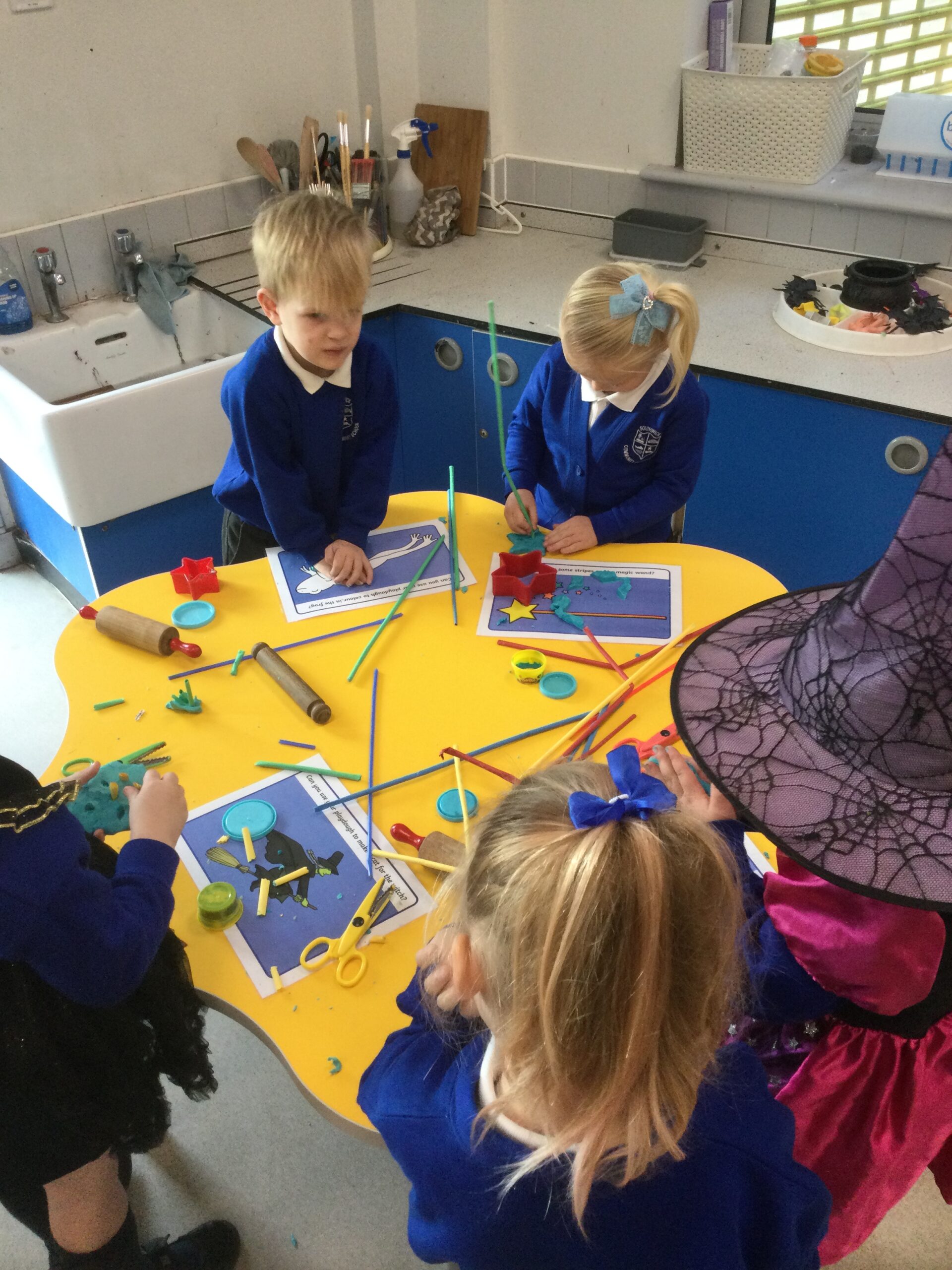
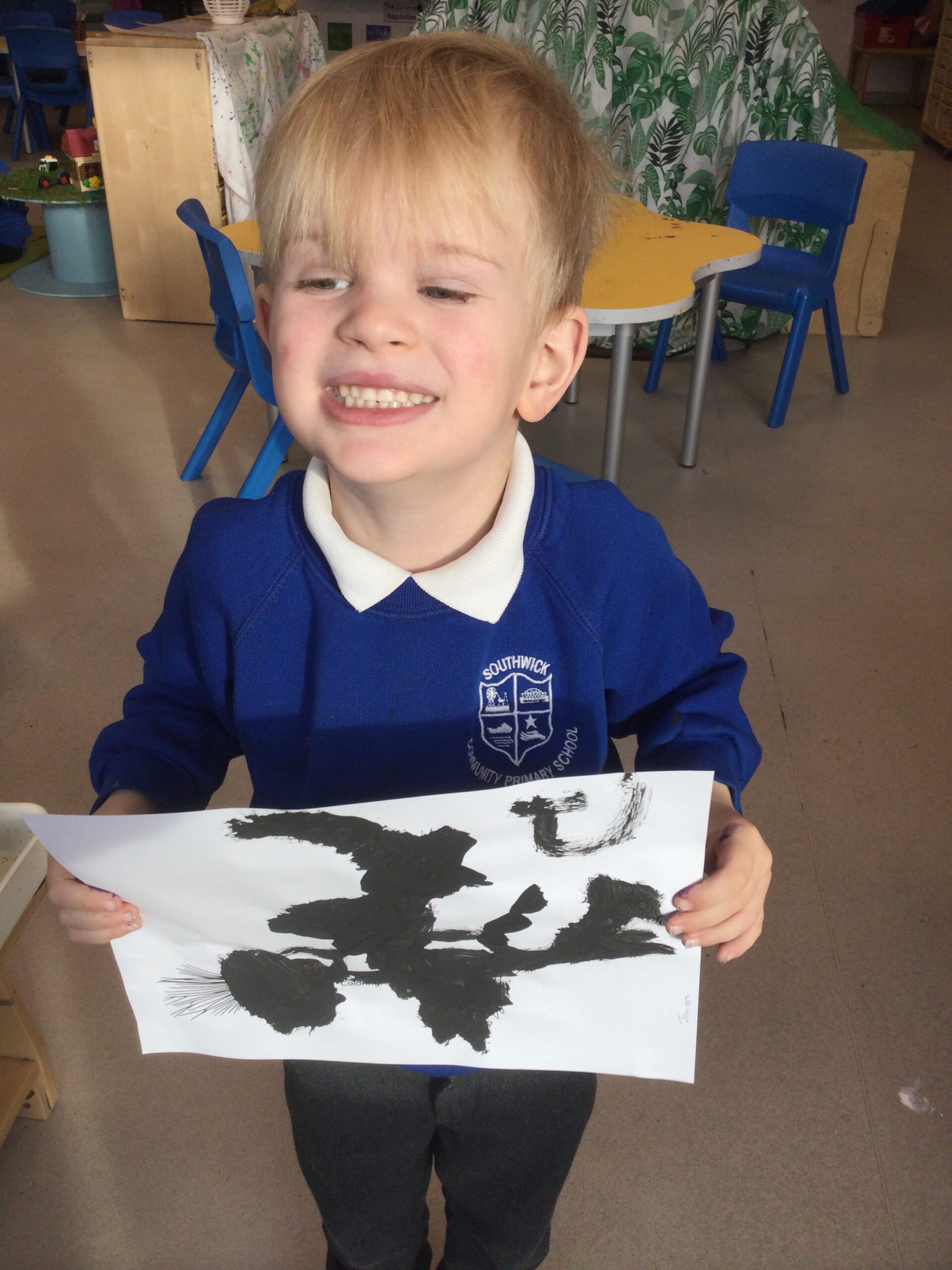
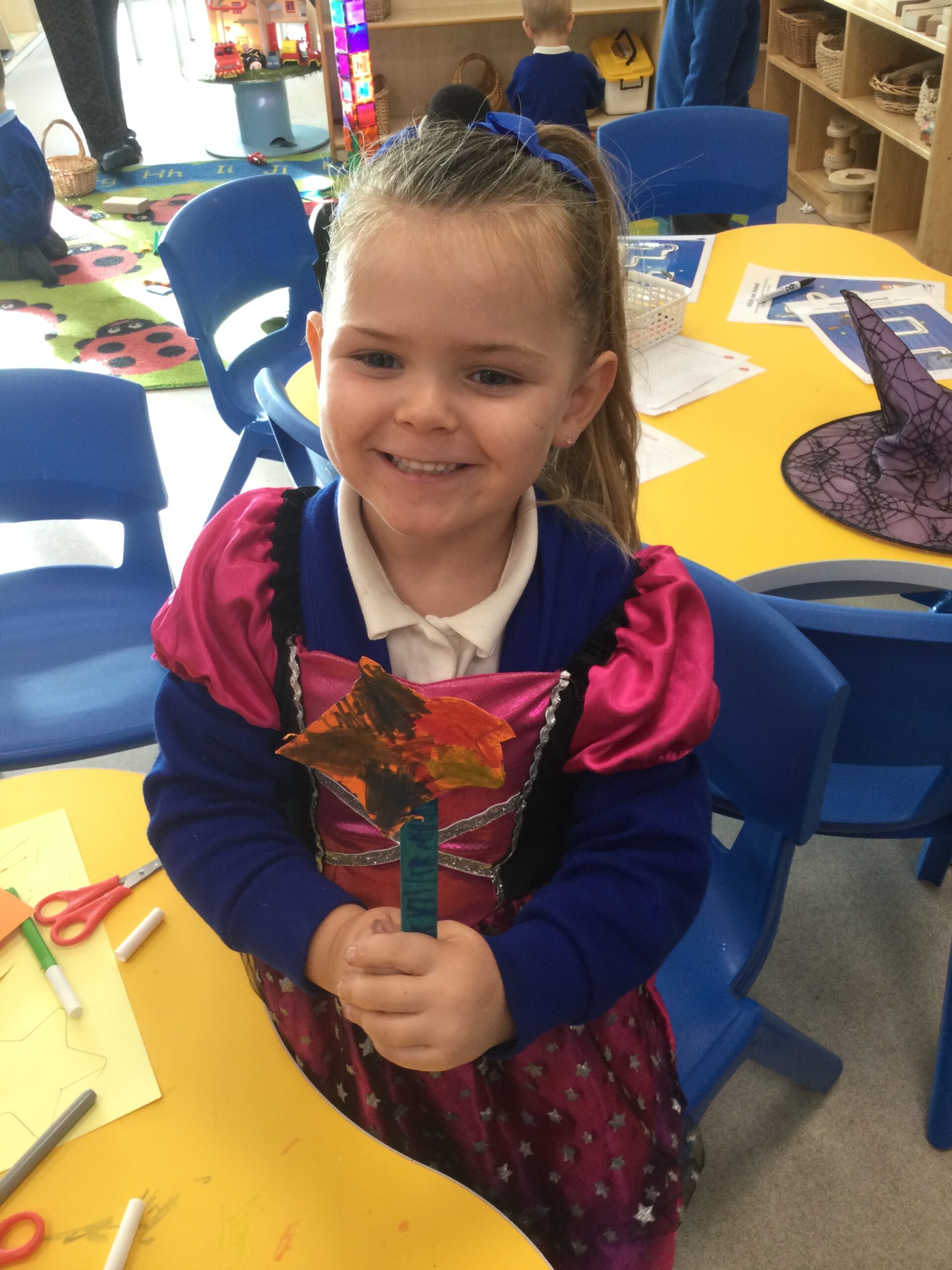
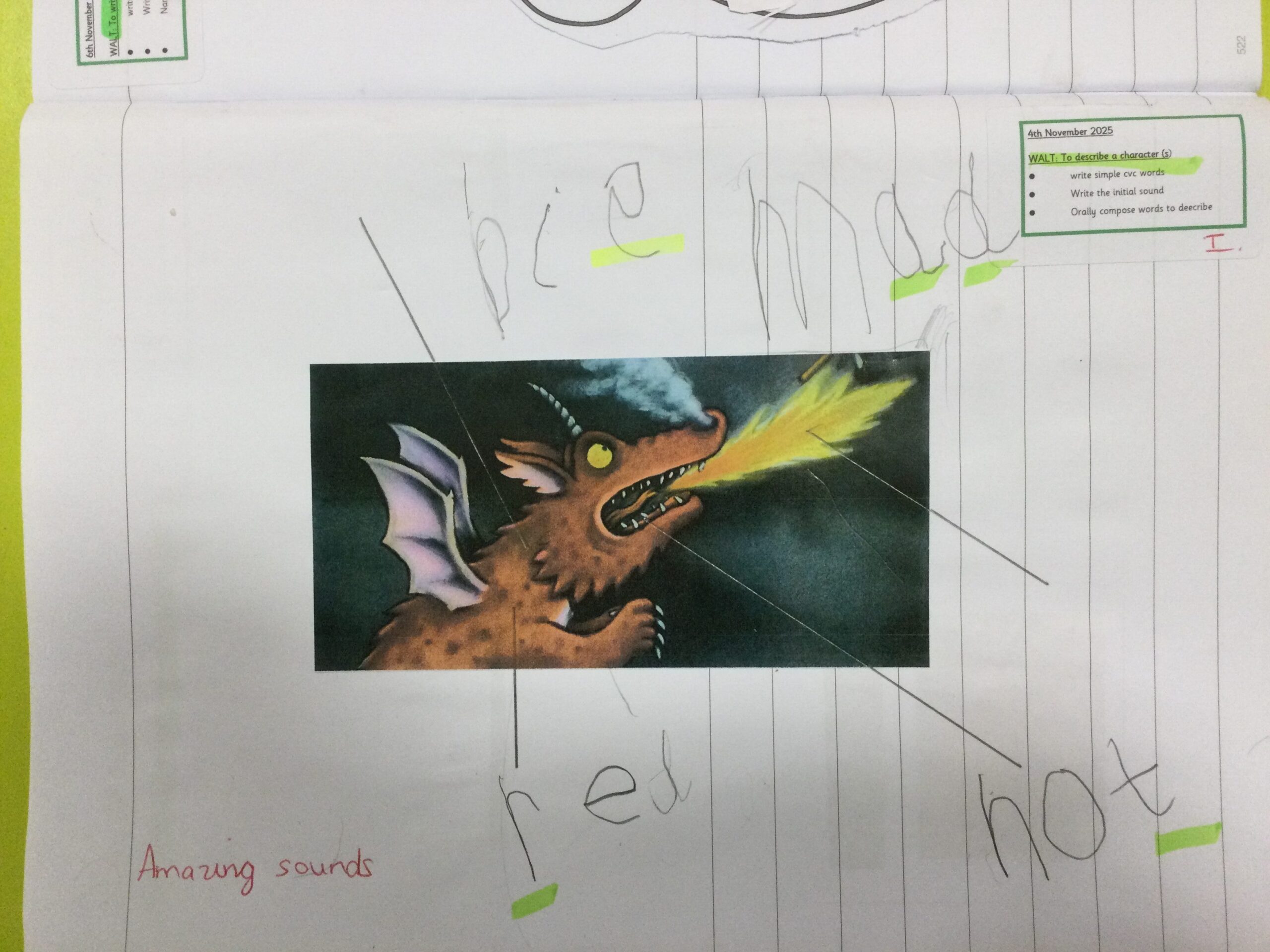
After reading Room on the Broom, the children were fascinated by how the witch welcomed new friends onto her broom and helped everyone feel included.
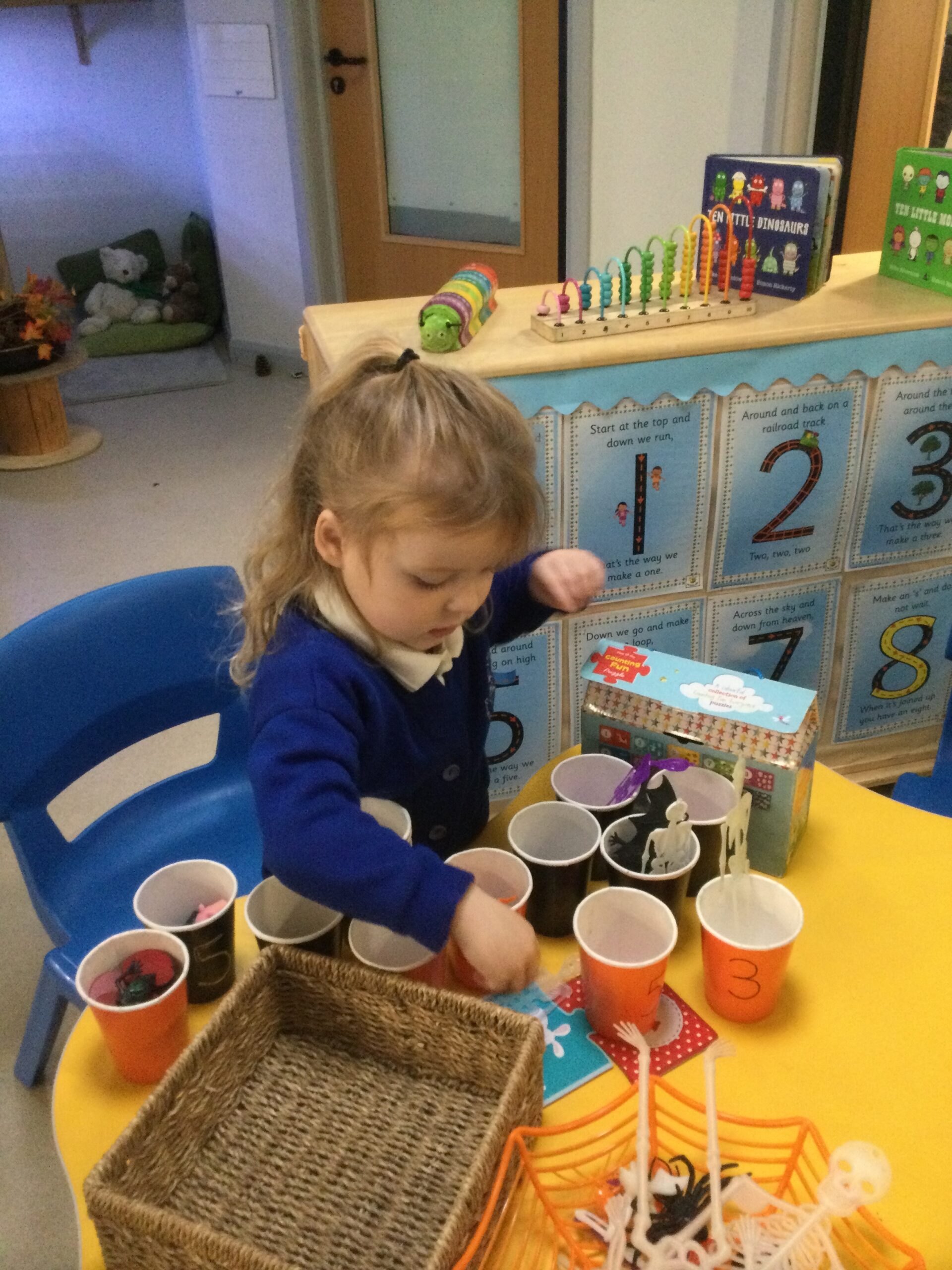
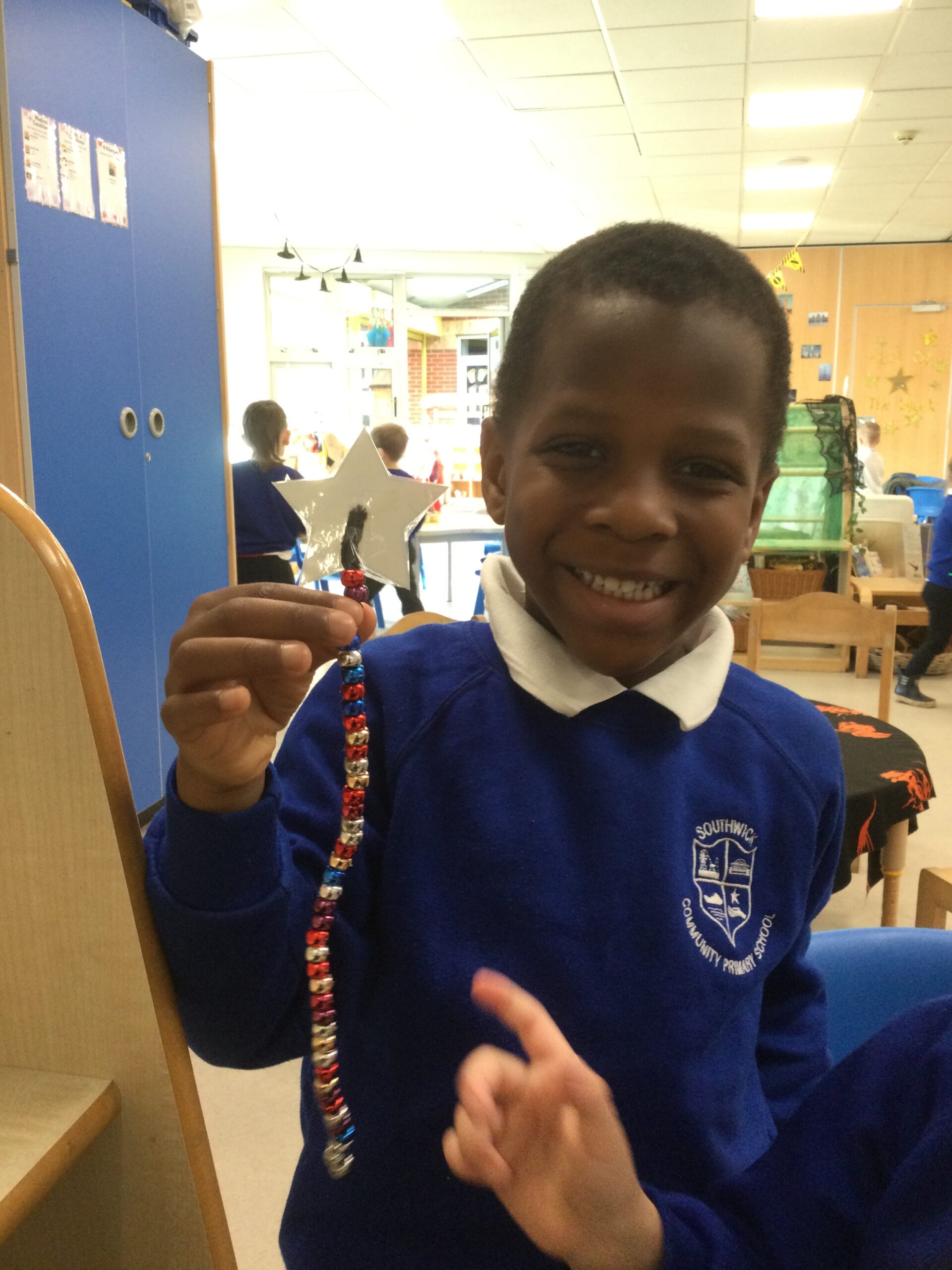
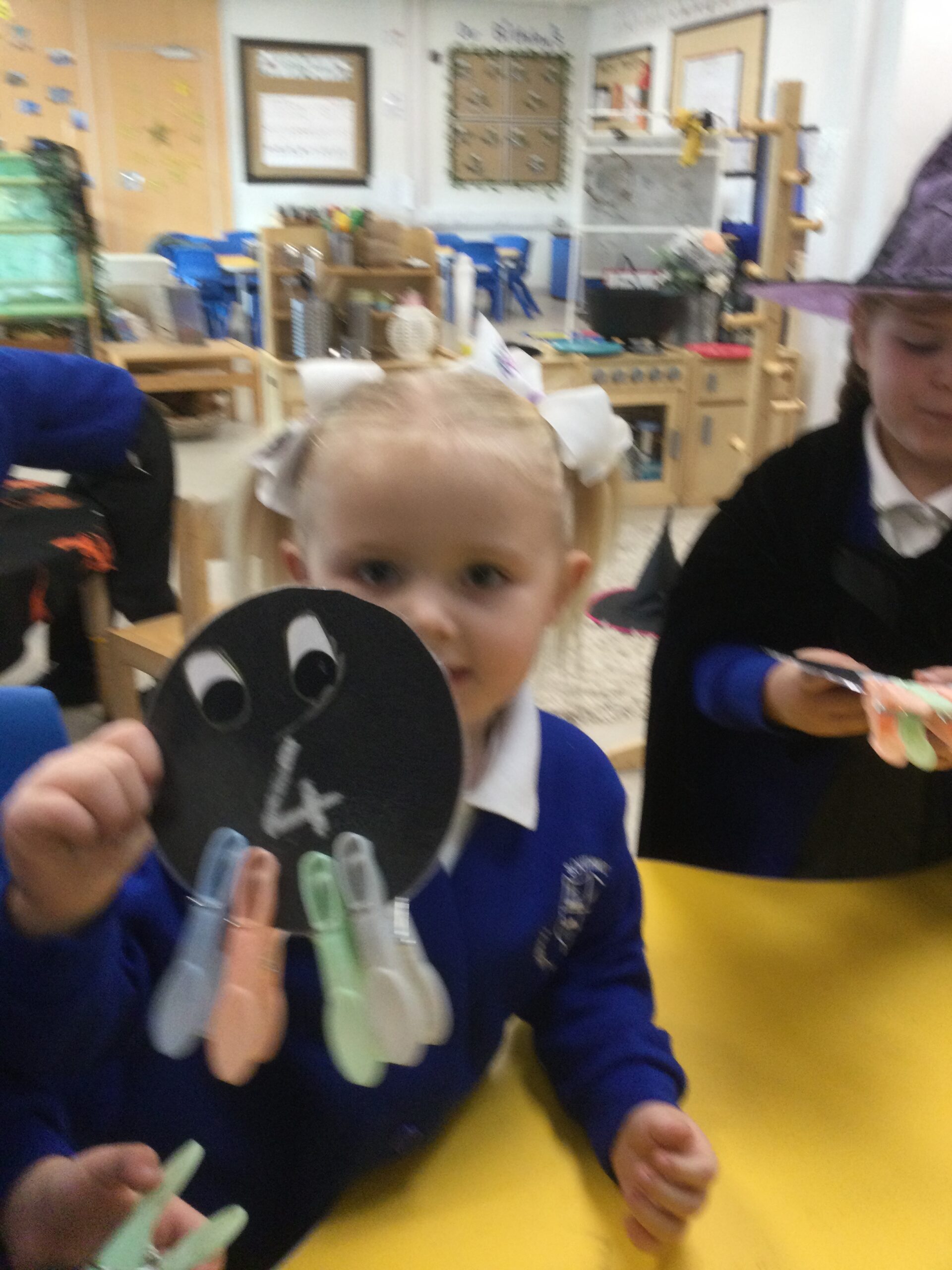
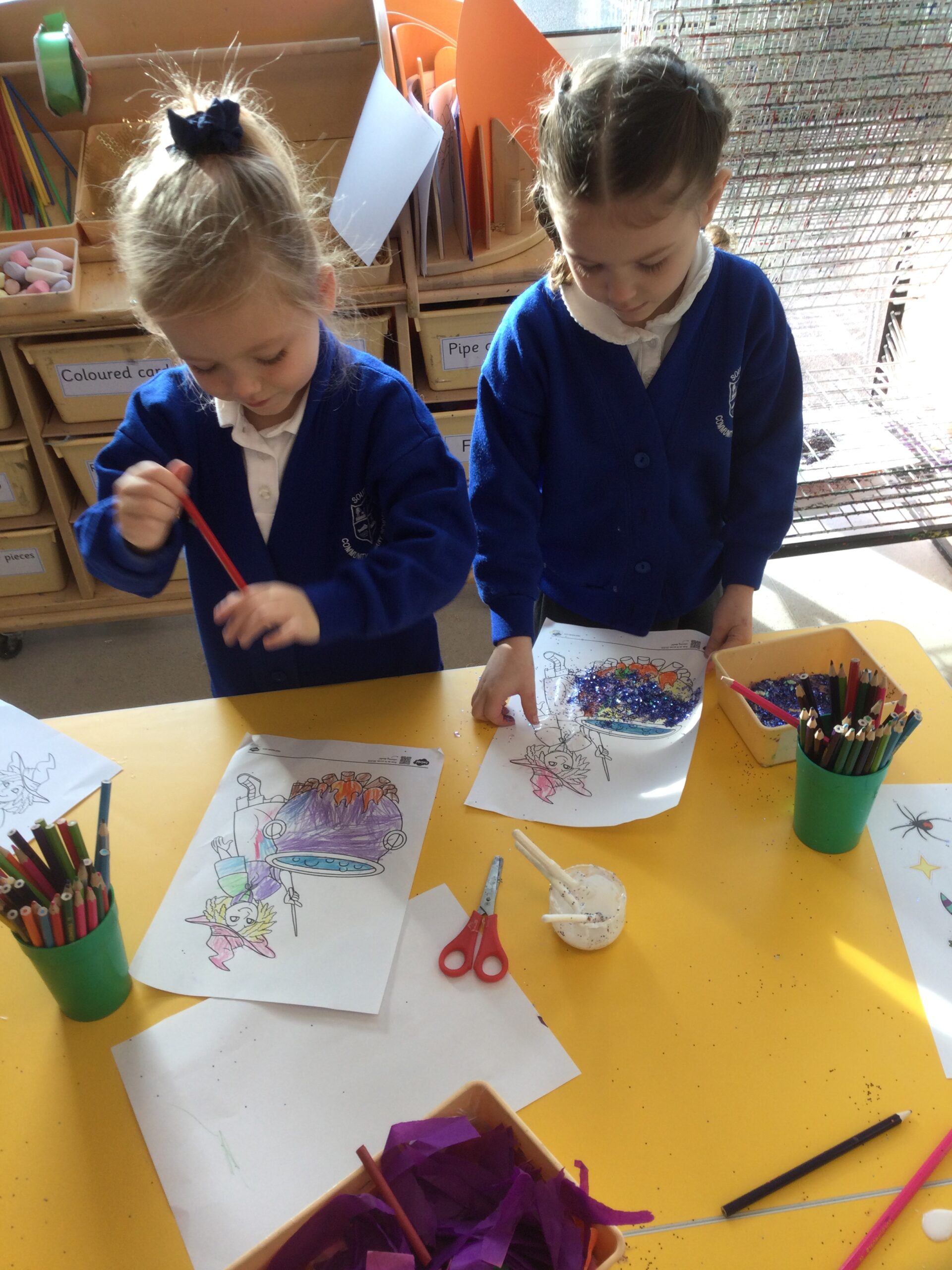
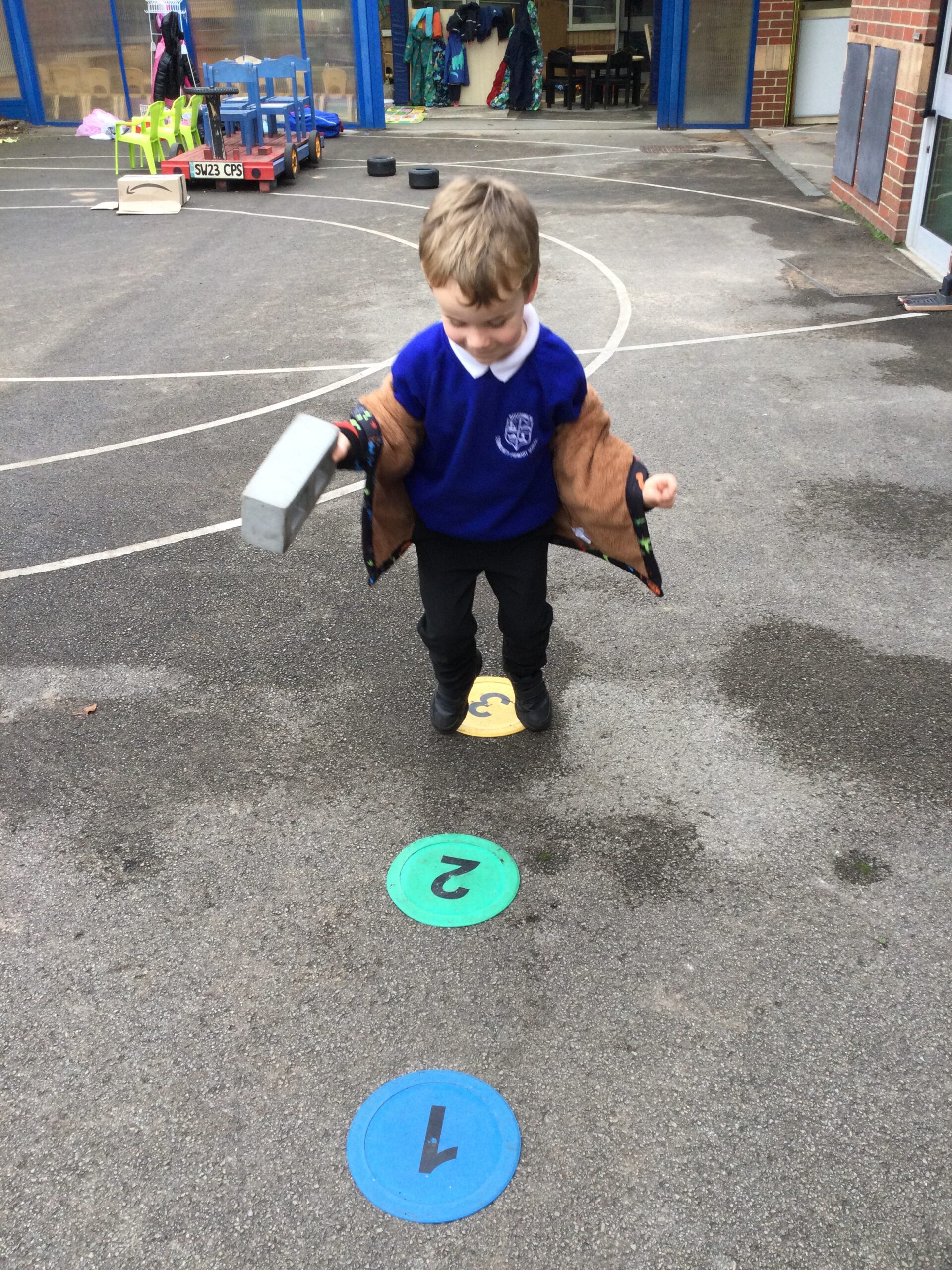
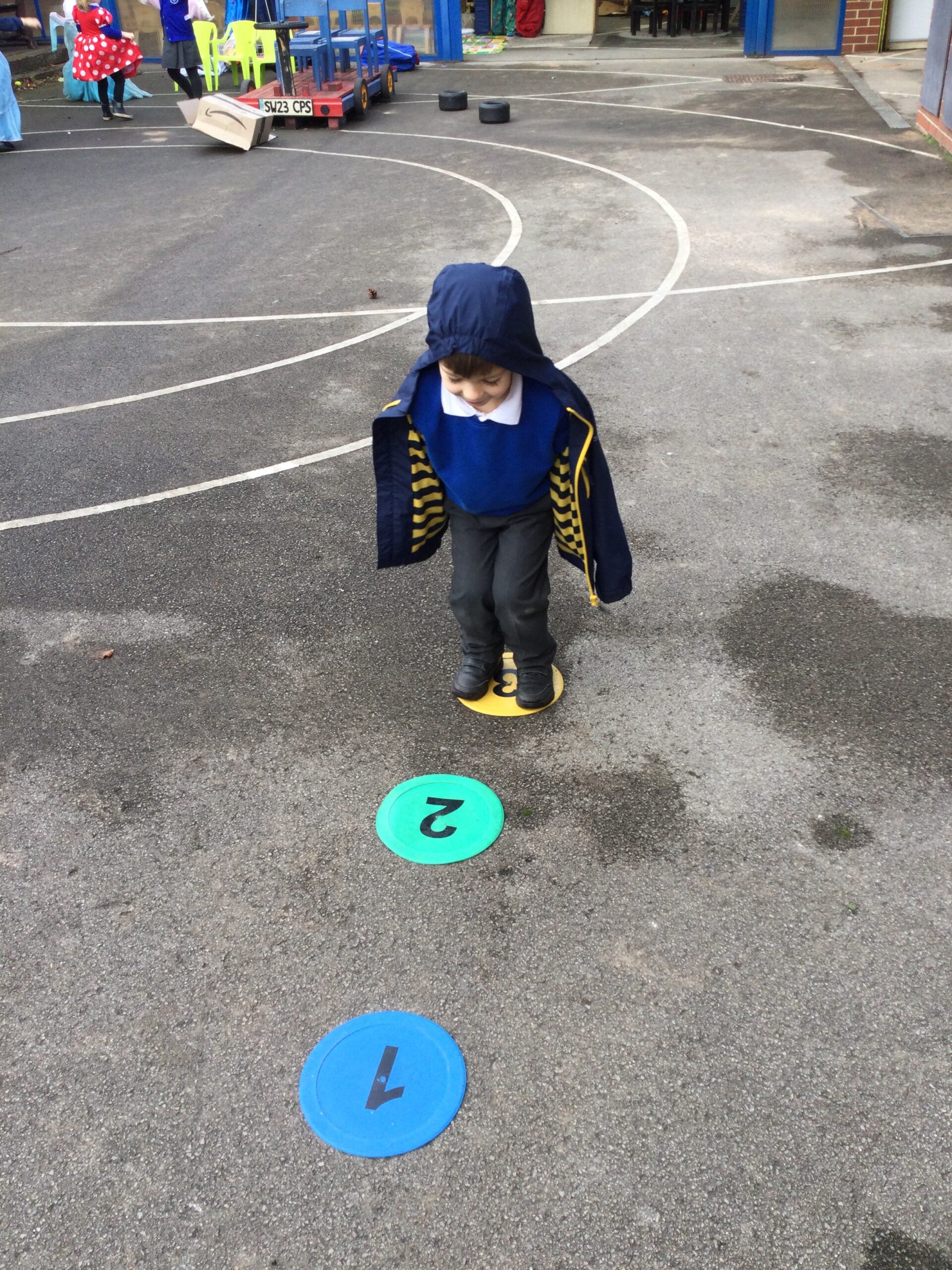
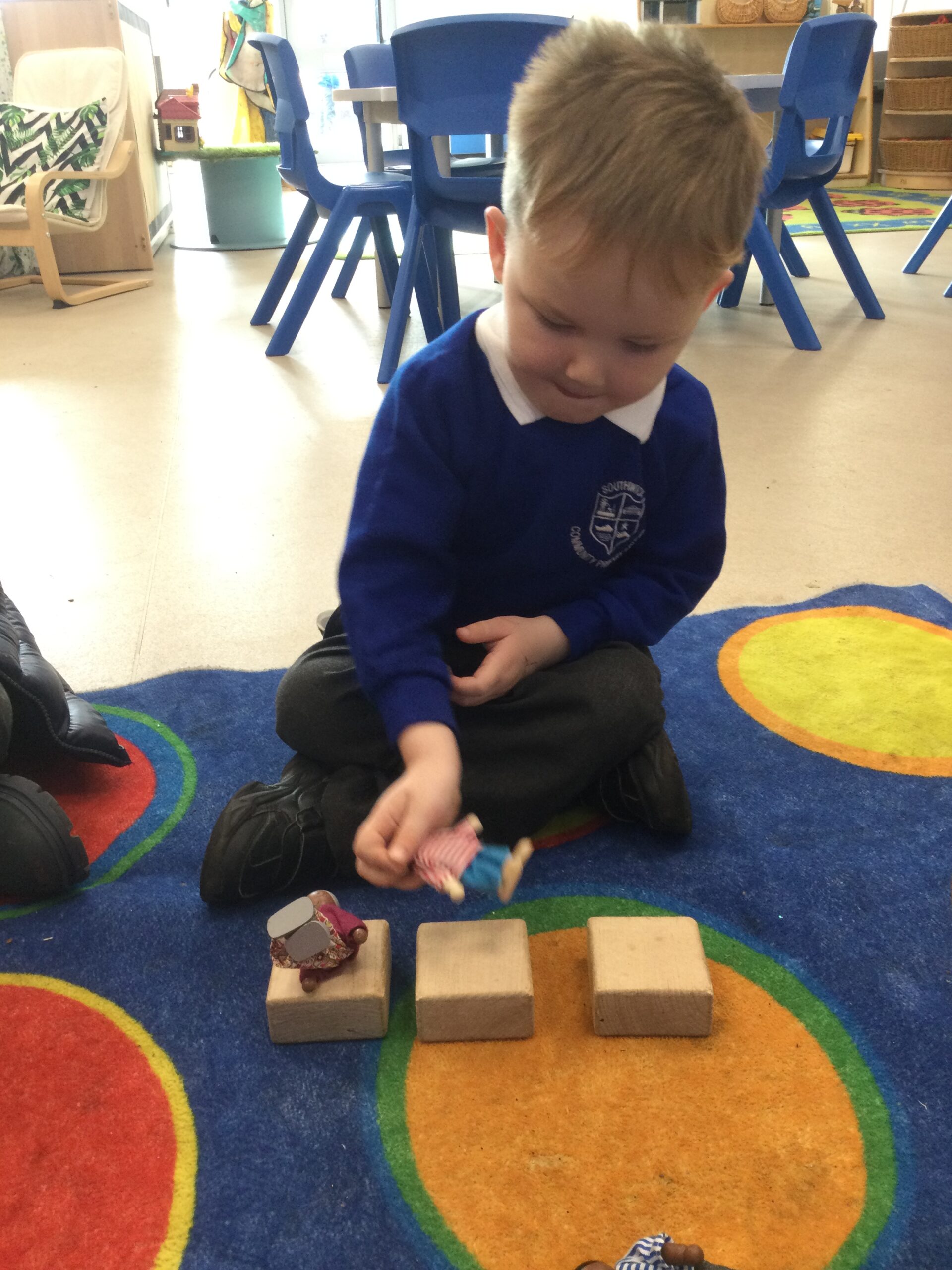
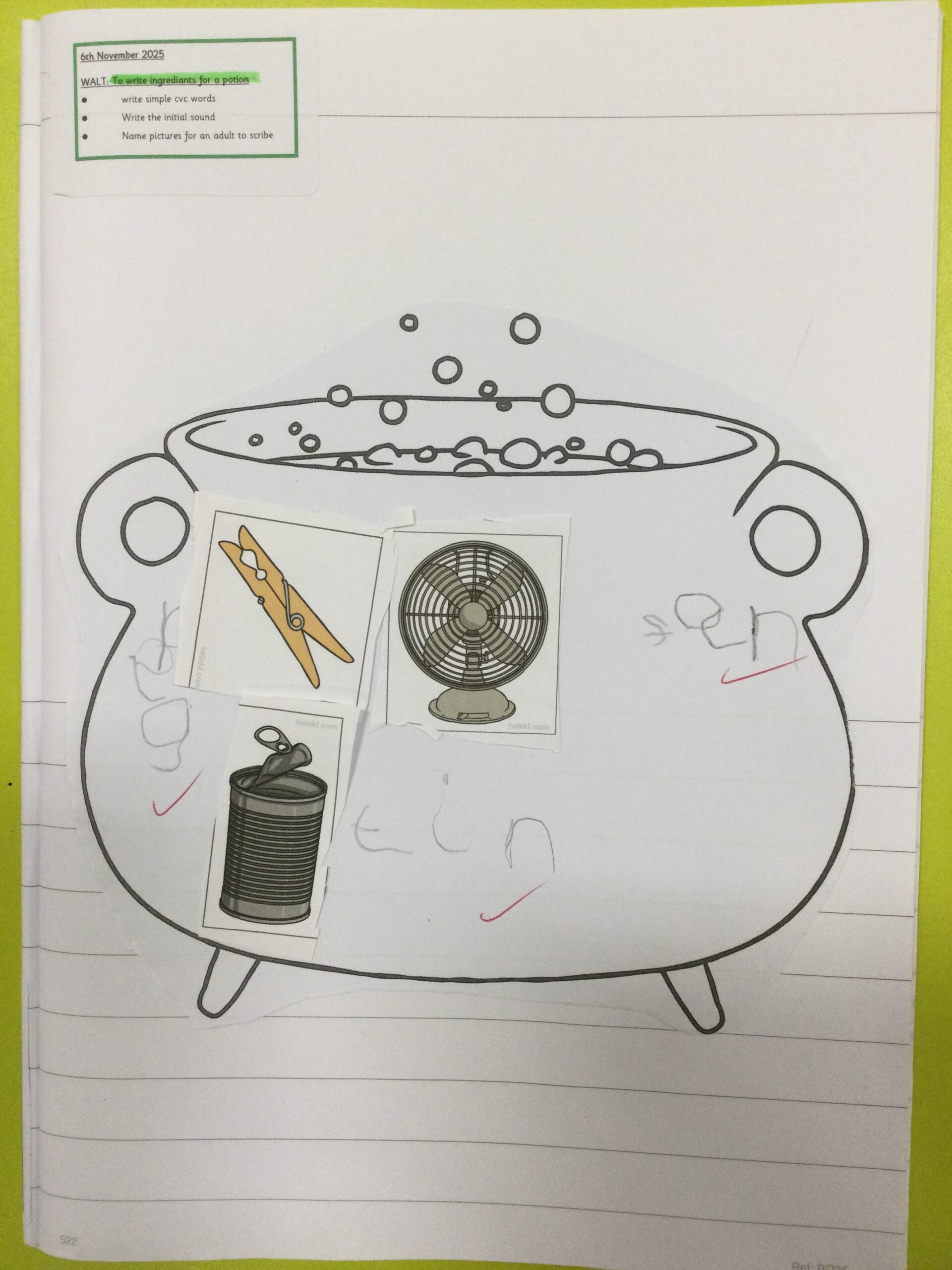
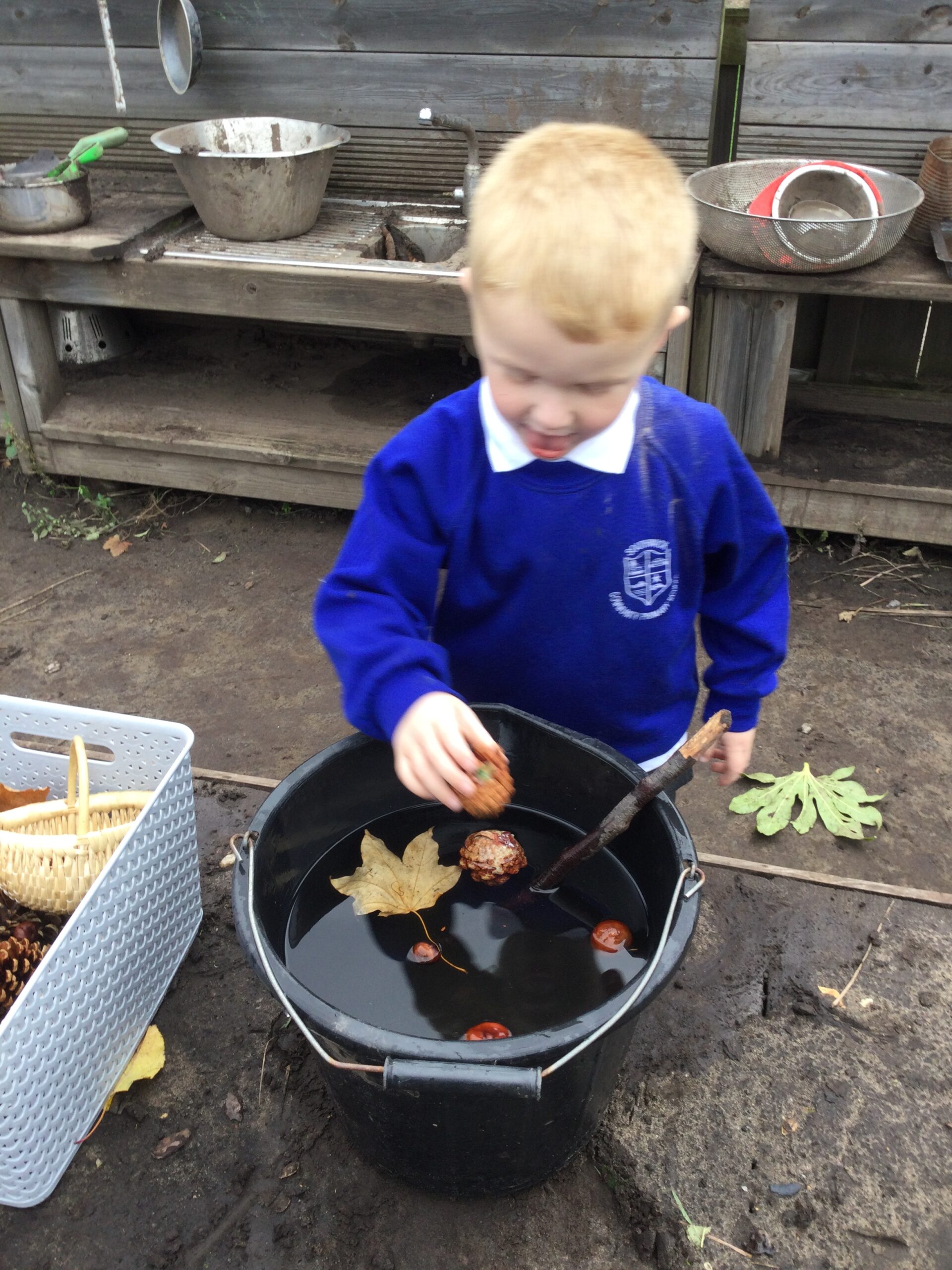
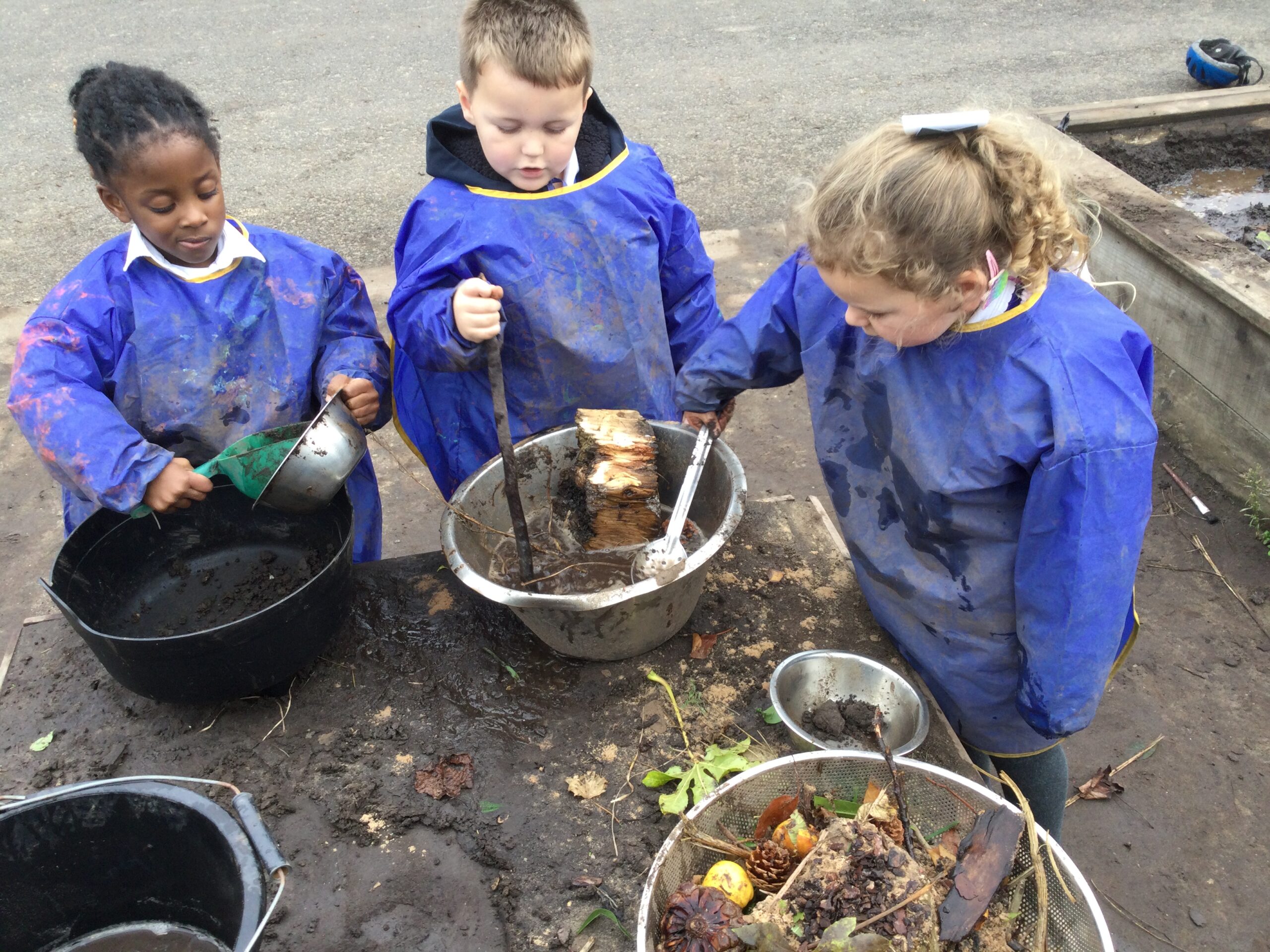
This sparked lots of conversations about friendship, sharing and belonging. Throughout provision, children naturally recreated the story, invented magical potions to help others and used imaginative play to solve problems for the characters.
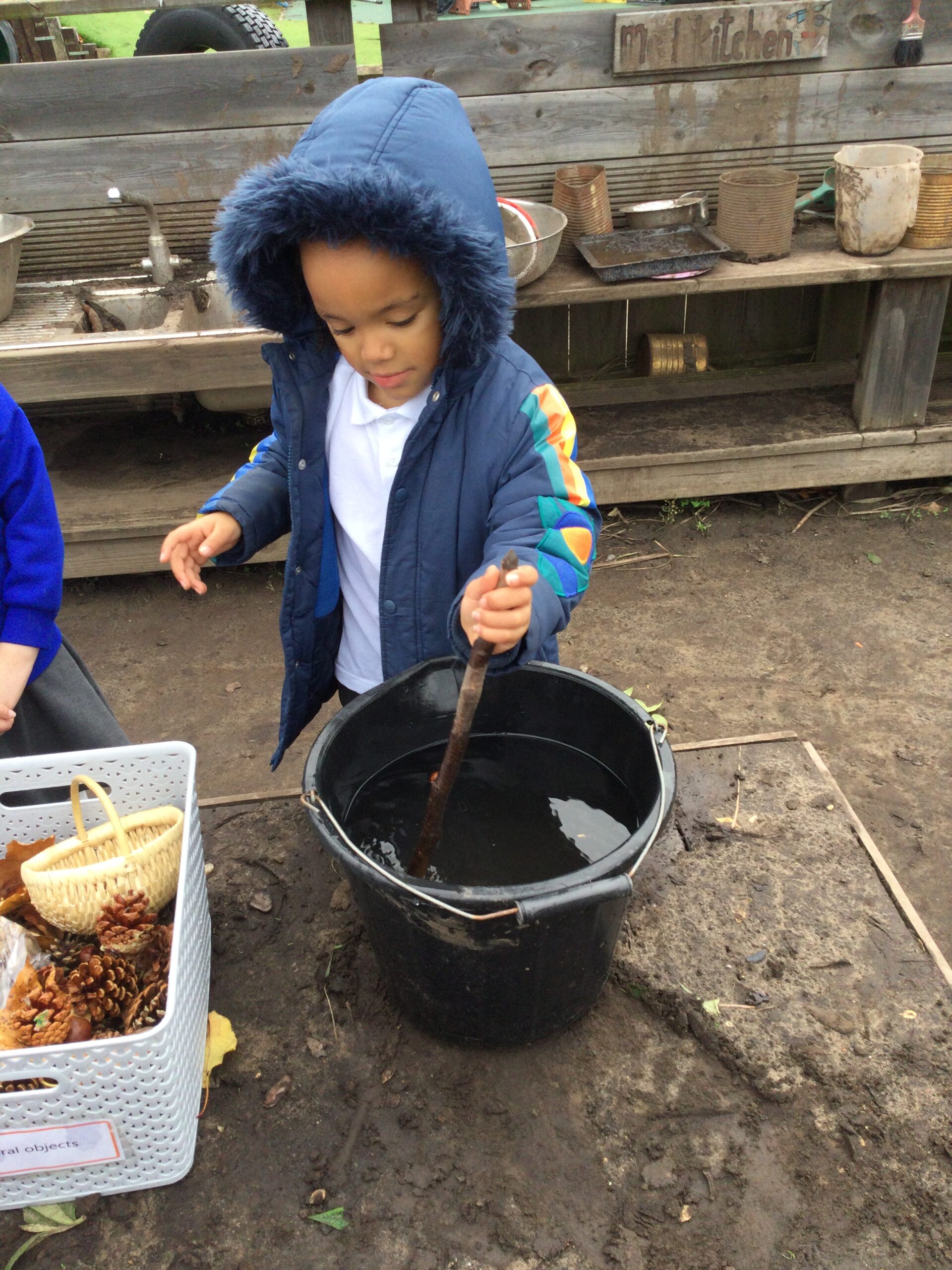
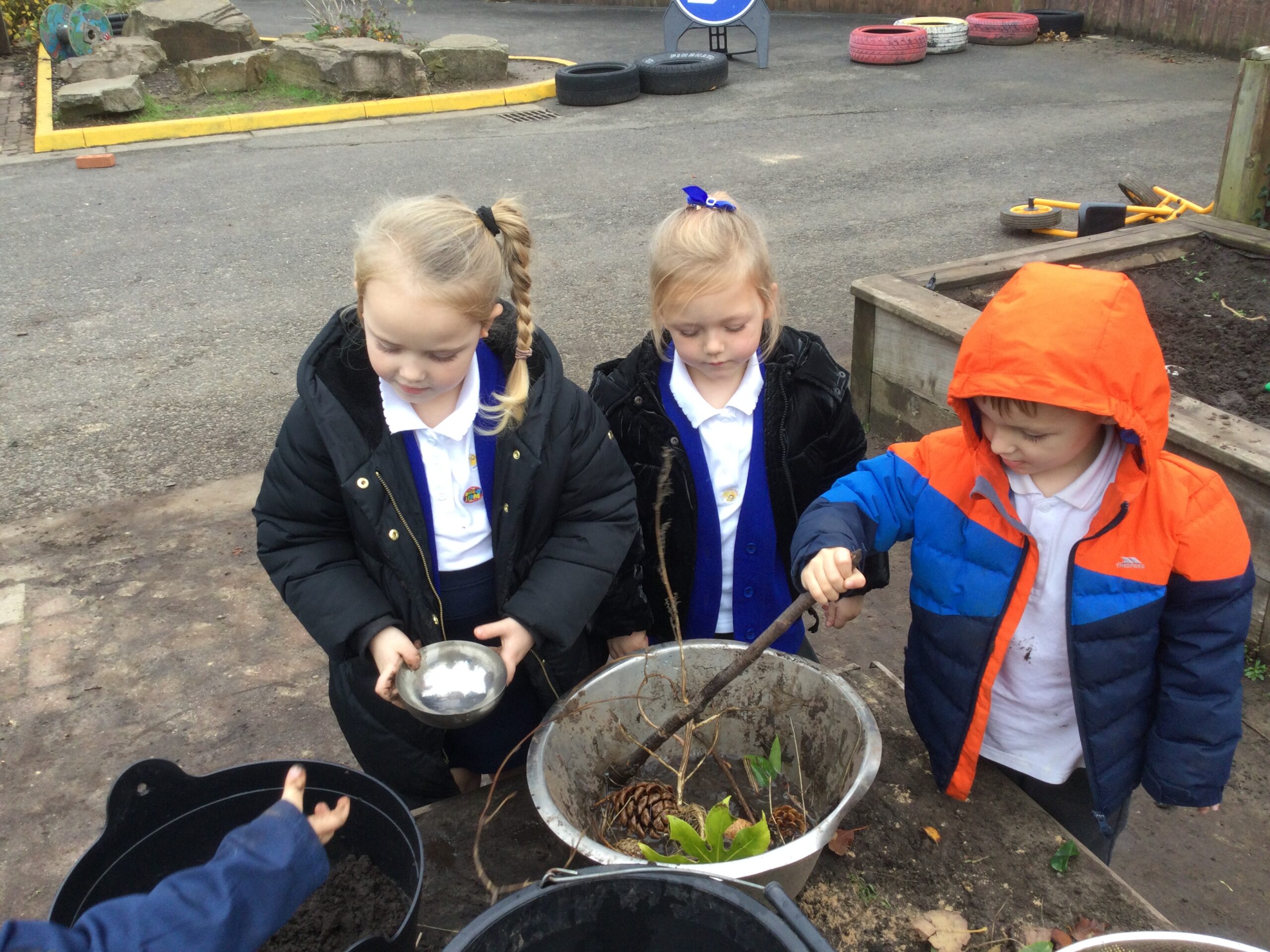
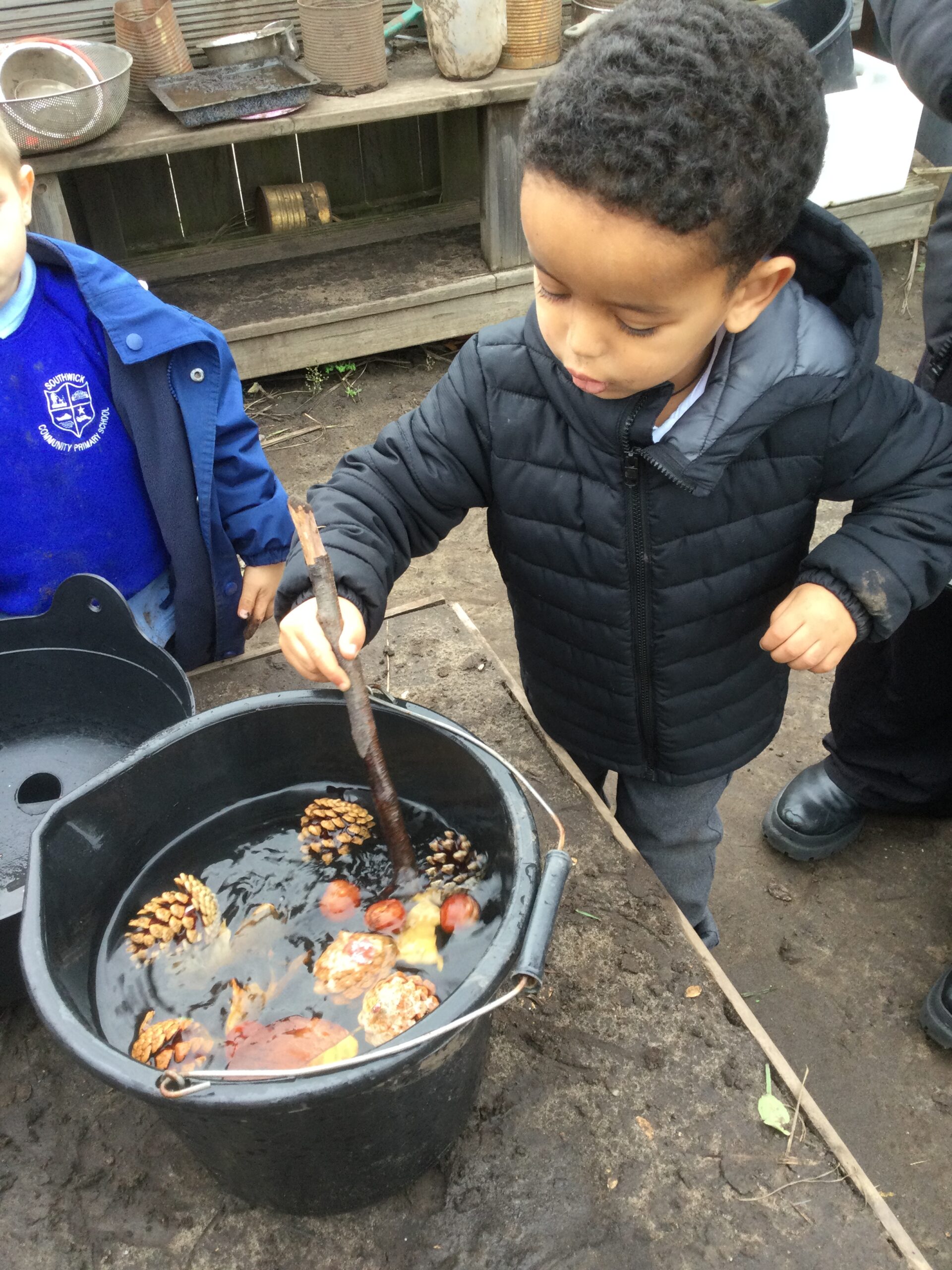
During Forest School, the children’s discussions about helping others extended to caring for nature and woodland animals. They created potions designed to help animals find food, stay warm or keep safe during the autumn months.

What did we learn?
The children learned that showing care can mean including others, helping when someone needs support, sharing what we have and using kind words. They began to recognise that even small actions can make someone feel welcome and valued.
Week 2 – Bertie’s Poppies
What did we wonder?
As our enquiry into care continued, the children began thinking about people who help and protect others.
They asked:
- Why do people wear poppies?
- What does a poppy mean?
- Why do we have a minute’s silence?
- How can we remember people we have never met?
- How do we show respect?
Many children shared experiences of seeing poppies on coats, in shops, at football matches, or around their local community, which sparked further curiosity and discussion.
Where did this take us?
Reading Bertie’s Poppies helped the children explore the idea that showing care is not only about helping people today, but also about remembering people from the past.
Through discussions, the children began to understand that Remembrance Day is a time when people come together to show respect and gratitude to those who helped others.
As we shared our thoughts, the children reflected on ways they can show care in their own lives. They talked about listening to others, helping friends, being kind and showing respect. These conversations helped them realise that small actions can have a big impact on how others feel.
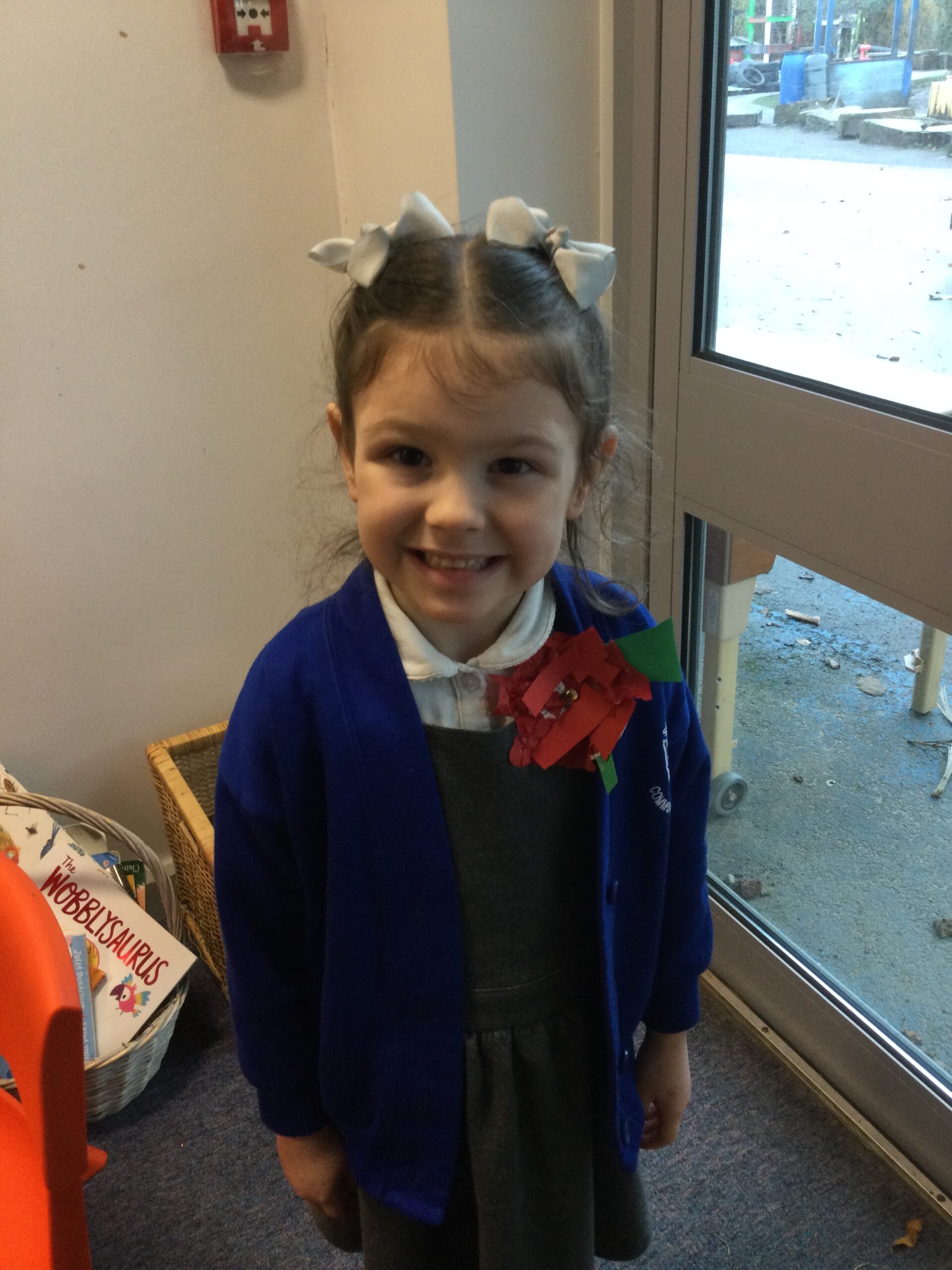
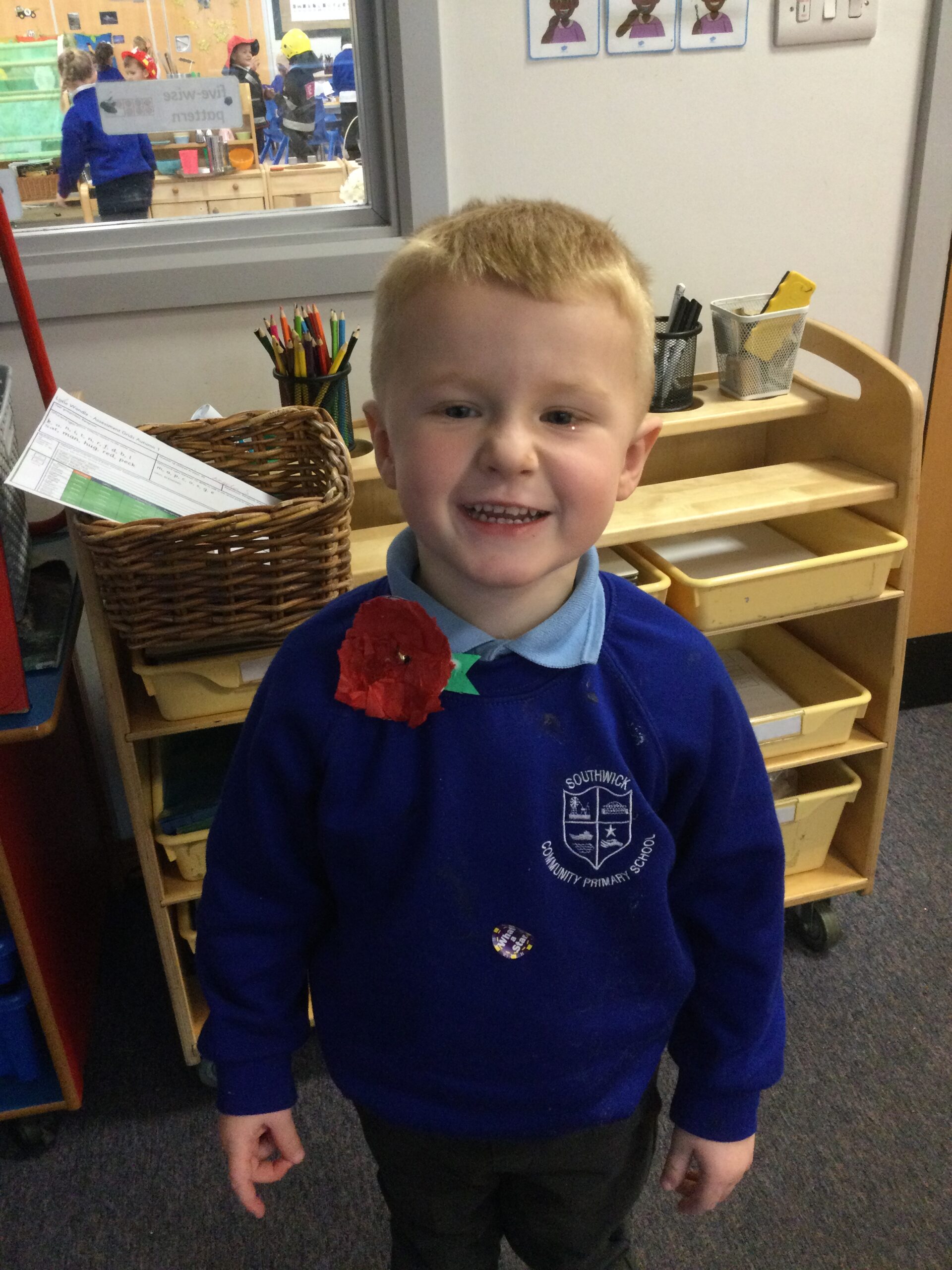
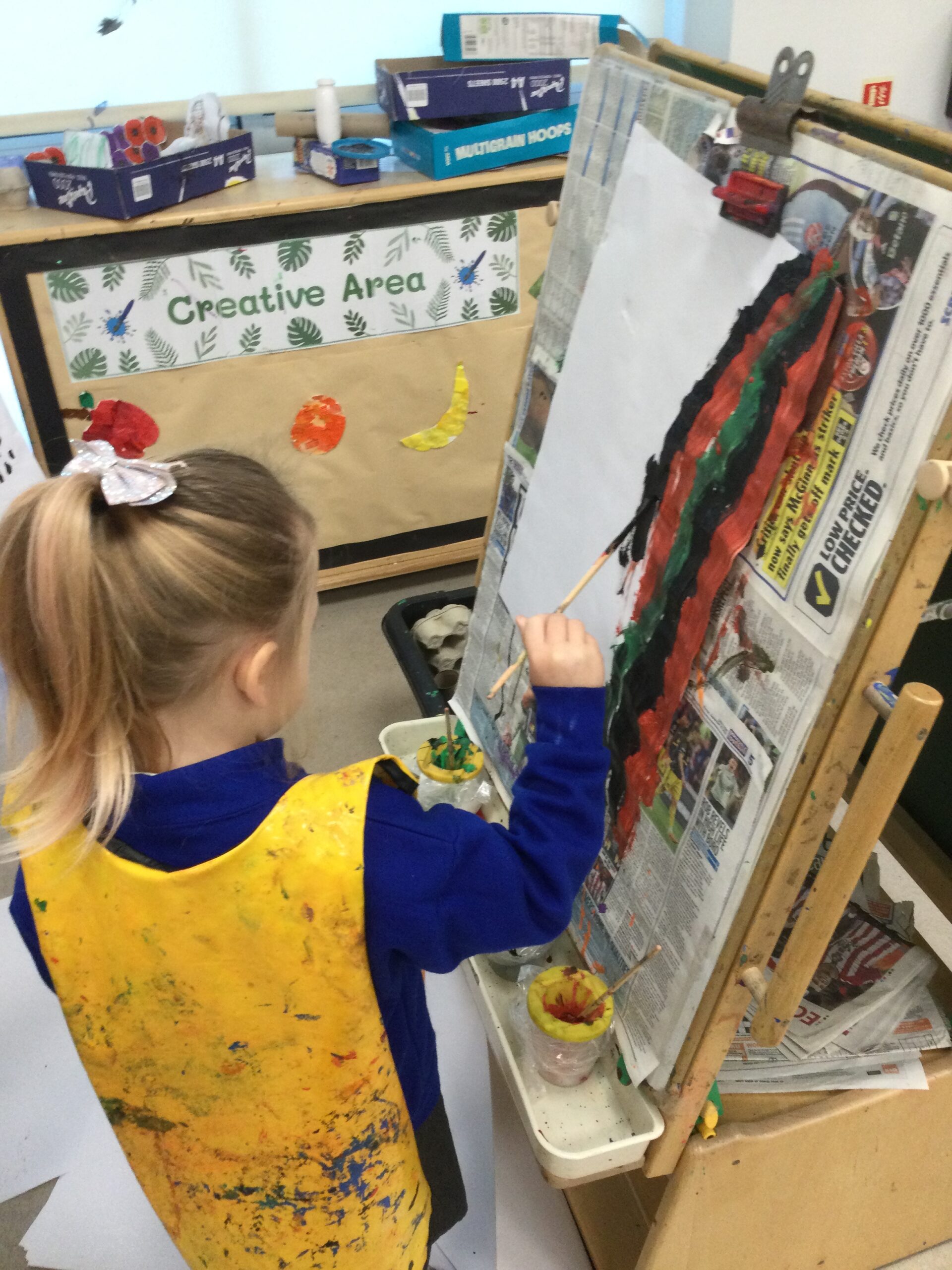
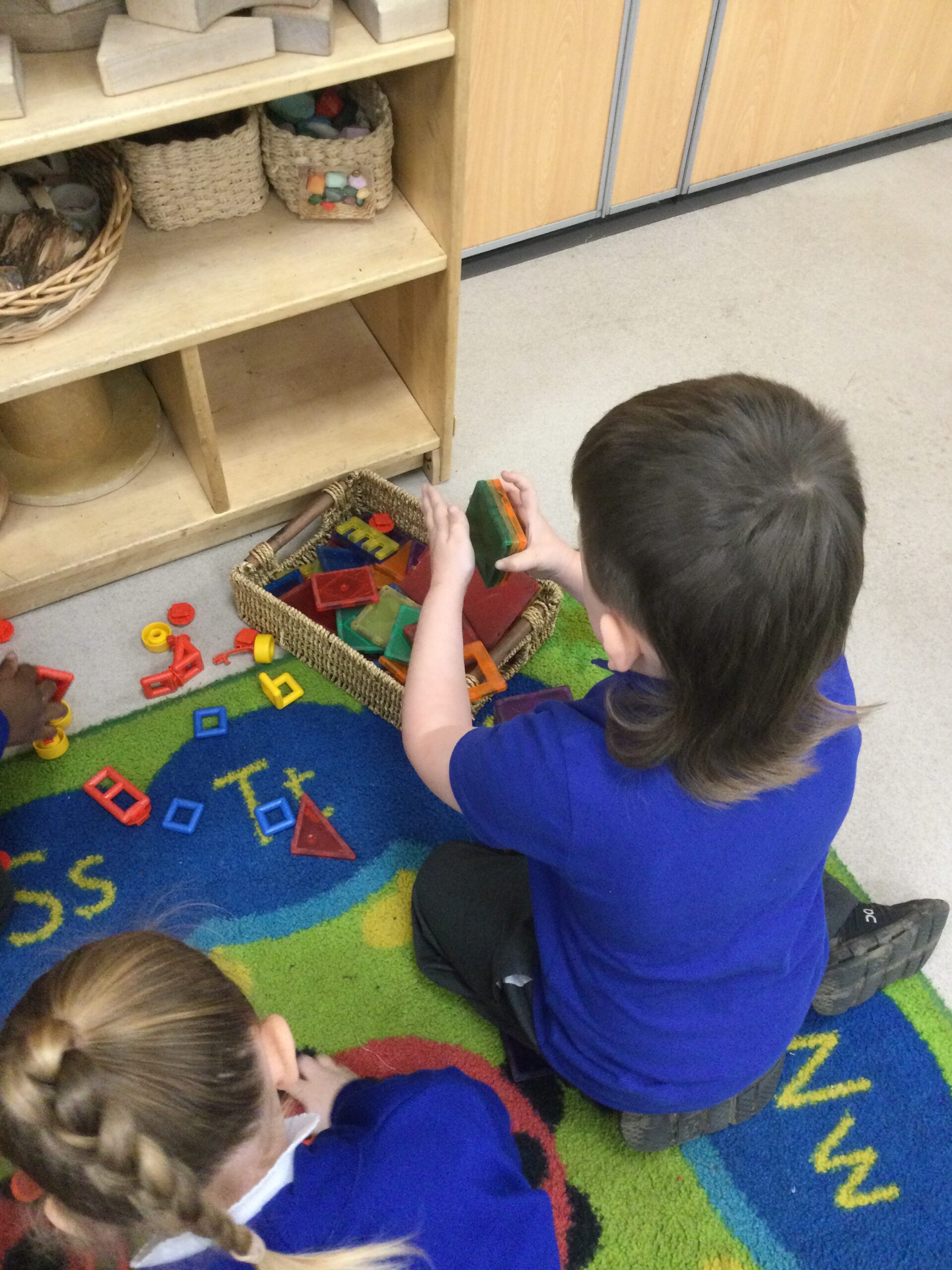
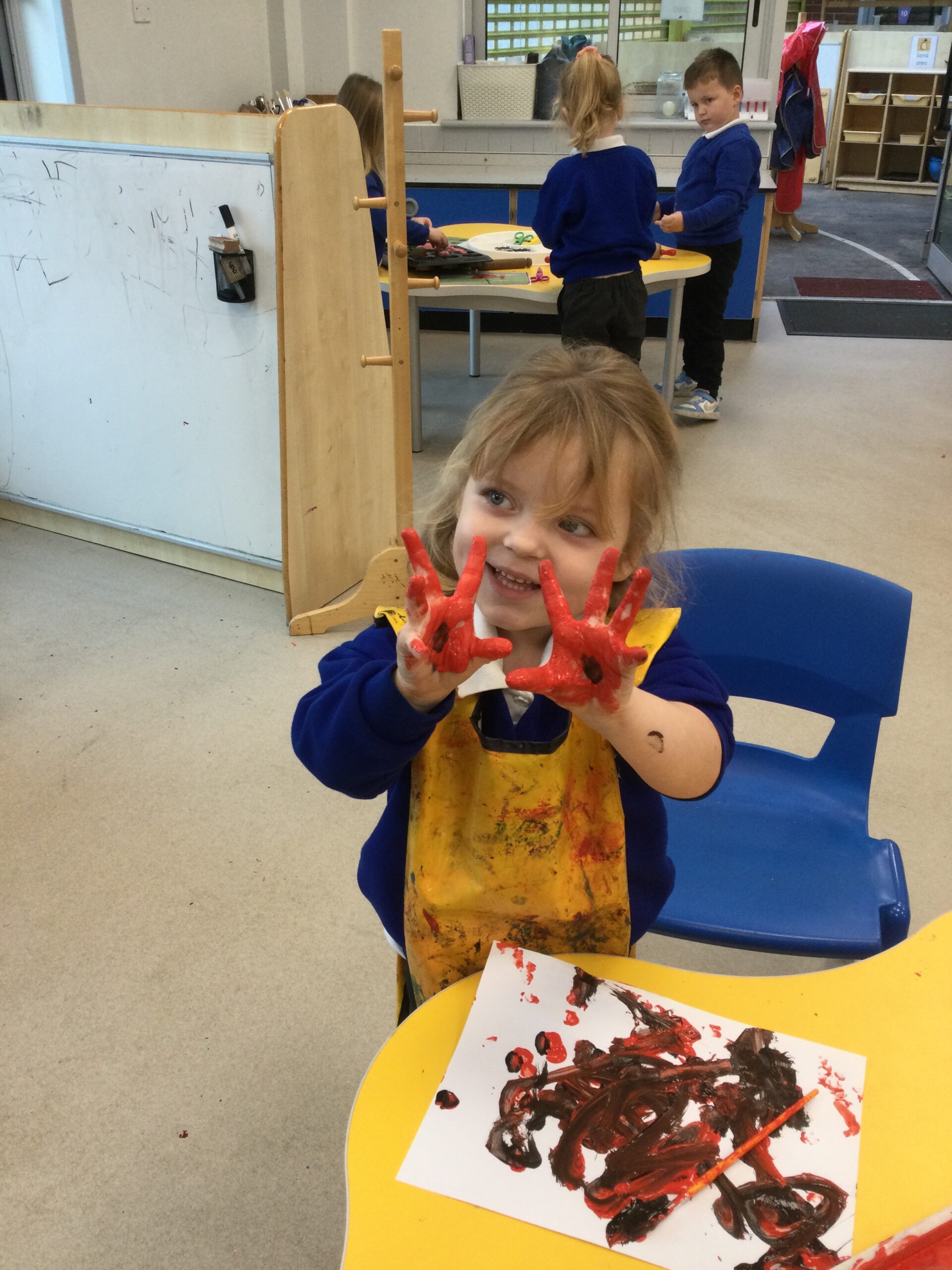
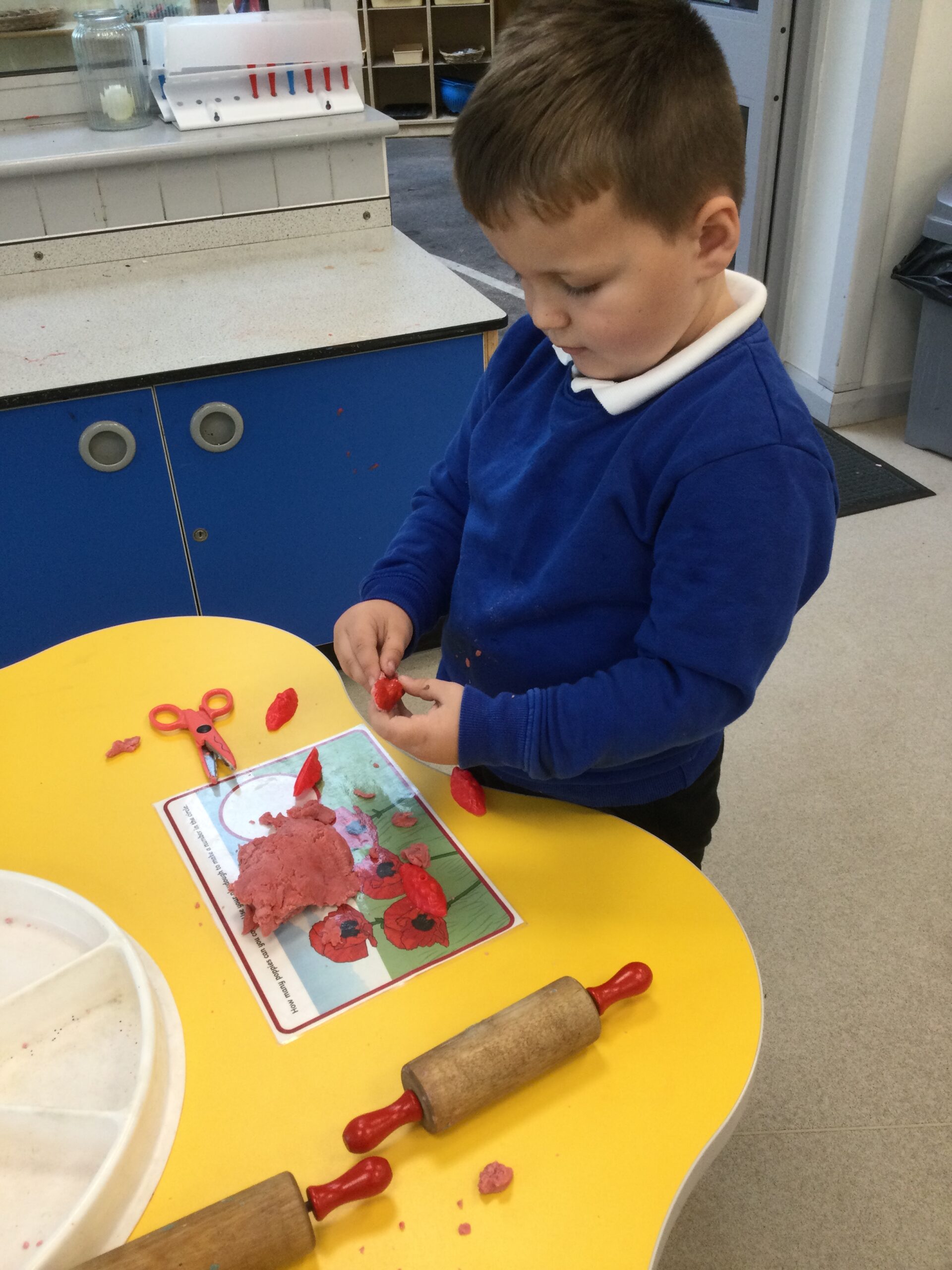
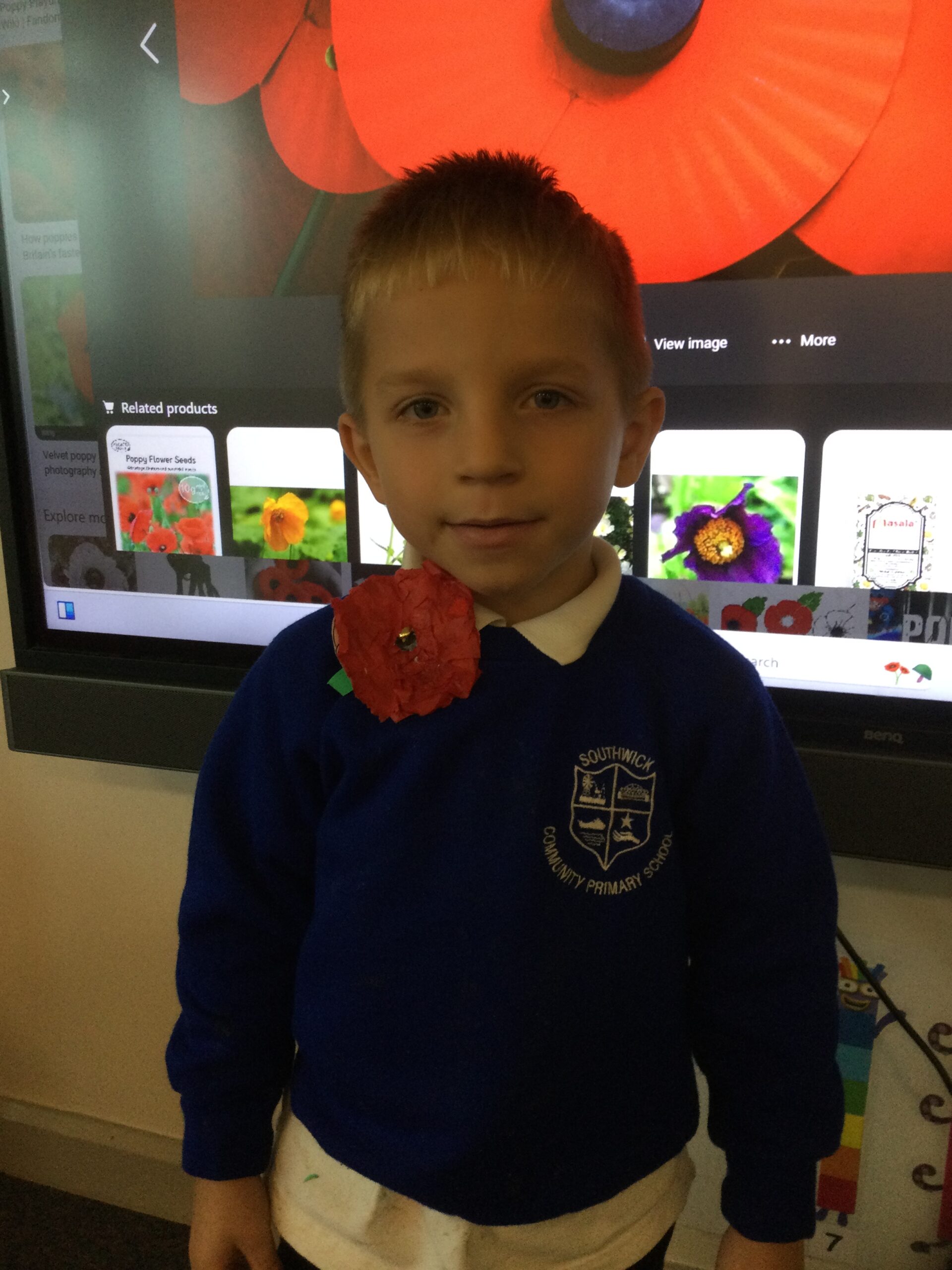
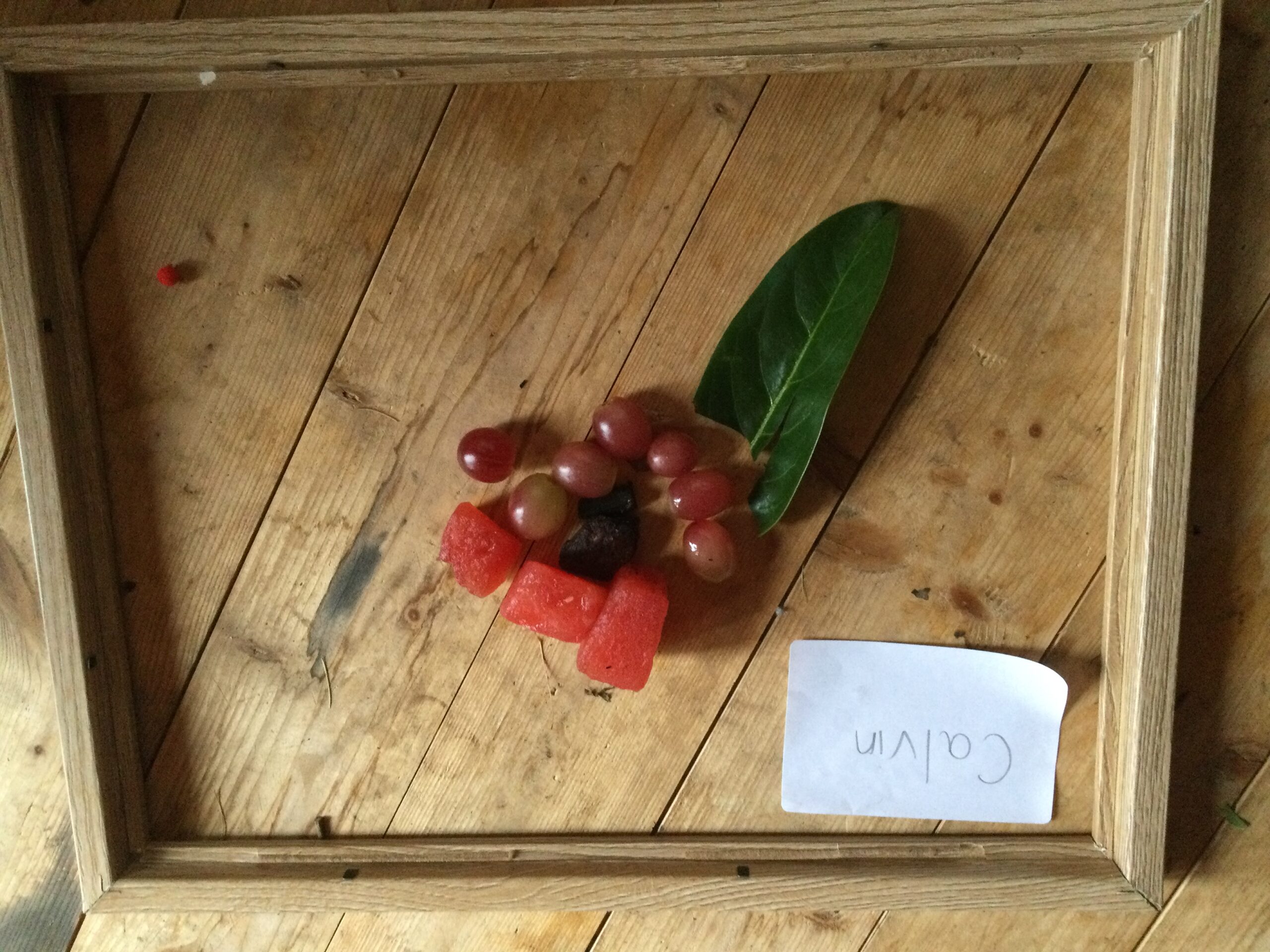
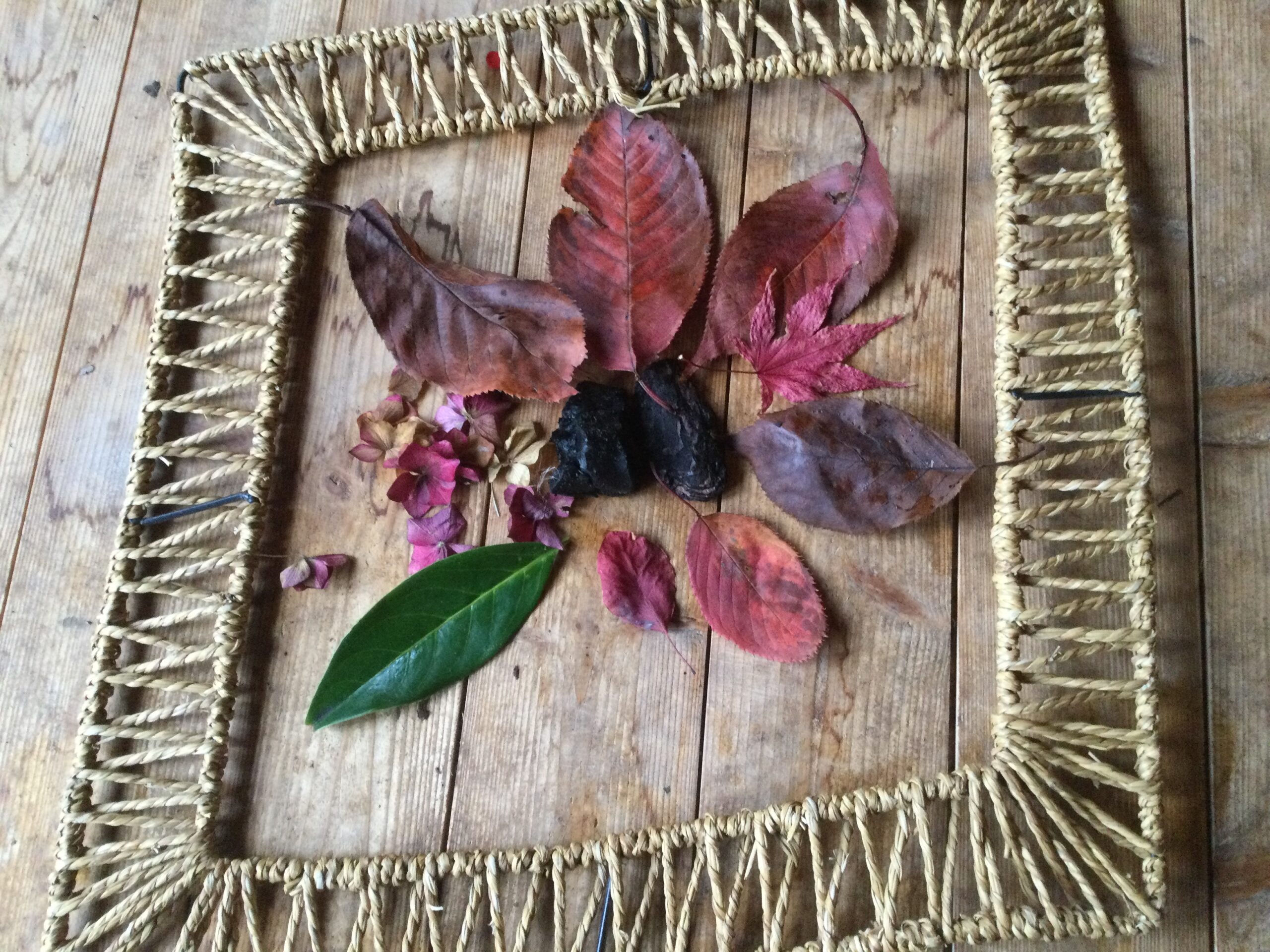
The children’s interest in poppies led them to explore their meaning further and create their own poppies as a way of remembering and honouring those who gave their lives to help and protect others.
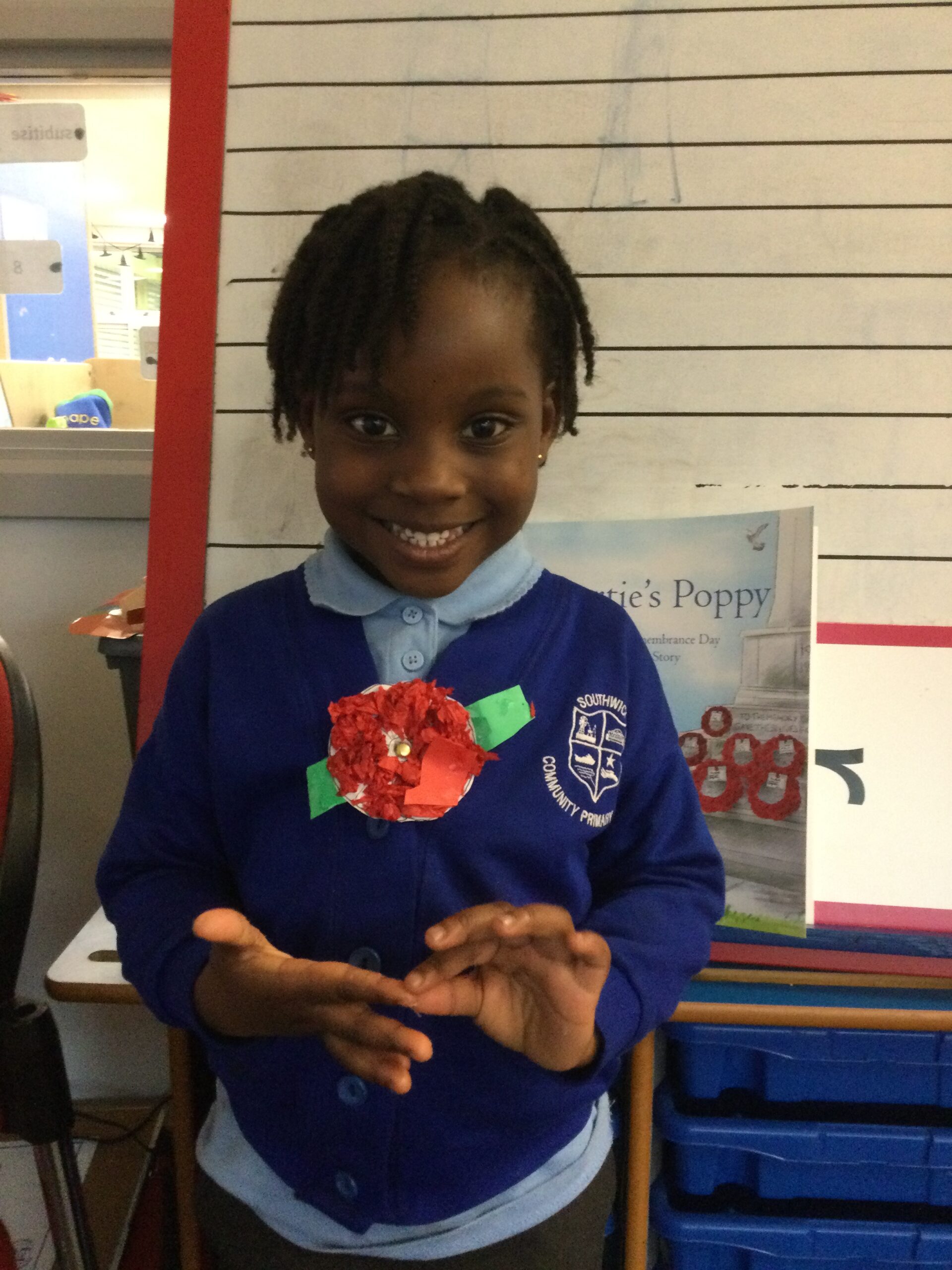
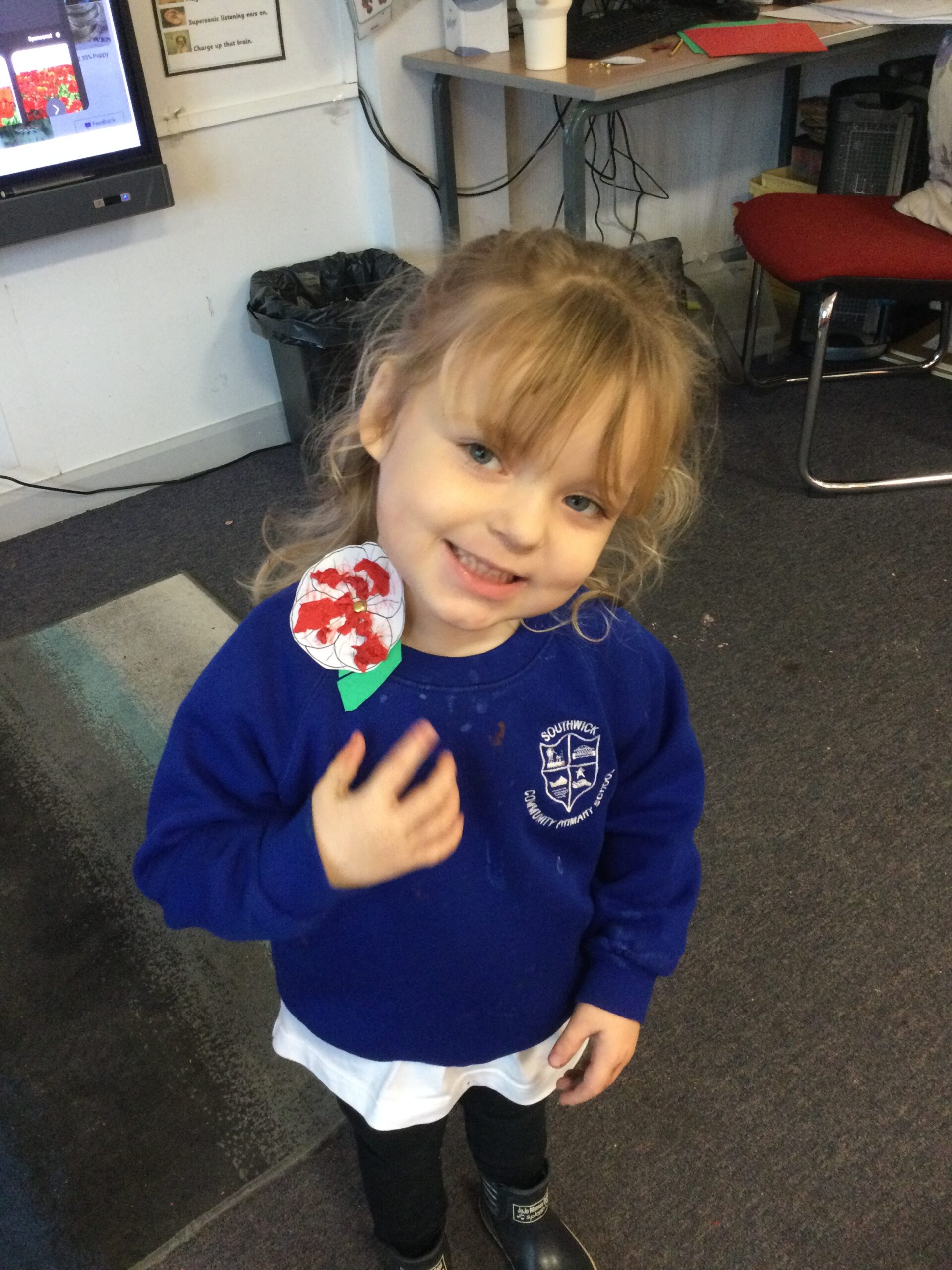
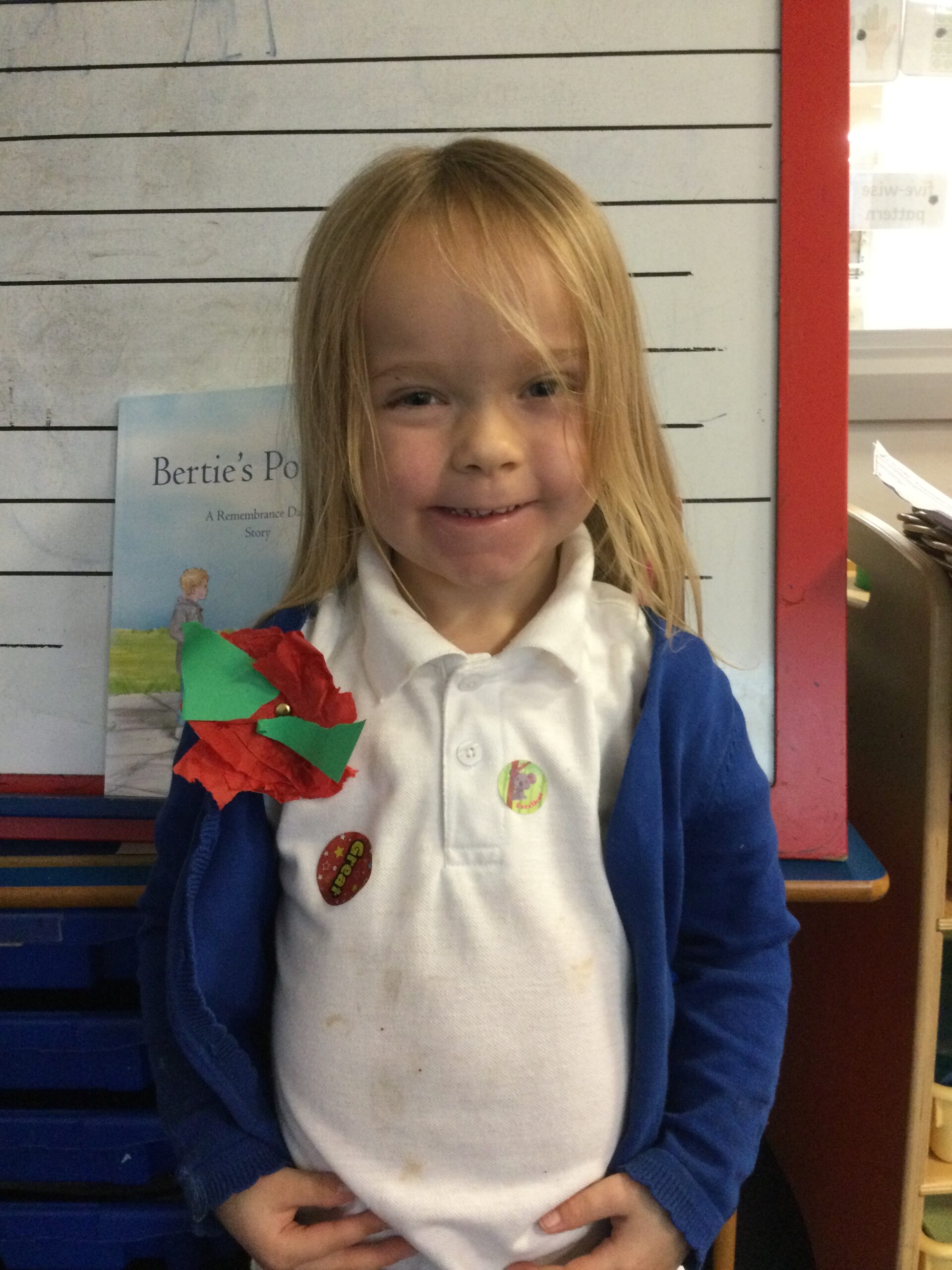
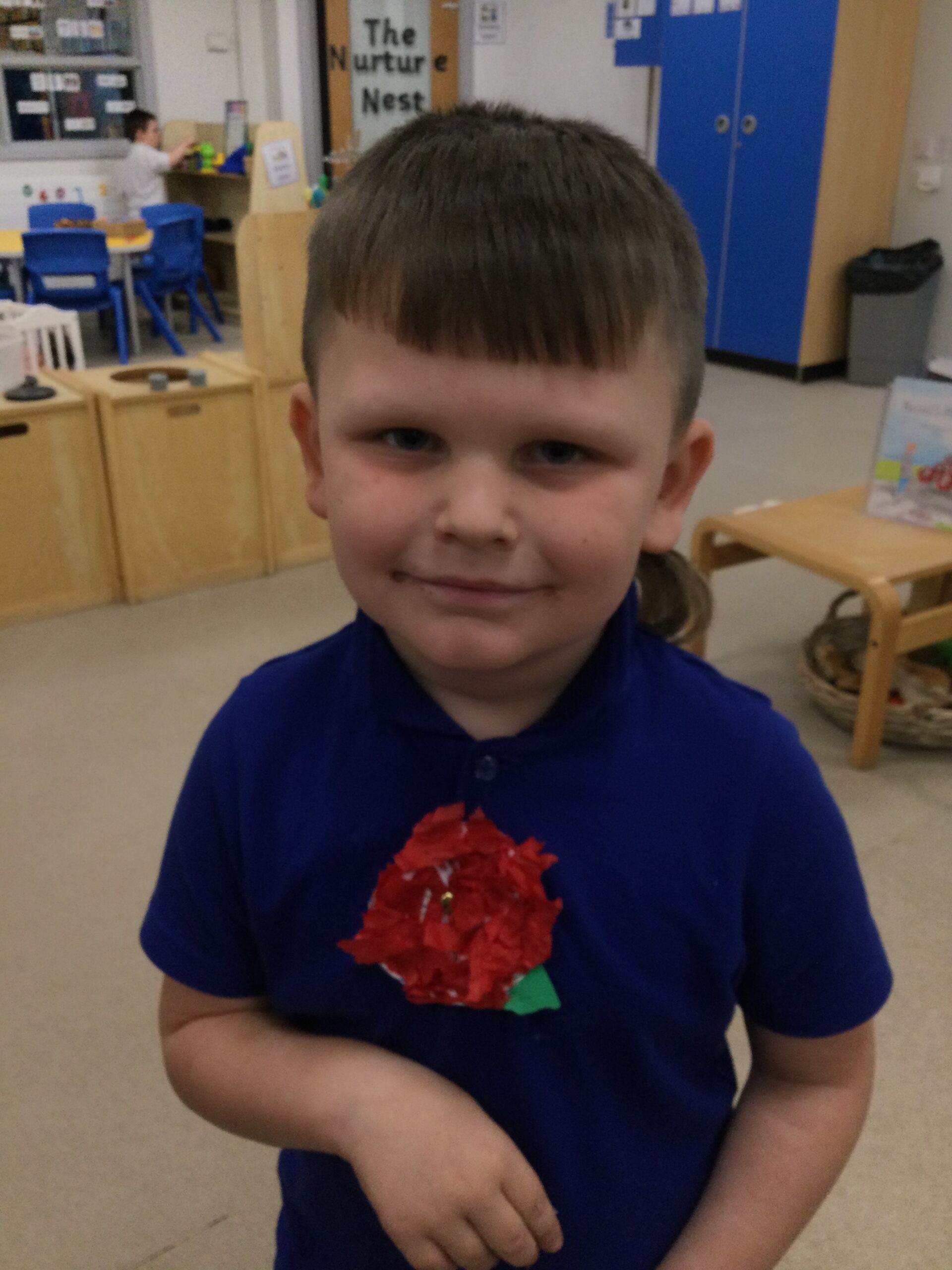
What did we learn?
The children learned that showing care can sometimes mean remembering people and recognising the sacrifices they made for others.
They discovered that wearing a poppy is one way people show respect and gratitude, and that acts of care are not always big gestures. Taking time to listen, remember, help and show kindness are all important ways of caring for others.
One child thoughtfully reflected:
“We wear a poppy because we don’t forget them.”
Week 3 – Smartest Giant in town
ThisWhat did we wonder?
As we continued exploring how we show care, the children began thinking about helping others.
They asked:
- How can we help people?
- What happens if someone doesn’t have what they need?
- Can sharing make someone happy?
- How do we know when someone needs help?
- Is it kind to give things away?
These questions became even more relevant as we took part in Children in Need and thought about how people raise money and support others.
Where did this take us?
Reading The Smartest Giant in Town encouraged the children to think about kindness in action. They were particularly interested in how George the Giant chose to give away his clothes to help others, even when it meant he had less himself.
This sparked conversations about sharing, generosity and helping people who may need support. The children reflected on times when they had helped others and discussed how it feels when someone does something kind for them.
Throughout provision, children enjoyed becoming George the Giant through role play, creating gifts to make someone smile, and designing structures that could help people or animals in need. Their play was filled with ideas about caring for others and solving problems through kindness.
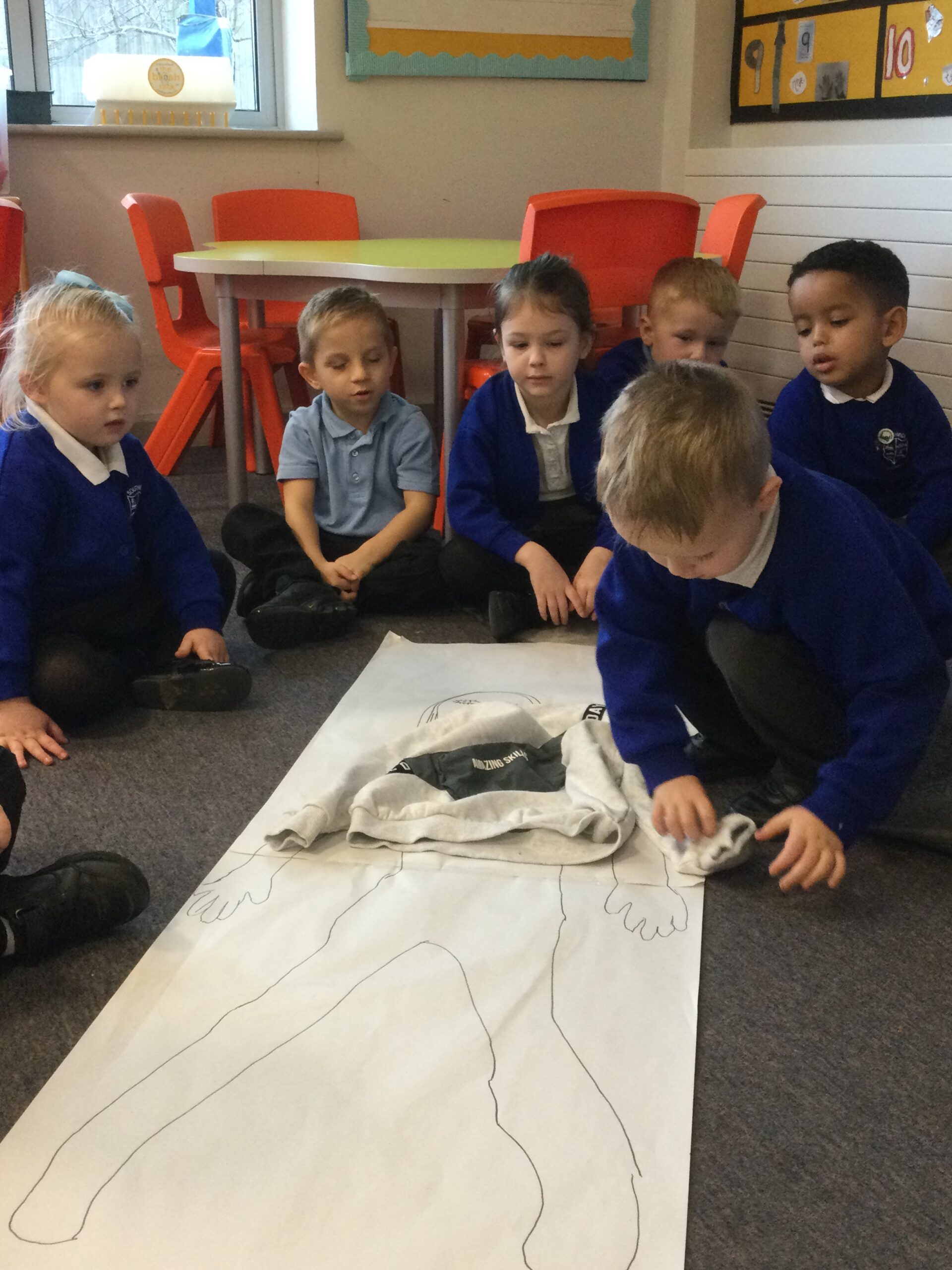
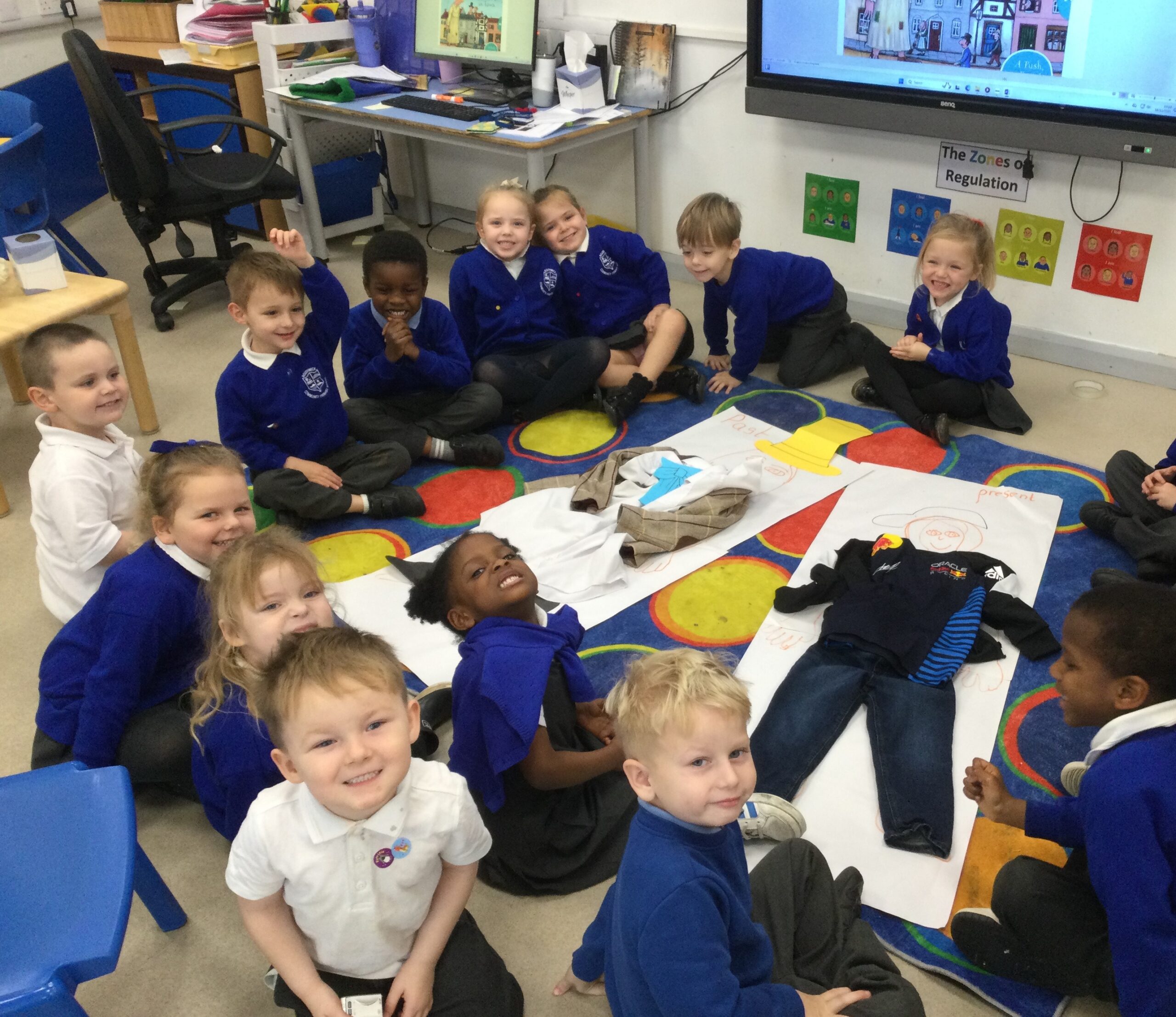
Our discussions about George’s clothes led to a new line of enquiry about clothing from the past and present. The children compared old-fashioned and modern clothes, noticing similarities and differences and talking about what people wear today compared with long ago. This naturally extended into conversations about jobs in the past and present and how some things change over time while others stay the same.
❤️🧥🌟
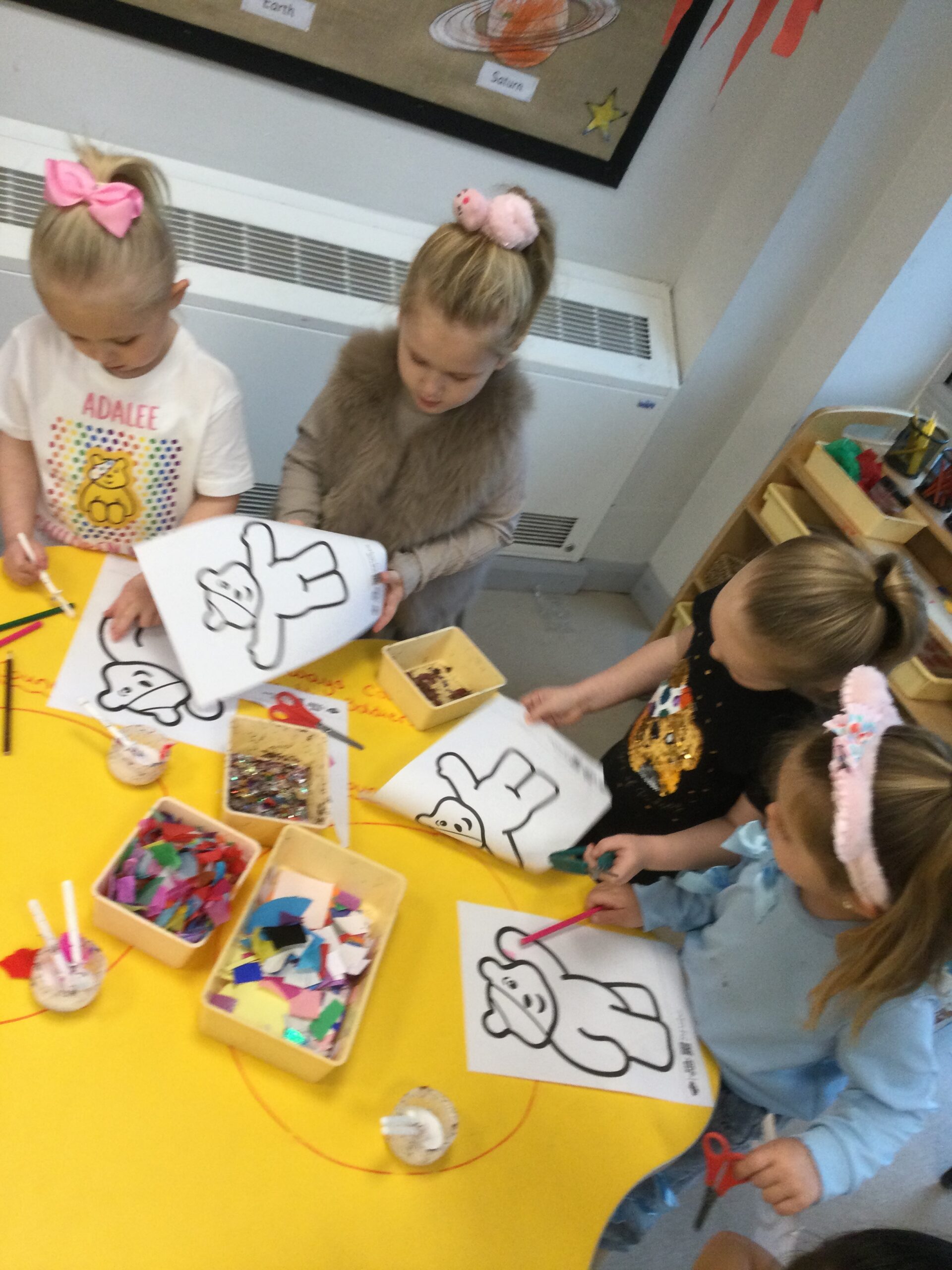
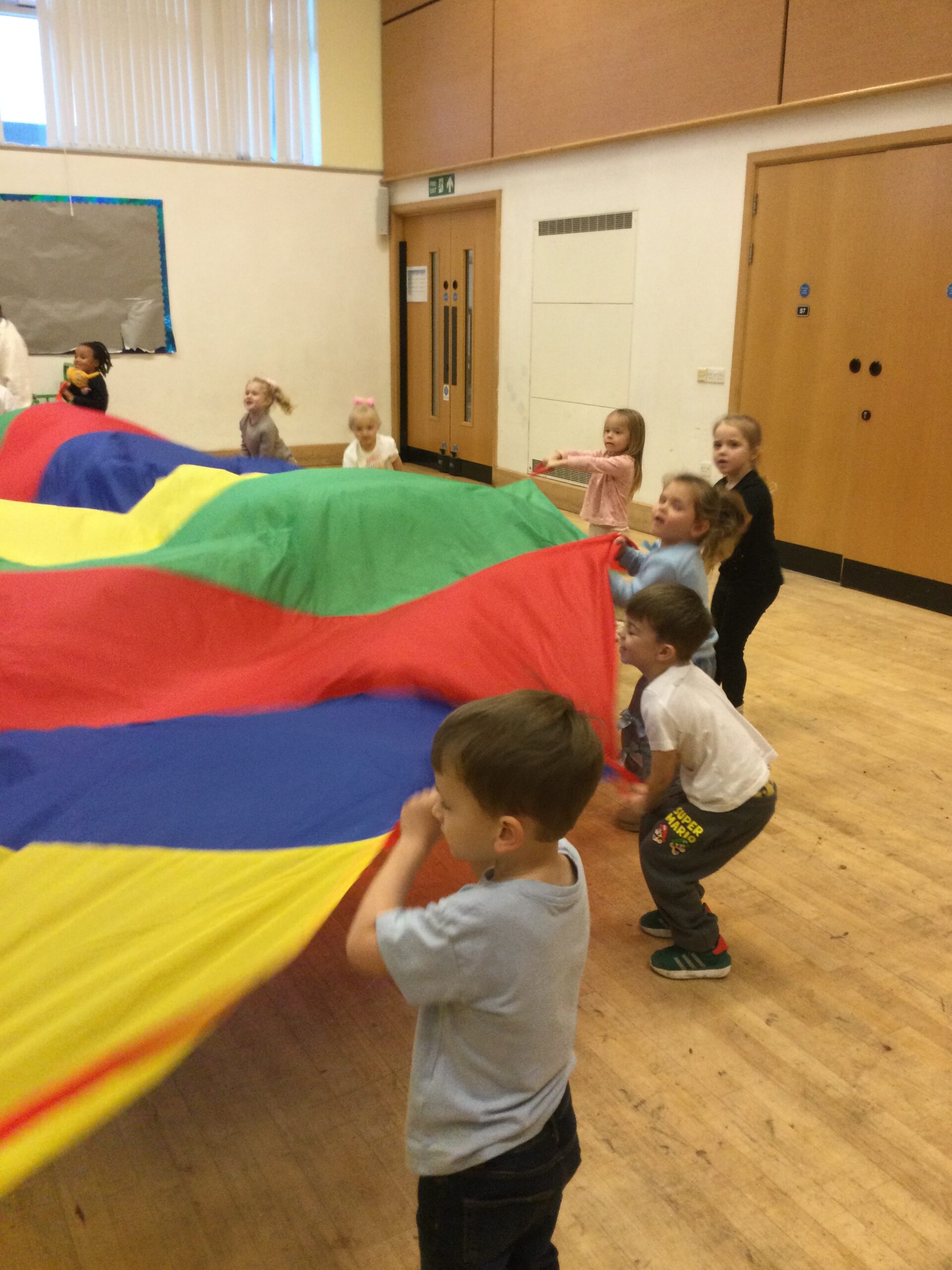
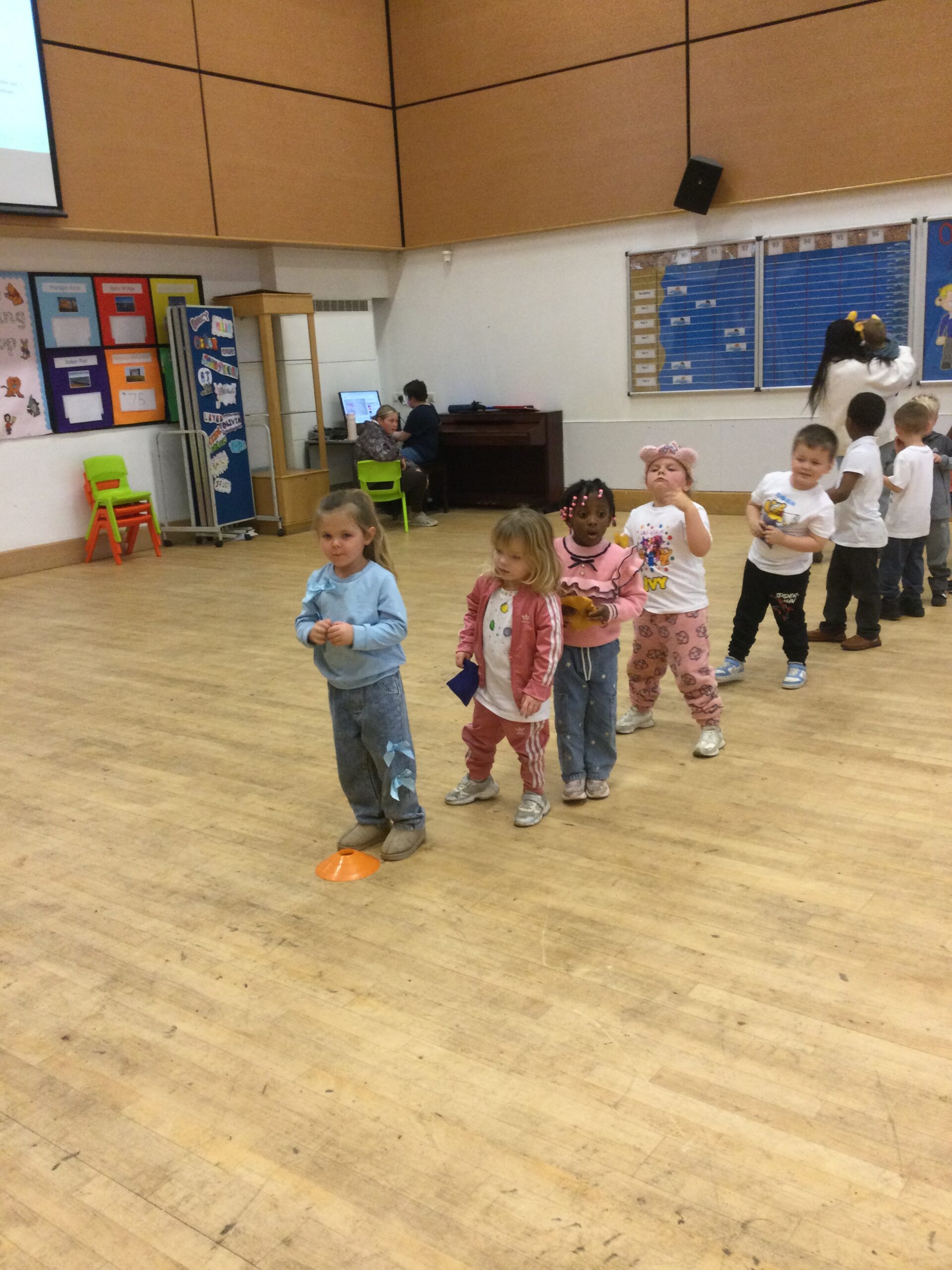
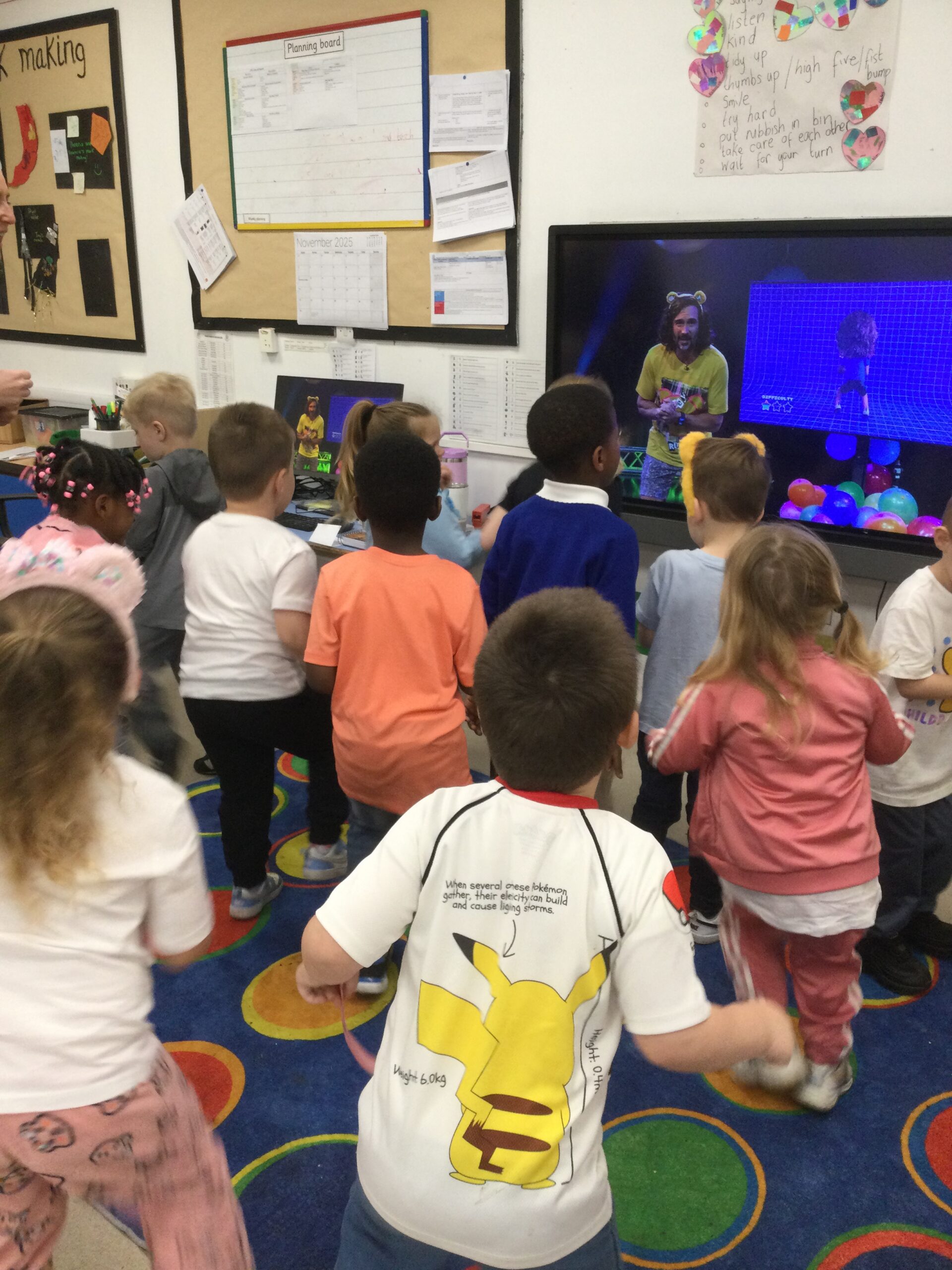
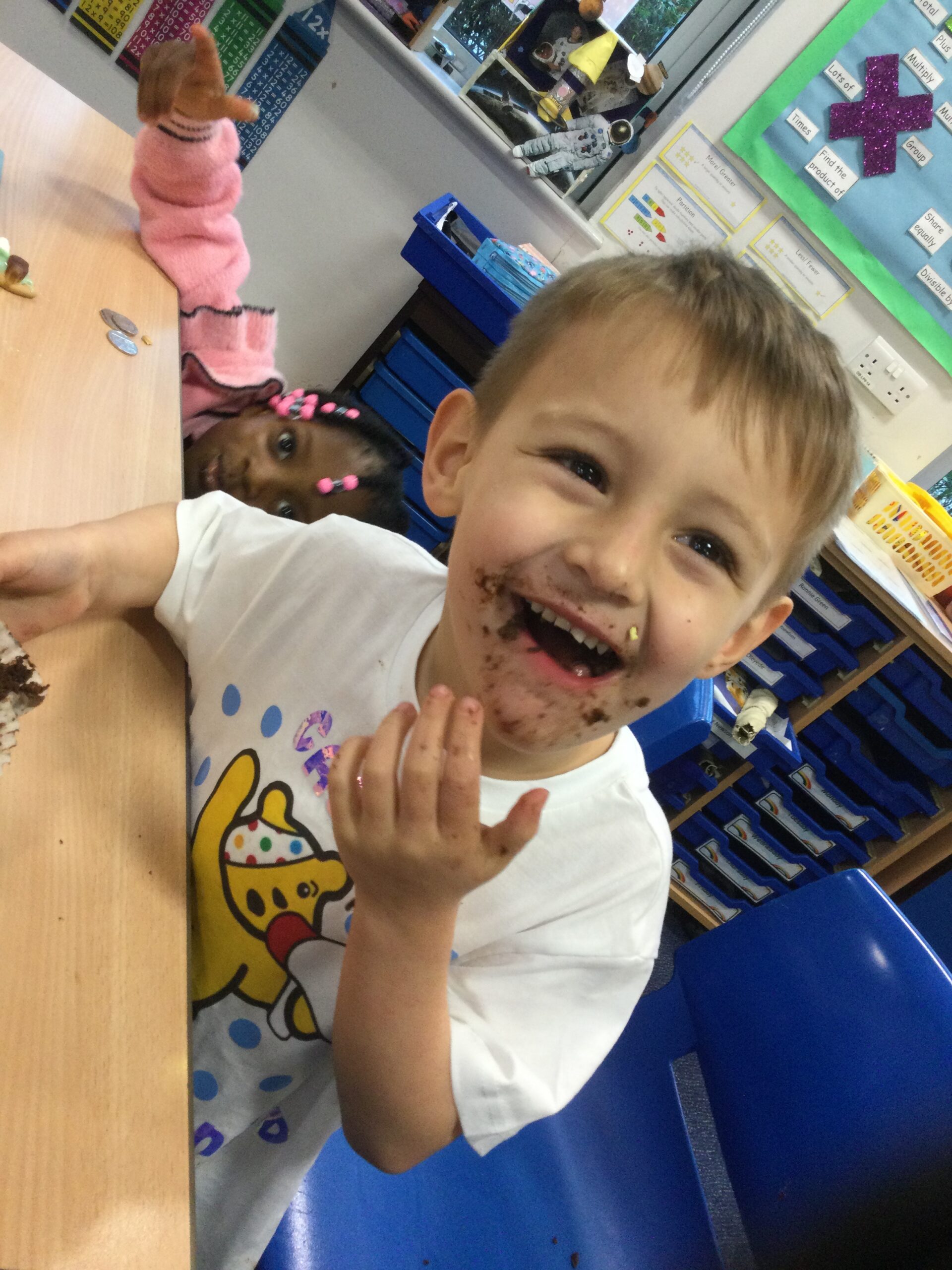
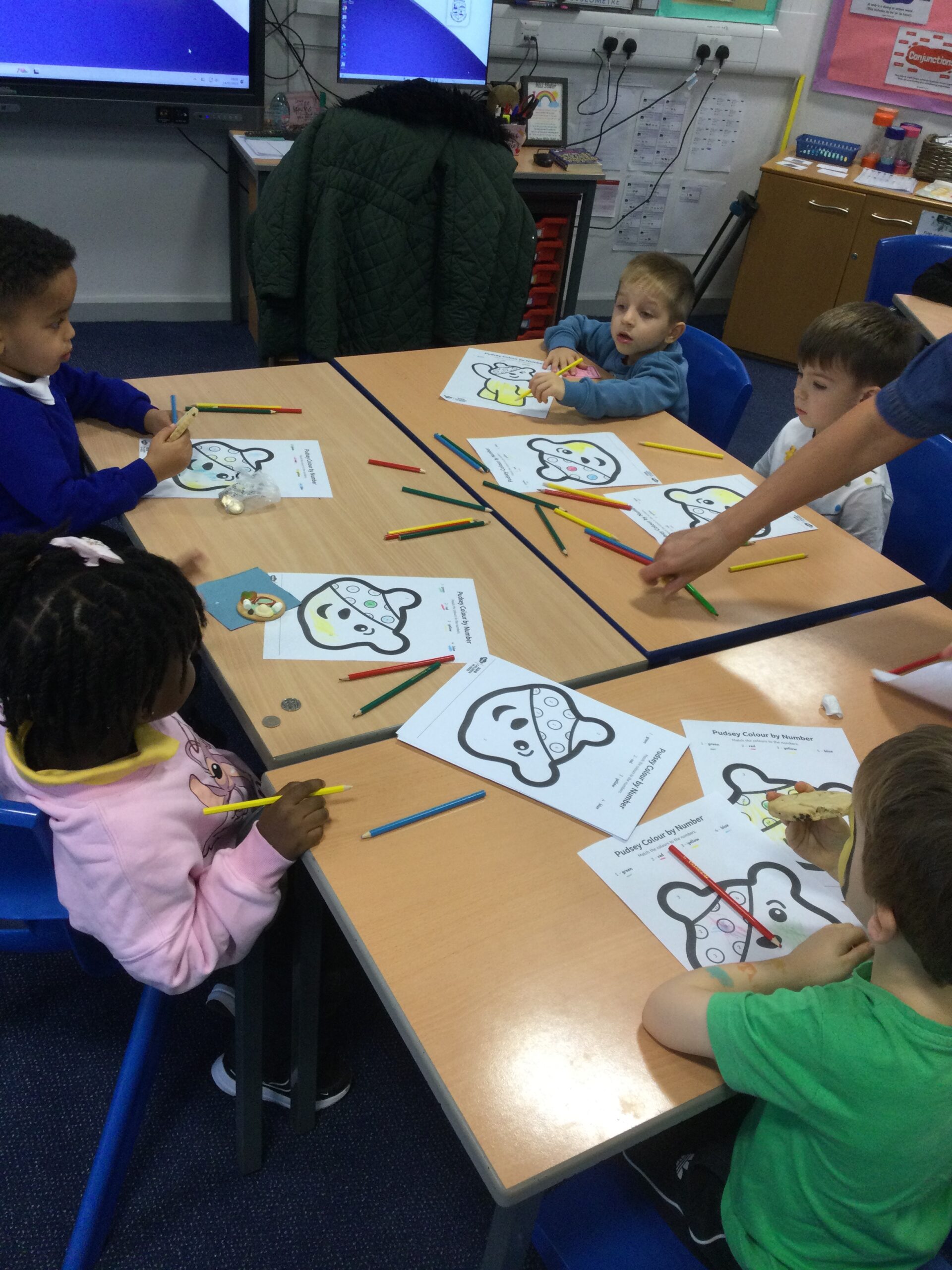
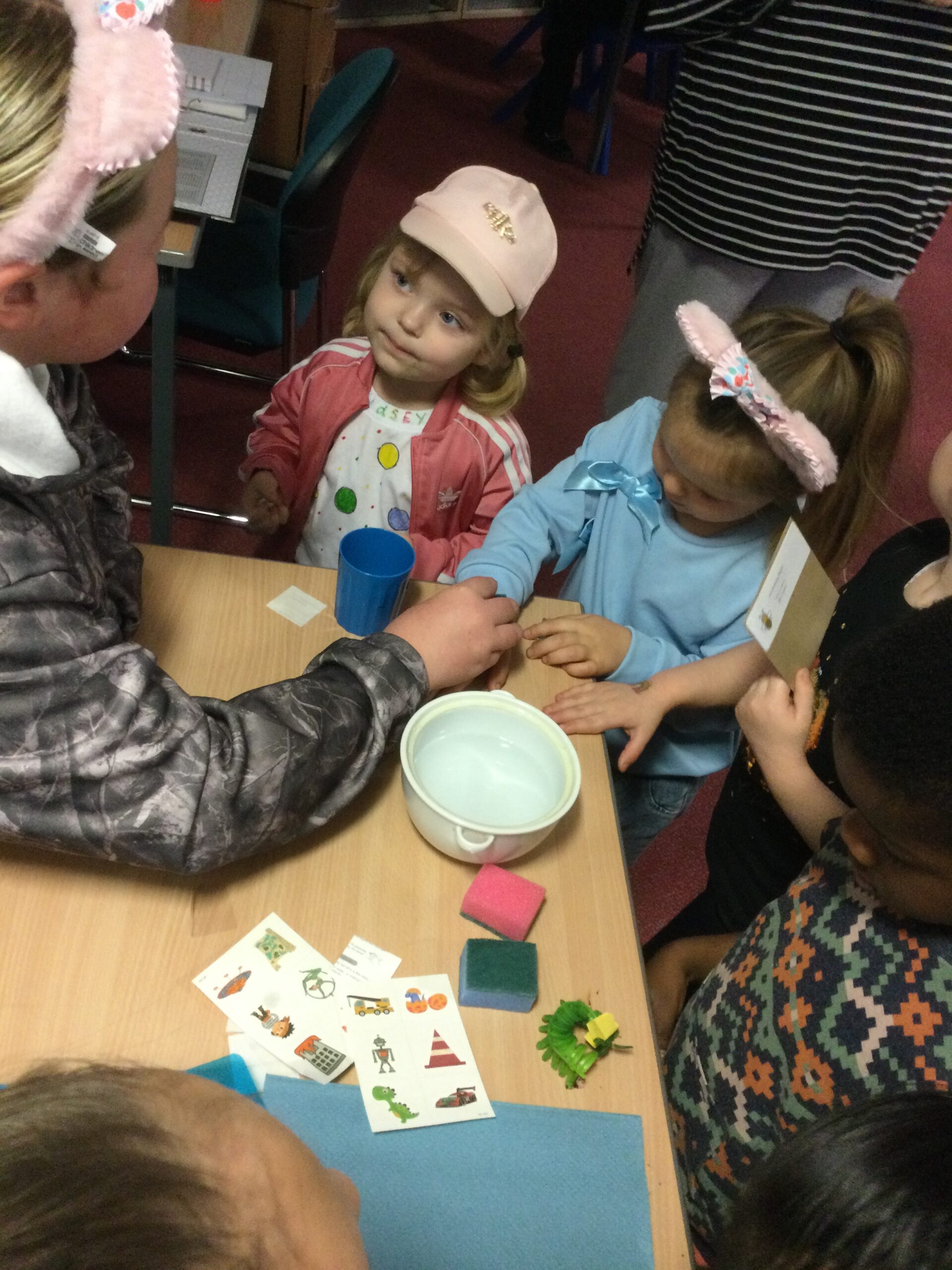
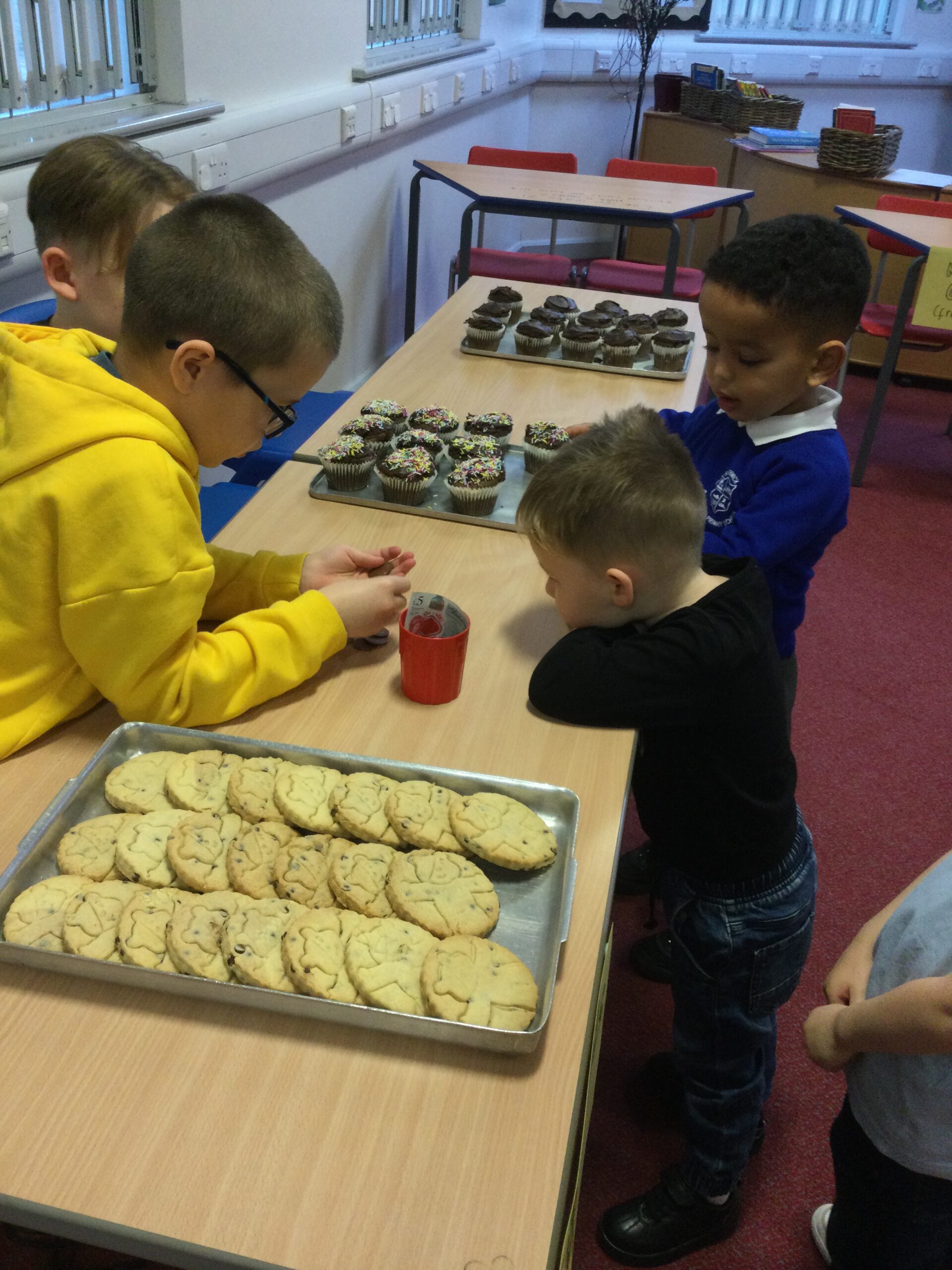
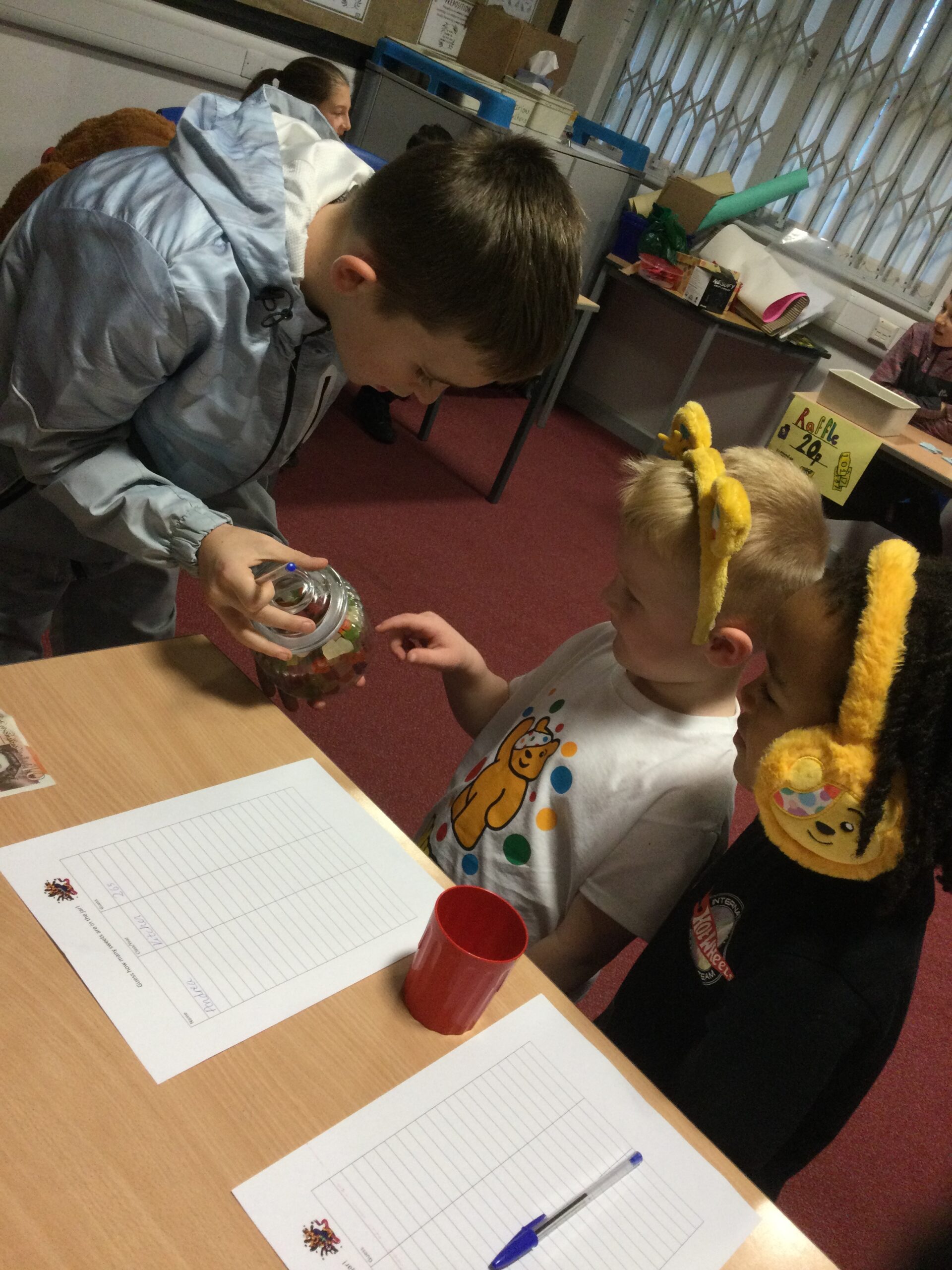
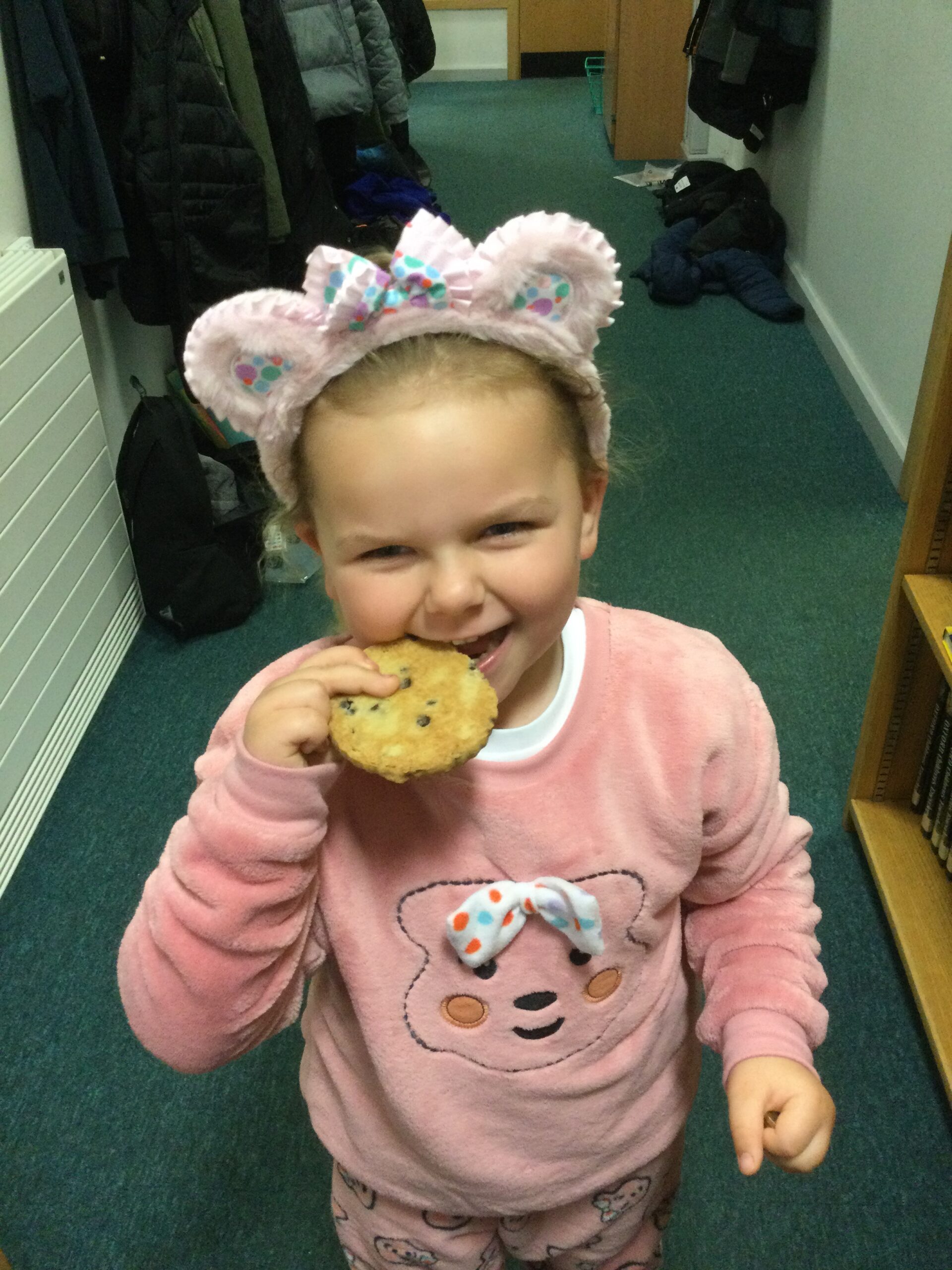
To finish the week, the children participated in a range of Children in Need challenges that encouraged kindness, teamwork and cooperation. The children also visited a variety of fundraising stalls where they bought biscuits and cakes, decorated their own treats, and enjoyed some arts and crafts. Back in the classroom, they continued the fun with more creative activities and hands-on tasks that kept the excitement going throughout the day. The children also explored how communities come together to help others. They took part in fundraising activities and began to understand that even small actions can make a big difference.
What did we learn?
The children learned that showing care can mean sharing what we have, helping others when they need support and thinking about how our actions affect other people.
They discovered that kindness does not always have to be something big; sometimes a small act can make a huge difference to someone’s day.
Through their exploration of past and present, the children also learned that people’s clothes, jobs and lives can change over time, helping them develop an early understanding of how the world changes while people’s need for kindness and care remains the same.
Week 4 – Stickman
What did we wonder?
As our enquiry continued, the children began thinking more deeply about families and the people who care for us.
They asked:
- How do families show they care for each other?
- What would happen if you got lost?
- How would your family feel if you were missing?
- Who helps us when we need it?
- How can we help others get home or feel safe?
These conversations led to thoughtful discussions about love, belonging and the people who look after us every day.
Where did this take us?
Reading Stick Man encouraged the children to think about the importance of family and the many ways people show care for one another. They were particularly interested in Stick Man’s determination to return home and the kindness shown by others along the way, especially when Santa helped him reunite with his family.
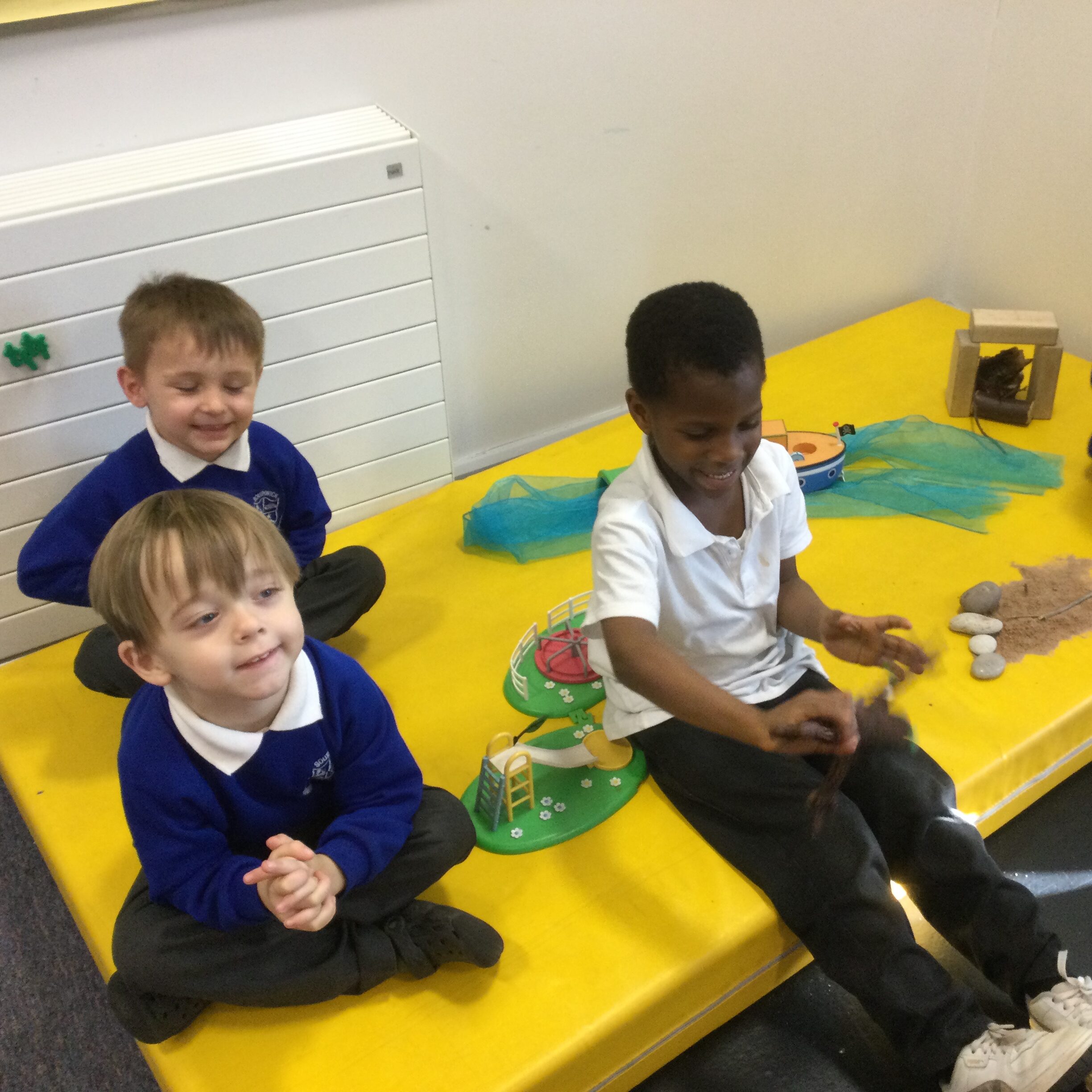
Throughout provision, the children brought the story to life through role play, storytelling and creative activities. They wrote letters to and from Stick Man, shared messages about friendship and helping others, and recreated their favourite parts of the story using story props and small-world resources.
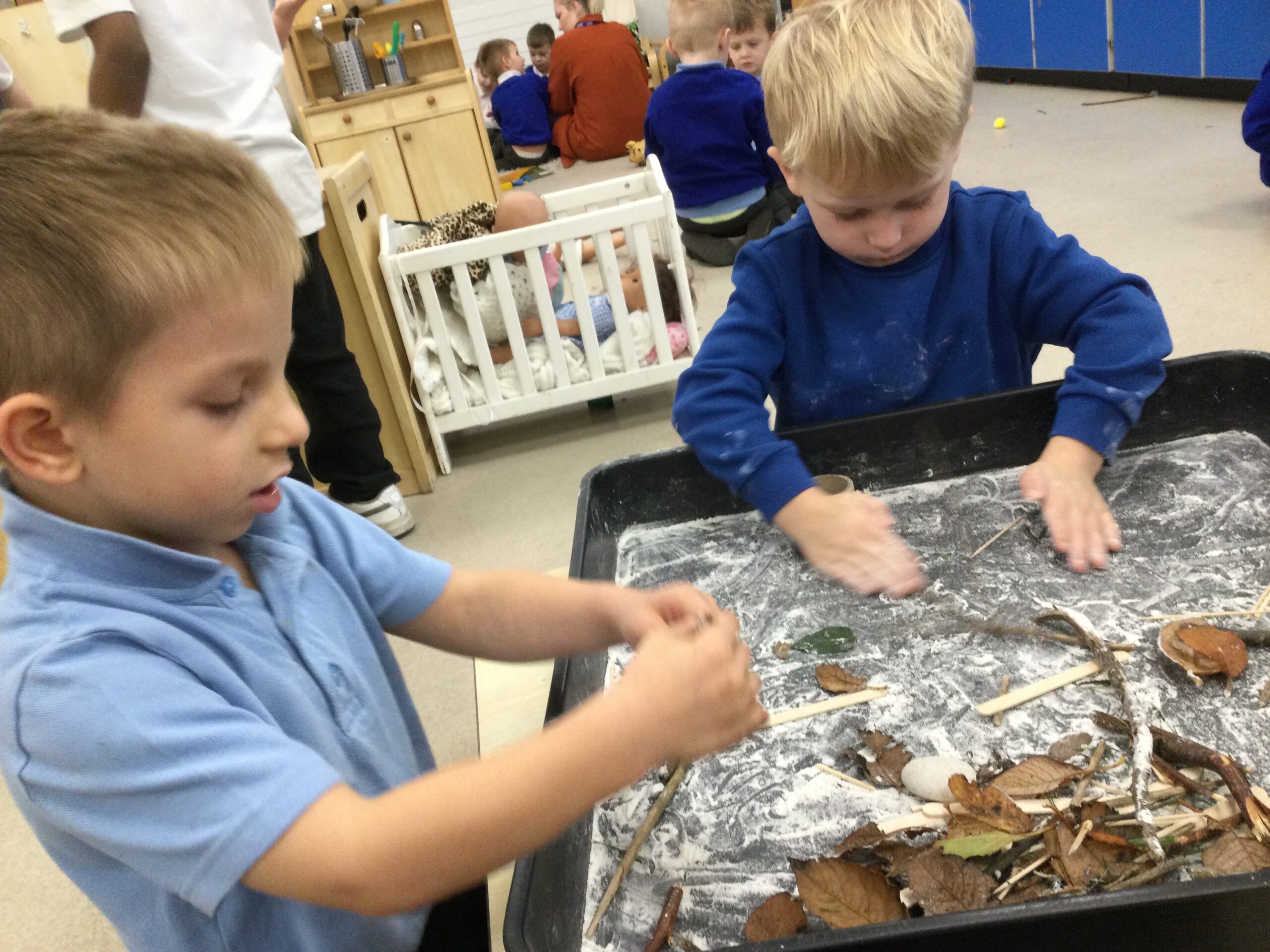
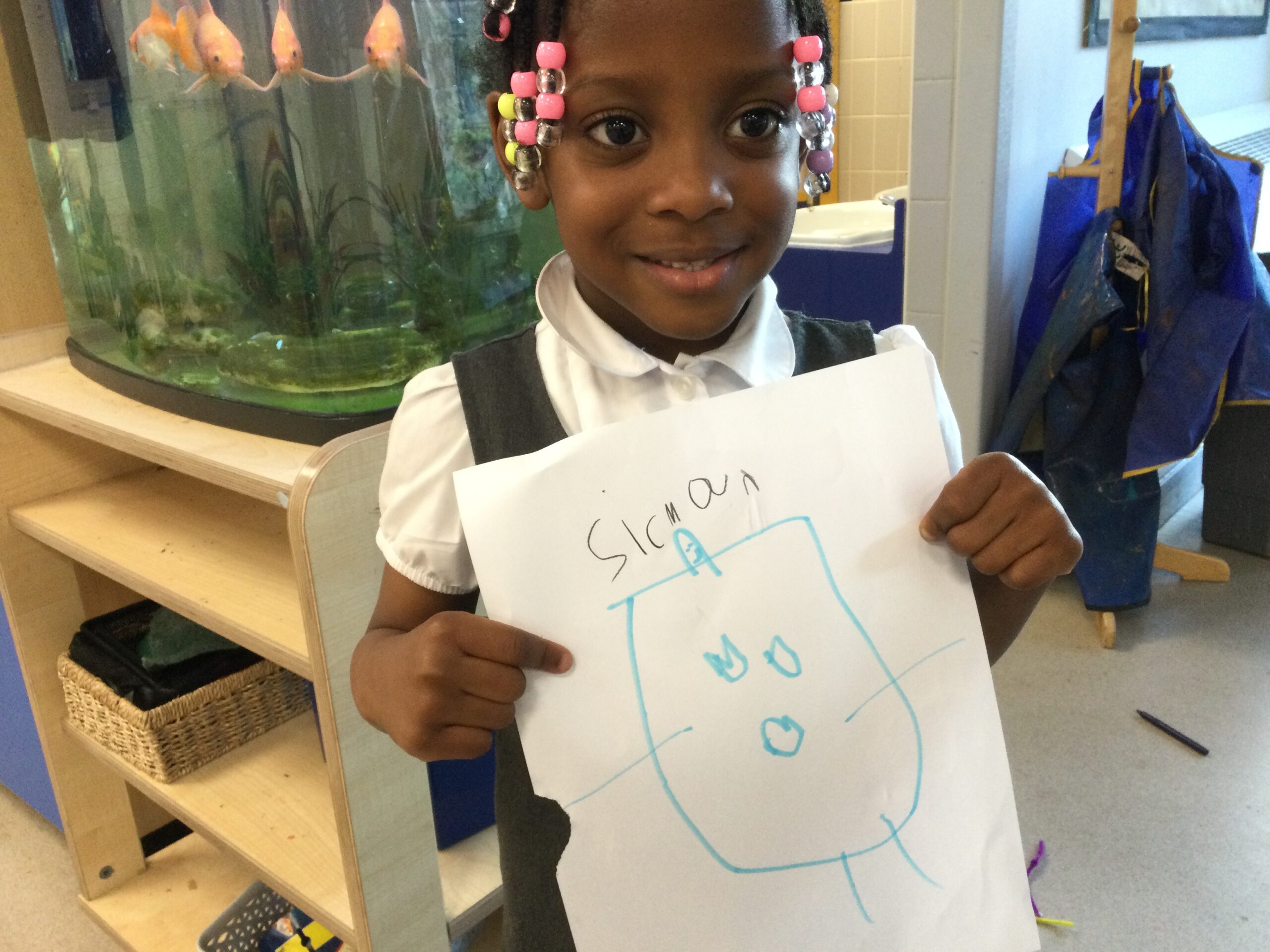
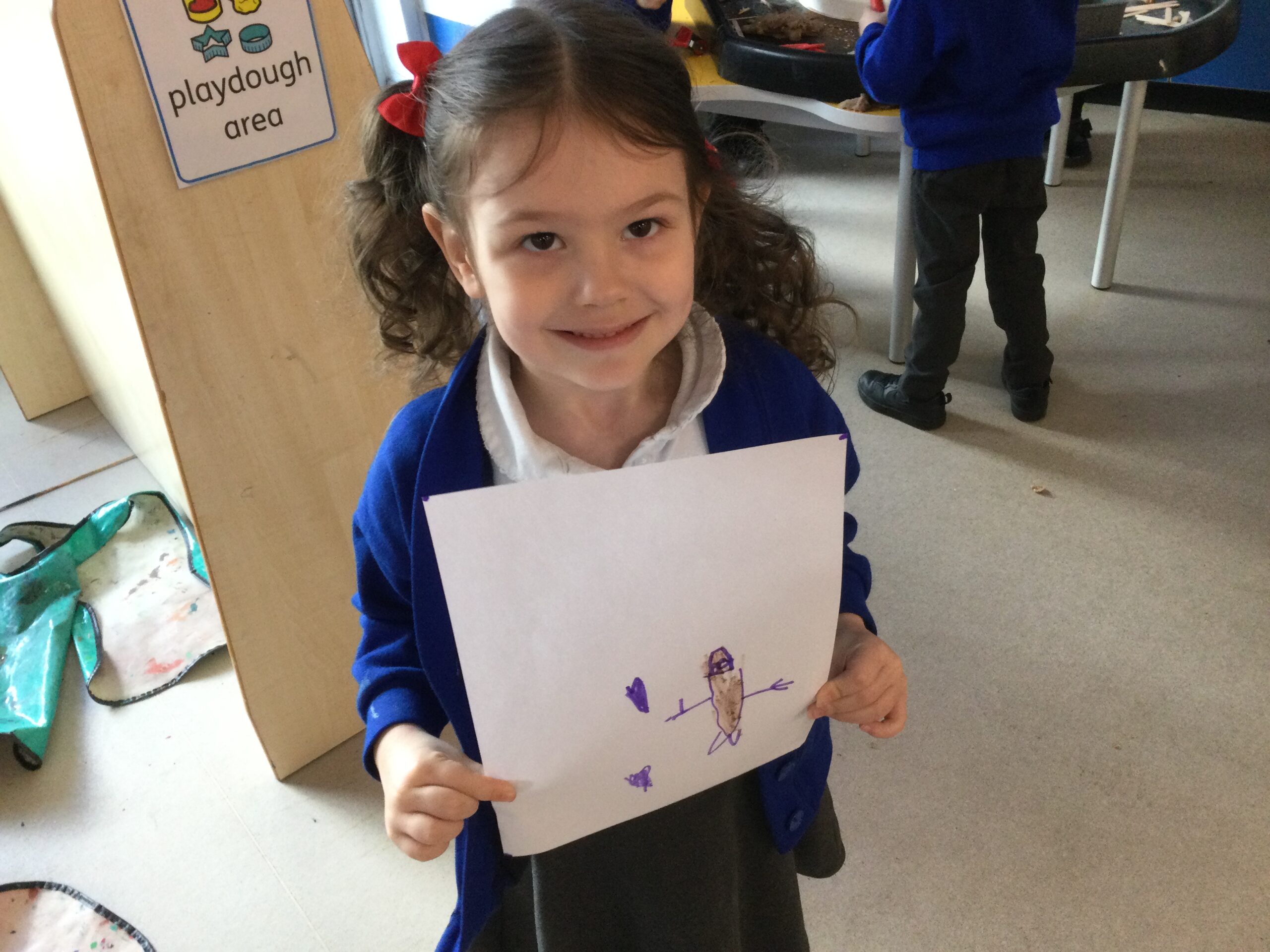
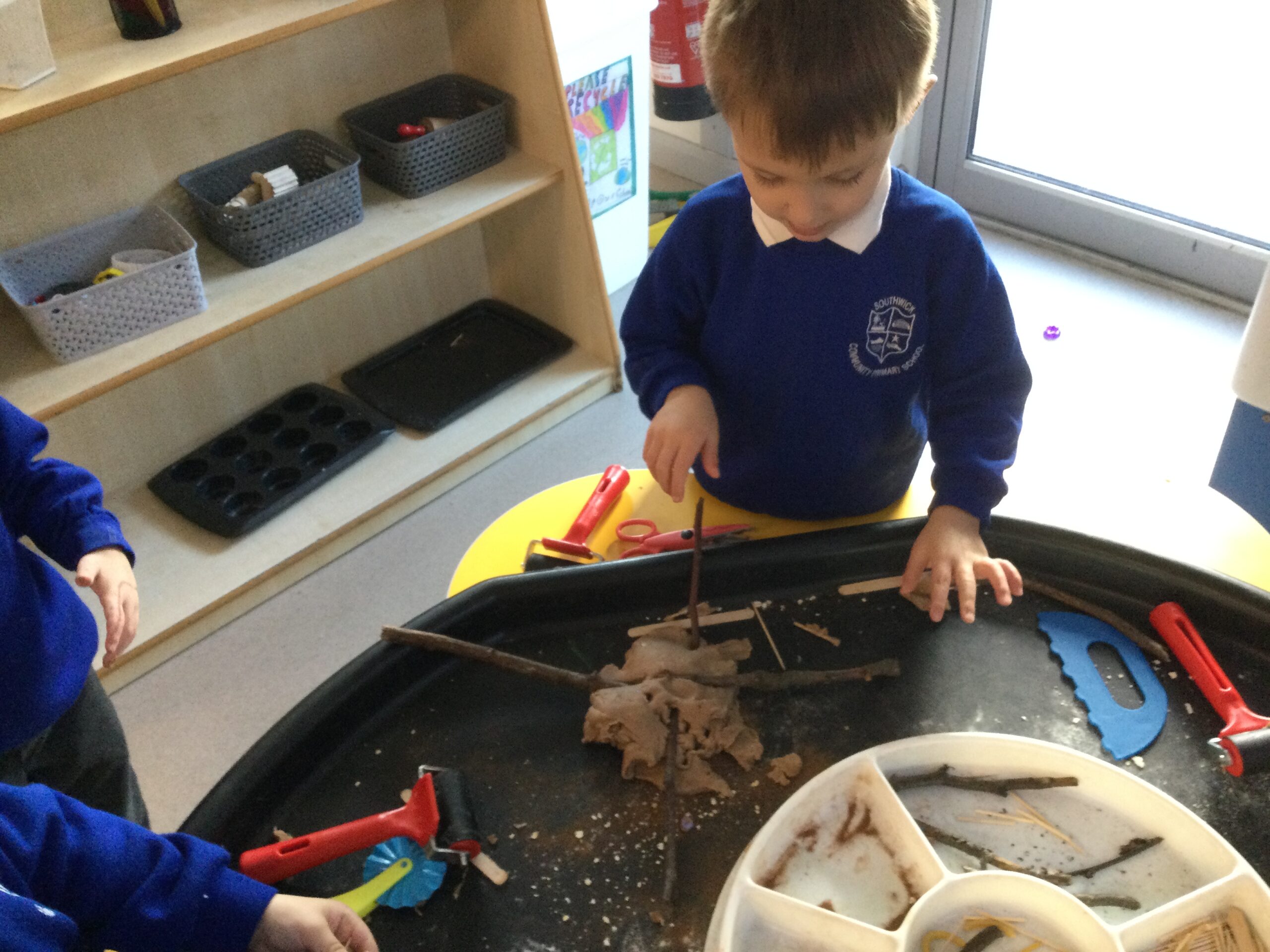
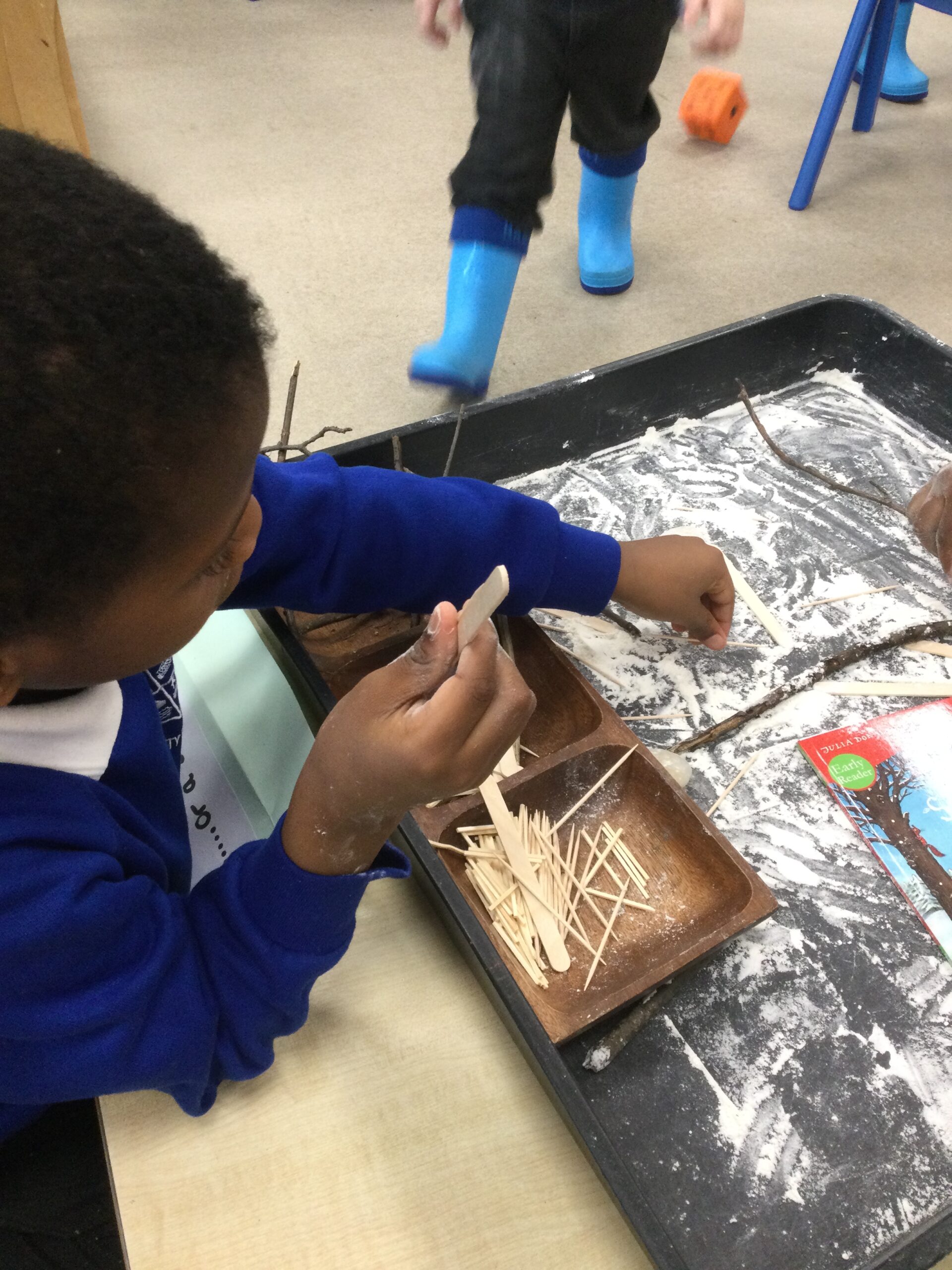
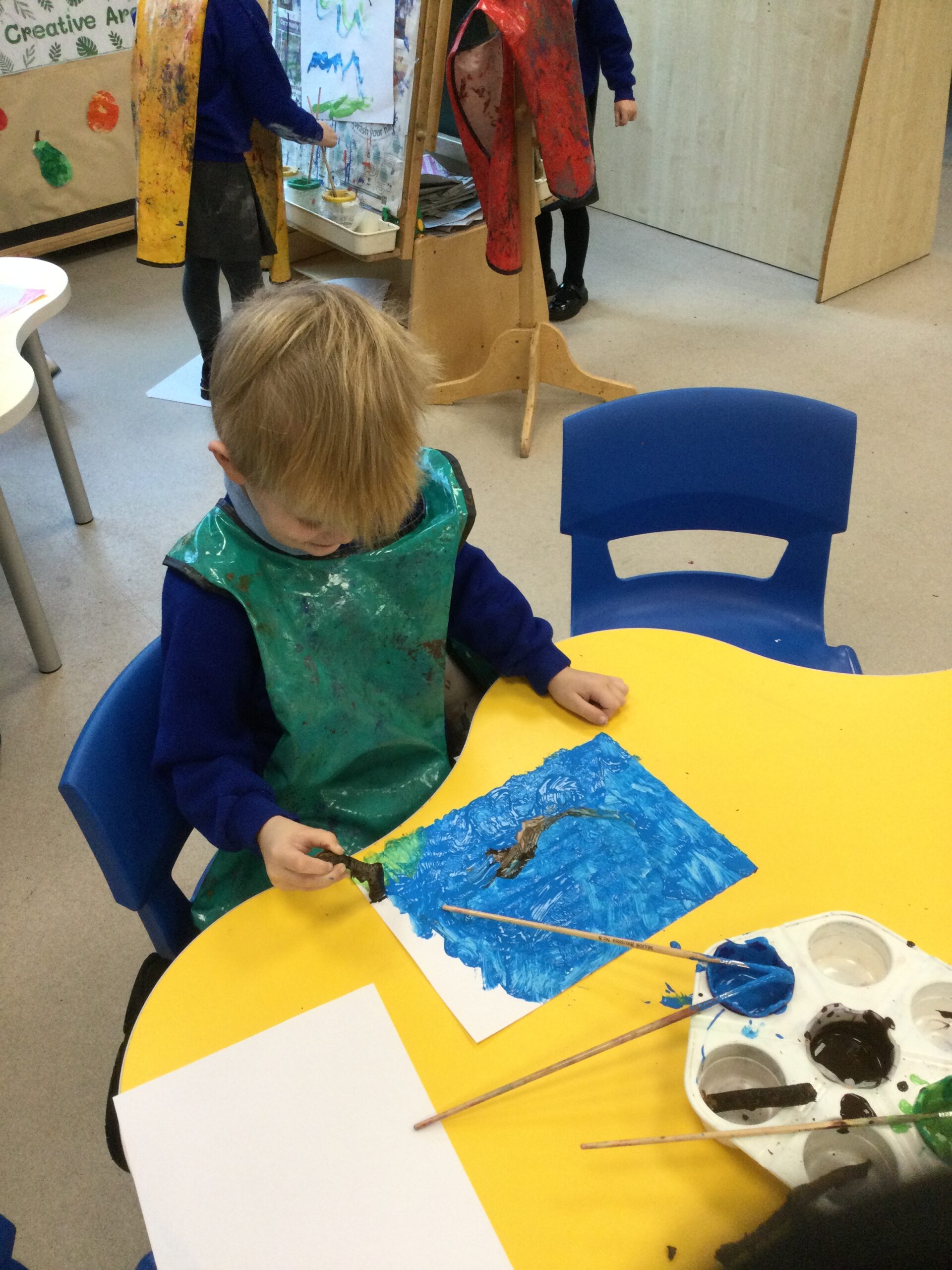
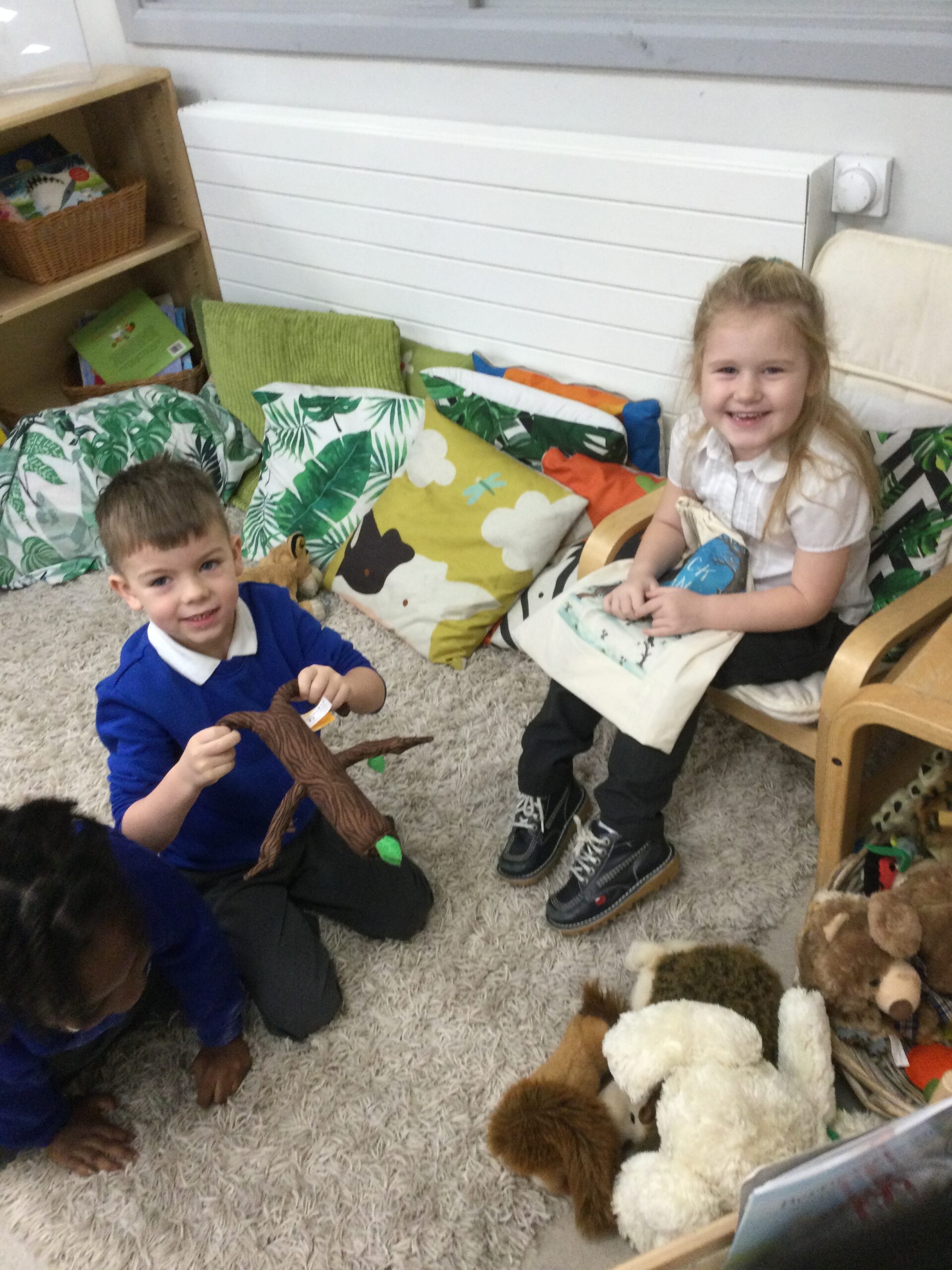
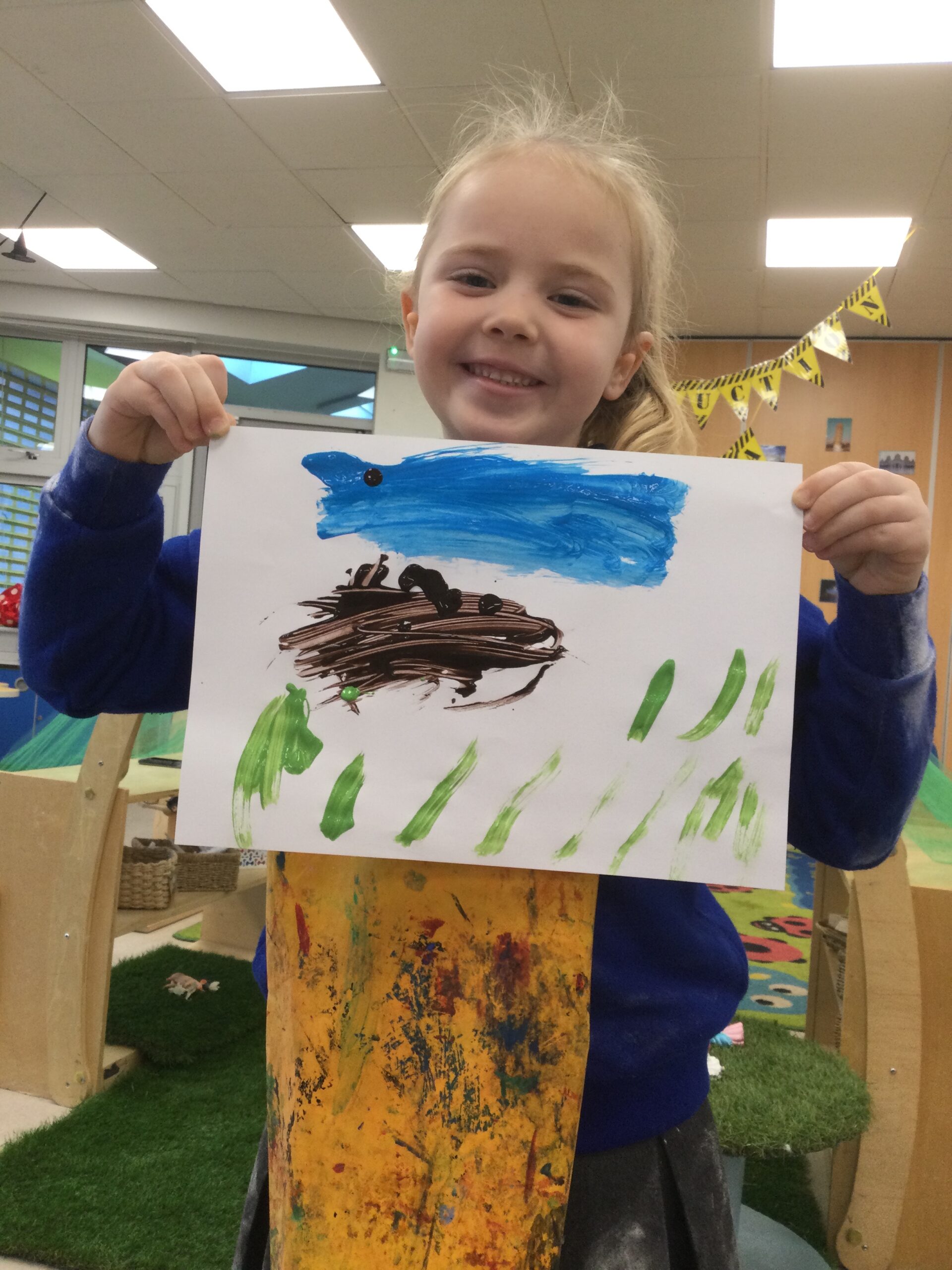


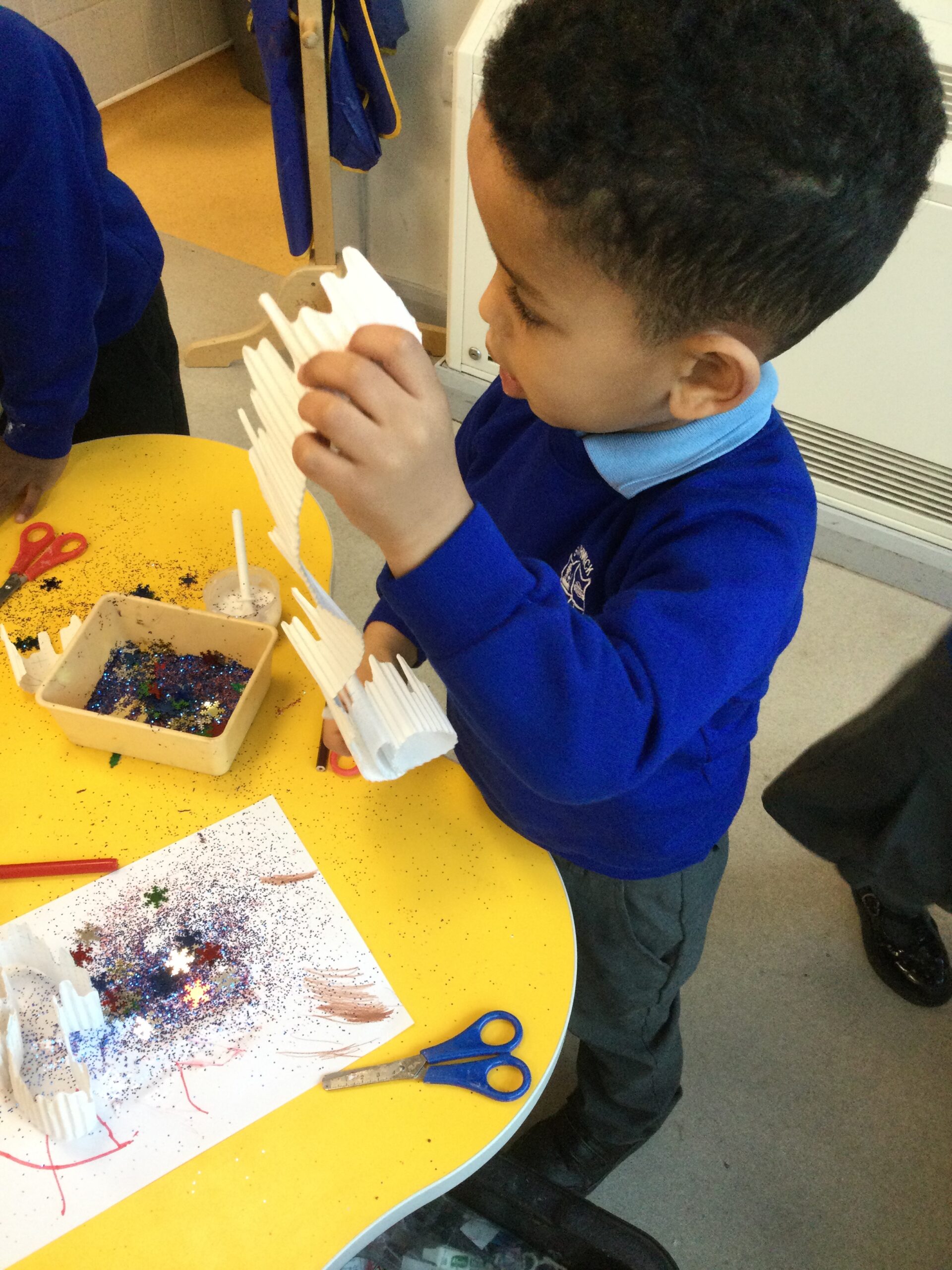
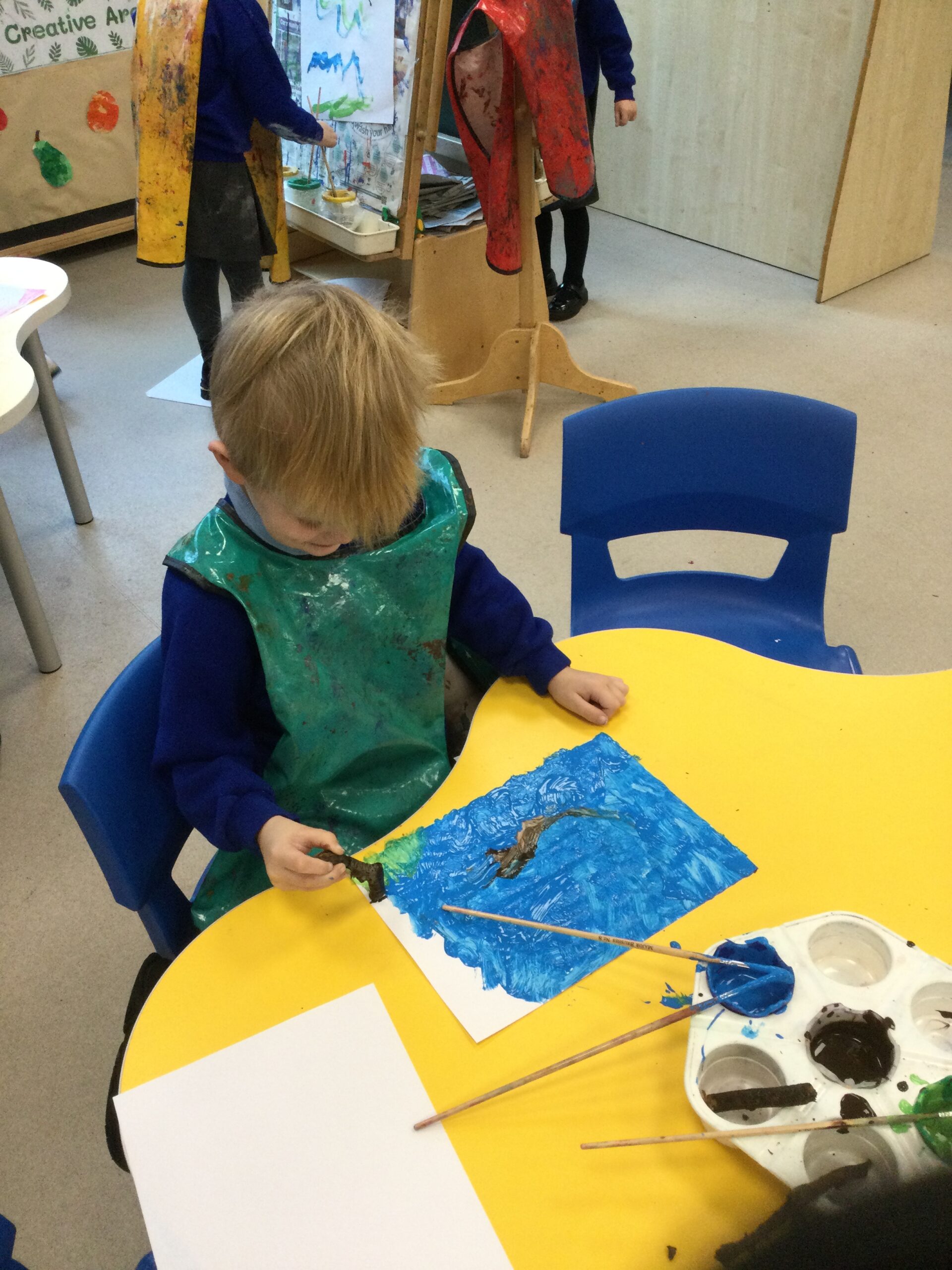
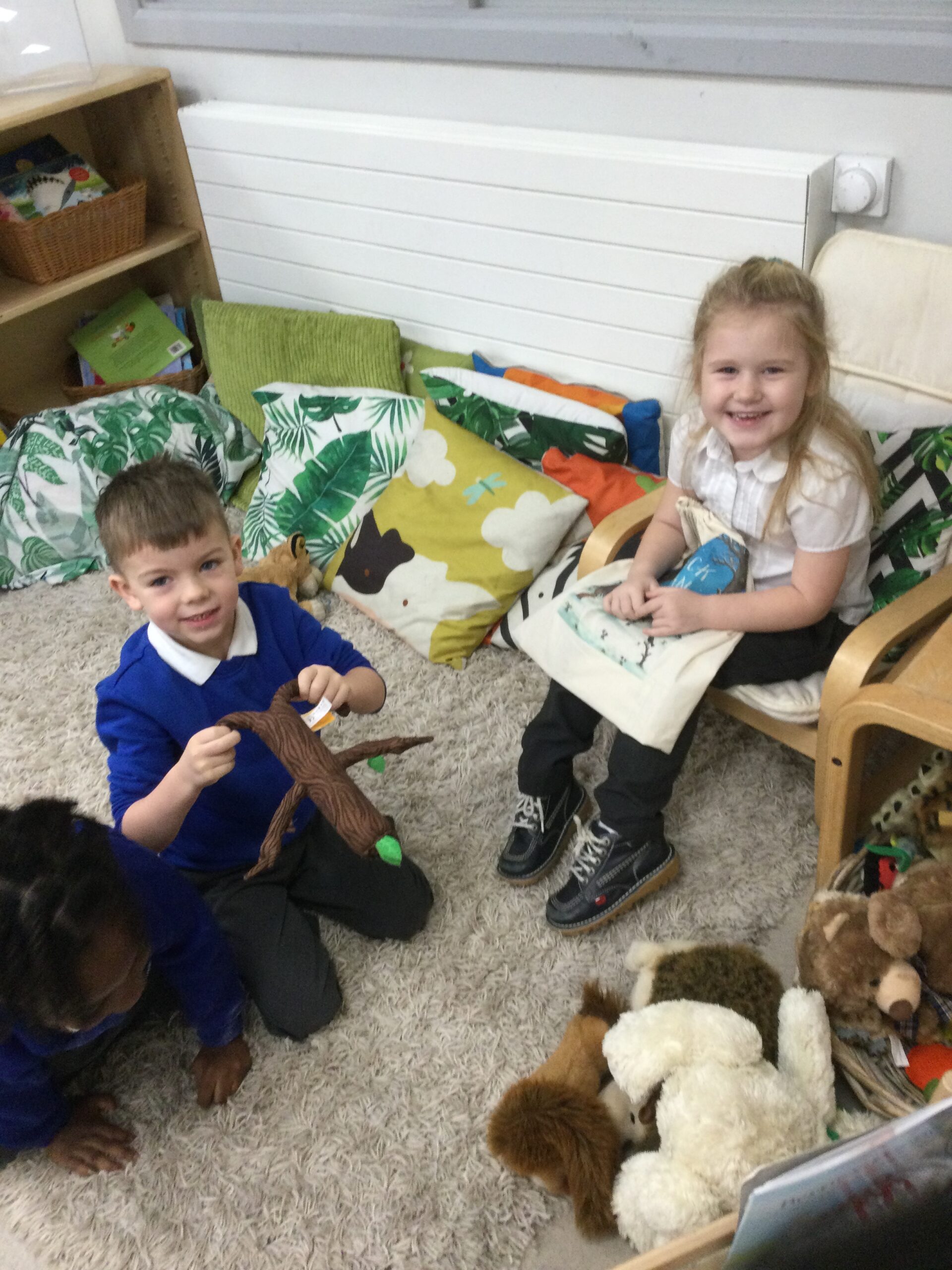
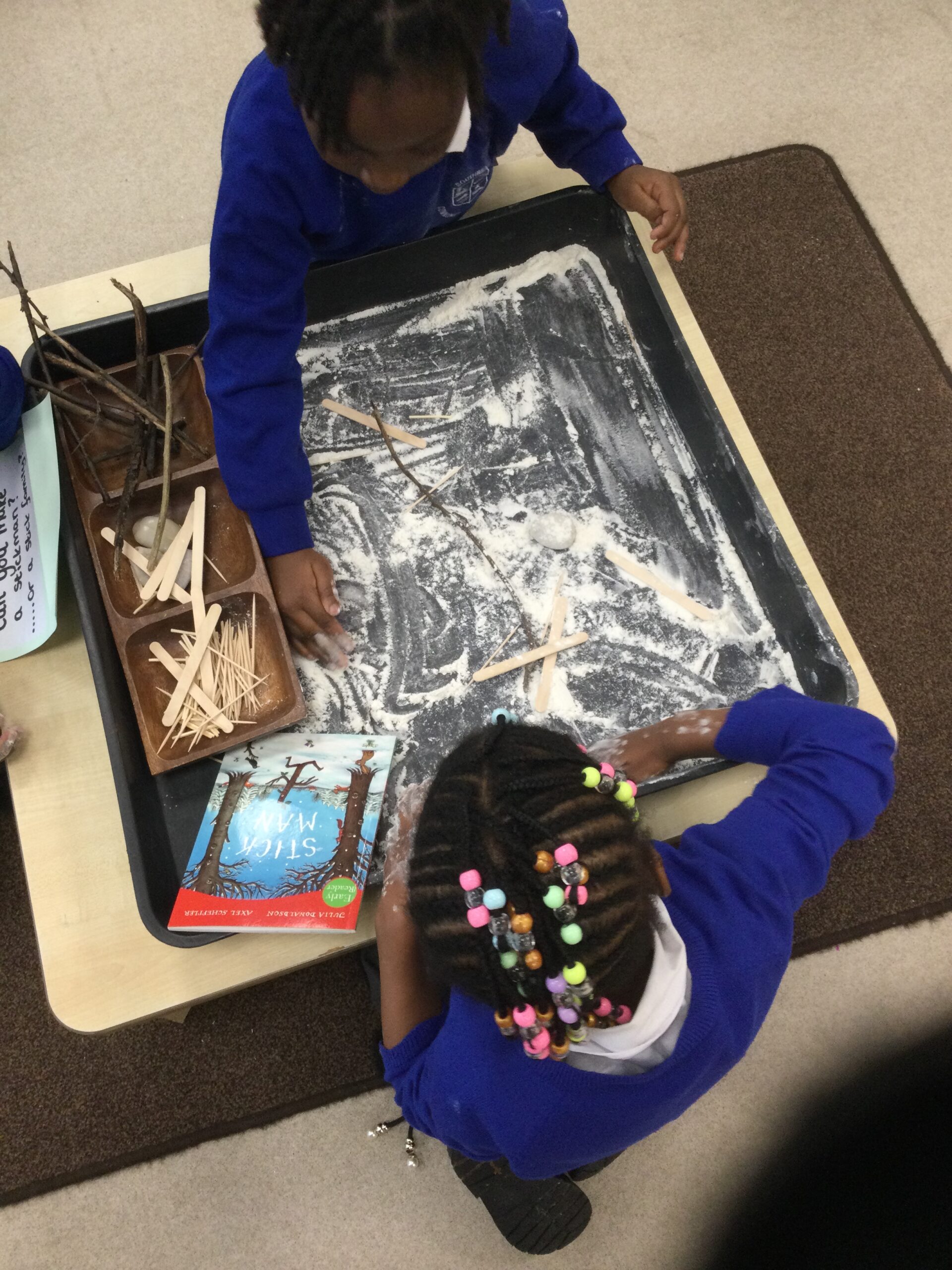
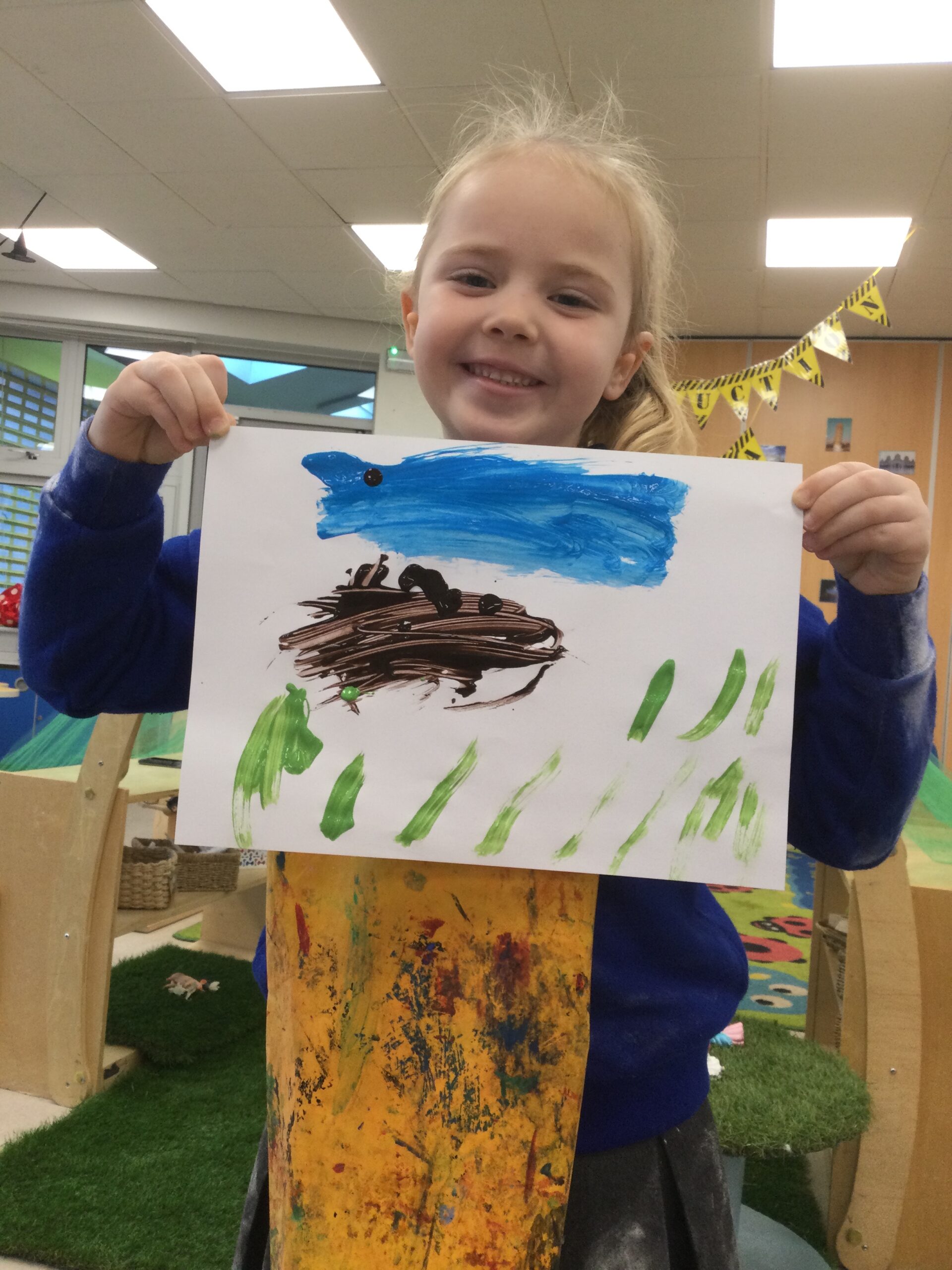
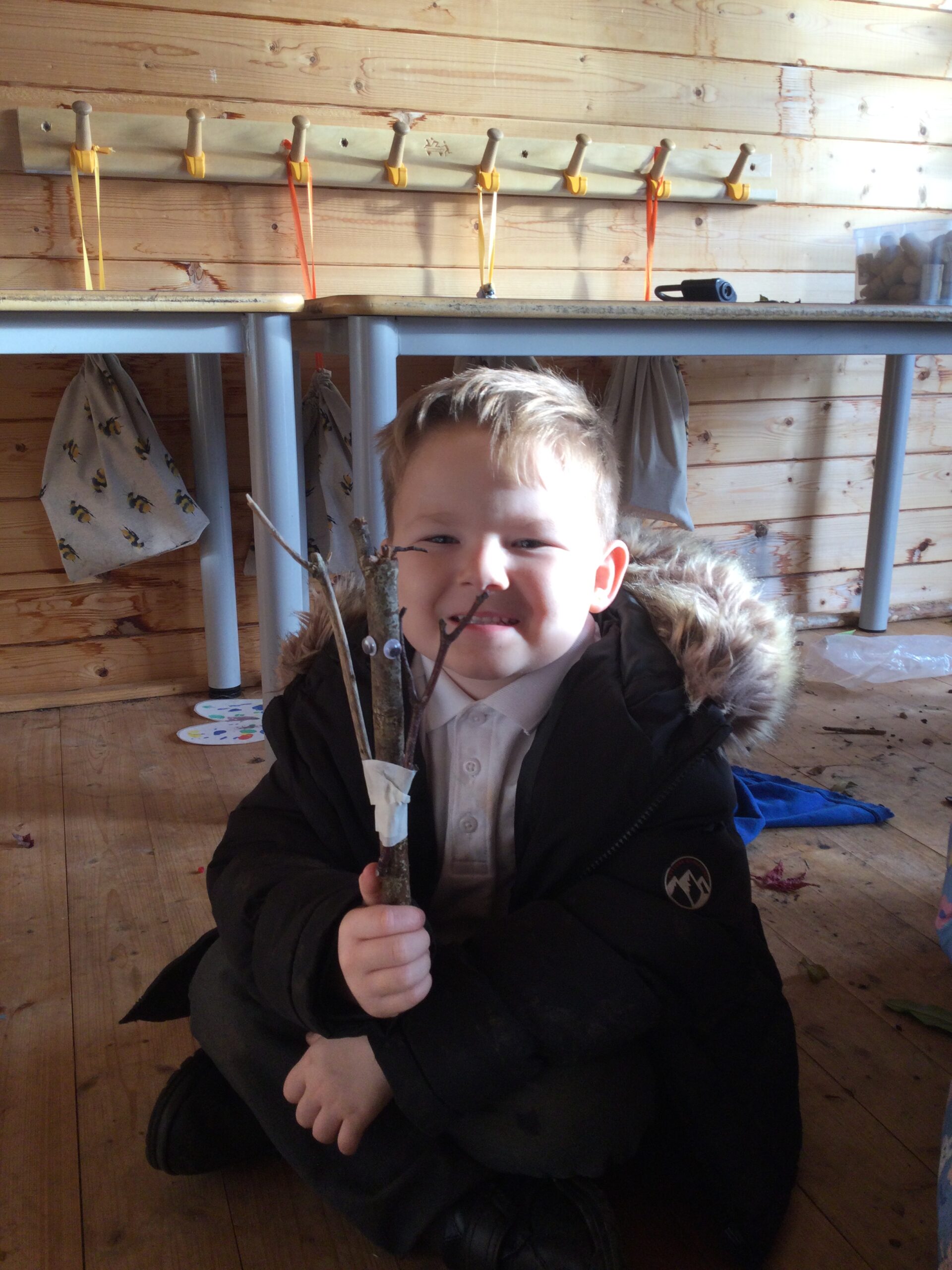
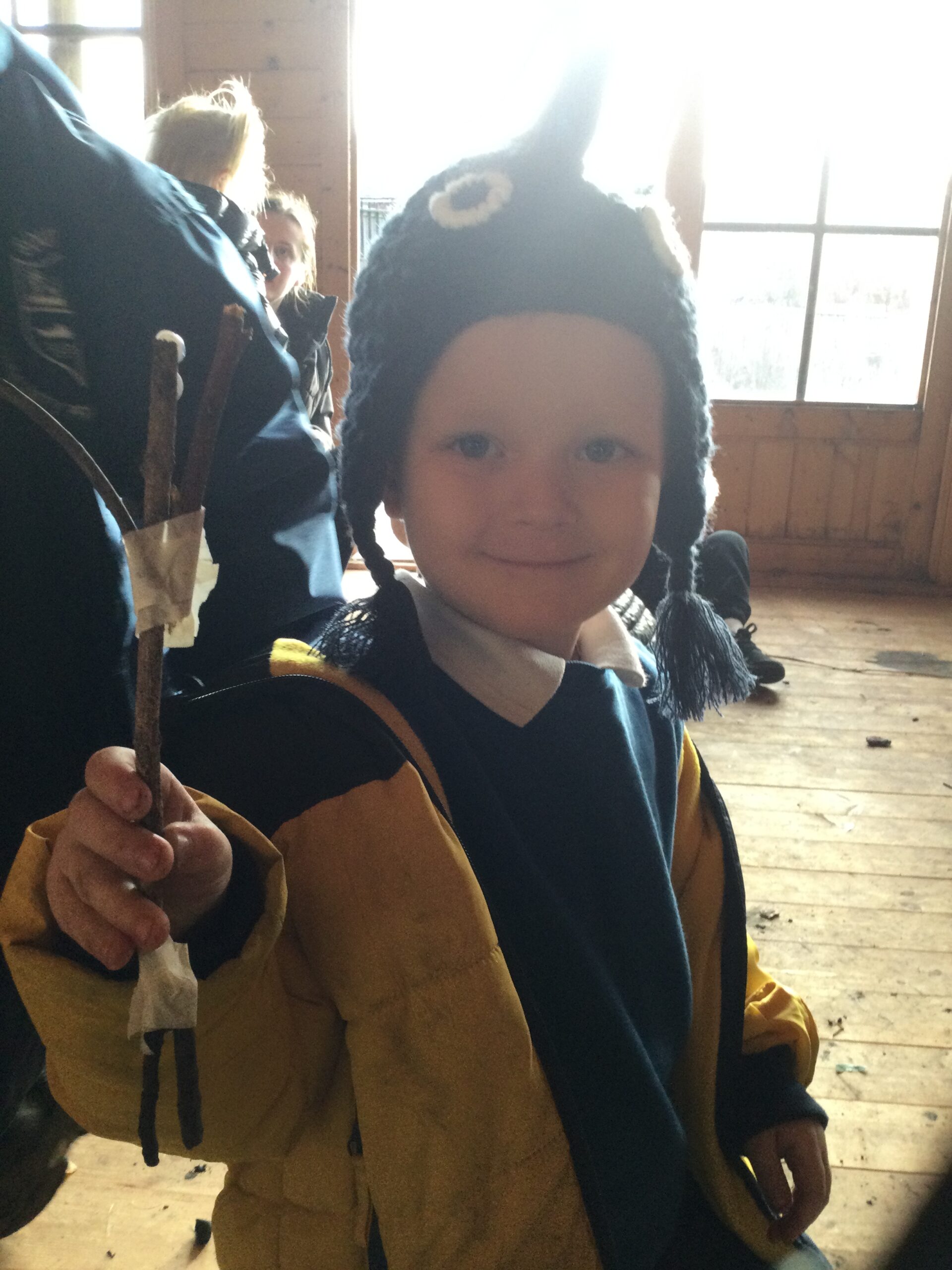
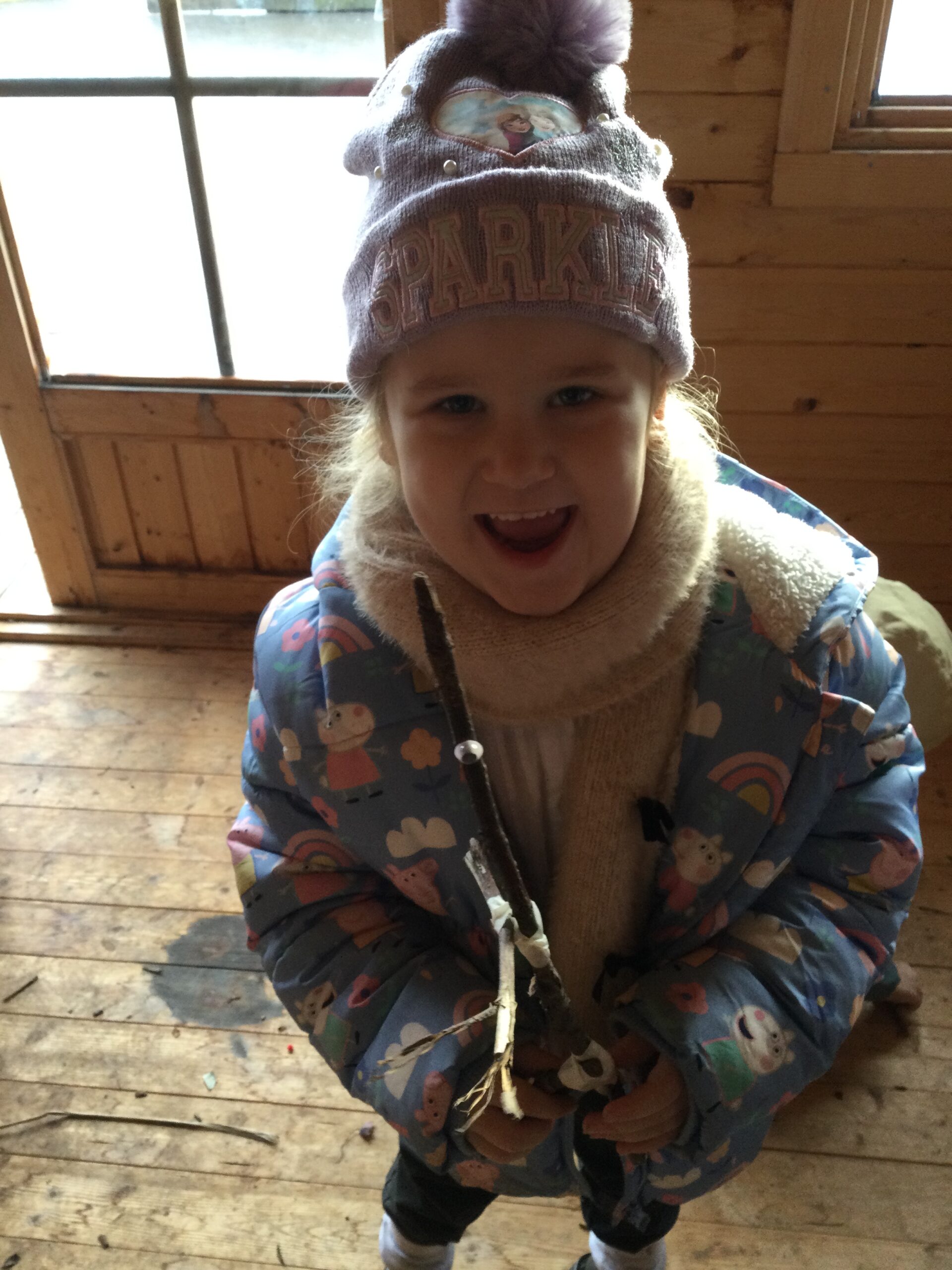
In Forest School, the children used natural materials to create Stick Man characters and retell parts of the story. This sparked conversations about caring for the natural world and using resources respectfully.
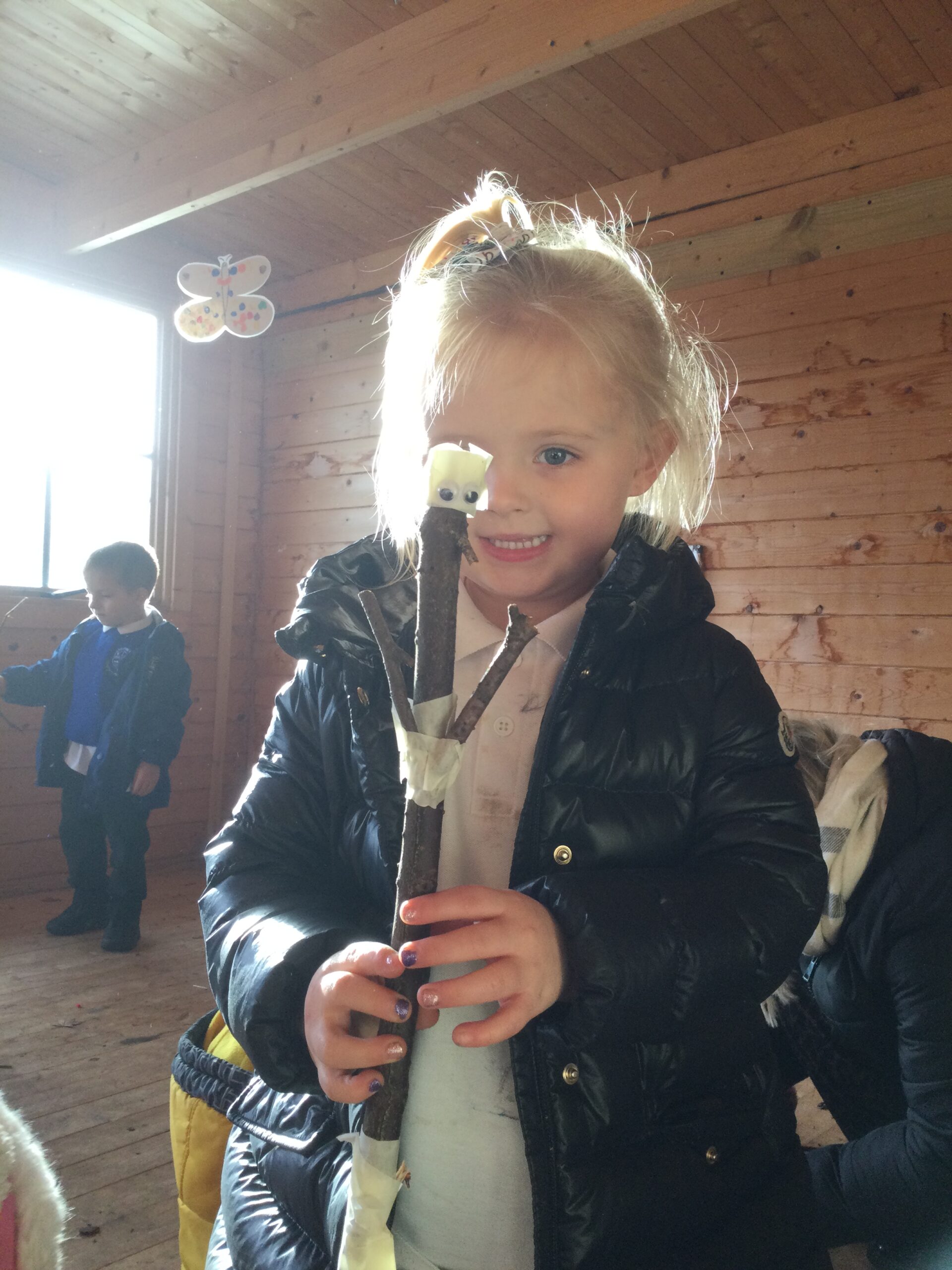
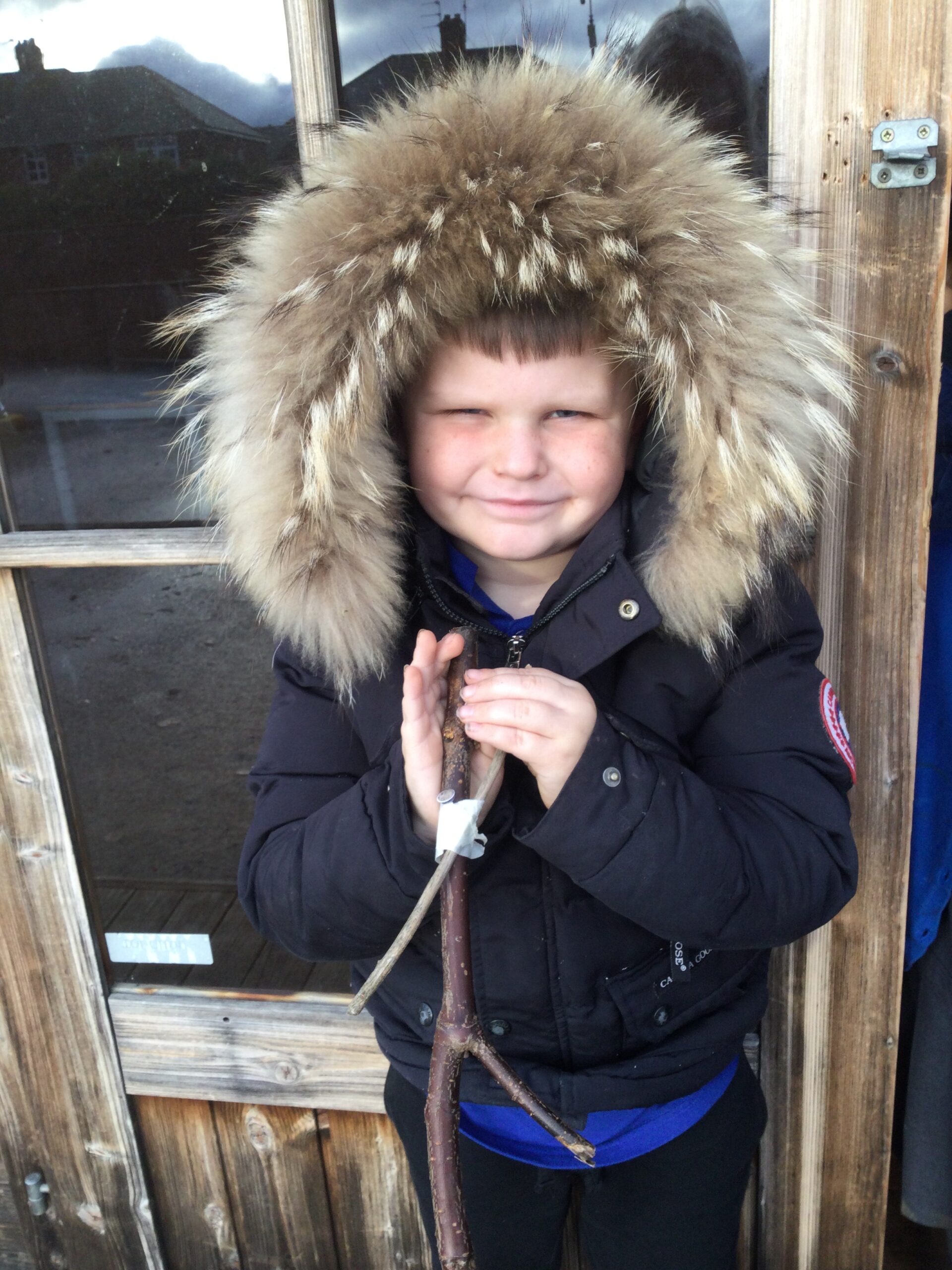
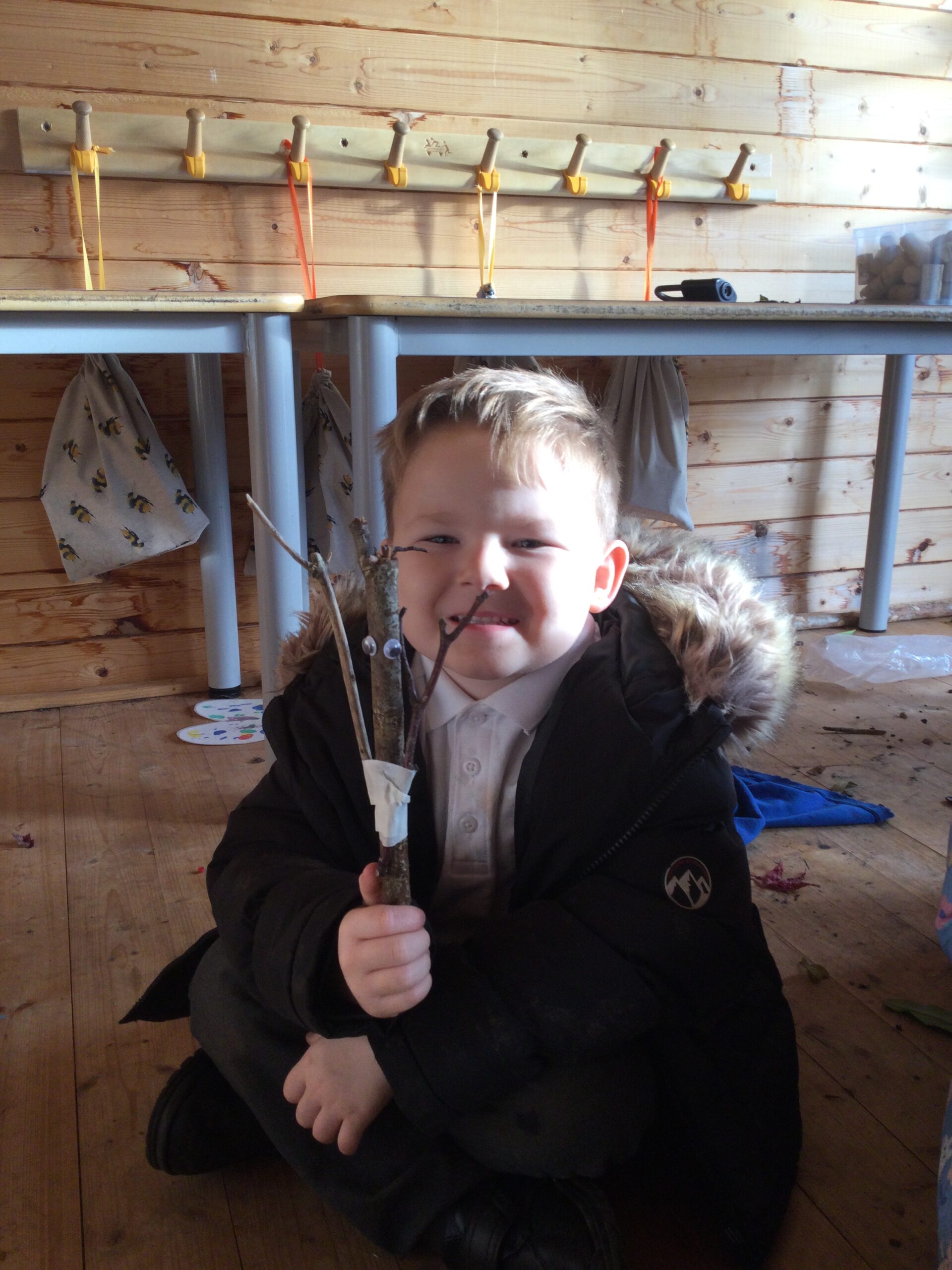
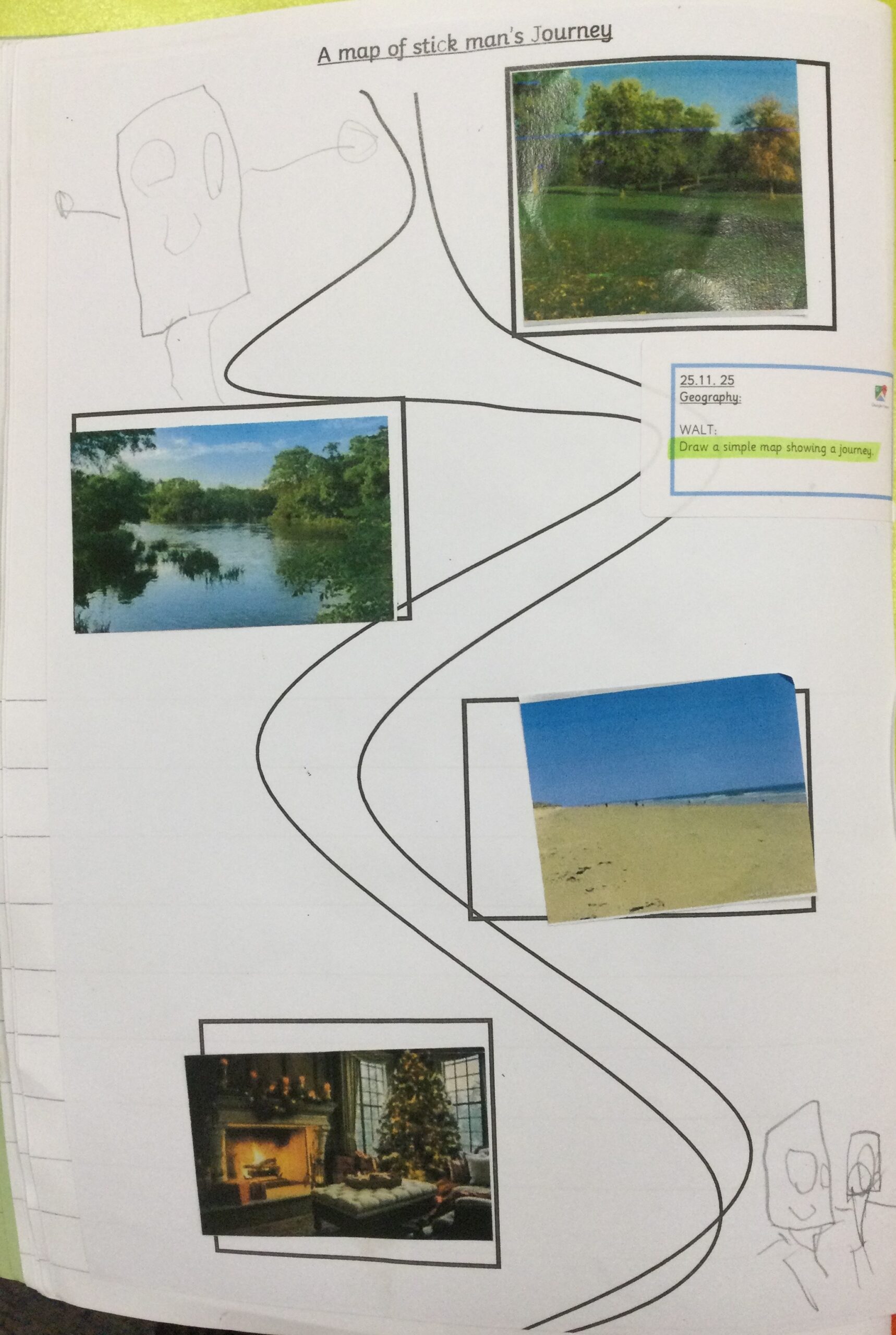
The children’s fascination with Stick Man’s journey led to a new question: “How did Stick Man find his way home?” This inspired an exploration of maps. Working together, the children created their own maps to show Stick Man’s journey through different places, including rivers, beaches, parks and his family tree. They used their maps to retell the story and discuss how maps help people find their way.
What did we learn?
The children learned that showing care can mean helping others, keeping people safe, spending time with family and supporting those who need us.
They also discovered that journeys can sometimes be difficult, but kindness from others can make a big difference. Through their map-making, the children developed an understanding that maps help us navigate from one place to another and can tell the story of a journey.
By the end of the week, many children reflected that one of the most important ways we show care is by helping people feel loved, safe and included..
Week 5 – One Snowy night
What did we wonder?
As winter arrived and our enquiry continued, the children began thinking about how we care for others during the colder months.
They asked:
- How do animals stay warm in winter?
- Why do we wear coats, hats and gloves?
- How can we help animals when it’s cold?
- What can we do if someone is feeling lonely or needs help?
- How do families and friends look after each other?
These questions encouraged the children to think about care beyond themselves and consider the needs of both people and animals during winter.
Where did this take us?
Reading One Snowy Night helped the children explore kindness, thoughtfulness and caring for others. They were particularly interested in how Percy the Park Keeper looked after the animals and welcomed them into his warm home.
This sparked conversations about the different ways we show care in our own lives. The children shared examples of helping at home, looking after friends at school, using kind words and noticing when someone might need support.
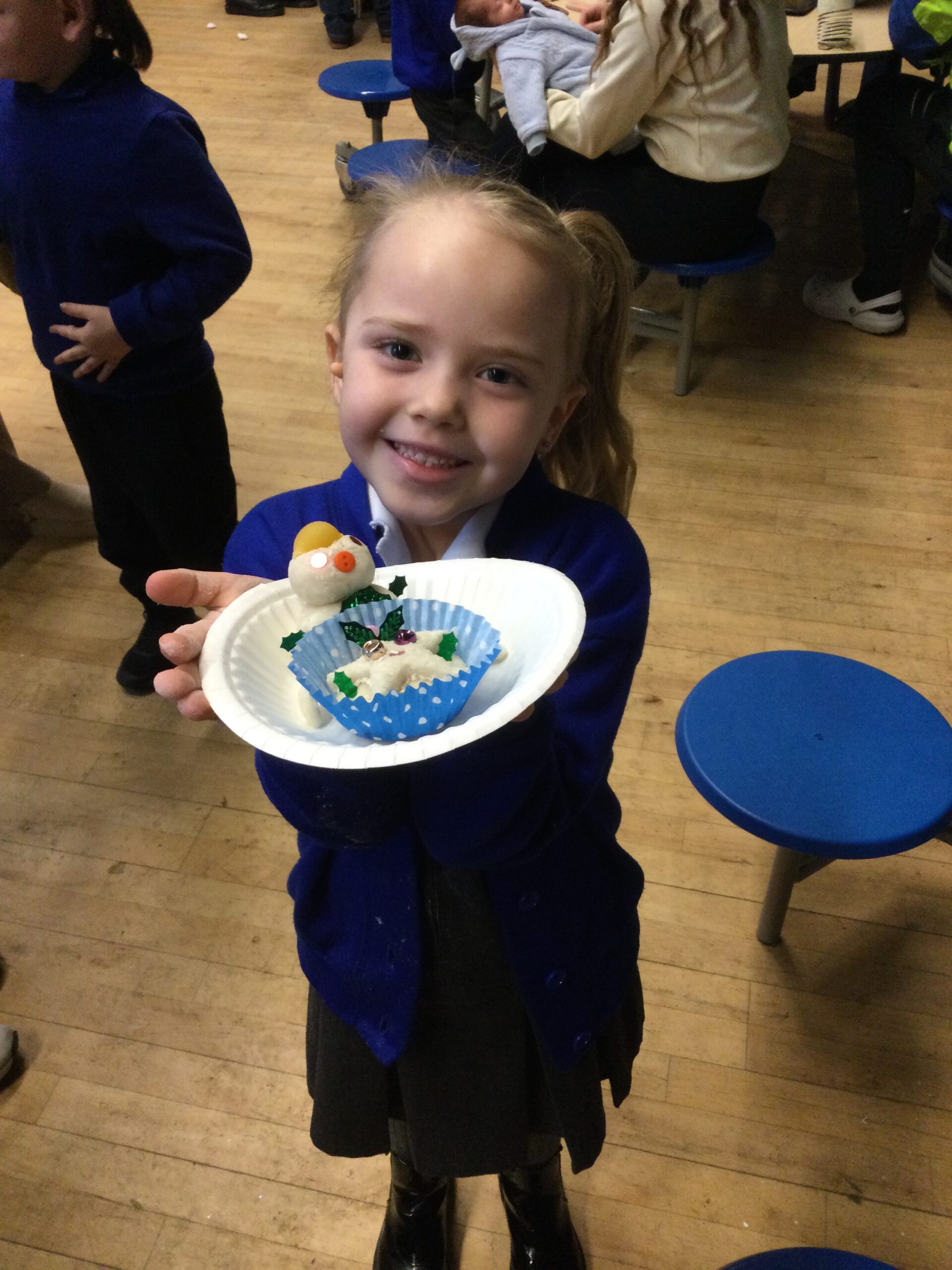
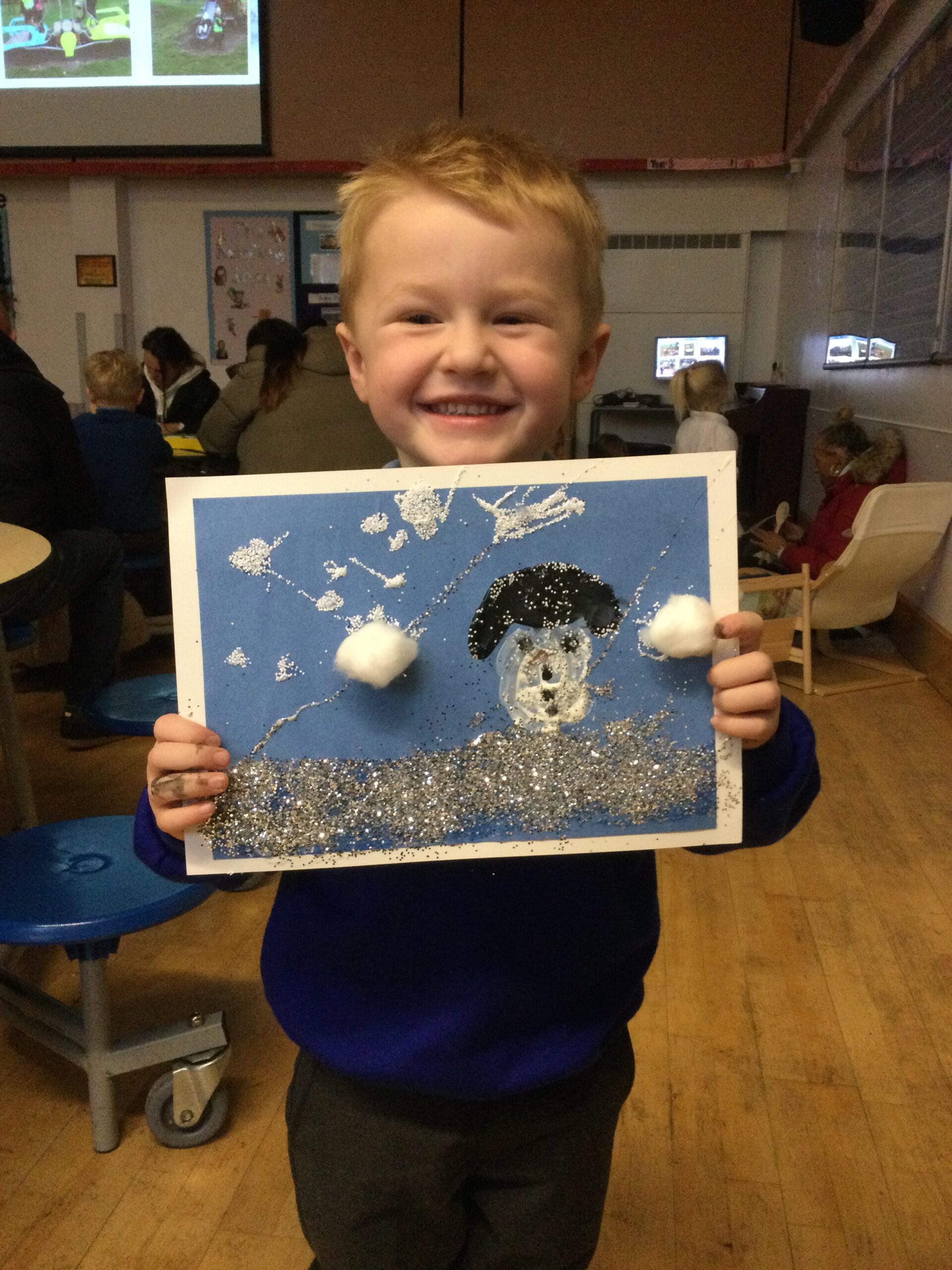
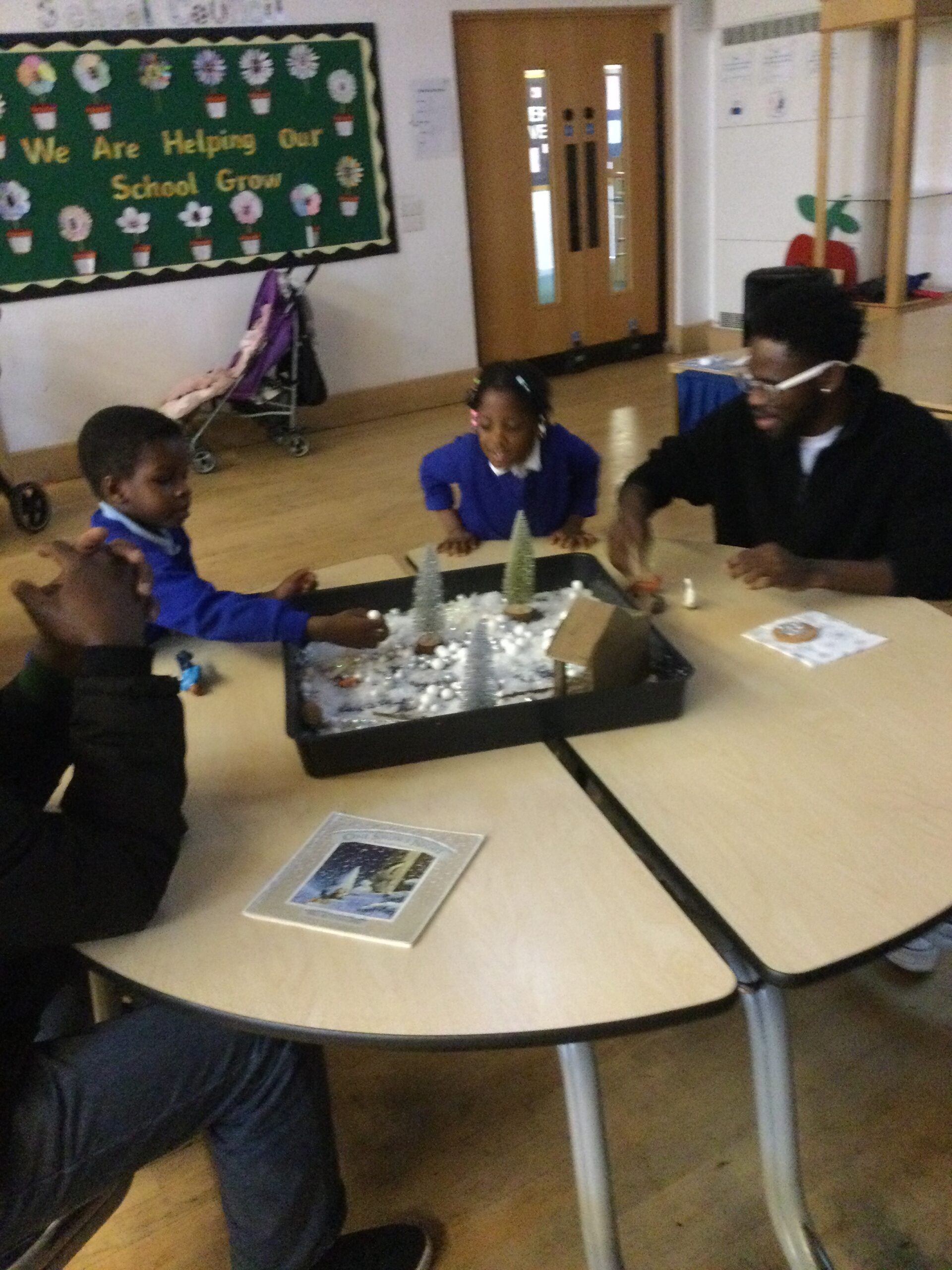
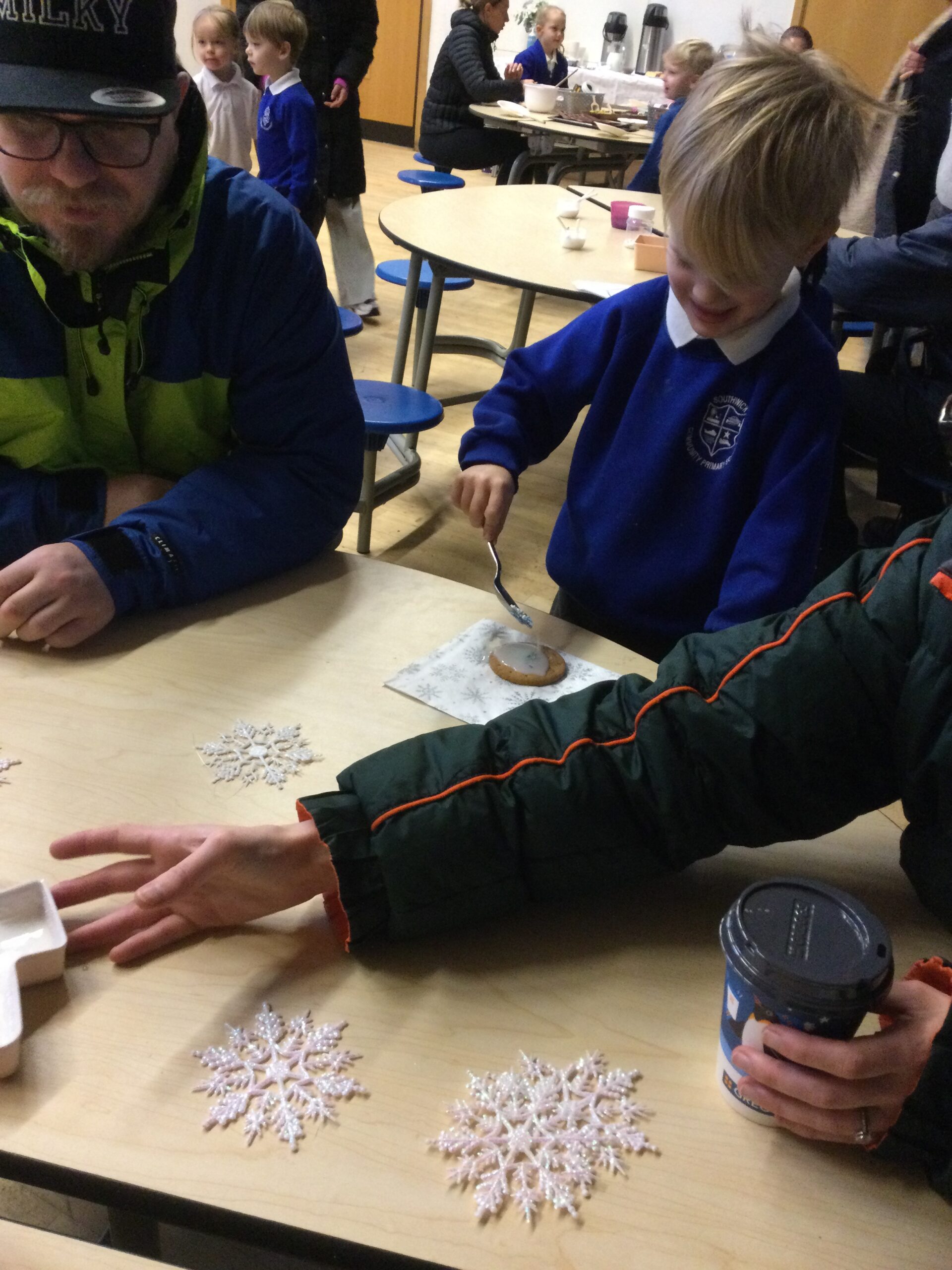
Throughout provision, the children immersed themselves in winter-themed play. They created snowy woodland stories in the small-world area, prepared hot chocolates and treats in role play, and used a range of creative materials to represent winter scenes. Their play often centred around helping others, keeping warm and caring for animals during the cold weather.
The story also led us to explore the winter season more closely. The children discussed how people and animals adapt during colder weather and why warm clothing is important. They designed jumpers for Percy the Park Keeper and made bird feeders to help care for local wildlife during winter.
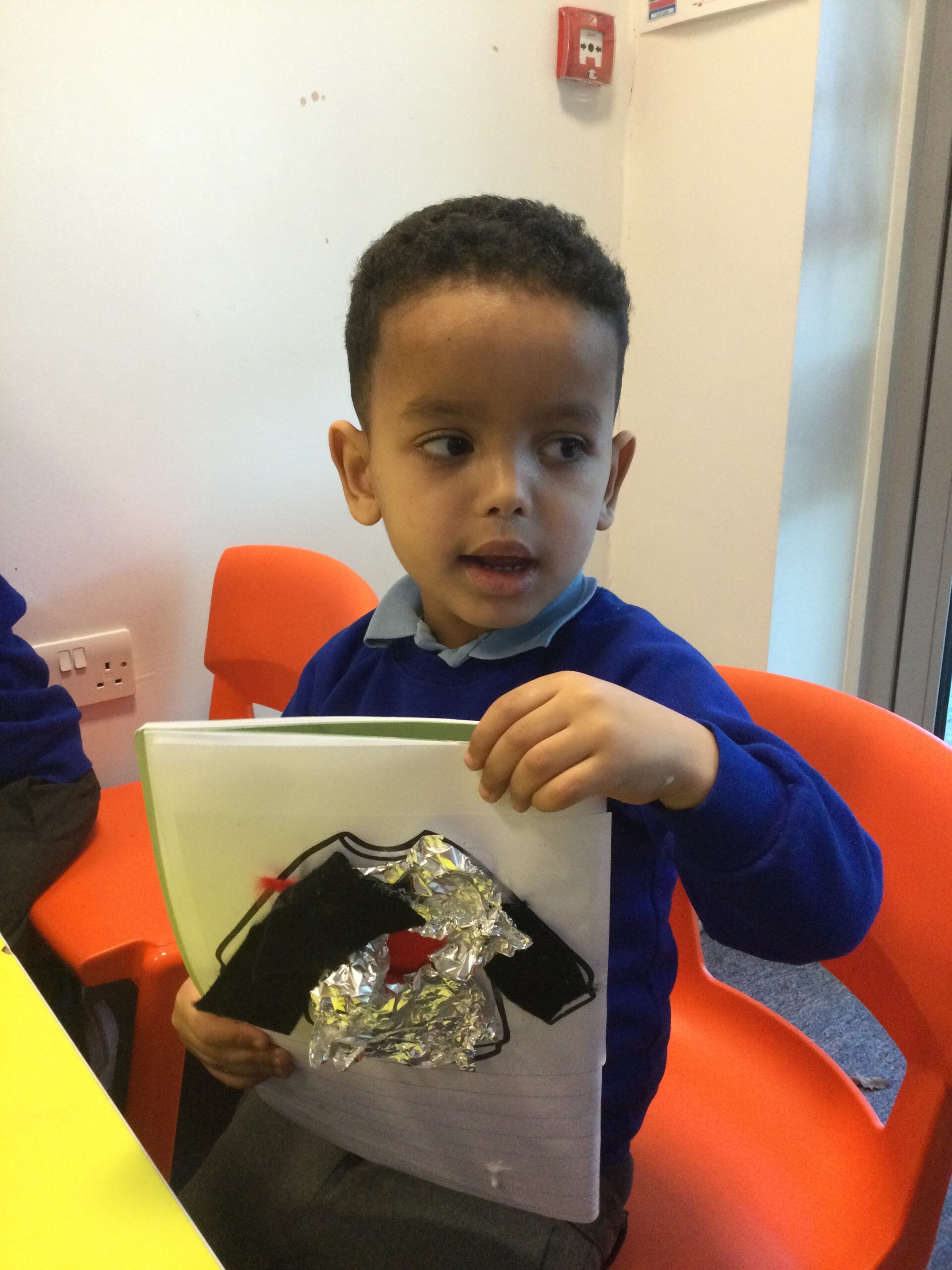
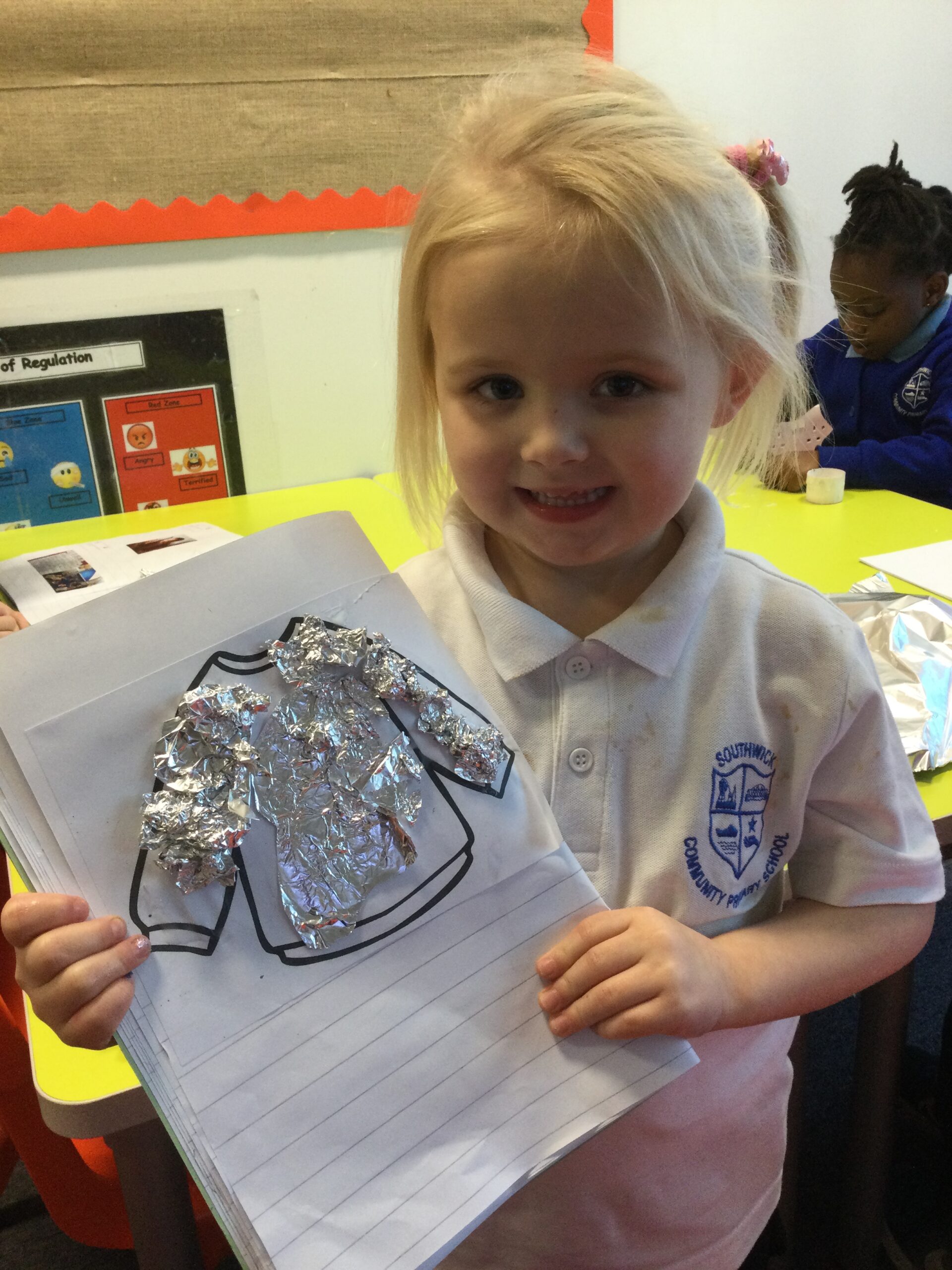
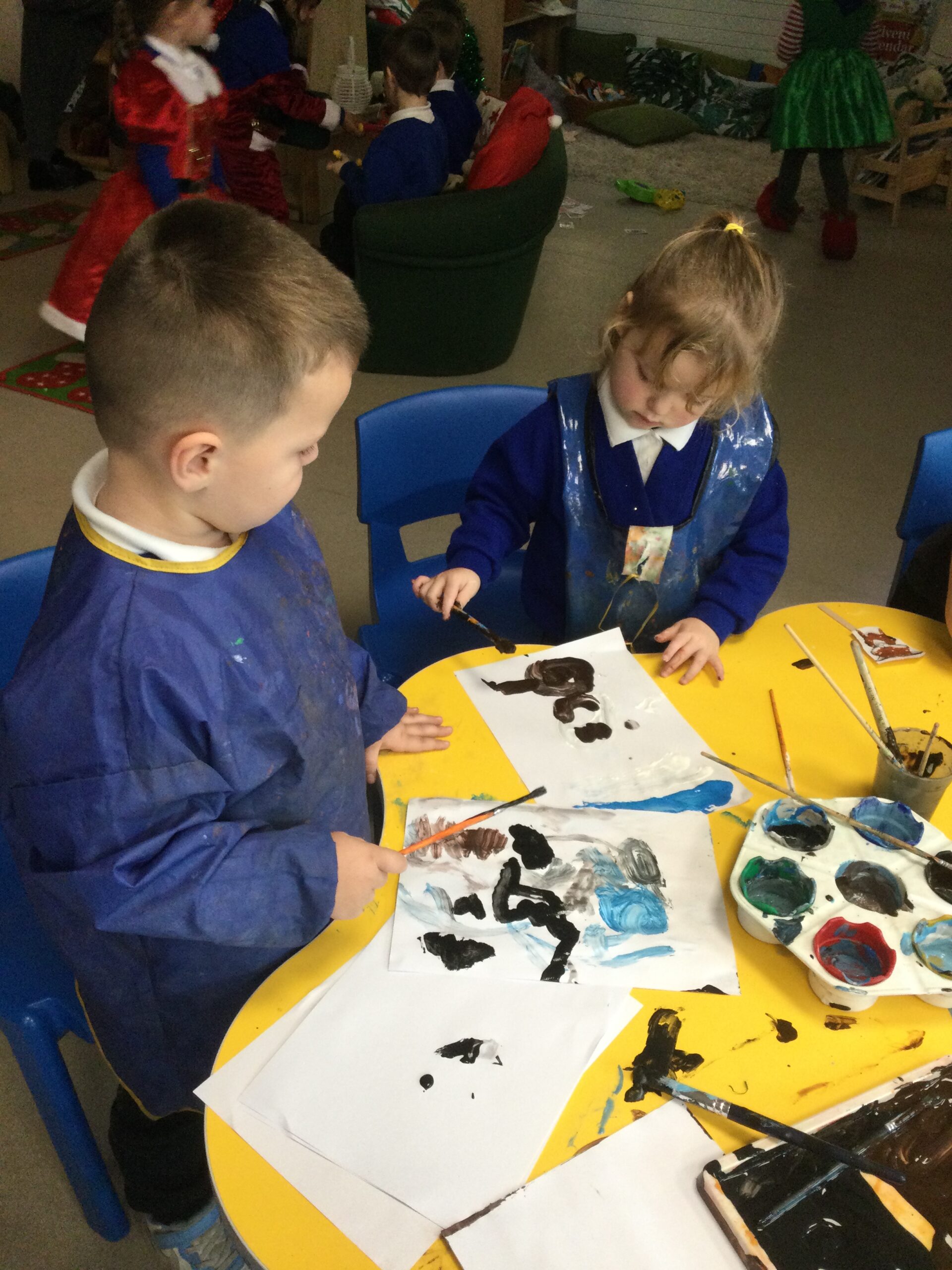
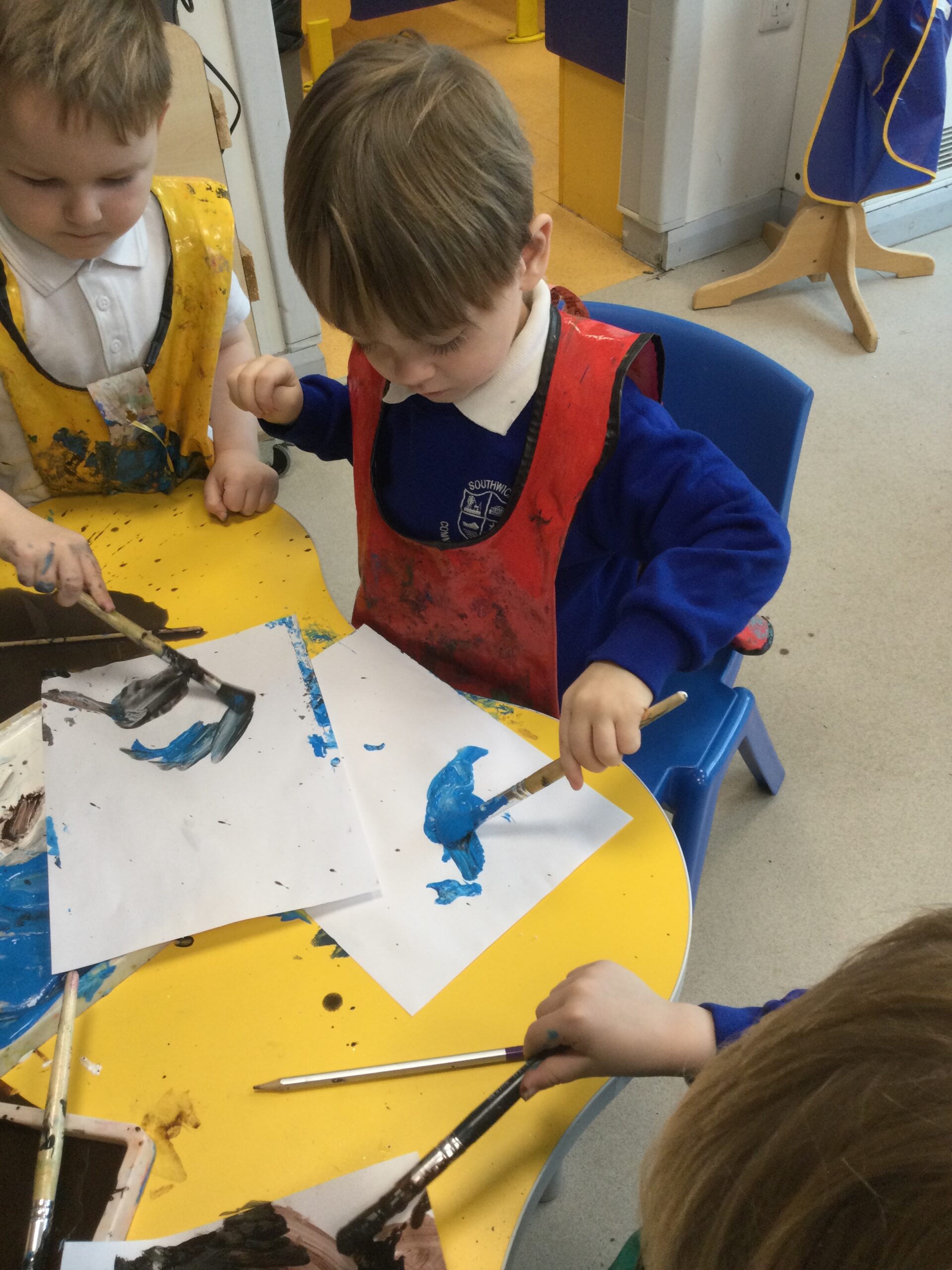
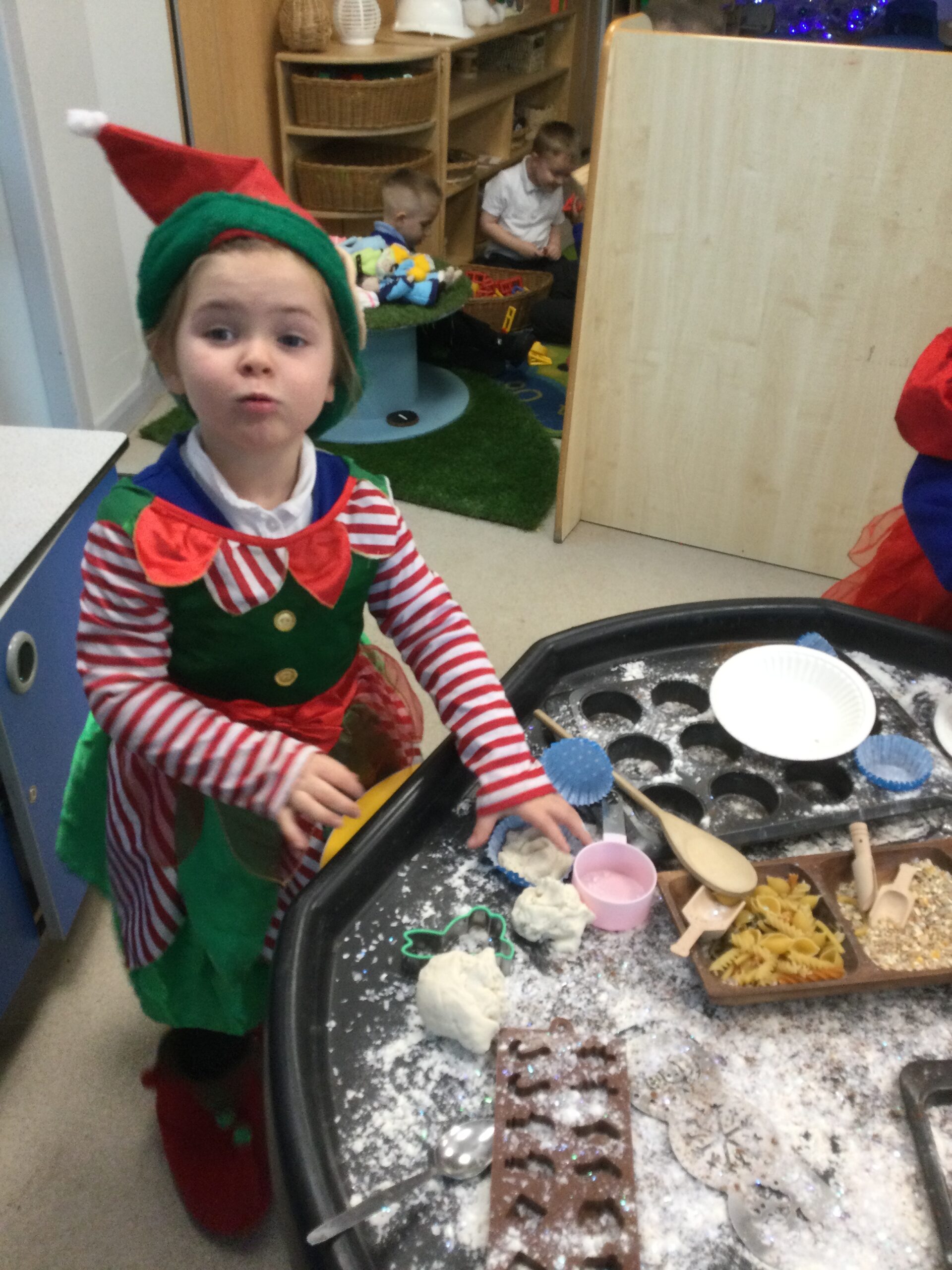
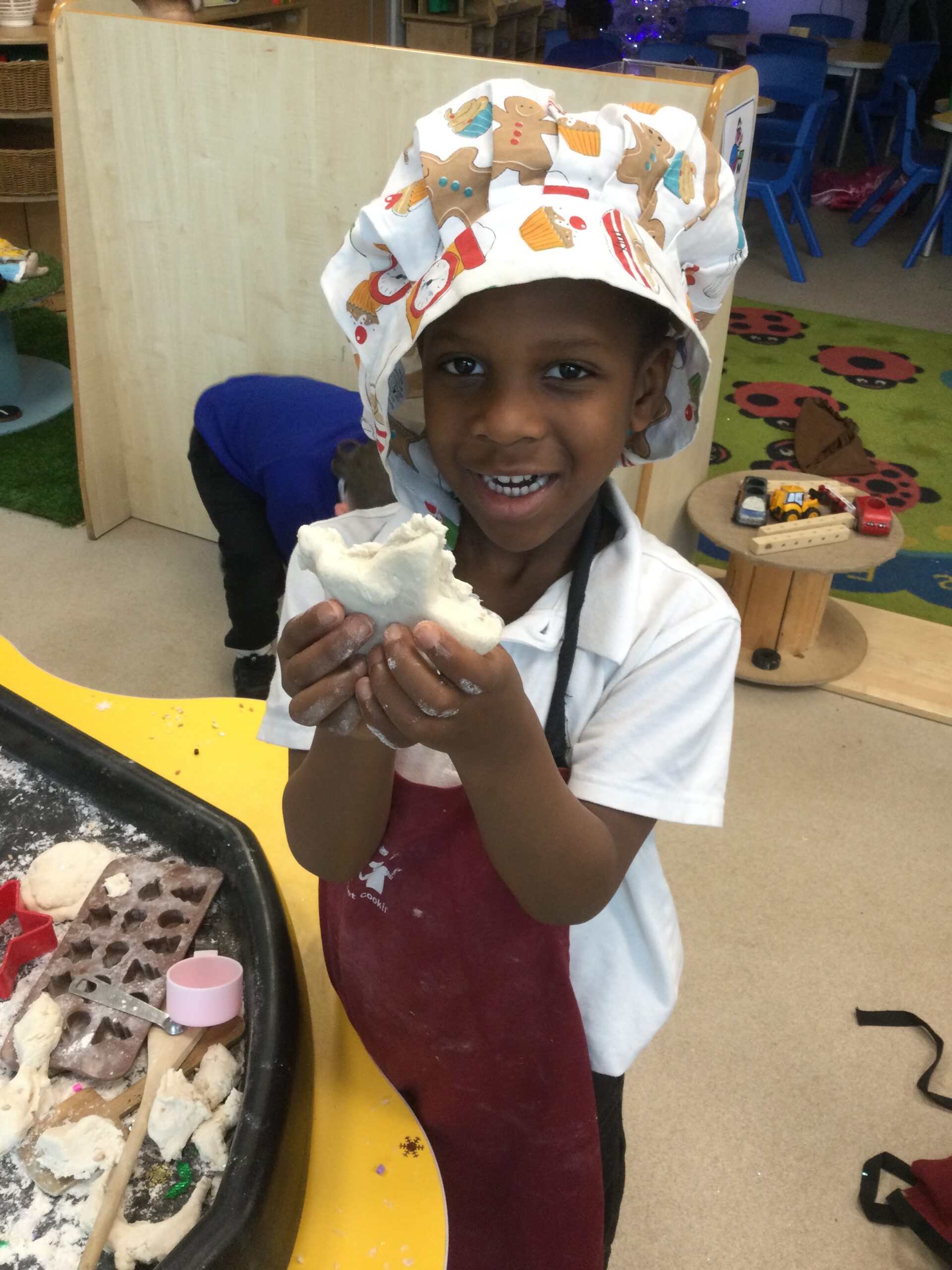
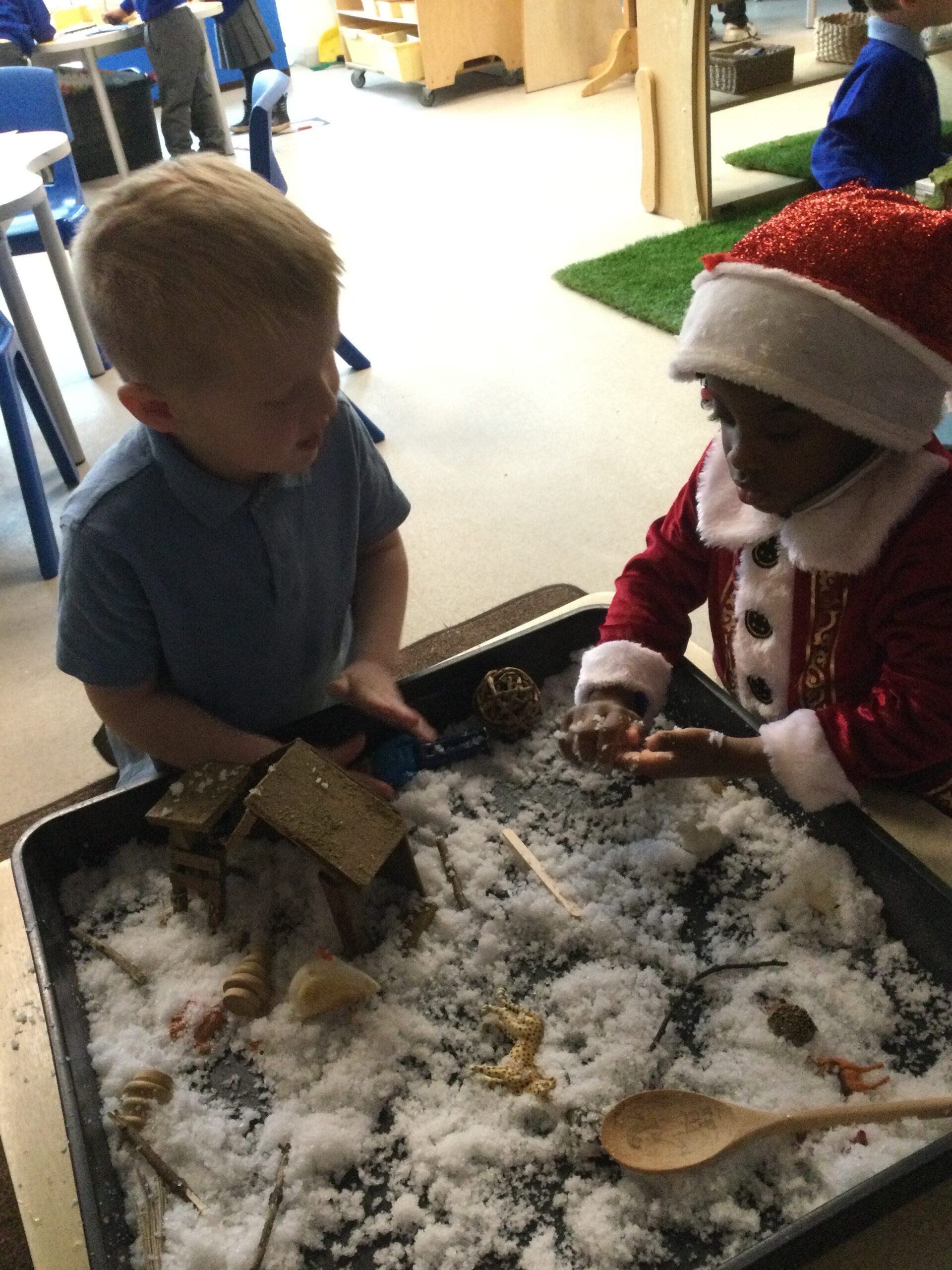
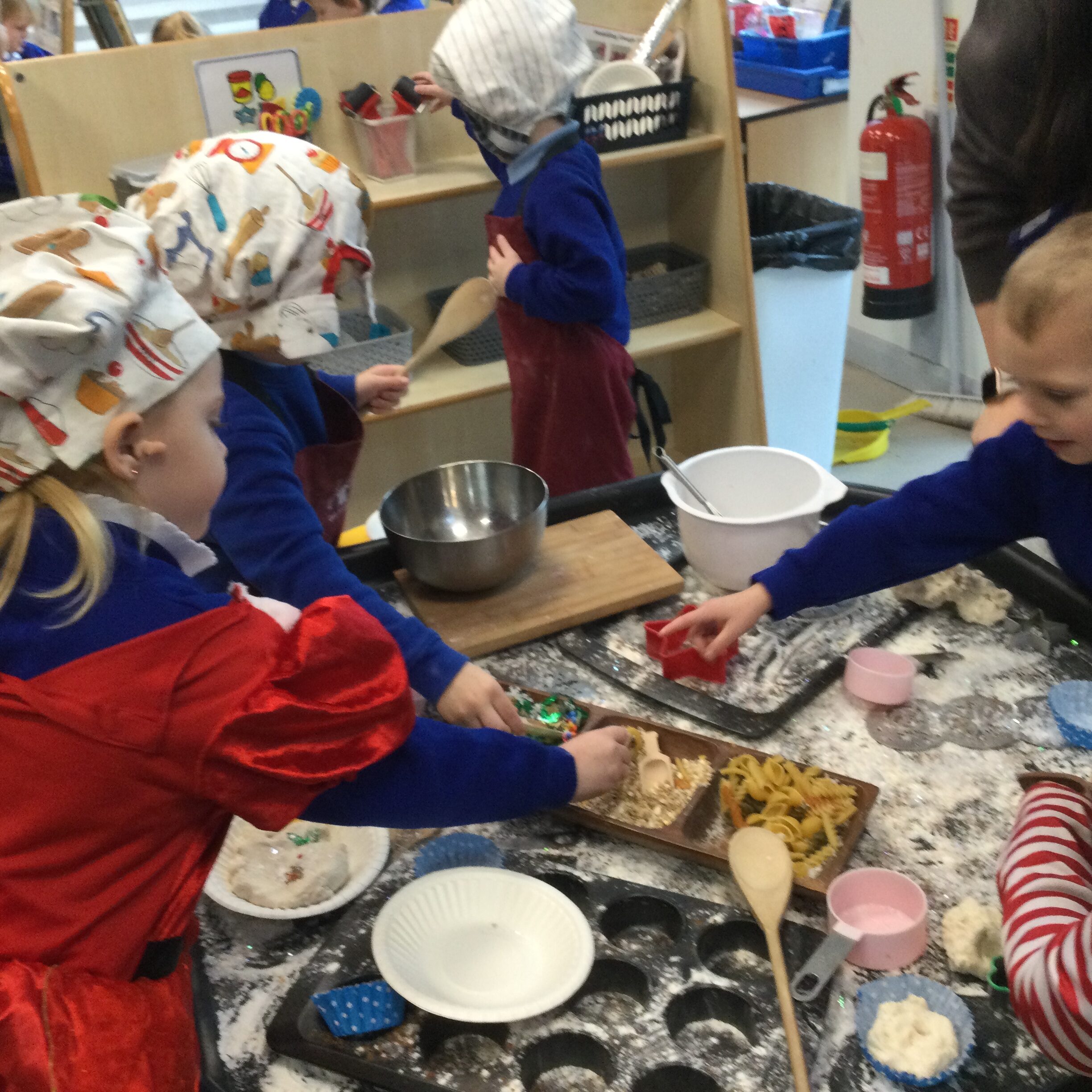
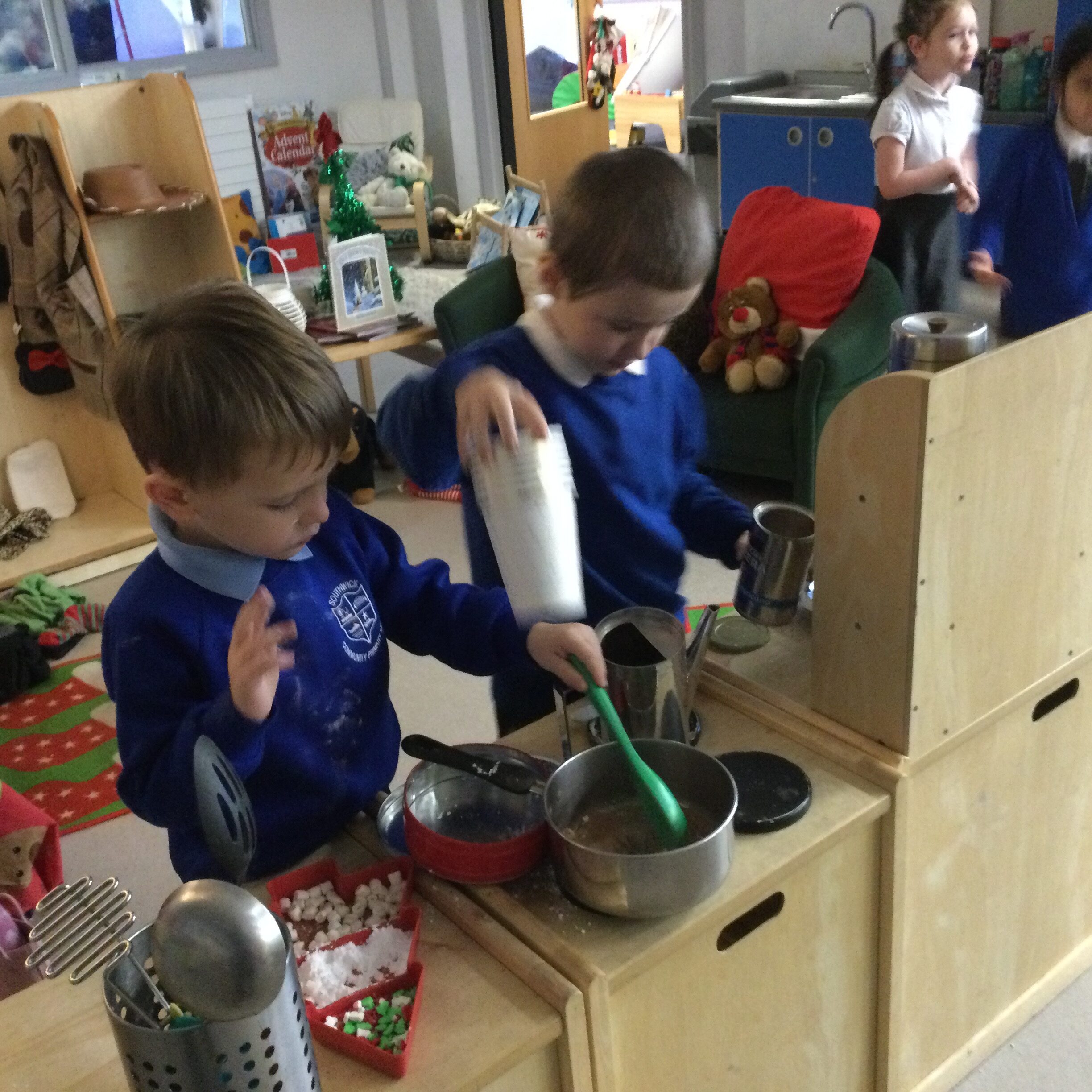
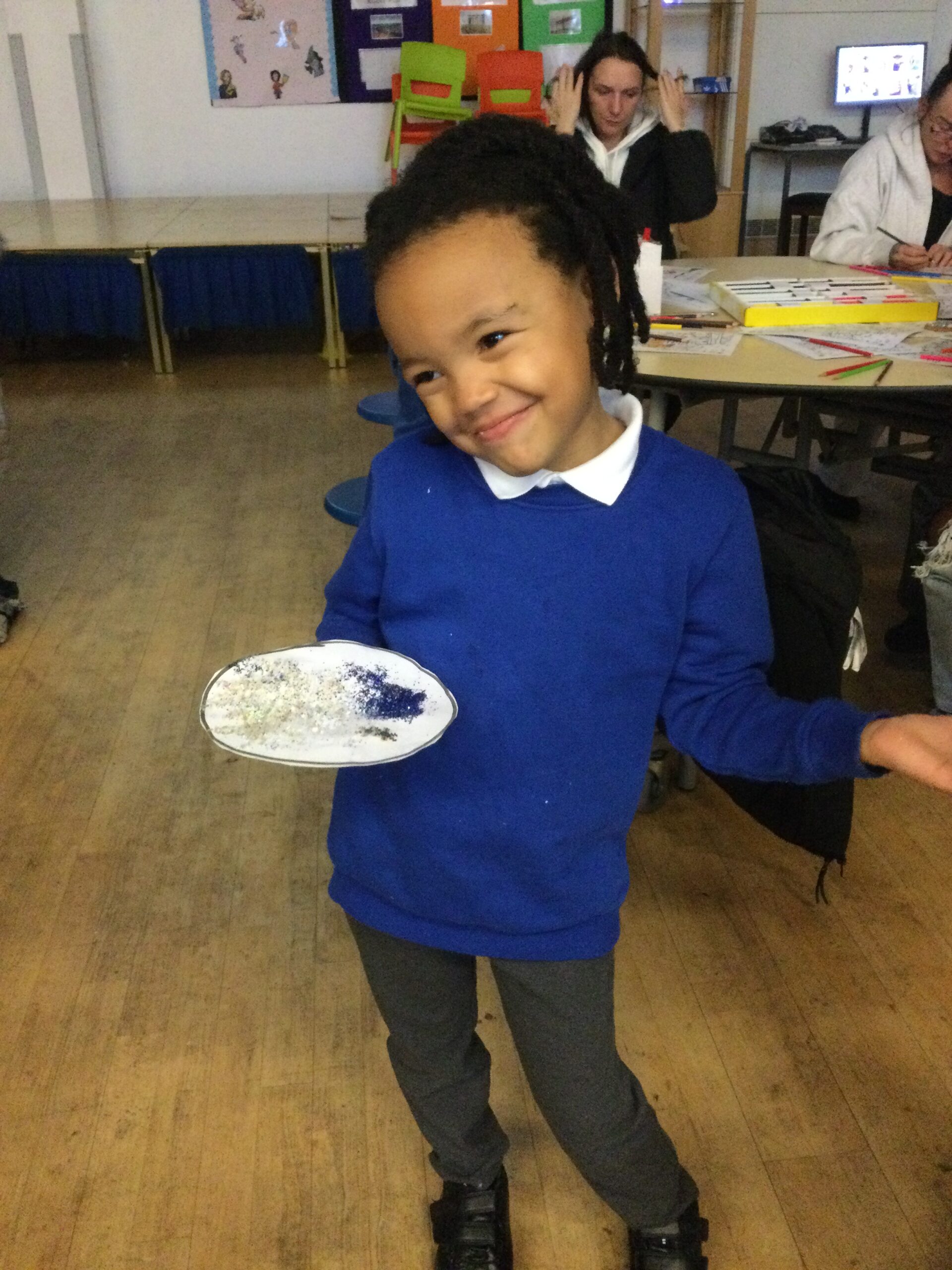
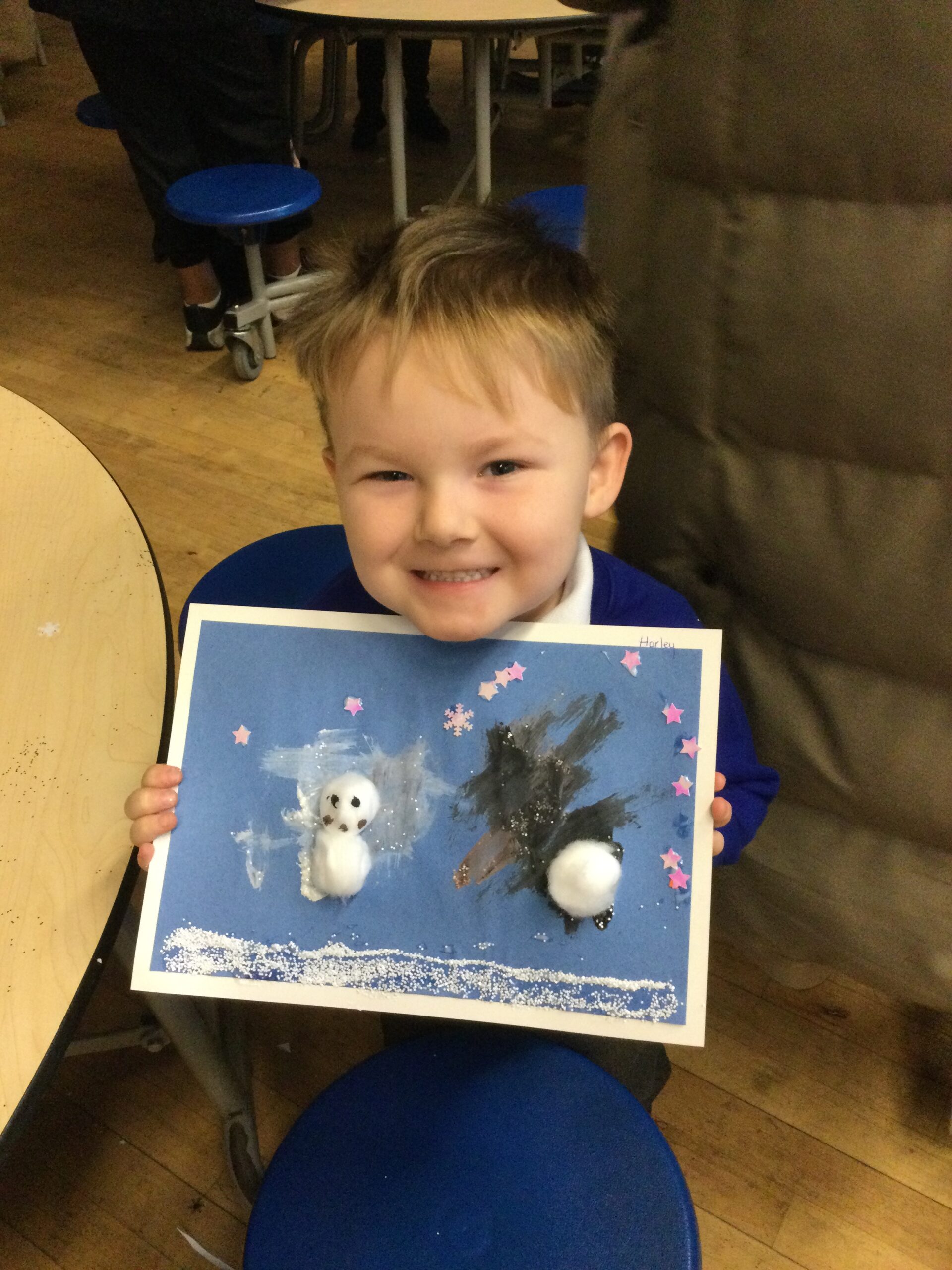
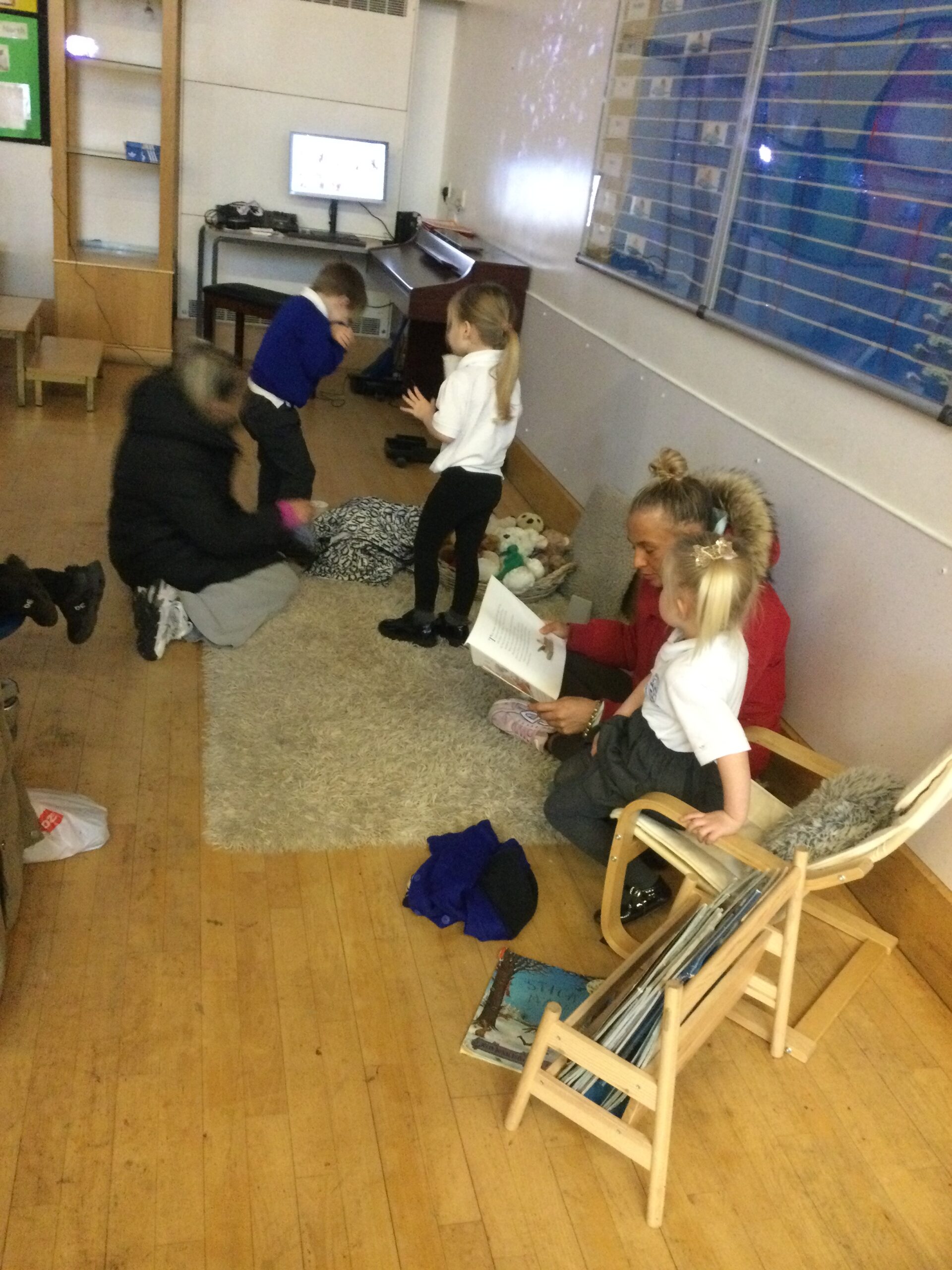
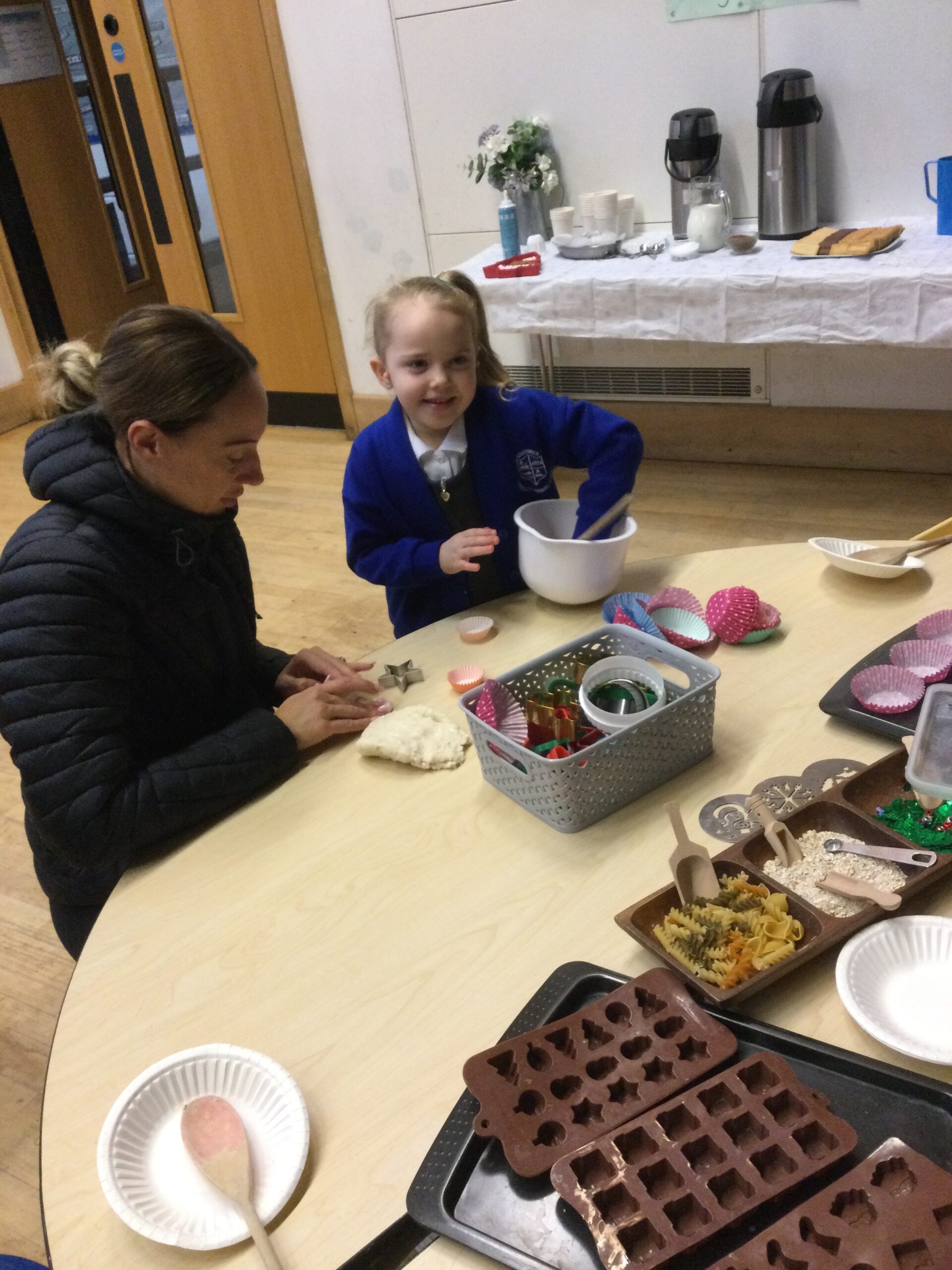
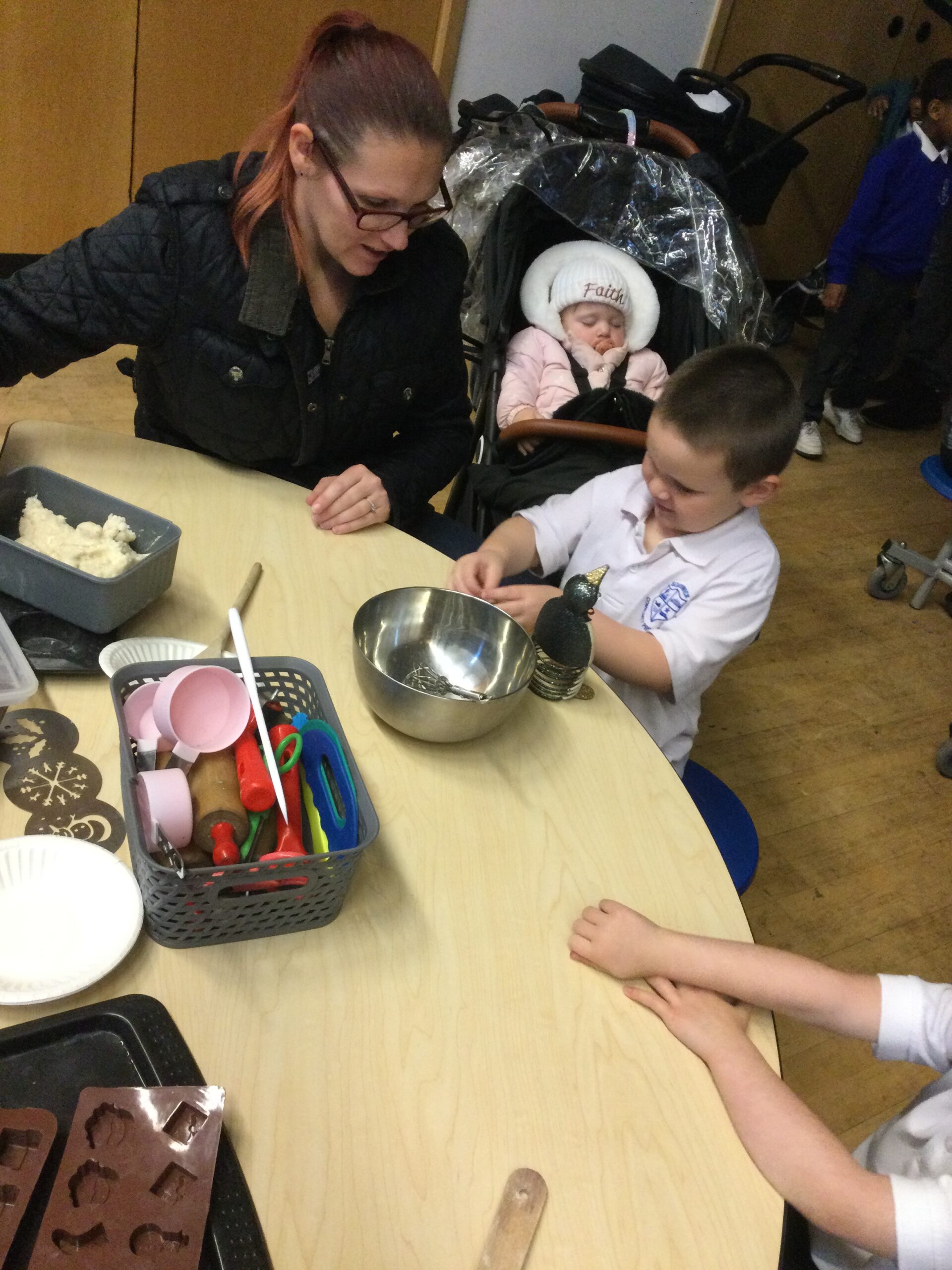
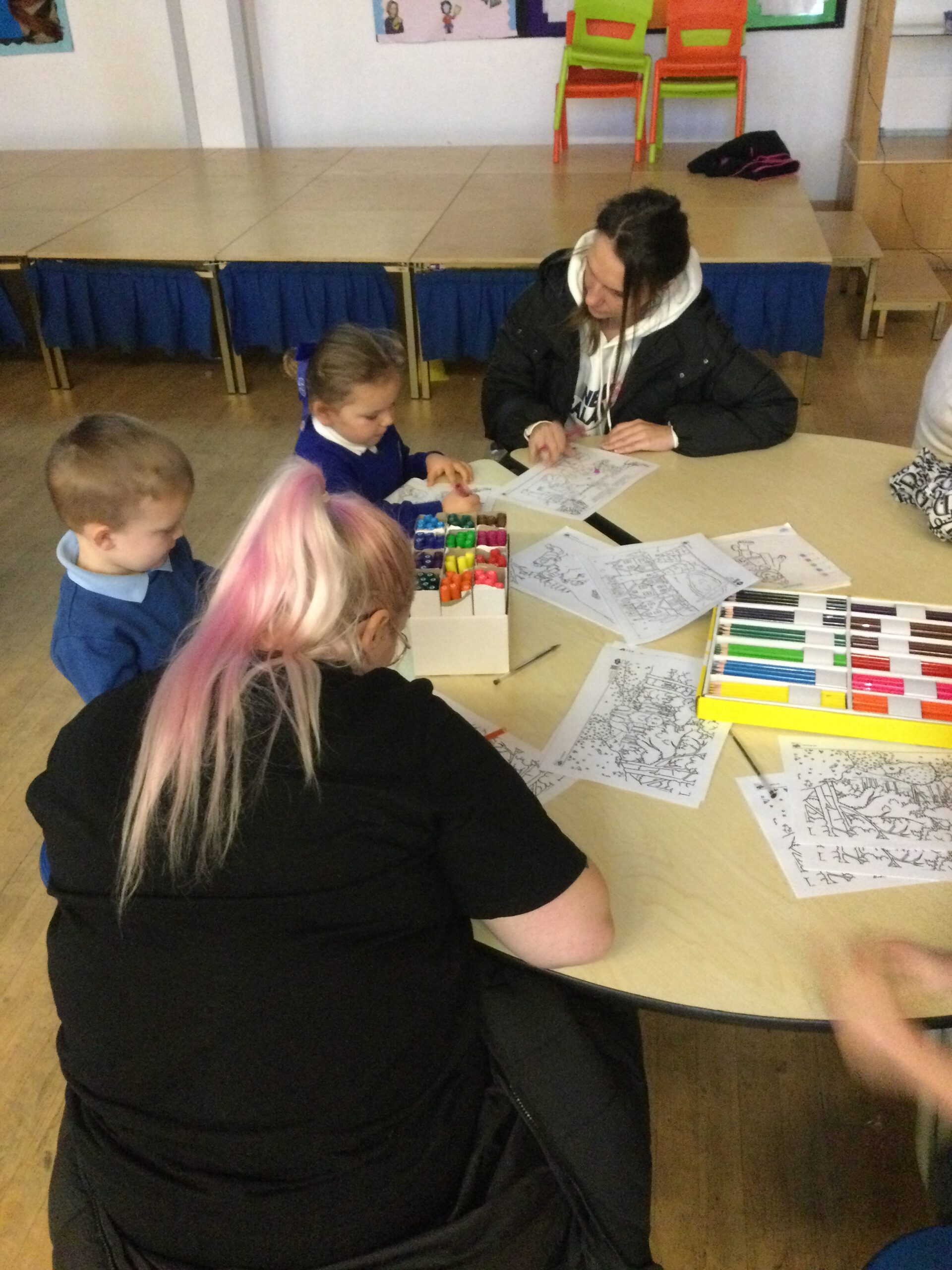
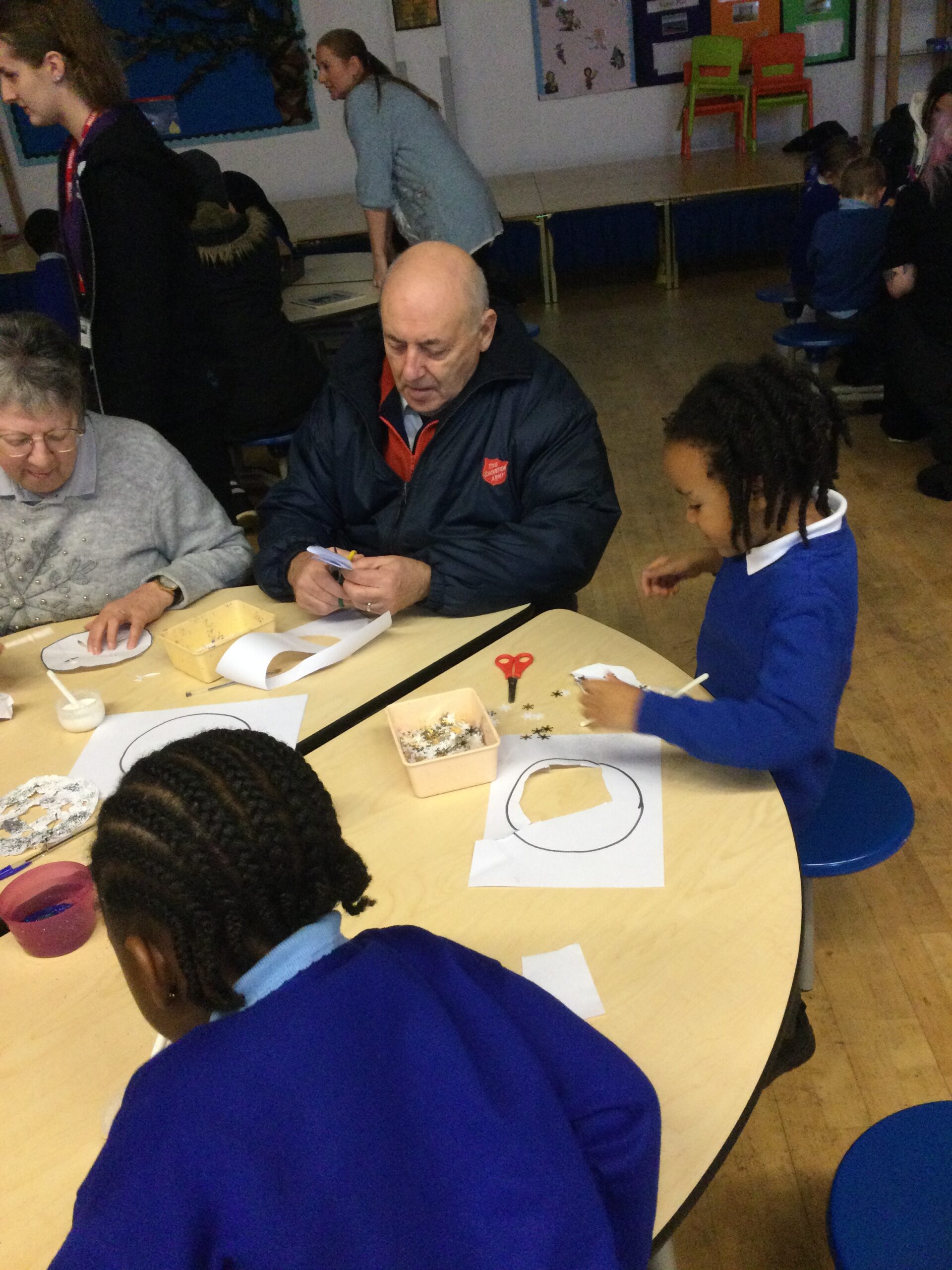
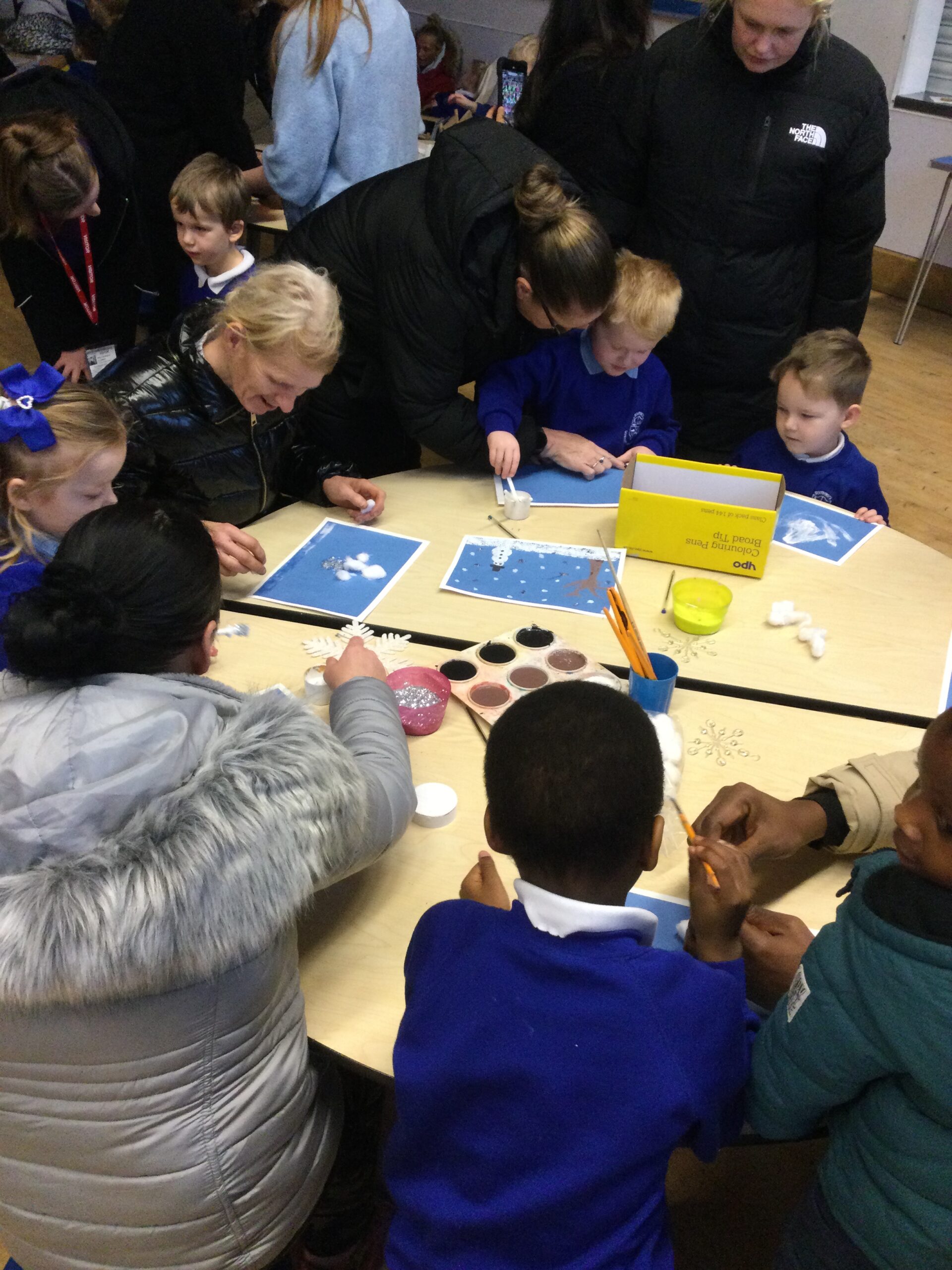
Towards the end of the week, the children welcomed their grown-ups into school for our One Snowy Night workshop. Together they created winter crafts and shared special experiences, providing another opportunity to celebrate the caring relationships between children, families and school.!
What did we learn?
The children learned that showing care can mean helping others feel safe, warm, included and valued.
They discovered that care can be shown not only to people but also to animals and the environment. Through their winter learning, they developed an understanding of how living things have different needs during colder weather and how small acts of kindness, such as feeding birds or helping a friend, can make a big difference.
By the end of the week, the children recognised that caring for others is something we can do every day through thoughtful actions, kind words and helping hands
What Did We Learn About Showing Care?
By the end of our enquiry, the children discovered that there are many different ways to show care.
Through stories, celebrations and real-life experiences they learned that care can be shown through:
- Helping others.
- Sharing what we have.
- Using kind words.
- Remembering people.
- Respecting differences.
- Looking after animals.
- Caring for nature.
- Spending time with family and friends.
Most importantly, the children realised that showing care does not always require something big. Often, the smallest actions can make the biggest difference.
One of the children’s final reflections summed up our enquiry beautifully:
“You show you care when you help somebody.”