Week 1 – The African Savanna
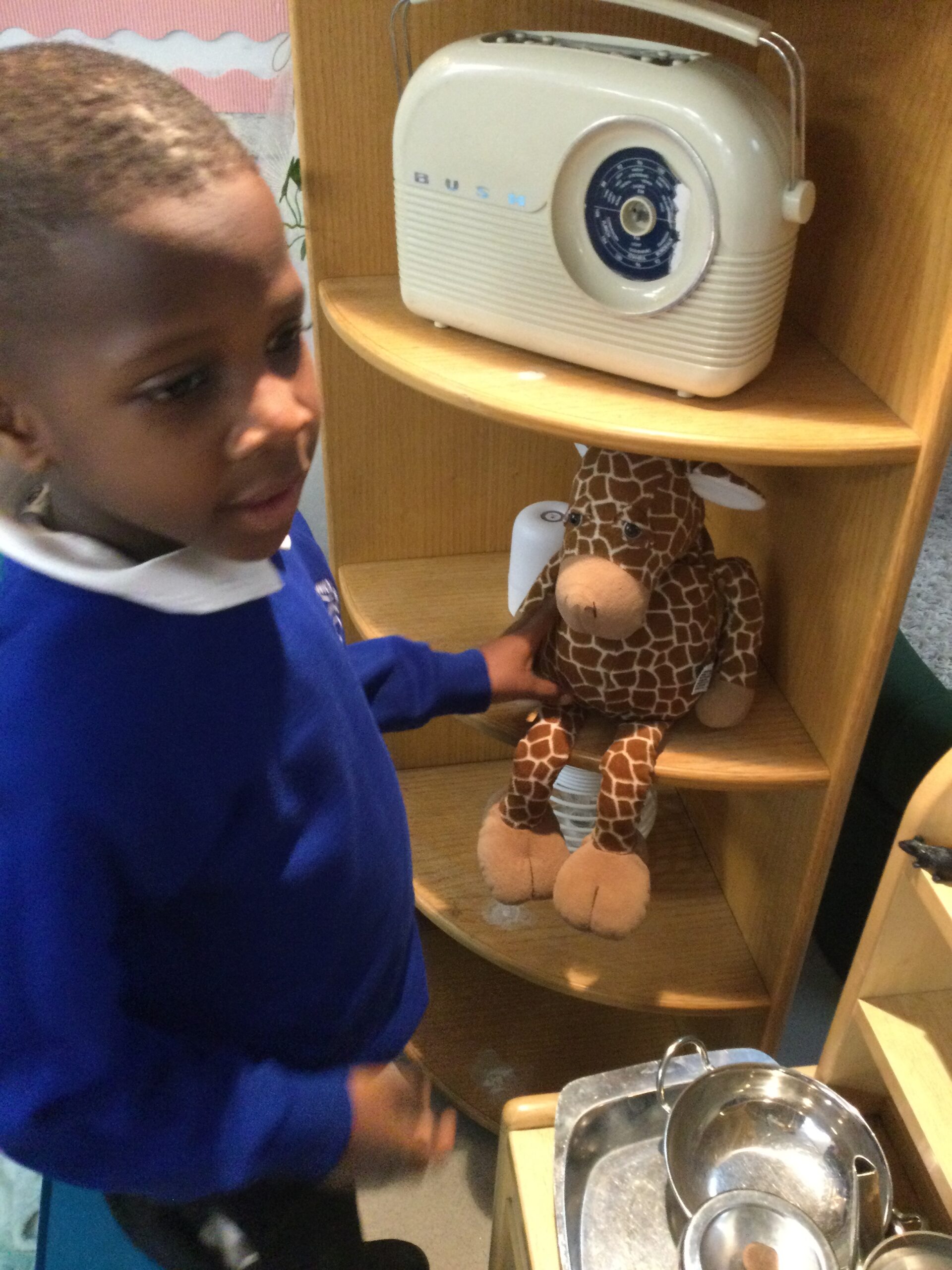
The children were very interested in wild animals and how they survive in hot places like the African savanna. After reading Giraffes Can’t Dance by Giles Andreae, they began to explore giraffes and how they live, eat and stay safe.
What did we wonder?:
- How does a giraffe get its food?
- Where do giraffes sleep?
- How do animals find water when it is very hot?
- Why do giraffes have long necks?
- Where do animals go when it is sunny?
- What would it be like to live in the savanna?
This led to lots of thoughtful ideas:
- “Gerald can stretch his neck to reach the leaves.”
- “Giraffes eat from tall trees.”
- “They sleep under trees.”
- “Animals need water to drink.”
- “Giraffes hide under the trees from other animals.”
As we continued our learning through stories, pictures and discussion, the children began to understand more about how animals survive in different climates. We explored how giraffes use what they have around them and their body adaptations to find food, water and shelter. The children were fascinated by how different the African savanna is compared to where we live.
Where Did This Take Us?
This learning journey took the children on an exciting exploration of the African savanna, where they compared the weather, climate, habitats, and survival needs of people and animals in different parts of the world.
The children explored how people in the UK use tools and features in their environment to help them survive and stay comfortable in a rainy climate. They discussed how water taps provide easy access to clean water and how houses offer shelter from wet and cold weather. They then compared these features with those found in the African savanna. The children learned that animals rely on natural resources such as watering holes for drinking water and acacia trees for shade, shelter, and protection from the hot sun.
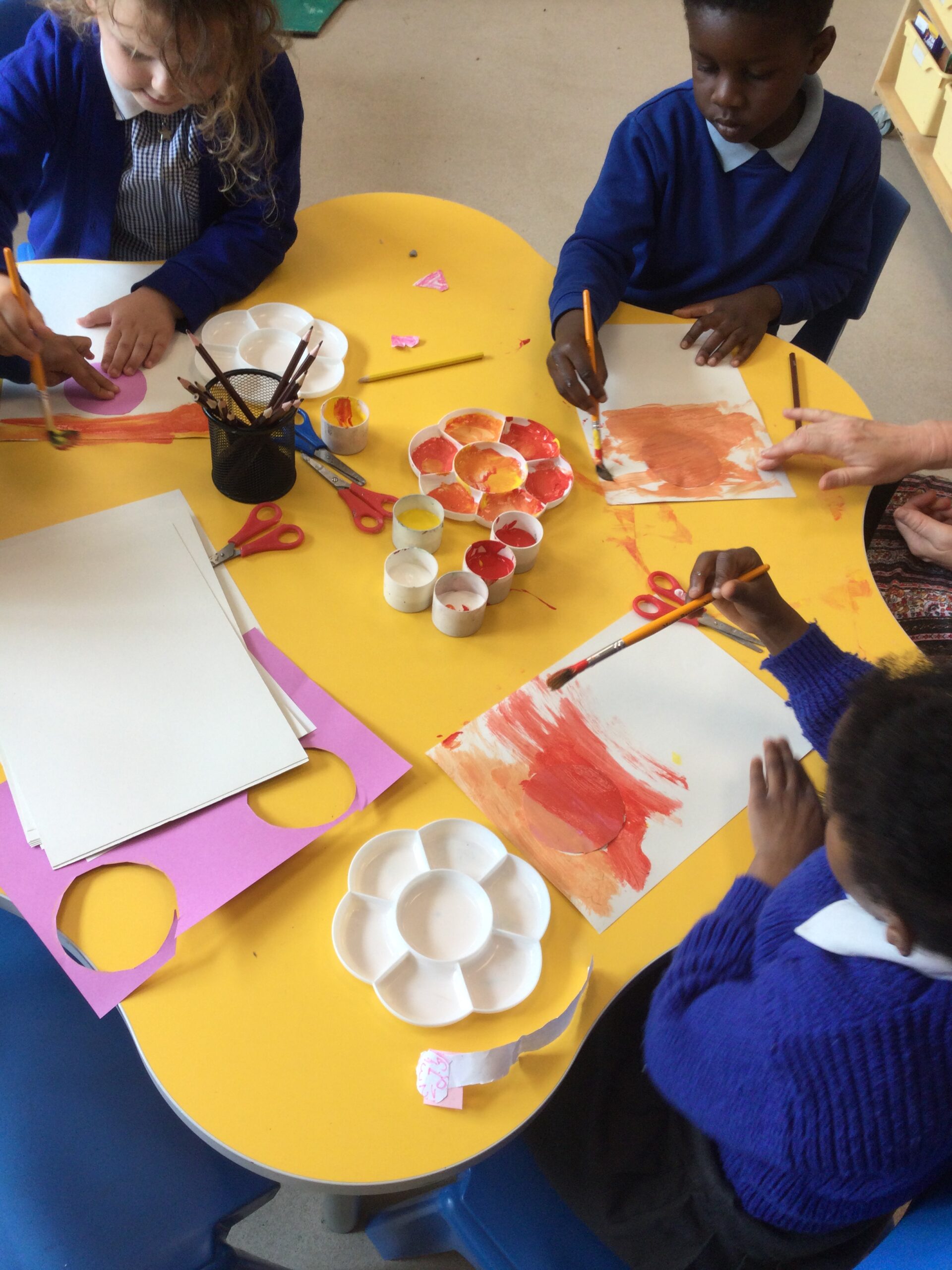
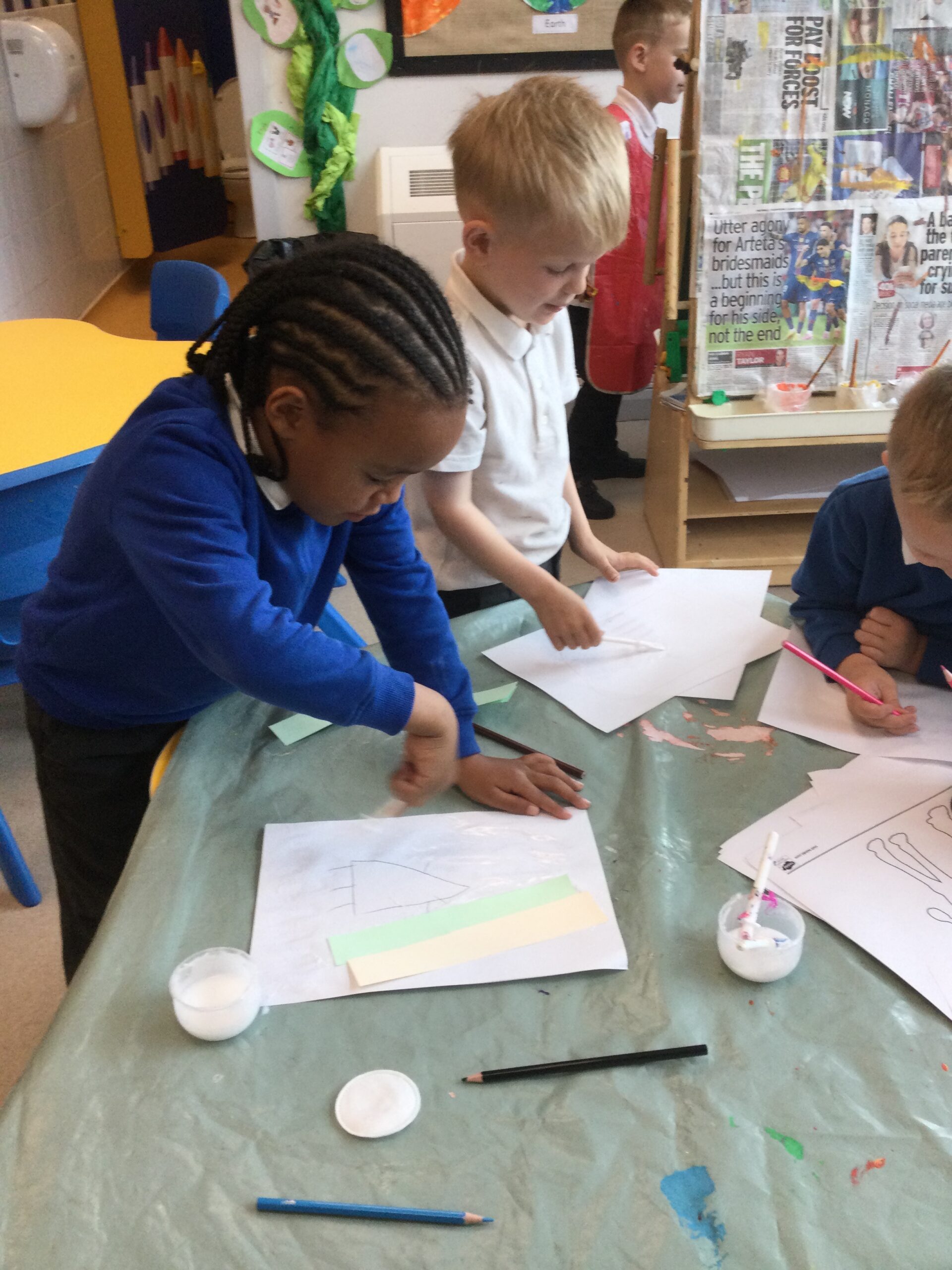
As part of their learning about weather and climate, the children created artwork inspired by the African savanna, exploring the colours and features of this unique environment. They also created beautiful sunset pictures, experimenting with colour mixing to blend warm shades of red, orange, yellow, and purple to represent the African savanna sky.
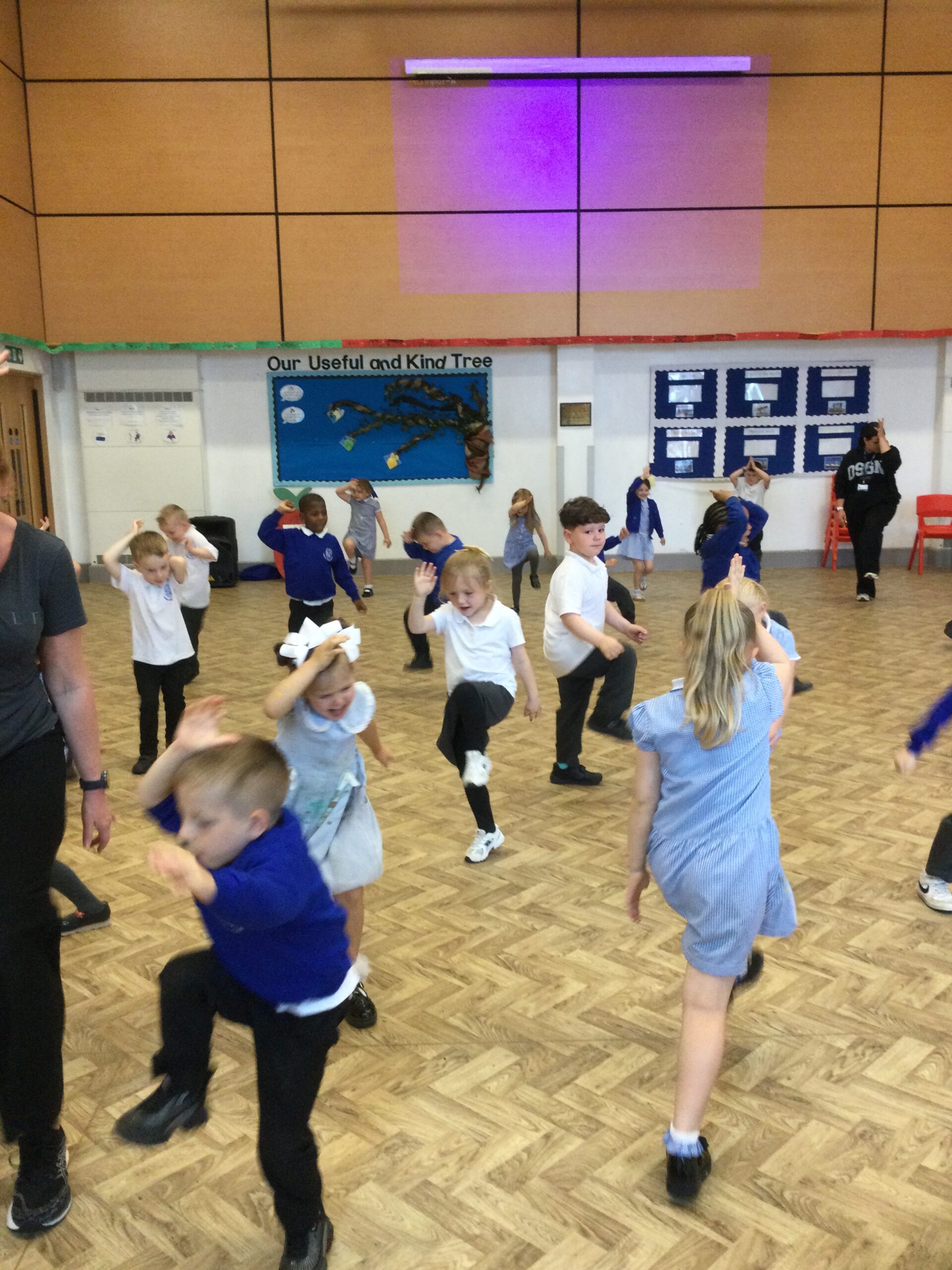
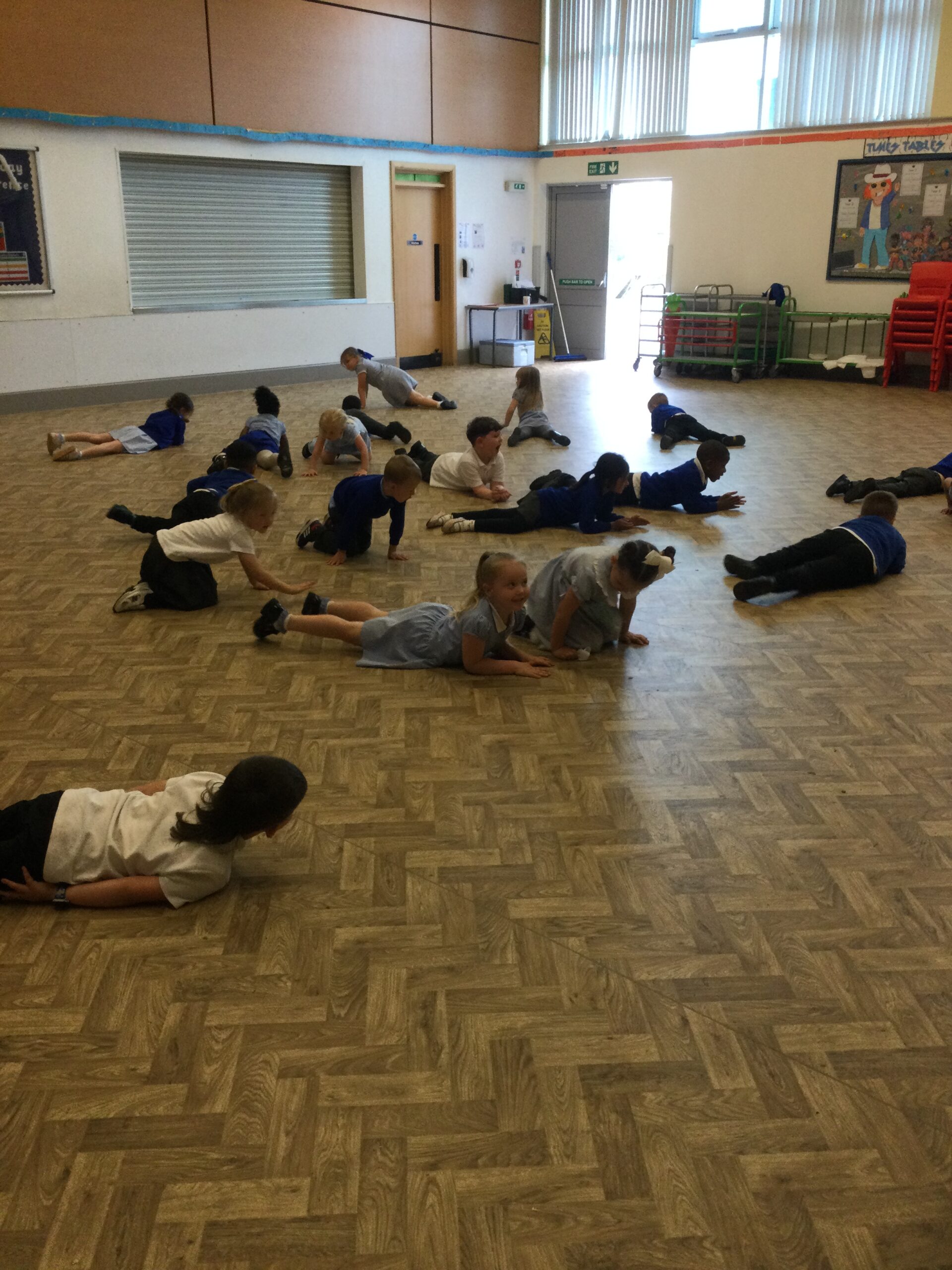
The children investigated how animals survive in their habitats by learning about their movements and behaviours. They enjoyed moving like different African animals, exploring how animals exercise, travel, hunt, and escape danger to stay healthy and survive in the wild.
Through these experiences, the children developed their understanding of different climates, habitats, survival needs, physical movement, and creative expression, while building an appreciation for the similarities and differences between life in the UK and the African savanna.
What did we learn?
The children developed an understanding of how living things adapt to different environments and climates to meet their survival needs. They learned about the relationship between habitats, weather, and the ways animals and people live within their surroundings.
They also explored how animals survive, move and stay healthy in their environment, learning about animal adaptation, physical characteristics, and behaviour. The children also learned how environmental features can support survival in different climates.
Week 2 – The Deep Sea
What did we wonder?
As we talked about survival in the ocean, the children began thinking about what it would take to stay alive there.
They asked:
- How do animals survive in the ocean?
- How do animals breathe underwater?
- Could humans live in the sea like fish?
- What would we need to survive there?
Where Did This Take Us?
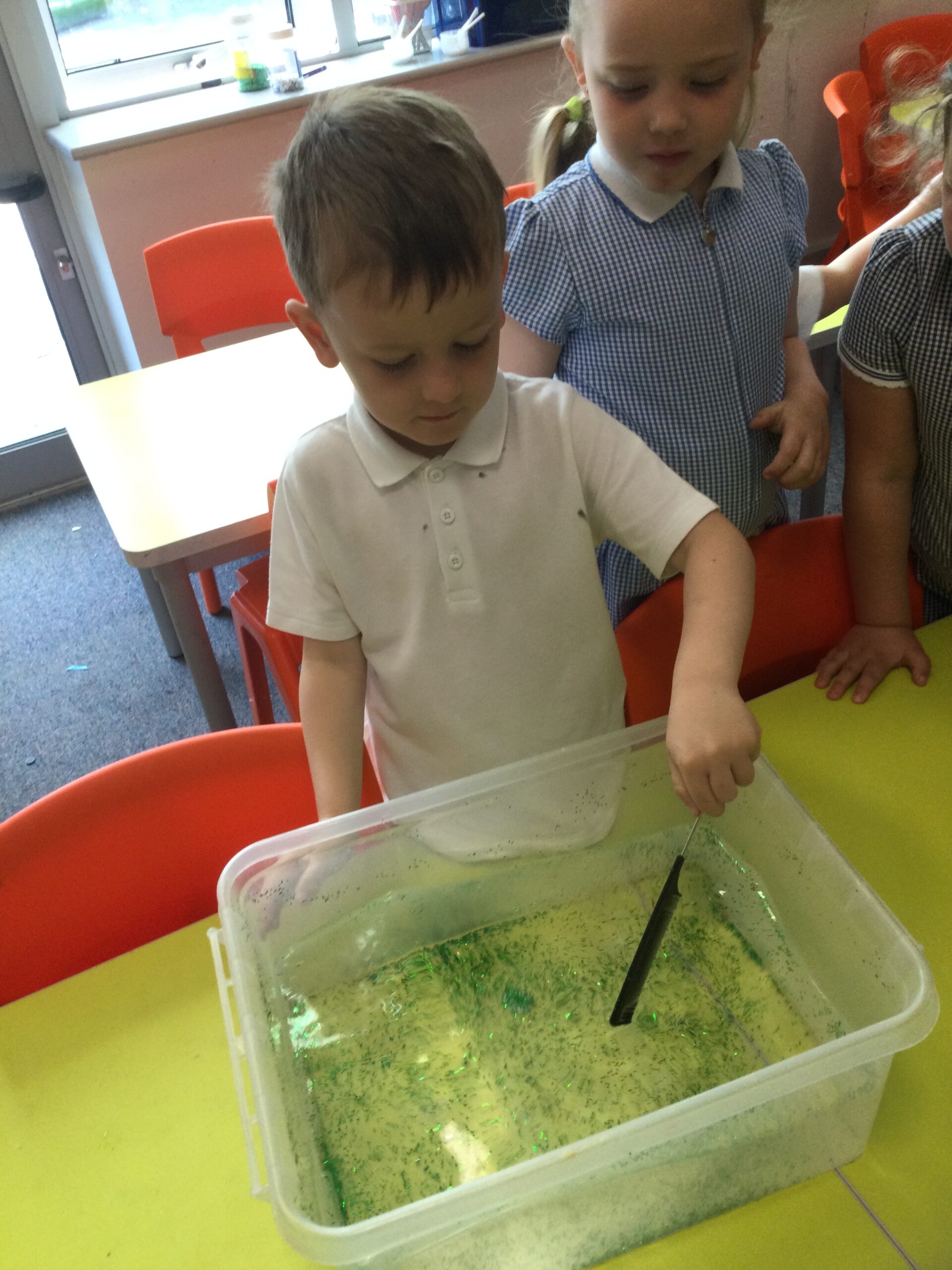
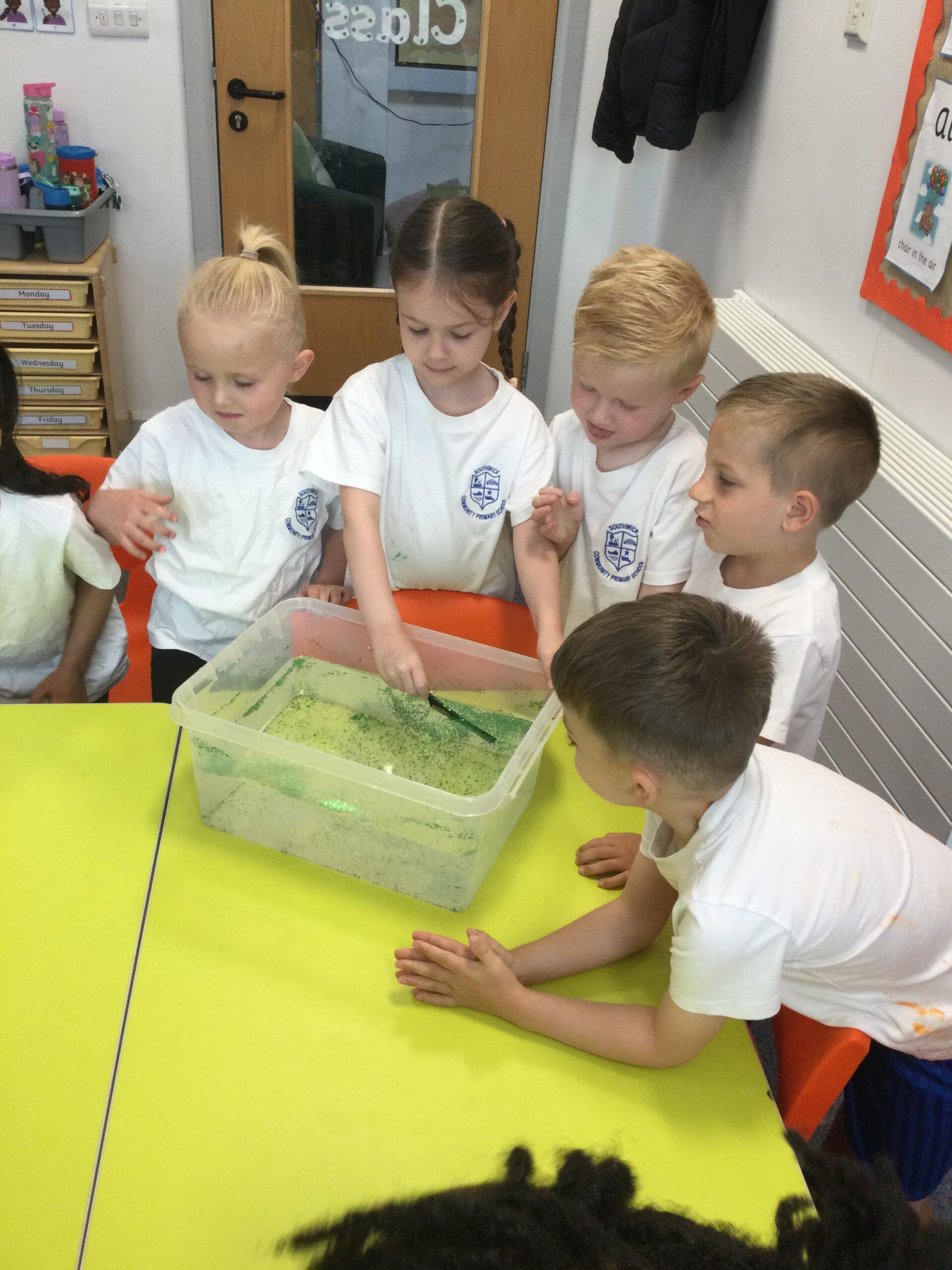
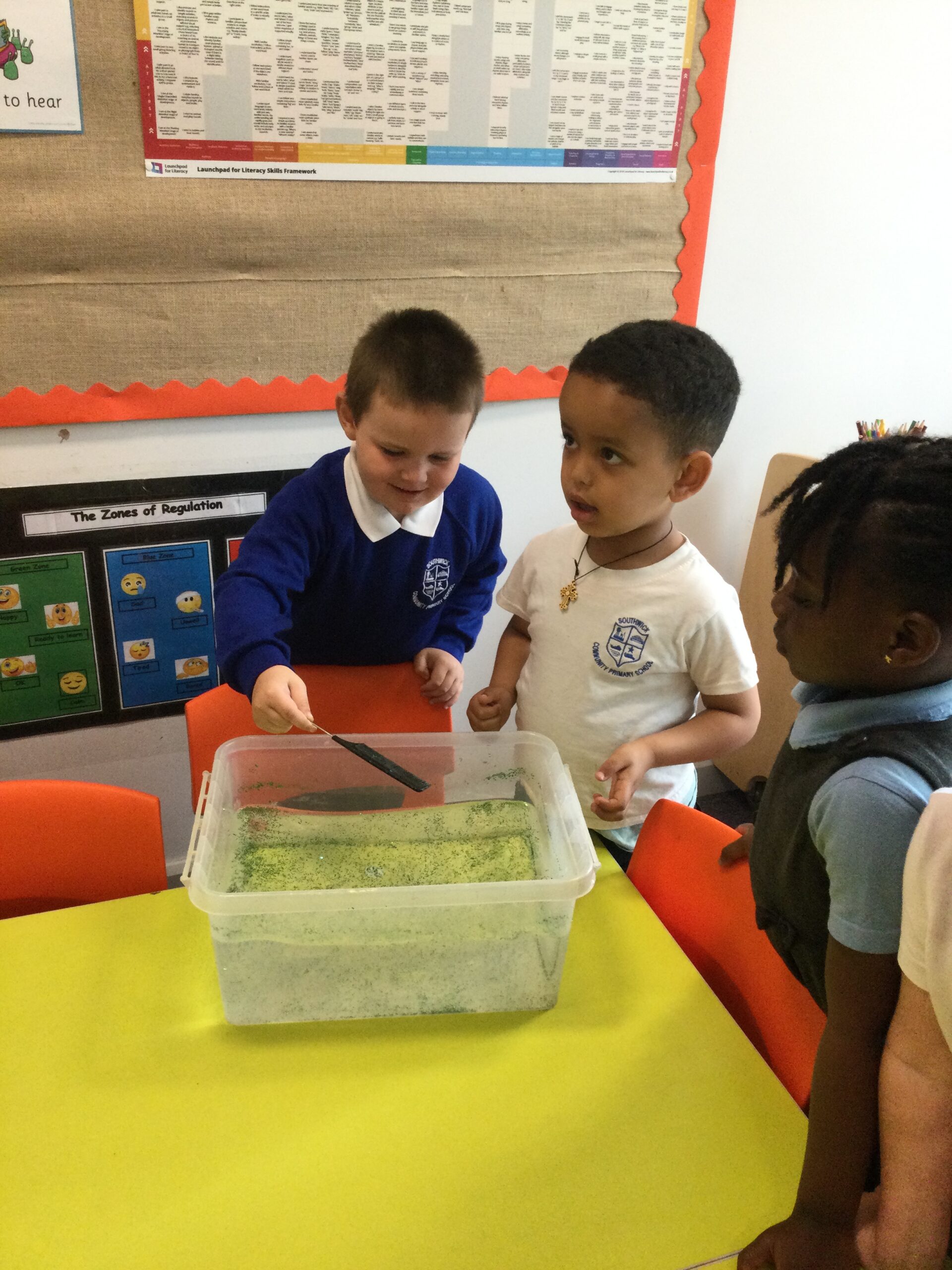
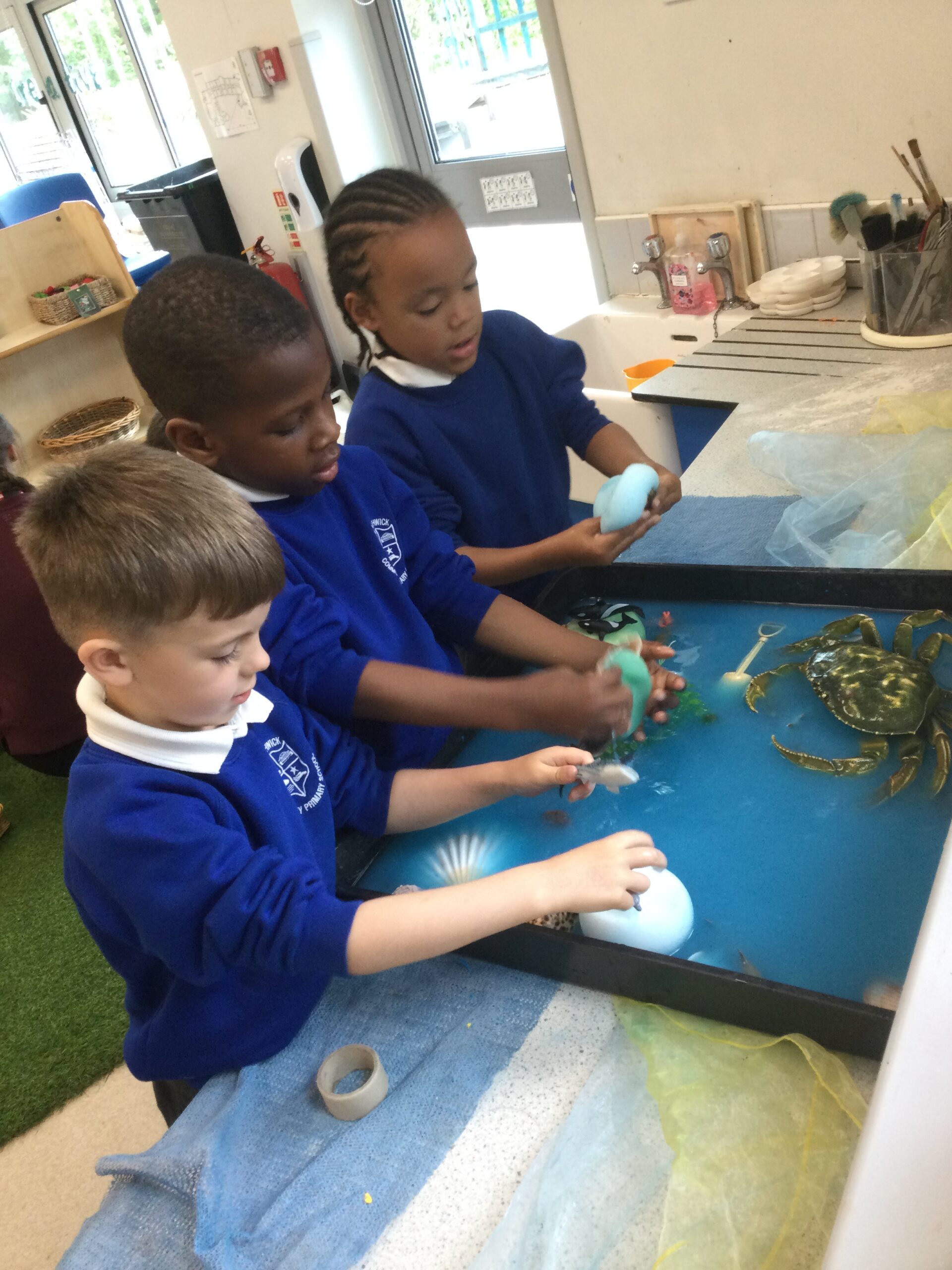
We began by discussing what a human would need in order to survive in the ocean, including equipment such as a torch for visibility, an oxygen mask to enable breathing, a thick coat for warmth and a water bottle for hydration. Building on this understanding, the children made predictions about what a whale would need to survive in its natural environment. The children predicted that whales might eat a range of food sources, including jellyfish, shrimp, and even other whales. The children also predicted that whales do not need separate drinking water, as they live entirely in seawater and drink this. For shelter and safety, the children shared that whales may seek protection in caves, under rock or in the deeper parts of the ocean.
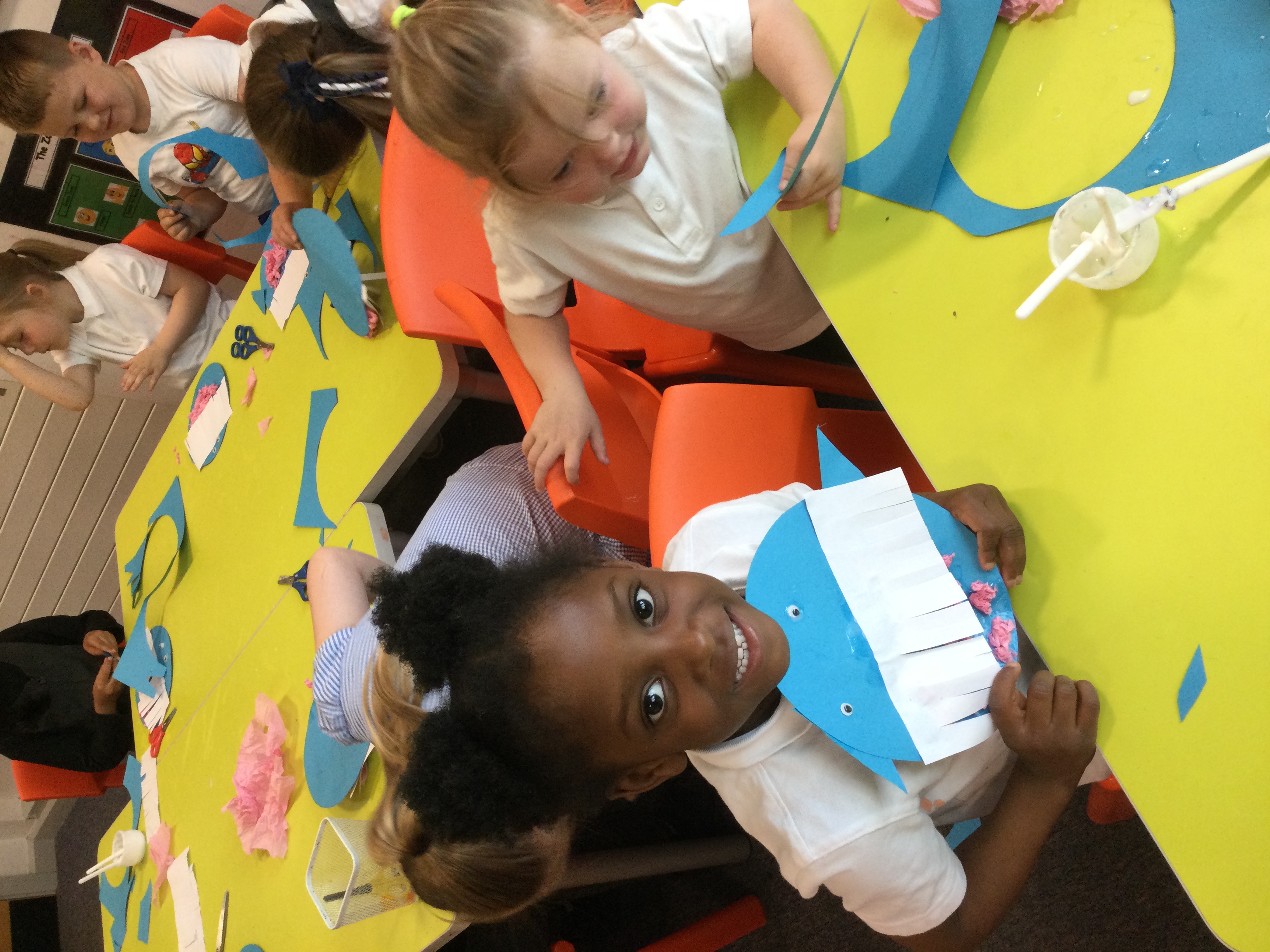
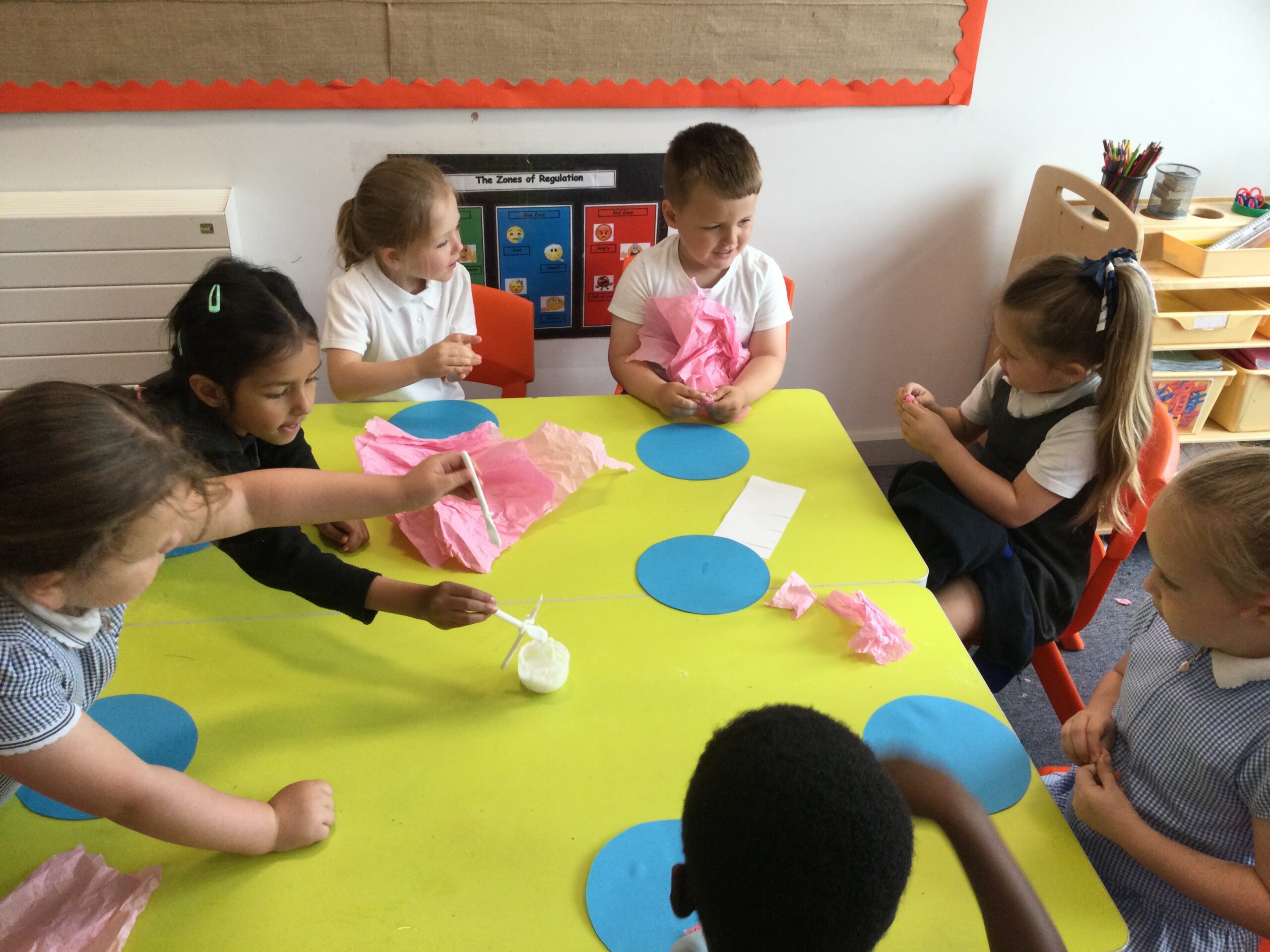
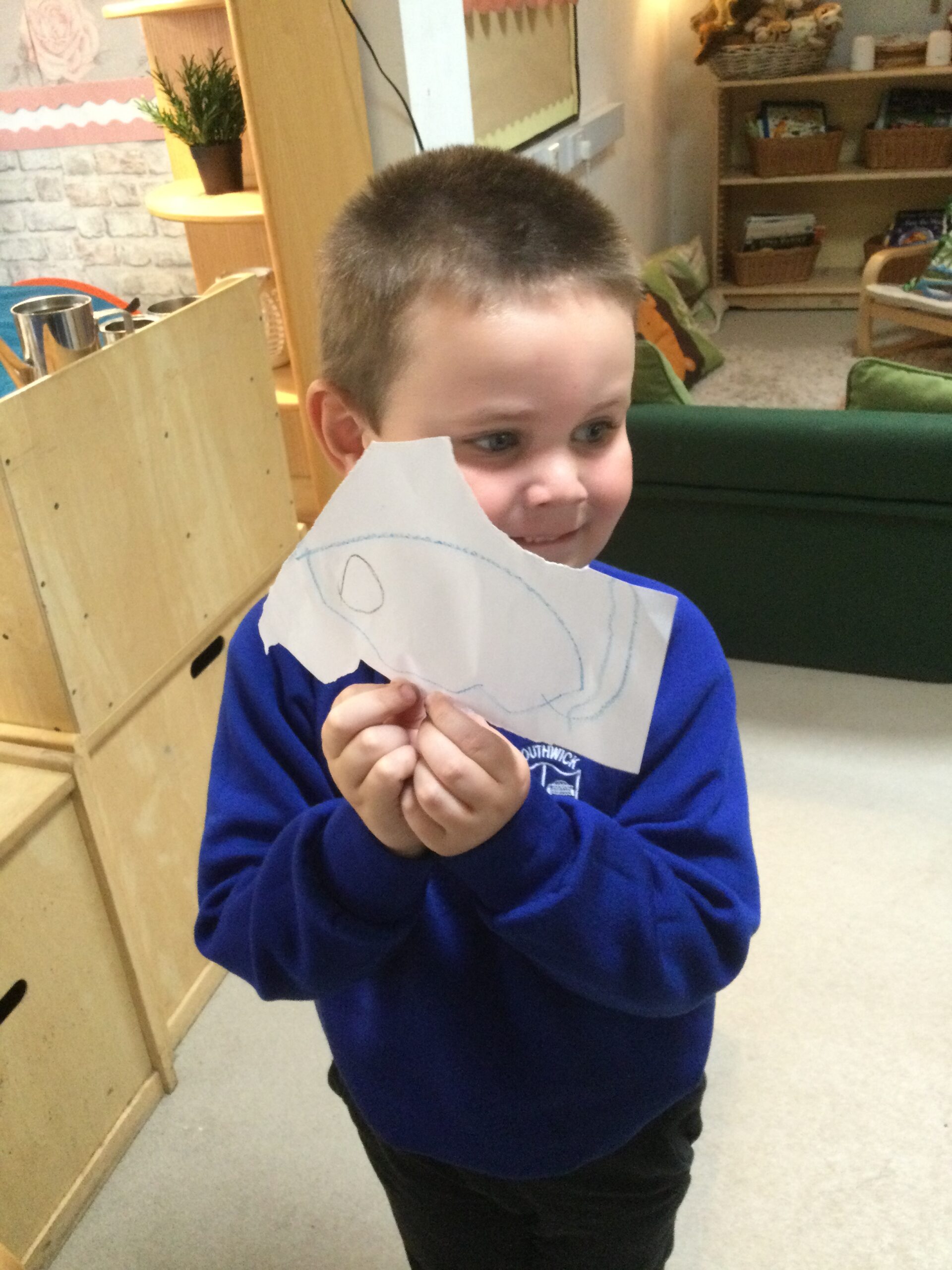
At the beginning of the week, the children created 3D artwork of a baleen whale to represent how it survives in the ocean. The children carefully designed and constructed their models, considering the whale’s shape, size and key features, and how these support its adaptation to life in its marine environment.
The children also explored the history of sea creatures by comparing real marine life with deep-sea myths. They examined the similarities and differences between the survival adaptations of humpback whales and mythical sea creatures, considering how stories from the past were influenced by observations of the ocean.
What did we learn?
This week, the children developed their understanding of survival in the ocean, focusing on how marine animals meet their needs for food, water, and shelter. The children made comparisons between human survival and whale survival, and made predictions about how whales are adapted to life in the ocean. They deepened their understanding of how real marine animals survive in their environment, and began to consider how stories and myths about sea creatures can reflect ideas about survival and adaptation.
Week 3 – The Rockpool
What did we wonder?
As we explored life in the rockpools, the children began thinking about the challenges animals face living in a habitat that is constantly changing.
Our enquiry question this week was:
How do you survive in a home that keeps changing from wet to dry?
The children asked:
• What happens to rockpools when the tide goes out?
• How do crabs survive when there is less water?
• Where do crabs find food?
• What makes a good shelter for a crab?
• How do crabs stay safe?
• What would happen if a crab did not have a shell?
Where did this take us?
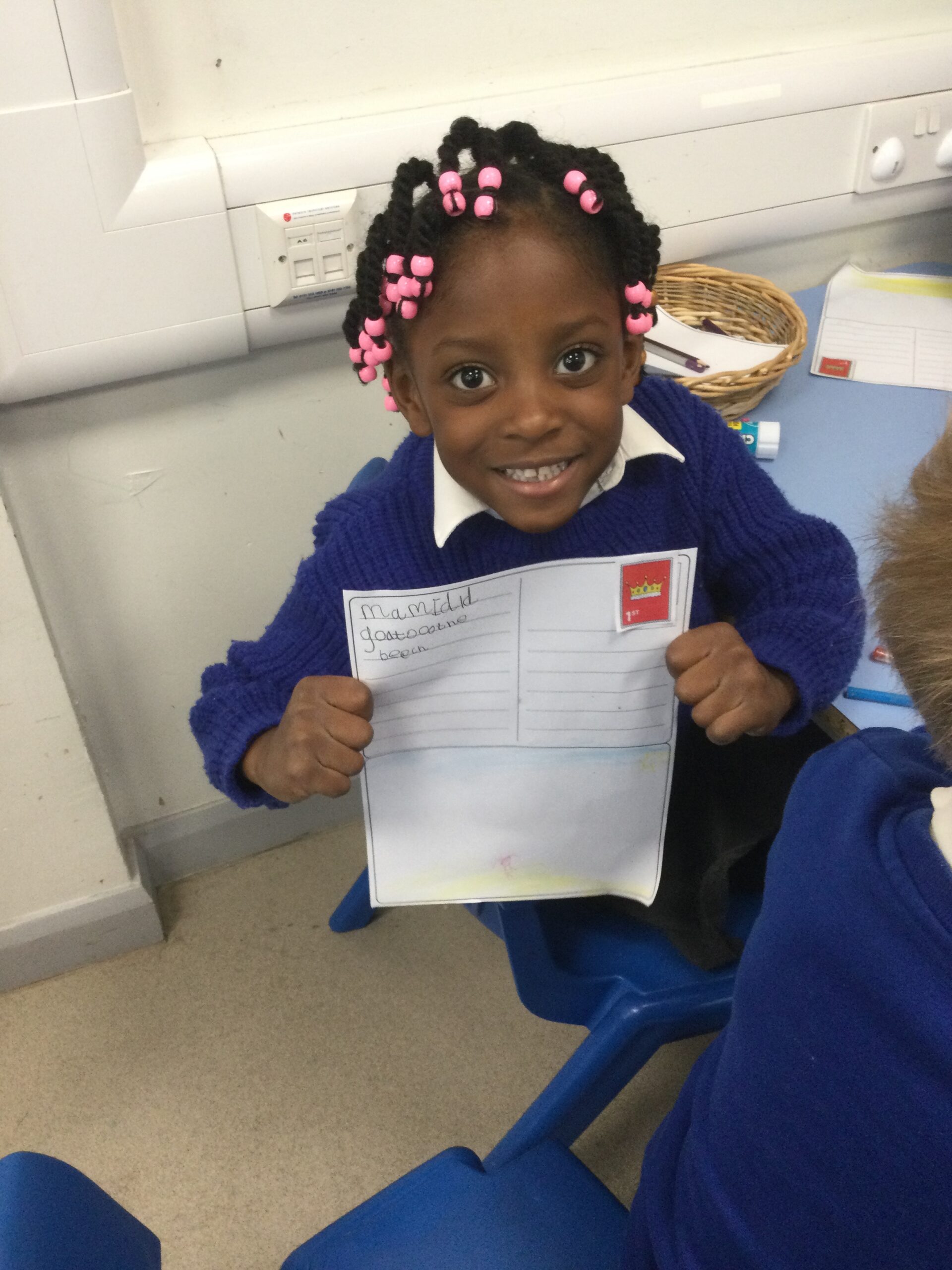
Our focus text this week was Sharing a Shell by Julia Donaldson. We began by exploring high and low tide and revisiting the three things all living things need to survive: food, water and shelter. The children considered how crabs meet these needs in a rockpool habitat and discussed the challenges of living in a place that changes from wet to dry throughout the day.
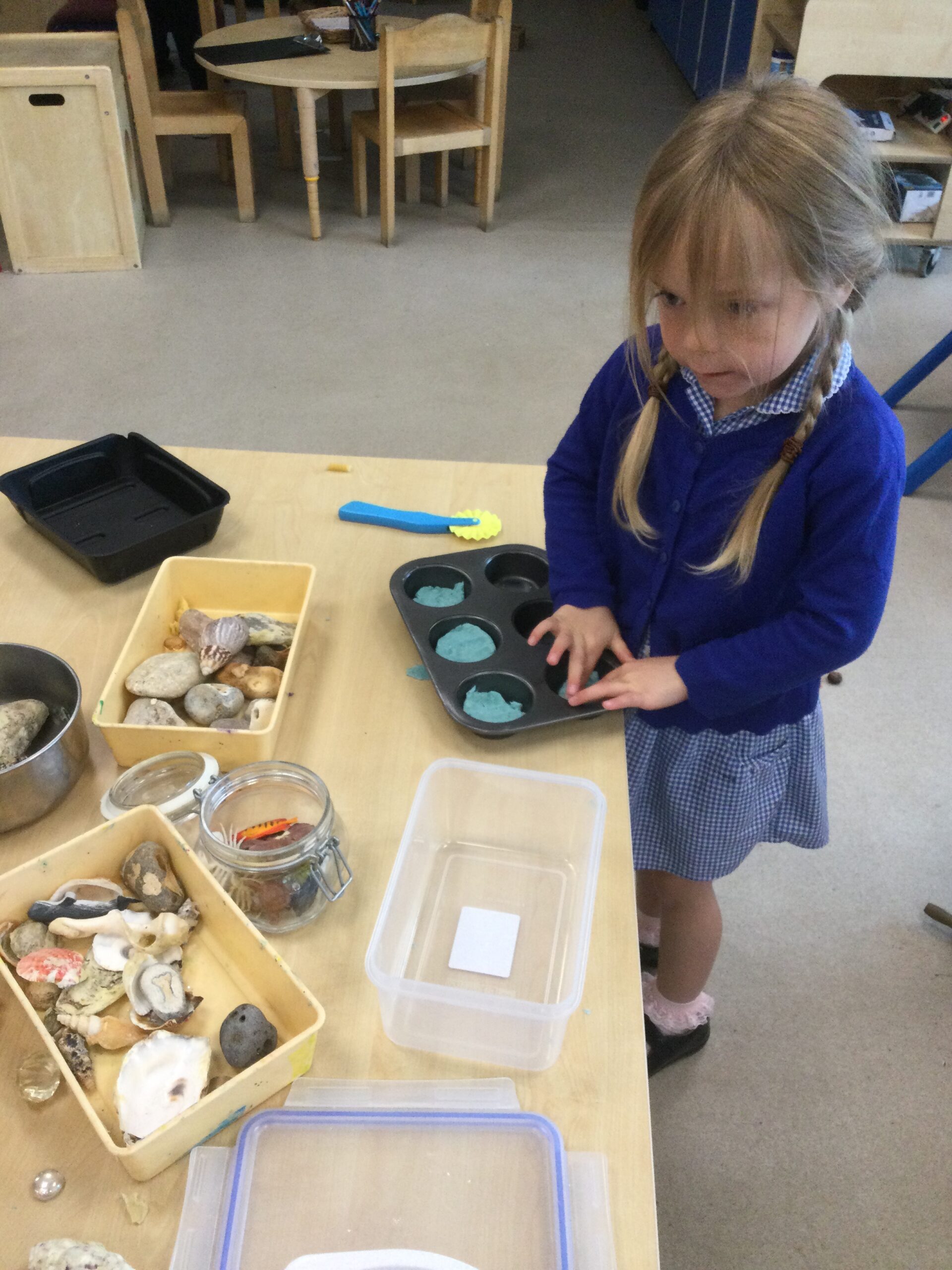
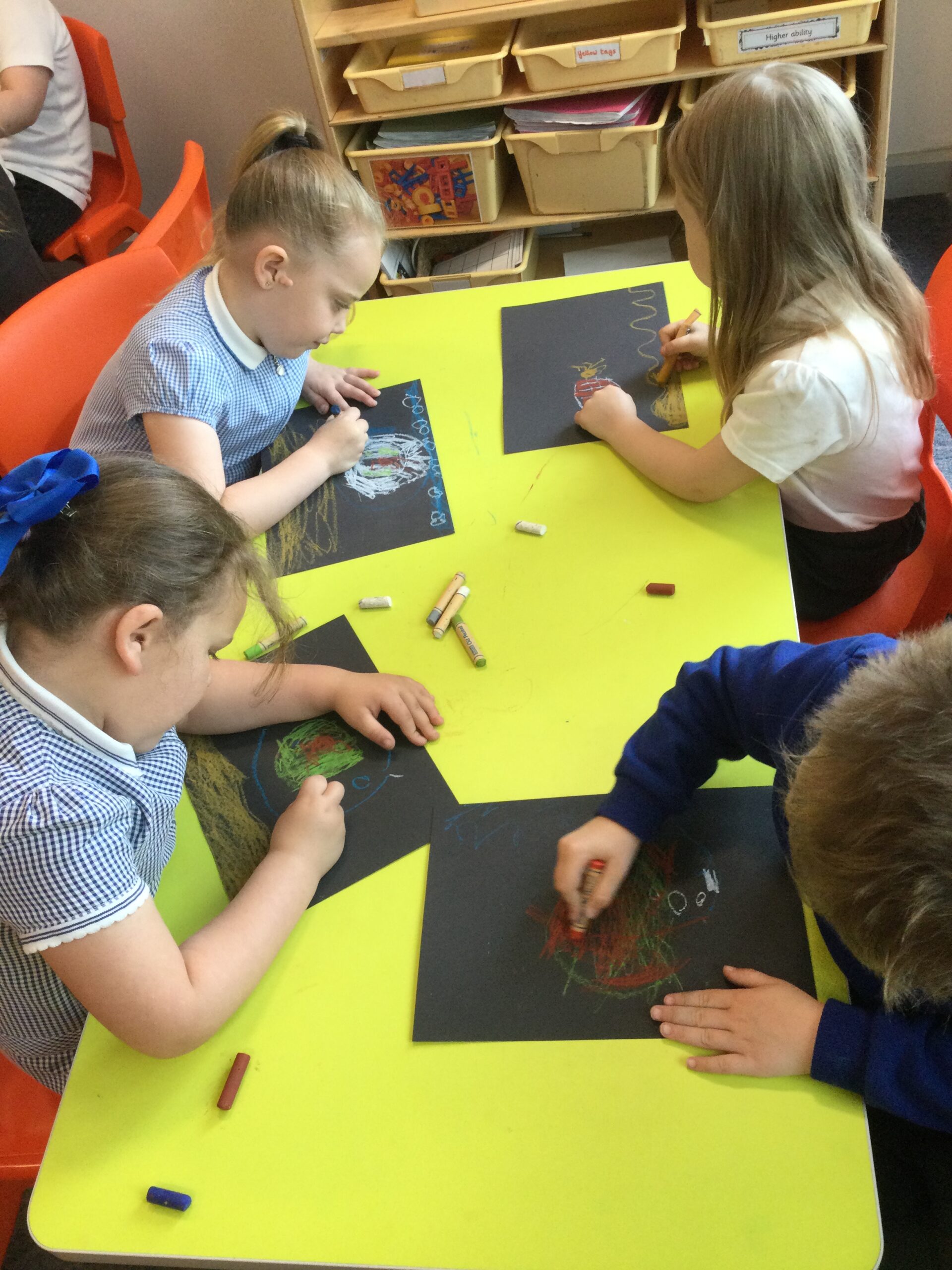
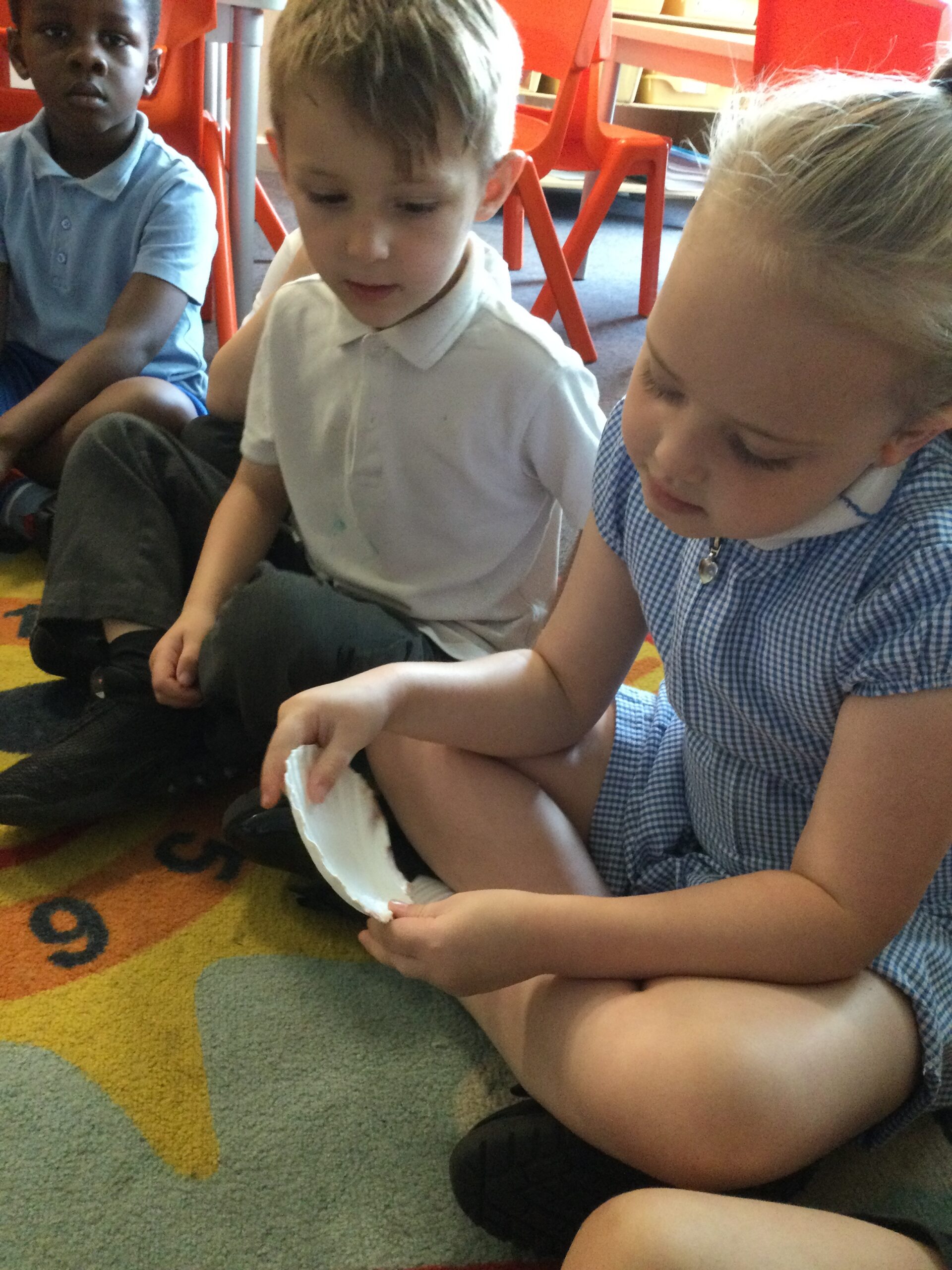
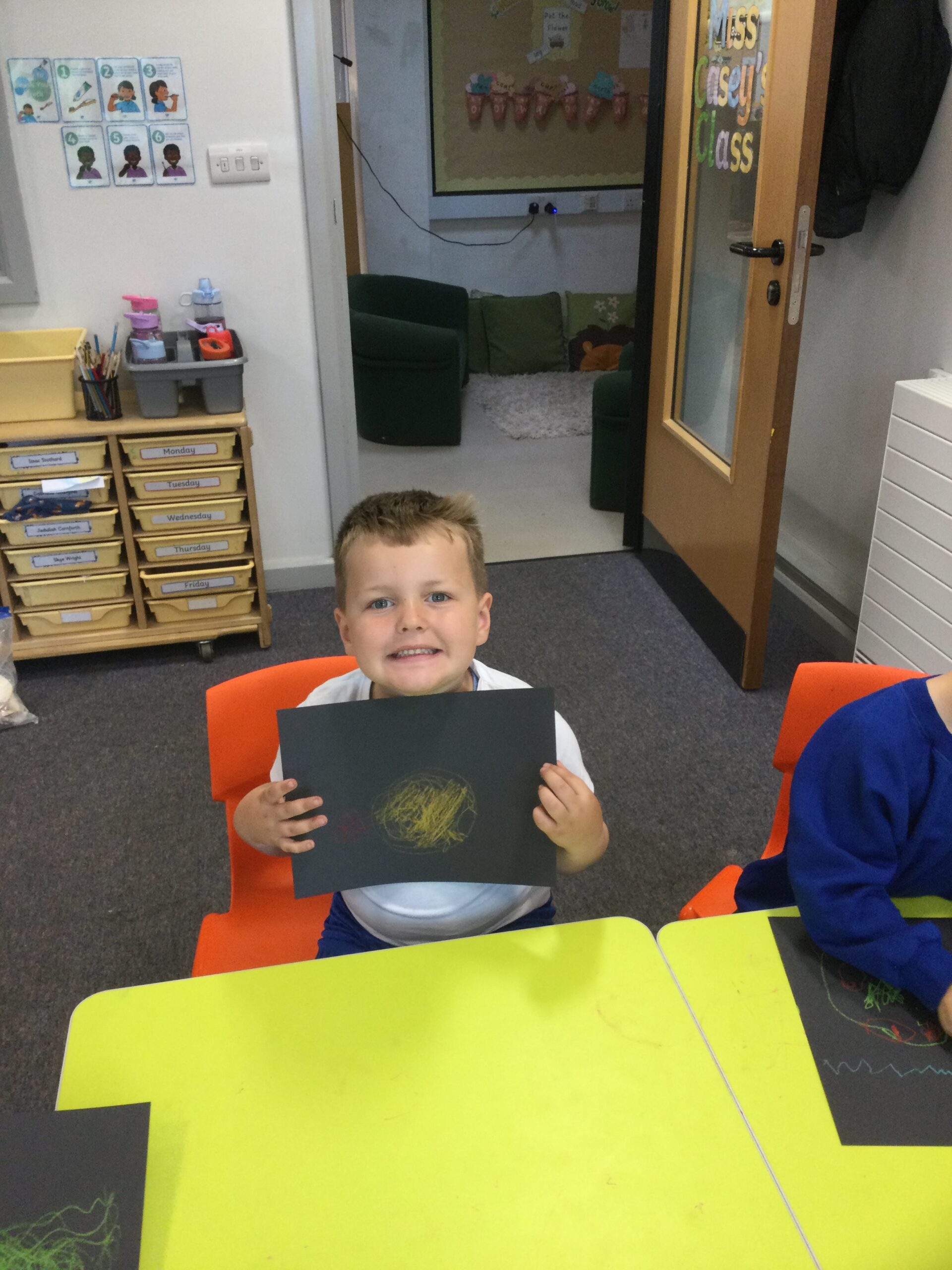
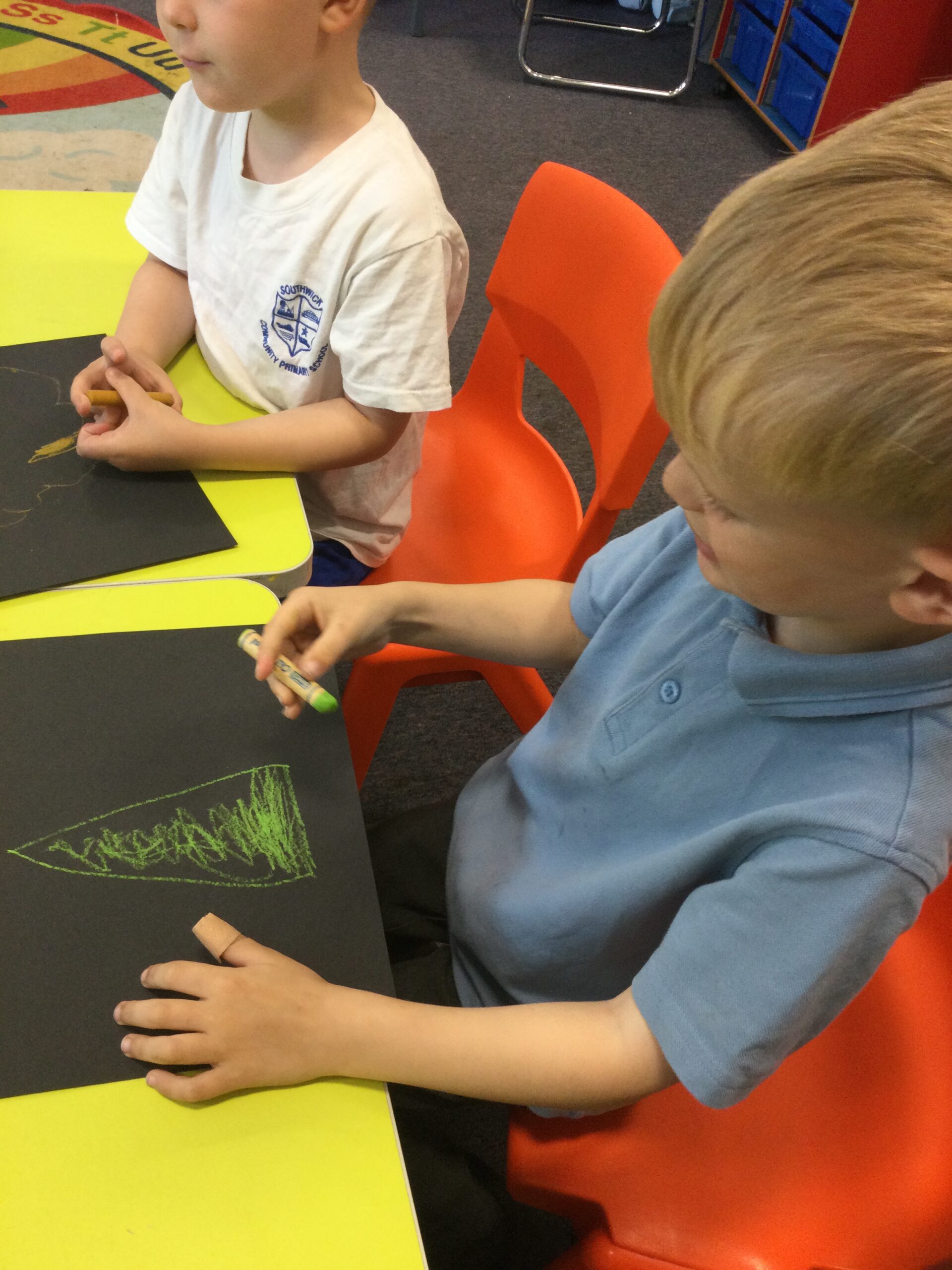
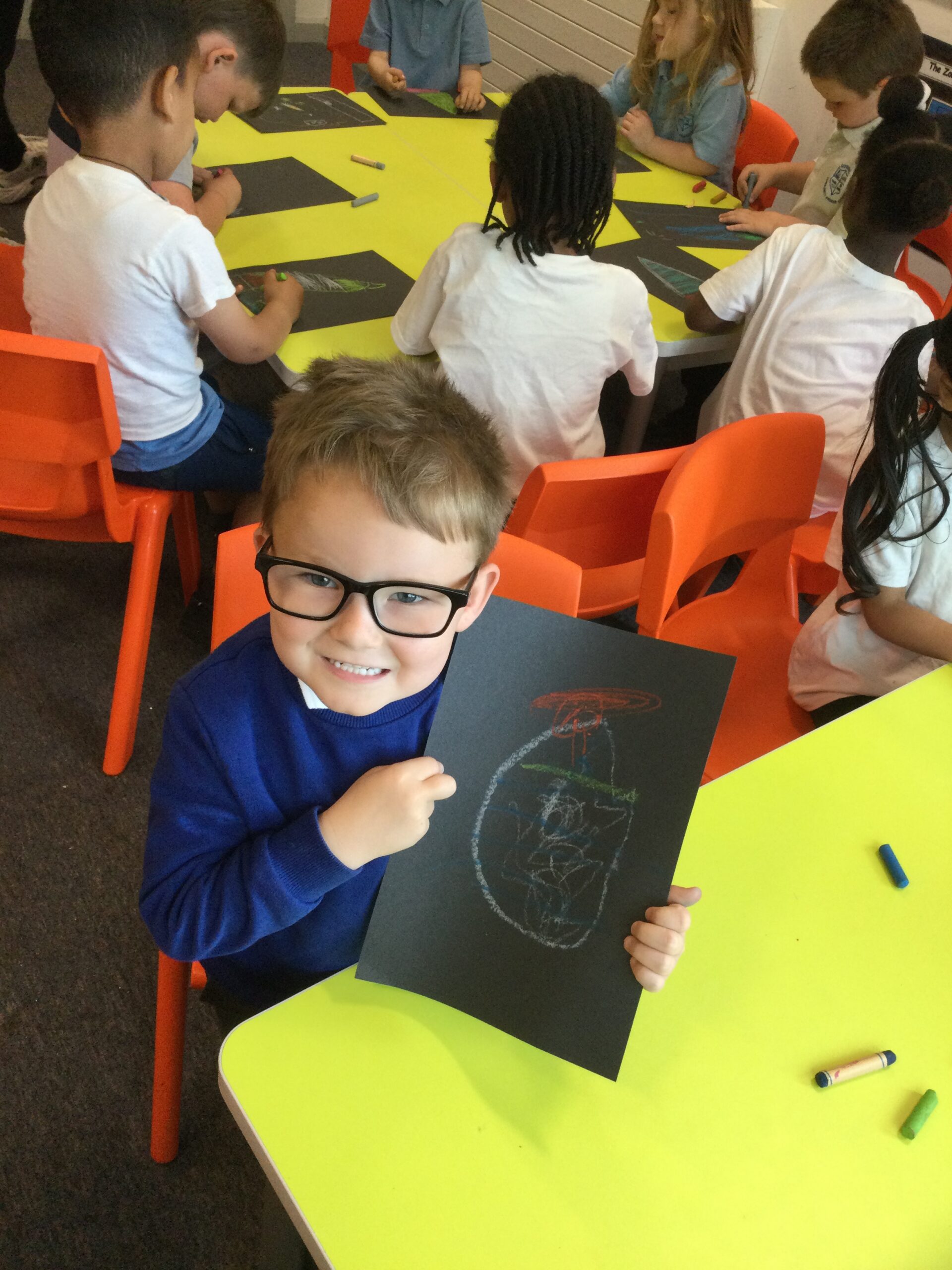
The children explored a variety of shells and discussed whether they would make suitable shelters for crabs, thinking about strength, safety and protection. The children then designed and created their own dream shells that were camouflaged, strong and safe. We also learned about crab food sources, including seaweed and washed-up scraps, before creating crab claw artwork using paint.
What did we learn?
The children learned that the shoreline is a challenging place for crabs to live because it is constantly changing with the tides. They developed their understanding that crabs need food, water and shelter to survive and explored how rockpools, shells and available food sources help them meet these needs. The children also learned that crabs must protect themselves from predators, and that strong, well-camouflaged shells can help keep them safe. Through their investigations and creative work, the children deepened their understanding of how animals adapt to survive in their habitats.
Week 4 – The Lighthouse and Coast
What did we wonder?
As we explored life at the lighthouse and along the coast this week, the children began thinking about what a human would need to survive in a stormy place surrounded by the salty sea.
They asked:
- What do people need to survive when they live by the sea?
- How do lighthouse keepers get their food and water?
- What happens if no one can bring food to the lighthouse?
Where Did This Take Us?
We began by reading The Lighthouse Keeper’s Lunch and discussing how Mr Grinling survives while living and working in a lighthouse surrounded by the sea. We explored the important things Mr Grinling needs to survive: strong shelter to protect him from storms, fresh water to drink, and food delivered safely to the lighthouse.
The children sorted different objects into three survival categories: water, food and shelter, helping them understand the basic things people need to stay alive. We discussed how rainwater could be collected and why a lighthouse needs to be strong enough to withstand powerful coastal winds and crashing waves.
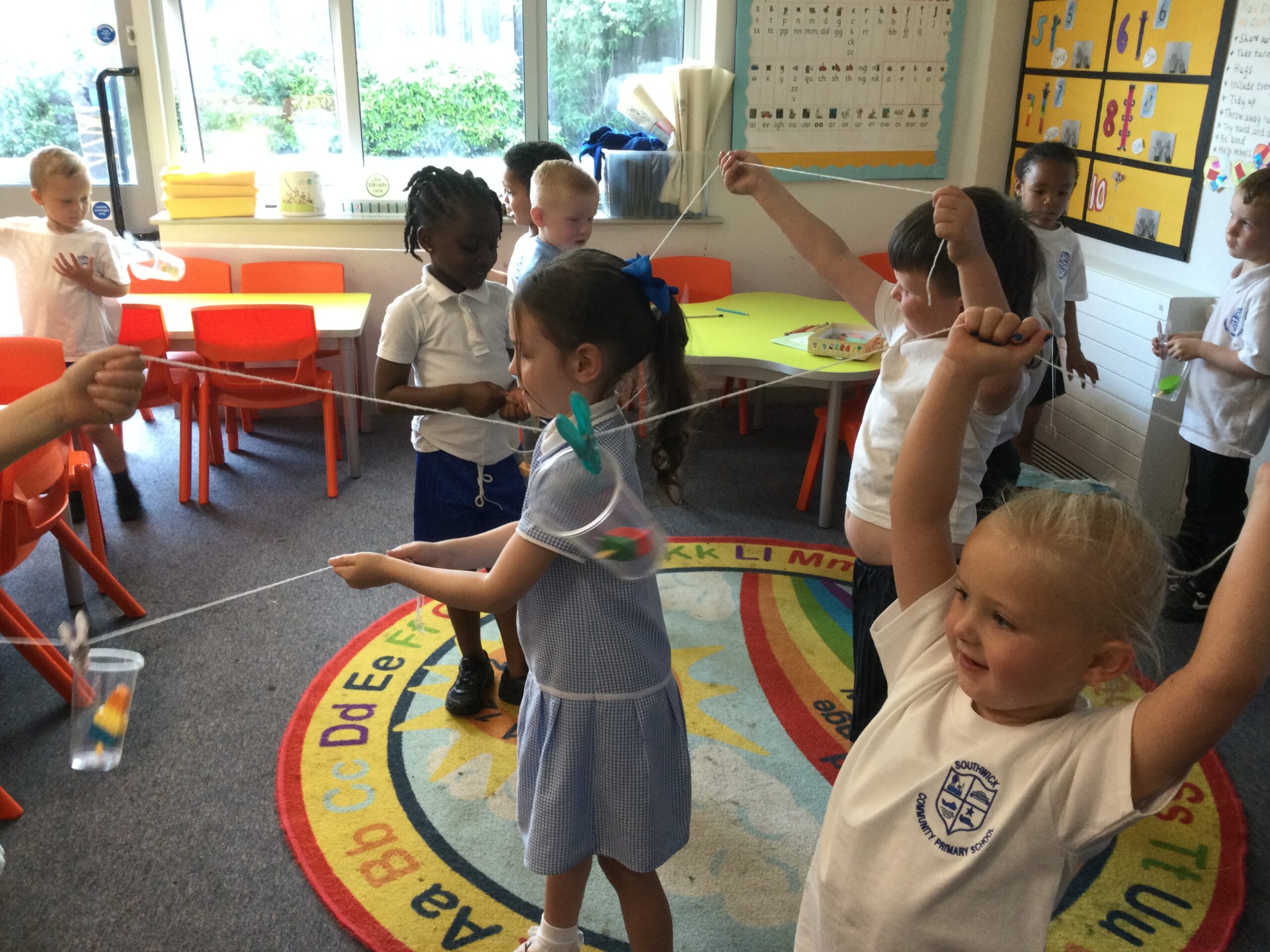
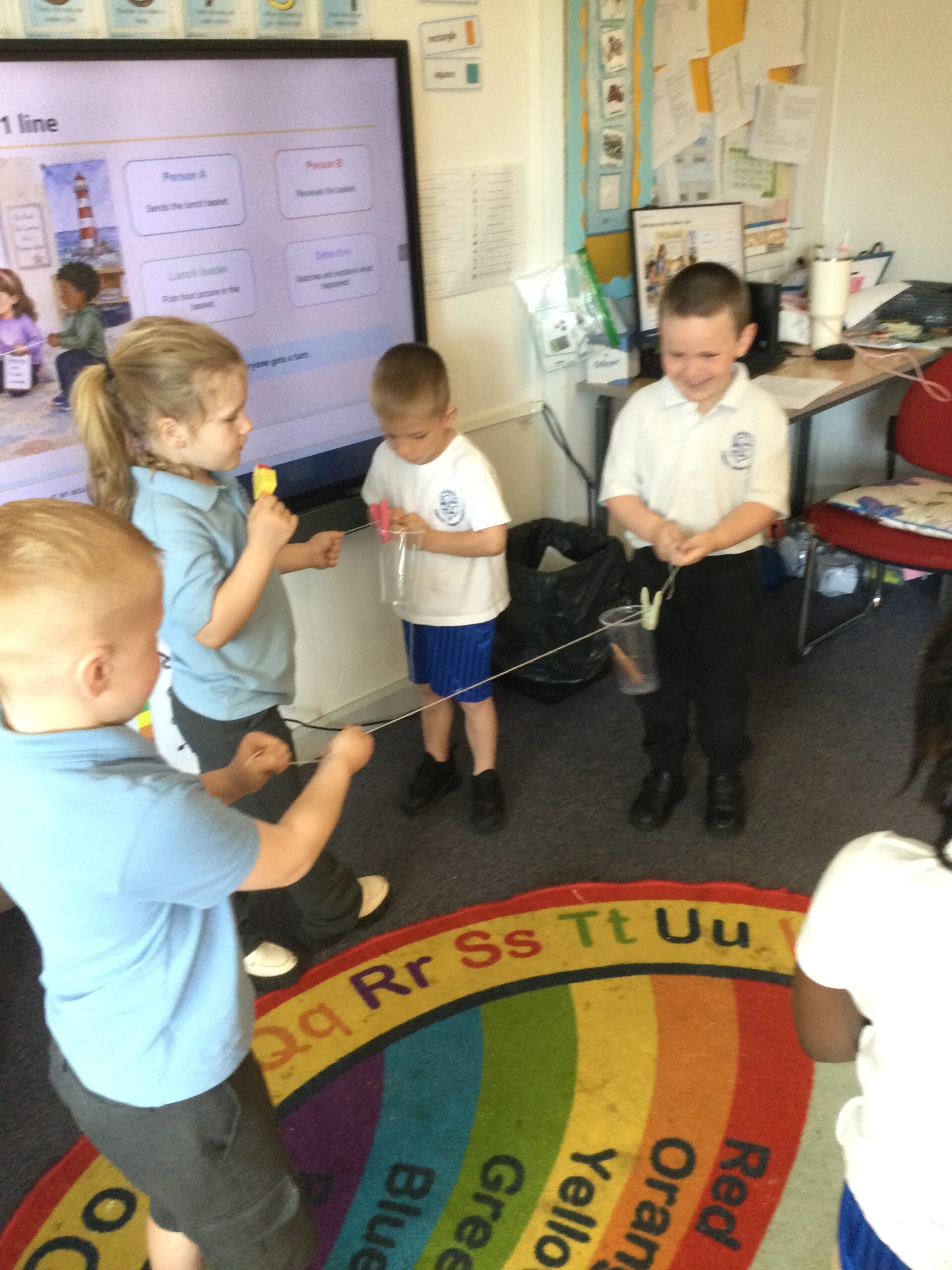
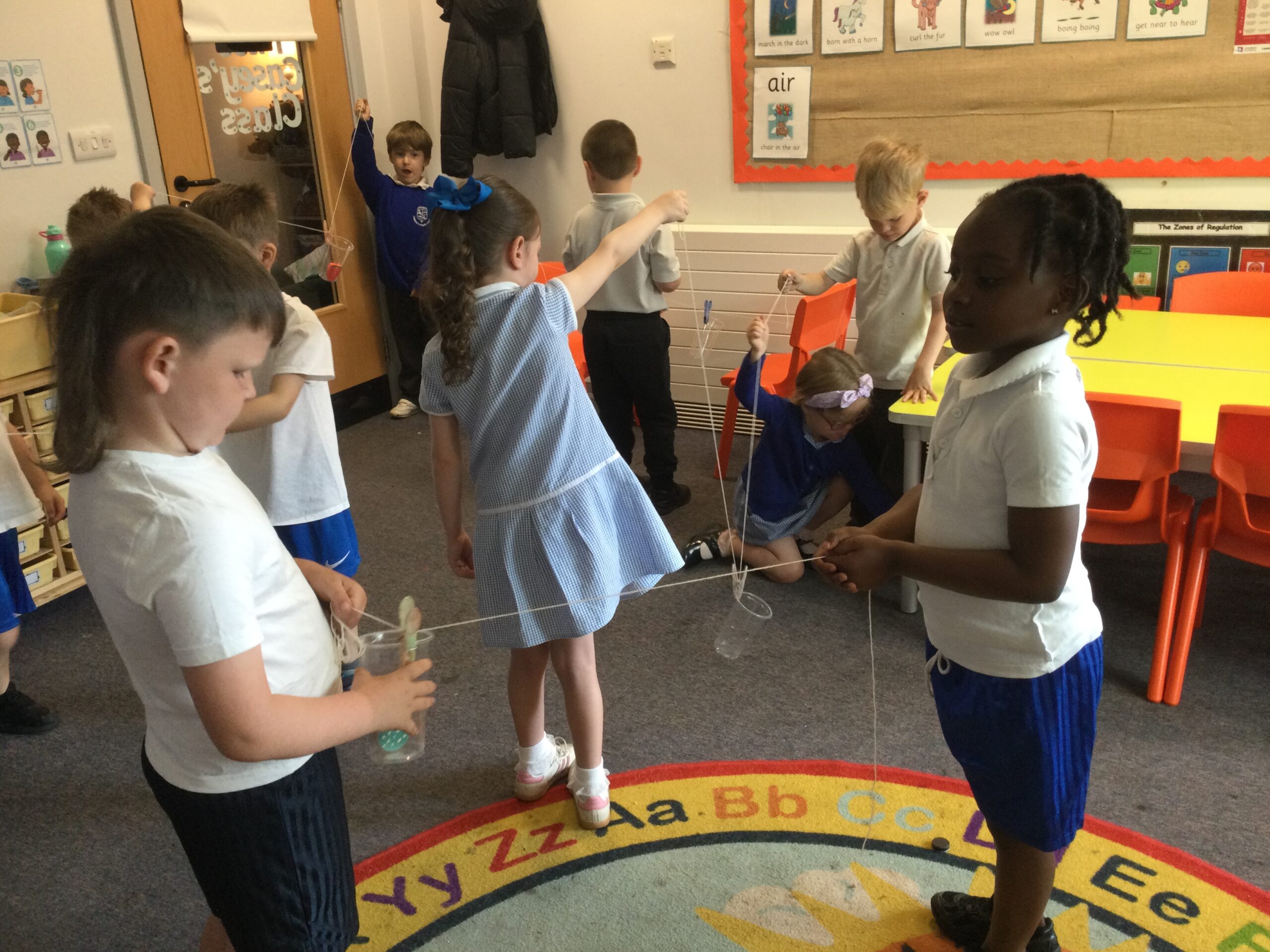
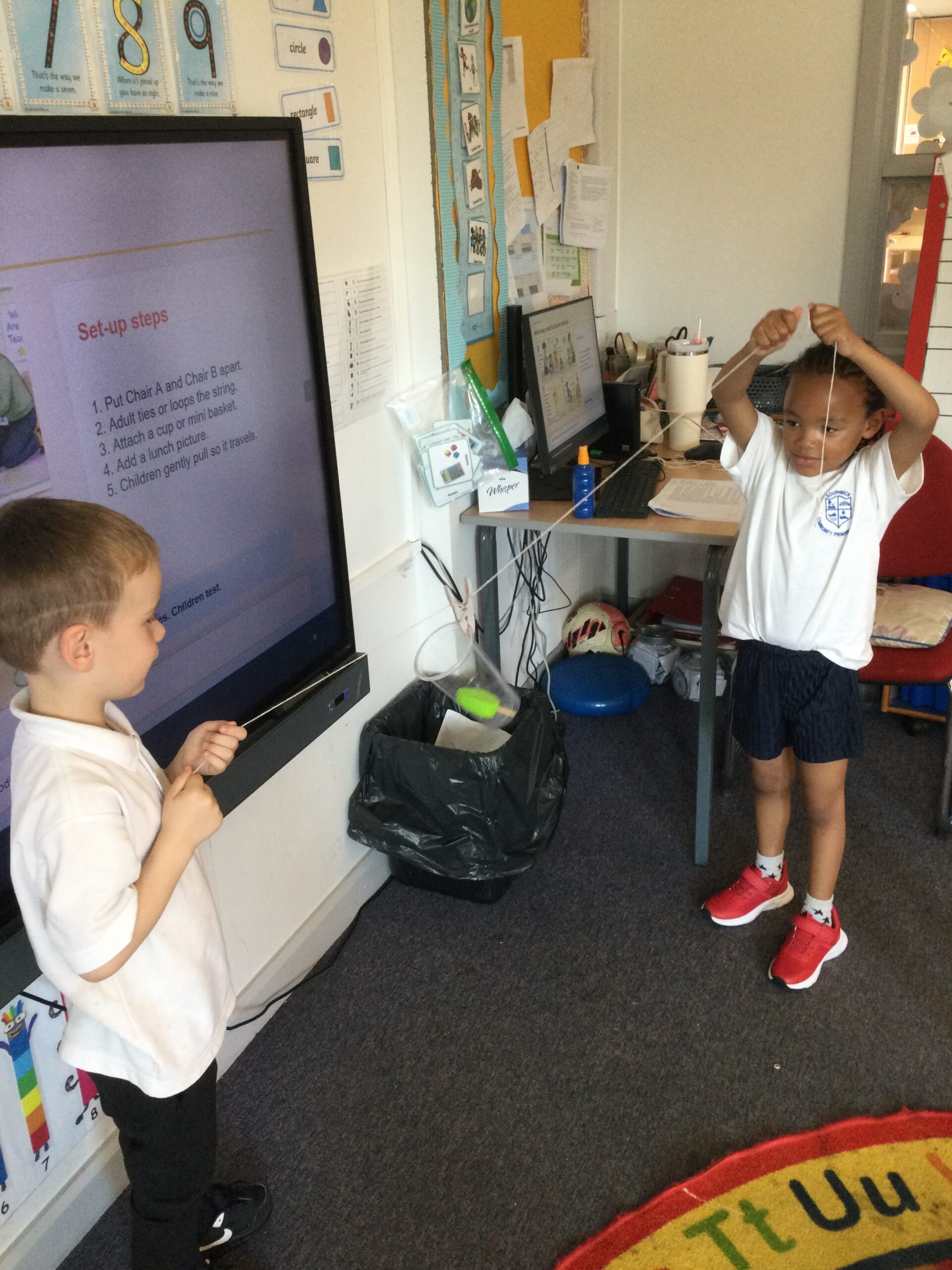
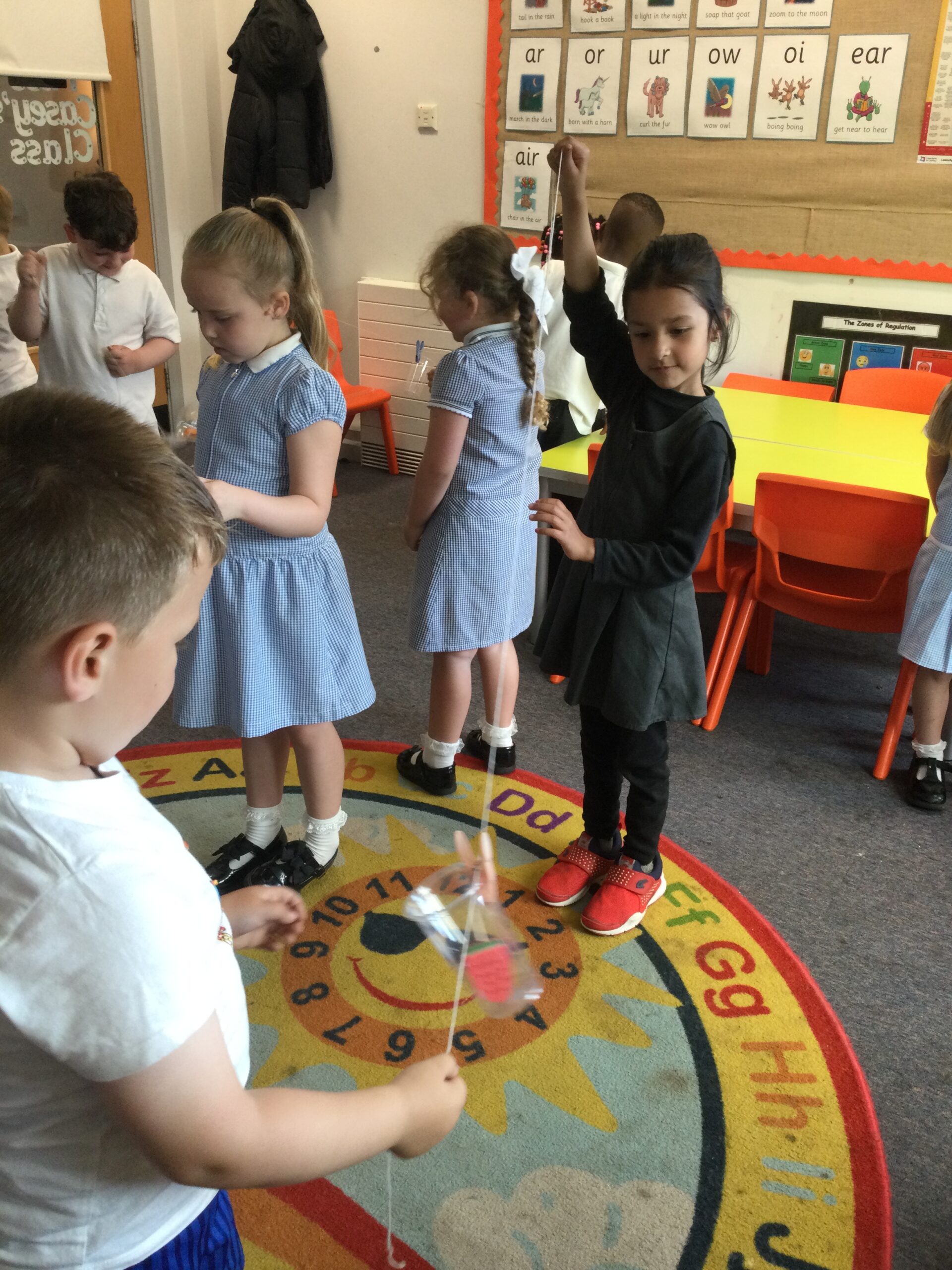
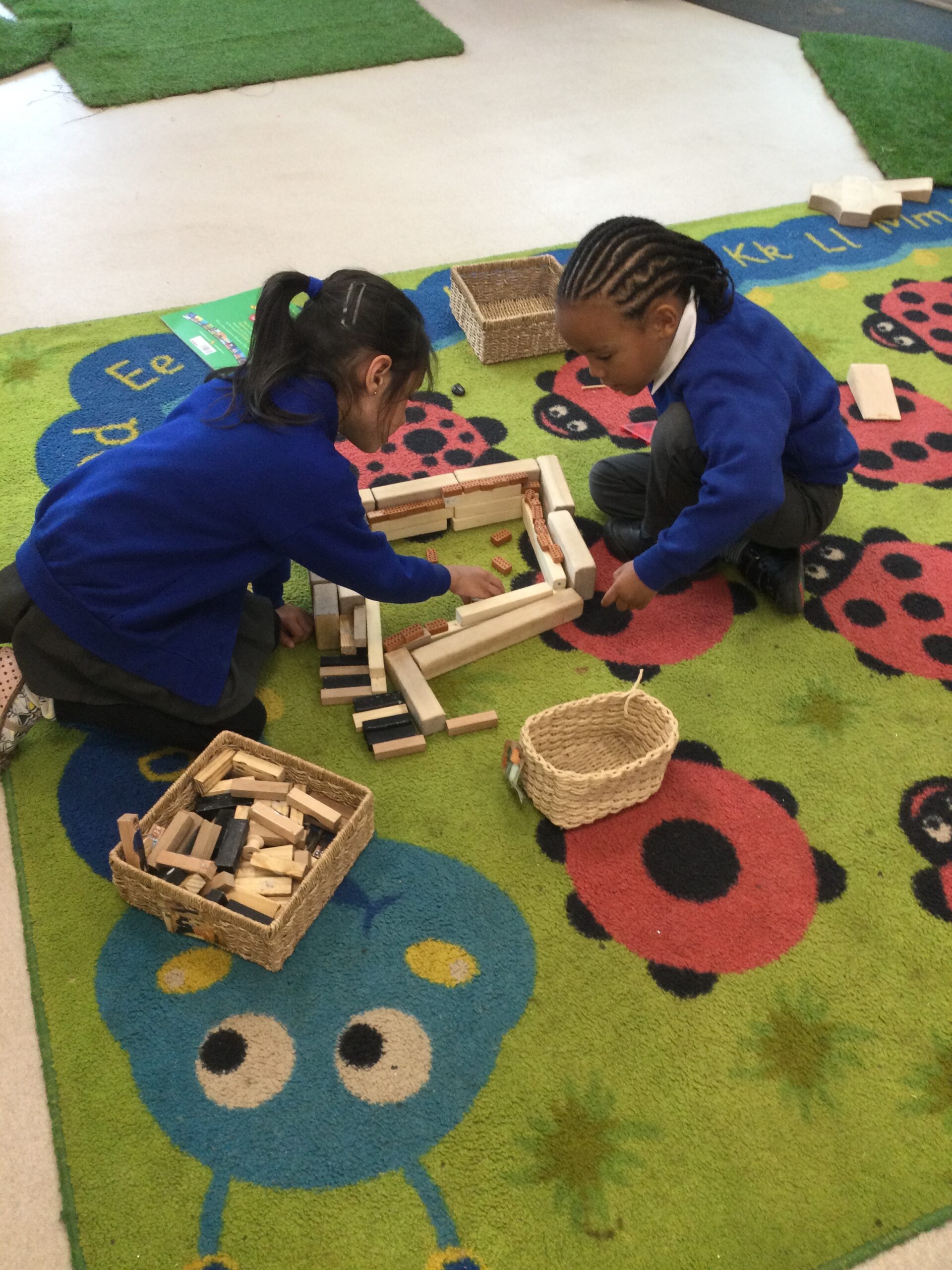
The children worked in pairs to investigate how a pulley system helps deliver Mr Grinling’s lunch across the sea. Using positional language such as next to, away from and on top of, they successfully moved baskets between the ‘cliff’ and the ‘lighthouse’, discovering how teamwork and simple machines can help people survive and work in challenging coastal environments.
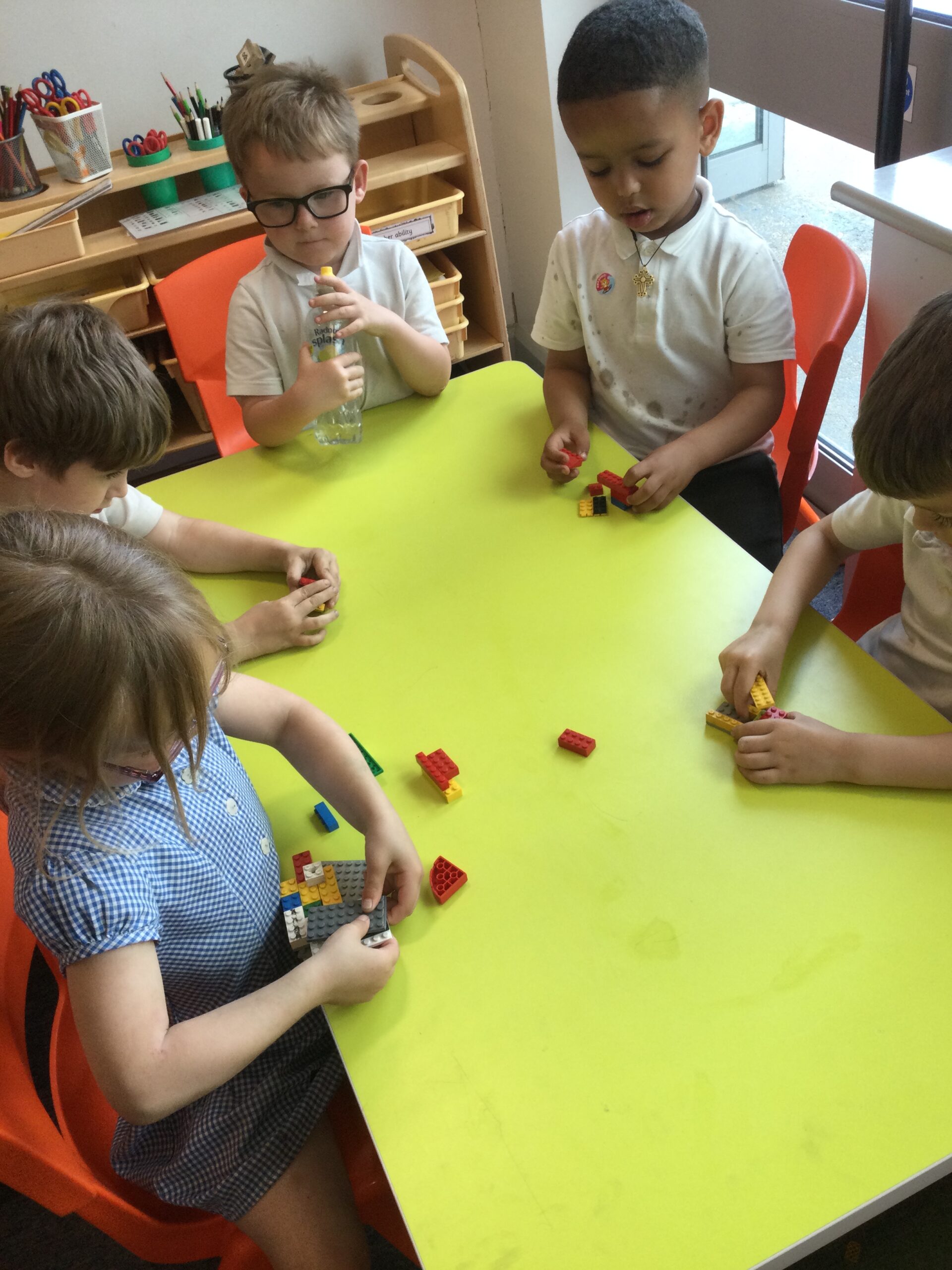
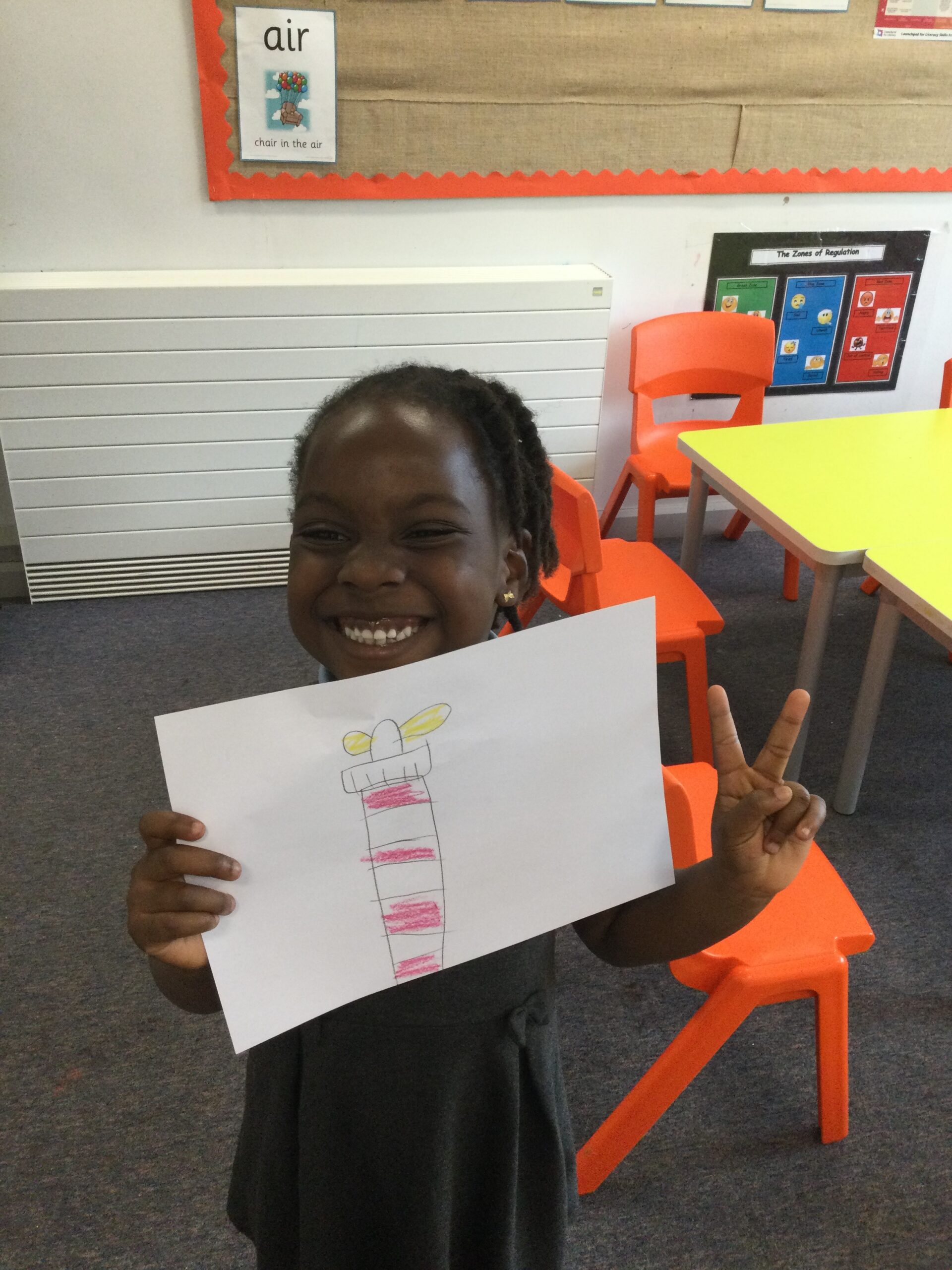
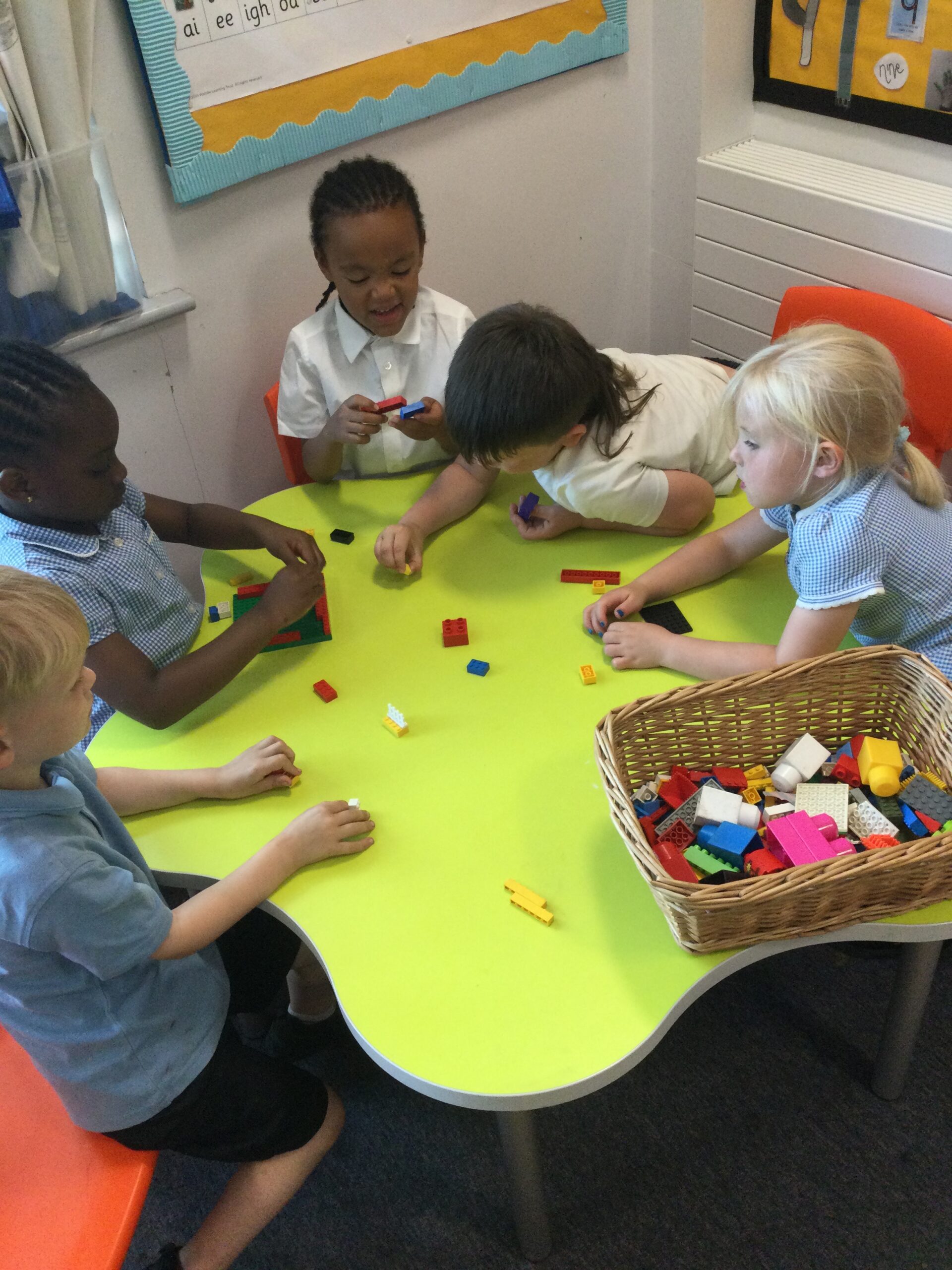
The children also explored the design of a lighthouse, learning why it is built tall so the light can be seen from far away and why it often has bright colours or patterns to help sailors identify it during the day. They also found out that lighthouses are often built in a circular shape to help them stand strong against strong winds and crashing waves from the sea. They discussed how the powerful light and rotating beam help guide ships safely and warn them of dangers. Working together as a team, the children shared ideas, planned their designs and built their own model lighthouses.
What did we learn?
This week, the children developed their understanding of how people survive in stormy places by learning about the lives of lighthouse keepers. They talked about the things that all people need to survive, including shelter, fresh water and food, and discovered how lighthouse keepers found these things while living beside the sea. The children explored what it might have been like to live in a lighthouse, thinking about the strong winds, big waves and being far away from other people. They learned that lighthouse keepers needed to keep enough food and water stored and could collect rainwater to drink. Through stories, discussions and play, the children began to understand how people can adapt to different places and find ways to stay safe and survive in challenging environments.