This half term, our learning was shaped by a simple but powerful question: How do things change?
As always, we followed the children’s interests, questions and discoveries. Each week, new wonders emerged and took our enquiry in unexpected directions. Through stories, conversations, investigations and real-life experiences, the children became researchers, scientists and explorers, noticing change all around them.
“What do you think changes?”
When we first introduced our new enquiry, How Do Things Change?, we began by asking the children what they thought “change” meant. At first, many found this quite a tricky idea to explain, but as they talked and shared experiences, they began to make connections to things they already knew.
Some of the children’s ideas included:
- “I used to be a baby.”
- “Flowers grow.”
- “The weather changes.”
- “Leaves fall off trees.”
- “My baby brother is getting bigger.”
- “Caterpillars turn into butterflies.”
- “My shoes don’t fit me anymore.”
- “Daytime changes to night-time.”
As the children shared their thoughts, they began to realise that change happens all around us. Together, we wondered:
- How do plants change?
- How do animals change?
- How do people change?
- Does everything change?
- How long does change take?
Week 1: How do living things grow and change?
What did we wonder?
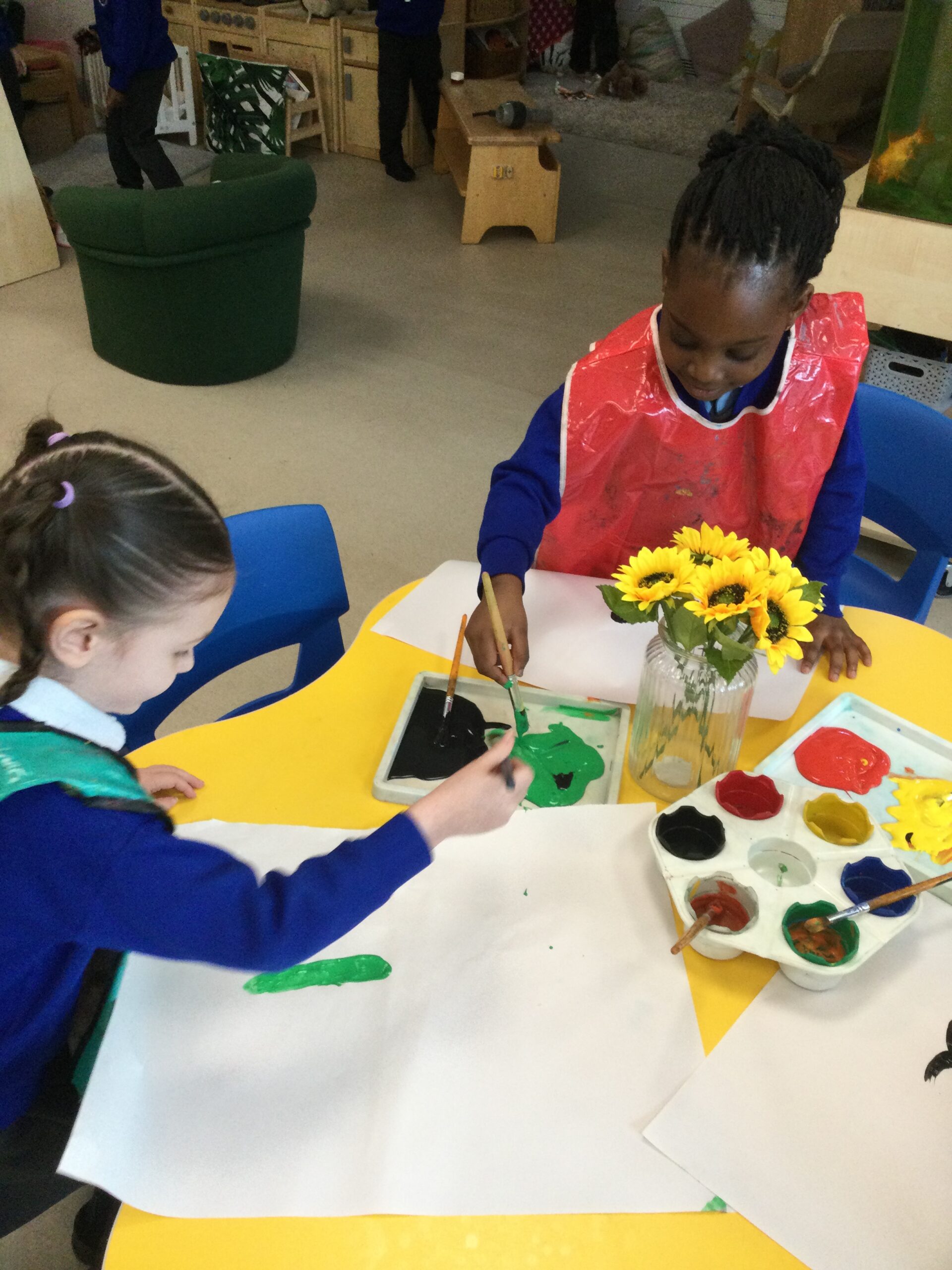
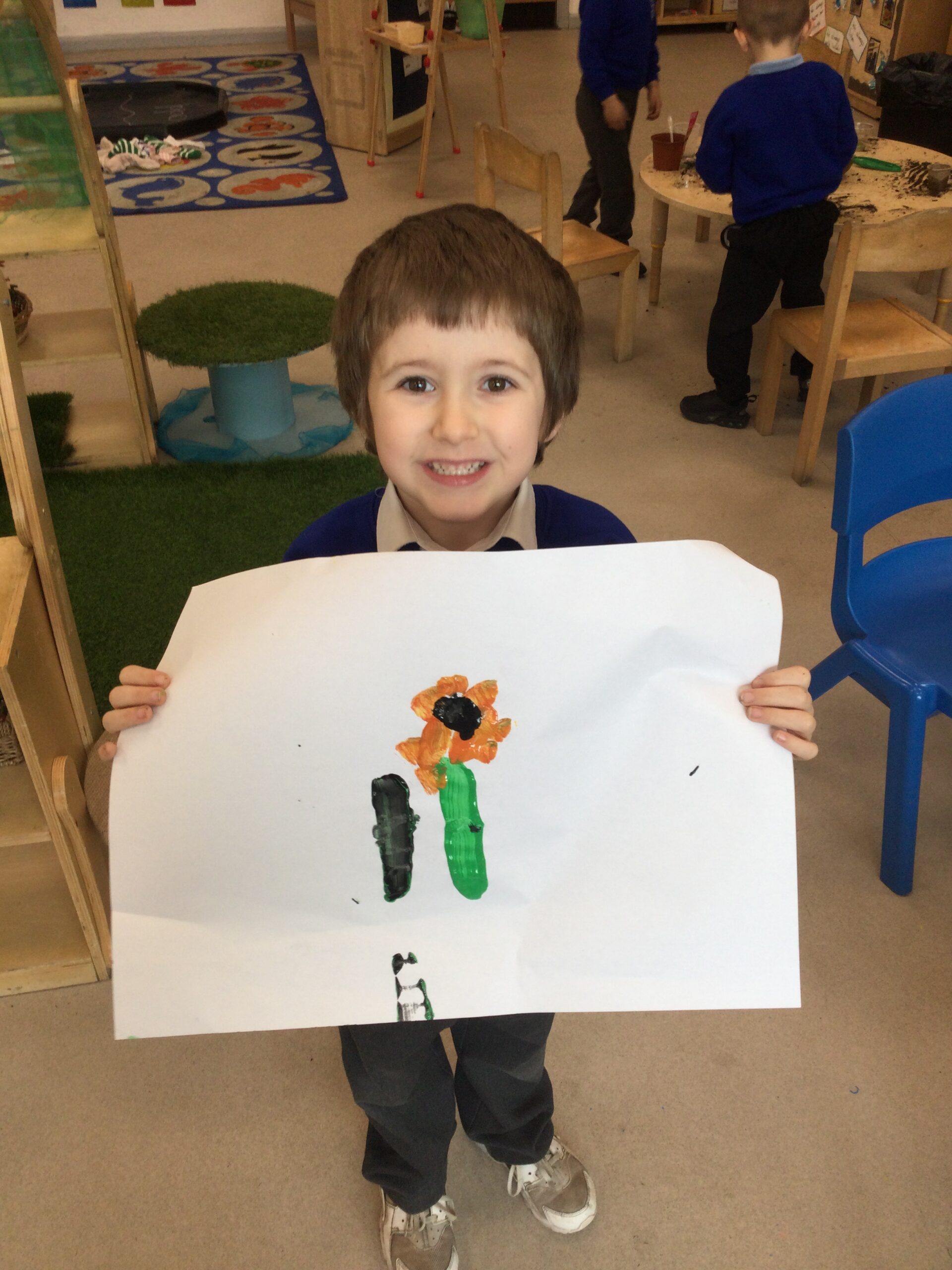
After reading The Tiny Seed, the children became fascinated by how something so small could grow into a plant.
They asked:
- How does a seed grow?
- Does a seed need water?
- Can plants grow in the dark?
- Why are flowers starting to appear outside?
Where did this take us?
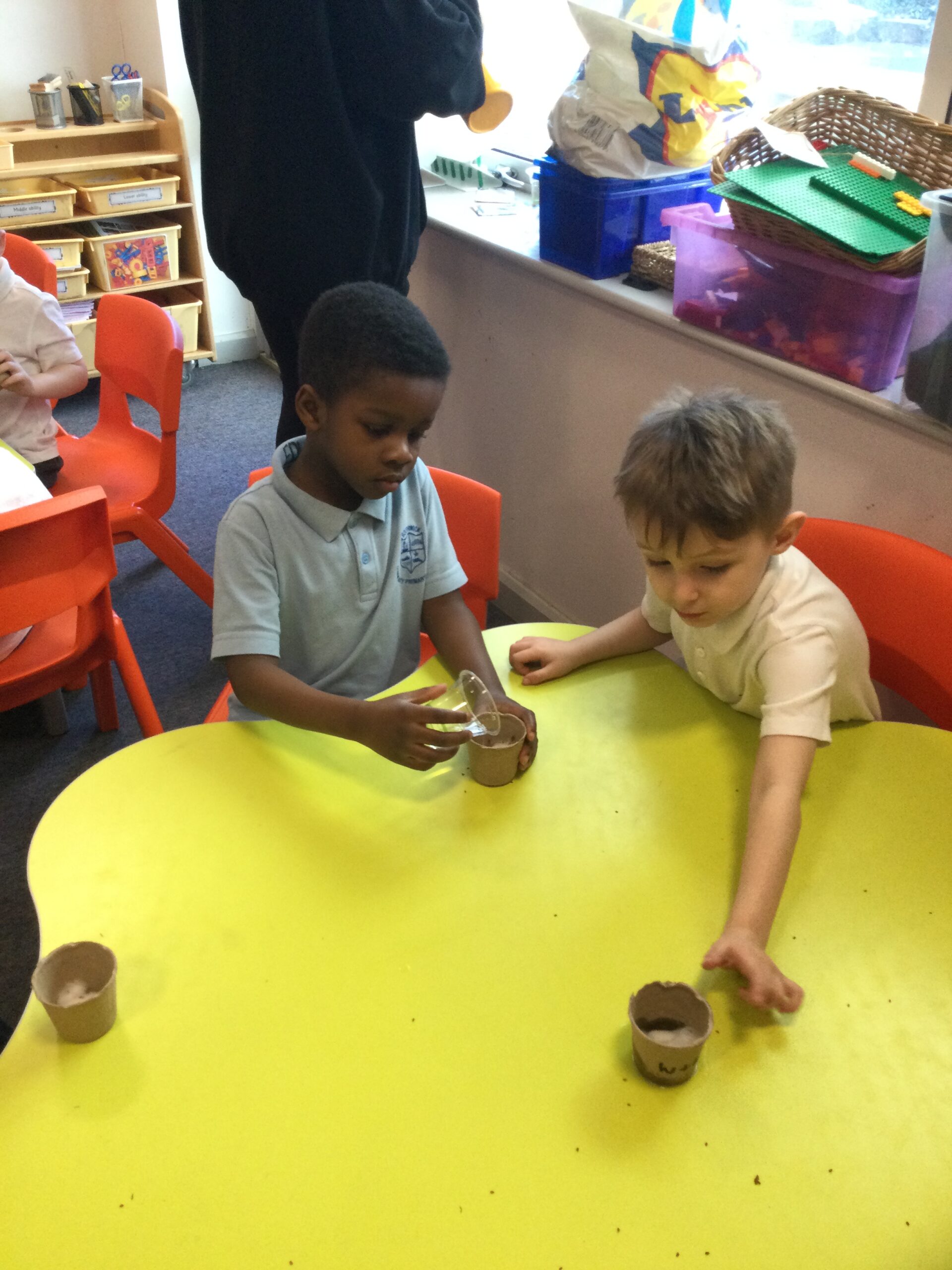
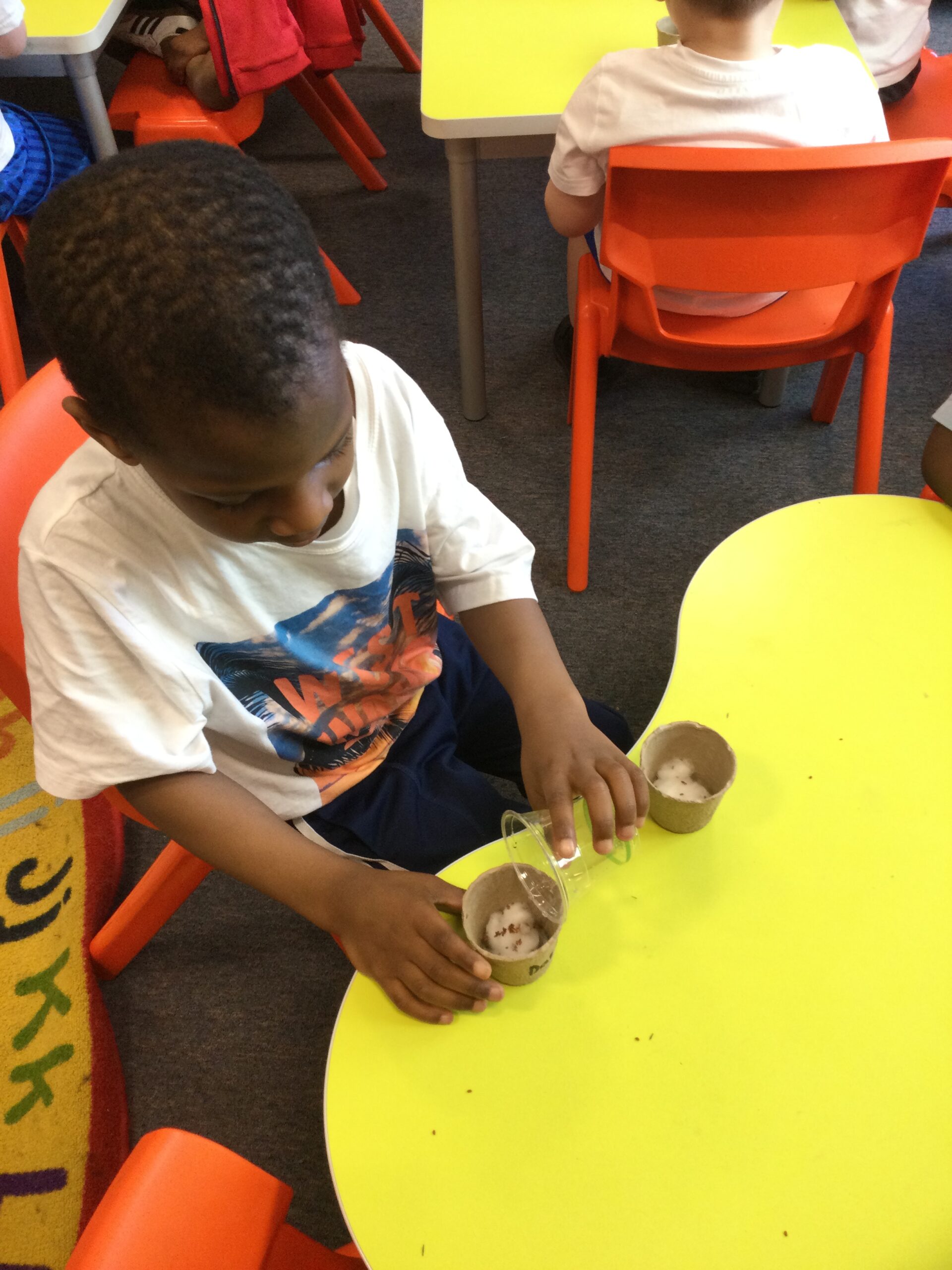
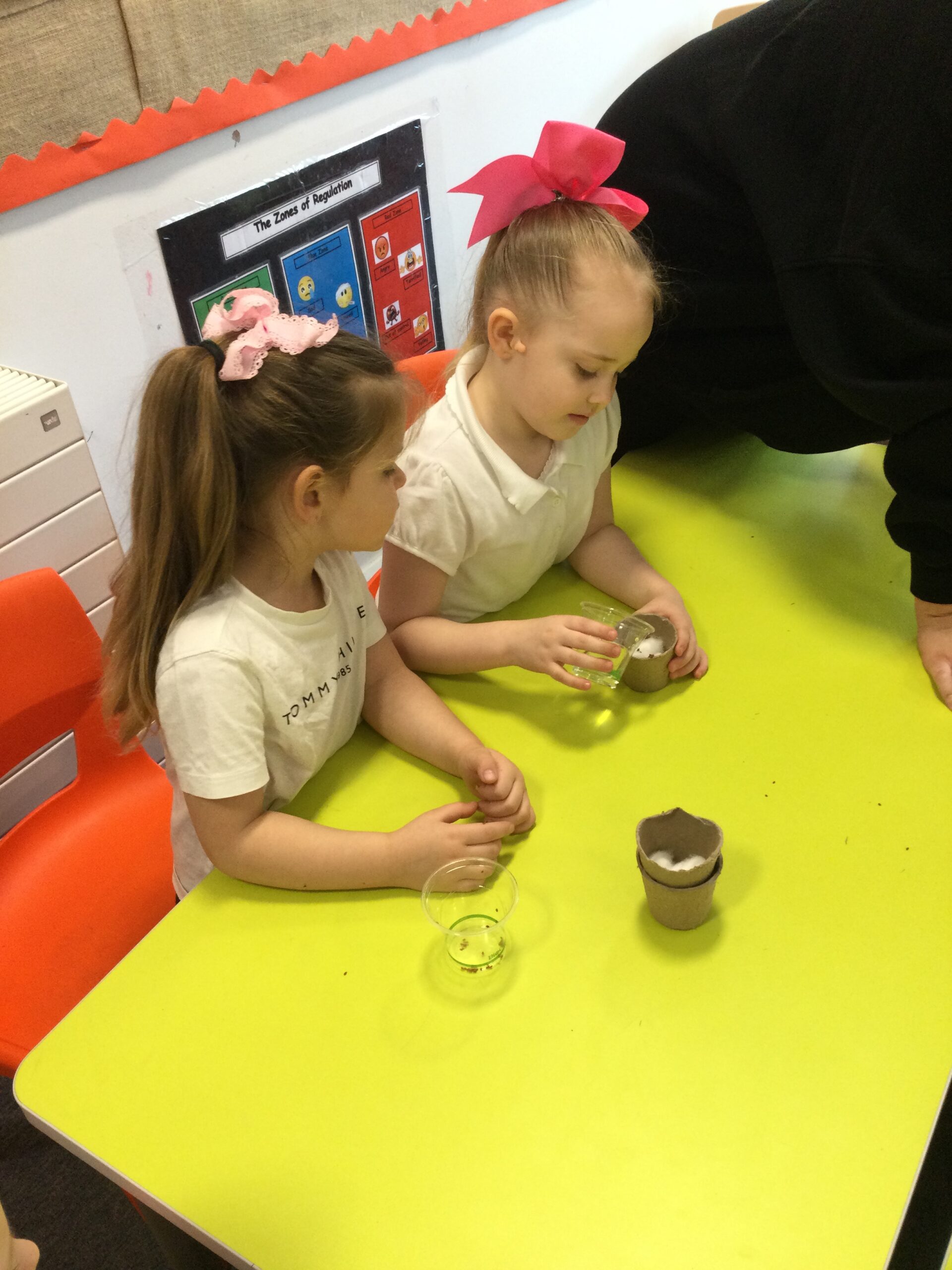
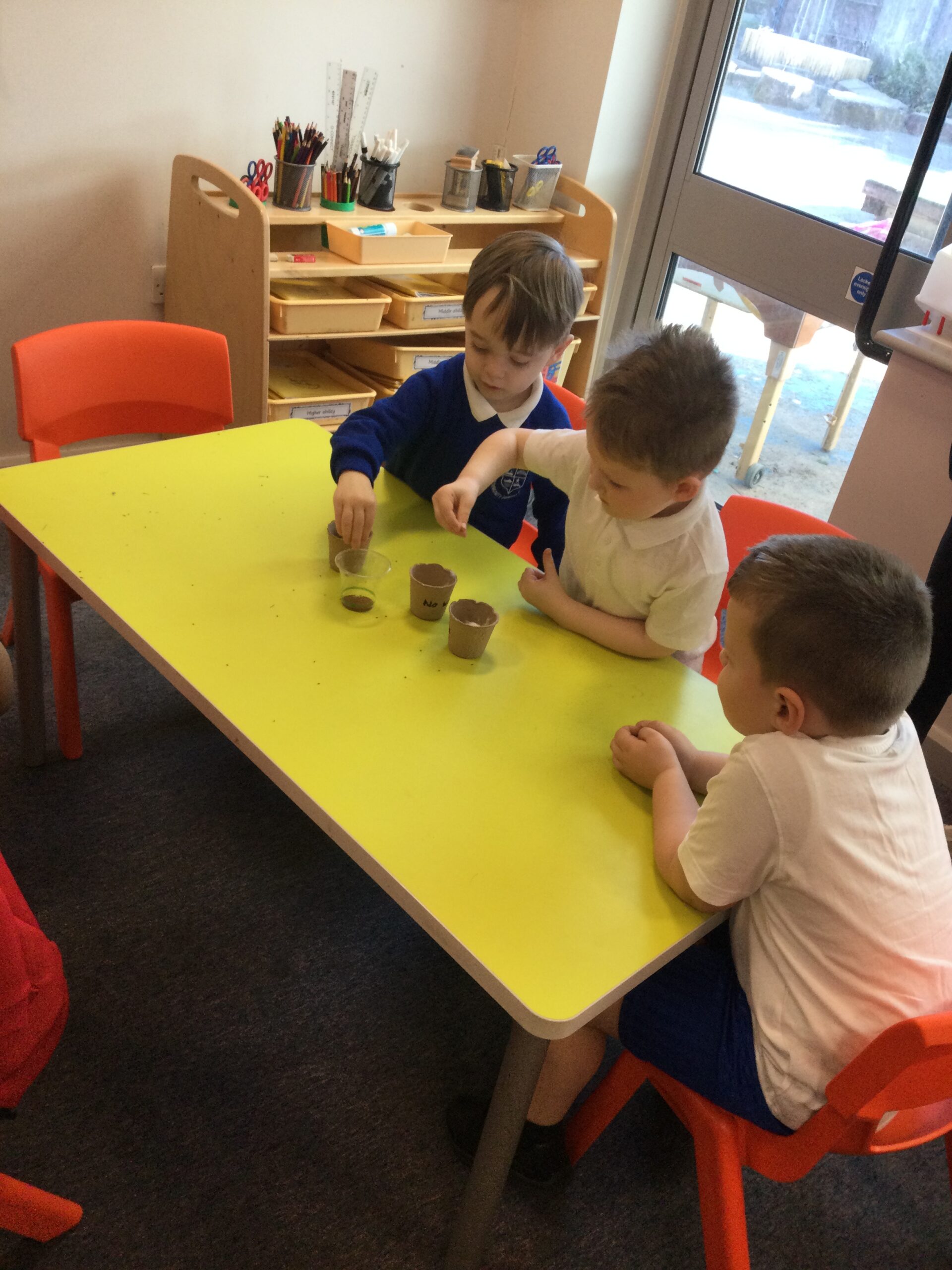
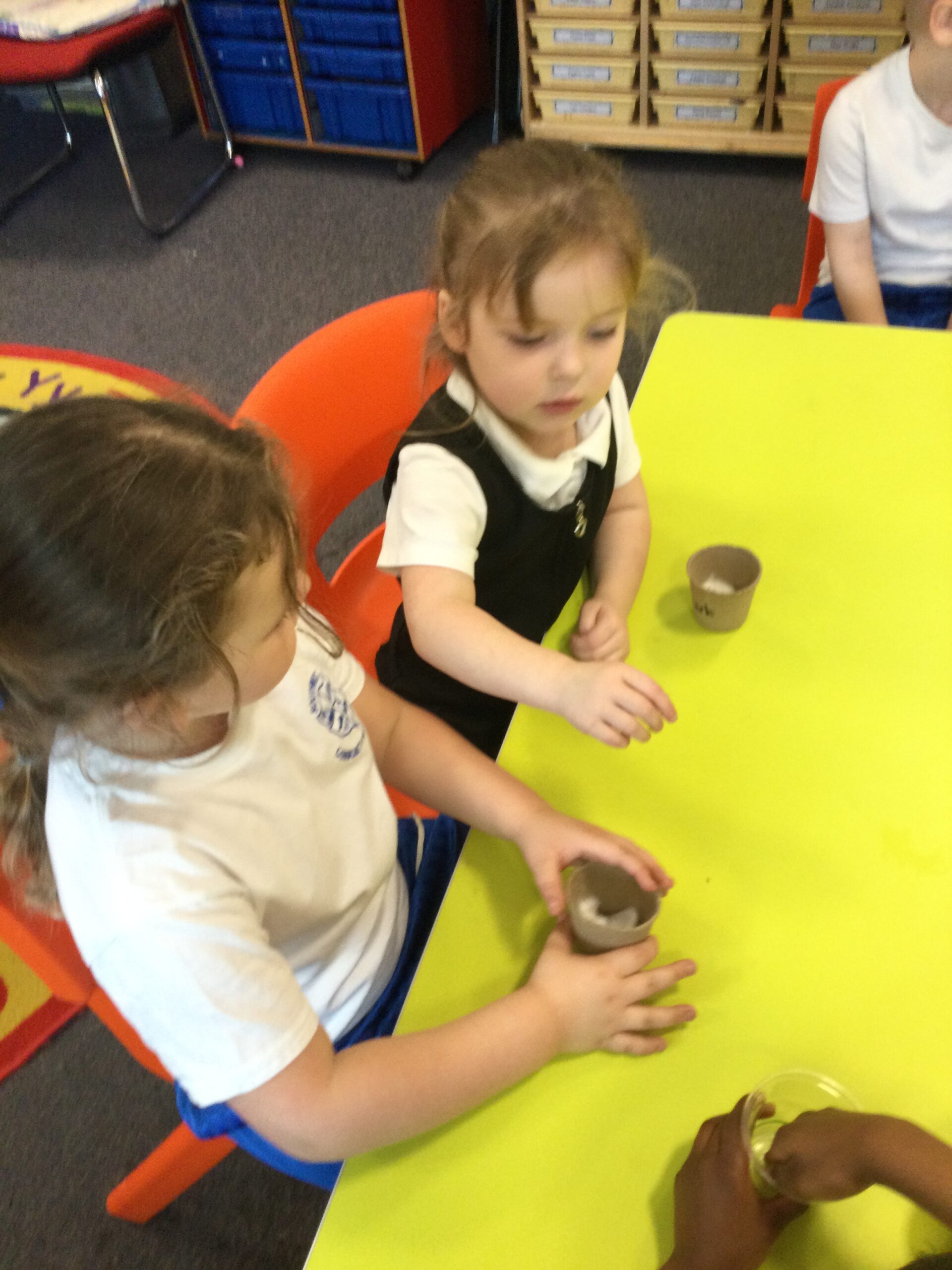
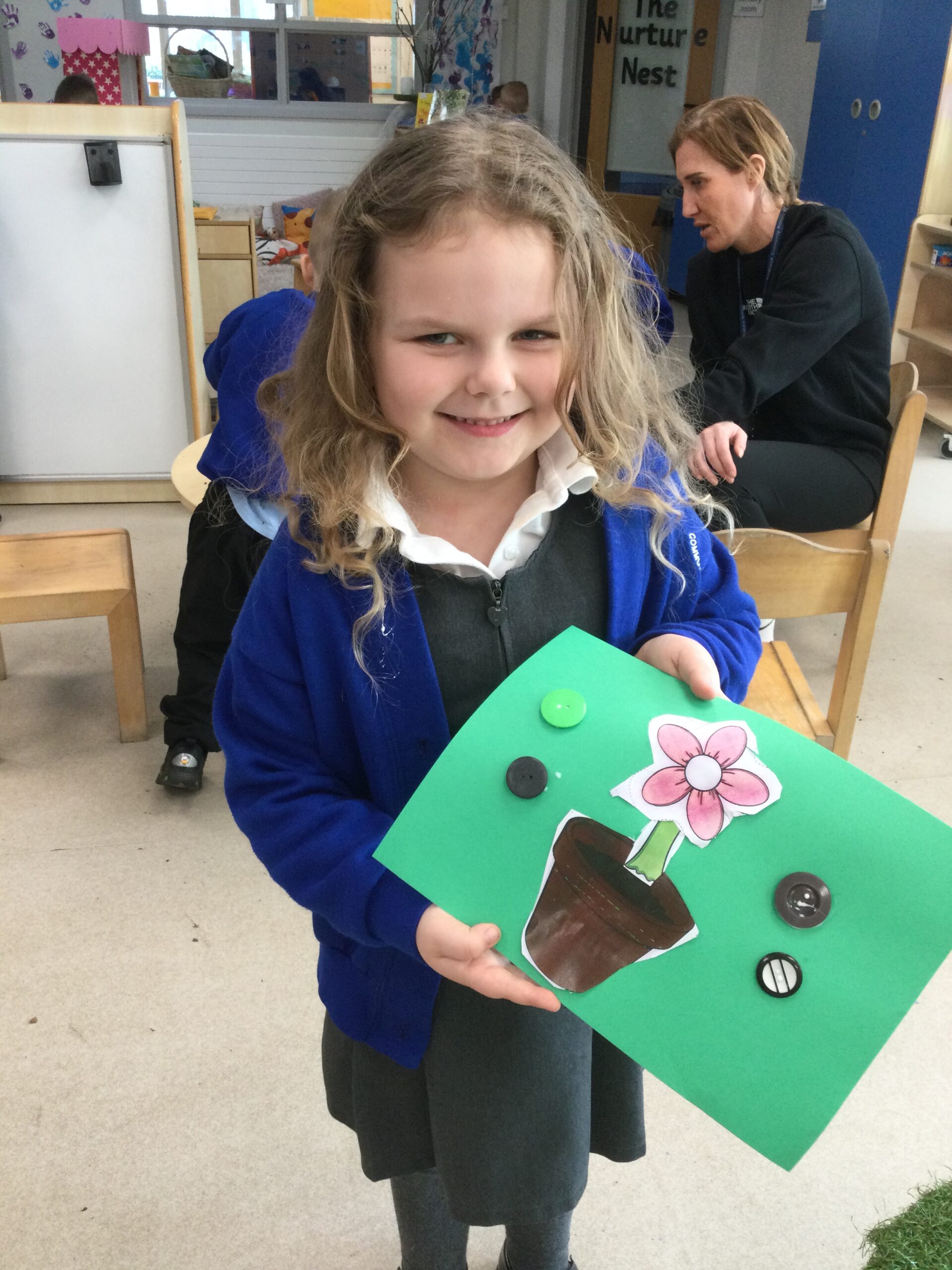
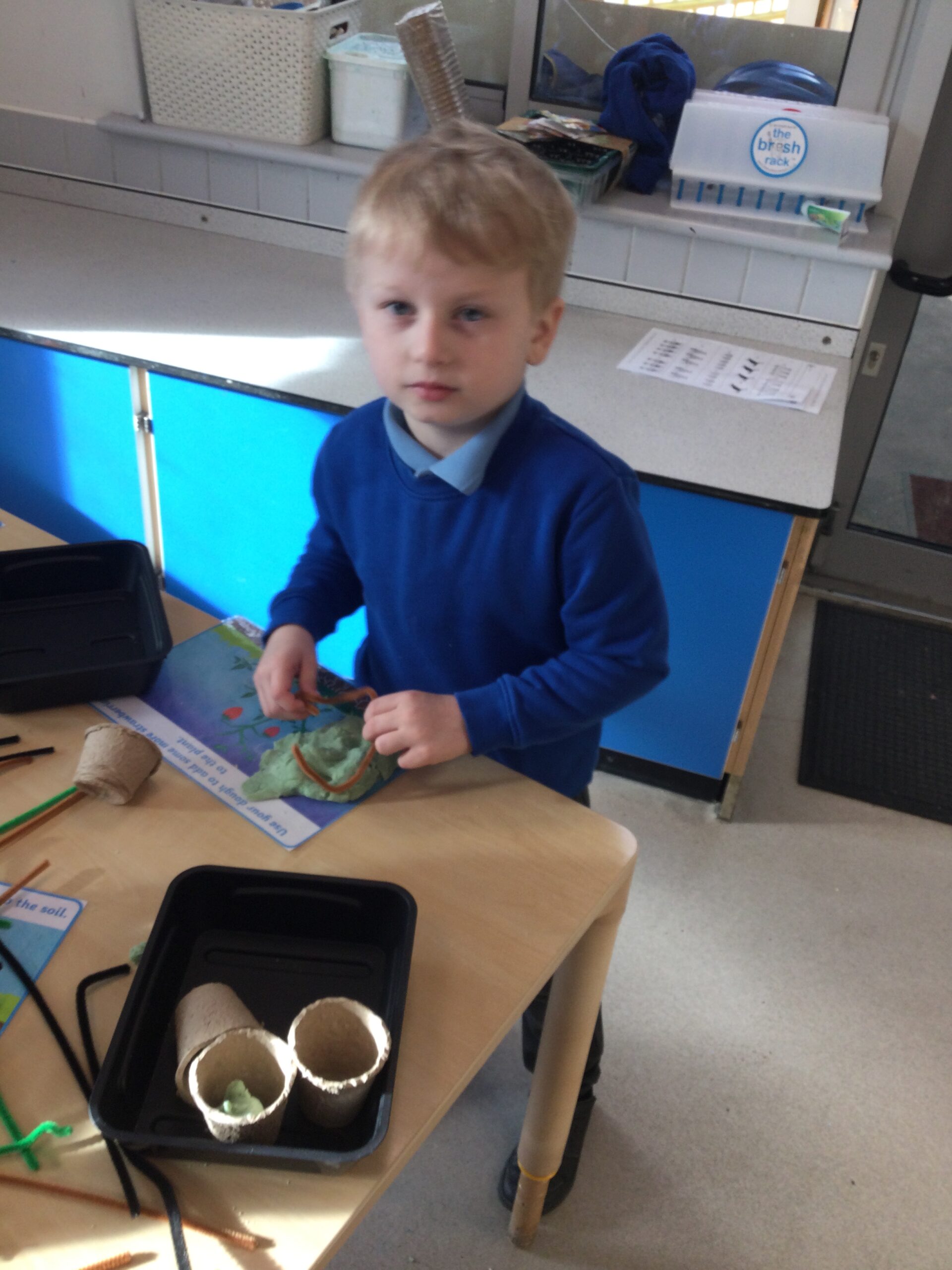
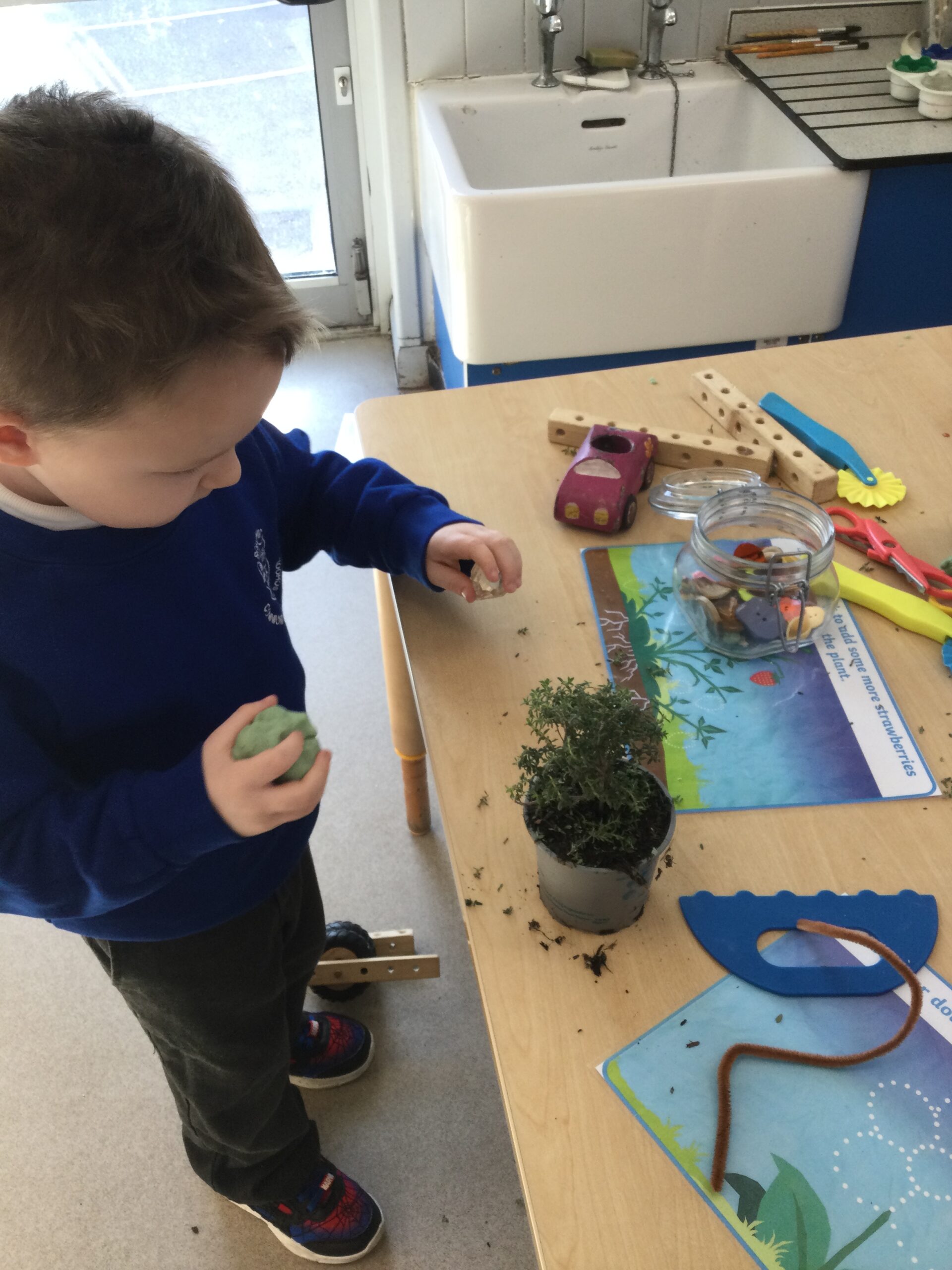
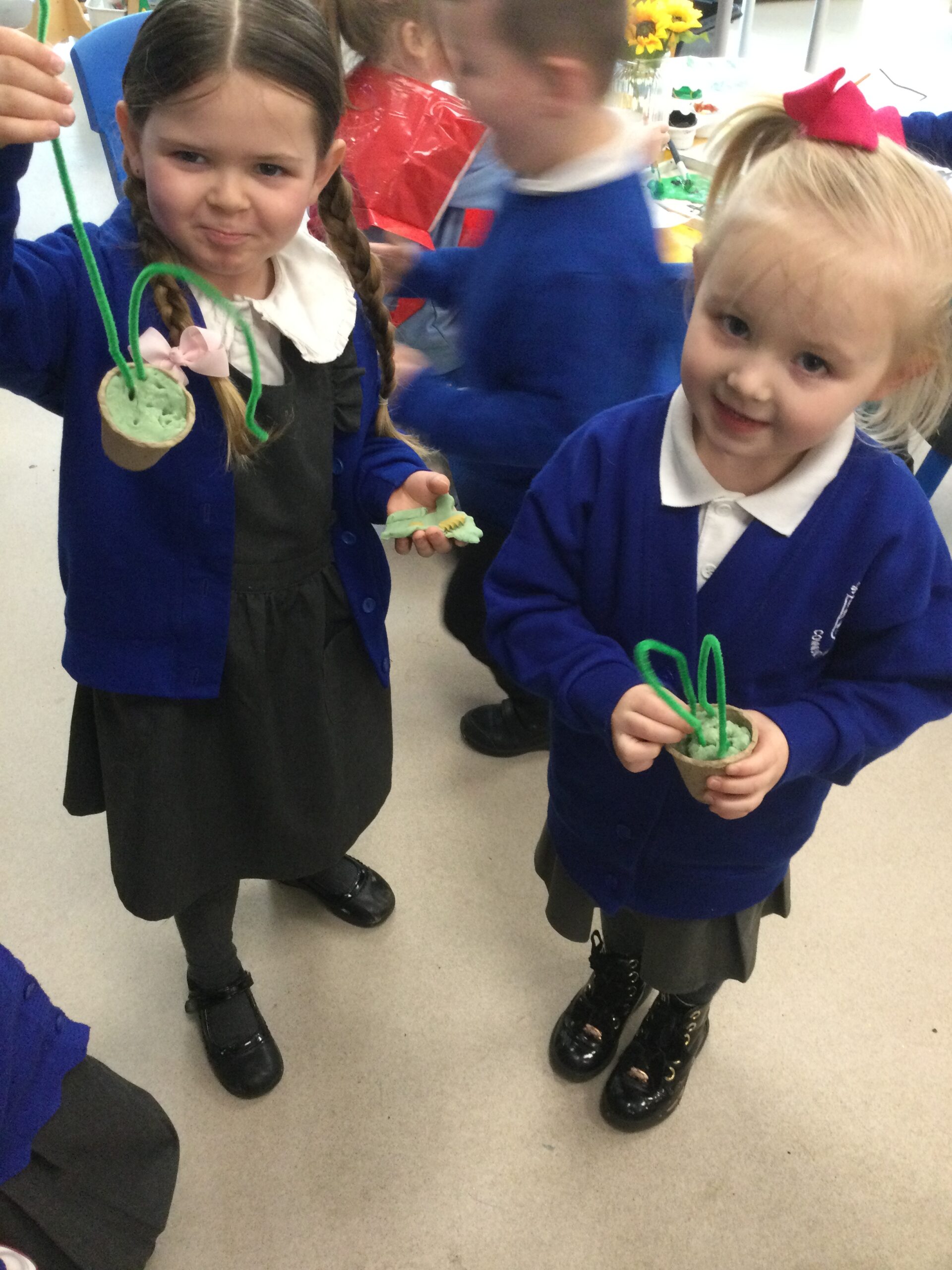
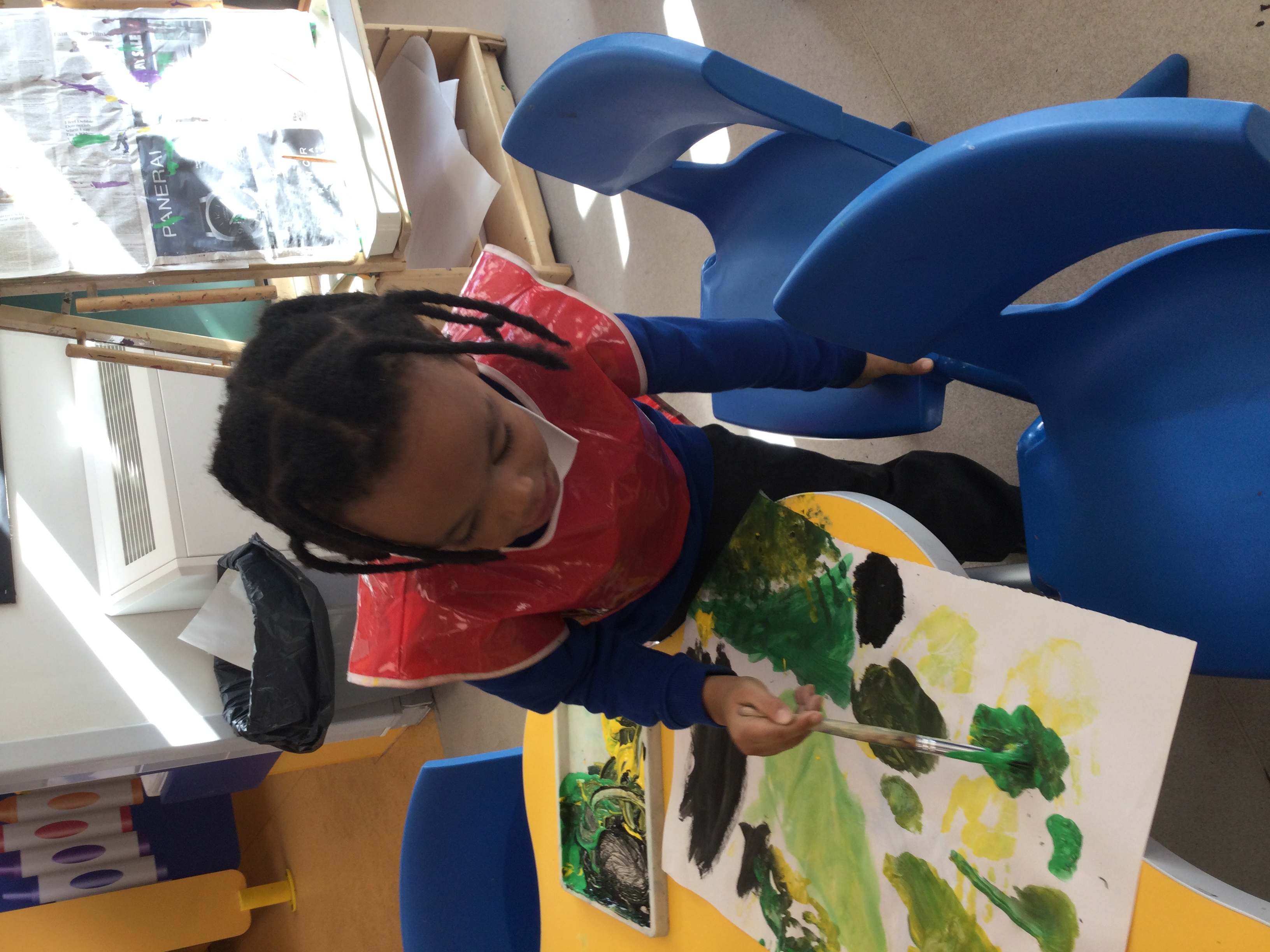
The children decided to test their ideas by growing seeds in different conditions. They carefully watched for changes and compared what happened over time.
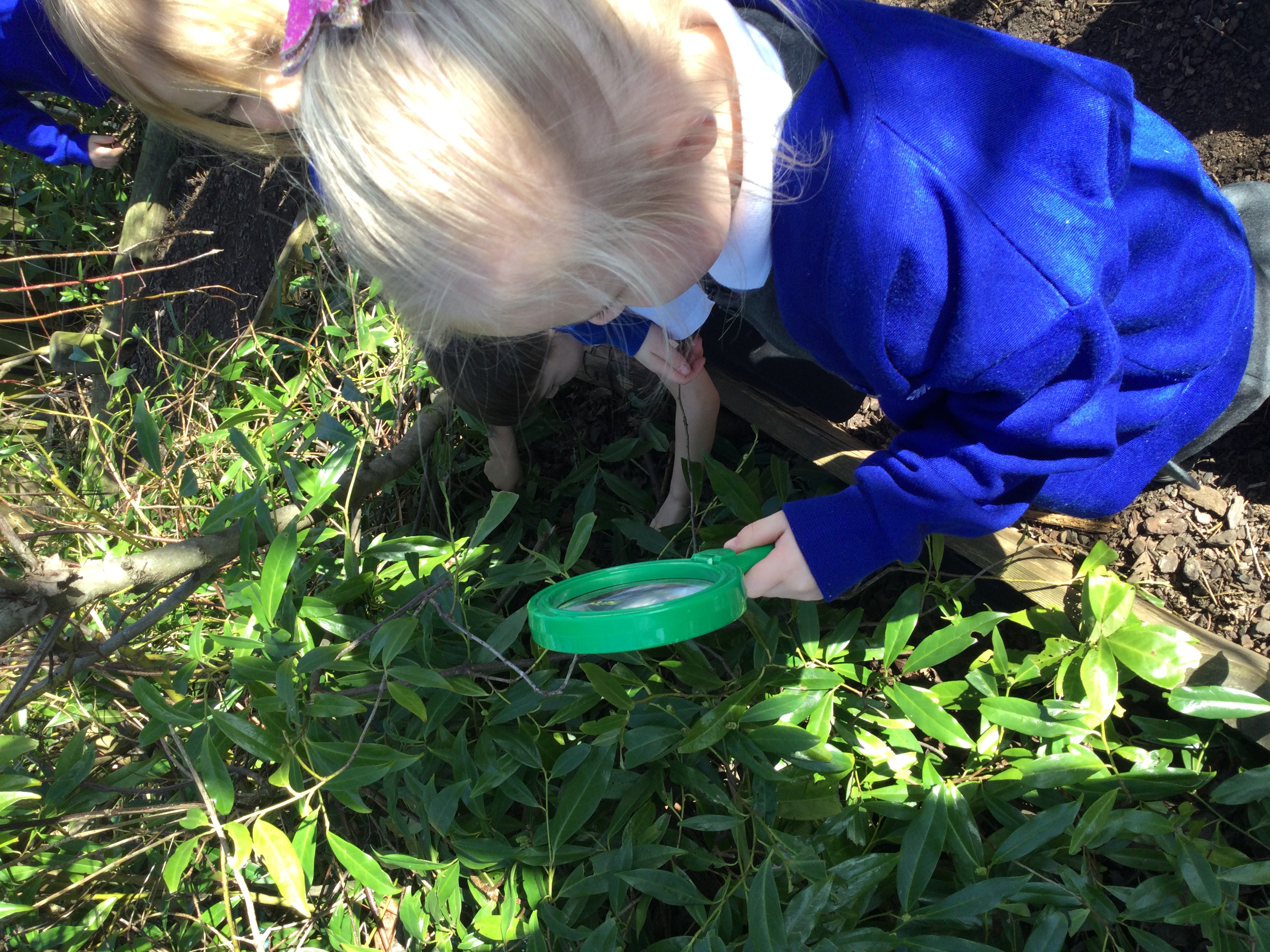
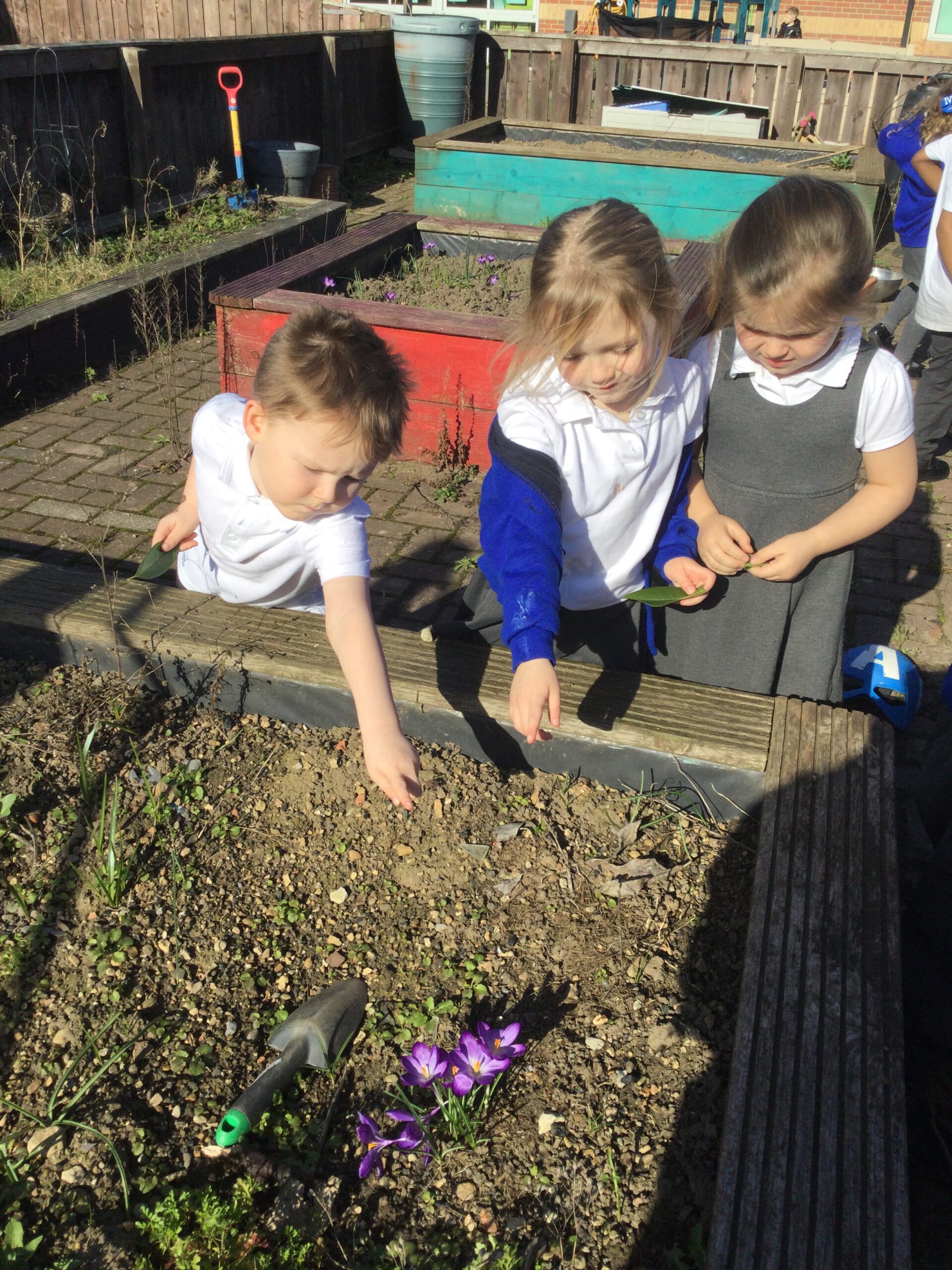
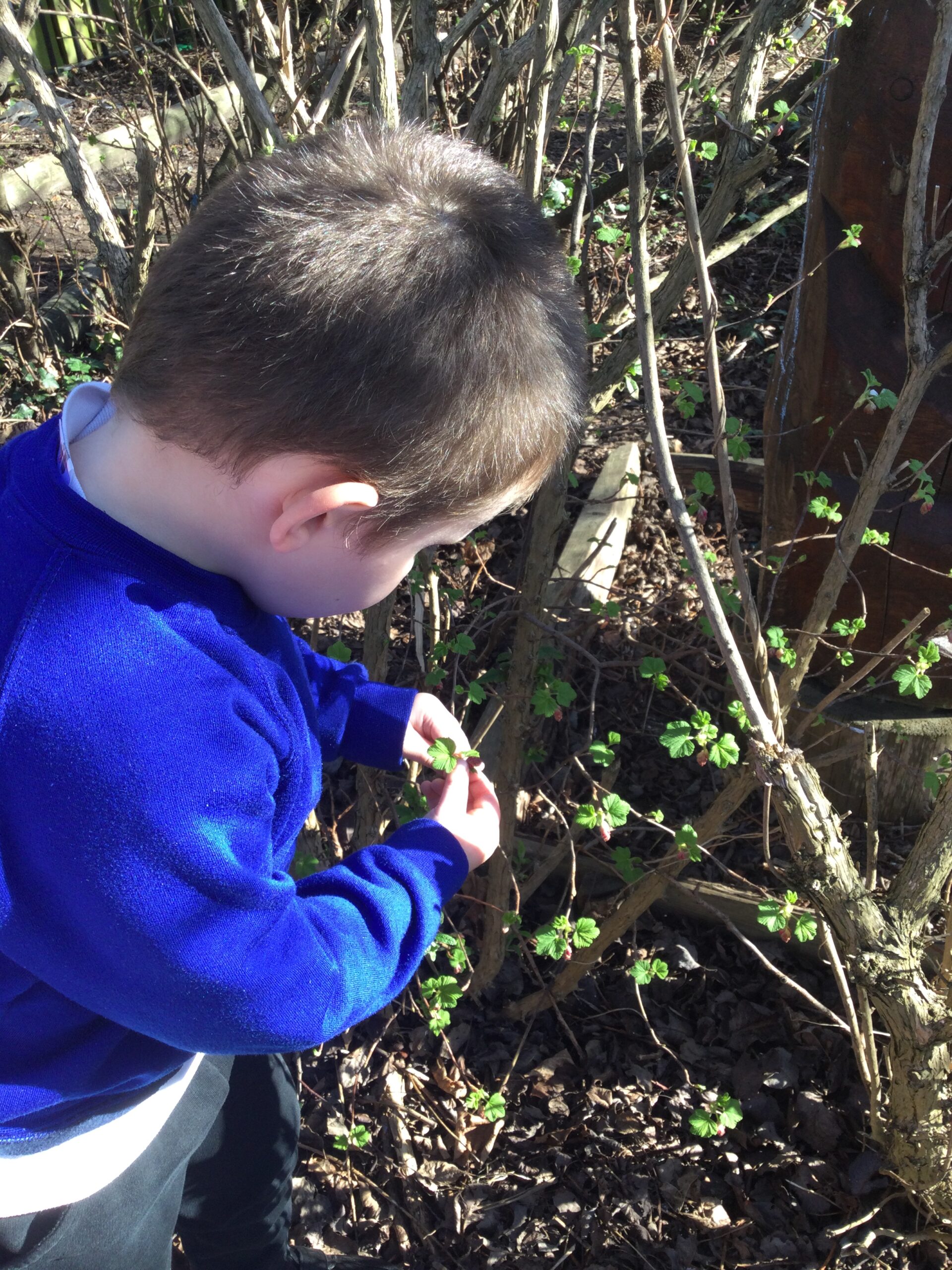
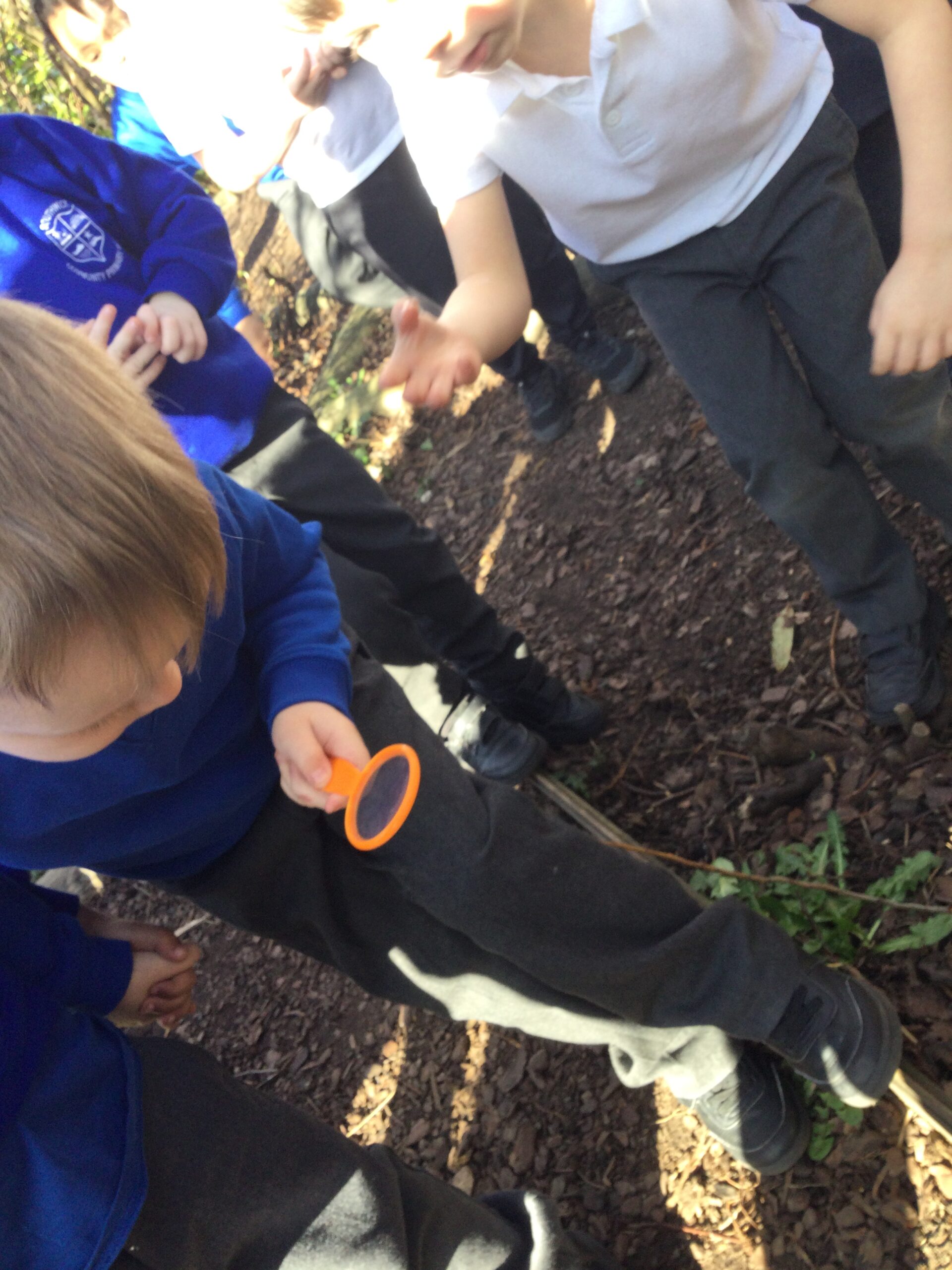
As spring arrived, children began spotting buds, flowers and new growth around the school grounds. Their excitement about new life also led to conversations about Easter and the symbolism of eggs and new beginnings.
What did we learn?
The children discovered that plants need the right conditions to grow and that living things change over time. They began using vocabulary such as seed, root, shoot, grow and change..
Week 2: How do we grow and change?
What did we wonder?
As we talked about growth, the children began thinking about themselves.
They asked:
- Was I always this big?
- What will I look like when I’m older?
- How do babies grow?
- Will I still like the same things?
Where did this take us?
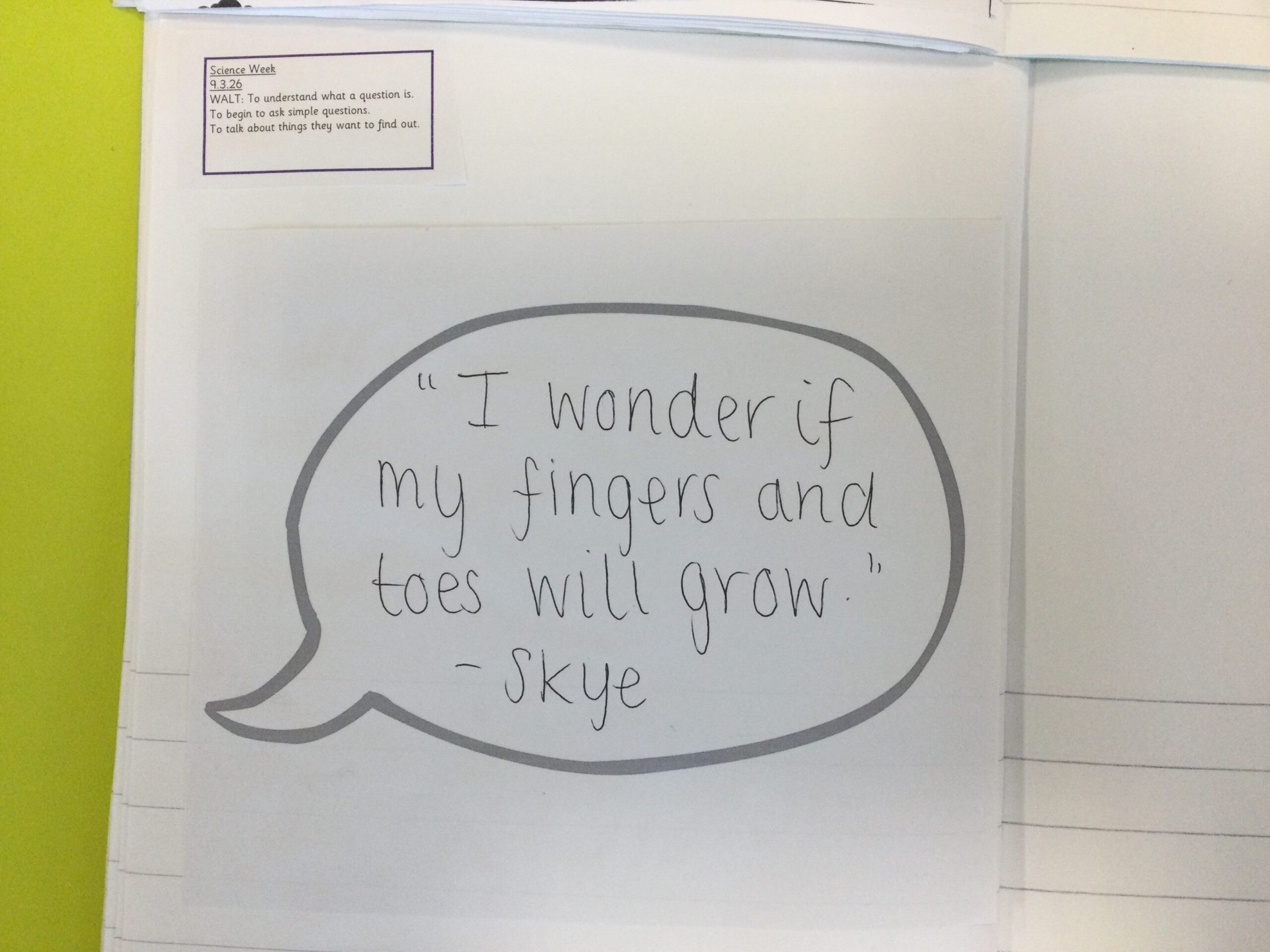
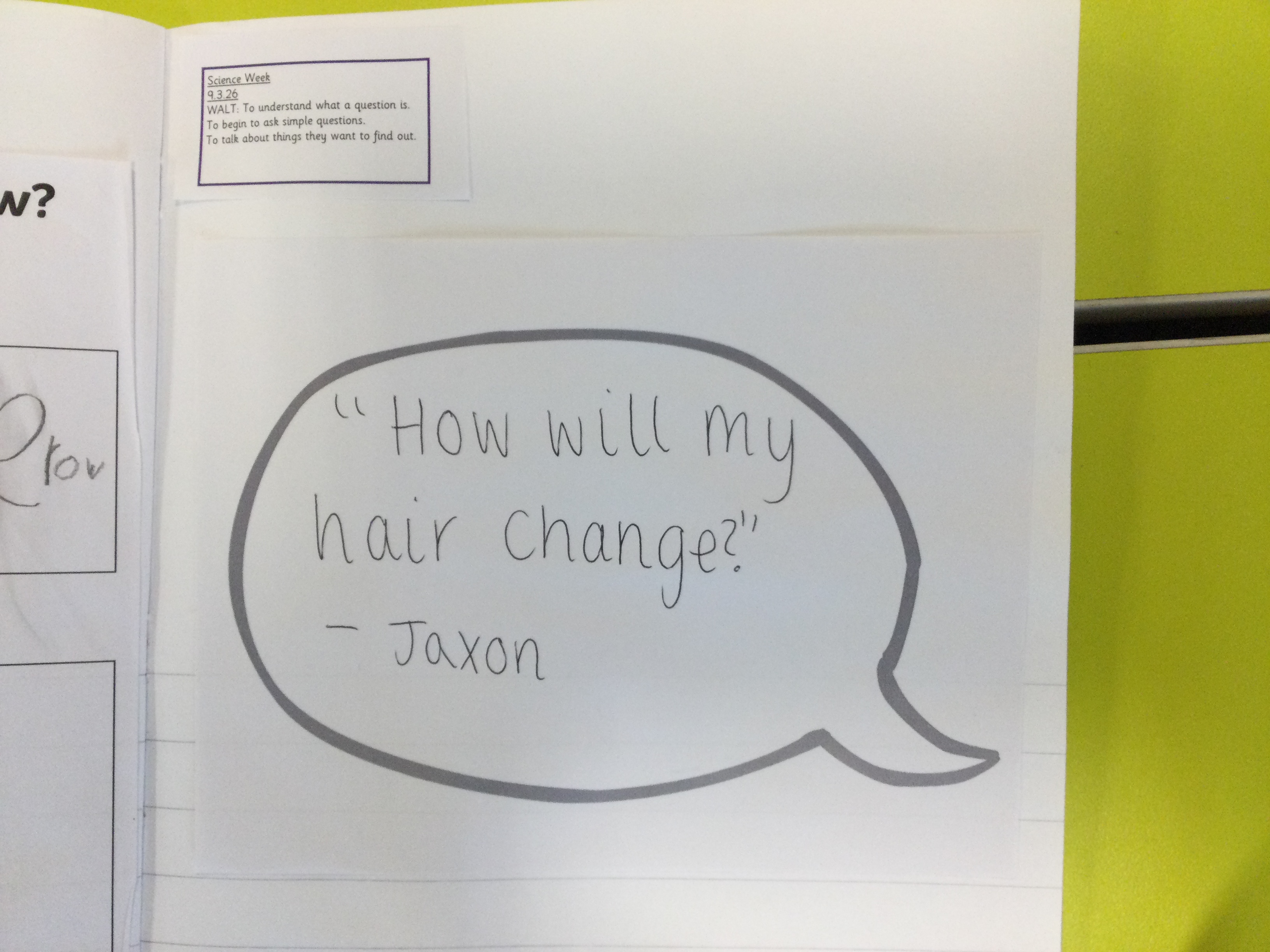
The children brought family experiences into discussions and compared baby photographs with how they look now. Their curiosity during British Science Week encouraged them to think like scientists and ask even more questions about themselves.
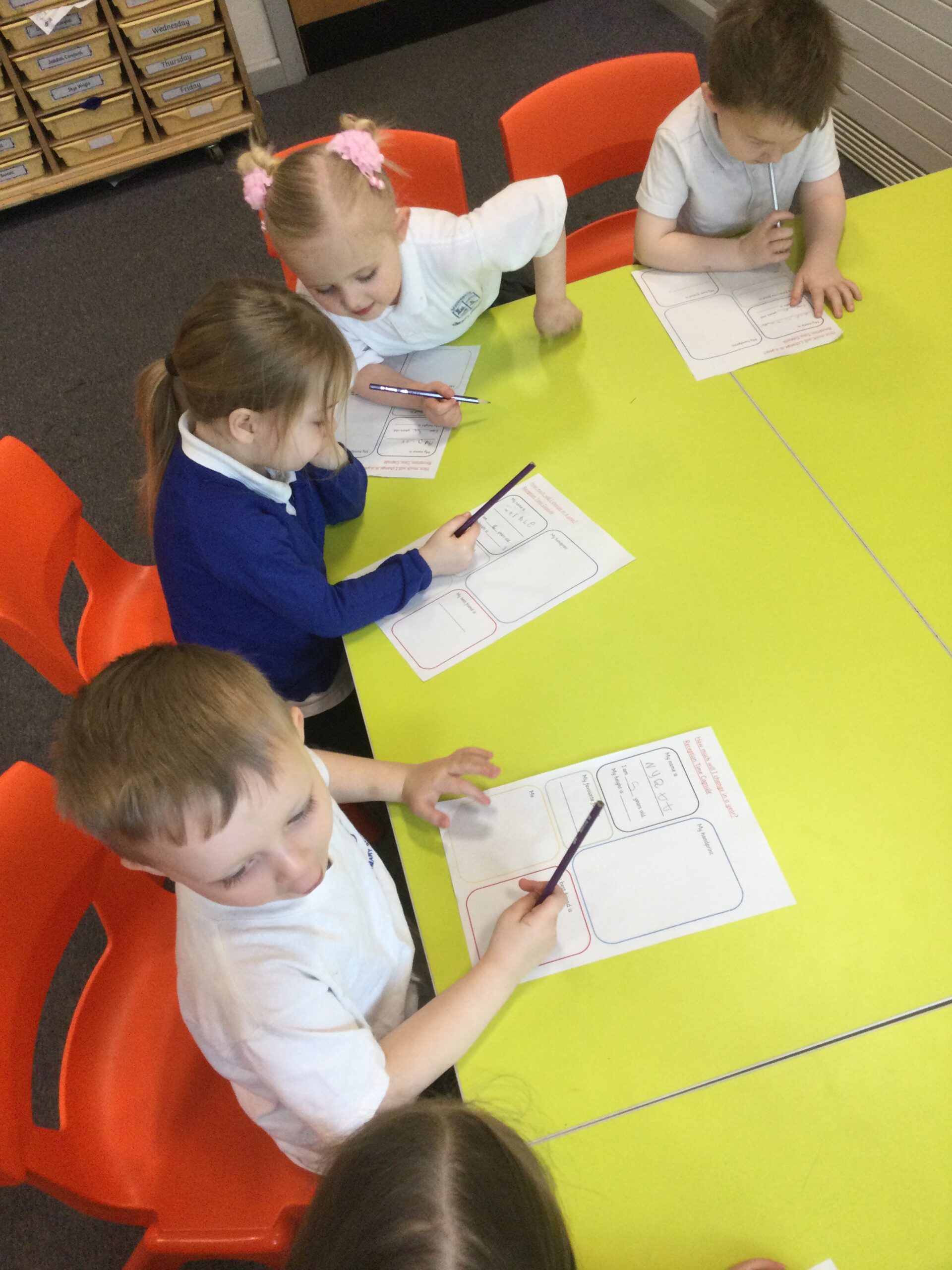
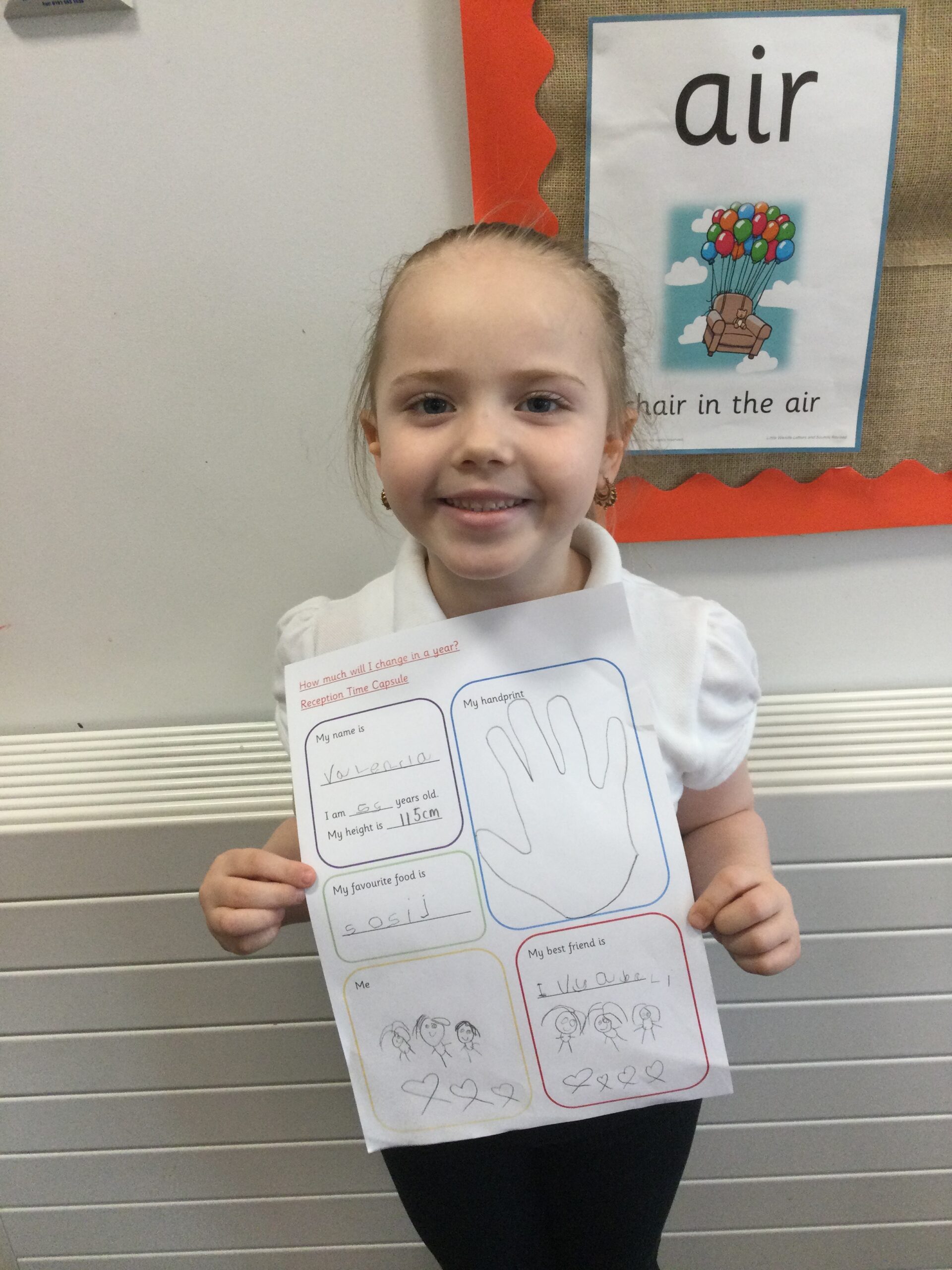
They created time capsules to capture who they are right now and imagined what might change by the time they open them in Year 1.
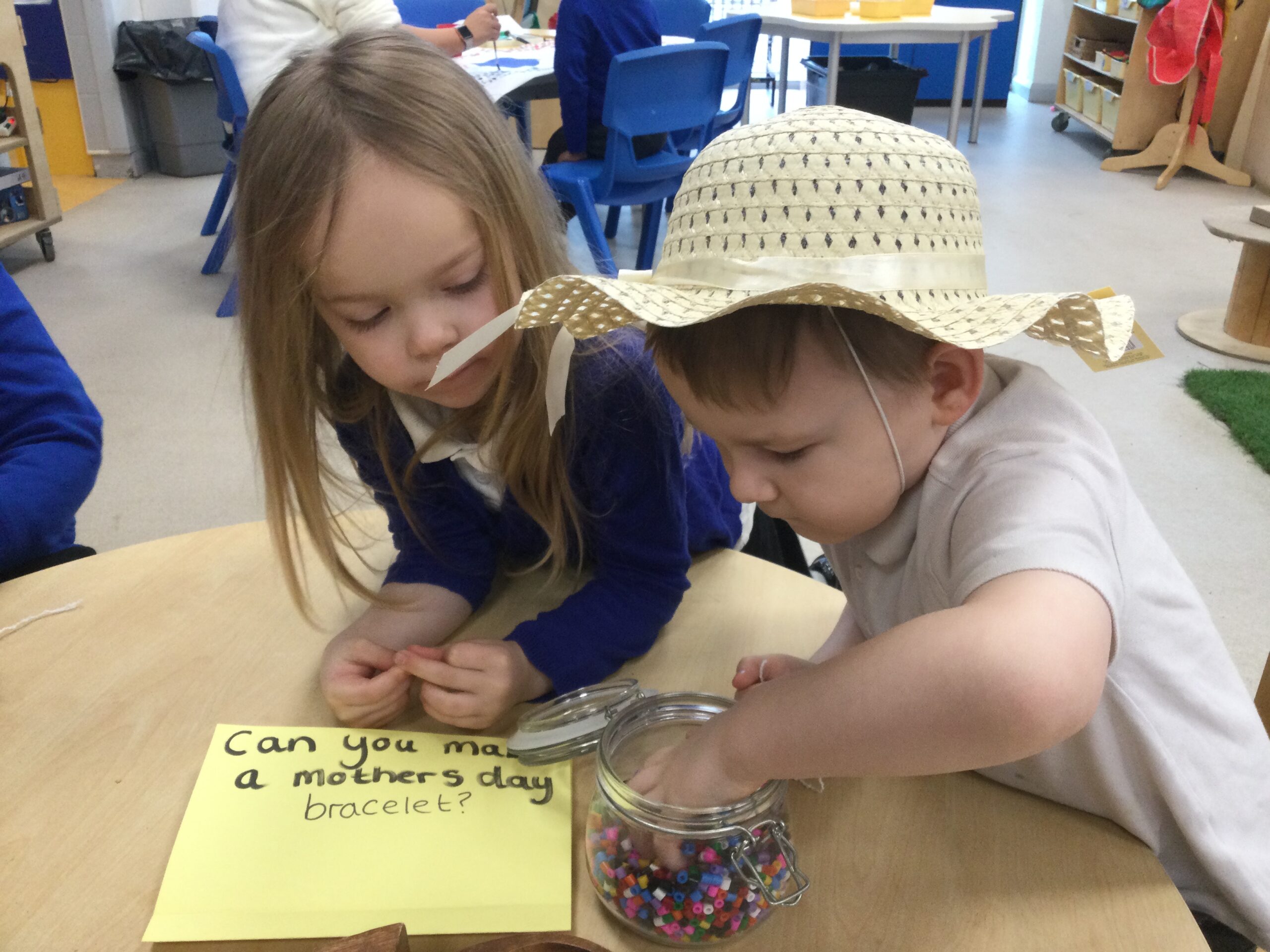
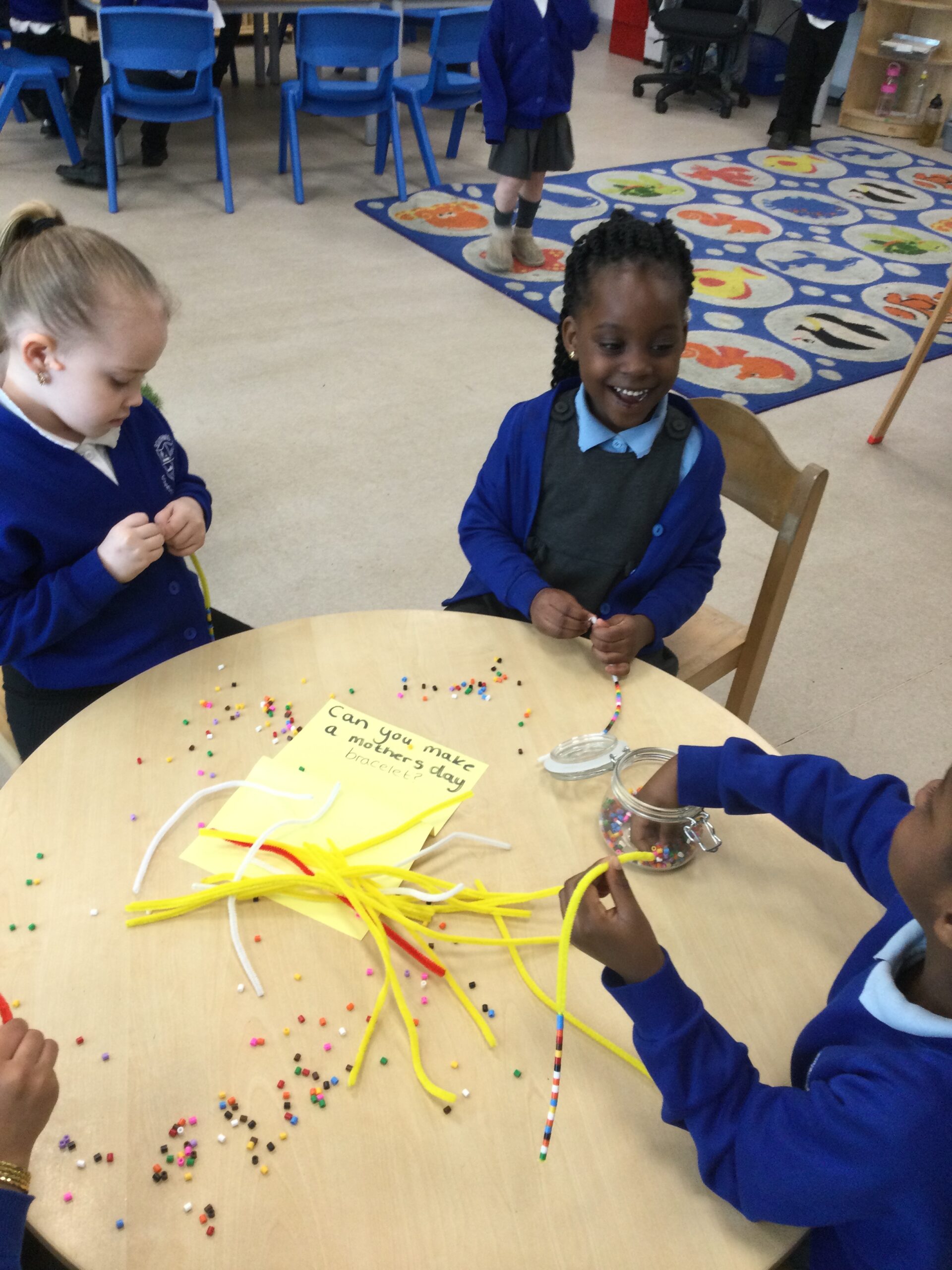
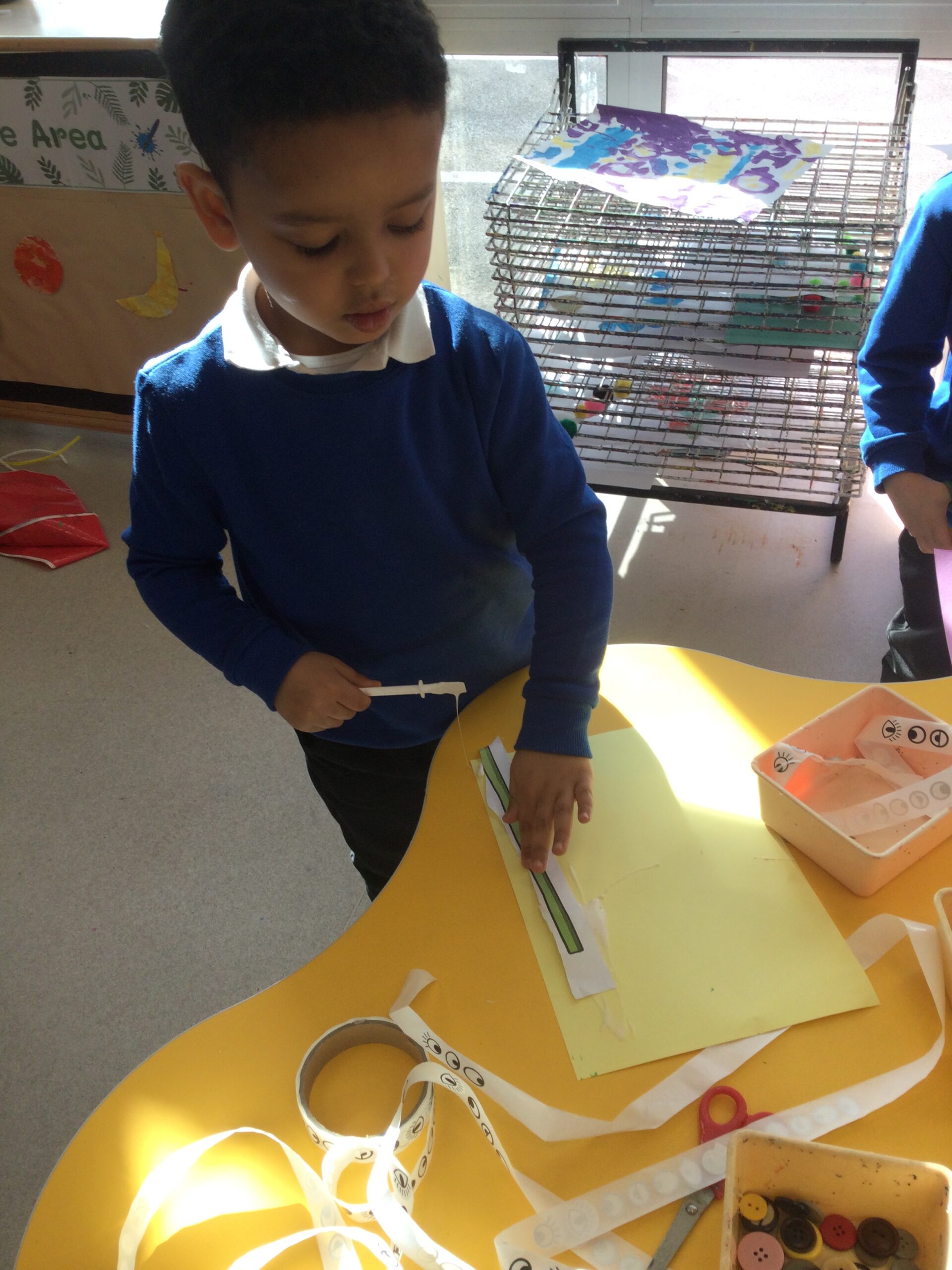
Discussions about family relationships naturally led us towards Mother’s Day and celebrating the special people who care for us.
What did we learn?
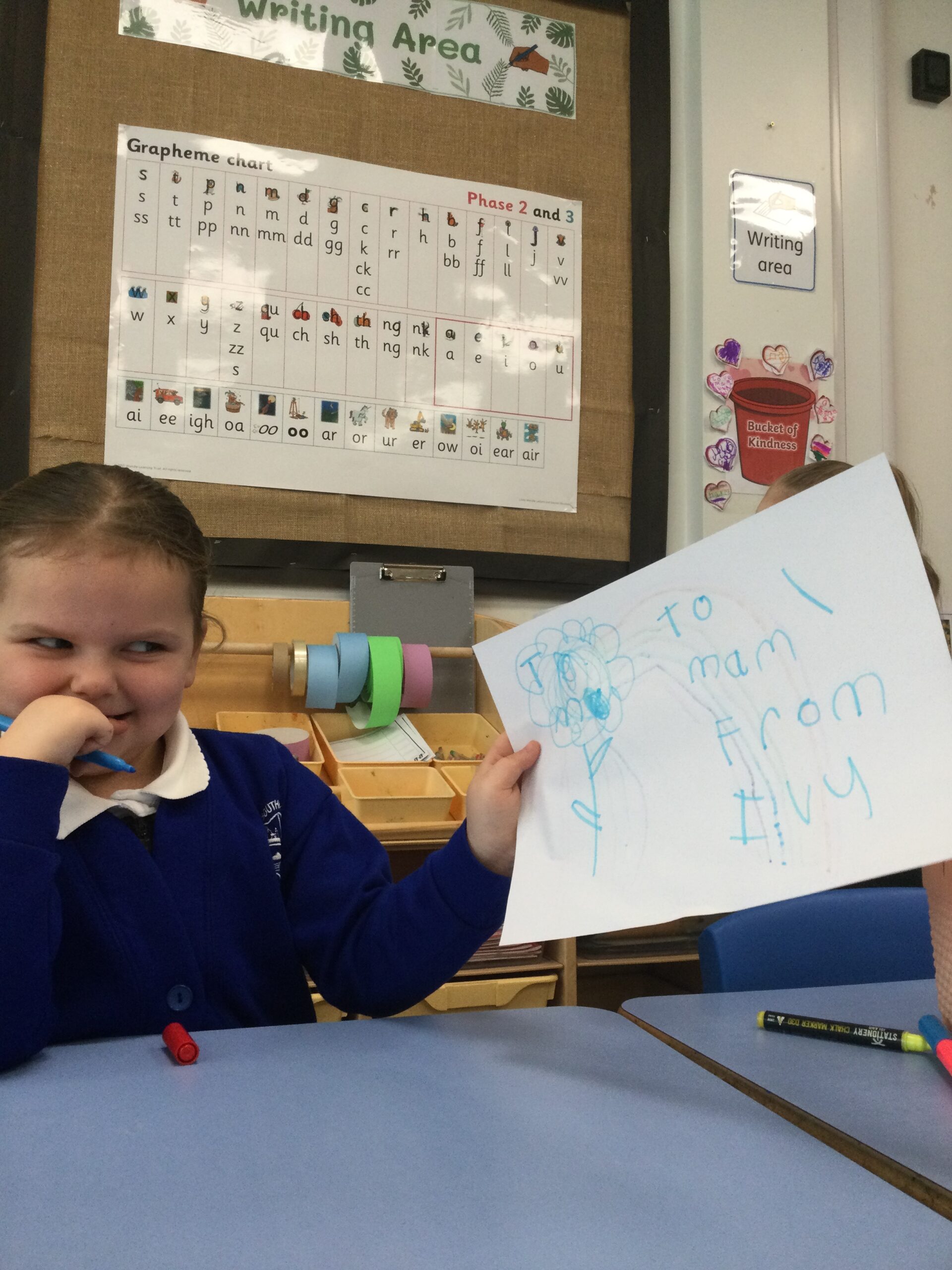
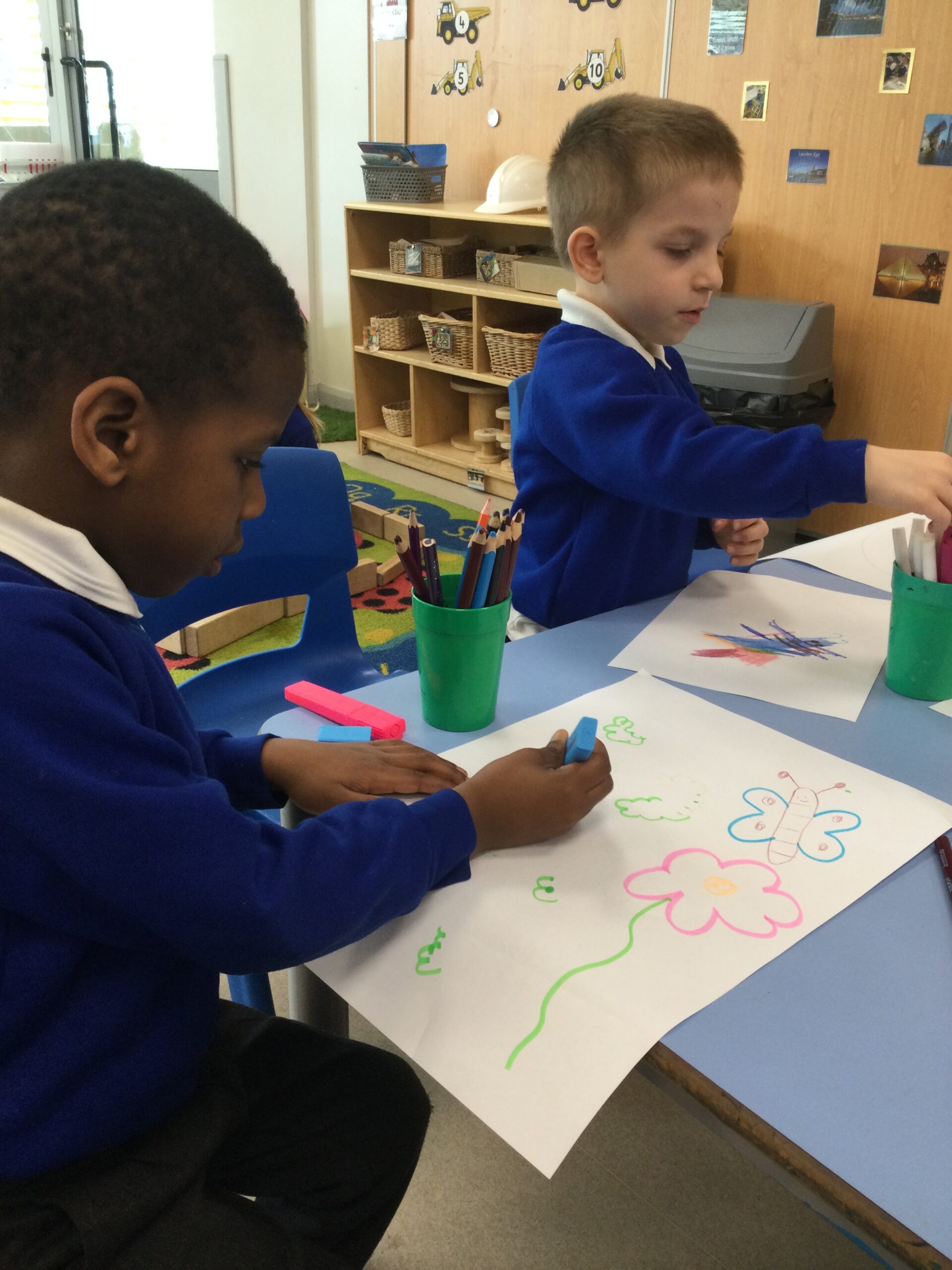
The children learned that people grow and change physically, emotionally and in their interests. They began to understand that change happens gradually over time.
Week 3: How do animals grow and change?
What did we wonder?
The children became increasingly interested in animals.
They asked:
- Do all animals have babies?
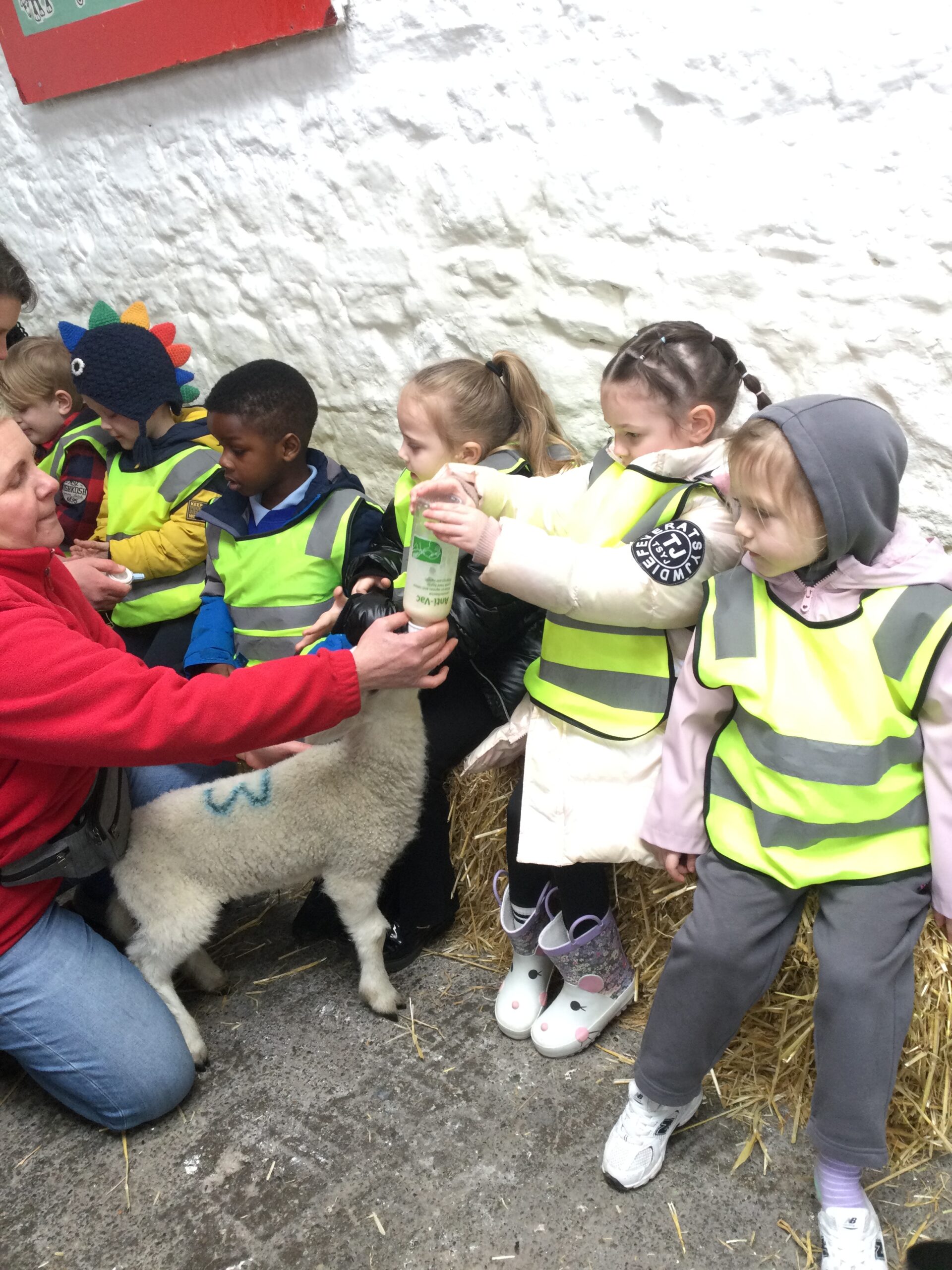
- How do farmers look after baby animals?
- What do baby animals eat?
- Are baby animals the same as adult animals?
Where did this take us?
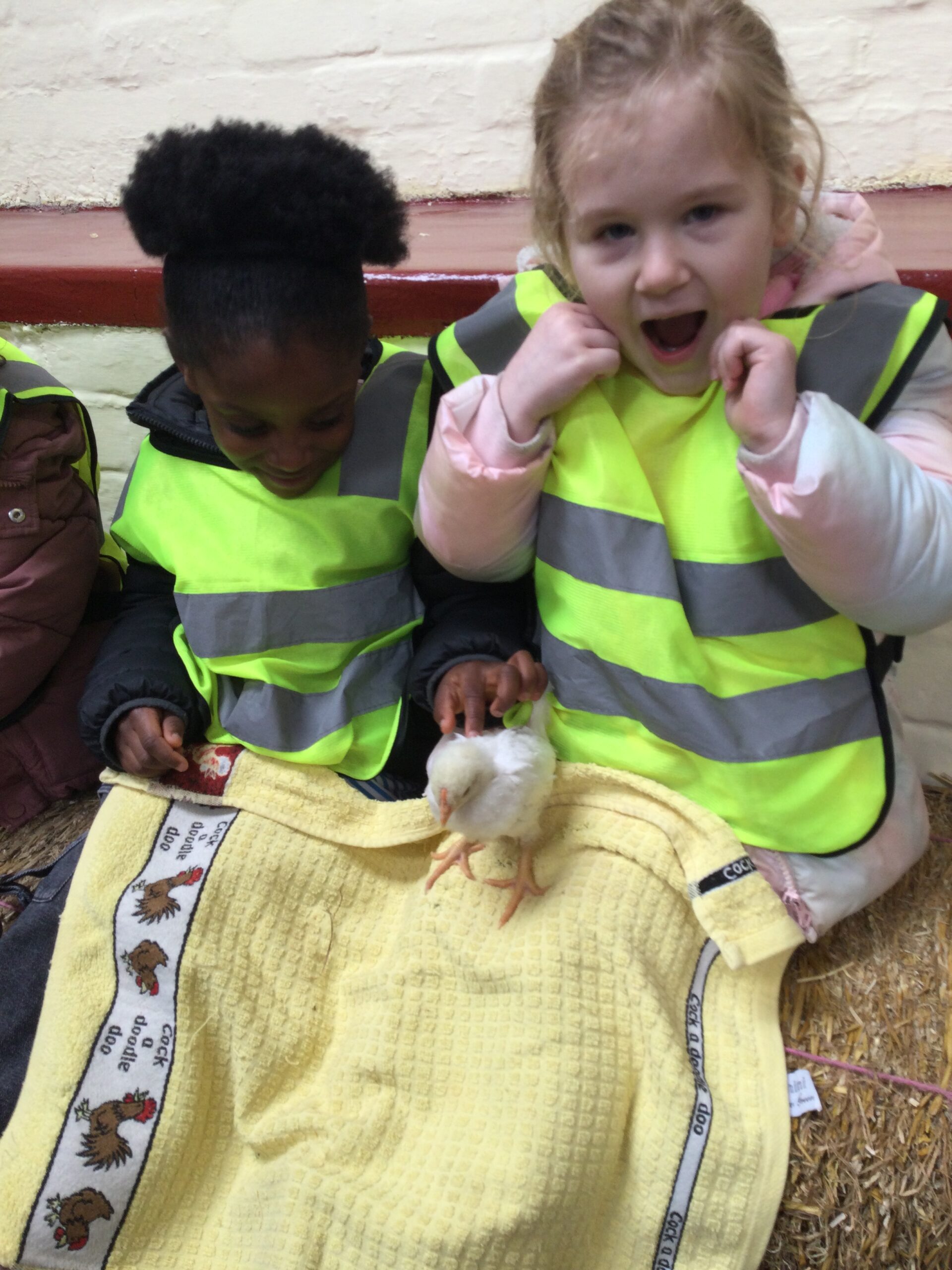
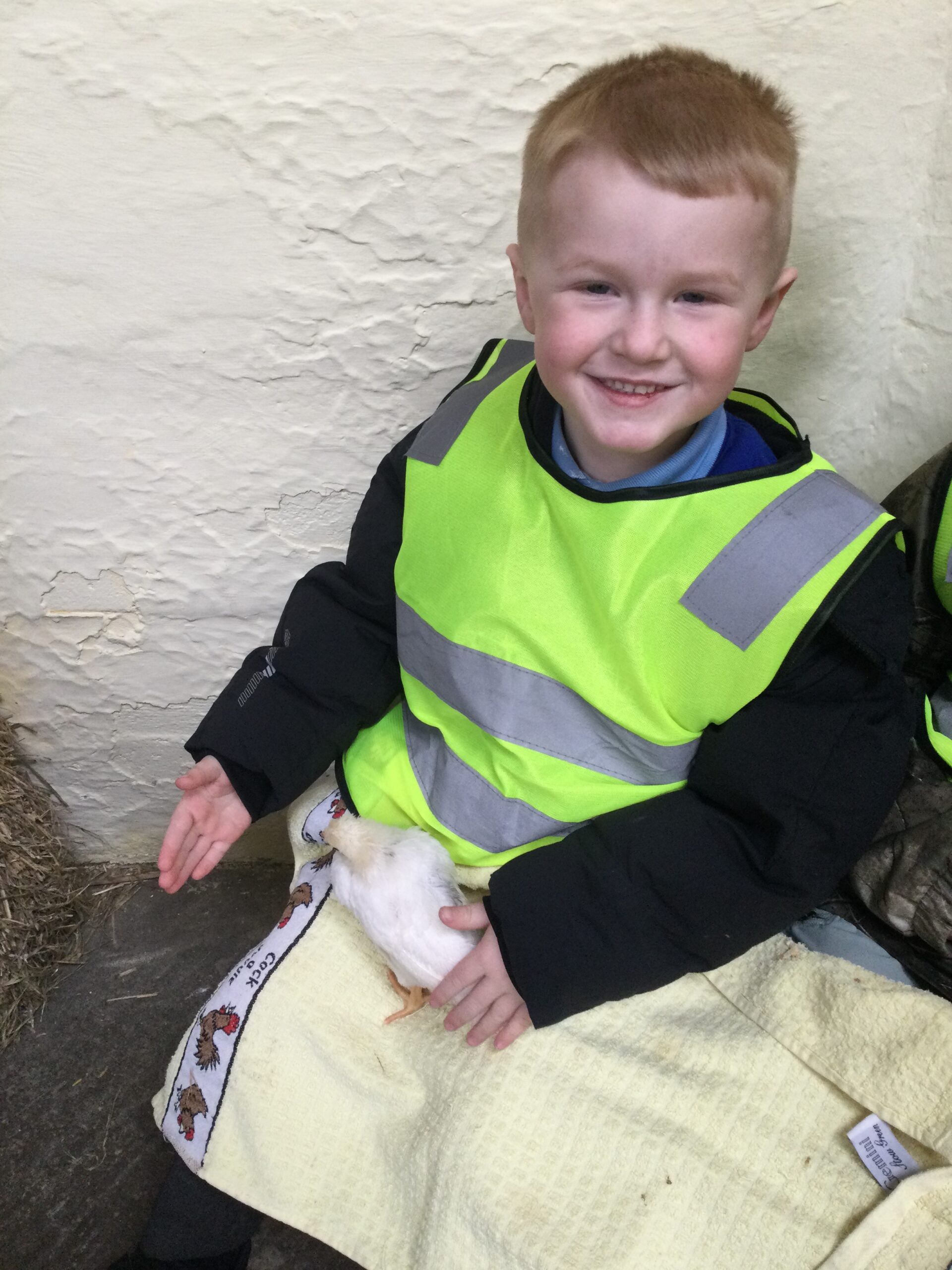
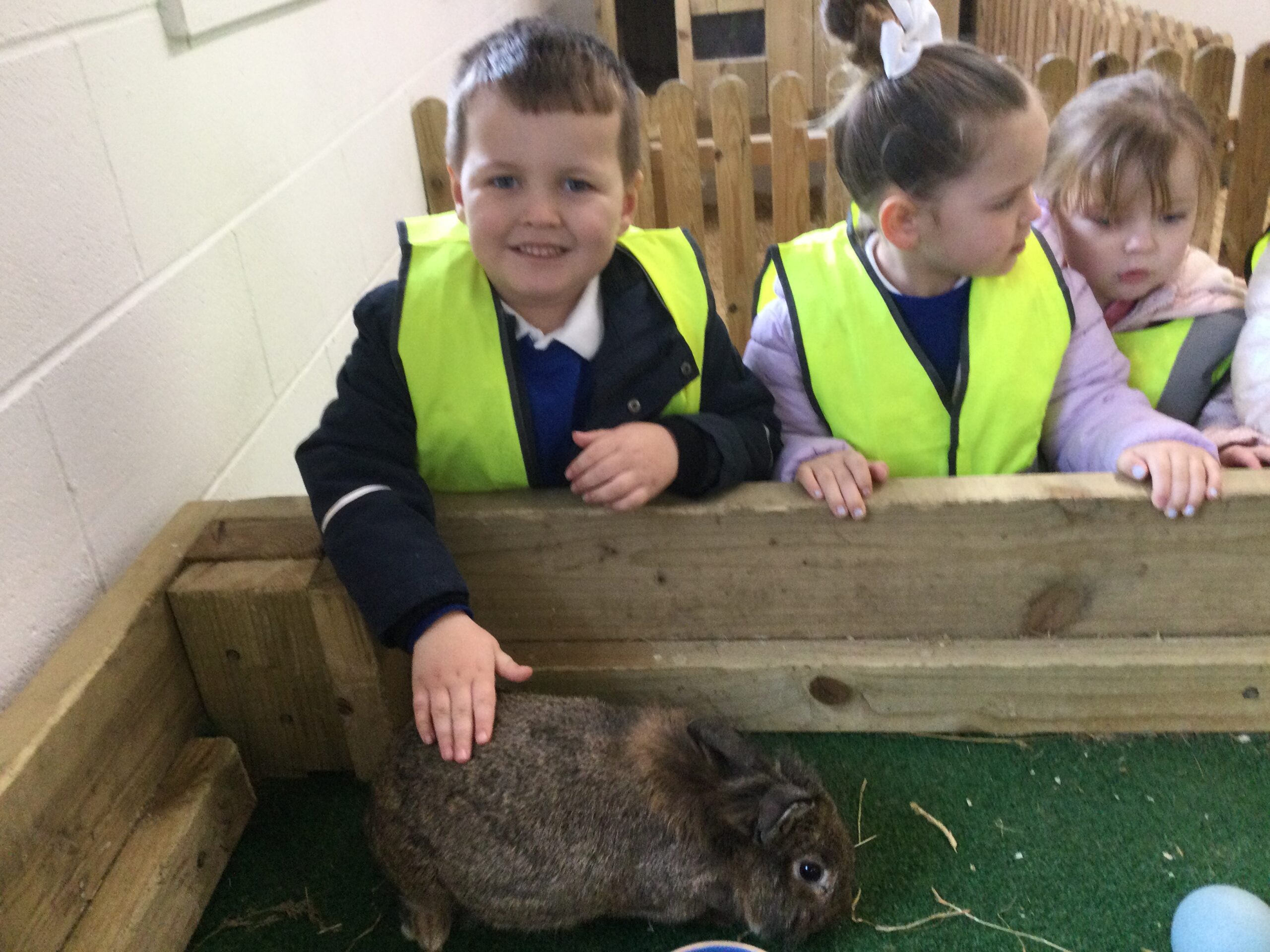
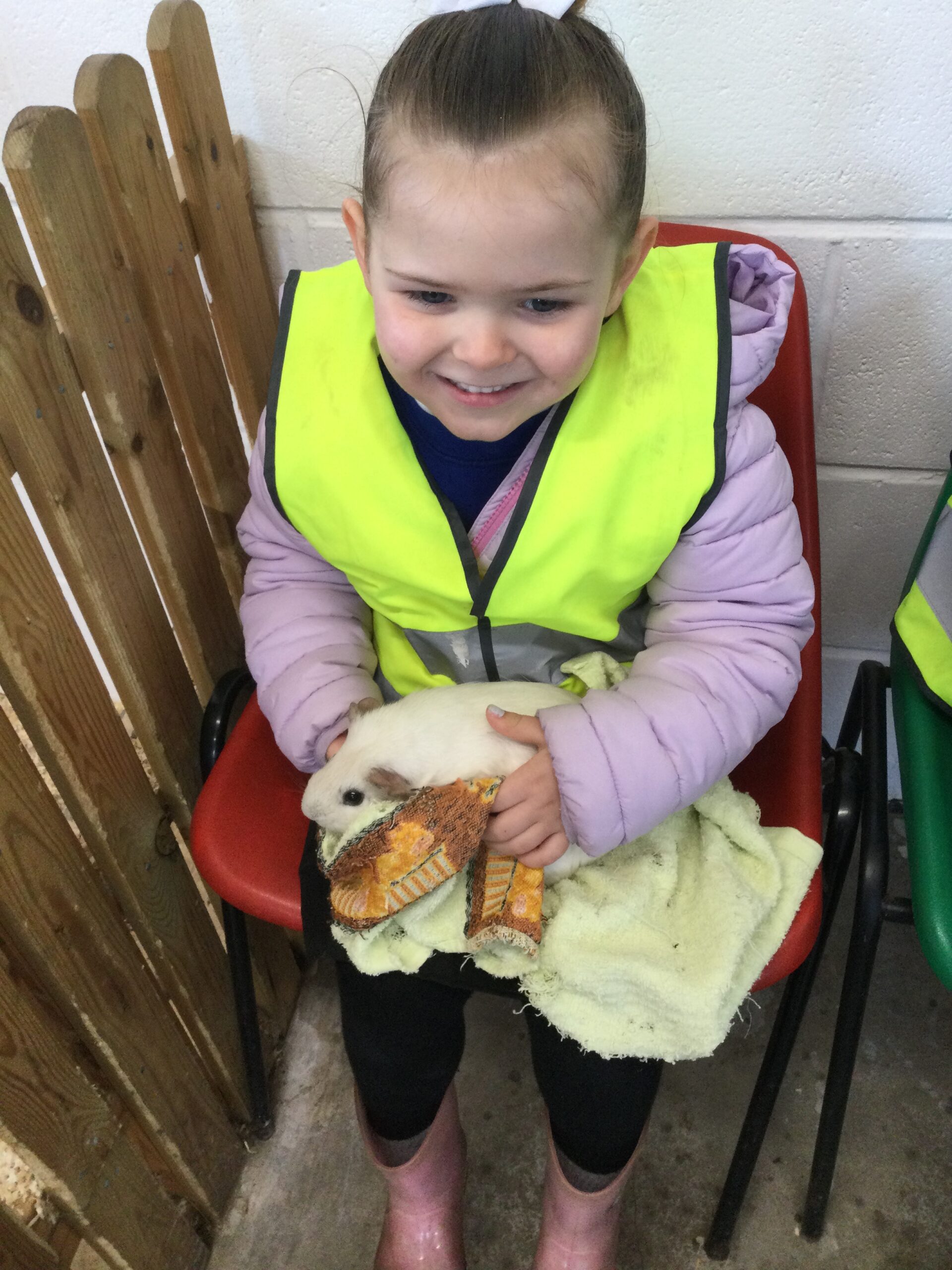
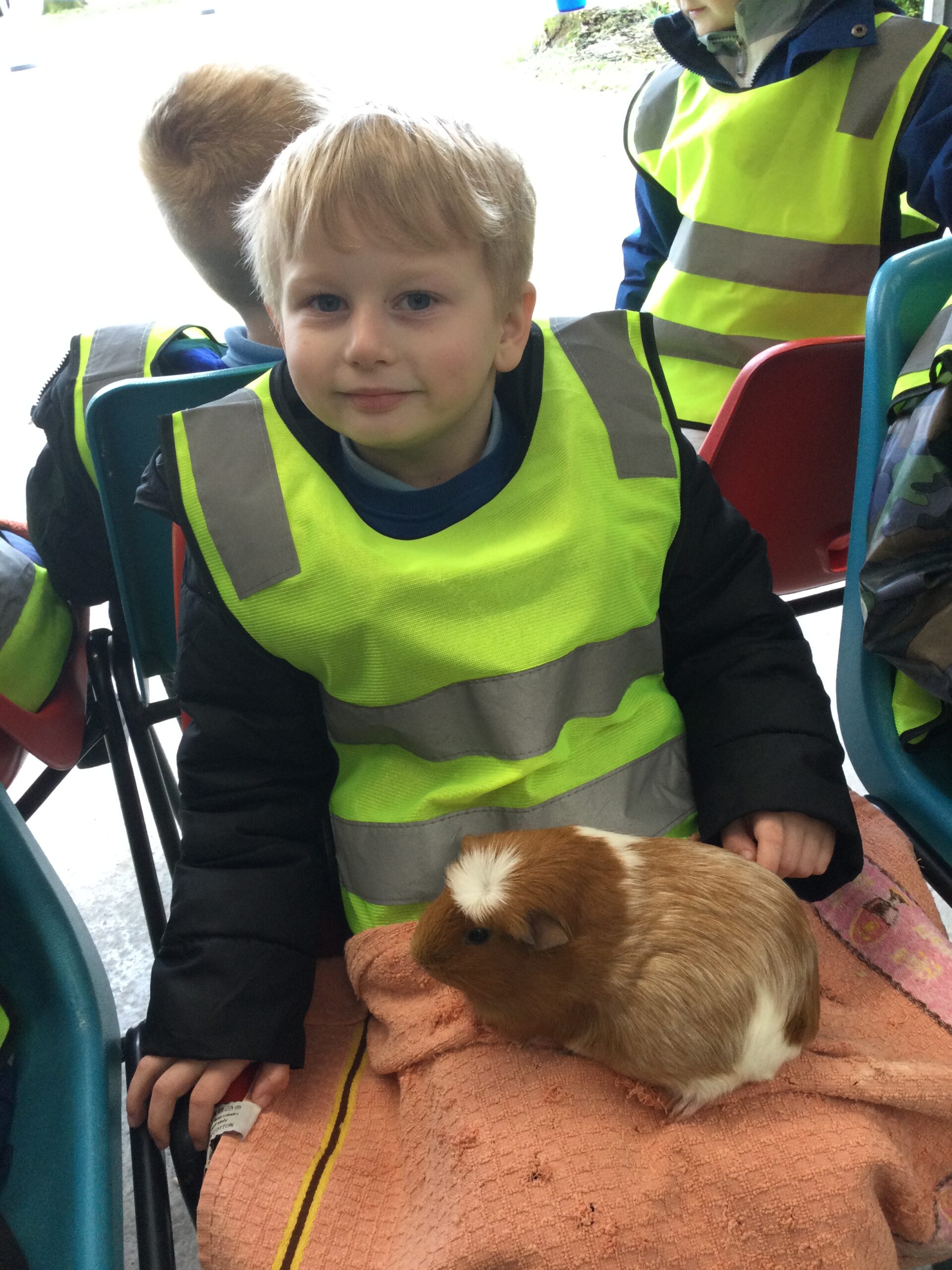
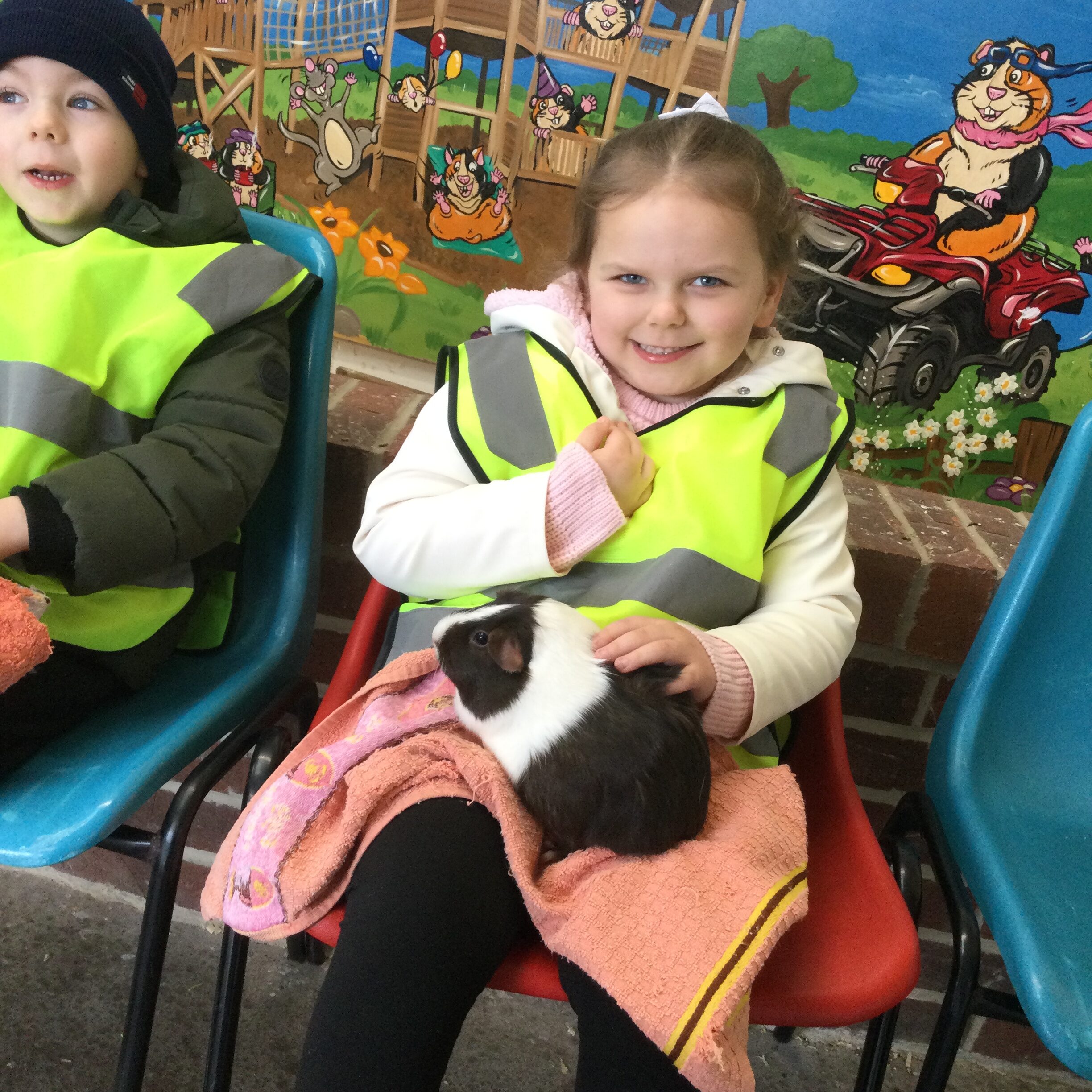
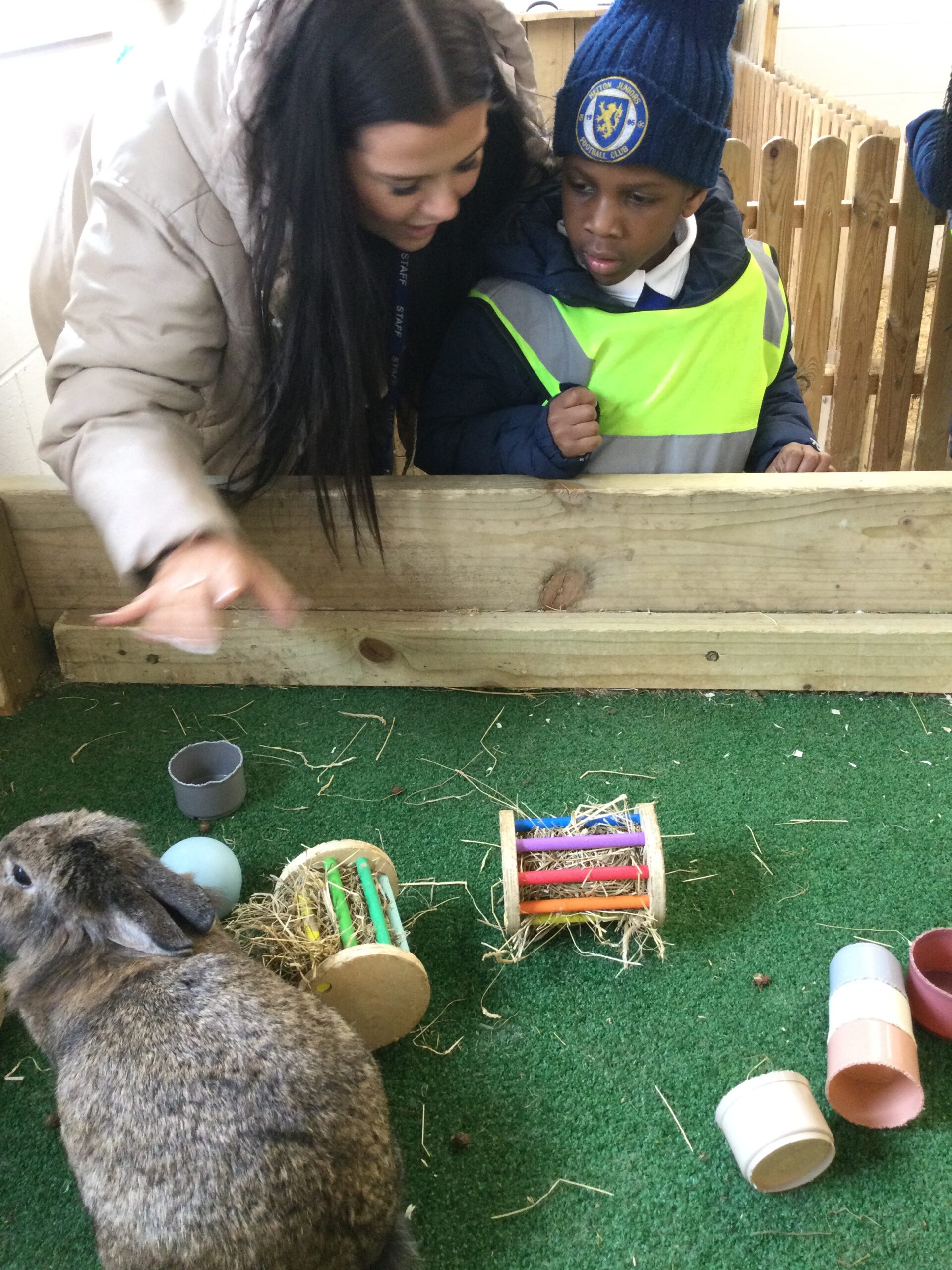
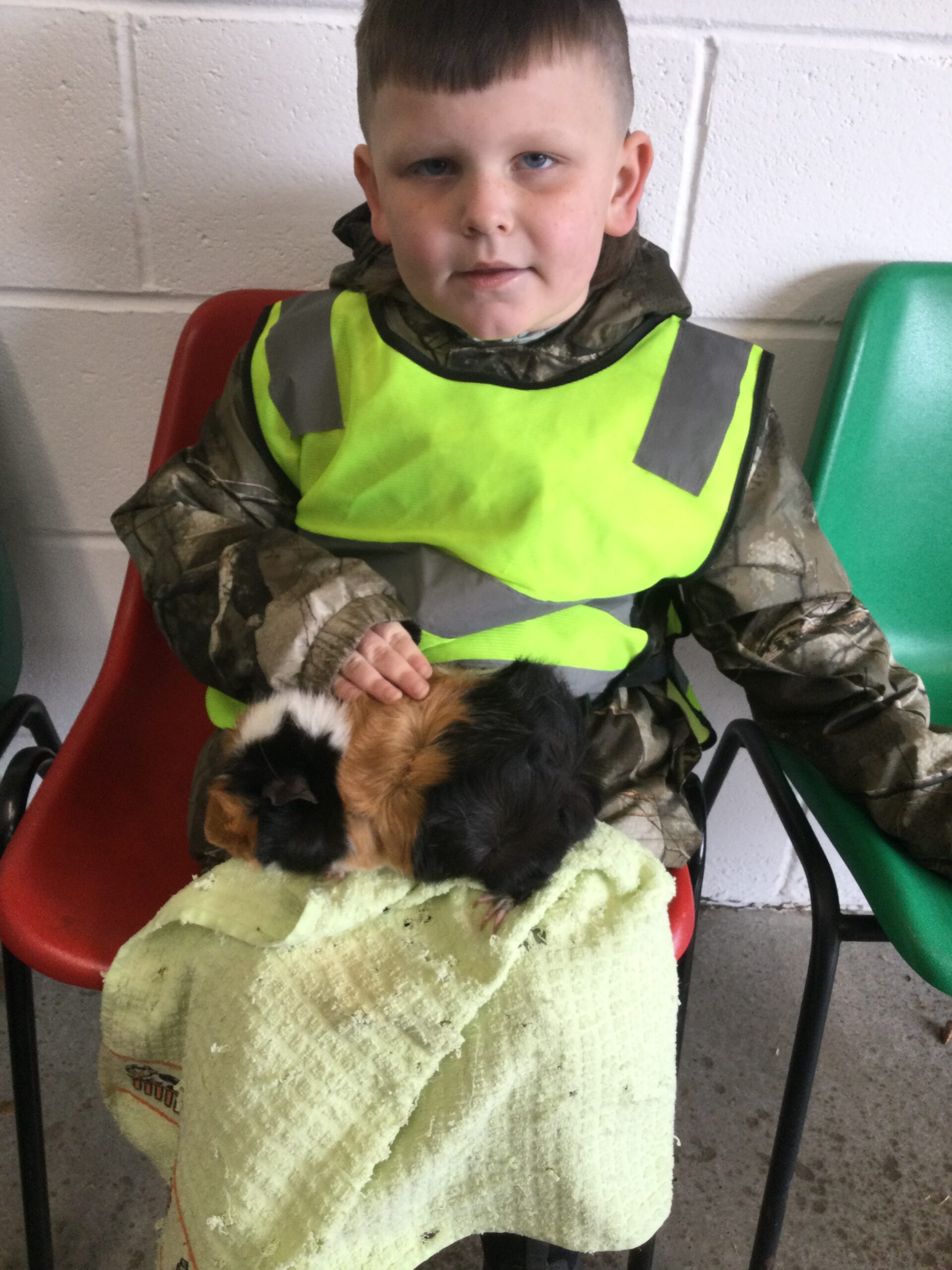
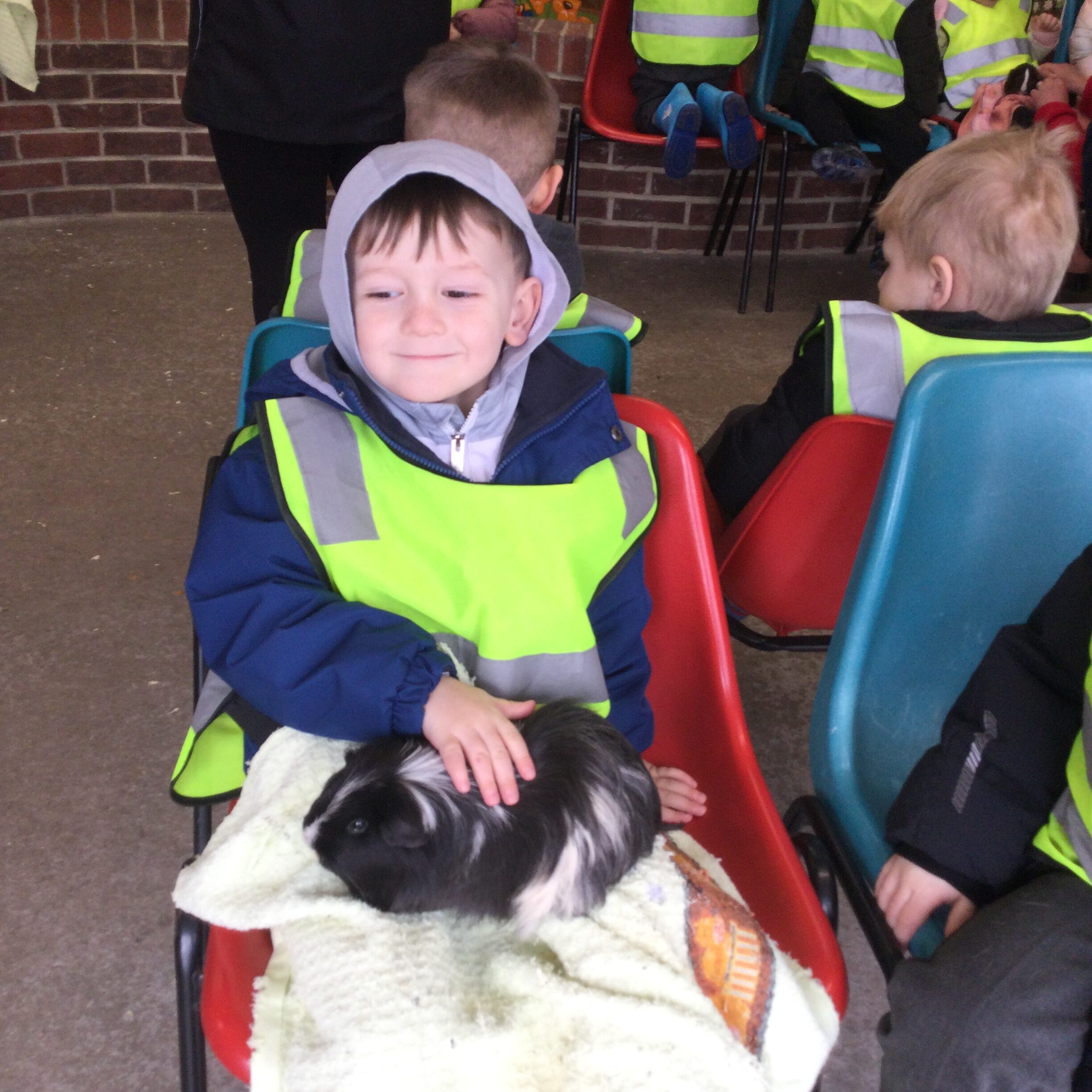
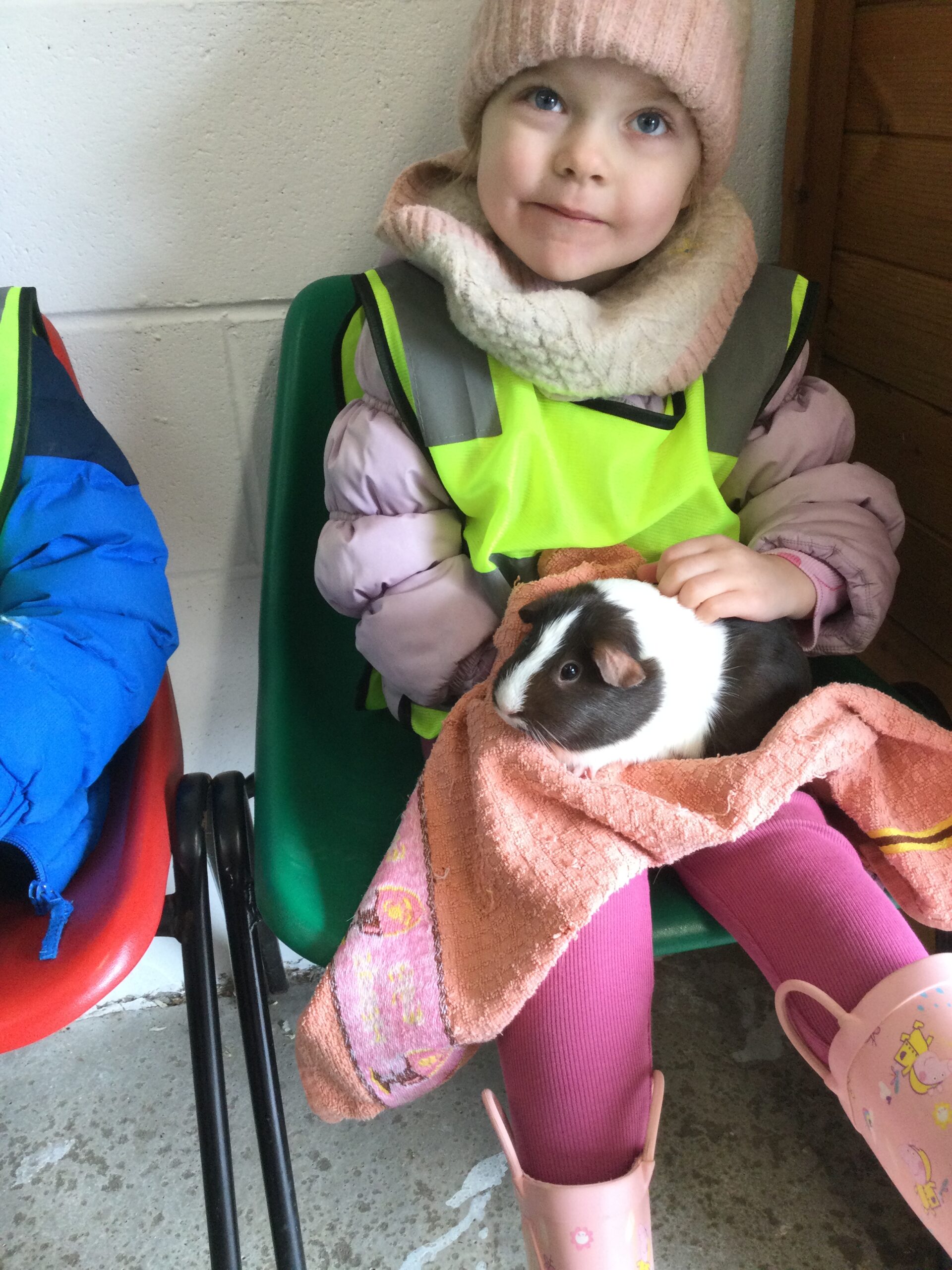
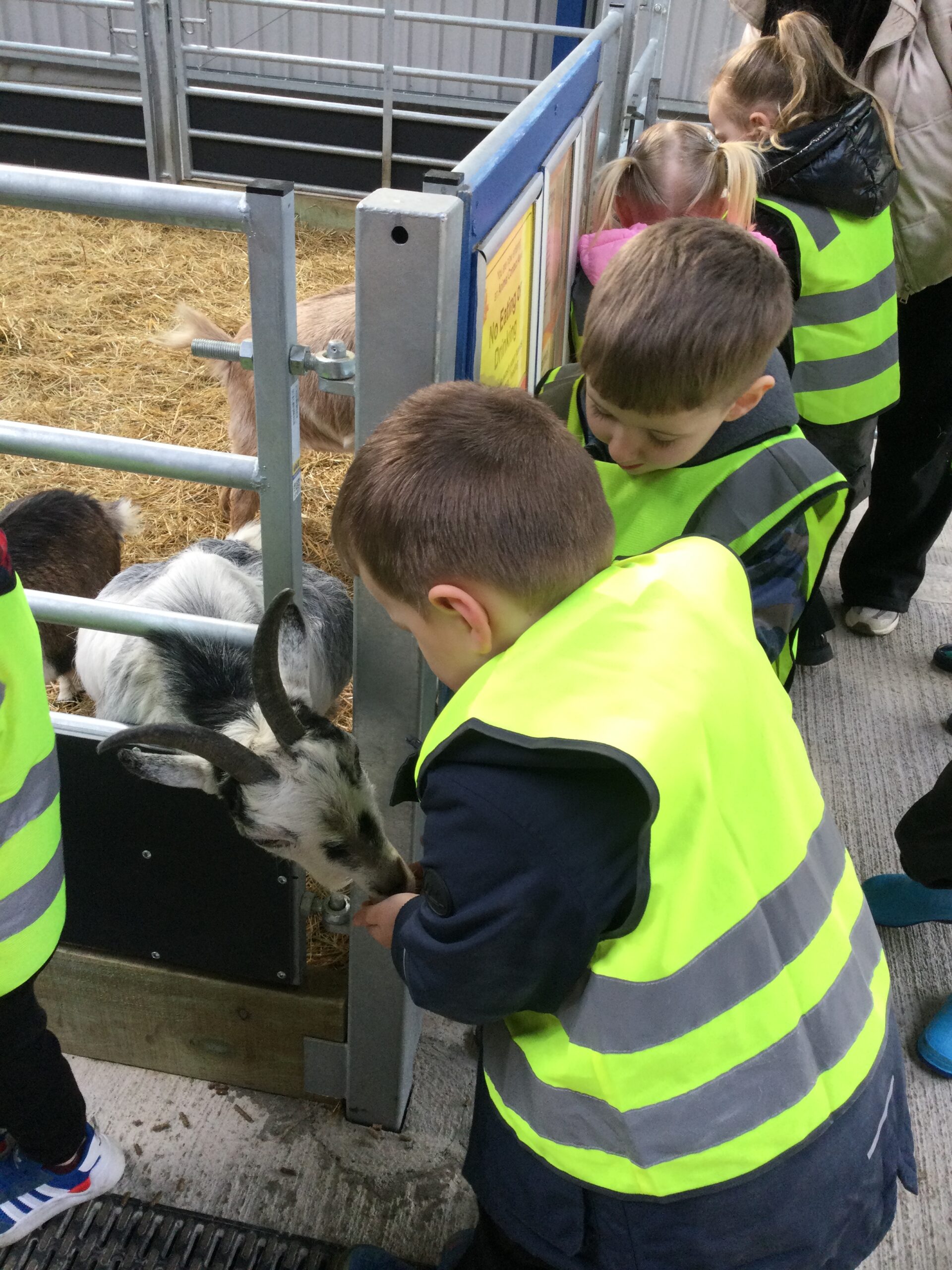
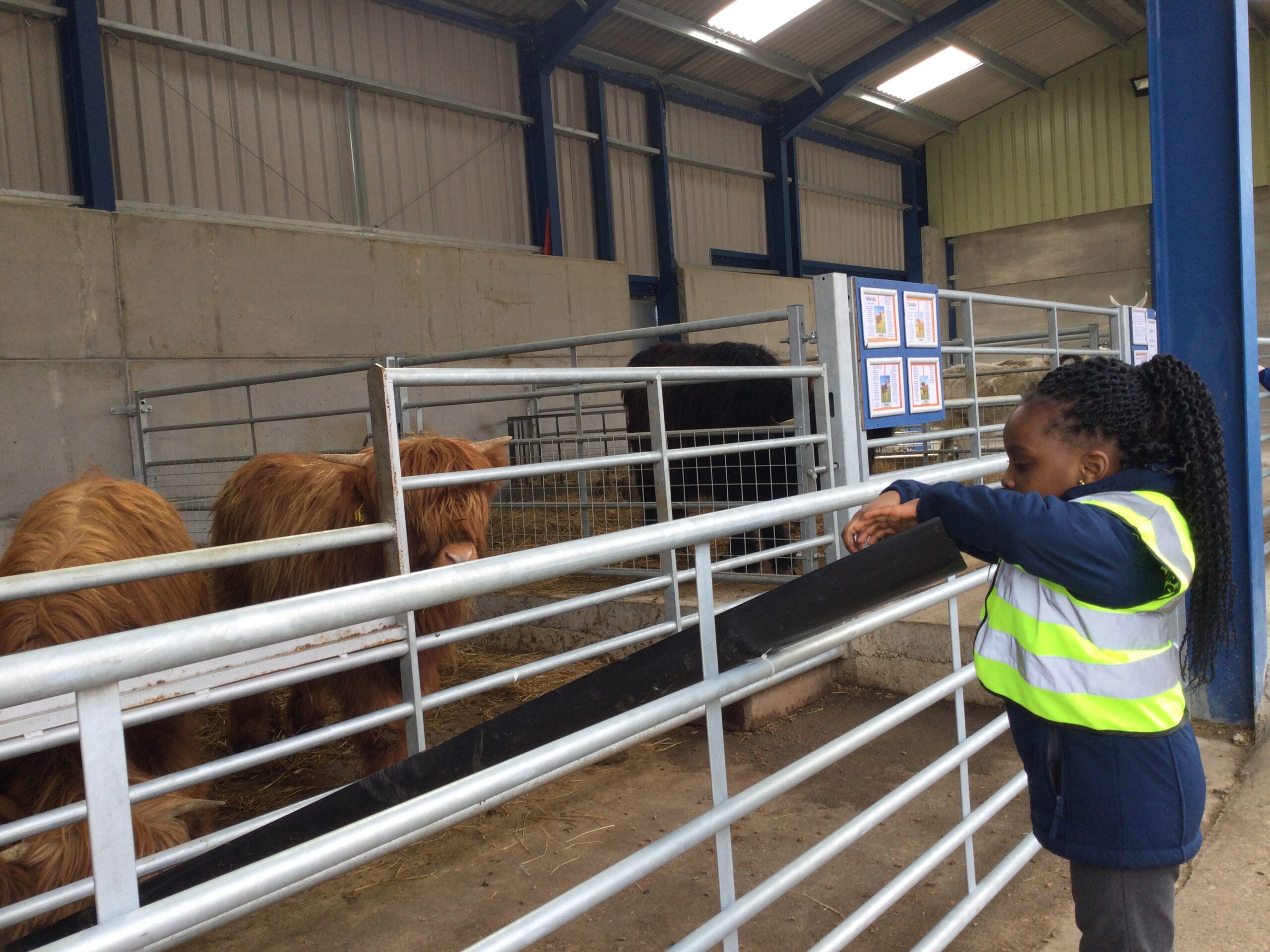
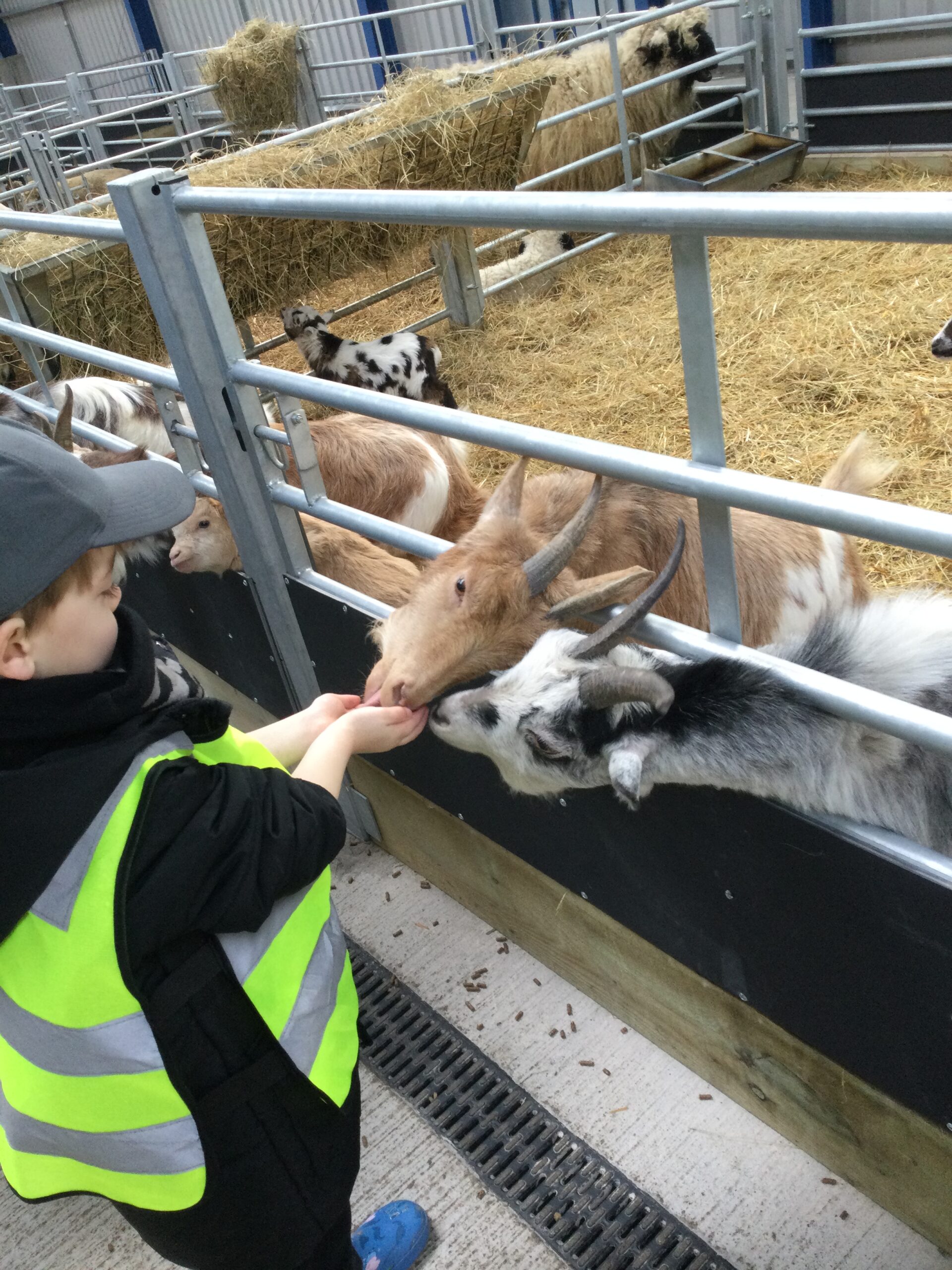
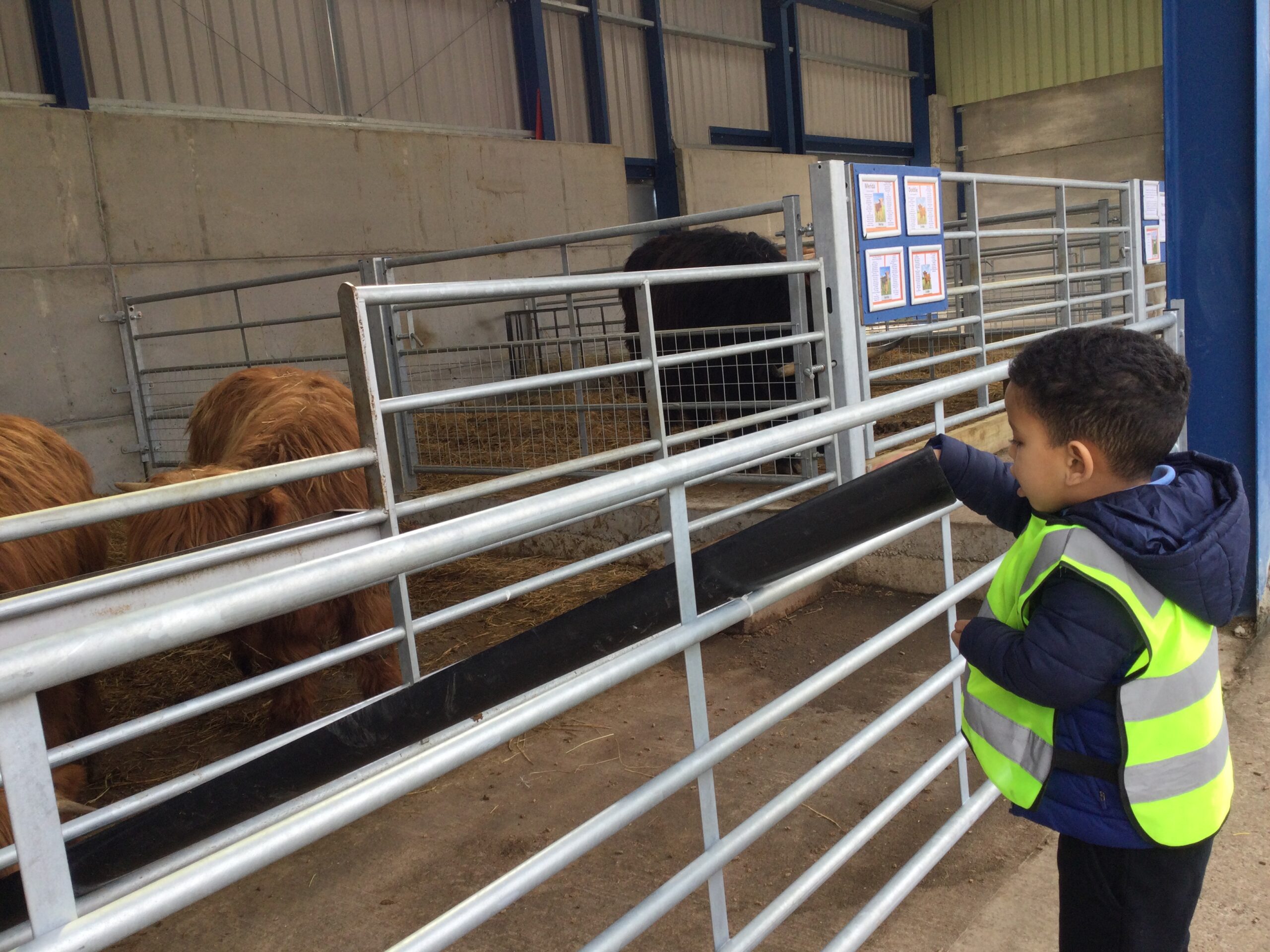
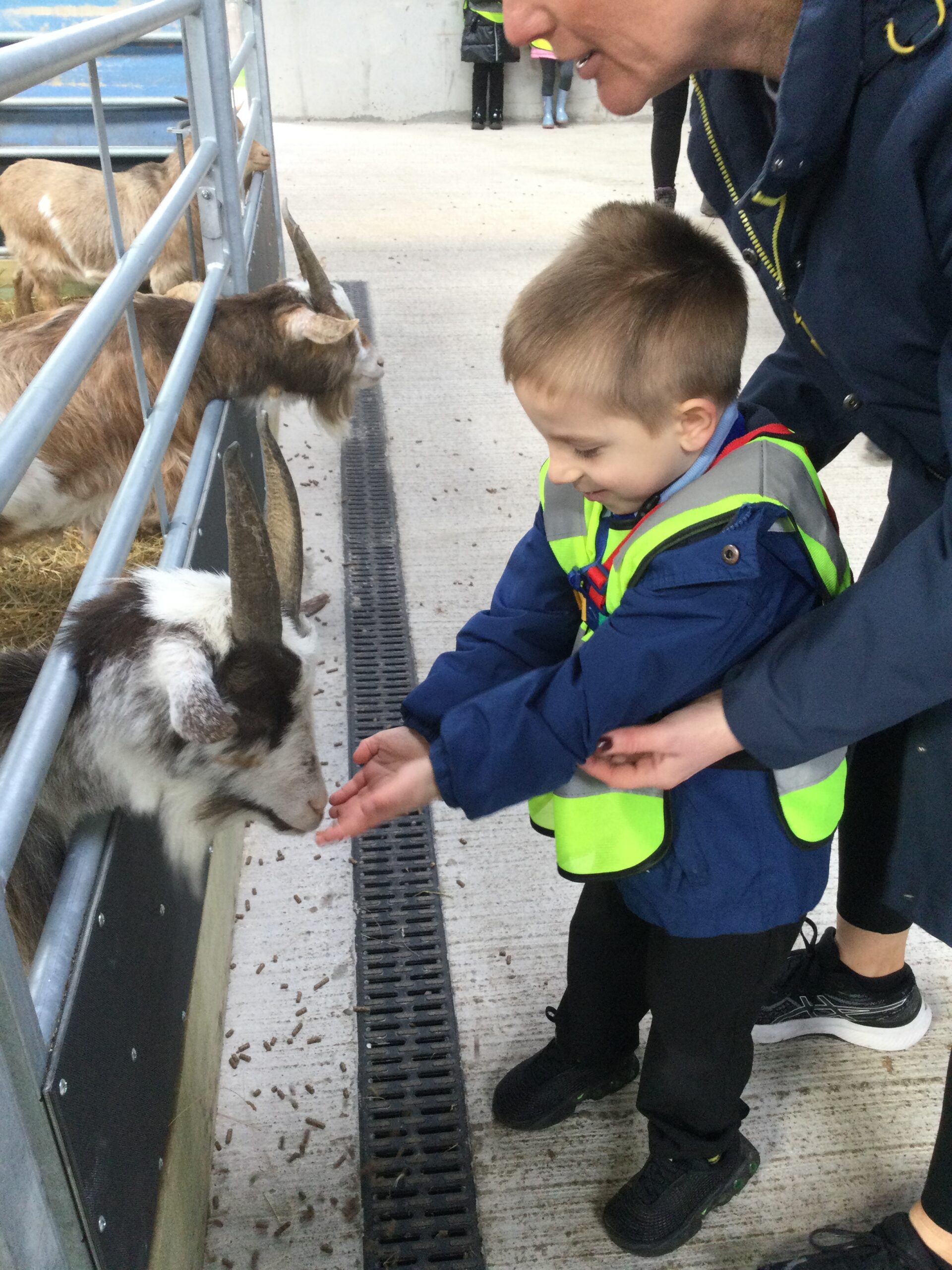
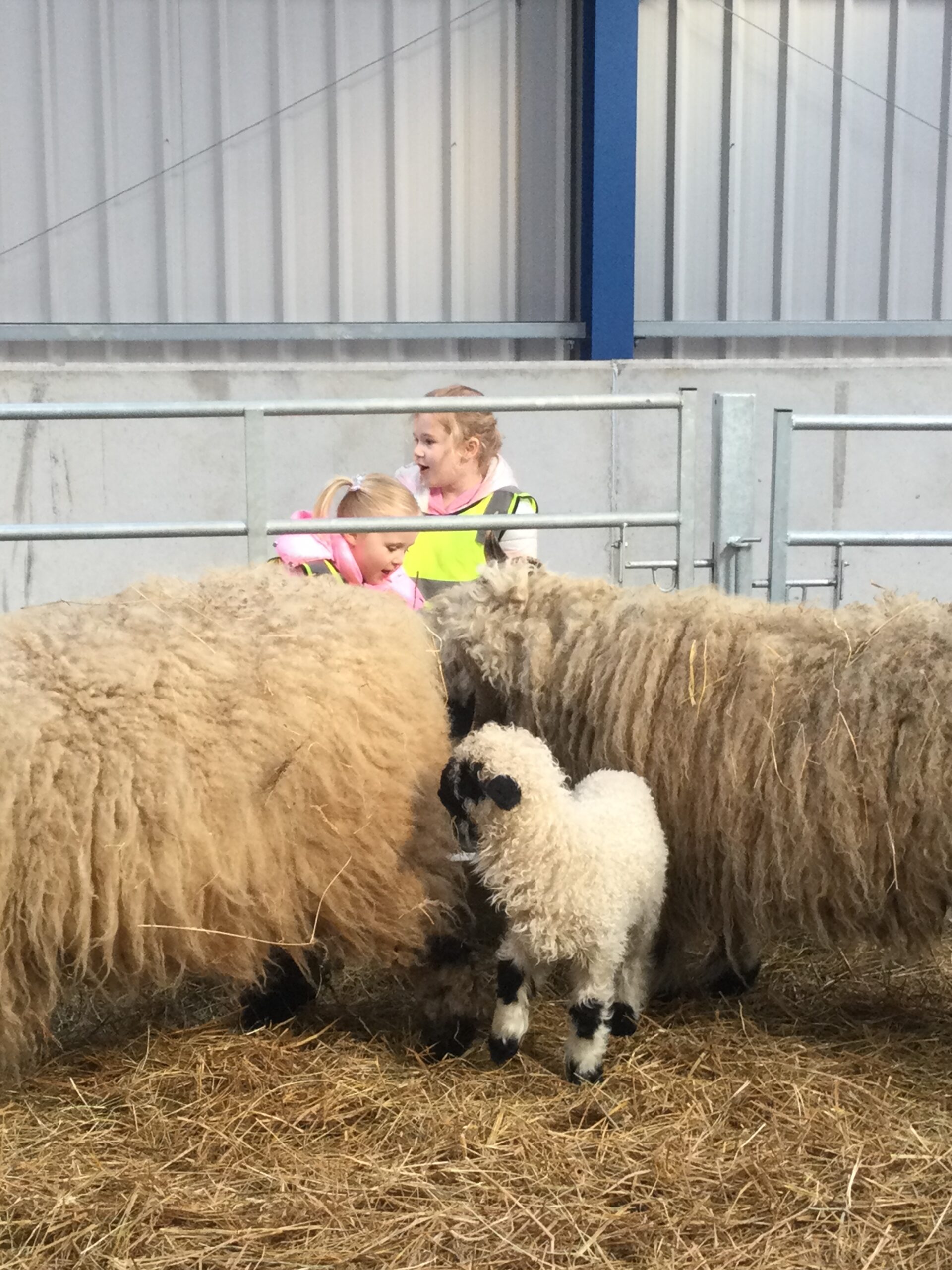
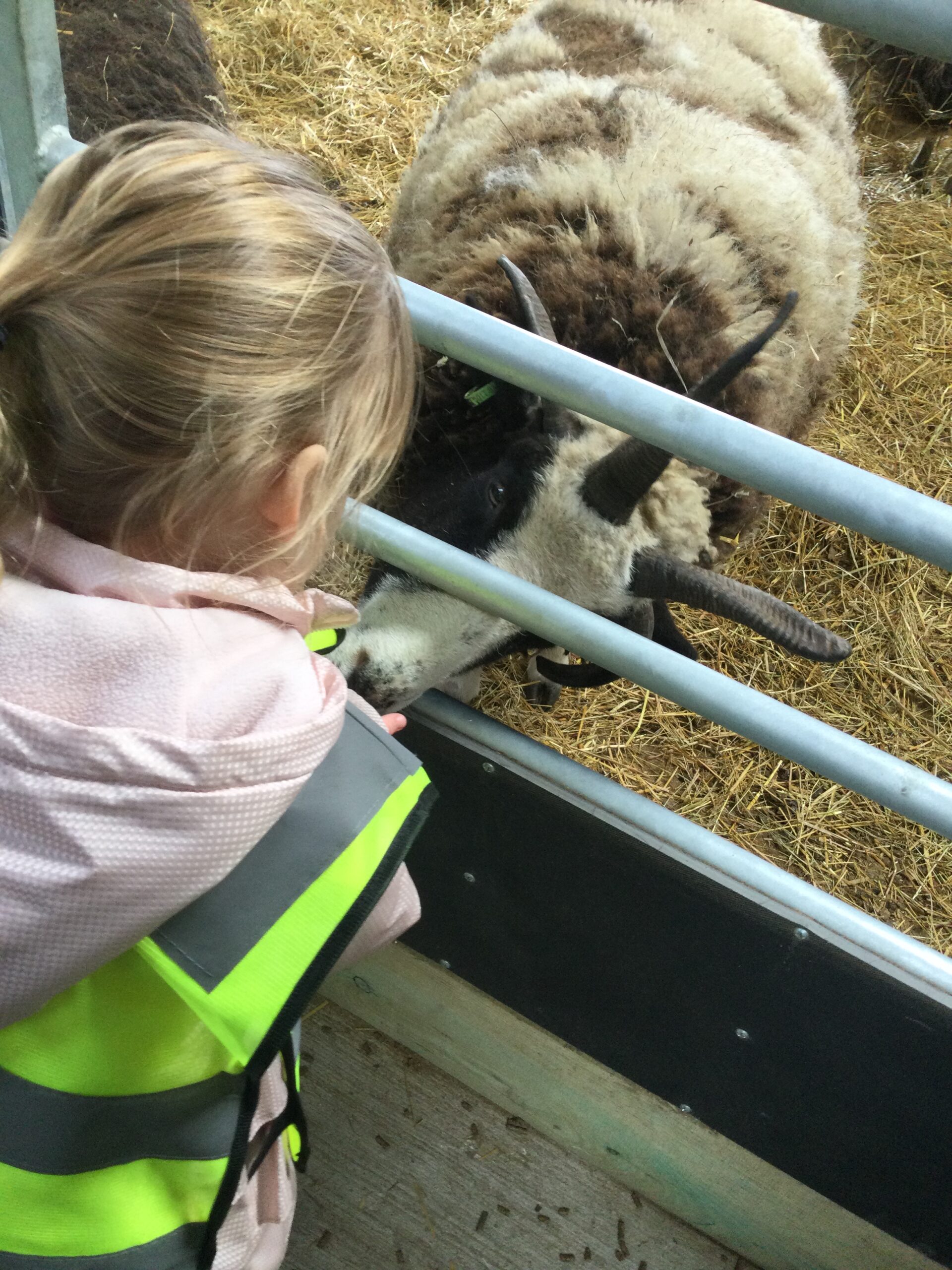
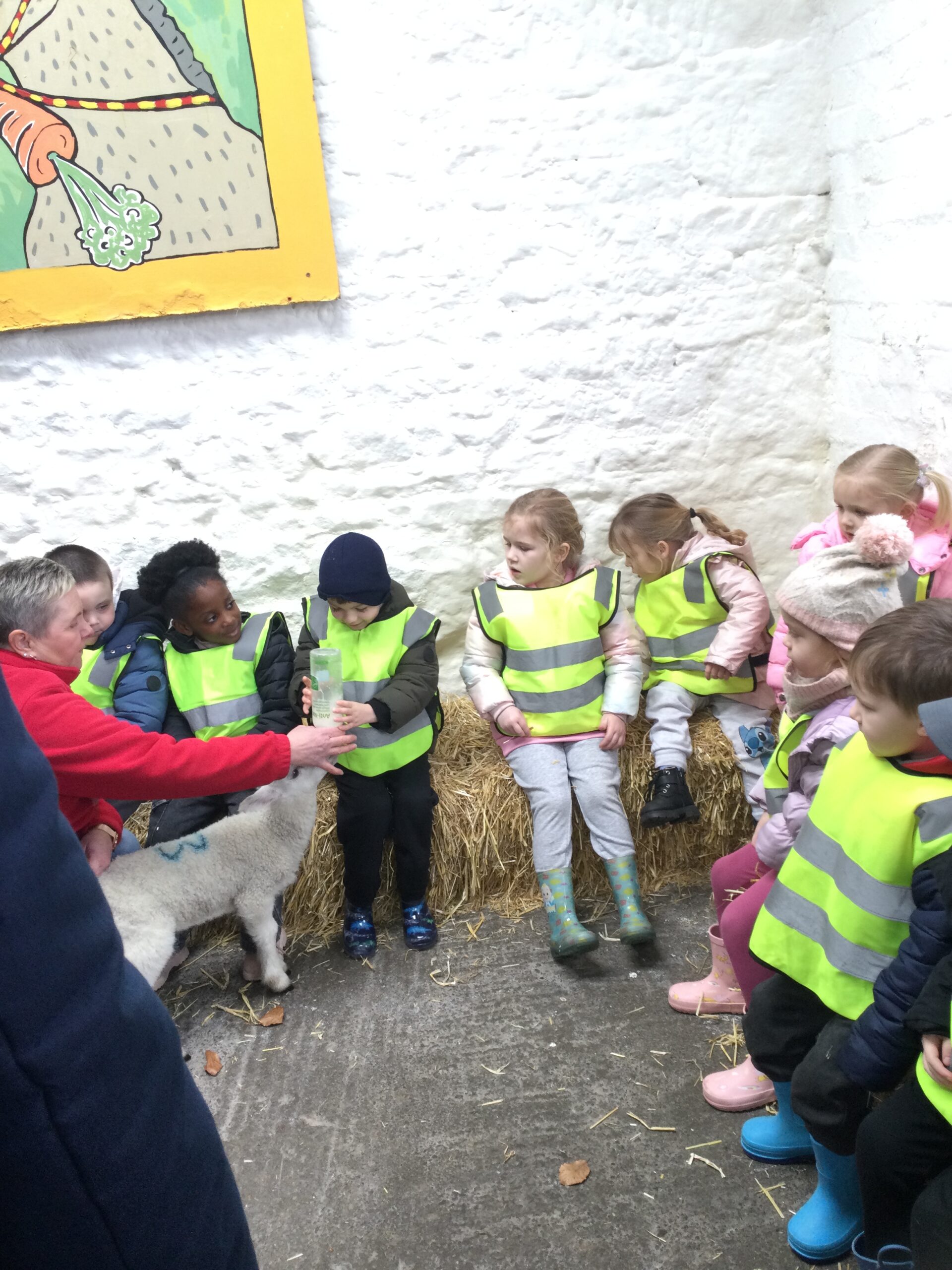
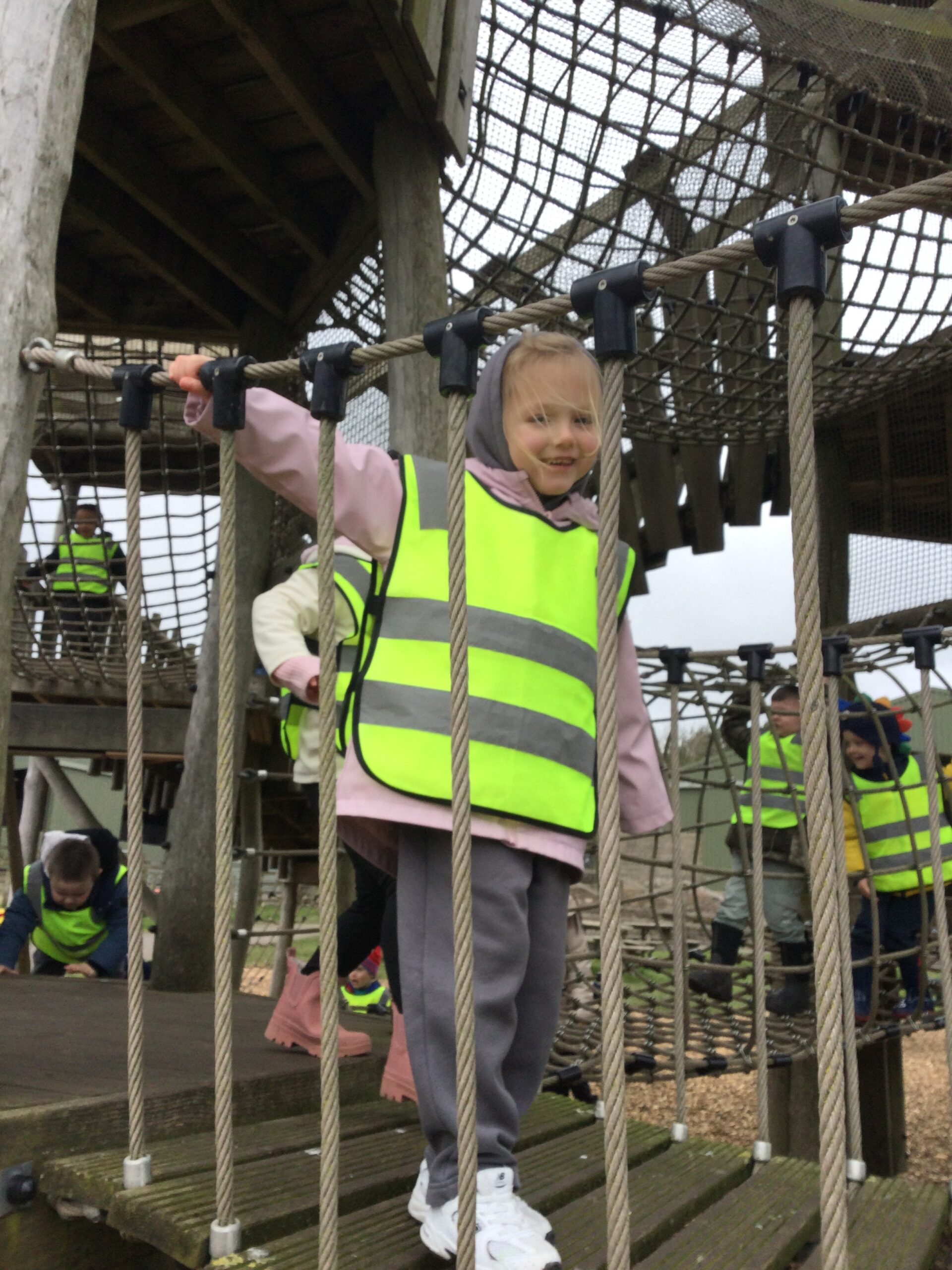
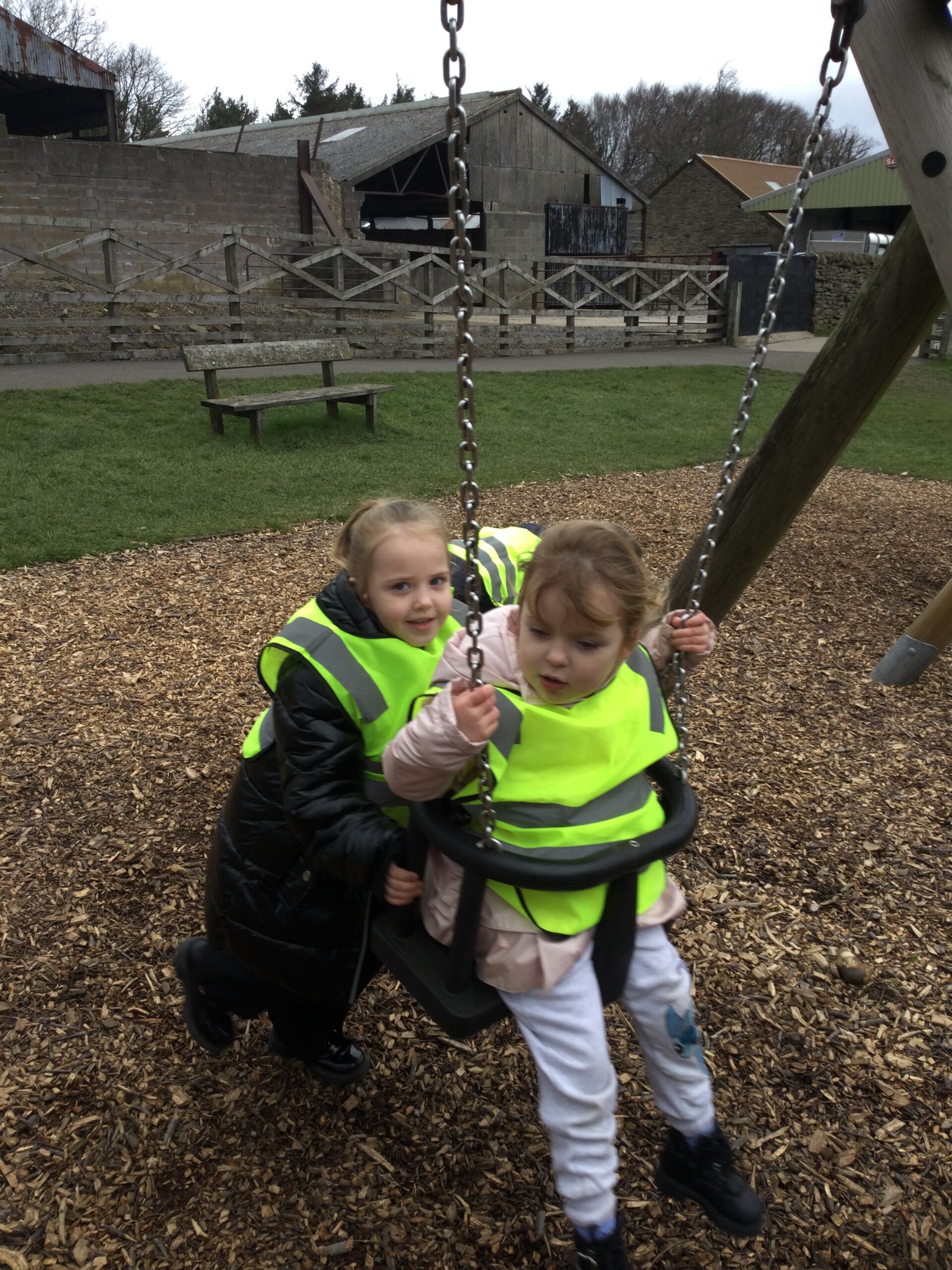
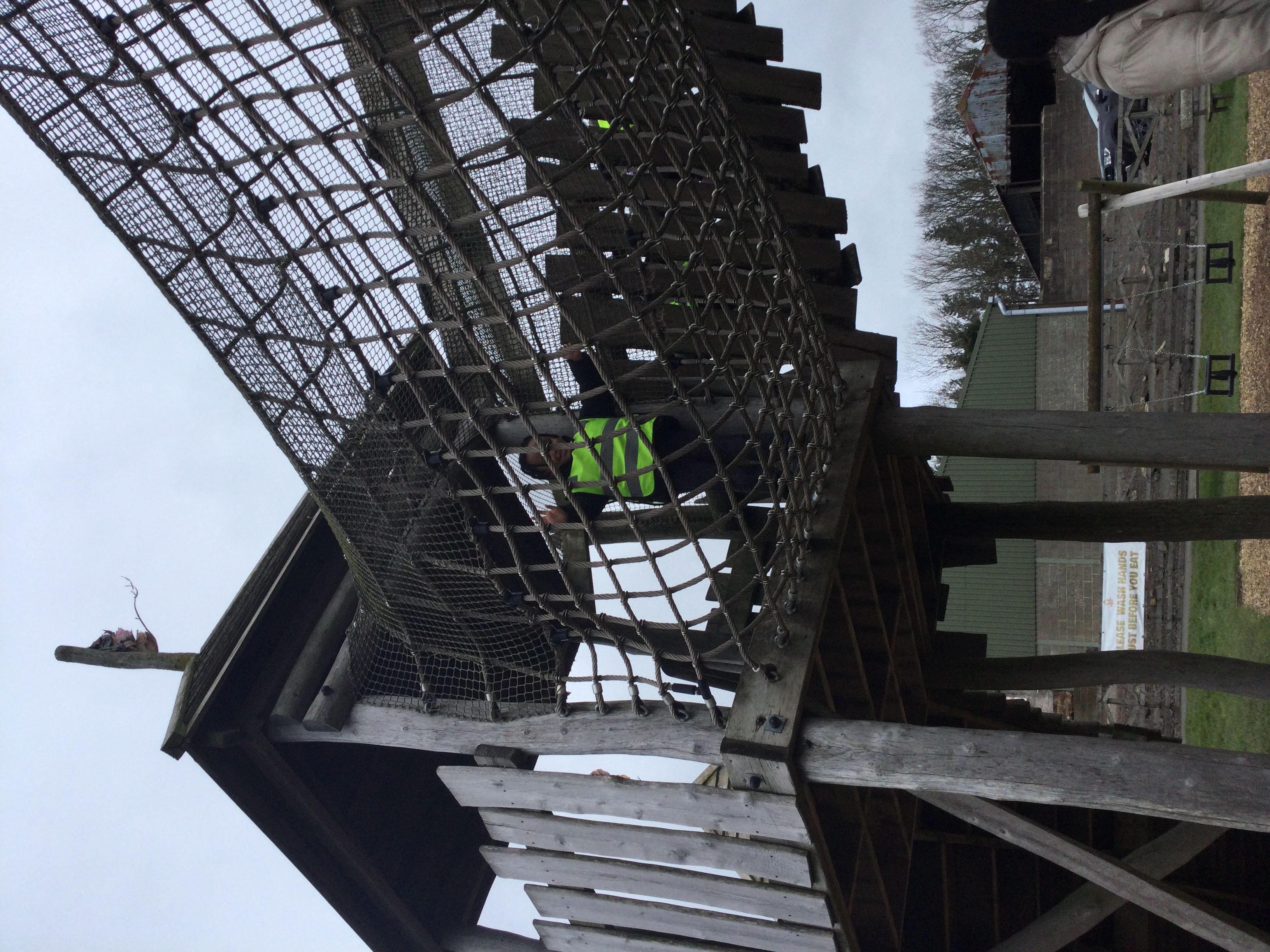
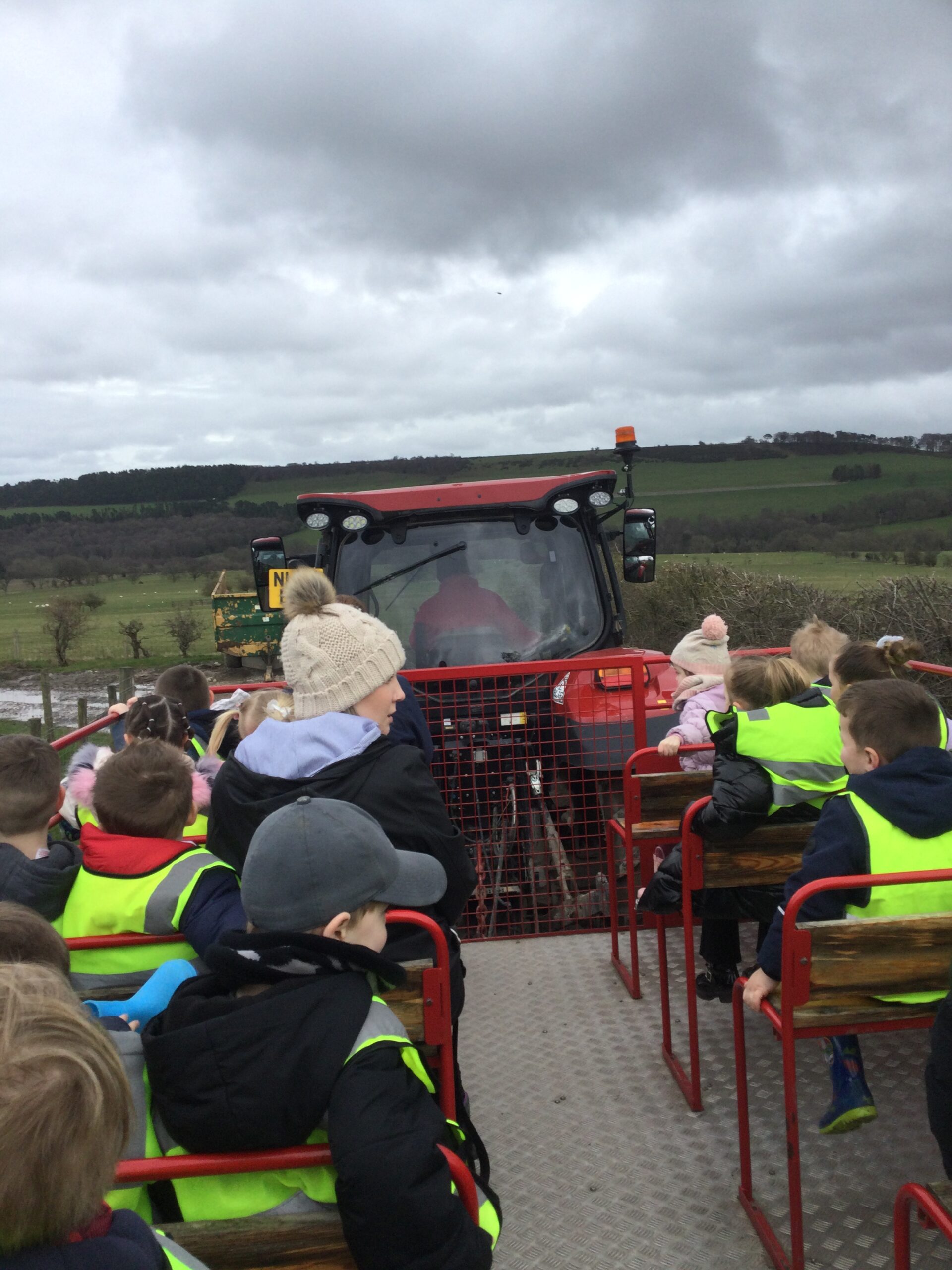
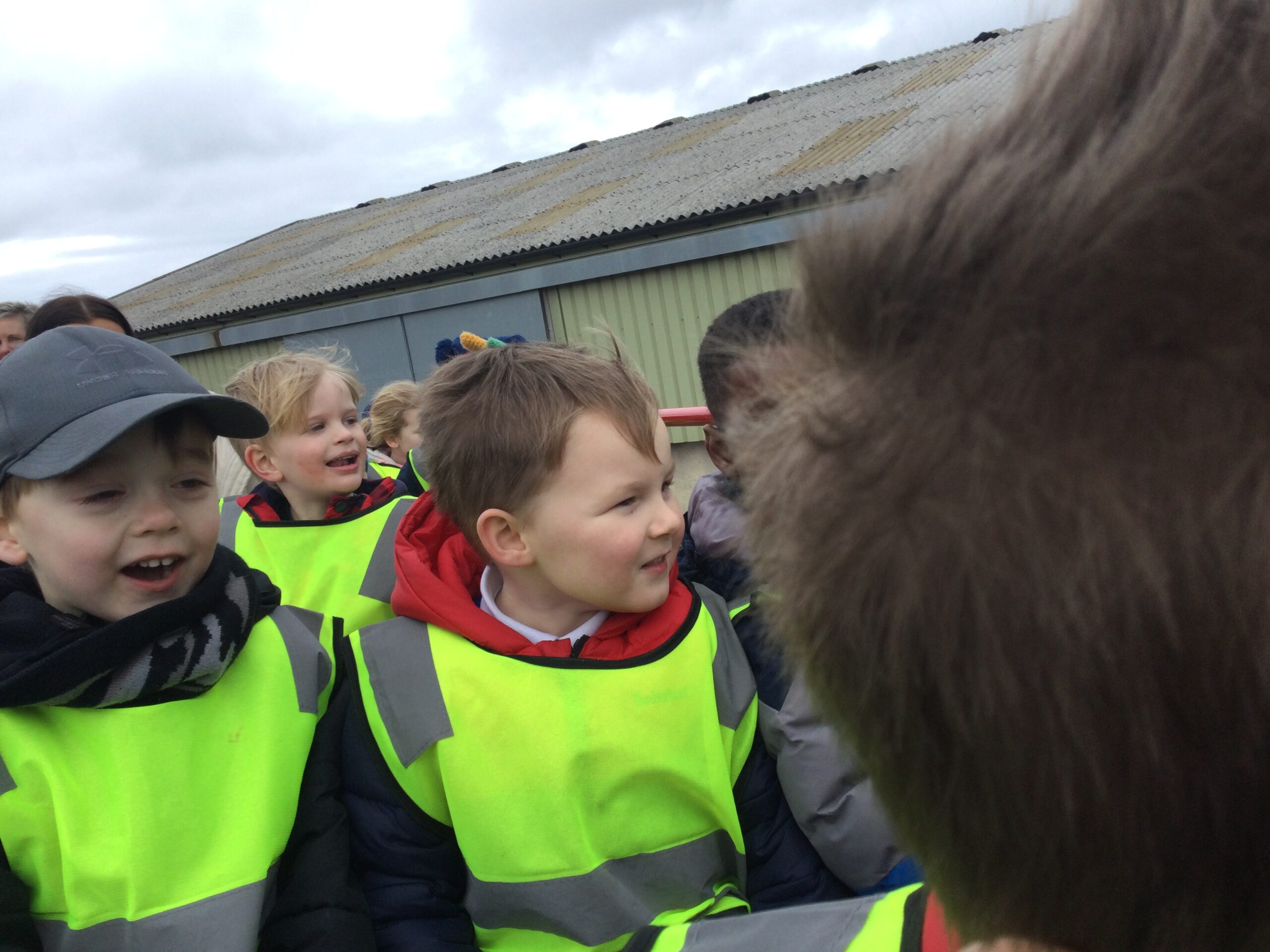
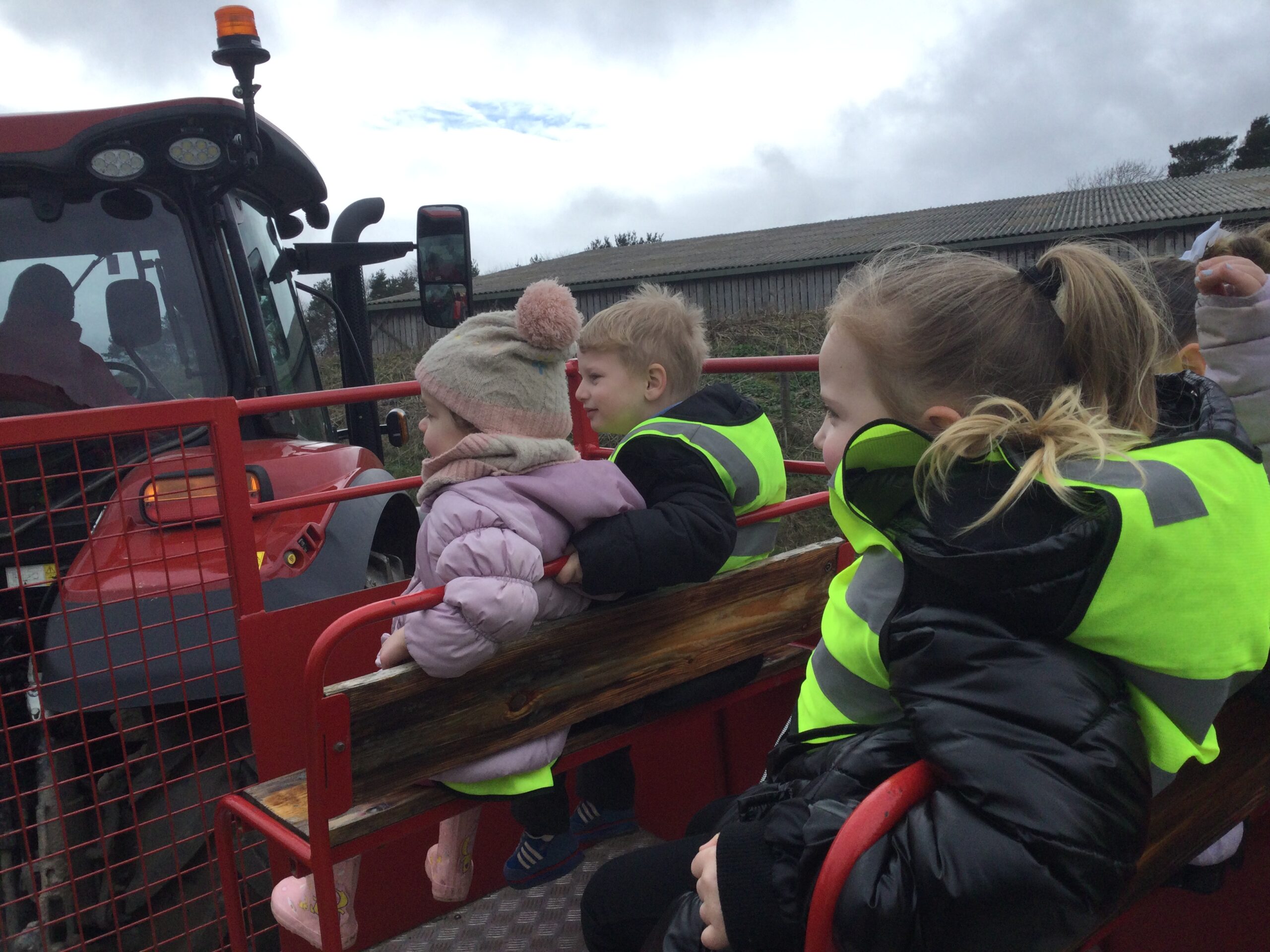
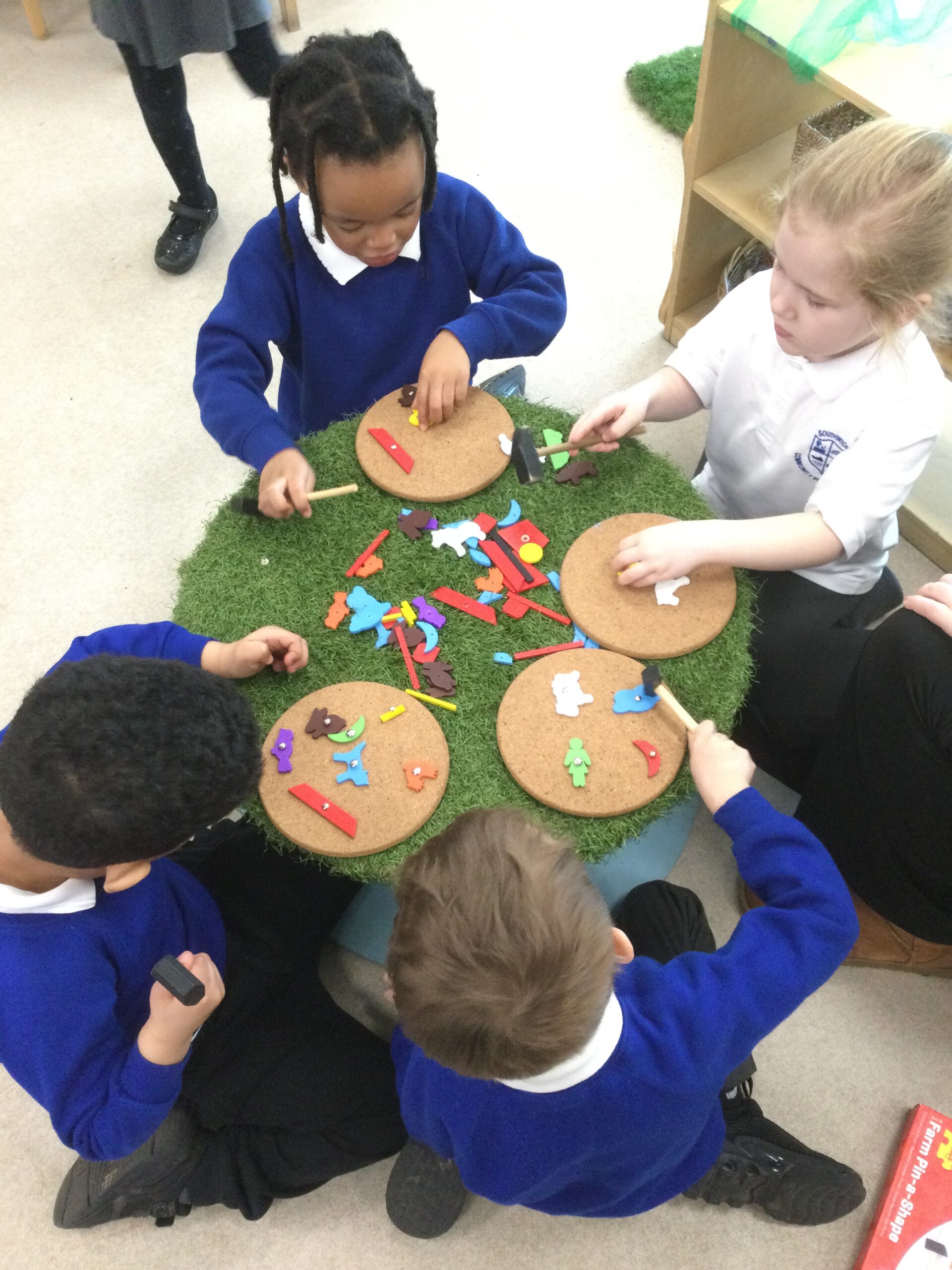
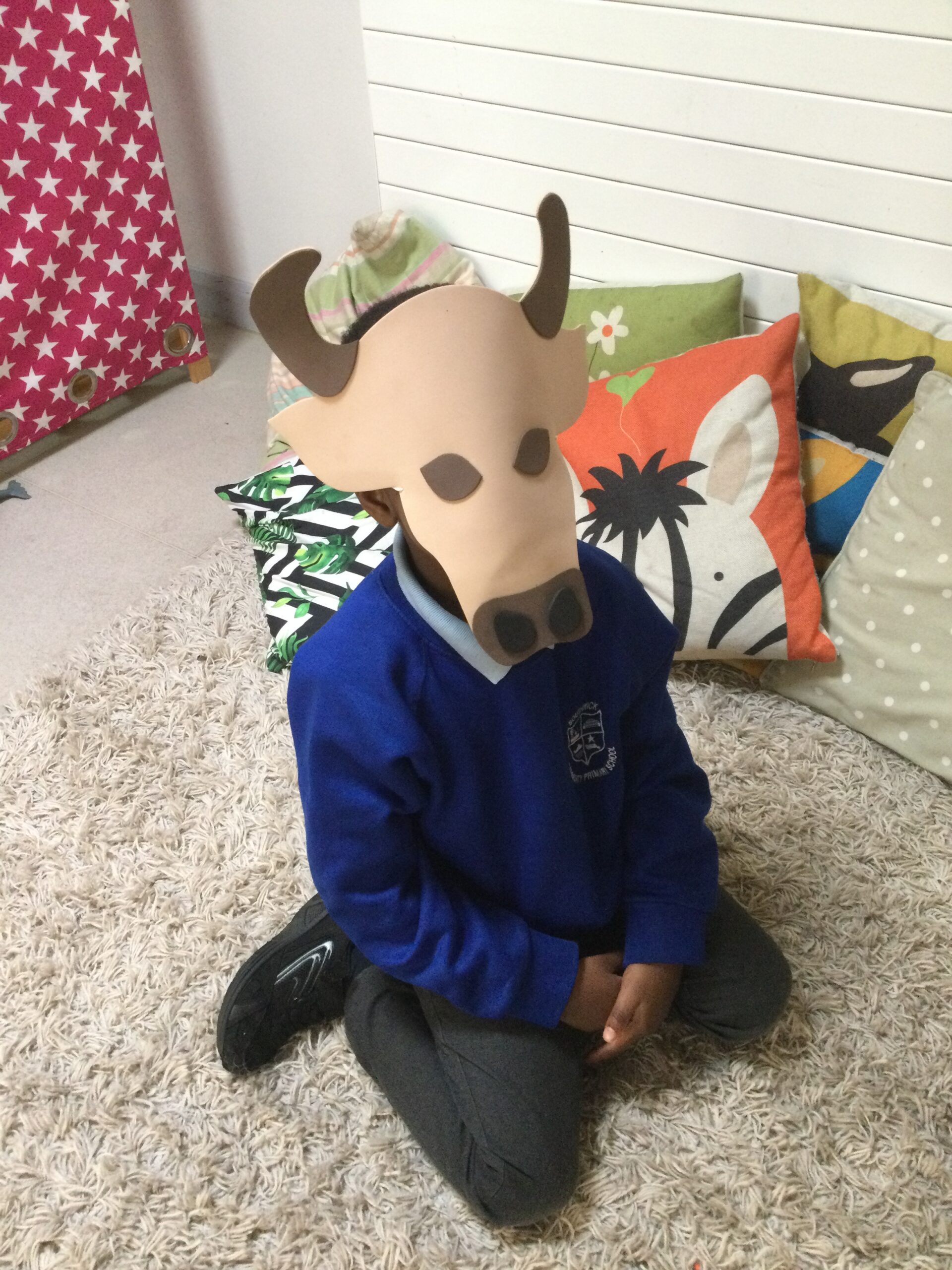
These questions took us to Hall Hill Farm, where children could observe animals first-hand. They met chicks, rabbits, lambs and many other animals and eagerly compared them with their adult counterparts.
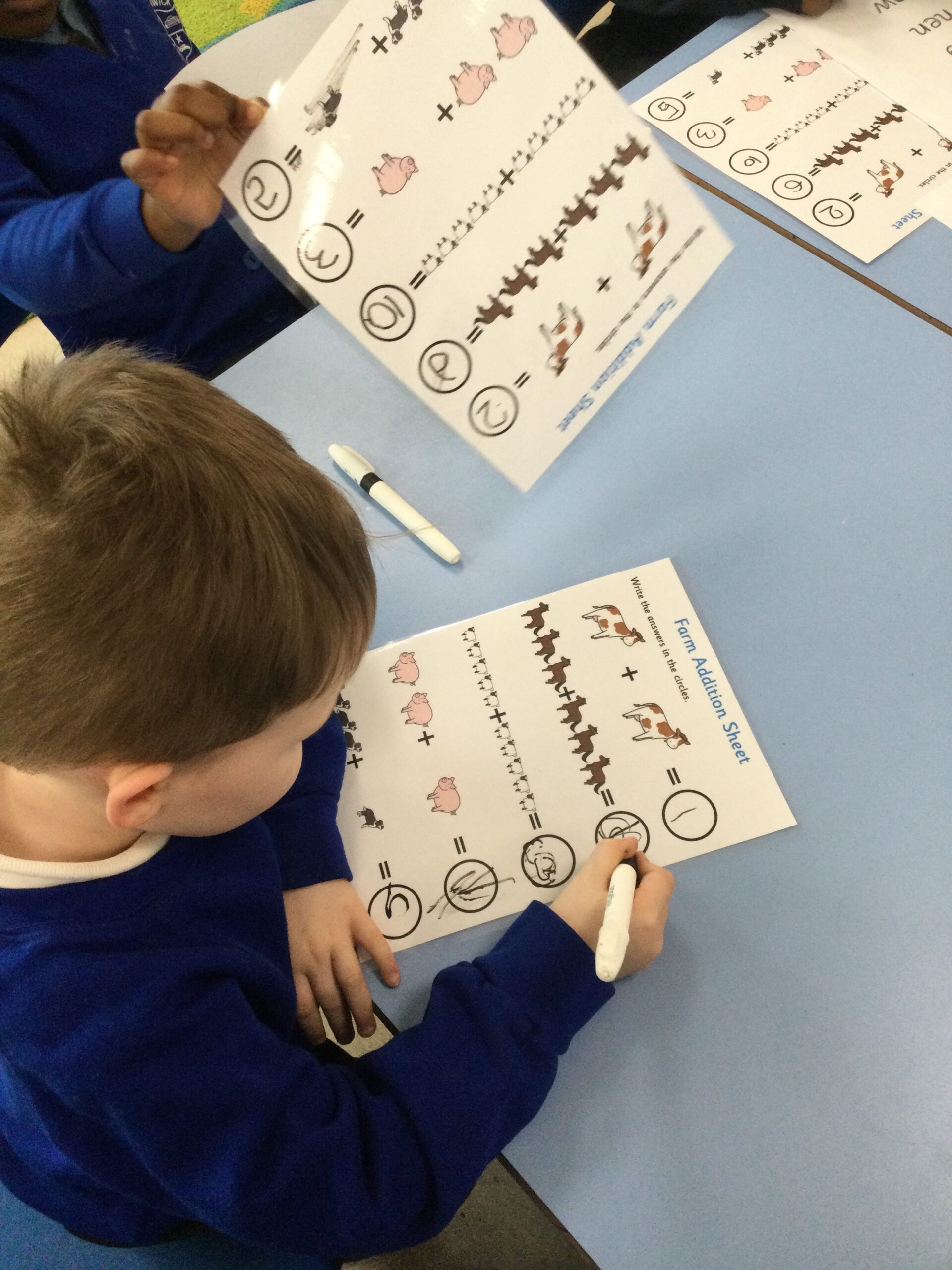
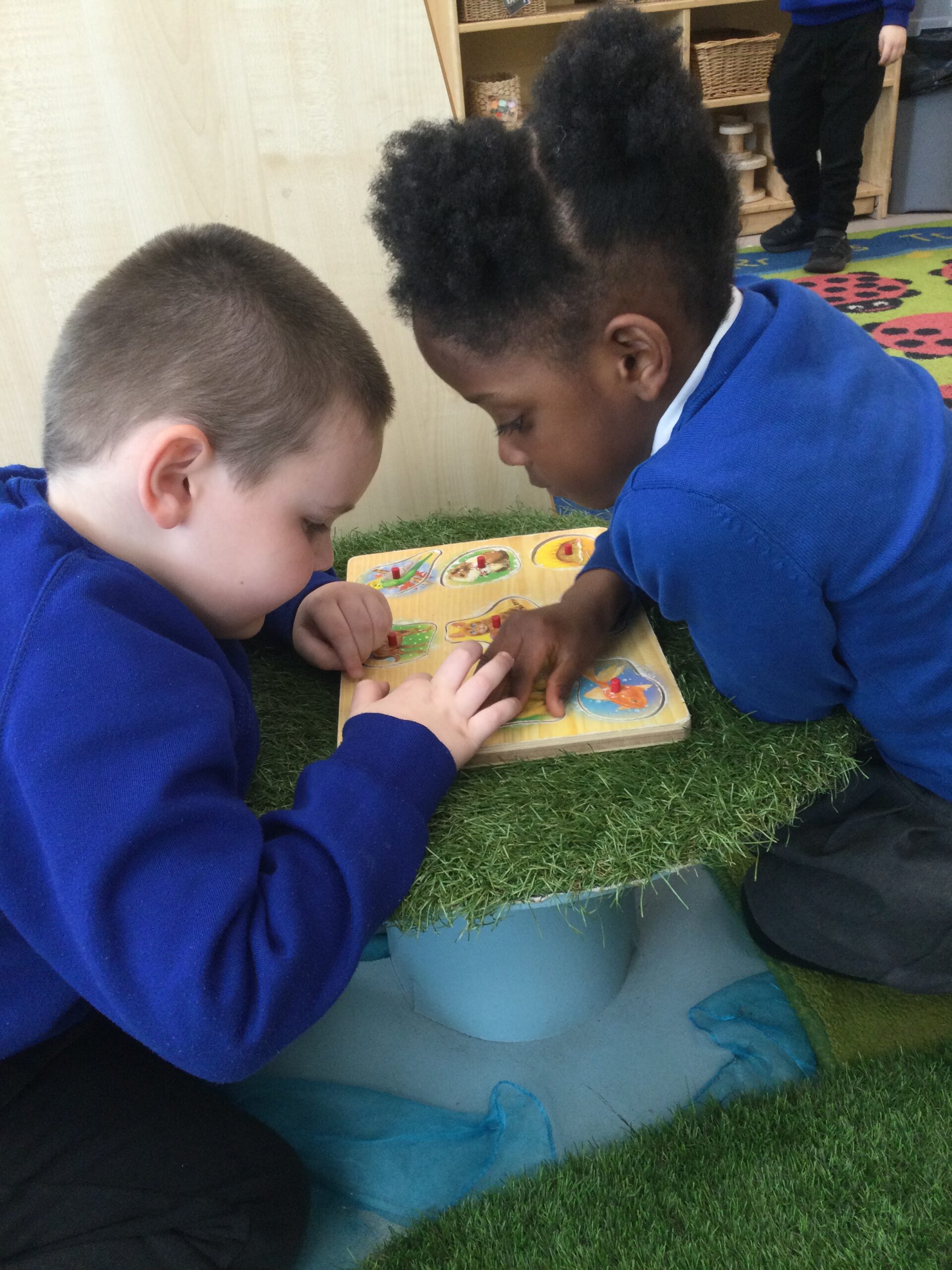
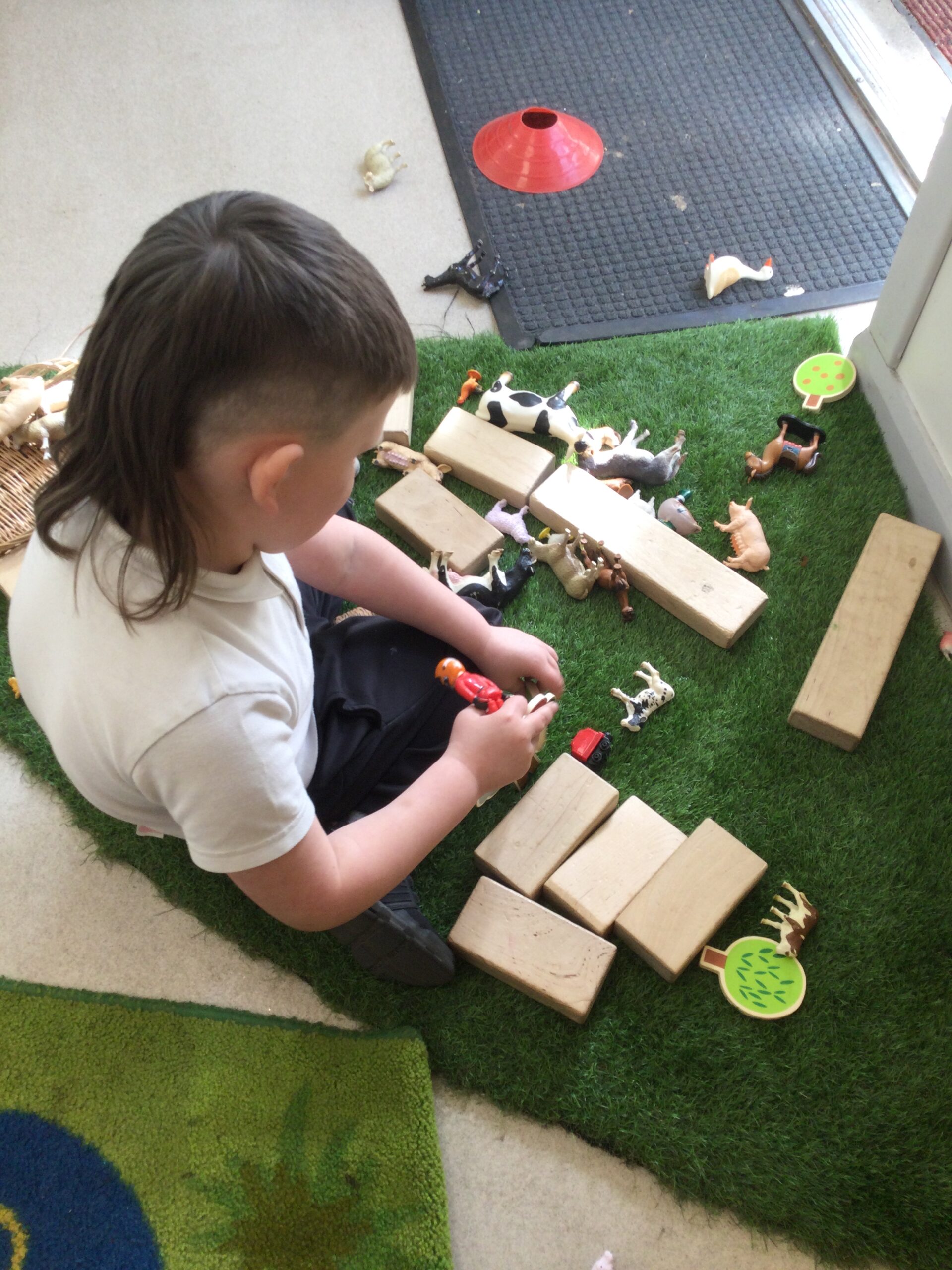
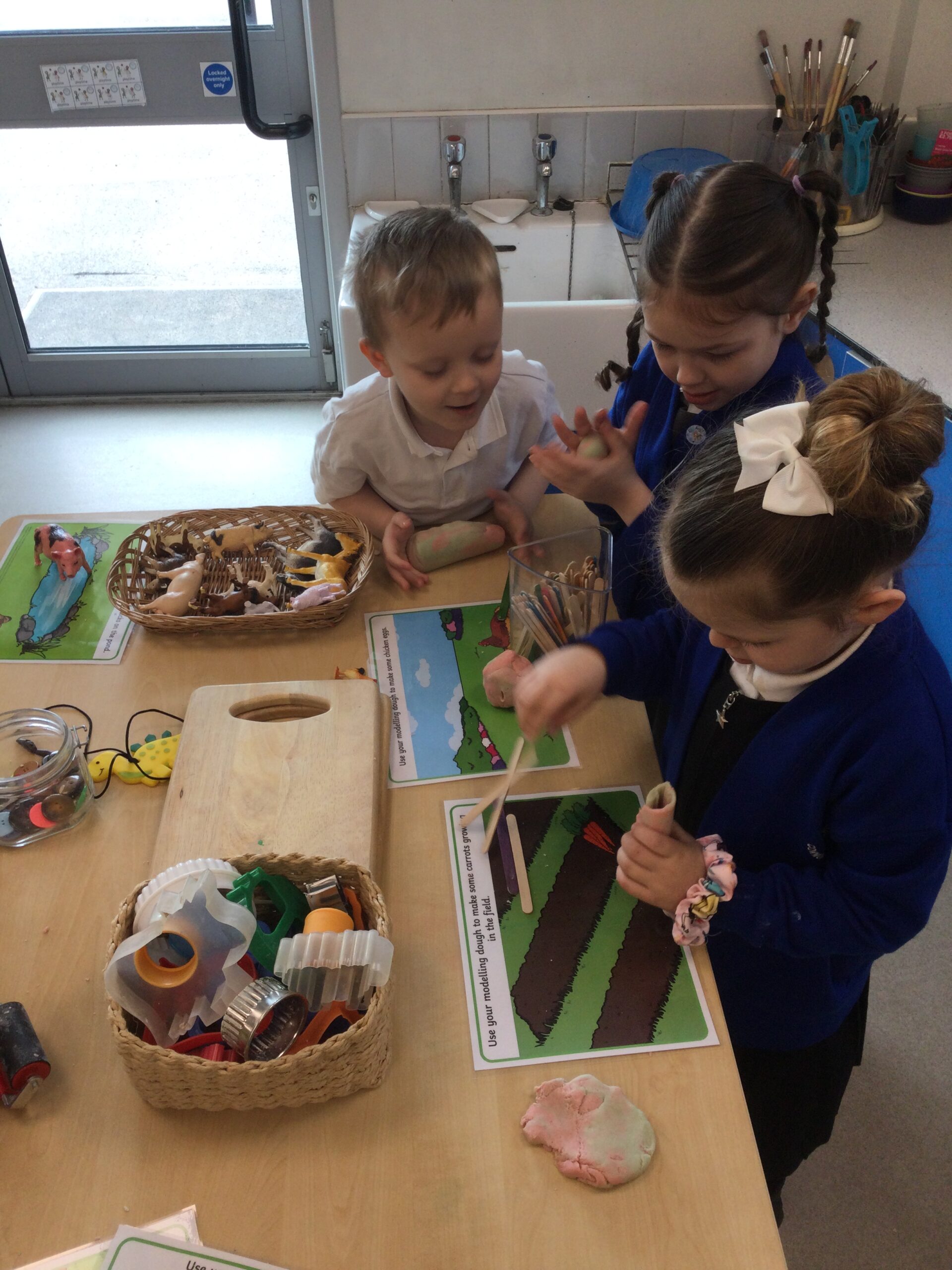
The experience sparked ongoing farm play back in the classroom as children recreated what they had seen and continued to ask questions.
What did we learn?
The children learned that animals grow and change just like people and plants. They also developed a deeper understanding of how animals are cared for.
Week 4: How do animals grow and change?
What did we wonder?
Our discussions about baby animals led to further questions.
- What happens inside an egg?
- How does a chick become a duck?
- How long does it take animals to grow?
Where did this take us?
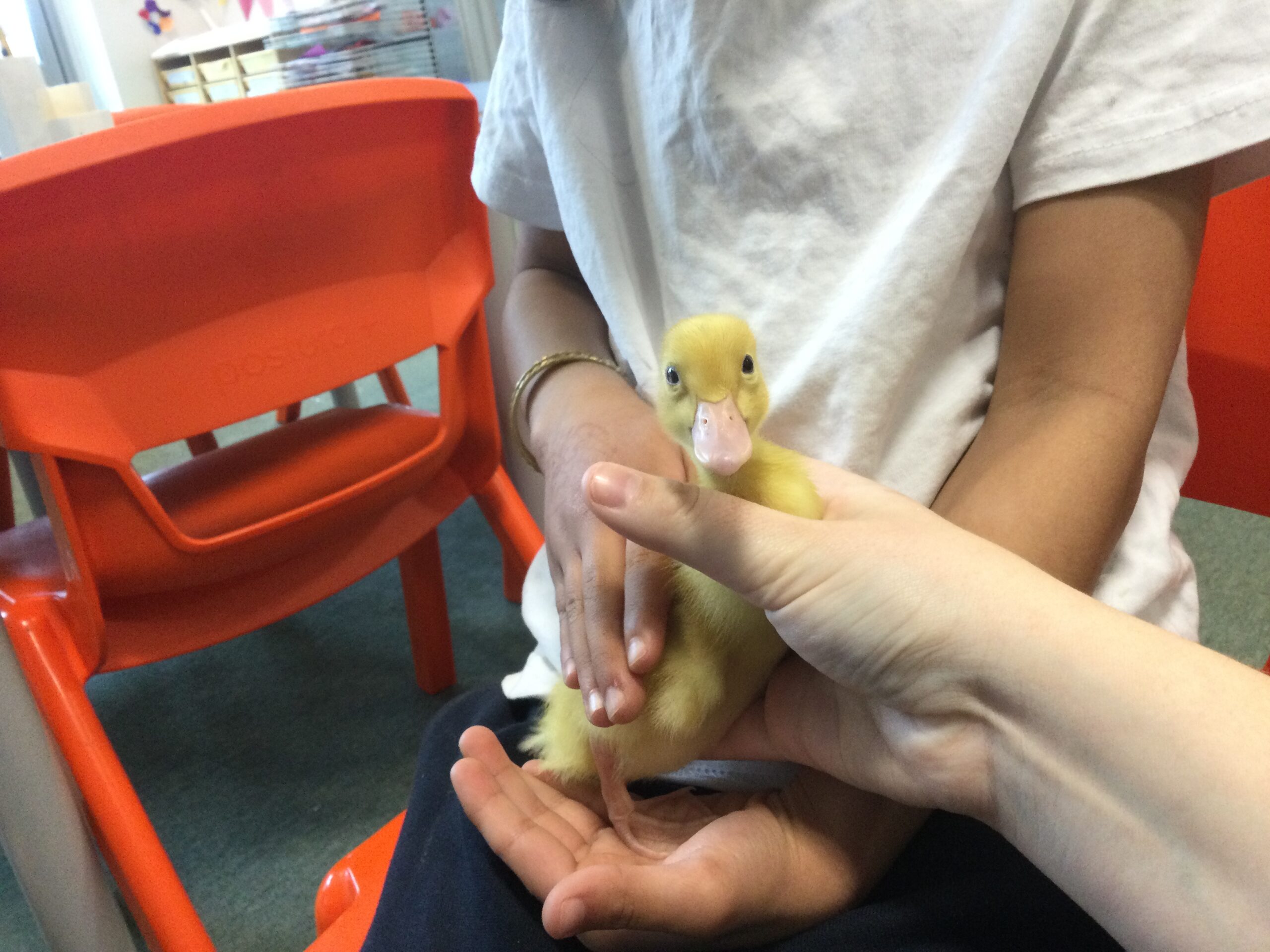
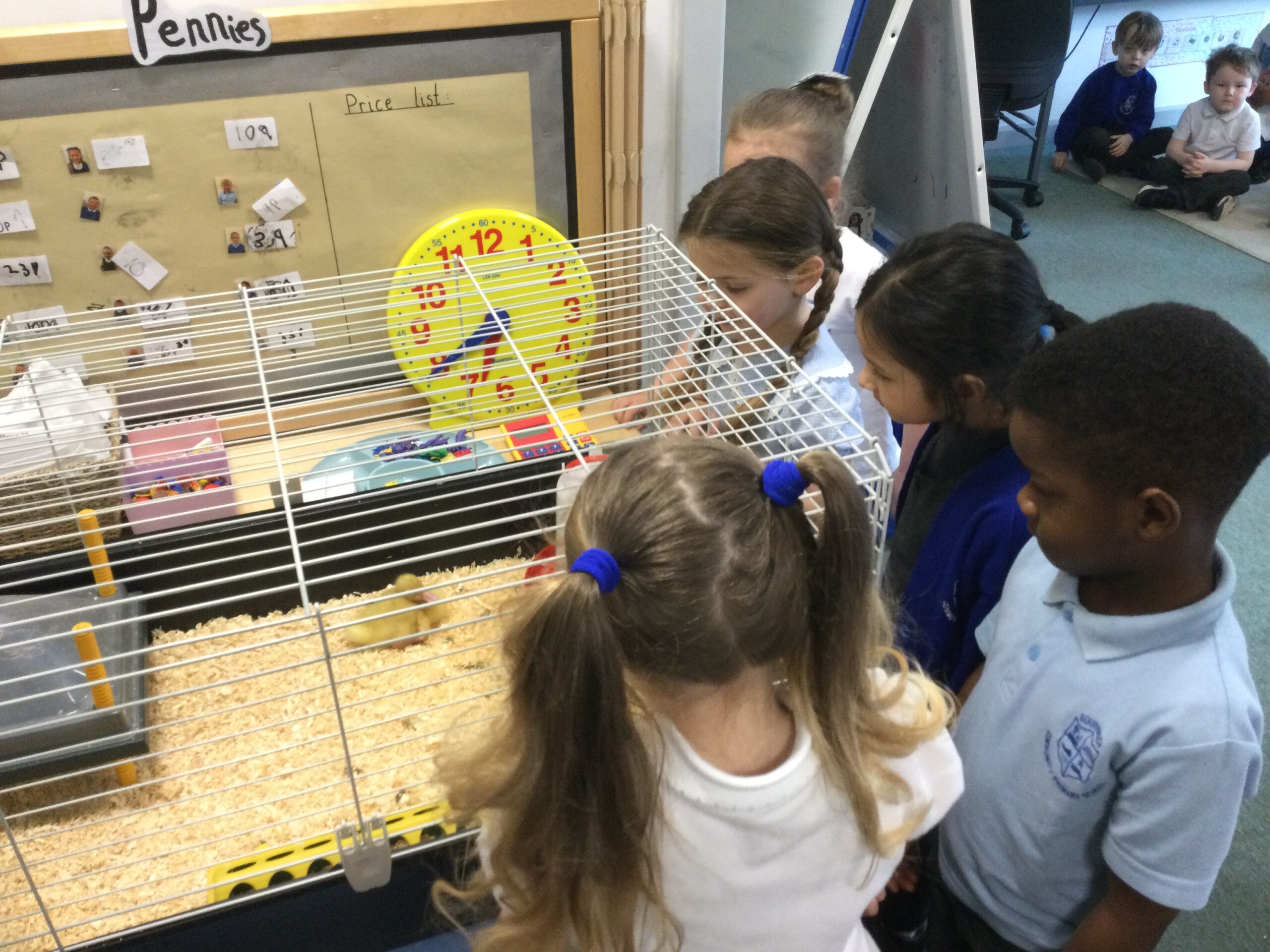
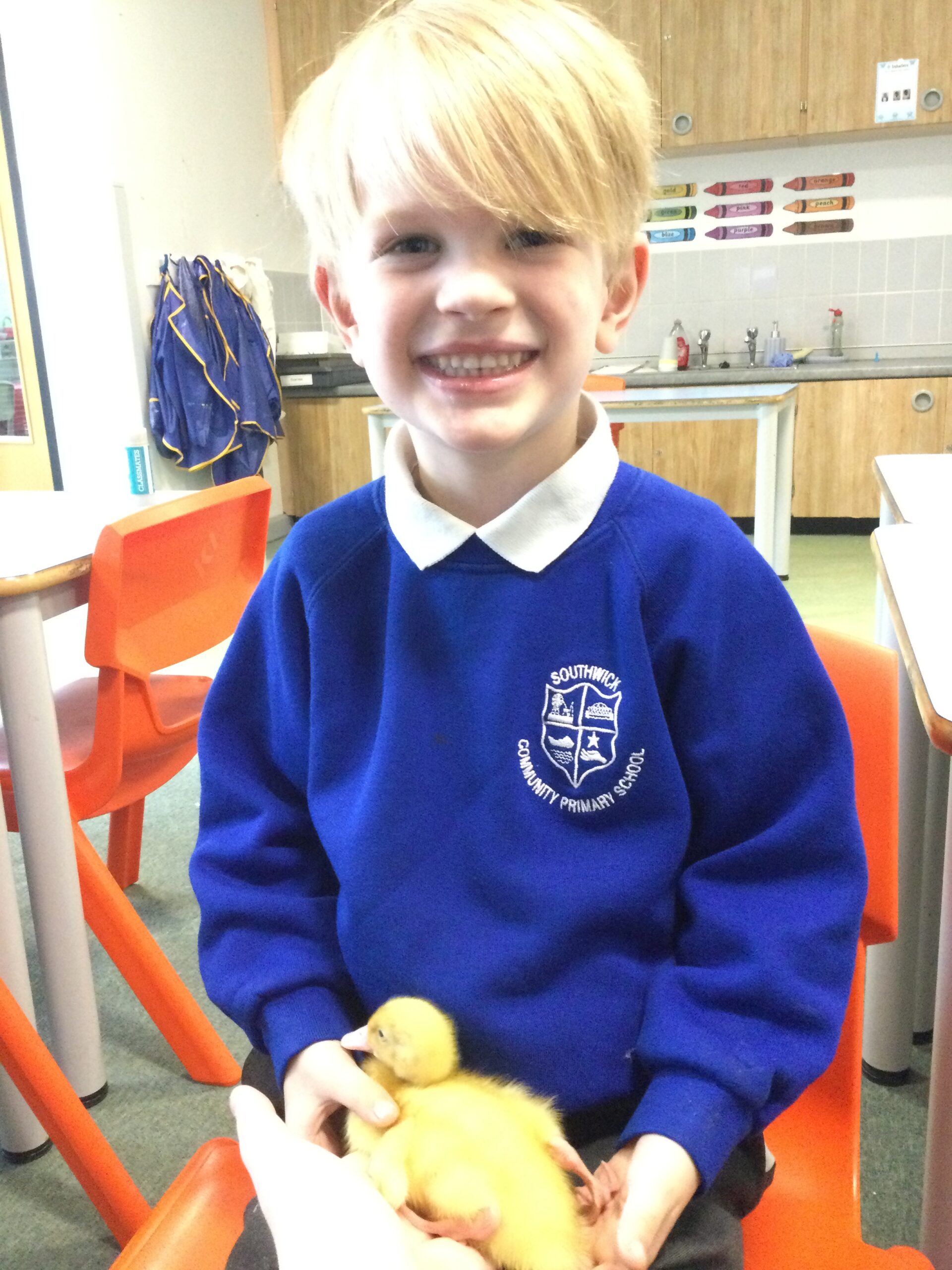
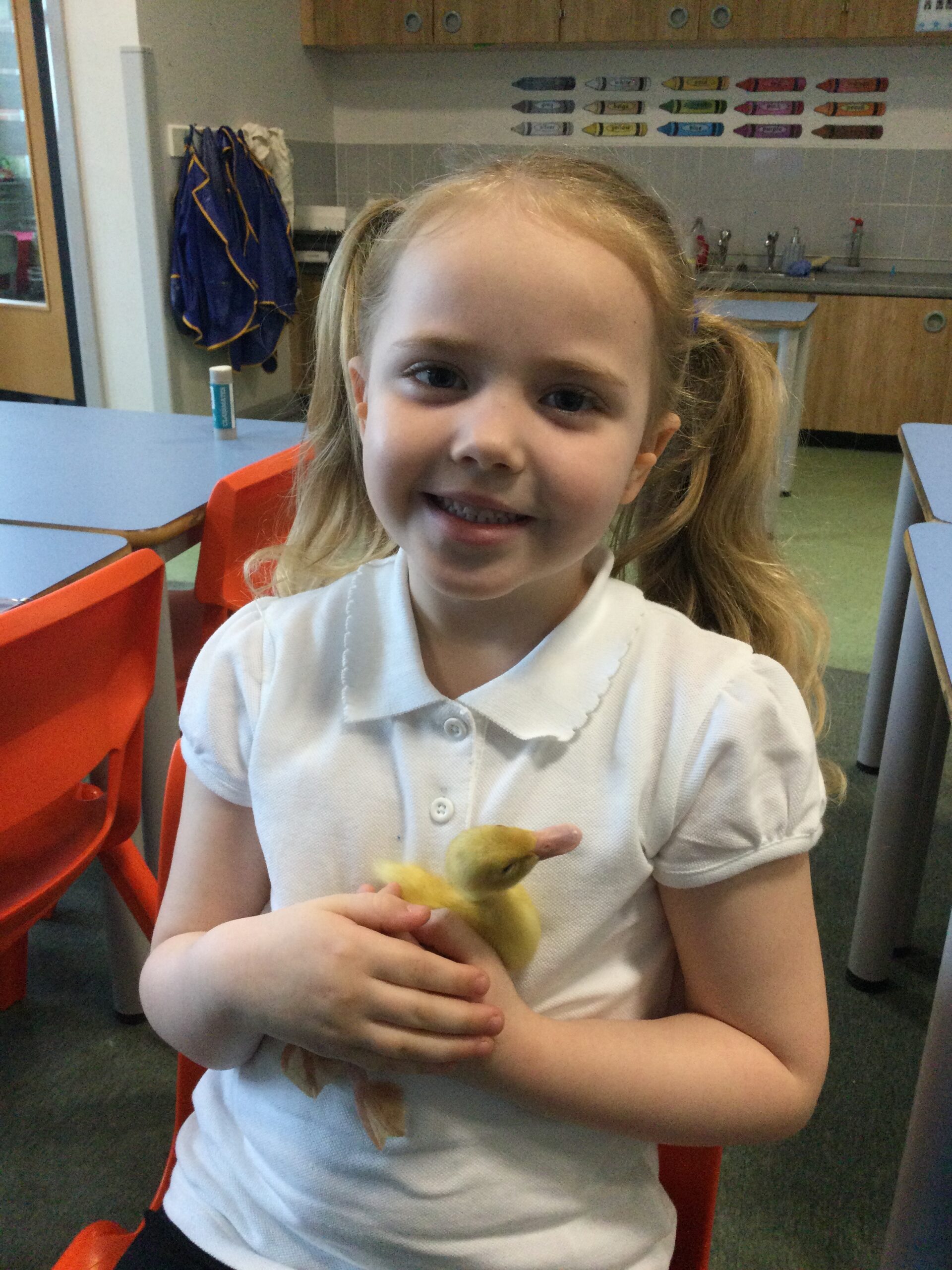
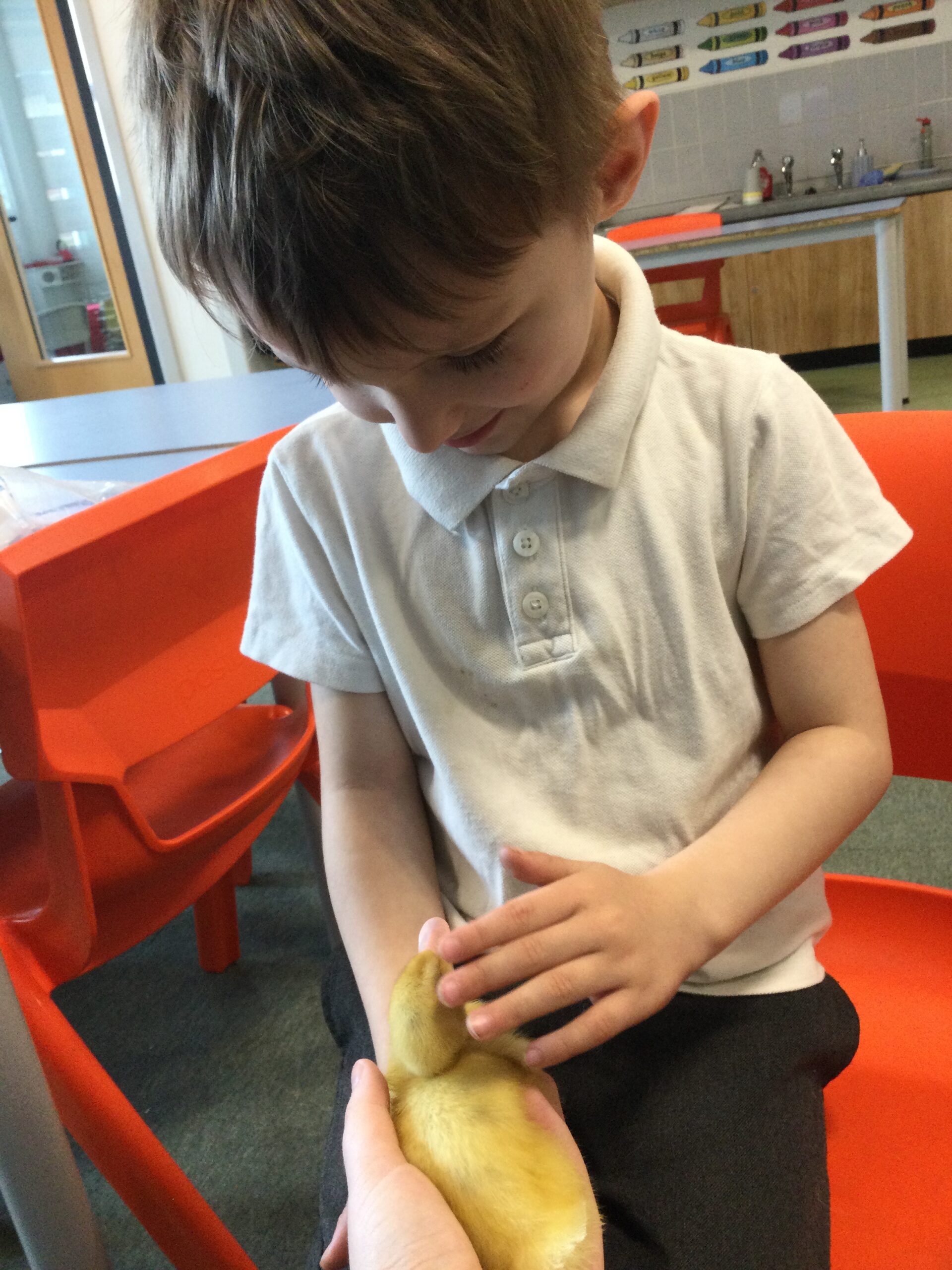
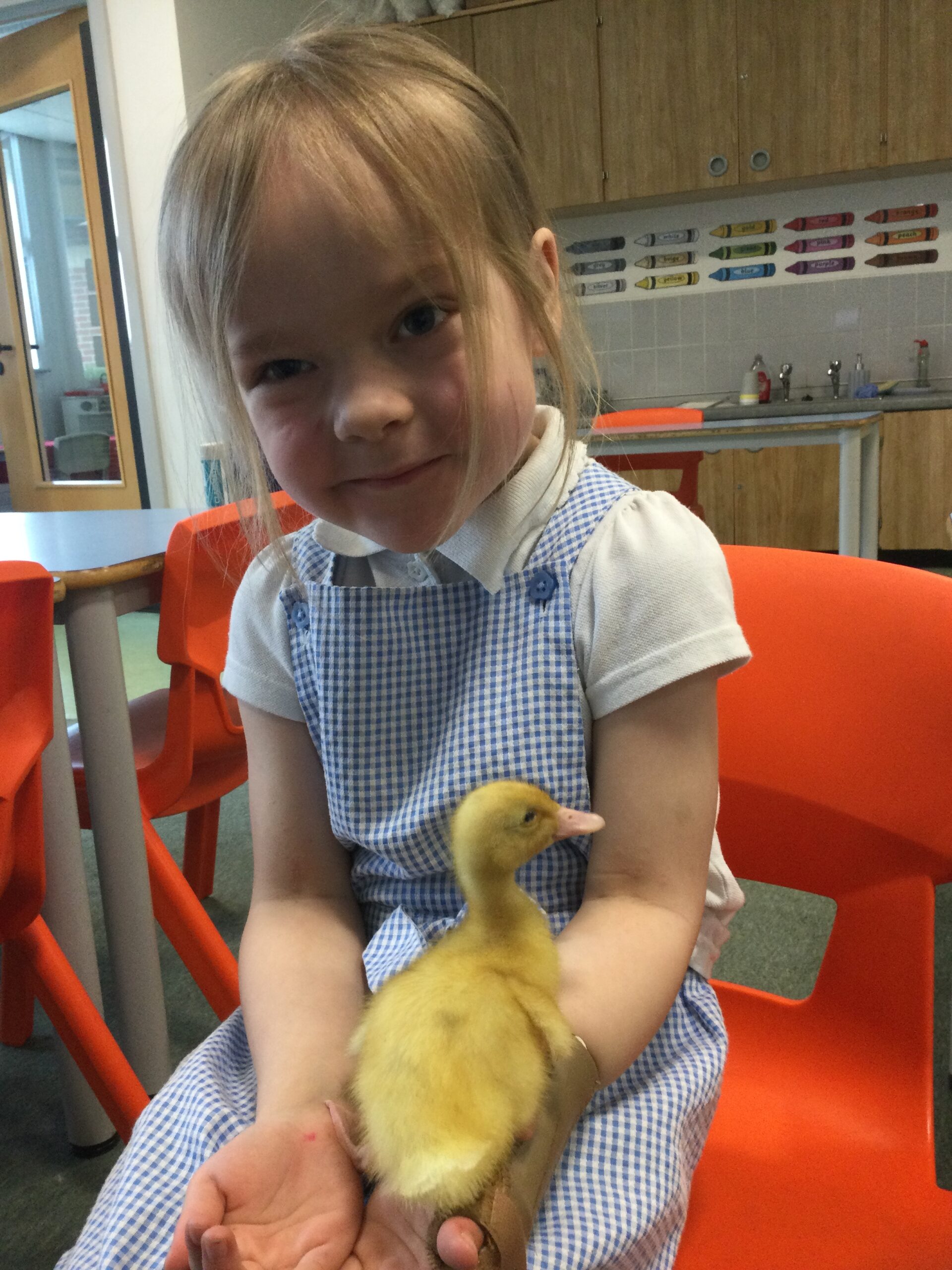
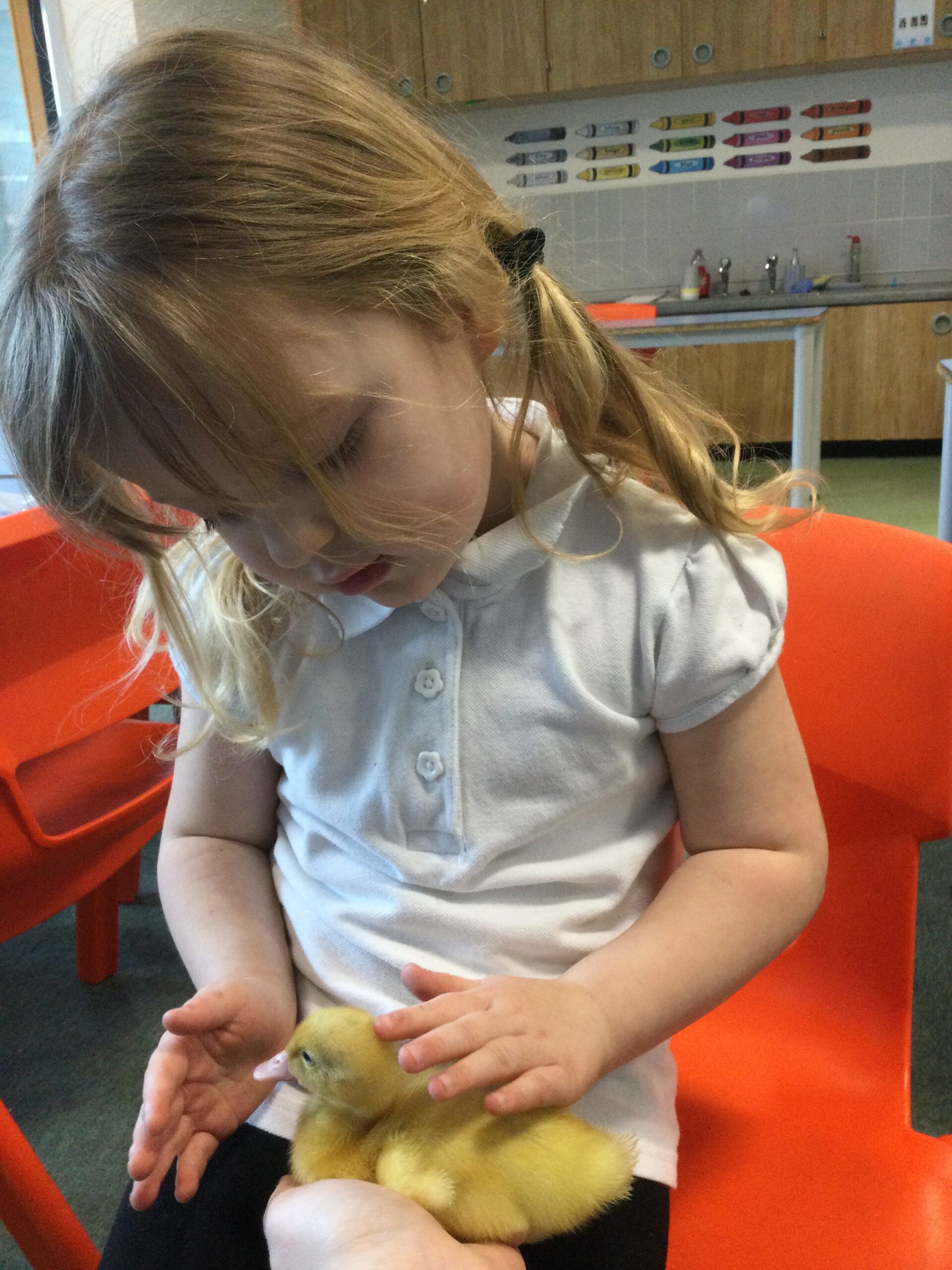
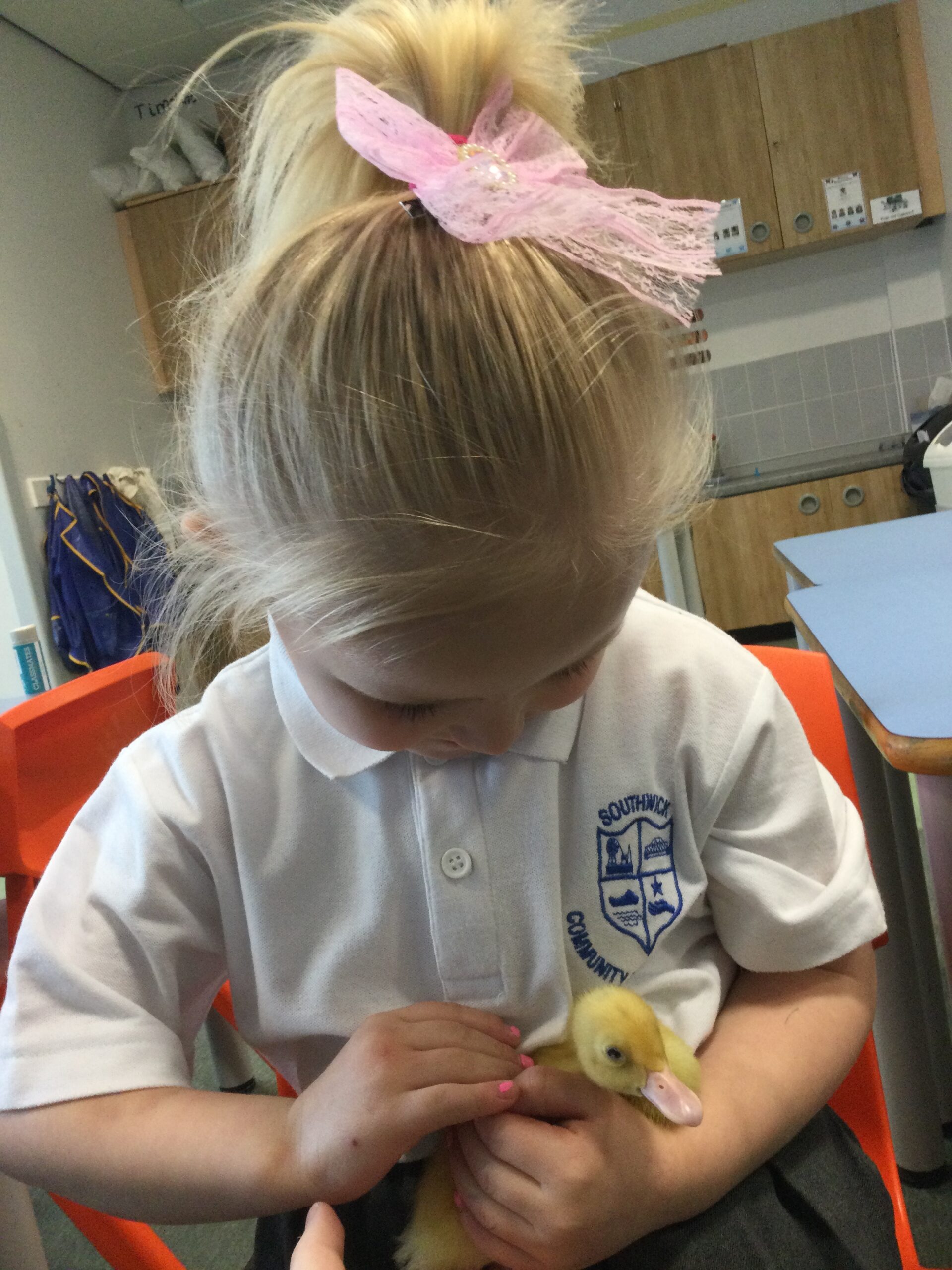
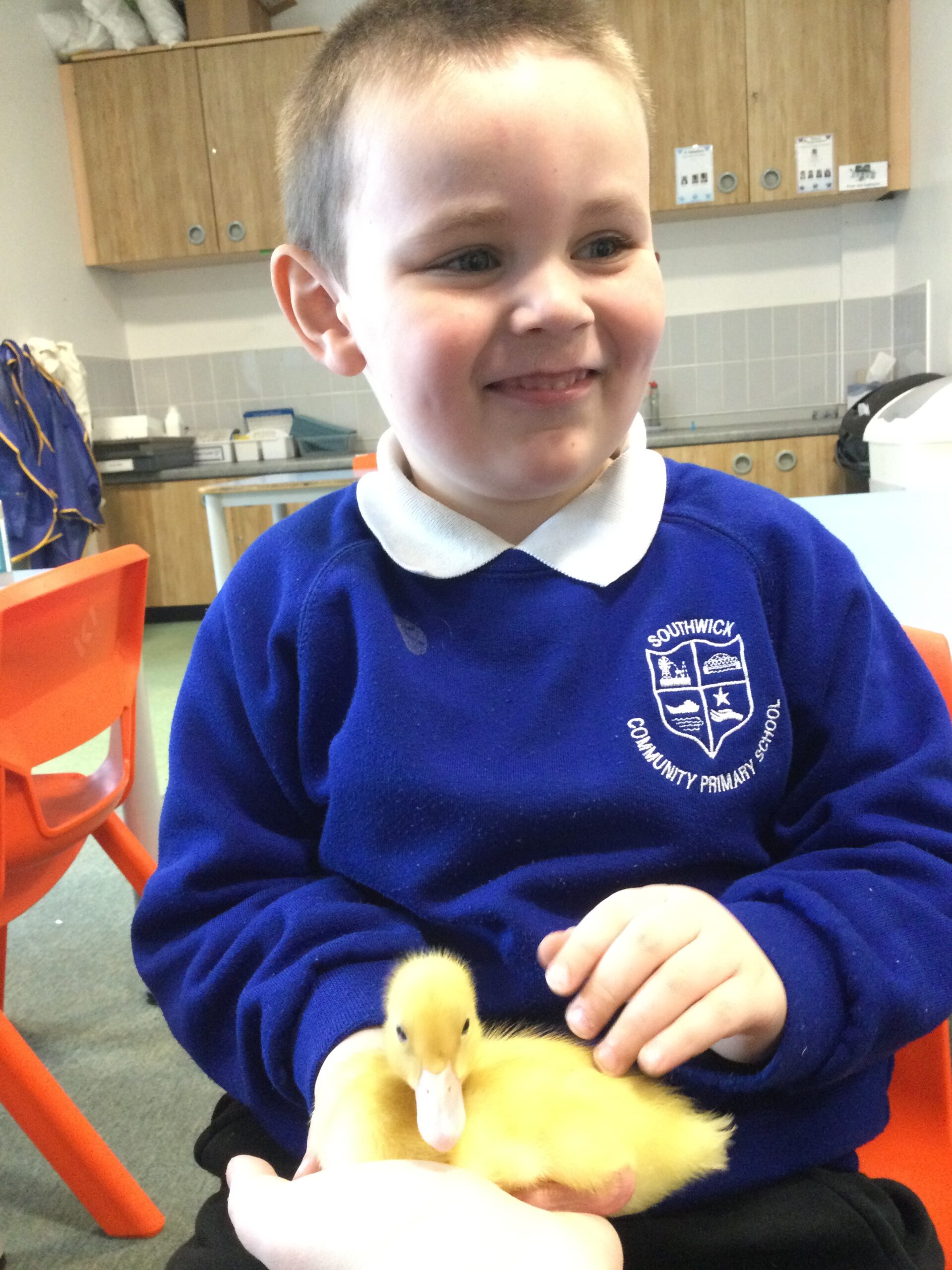
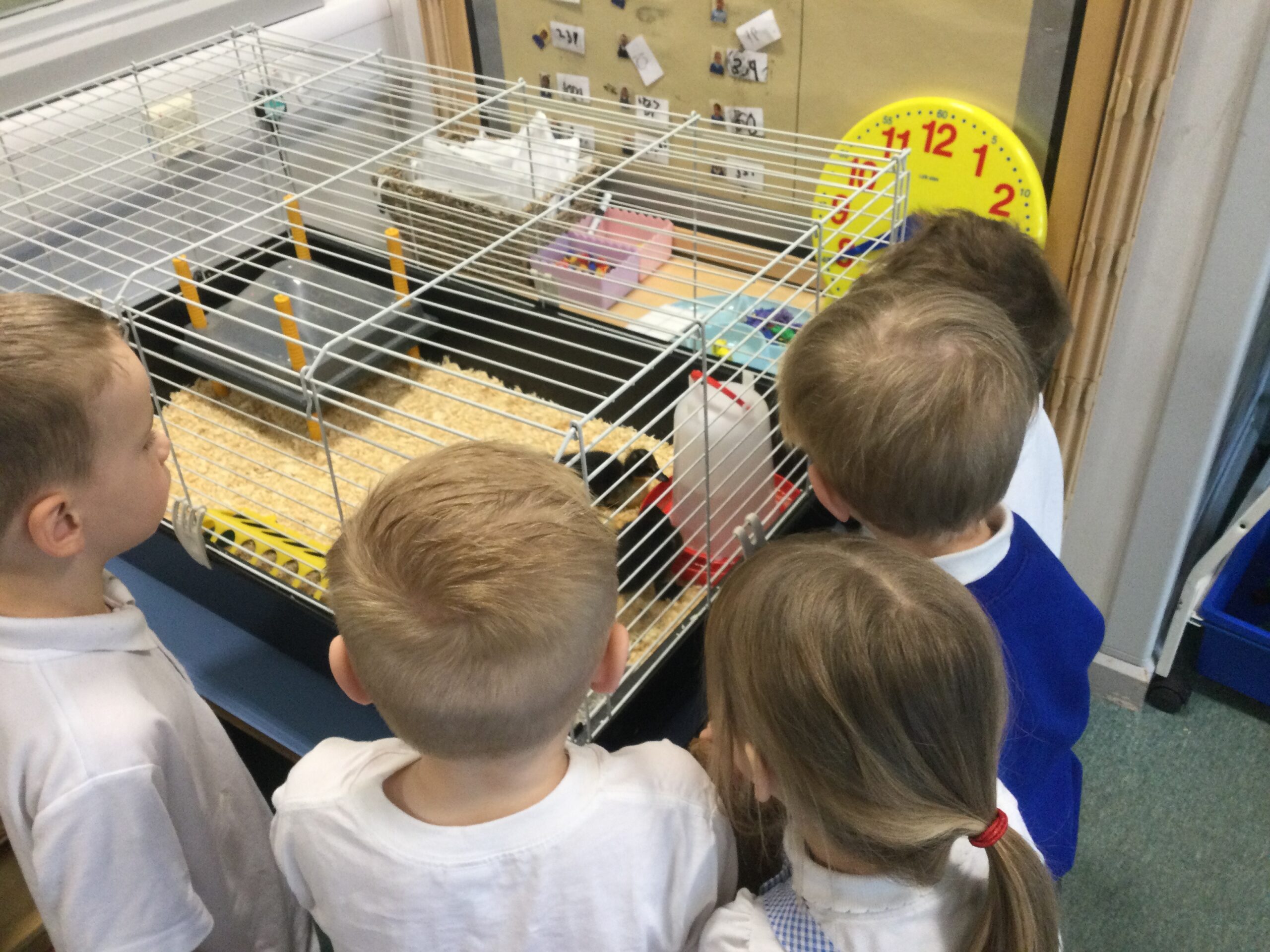
Meeting the ducklings gave children a real-life opportunity to observe a young animal and think about the changes still to come.
What did we learn?
The children learned that change happens in many different ways—not only in living things, but also through traditions, experiences and the passing of time.This week, the children’s interest in animals continued to deepen as they explored animal life cycles. Through stories, discussion, and hands-on experiences, children learned how animals change from eggs into adults, using key vocabulary such as hatch, chick, grow, change, and adult.
What Have We Learned About Change?
By the end of the enquiry, the children had discovered that change is happening all around us.
They learned that:
- Seeds become plants.
- Babies become children.
- Animals grow from young to adult.
- Seasons change.
- Families celebrate special events throughout the year.
- Change often takes time.
Most importantly, the children learned how to ask questions, test ideas, make observations and learn from the world around them. Their own curiosity drove the enquiry and helped shape the direction of learning throughout the half term. 🌱